

15 Best Things to Do in Santa Teresa, Costa Rica
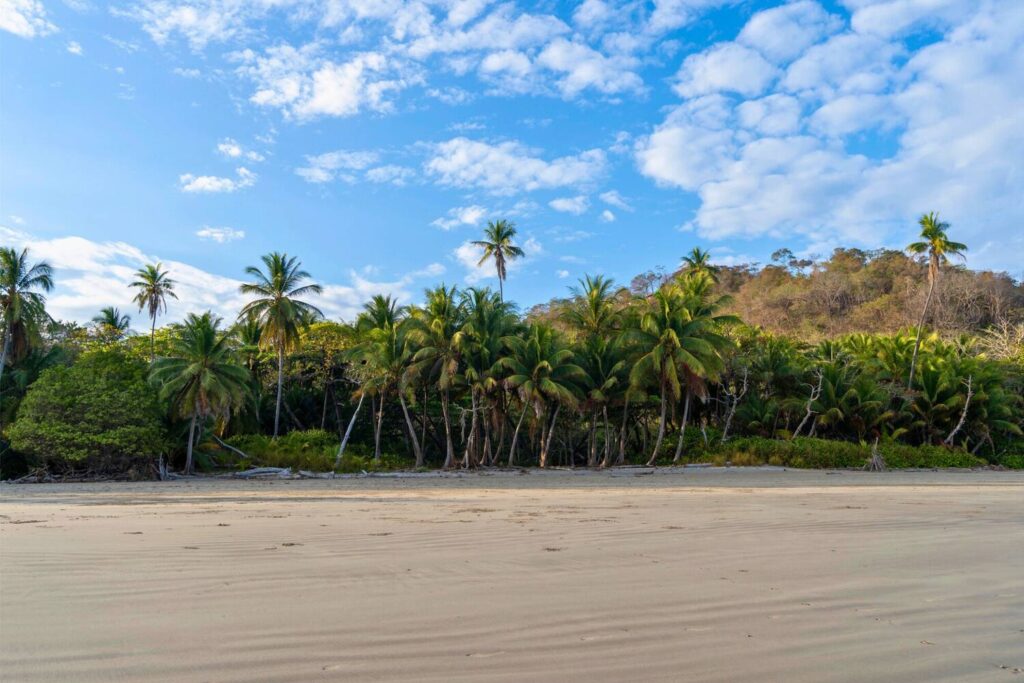
Santa Teresa is a small surf and yoga town at the southern tip of the Nicoya Peninsula. It’s strung along one long, dusty road, with cafés, small hotels and surf shops on both sides. Every evening, half the town walks down to the beach for the sunset.
In this guide, we’ll start with how the town is laid out and how to get around. Then we’ll go through the 15 best things to do in Santa Teresa, with prices, hours and tips.
Share this article
In Short
- Beginners surf at Playa Carmen, and a 90-minute group lesson costs around $60 to $65.
- Montezuma Waterfall is the best half-day trip, and the lower falls are free.
- Cabo Blanco Reserve is closed on Mondays and Tuesdays.
- Many beach spots depend on the tide, so check a tide chart each morning.
Join Our Facebook Community
Still have questions or want local tips straight from our team? Join our Facebook community. That’s where we share updates, answer questions, and help you plan your Costa Rica trip the smart way.
Santa Teresa Overview: Getting Around and Planning Your Days
Santa Teresa is one long road along the coast. Heading south, the beaches are Playa Hermosa, Santa Teresa, Playa Carmen and Mal País. Playa Carmen is at the main crossroads, where the road heads inland to Cóbano.
Cóbano is the service town, around 10 km inland, with banks and the small airstrip. Most people rent an ATV to get around, as walking the dusty road in the heat gets tiring.
A few things are worth planning ahead. Cabo Blanco is closed on Mondays and Tuesdays. The tide pools, the Cabuya walk and the Montezuma beach walk all need low tide. Check a tide chart before you go. Surf lessons are timed with the tide too.
Three nights is a sensible minimum here. The 3-day Santa Teresa itinerary covers surf, sunset and a Montezuma day without rushing.
15 Best Things to Do in Santa Teresa
1. Take a Surf Lesson at Playa Carmen
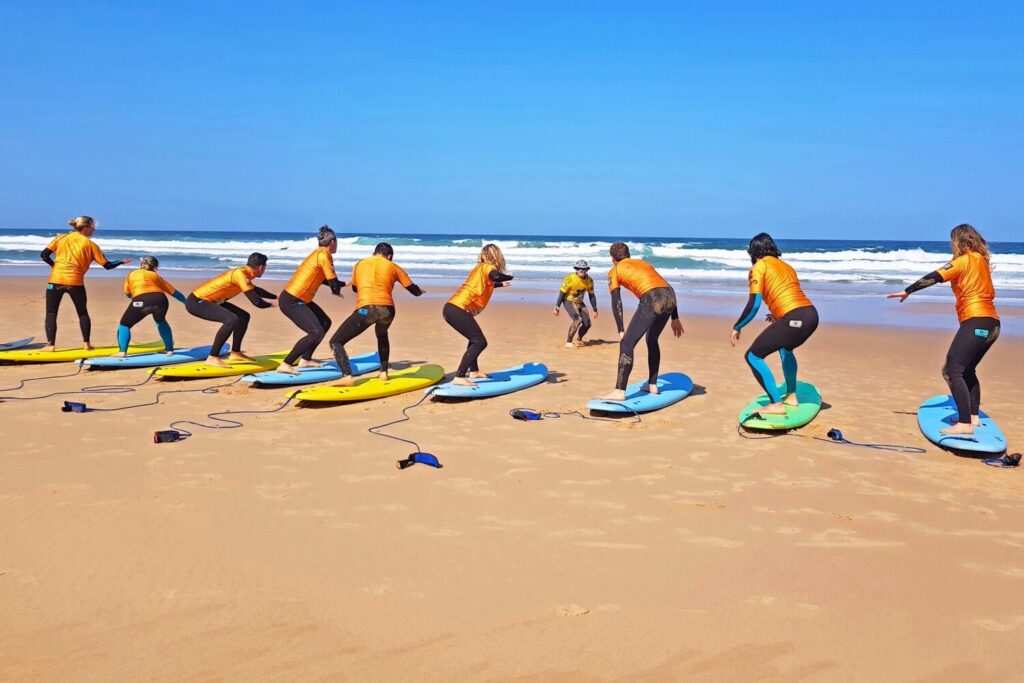
Surfing is the main reason most people come to Santa Teresa. Beginners learn at Playa Carmen, the beach at the main crossroads in the middle of town. The lesson starts on the sand, then the instructor heads into the water with you.
A group lesson costs around $60 to $65 and lasts 90 minutes, with the board and a rash guard included. Some schools charge up to $85. Surf schools are all along the main road, so it’s easy to book one near your hotel.
Lessons are timed with the tide, so book the day before and ask which hour works best. The dry season has smaller waves, which suits beginners. Leave Santa Teresa beach for when you can already ride a wave.
Group lessons cost around $60 to $65 for about 90 minutes, with a board and rash guard included. Book the day before and ask which tide window works.
2. Watch the Sunset on the Beach
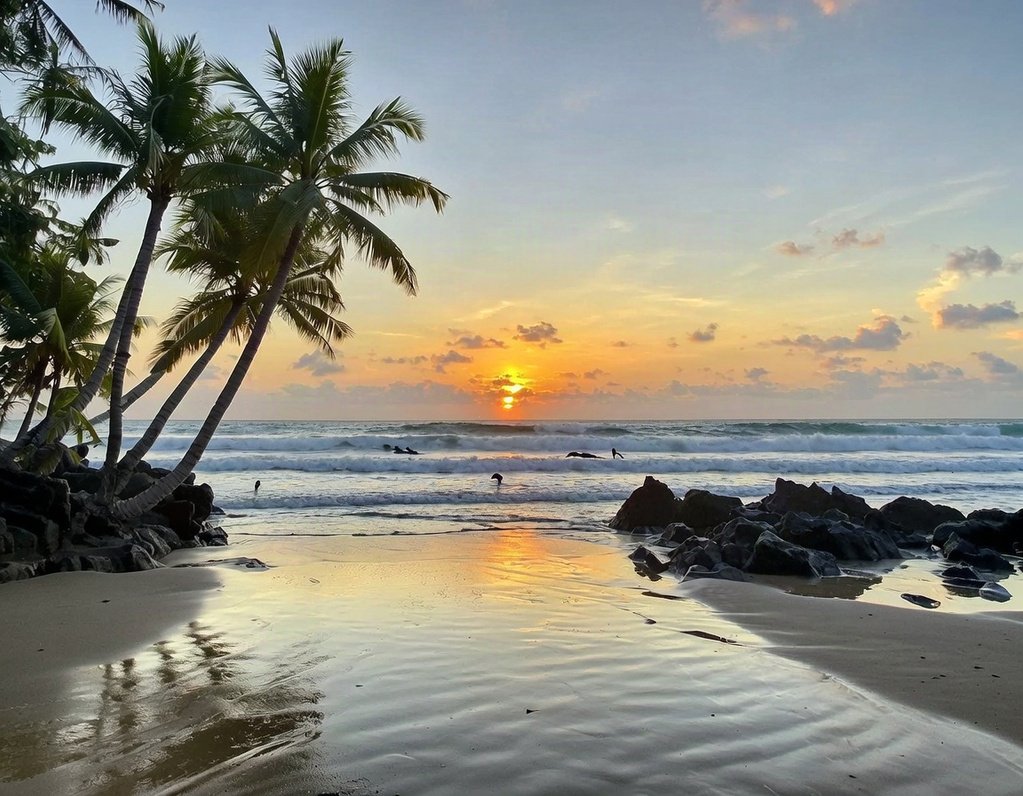
Sunset is the big daily event here, and it’s free. The most popular spots are Playa Carmen and Santa Teresa beach. People gather on the sand with a drink or a coconut, and the surfers stay out until the last light.
Depending on the month, the sun goes down at around 5:15 to 6 PM. Get there by 5 PM to find a good spot. At low tide, the wet sand reflects the sky, which makes for great photos.
For fewer people, head north to Playa Hermosa. Bring a small flashlight, since the road home is dark.
The sun sets around 5:15 to 6 PM. Bring a flashlight for the walk back, because the main road has little street lighting.
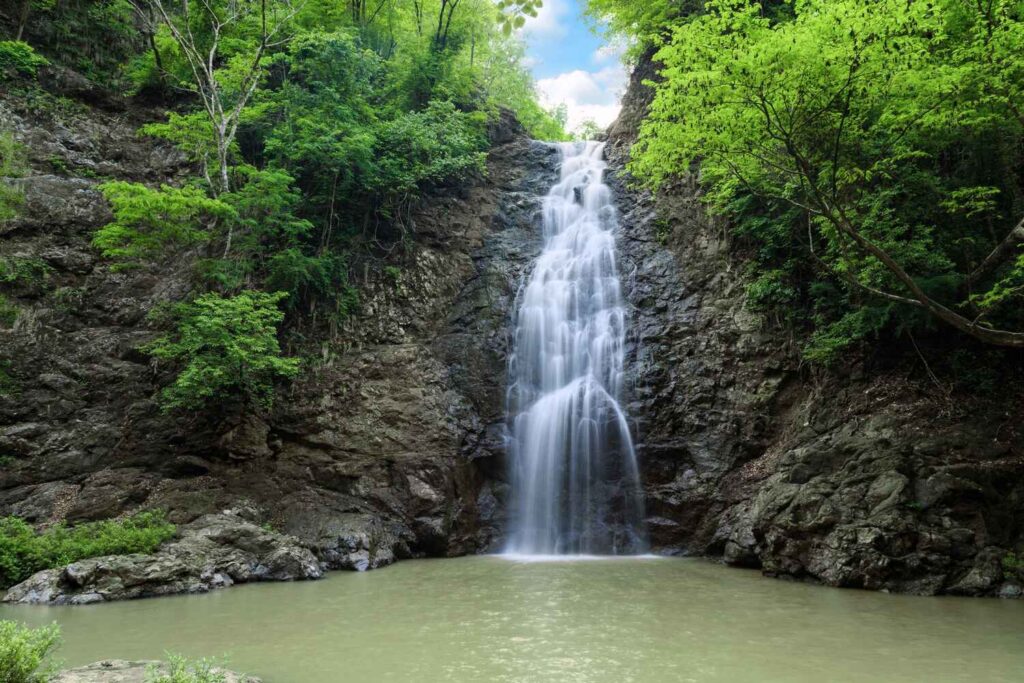
3. Hike to Montezuma Waterfall
Montezuma Waterfall is the best half-day trip from Santa Teresa. It’s a three-tier waterfall just outside the village of Montezuma, 40 to 50 minutes away on the paved road through Cóbano.
The trail to the lower falls is free and takes 20 to 30 minutes each way, mostly over river rocks. Parking near the trailhead costs around ₡2,000. The upper falls have pools and a rope swing. The Sun Trails route there costs around $5 and is open 8:30 AM until 5:30 PM.
Please don’t jump from or climb the lower falls, as people have died there. Wear shoes with good grip, since the rocks are slippery. Go in the morning, before the tour groups arrive.
The lower falls are free, with parking around $5. People have been hurt jumping from the rocks, so swim in the pools and skip the jumps.
4. Zipline Over the Montezuma Falls
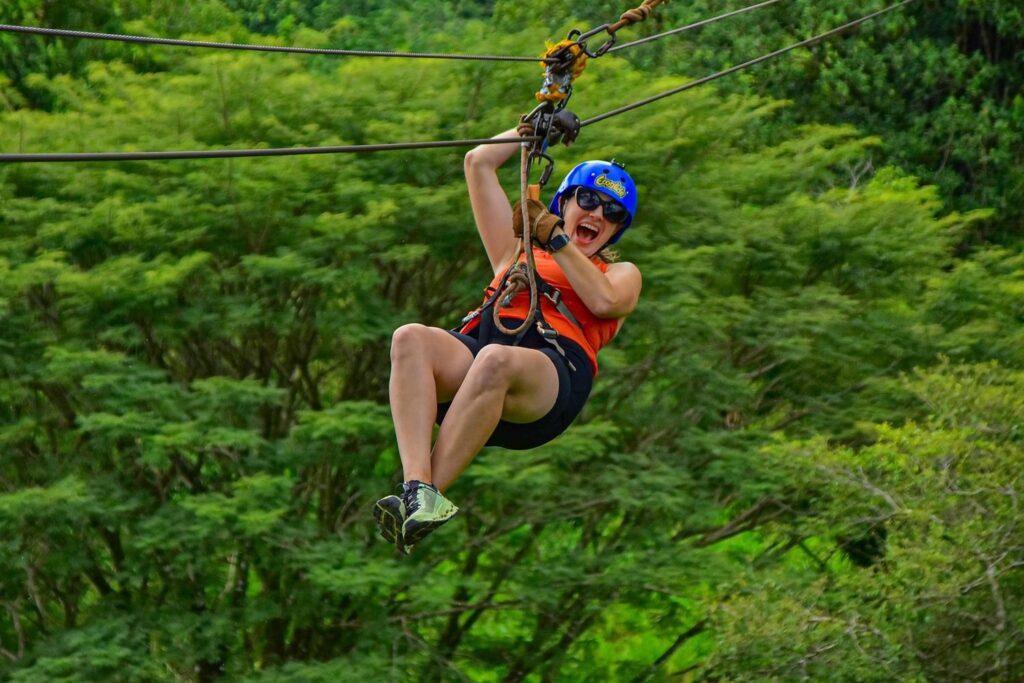
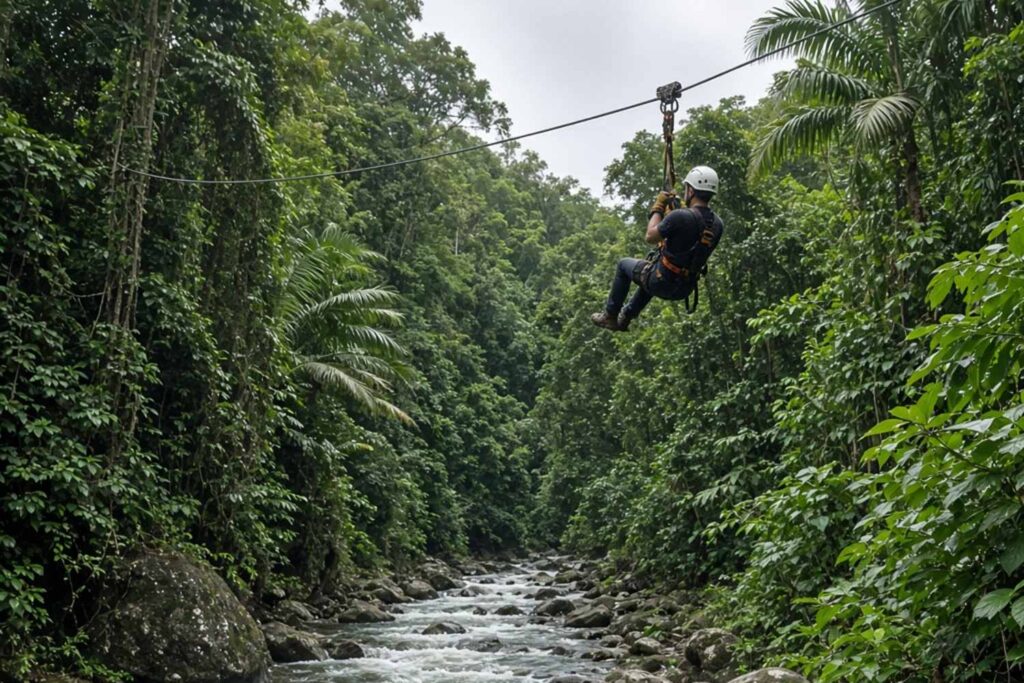
Sun Trails has a canopy tour with ziplines over the forest near Montezuma Waterfall. You ride the cables between platforms high in the trees.
It costs around $63 plus tax, with hotel pickup from Santa Teresa and a stop at the upper falls. Other sellers charge $70 to $108 for the same tour. Bring a swimsuit under your clothes, so you can swim at the falls after the ziplines.
It’s an easy way to see the upper falls without the river scramble. Wear closed shoes and leave loose items at the hotel. Book a day or two ahead in the dry season.
Expect around $63 plus tax with hotel pickup and a stop at the upper falls. It goes well with a Montezuma village lunch afterward.
5. Take a Day Trip to Tortuga Island
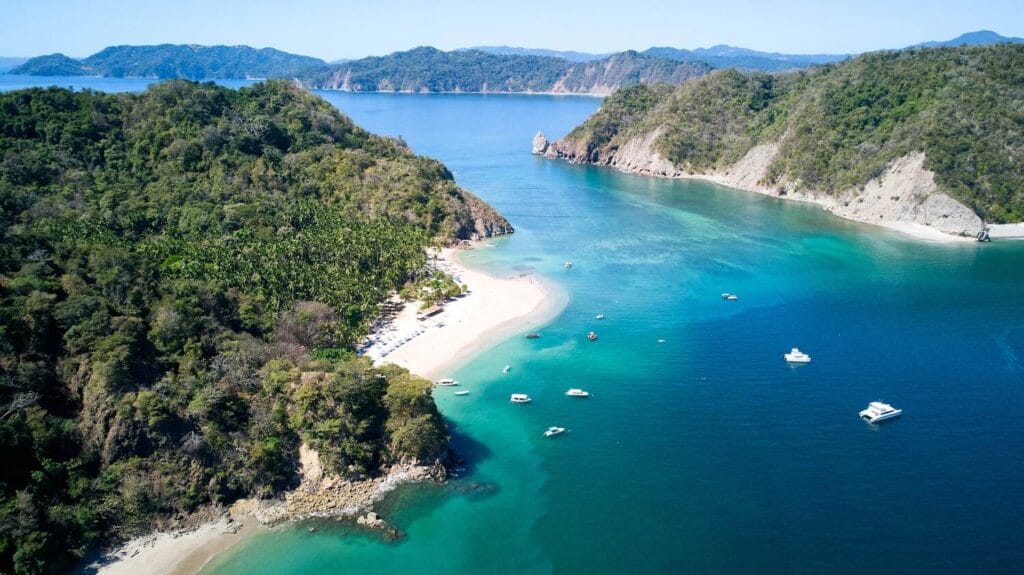
Tortuga Island is a white-sand island in the Gulf of Nicoya, with calm, clear water. The easiest way to go is a shared day trip with hotel pickup. You ride to Montezuma, then take a boat out to the island, with a snorkel stop and lunch on the beach.
Shared trips with Santa Teresa pickup cost around $90 to $160, with snorkel gear and lunch. Our pick costs around $160. One local operator charges $108, with pickup between 7:45 and 8:20 AM. Its boat leaves at 9:30 AM and comes back at 3:45 PM.
Trips that leave straight off Montezuma beach start at around $80 plus tax, since there’s no pickup. A private boat out of Tambor costs around $480 plus tax, for up to 4 people.
Shared trips from Santa Teresa cost around $90 to $140 with pickup, snorkel gear and lunch. Boats often leave Montezuma around 9:30 AM.
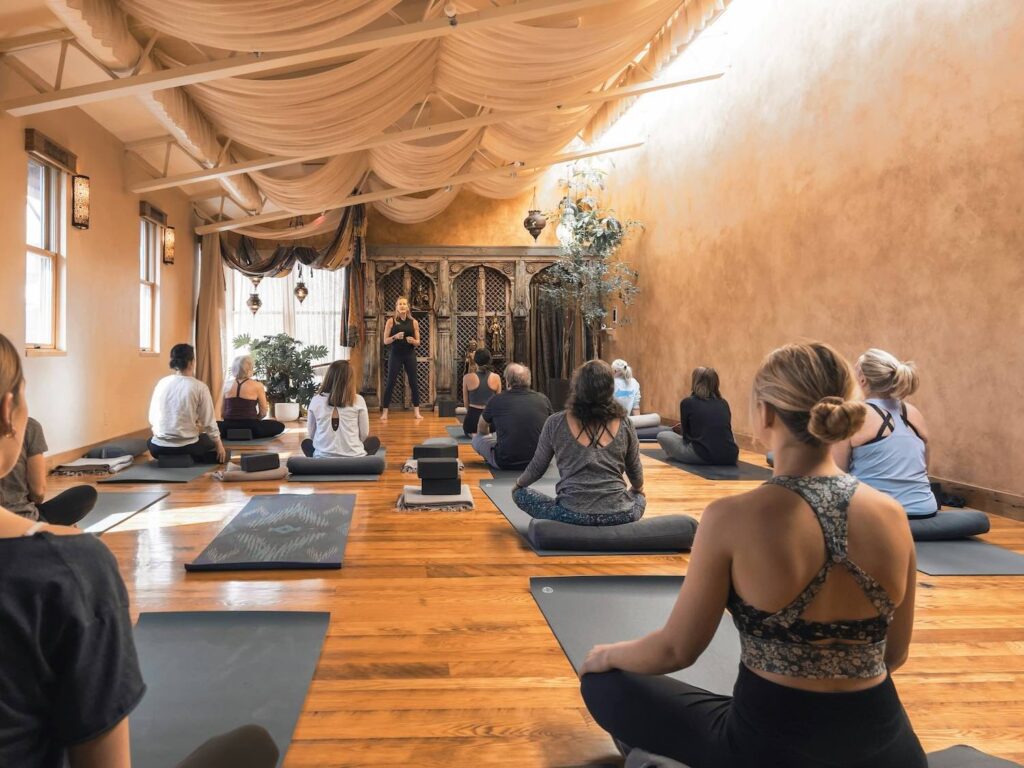
6. Join a Yoga Class
You’ll find yoga studios all along the main road, and nearly all of them take drop-ins. Many classes are on open wooden decks, with the sound of the waves and the forest around you. A class costs $14 to $20.
At Zeneidas Surf Garden, a class costs $14, with Ashtanga at 7:30 AM and Vinyasa at 9 AM. Horizon Yoga Hotel charges $20 a class, or $100 for 8 classes, which is good value for a longer stay.
A morning class works well before an afternoon surf lesson, as it loosens up your shoulders. Drop-in classes cost around $14 to $20, and yoga in Santa Teresa lists more studios and their morning slots.
Most decks take drop-ins the same morning. Early classes fill first in high season, so message the studio the night before.
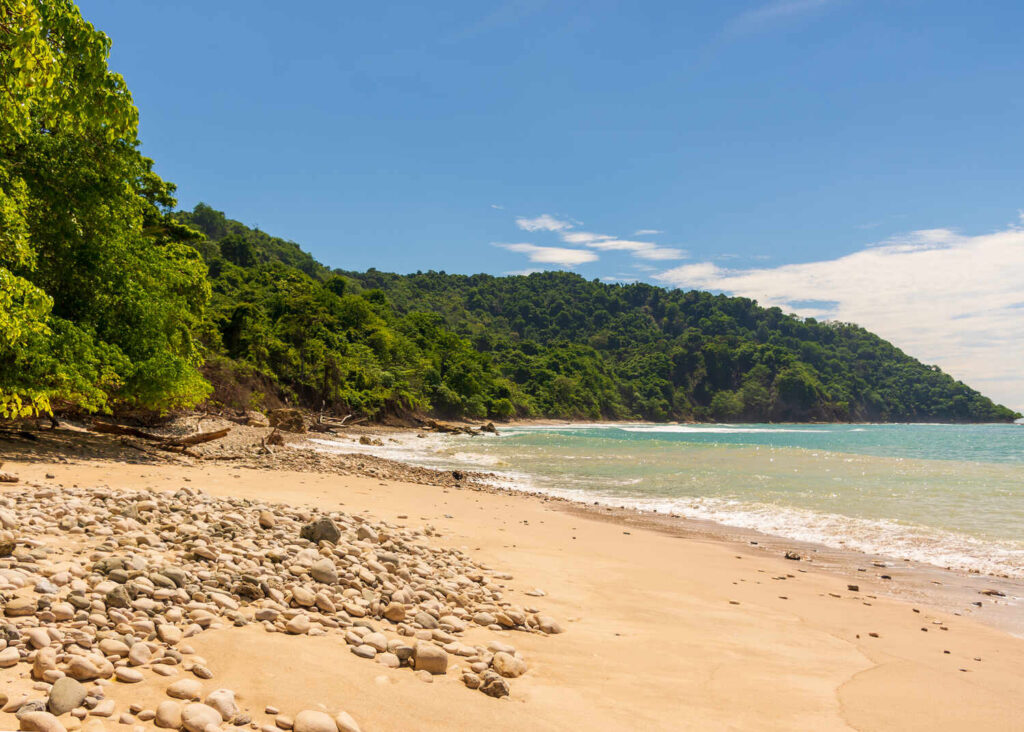
7. Hike to the Beach at Cabo Blanco Reserve
Cabo Blanco Absolute Natural Reserve was Costa Rica’s first protected area. It’s near Cabuya, at the southern tip of the peninsula. Howler monkeys and white-faced capuchins live in its dry forest.
Entry costs $12 for adults and $5 for kids aged 2 to 12. You can pay by card at the booth. It’s open Wednesday to Sunday, 8 AM until 4 PM, and closed on Mondays and Tuesdays. Check the SINAC website the day before.
The Sueco trail leads around 5 km each way to a wild beach. Start by 11 AM at the latest, and carry plenty of water, because the trail is hot and steep. Bring lunch, too, as there’s nothing to buy inside.
The reserve is open Wednesday to Sunday, 8 AM to 4 PM, and closed Monday and Tuesday. Start the Sueco trail by 11 AM and carry plenty of water.
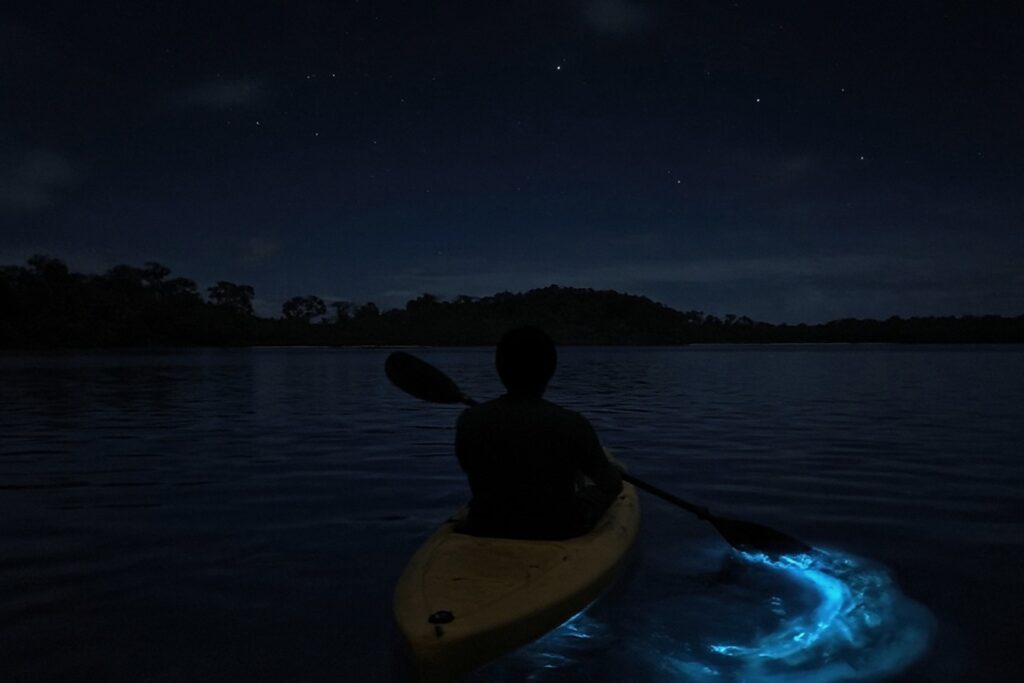
8. Paddle Through Glowing Water at Night
In the Gulf of Nicoya, on the other side of the peninsula, the sea glows at night. Tiny sea creatures light up blue when you move your paddle or your hand through the water.
Kayak tours out of Paquera cost around $35 to $40. With Santa Teresa pickup, expect to pay $70 to $85. Montezuma also has a sunset and bioluminescence boat trip for $65, and pickup from Santa Teresa adds $20.
The glow is easier to see on darker nights, so avoid the full moon. Ask the tour company which nights it suggests for your dates. Bring a dry bag for your phone, and expect to get wet.
Dark, moonless nights show the glow best. Tours from Santa Teresa with pickup cost around $70 to $85.
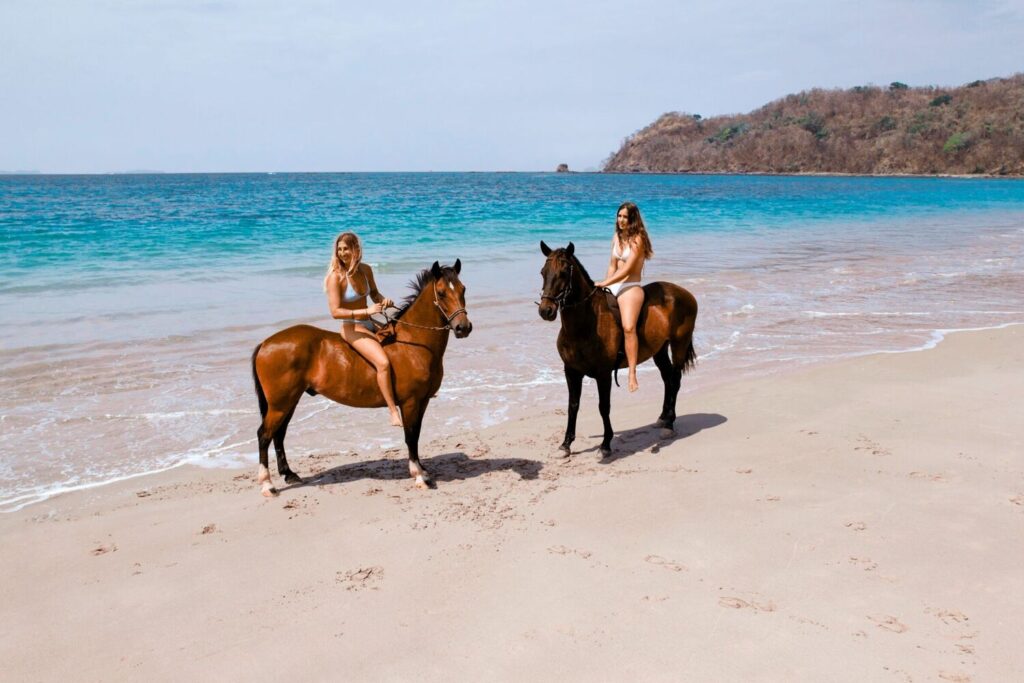
9. Ride a Horse Along the Beach
A guided horseback ride along the beaches is a relaxed way to see the coast. A 2-hour ride costs around $45 to $65. Many rides go out in the late afternoon, so you’re on the sand at sunset.
Longer rides, up to the beach at Manzanillo, cost $85 to $130. They suit riders who want more time in the saddle.
Wear long pants and closed shoes, and bring sunscreen and a hat. Book a day ahead, and ask if hotel pickup is included.
A 2-hour guided ride costs around $45 to $65. Longer rides up toward Manzanillo cost more and need an earlier start.
10. Explore the Coast by ATV
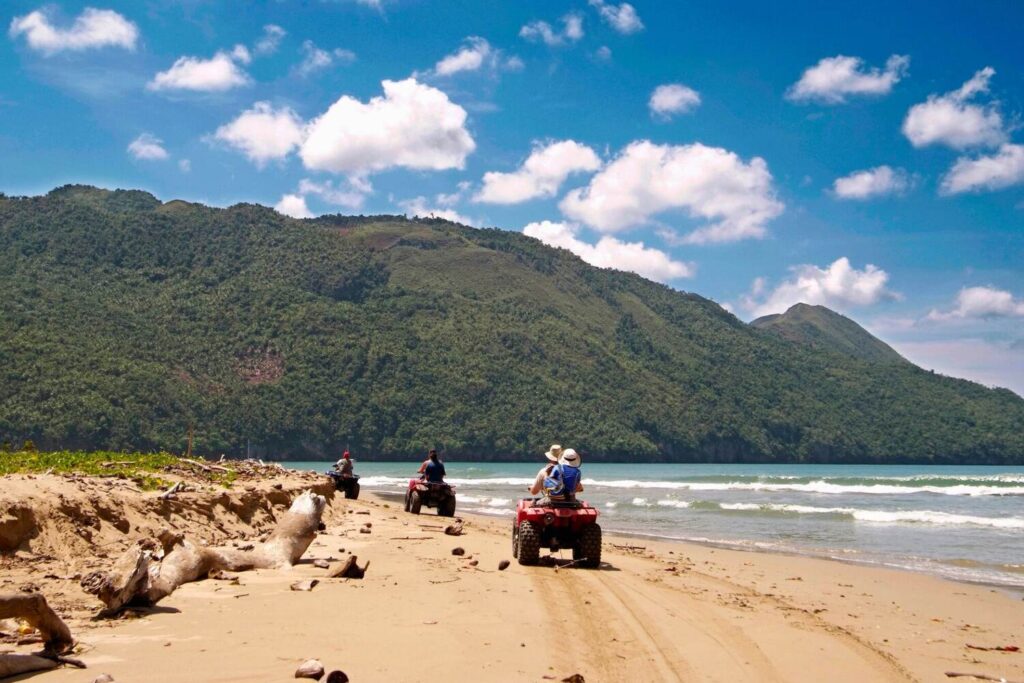
Most people get around Santa Teresa by ATV, since the main road is long and dusty. It also makes a good day out along the coast, to Mal País, Cabuya and Montezuma at your own pace.
Renting one costs around $60 to $90 a day plus 13% tax, and many companies drop it off at your hotel. You’ll need your passport, a valid driver’s license and a credit card. A guided 5-hour ATV tour to the falls costs from $165 per person, with a minimum of two.
Expect plenty of dust in the dry season, so pack sunglasses and a bandana. Try not to drive after dark. Ask for a helmet that fits well.
You’ll need a passport, a valid driver’s license and a credit card to rent. Avoid driving after dark on the dusty inland tracks.
11. Stop at Curú Wildlife Refuge
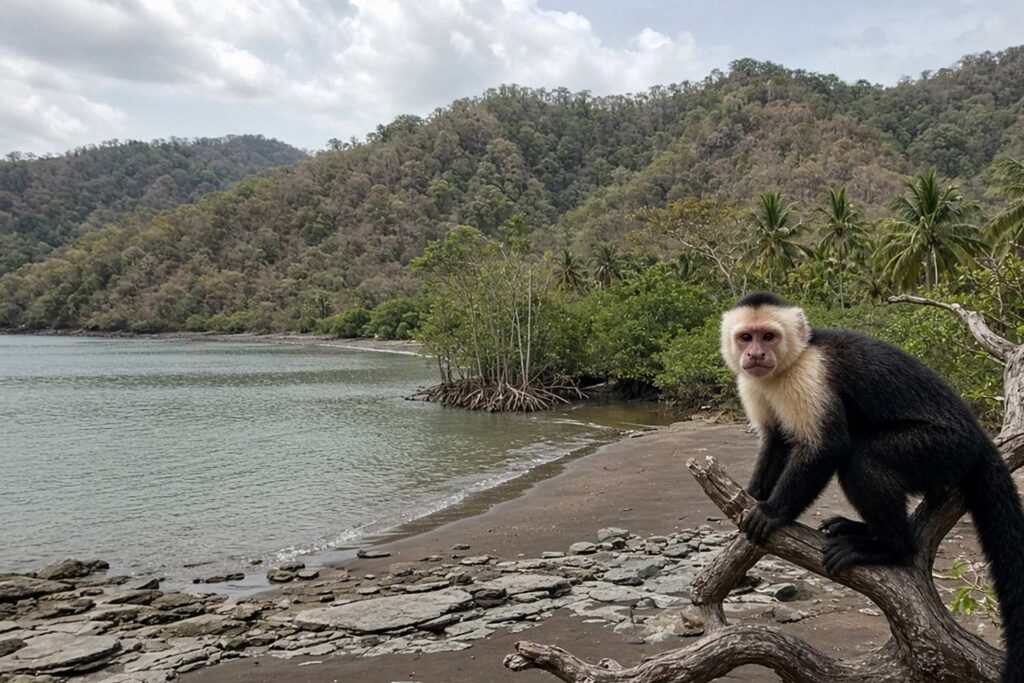
Curú is a private refuge with beaches, mangroves and monkeys, around 6 km outside Paquera on the road to Cóbano. It’s a good stop on the day you arrive or leave by ferry.
Entry costs $17 for foreign adults and $9 for kids aged 3 to 11. It’s open every day, 7 AM until 4 PM. Some Tortuga Island boats leave from here too.
If you see capuchins, please don’t feed them. Bring water and bug spray, and plan around 2 hours.
Foreign adults pay around $17, and the refuge is open daily 7 AM to 4 PM. It fits well with a ferry day via Paquera.
12. Walk the Beaches North of Montezuma
Montezuma is a small, relaxed beach village on the gulf side of the peninsula. There are local sodas, small shops and boats to Tortuga Island. It’s easy to add to the waterfall trip for a slow half day.
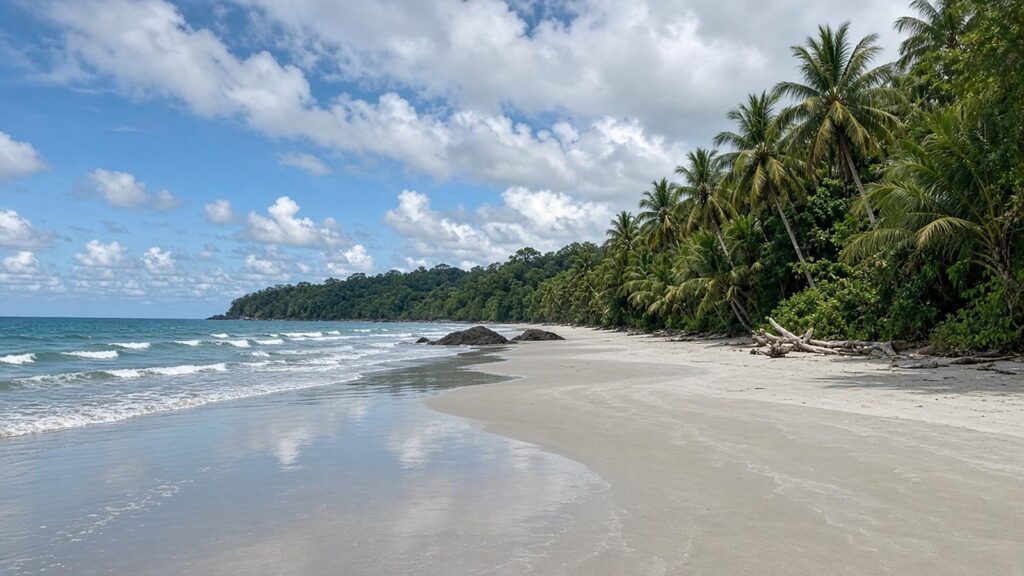
From the village, a beach walk heads north past rocky coves. After around 30 minutes, part of it on a shady jungle path, you reach Playa Grande. It’s a long, wide beach that’s almost empty, with no cars and no shops.
Bring water, snacks and sandals that can get wet. The rip currents can be strong, so stay where you can stand. Start the walk around low tide, as some coves are harder to pass when the water is high.
Combine it with the waterfall for a half day on the gulf side. Bring water; shade is thin once you leave town.
13. Spend an Afternoon on Playa Hermosa
Playa Hermosa is the long beach north of Santa Teresa. It’s wide, flat and much quieter than the beaches in town. Don’t mix it up with the Playa Hermosa beaches in Guanacaste and near Jacó.
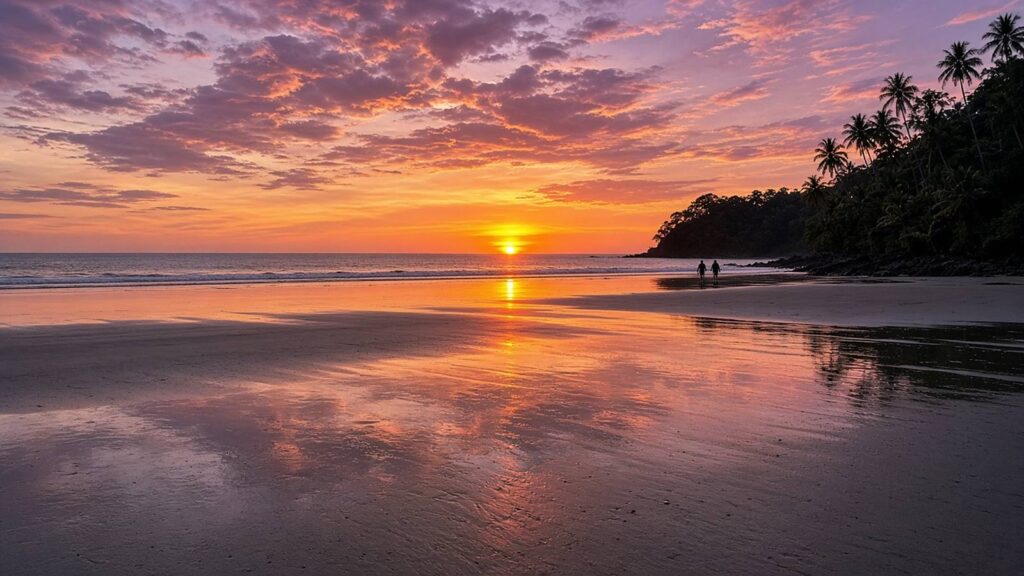
The waves break softer here, so it’s a good beach when the surf in town is too big. Some surf schools bring their students up here for that reason. At low tide, the water pulls far back, and the wet sand looks like a mirror at sunset.
The access roads are rougher than the main road, so an ATV or a 4×4 helps. There are few shops near the sand, so bring more water than you think you’ll need.
This is the long beach north of Santa Teresa, not the one near Jacó or in Guanacaste. It’s a quieter sunset spot than Playa Carmen.
14. Swim in the Mal País Tide Pools
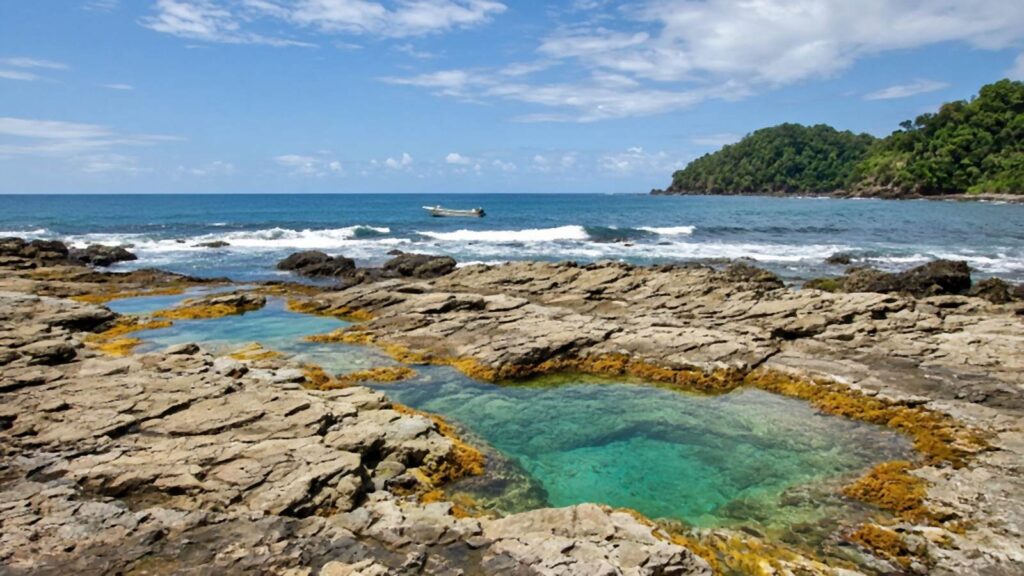
Mal País is the rocky coast at the south end of the road, past Playa Carmen. It’s quieter than town, with small fishing boats pulled up on the shore. At low tide, the rocks at Mar Azul hold clear pools you can float in.
Some pools are deep enough to snorkel, and others are shallow, which suits small kids. Look for small fish, crabs and sea urchins. Just south, past the fishing port, is Playa Los Suecos. It’s a small cove with calm water behind a reef, and it’s good for snorkeling.
Go at low tide, and get out when the waves start splashing over the rocks. Wear water shoes, because of the urchins. There’s nothing to buy, so bring water and snacks.
Go at low tide, when the rock pools hold clear water. The fishing harbor nearby stays quieter than the main strip.
15. Walk Out to the Cabuya Island Cemetery
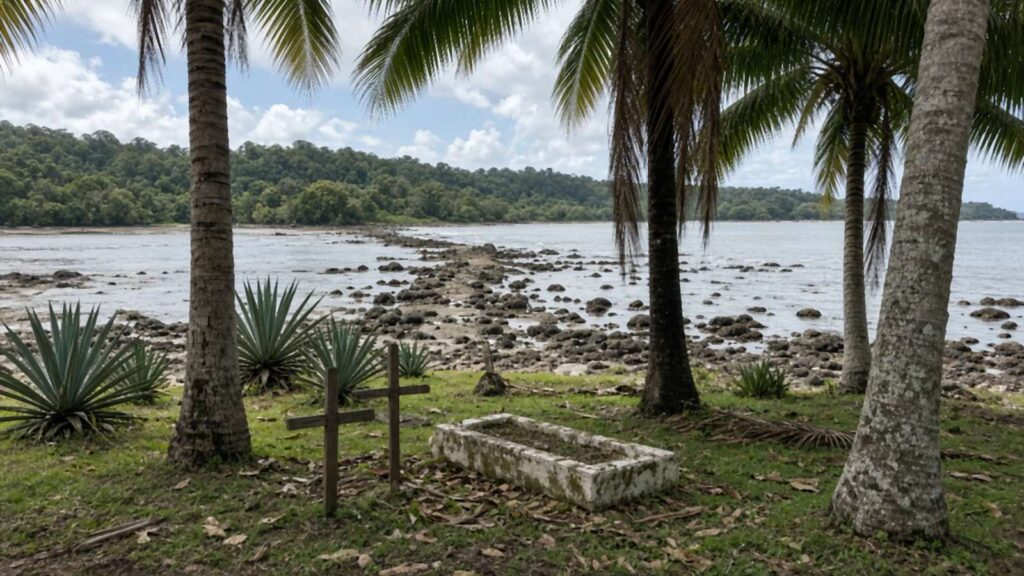
Cabuya Island is a tiny island off the village of Cabuya, near Cabo Blanco. It holds a small cemetery that’s still in use, with unusual old gravestones. You can only walk out at low tide, when a rocky strip of land appears.
The walk takes 10 minutes over sharp, slippery rocks, and a visit takes around 30 minutes. It’s free. Arrive about an hour before low tide, and head back before the water rises, or you’ll get stuck.
From Santa Teresa, drive around through Montezuma, as the coast road from Mal País has river crossings. Wear water shoes, and bring water and a hat. Please be respectful if there’s a funeral.
The sandbar only appears at low tide, so check the tide table before you set out. Wear shoes with grip for the rocks.
Santa Teresa FAQ
How Many Days Do You Need in Santa Teresa?
Three nights is a good minimum for a Santa Teresa itinerary. That gives you a day of surf and sunset, plus a half day at the waterfall.
You’ll also have a full day for an island trip or the reserve. Add a fourth day if you can, since the trip there takes most of a day.
How Do You Get to Santa Teresa From San José?
Most people take the ferry between Puntarenas and Paquera, which takes around 70 minutes. From Paquera, it’s a drive of 1.5 hours. Check ferry times on the Naviera Tambor site.
Getting here takes a ferry from Puntarenas or a flight to Cóbano. The San José to Santa Teresa route and the airport transfer both take most of a day door to door.
Is There a Gas Station in Santa Teresa?
No, there’s no gas station in Santa Teresa itself. The nearest one is in Cóbano, around 10 km inland.
Fill up there before you head back to the beach, especially if you’ve rented an ATV. It’s easy to plan a stop on the way to Montezuma.
When Is the Best Time to Visit Santa Teresa?
December to April is the dry season, with sunny days and smaller waves that suit beginners. It’s also the dustiest and busiest time.
May to November brings bigger, more regular surf and green hills. Afternoon rain is common, and some dirt roads get muddy.
Is Santa Teresa Expensive?
Eating out can add up in Santa Teresa. Cafés along the main road charge international prices for poke, sushi, Italian and vegan food.
Menus without tax add around 23% for tax and service. Local sodas are cheaper, and the beaches and sunsets are free.
Is Santa Teresa Worth Visiting?
Yes, Santa Teresa works well for surfers, yoga fans and anyone who likes a slow beach town. The sunsets are some of the best in Costa Rica.
Getting there takes some effort, so plan at least three nights. Stays spread from Playa Carmen to Mal País, and most hotels in Santa Teresa sit right on that stretch of road.
Planning Your Days in Santa Teresa?
Our 3-day itinerary covers the surf, the waterfall and an island trip, day by day.
Stays spread from Playa Carmen to Mal País, and most hotels in Santa Teresa sit right on that stretch of road.