

25 Best Places to Visit in Costa Rica in 2026
Costa Rica isn’t huge on a map, but once you’re there it feels endless. One day you visit cloud forests that drip with mist, the next you’re stuck deciding between going to a waterfall or just sitting in a hot spring. It’s the kind of place where every road trip takes twice as long, not because of traffic, but because you keep pulling over for views you didn’t plan to see.
I first came here thinking I’d just hit the “main spots” in a week. Big mistake. By day, three I was already behind. The country’s like that: it throws too much at you, and you realize quickly you’ll have to leave things for next time (which is fine, because you’ll want a next time). Honestly, some places get hyped more than they deserve, but others…wow. You don’t forget them.
So here’s a rundown of the 25 best places to visit in Costa Rica. Some you’ve heard of, some might surprise you, and a couple are worth skipping everything else for.
Overview About Costa Rica
Before the list, a few questions come up every time someone plans a first trip here. Most first-timers ask the same questions: What makes Costa Rica special? Is it easy to get around? And, of course, how much is it going to cost me?
Here are a few answers before going through the whole list of places to visit.
What is Costa Rica Known For?
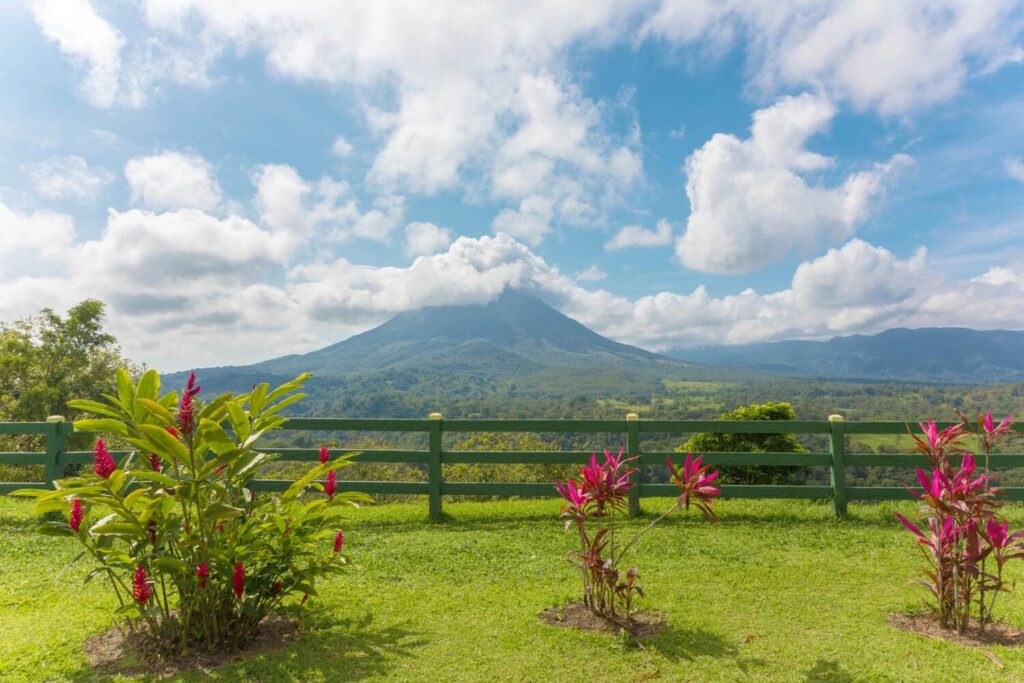
Costa Rica’s reputation usually starts with its insane biodiversity. It’s a tiny country but it has rainforests, cloud forests, two different coasts, and volcanoes.
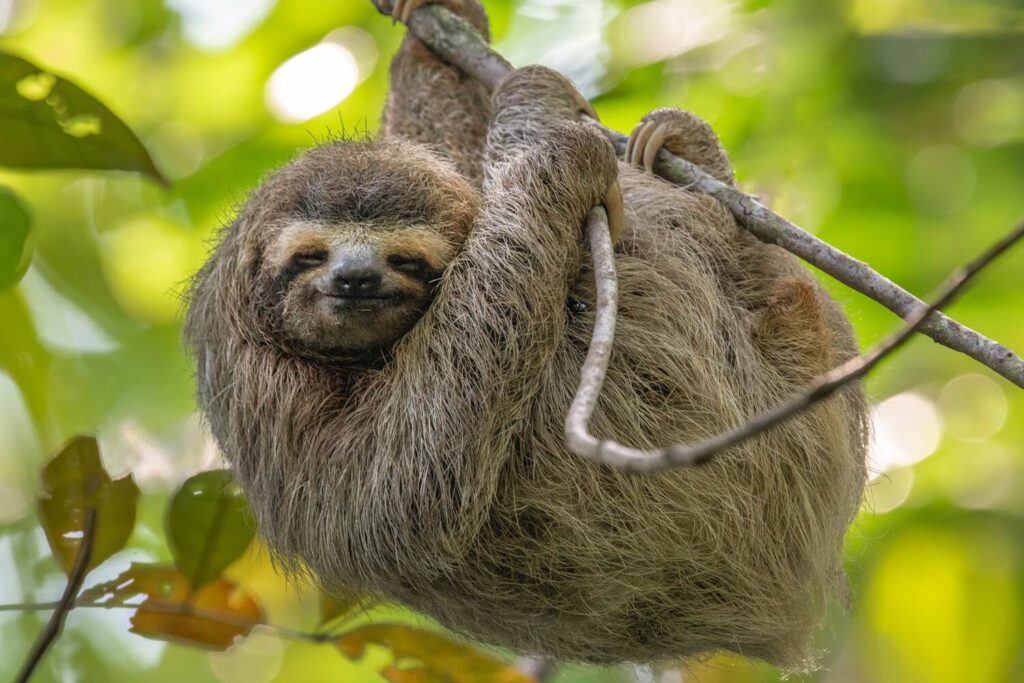
It’s also one of the most eco-friendly spots in the world. Over a quarter of its land is protected. You’ll find howler monkeys in the trees, sloths lazing around, and toucans flying overhead. It’s not just nature though. Coffee farms, zip-lining tours, and hot springs are everywhere. That mix is hard to find anywhere else in one place.
Got questions about Costa Rica? Join our community on Reddit for real tips.
Planning a trip to Costa Rica? Join our Facebook group for insider tips.
What is the Best Time to Visit Costa Rica?
December through April is your best window. That’s the dry season, so beaches and trails are easier to enjoy without sudden downpours.
But, here’s the thing: the green season (May to November) is cheaper, less crowded, and way prettier if you don’t mind rain in the afternoons. Just avoid October on the Caribbean coast, since storms can mess with travel.
Do You Need a Visa to Visit Costa Rica?
For most people, no. If you’re from the US, Canada, the UK, or most of Europe, you can stay up to 90 days without a visa.
Just make sure your passport is valid for at least six months past your entry date. Also, you’ll probably be asked for proof of an onward ticket when you land. It sounds strict, but I’ve seen airline staff actually check.
If you’re planning a longer stay, then you’ll need to look into residency or special permits.
25 Best Places to Visit in Costa Rica
Costa Rica isn’t short on options, so narrowing it down to 25 spots wasn’t easy. Every corner of the country has something going on. Some of these places are famous for a reason, others fly under the radar, but all of them are worth thinking about for your trip.

Arenal Volcano & La Fortuna
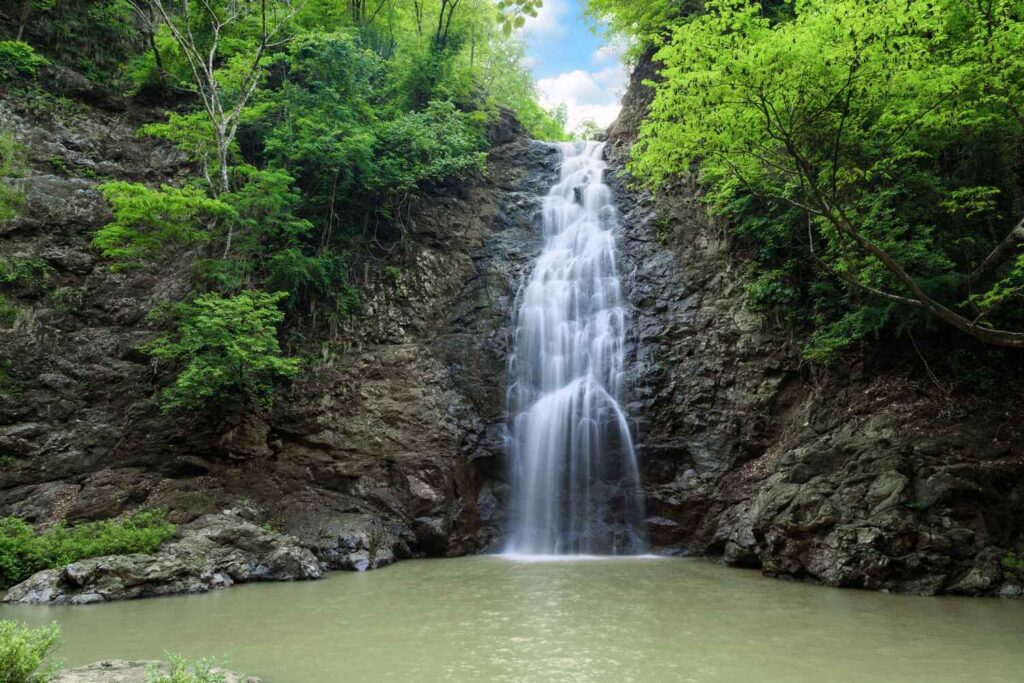
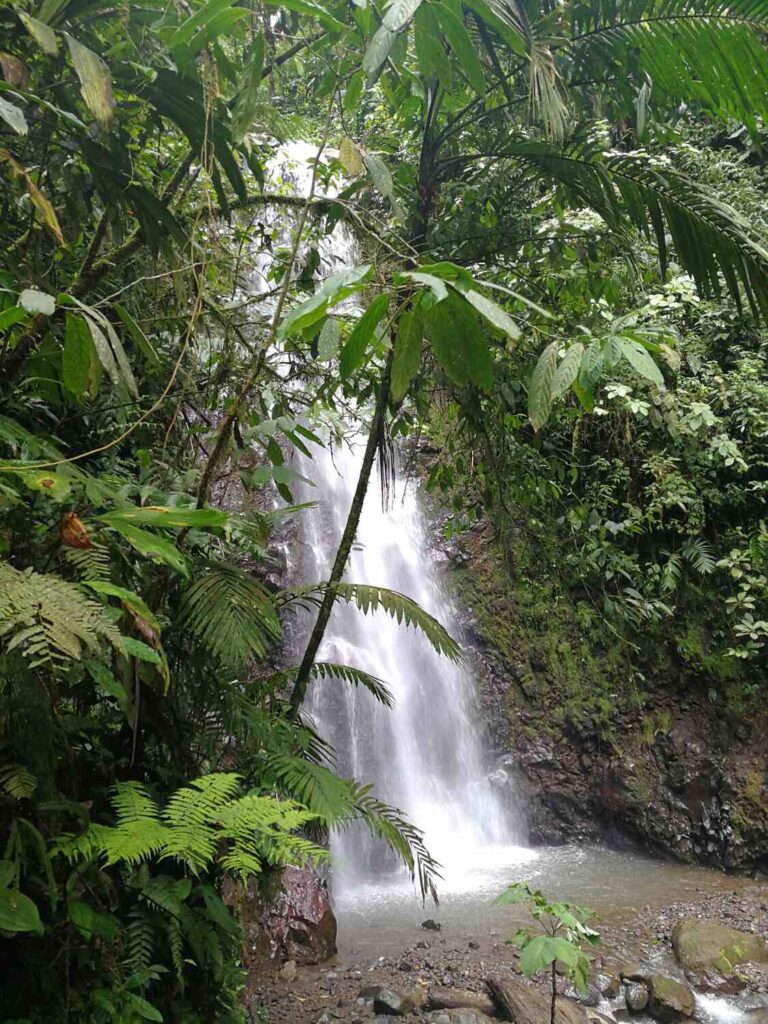
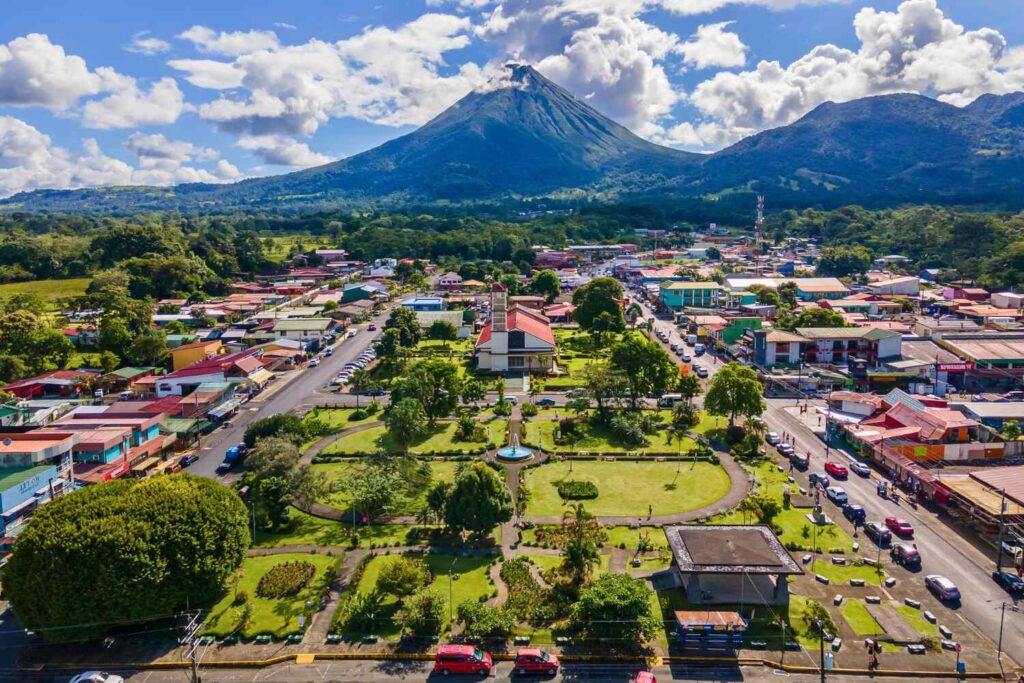
La Fortuna is where most people want to spend the most time. The main draw is Arenal Volcano, a near-perfect cone that sits on the horizon.
Inside Arenal National Park ($15 to enter), you’ll follow trails that cut across old lava fields and lead to lookouts with ridiculous views. Afterward, most people end up in the hot springs. There are free hot springs in La Fortuna, but some resorts like Baldi or Tabacón are more premium but the entrance fee is anywhere from $20 to $80.
Getting here’s easy enough: about 3 hours by car or bus from San José to La Fortuna. It’s busier than most spots in Costa Rica, but for good reason, everything is close together and easy to plan.
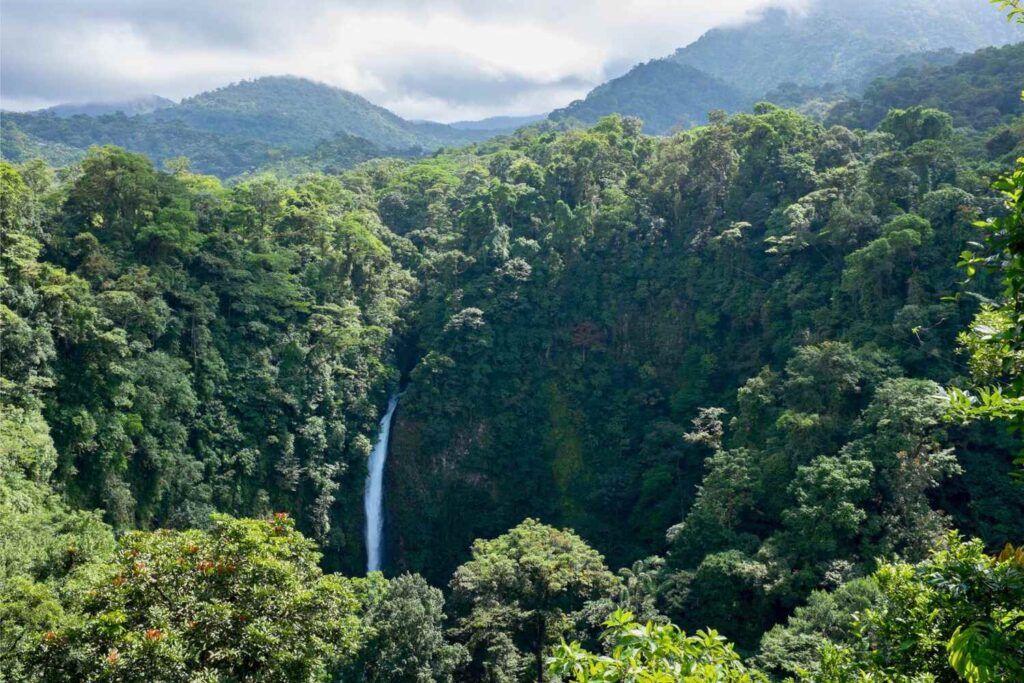
Monteverde Cloud Forest
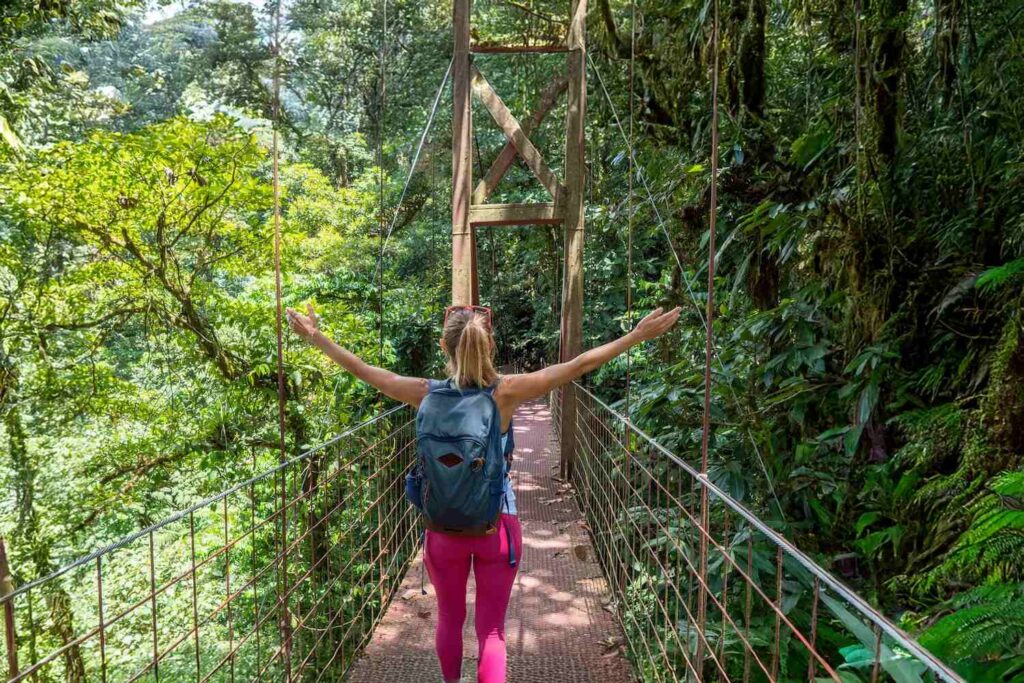
Monteverde isn’t your typical tropical vibe. It’s high up, misty, and sometimes feels like you’ve stepped into another planet. The Monteverde Cloud Forest Reserve charges around $25, and the trails wind through mossy trees that are constantly dripping with fog.
Bird lovers come hoping to spot the resplendent quetzal, but plenty of people go for the hanging bridges or night walks to see glowing bugs.
Getting here takes some patience, however. Getting from San Jose to Monteverde takes about 3.5 hours, with rough mountain roads at the end (your back might complain).
But the reward’s worth it. It’s chilly too, so bring a jacket. You’ll be glad when you’re halfway across a bridge swallowed by clouds.
Manuel Antonio National Park
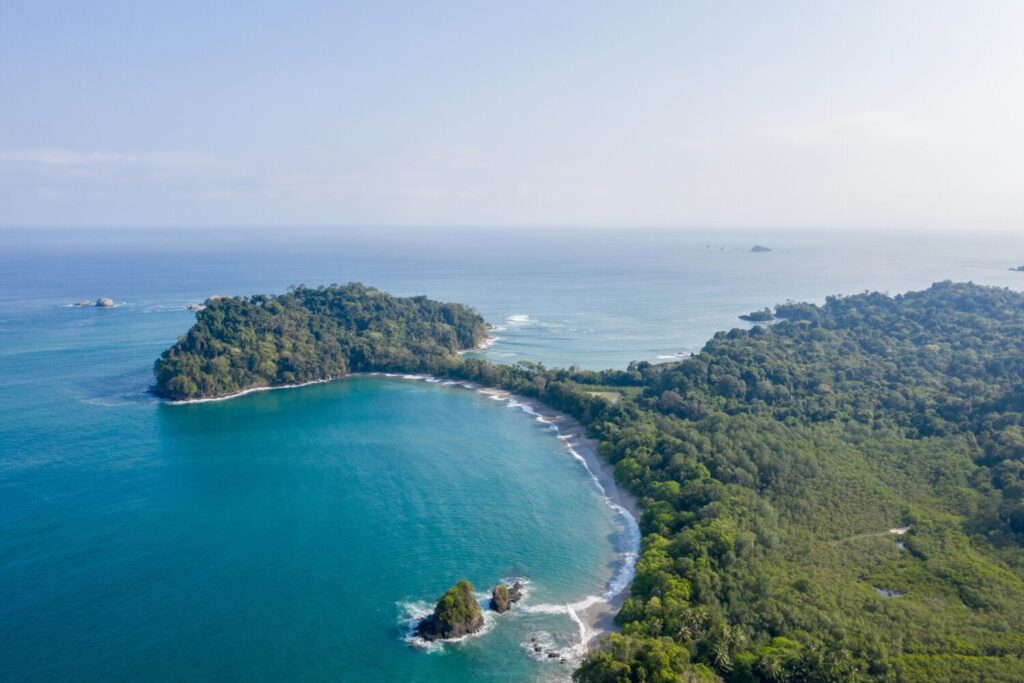
Manuel Antonio might be small. But it squeezes a lot in. For an $18 ticket, you’ll see sloths, iguanas, capuchin monkeys, and beaches that rank among the country’s best.
The trails aren’t tough, more like easy boardwalks, so you won’t need to be in top shape. Getting there’s simple: about 3 hours by bus or shuttle from San José, which makes it one of the most straightforward parks to visit.
The downside? It gets busy, especially around midday. Our advice: show up when the gates open at 7 a.m. You’ll be sharing the sand with monkeys instead of tour groups.
If you have enough time on your Costa Rica itinerary, we recommend spending 3 days in Manuel Antonio, but if not, you’ll still get plenty out of it.
Tortuguero National Park
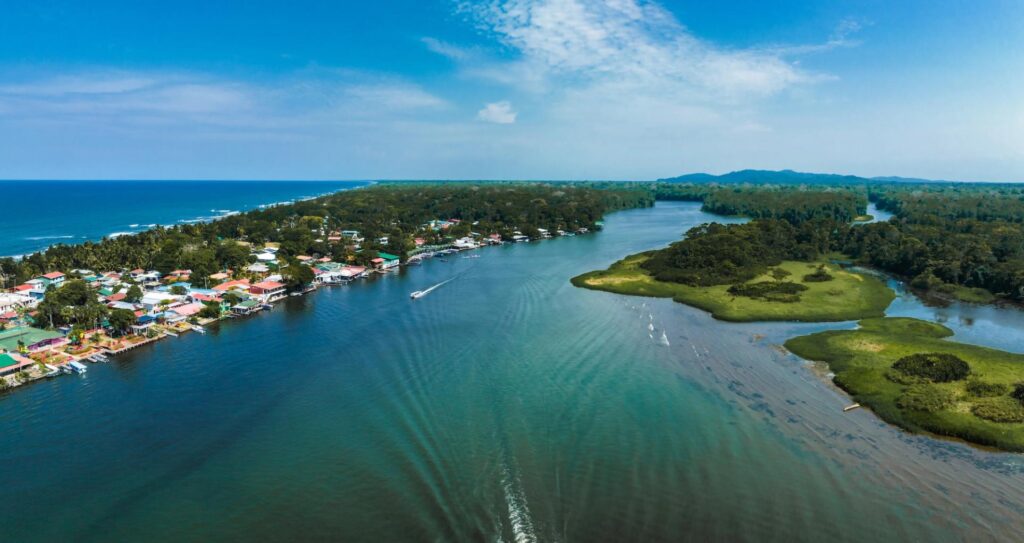
Tortuguero feels like Costa Rica’s version of Venice. Except you must swap the gondolas for crocodiles and toucans. No roads lead in, so you’ll go about 3 hours by car from San José, then tack on another 1–2 hours by boat through jungle canals.
Entry is only $17, which covers the walking trails. However, the real magic happens on canoe trips where guides steer you past caimans, spider monkeys, and river turtles.
If you come between July and October, you can even watch green sea turtles nesting on the beach at night. It takes a bit of effort to reach, but that’s what makes it feel untouched.
Corcovado National Park
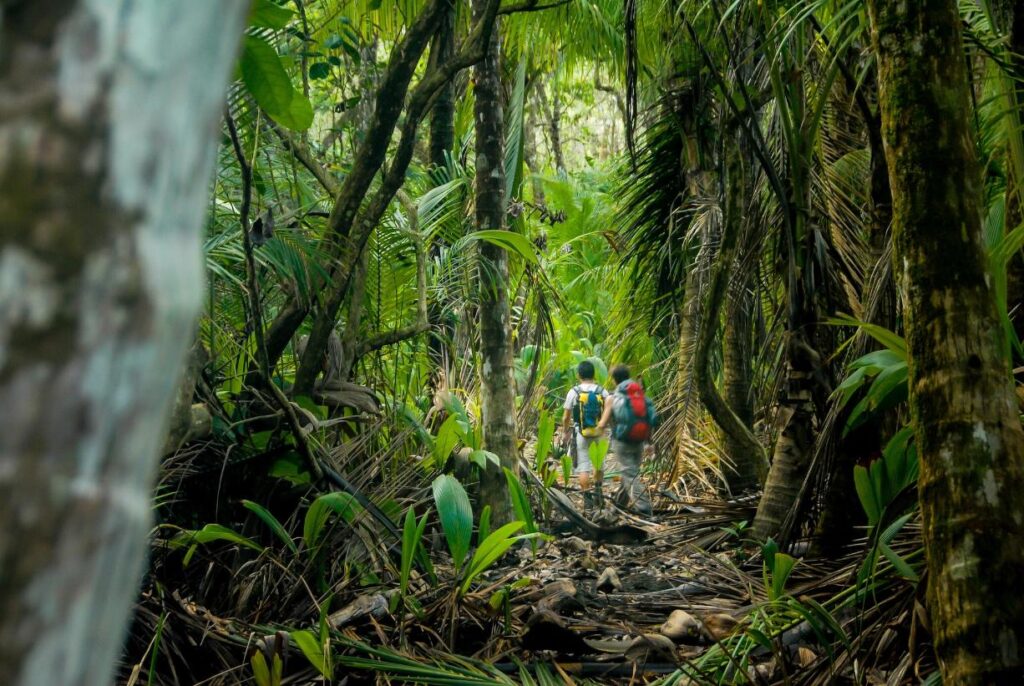
Corcovado on the Osa Peninsula is Costa Rica’s wild side. National Geographic once called it the “most biologically intense place on Earth.”
Entry requires a guide (this is mandatory), and day tours cost around $100–$120, usually leaving from Drake Bay or Puerto Jiménez.
Inside, you might spot tapirs, scarlet macaws, anteaters, and (if you’re lucky) jaguars. Trails are long, muddy, and hot, so it’s not a casual stroll.
To get here, many people take a domestic flight to Puerto Jiménez, then transfer by boat or 4×4. It’s a mission, but if you want raw, untouched jungle with almost no facilities.

Tamarindo
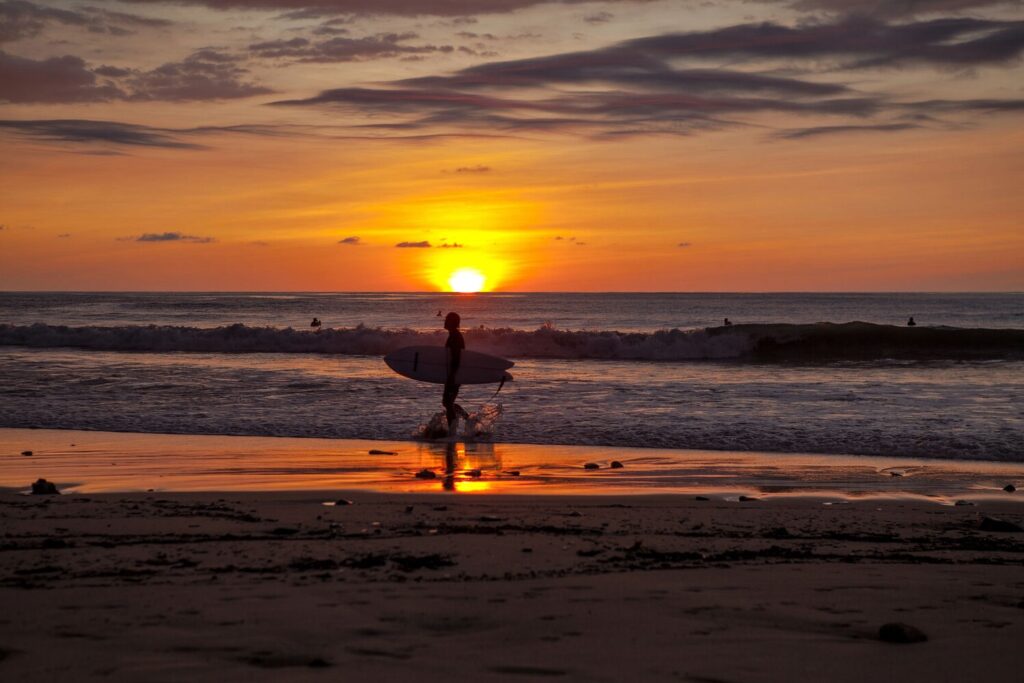
Tamarindo’s probably the best-known beach town in Guanacaste. People come for surfing, nightlife, and sunsets that light up the whole bay.
Surf schools are everywhere (lessons usually run $40–$60), and you’ll have no trouble finding a beach bar afterward. The crowd’s a mix of locals, backpackers, and families. The result? It feels lively but not chaotic.
From Liberia airport, it’s about 1.5 hours, or 4.5 hours from San José. Some say it’s gotten too built up, but if you’re into reliable surf and a busy beach scene, Tamarindo works.
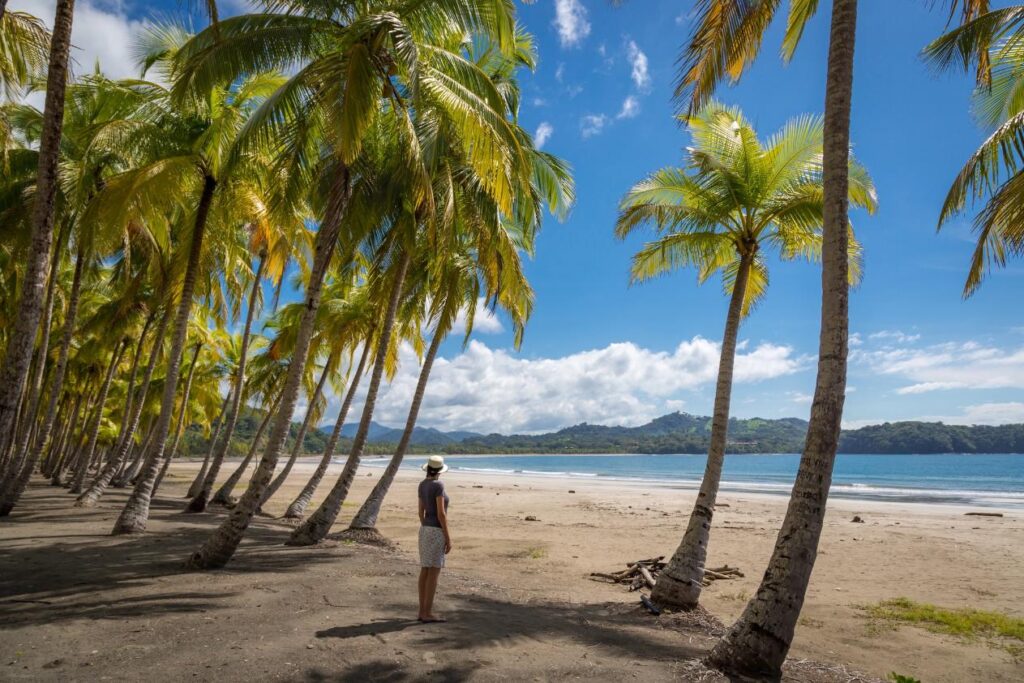
Jaco
Jaco’s only about 2 hours from San José, which is why it’s such a popular weekend escape (it’s also a fantastic day trip from San José).
The beach itself won’t win “prettiest in Costa Rica,” but it’s solid for surfing and nightlife. The town has casinos, bars, restaurants. You won’t be short on things to do. From here, you can take an easy day trip to Carara National Park to spot scarlet macaws.
Some folks say Jaco feels too commercial, and yes, it’s not exactly quiet. But if you want strong waves, easy access, and a social vibe, it’s worth a stop for sure.
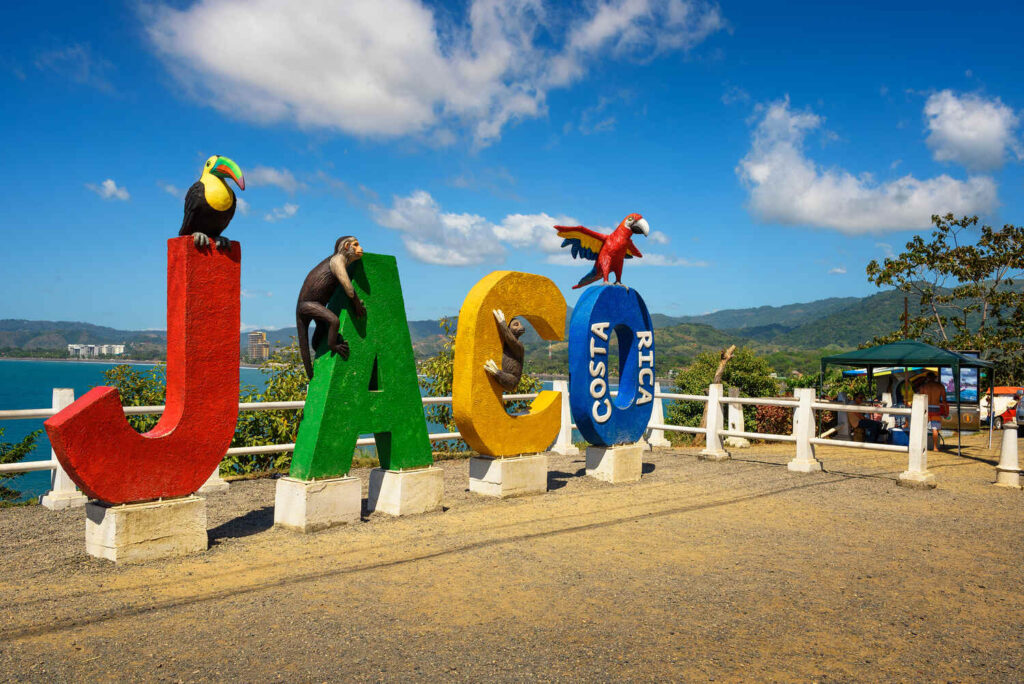
Puerto Viejo de Talamanca
Puerto Viejo is right on the Caribbean side, about 5 hours from San José by bus. The pace is slower here, with a reggae vibe that feels totally different from the Pacific.
Playa Cocles is known for surfing. Playa Chiquita is calmer and better for swimming. The best way to get around is on a bike. You can pedal out to Cahuita National Park in about 20 minutes.
Beaches don’t cost a thing, and the energy’s pure laid-back. It’s one of our favorite stops in the country. The food, the music, and the vibe all make it stand out.
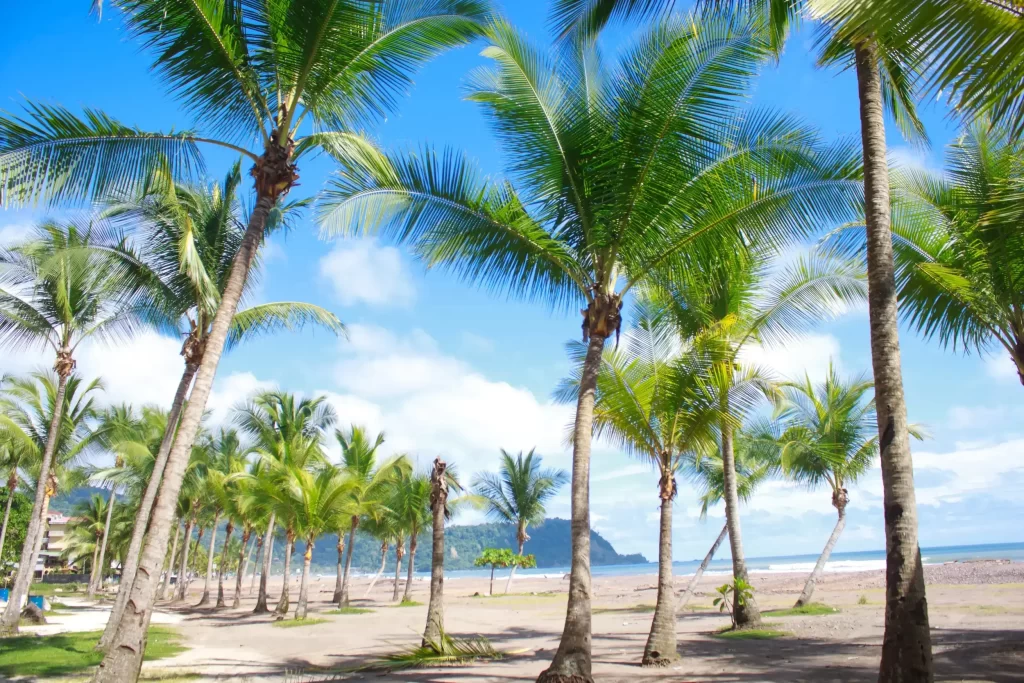
Cahuita National Park
Just up the road from Puerto Viejo, Cahuita is one of the rare Costa Rican parks with donation-based entry (pay what you can). If you travel on a budget, this is a big bonus (Costa Rica isn’t the cheapest place, generally speaking).
The trails hug the coast, and you get both ocean and jungle views in one go. You’ll likely spot capuchins, sloths, and raccoons (keep your snacks hidden, they’re thieves).
Snorkeling trips to the reef cost around $25–$35 and are a highlight. It’s about 4.5 hours by bus from San José, or just 20 minutes from Puerto Viejo. It doesn’t draw the same crowds as Manuel Antonio, and the combination of forest and beach in one walk is rare.
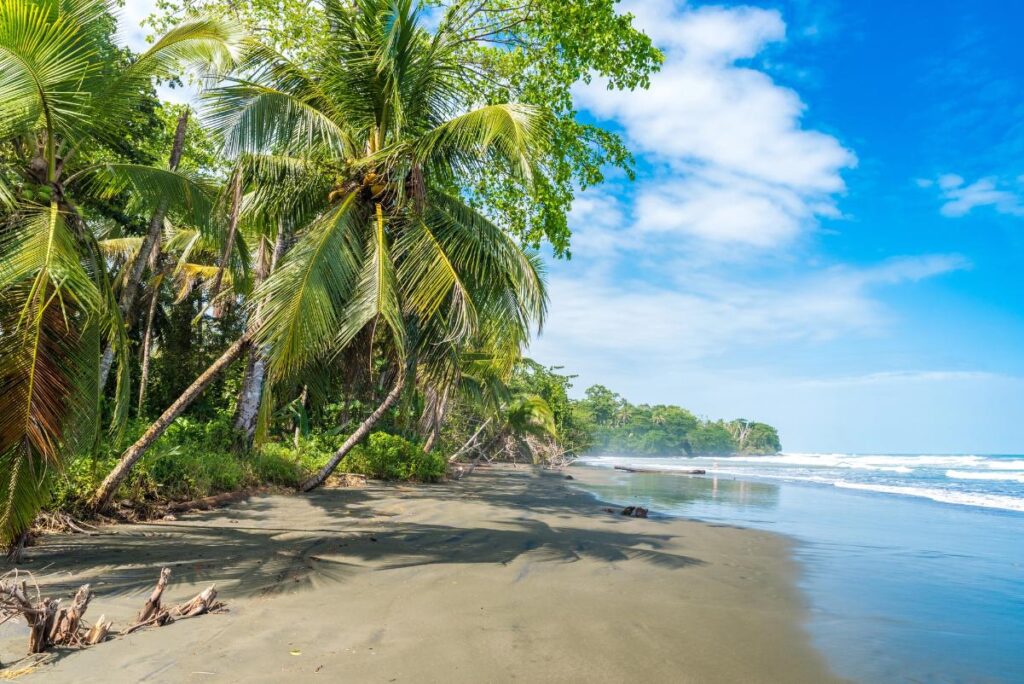
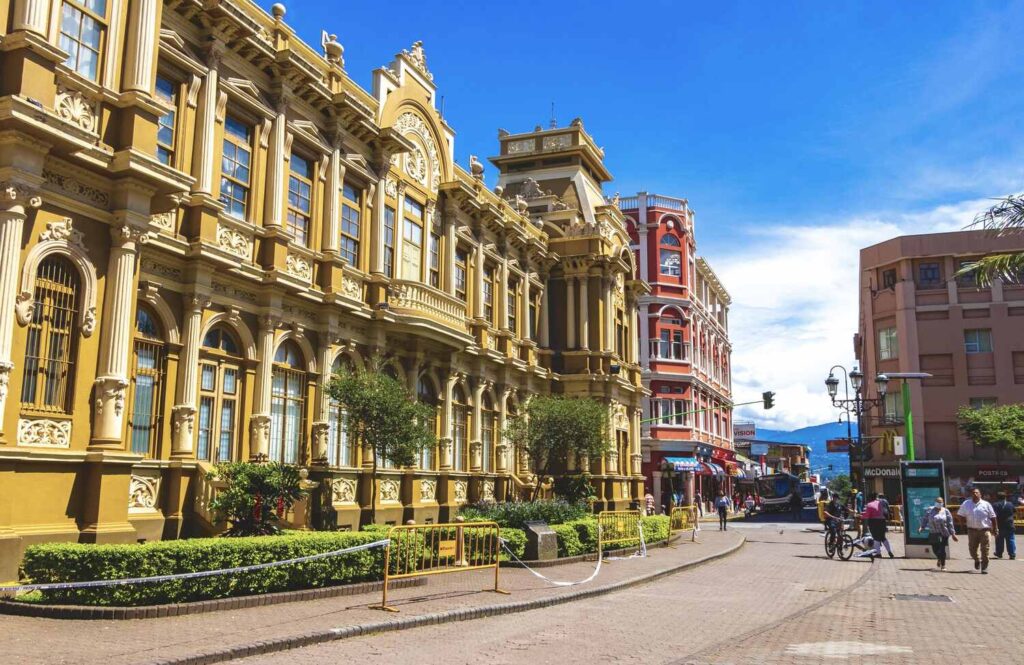
San José
Most people land in San José and leave straight away. Big mistake. Sure, it’s not as pretty as the coasts, but stay one day in San José and you’ll understand why it’s worth planning an itinerary.
The National Theater, the Gold Museum, and the central market are all worth checking out (try a casado. Rice, beans, plantains, meat, and salad). Uber works fine here, and it’s a handy base for day trips to Poás Volcano, coffee farms, or nearby waterfalls.
It’s never going to be the highlight of Costa Rica, but skipping it means missing a slice of actual daily life.
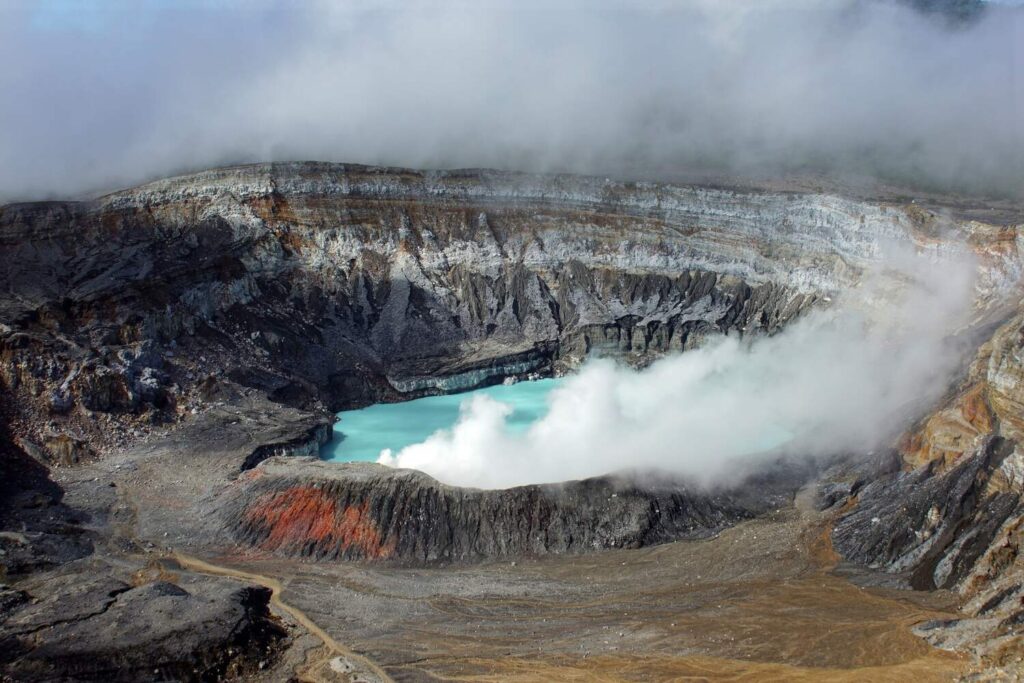
Poás Volcano
Poás Volcano is one of the easiest volcanoes to visit from San José. It’s only about 1.5 hours by car. The main draw is its massive crater, one of the largest active ones in the world.
On clear mornings, you can see the bright turquoise lake sitting inside. Tickets cost only $15 and must be bought online in advance, as daily entry is capped. The park itself is small, but it’s perfect for a half-day trip. Just know the weather changes fast; I’ve driven up only to see nothing but fog.
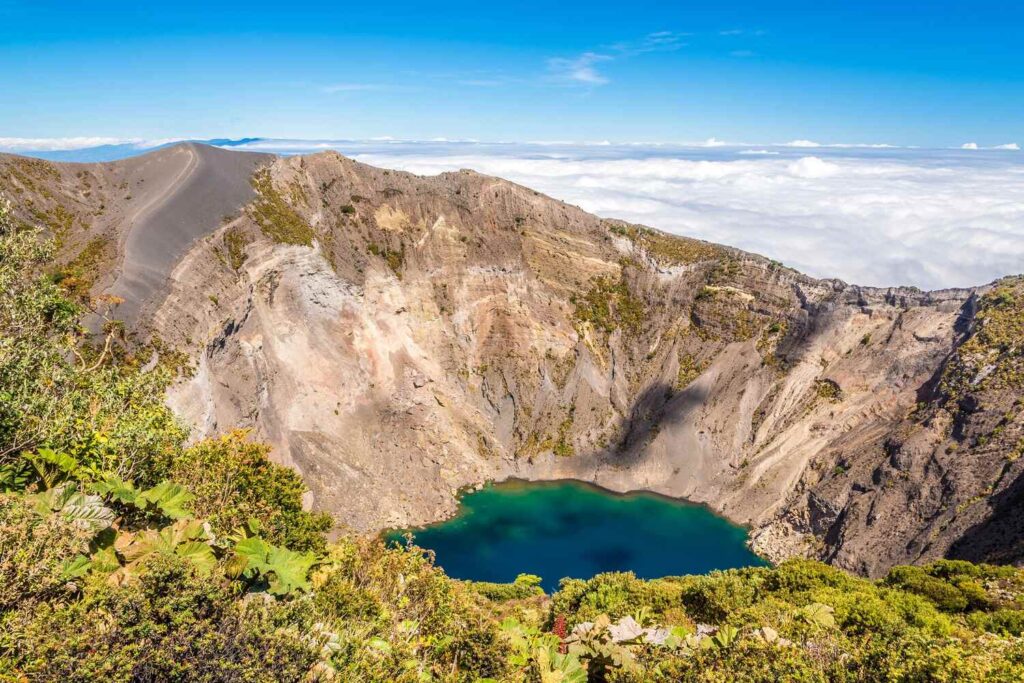
Irazú Volcano
Another volcano, this time, it’s Irazú, the highest volcano in Costa Rica, standing at over 11,000 feet.
On a good day, you can see both the Pacific and Caribbean coasts from the summit. The crater has a striking greenish-blue lake that shifts in color depending on the weather. Entry costs only $15, and it’s an easy drive, just under 2 hours from San José.
Bring a jacket because it gets seriously cold and windy at the top. It’s less crowded than Poás, and that high-altitude view makes it a unique stop.
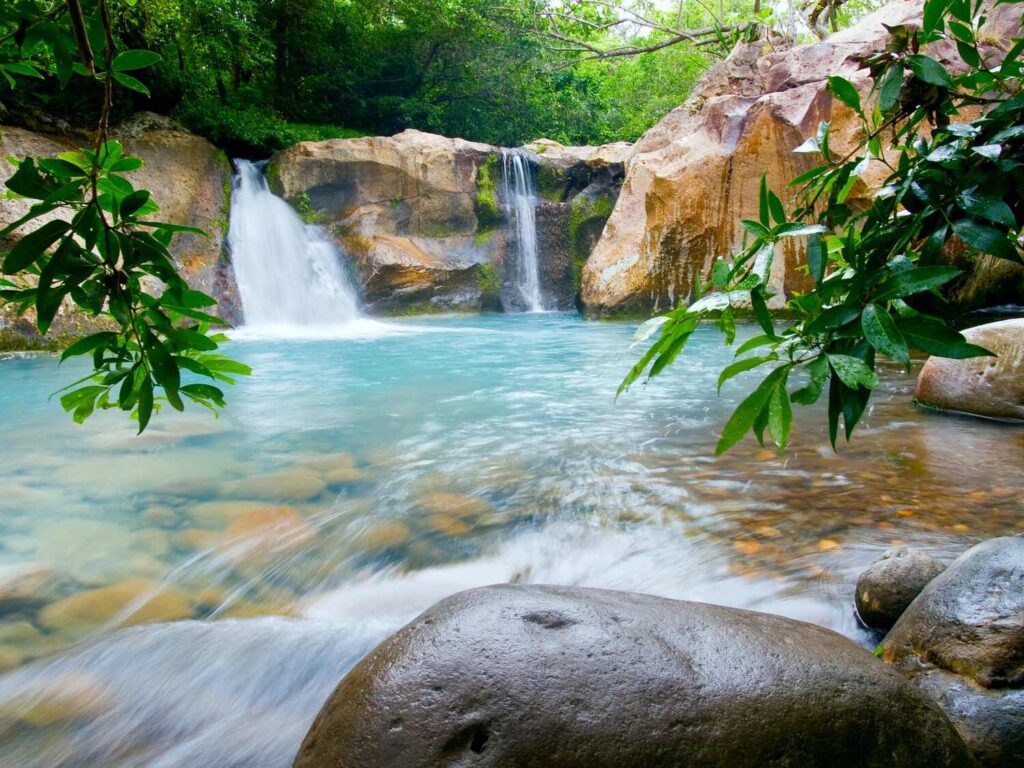
Rincón de la Vieja National Park
Rincón de la Vieja is in Guanacaste, about an hour from Liberia. The park is known for its volcanic activity, and you’ll see bubbling mud pots, hot springs, and even mini-geysers along the trails.
Entry is $15, and you can spend the whole day hiking. Popular routes include the Las Pailas loop and, for the more adventurous, the climb to the volcano summit (currently restricted depending on volcanic activity).
What I like here is the variety: waterfalls, wildlife, and geothermal wonders in one place. Good for families too, the mud pots and mini-geysers are the kind of thing kids actually want to see.
Osa Peninsula
The Osa Peninsula is remote and wild, sitting in the southern Pacific. Most people come here to access Corcovado, but the peninsula itself is worth exploring.
Drake Bay is the main base, with boat trips out to snorkel at Caño Island (tours run about $90). Getting here usually means a domestic flight from San José or a long drive plus a boat ride. It’s not the easiest spot, but that’s the appeal. Untouched beaches, quiet jungle lodges, and some of the best wildlife encounters in the country.
If there’s one place that justifies the whole trip, it’s somewhere like Osa.
Dominical
Dominical is a chilled-out surf town on the southern Pacific coast. The beach is long and uncrowded, with consistent waves that attract surfers year-round.
Unlike Tamarindo or Jaco, the vibe here is slower, think yoga studios, eco-lodges, and a farmer’s market on Fridays. It’s about a 4-hour drive from San José, and there’s no entry fee since it’s just a town with public beaches.
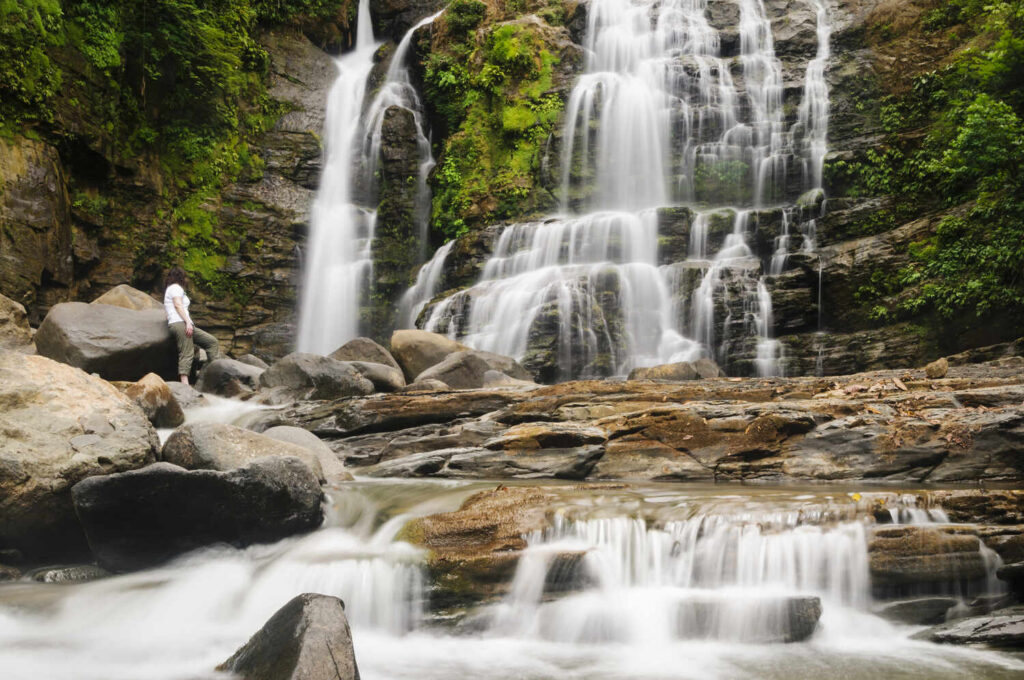
If you’re not into surfing, waterfalls like Nauyaca are nearby (entry $10). Honestly, it feels like the Costa Rica people imagine before tourism exploded.
Uvita & Marino Ballena National Park
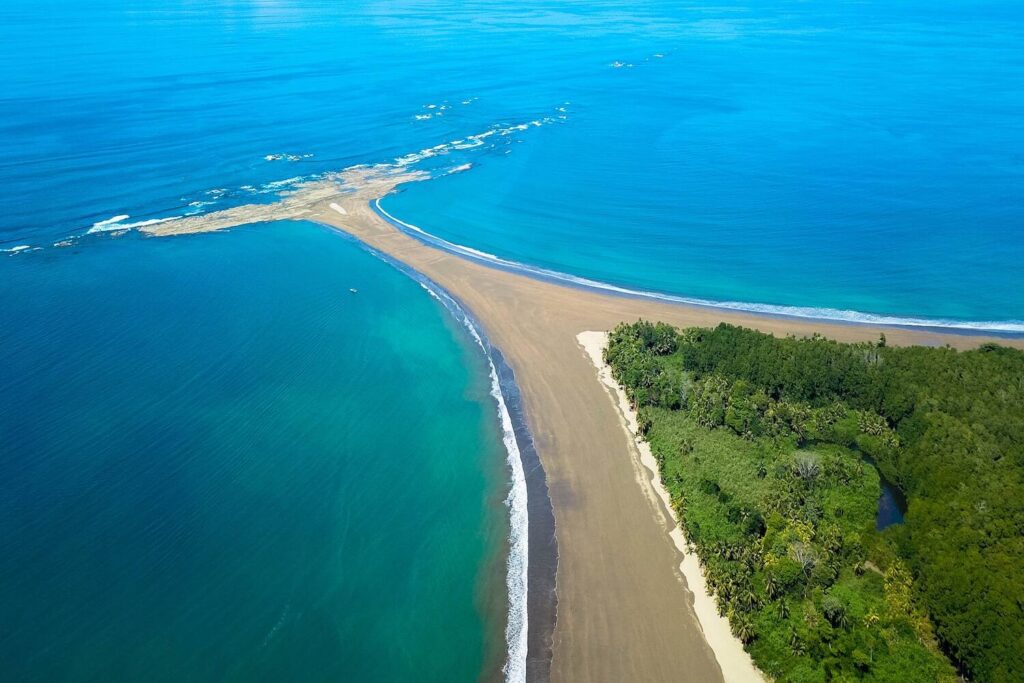
Uvita is famous for the “Whale’s Tail,” a sandbar shaped exactly like one when the tide is low. This formation is inside Marino Ballena National Park, which costs $6 to enter (this is very cheap for Costa Rica).
The park is also a prime spot for humpback whale watching. Tours run around $60 and peak from July–October and December–March. Uvita is about 3.5 hours from San José, usually by car or shuttle.
The town is quiet, and that’s exactly why it works. If you want beaches without big crowds, this is your spot.
Montezuma
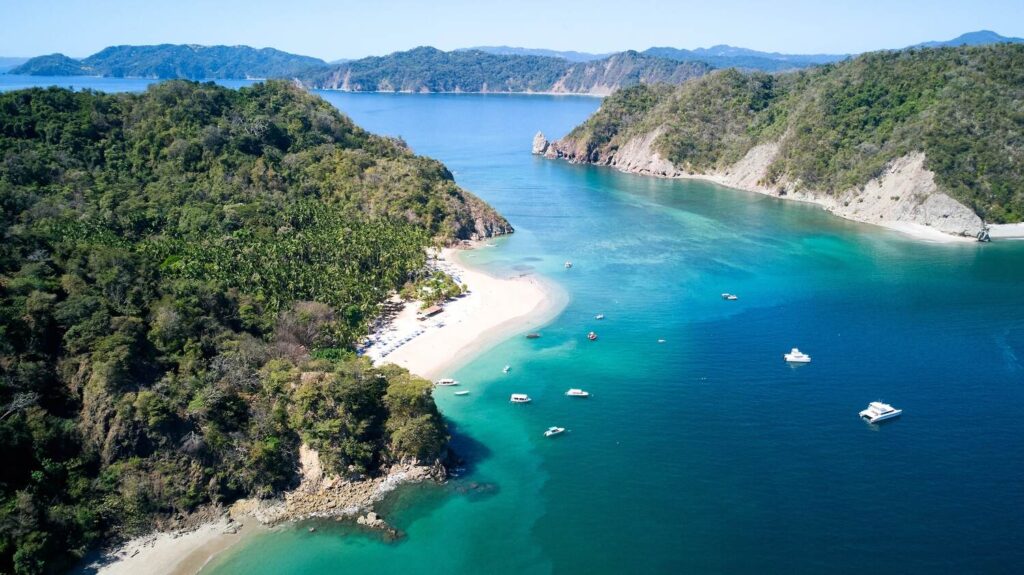
Montezuma sits on the Nicoya Peninsula and feels like a bohemian escape. The beach is small, the town is artsy, and waterfalls are within walking distance (Montezuma Falls is the big one, $4 entry).
Surfing is decent, but most people come for the laid-back vibe and yoga retreats. If you’re not a fan of the digital nomad community, this is the perfect alternative to Nosara.
Getting here isn’t quick. You’ll take a ferry from Puntarenas, then drive 1.5 hours. That remoteness keeps it from feeling overrun. It’s not polished, and that’s exactly what makes it great. A little rough around the edges, but it sticks with you.
Santa Teresa
Santa Teresa is what Tamarindo was 20 years ago: a long sandy beach with serious surf and a mix of expats and backpackers.
It’s pricier than Montezuma but more developed, with trendy cafes, surf shops, and boutique hotels. The waves here can get huge, so beginners often stick to surf schools ($50–$70 lessons). The road in is rough (expect dust and potholes) but that adds to the adventure.
If you like yoga, surfing, and sunsets that feel endless, Santa Teresa will probably hook you.
Nosara
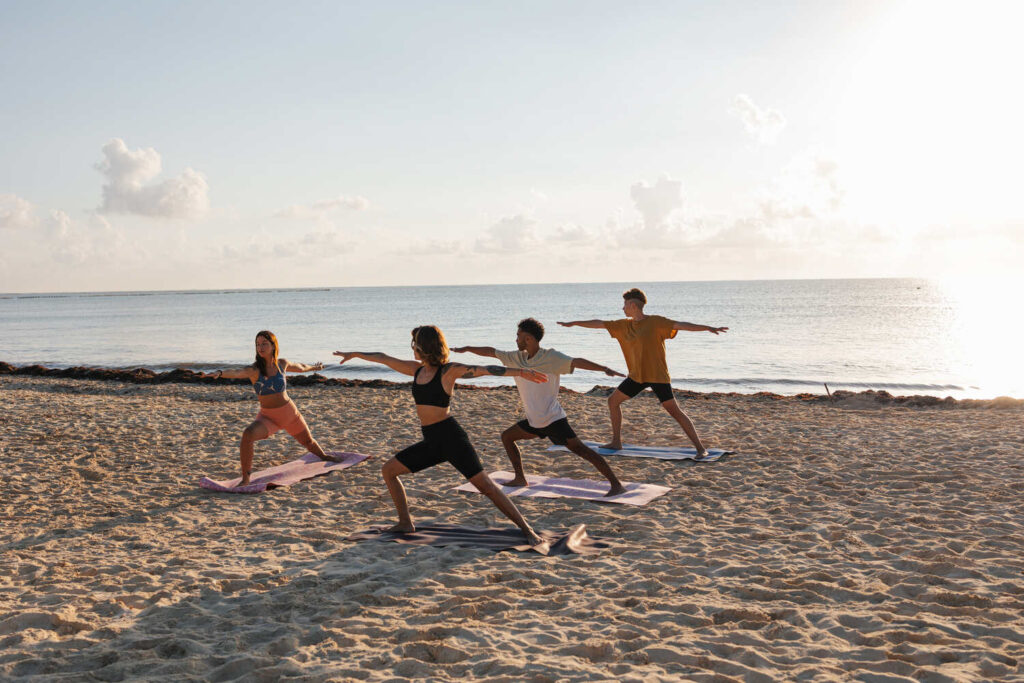
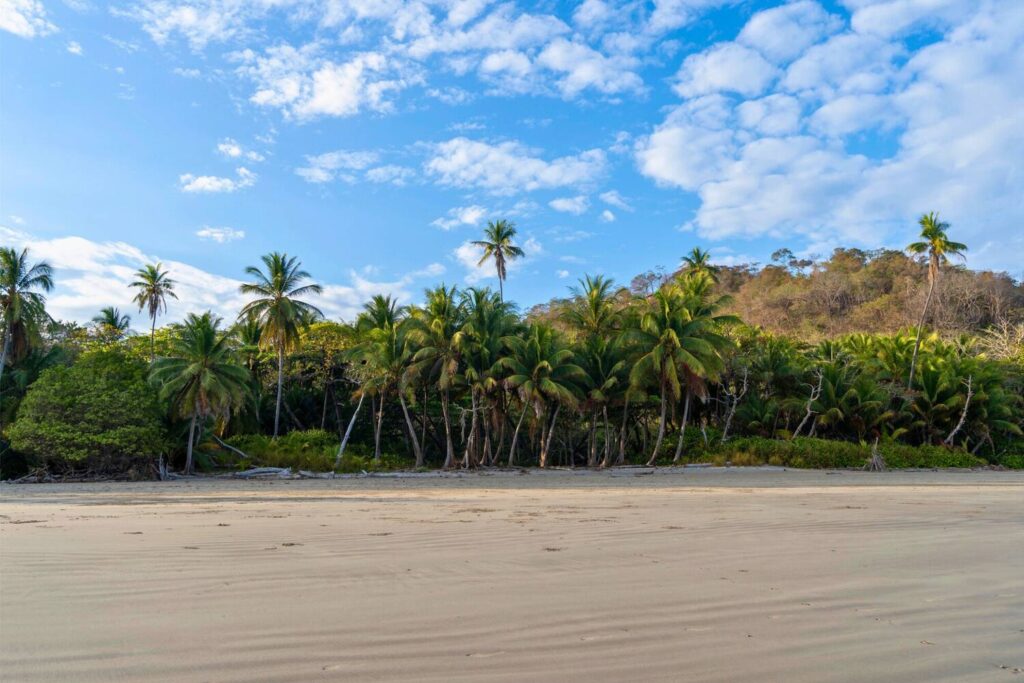
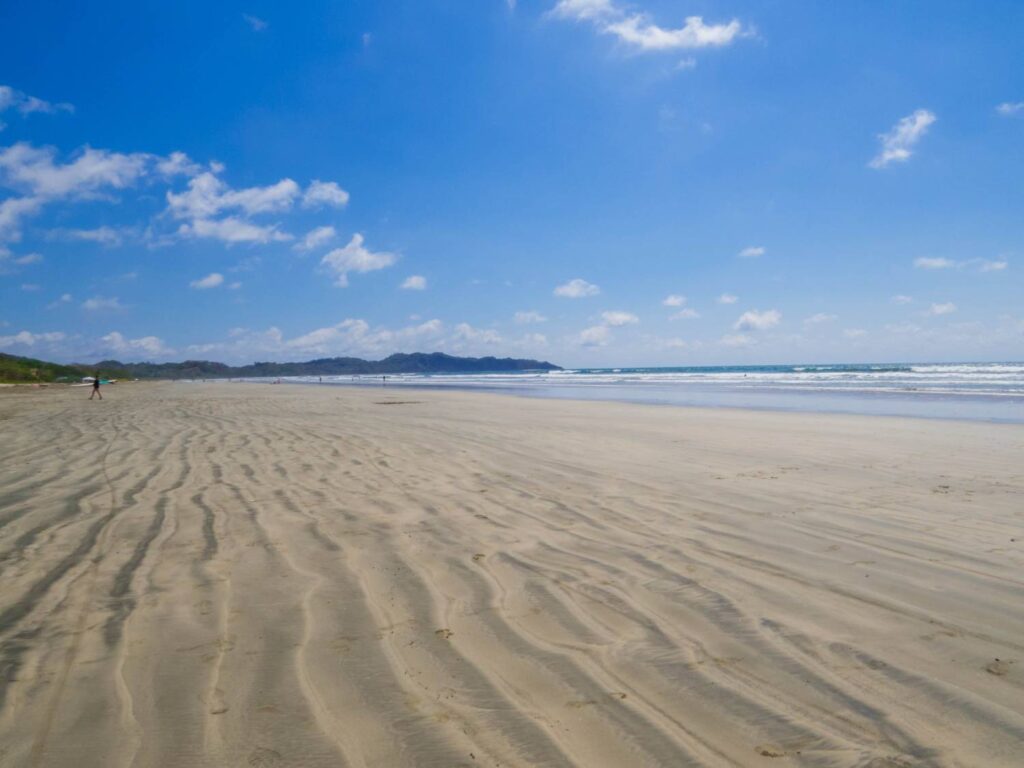
Nosara is the yoga and surf camp capital of Costa Rica. Playa Guiones, the main beach, stretches for miles and is almost entirely undeveloped thanks to strict building rules.
That means no high-rises, just jungle meeting sand. Getting here takes about 2 hours from Liberia or 5 from San José, mostly on rough roads.
Surf lessons and yoga classes are everywhere, and it’s also a turtle nesting site from July to December. Prices are higher here, but the balance of wellness and waves makes it worth it.
Guanacaste Beaches (Playa Conchal, Playa Flamingo)
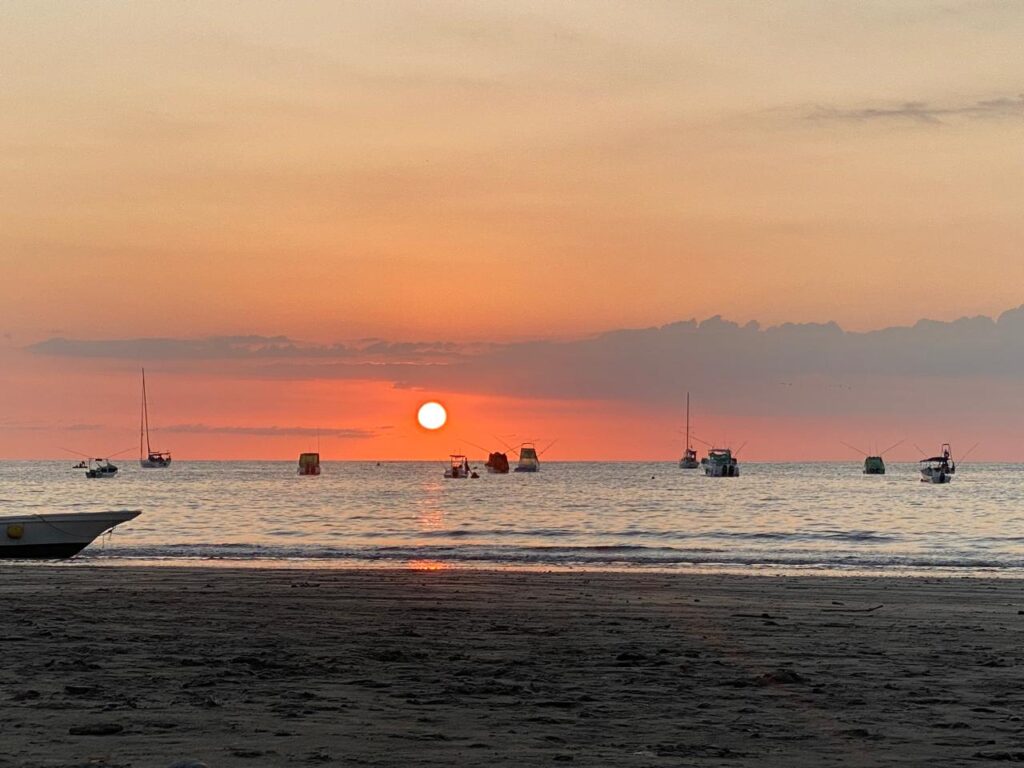
The Guanacaste coast is packed with beaches, but Playa Conchal is the one worth making the effort for. Instead of sand, the beach is made of crushed seashells, giving the water a crystal-like shimmer.
No entry fee, but parking nearby may cost $5–$10. Playa Flamingo, just north, is quieter and a good base for sailing or fishing trips.
Both are about an hour from Liberia’s airport, so they’re easy to reach. These beaches are pricier than others, but they offer a more polished, resort-style Costa Rica.

Sarapiquí
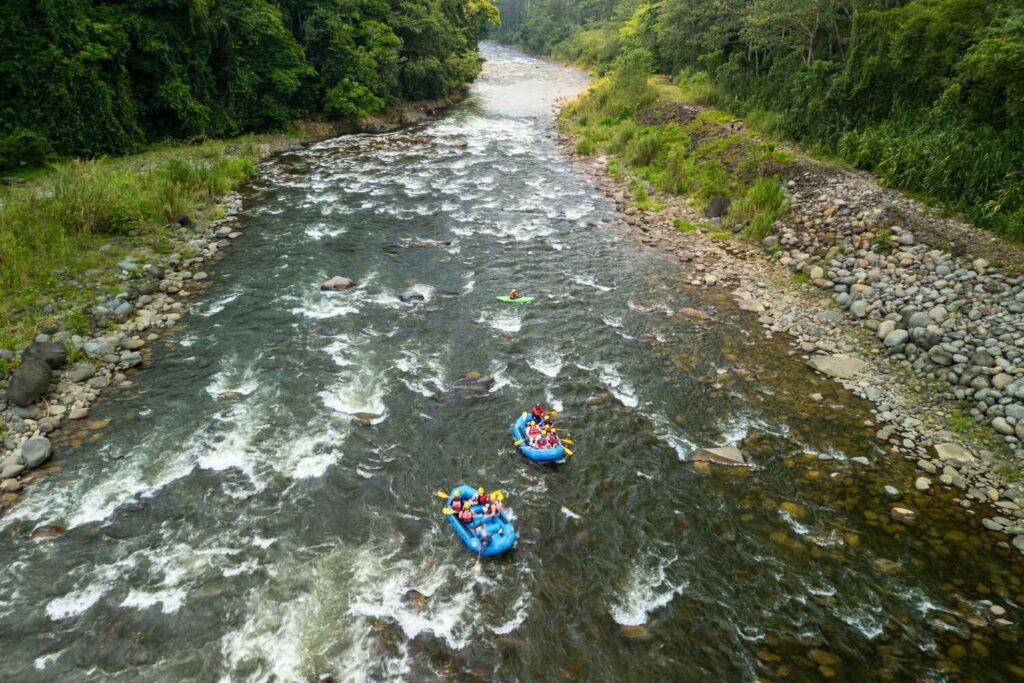
Sarapiquí, in northern Costa Rica, is a hub for eco-tourism and adventure. The rainforest here is packed with wildlife (frogs, toucans, monkeys) and the Sarapiquí River is perfect for whitewater rafting (tours start at $55).
There are also chocolate and pineapple farms you can visit. It’s about 2 hours from San José by car, so an easy trip. Entrance depends on which reserves or tours you choose, but day passes for private reserves average $15–$20.
It’s less touristy than La Fortuna, and that makes it feel more authentic.
San Gerardo de Dota
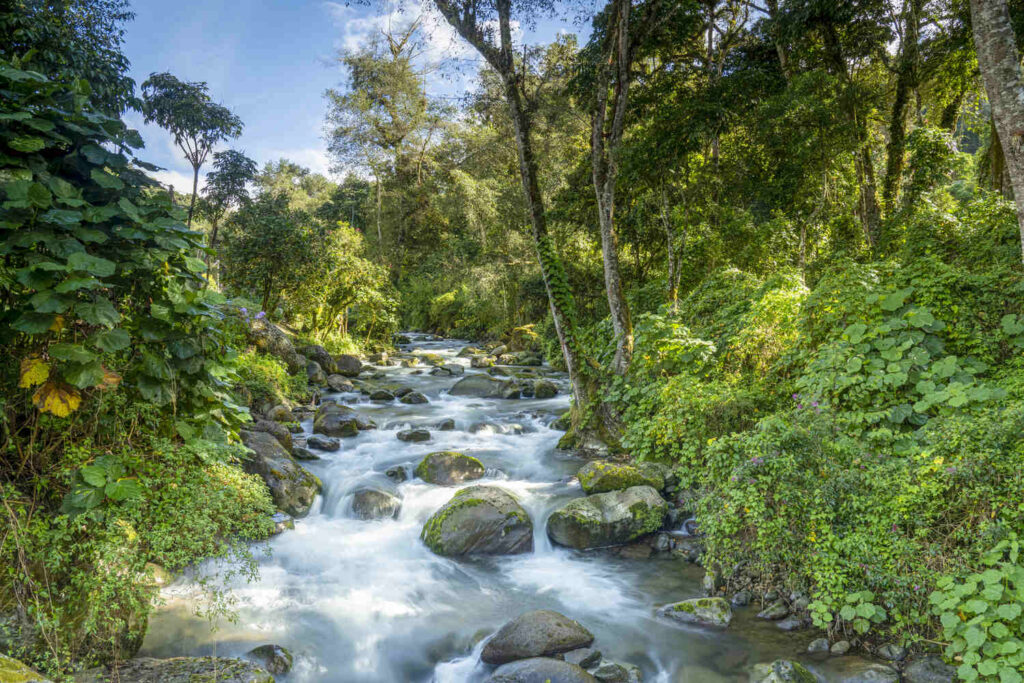
This mountain valley is the place to see the resplendent quetzal. Birdwatchers flock here from December to May, when sightings are easiest.
Even if you’re not into birding, the cloud forest setting is beautiful, trails wind along rivers and waterfalls. It’s about 2.5 hours south of San José, near Cerro de la Muerte.
Entry fees vary since most trails are on private reserves ($10–$15). Nights are cold, so pack layers. Honestly, if you need a break from beaches and heat, this crisp mountain escape is refreshing.
Nicoya Peninsula
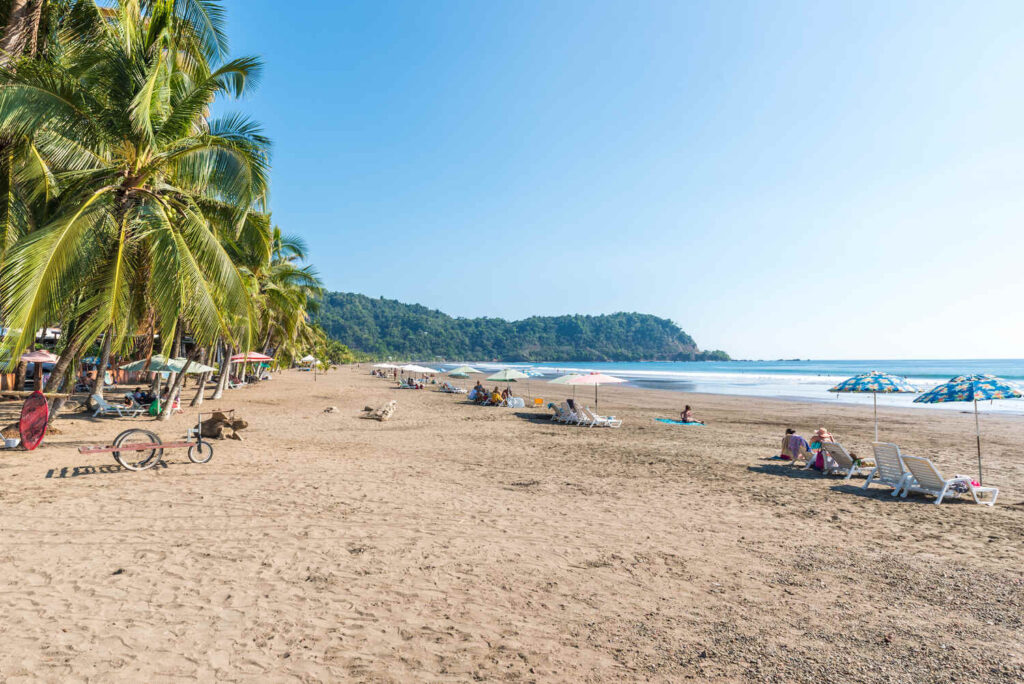
The Nicoya Peninsula is huge, covering towns like Samara, Santa Teresa, and Montezuma. It’s also a “Blue Zone,” meaning locals here live unusually long lives, thanks to their diet and lifestyle.
Samara is family-friendly with calm waters, while Santa Teresa is all about surfing. Getting here means a ferry ride from Puntarenas or a long drive around.
No entry fees, since it’s a region rather than one park. If you want a mix of beaches, yoga retreats, and small-town life, Nicoya gives you all of it.
Tenorio Volcano & Rio Celeste
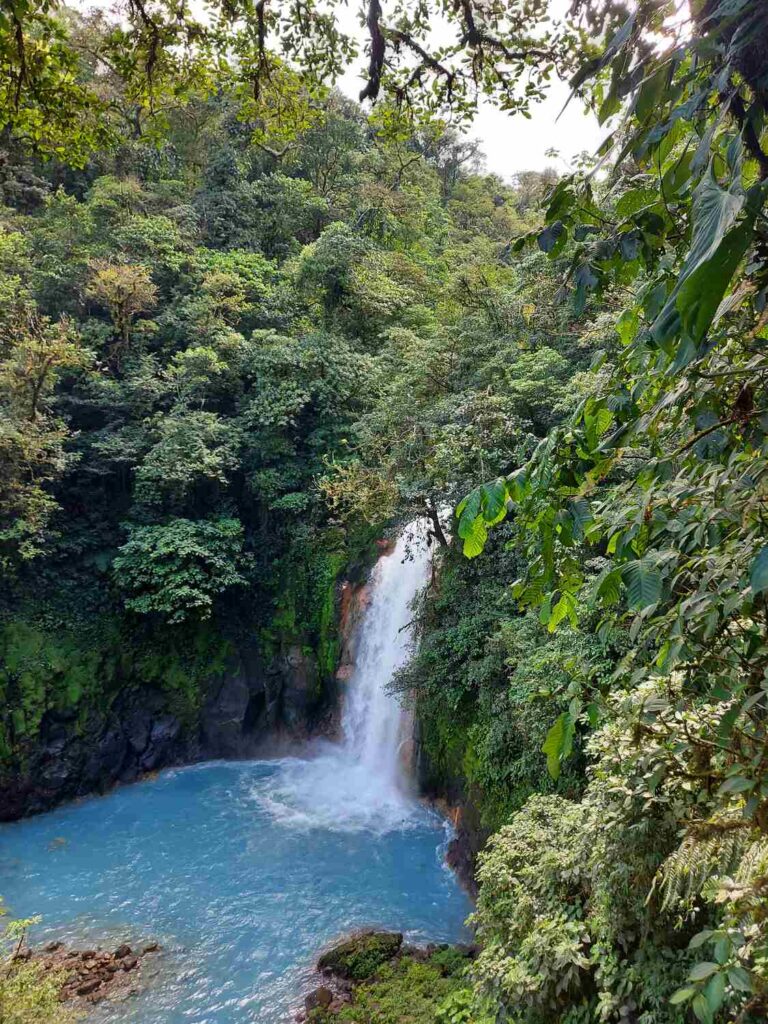
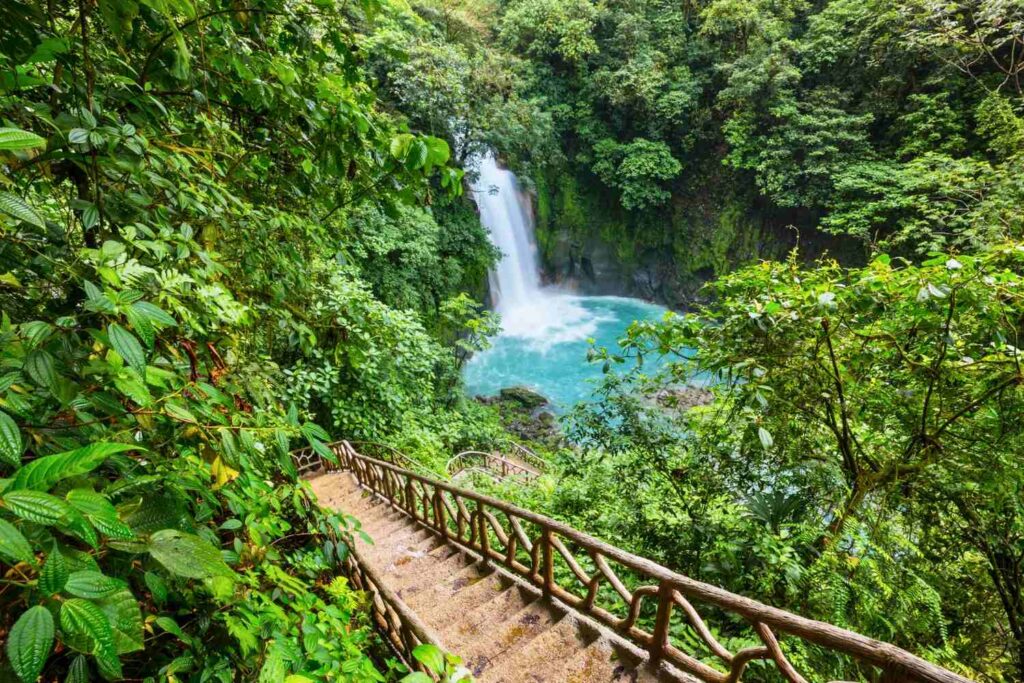
Rio Celeste looks photoshopped even when you’re standing in front of it. The river glows a bright, almost unnatural blue due to minerals in the water. The trail inside Tenorio Volcano National Park costs $12 and takes about 3 hours round trip, with stops at a waterfall and lagoon.
Swimming in the river is banned, but just seeing it is worth the trip. It’s about 4 hours from San José by car. Go on a sunny day if possible; heavy rain can dull the color. I’ve seen it both ways, and clear days win every time.
Isla del Coco (Cocos Island)
Cocos Island is Costa Rica’s wildest and most remote destination. It’s about 340 miles off the Pacific coast, only reachable by liveaboard boats (trips cost thousands and take 36 hours each way).
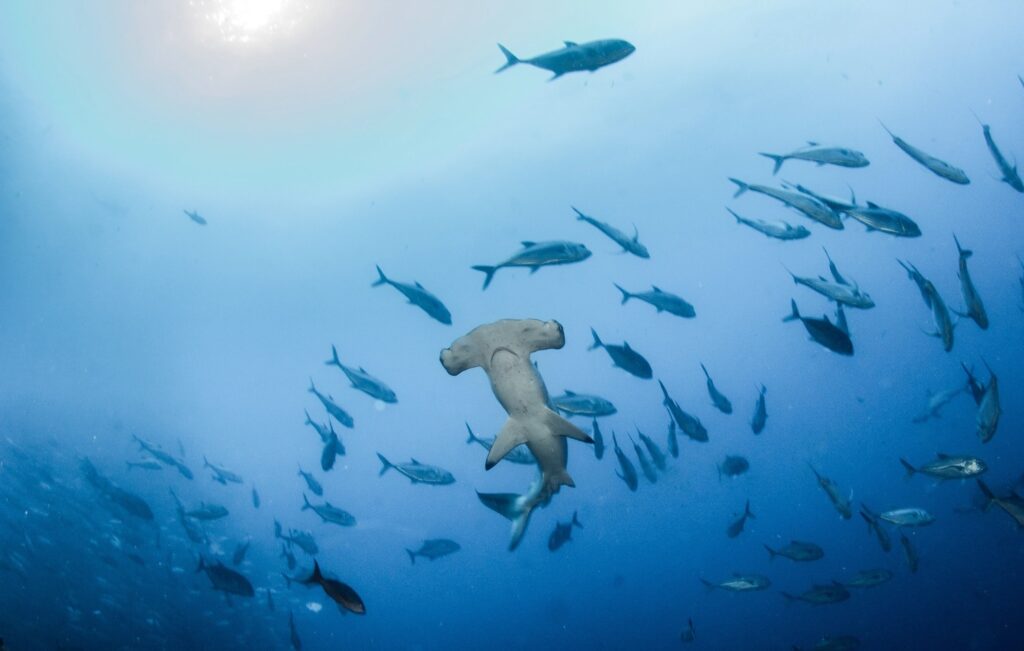
Why bother? The diving here is legendary. Schools of hammerhead sharks, manta rays, and whale sharks circle the waters. You need a special permit to enter, and tourism is tightly controlled.
It’s not for casual visitors, but for serious divers, this is bucket-list territory. Think of it as Costa Rica’s Galápagos. It’s raw, it’s isolated, and nothing else in Costa Rica comes close.
FAQs about Traveling in Costa Rica
Is Costa Rica Expensive to Visit?
Compared to other Central American countries, yes, Costa Rica costs more. National park entries average $15–$20, meals in tourist towns run $10–$15, and hotels add up fast.
That said, you can cut costs by eating at sodas (local diners with $5 plates), taking public buses, or staying in hostels. I once spent a week here on $40 a day by doing just that. So, while it can get pricey, it doesn’t have to break your budget if you travel smart.
How to Get Around Costa Rica?
The easiest way is by renting a car, especially if you’re planning to hit remote beaches or national parks. Roads aren’t always smooth (you must expect potholes and the occasional river crossing) but you’ll have freedom.
Shuttles are another option, with fixed prices ($40–$60 per trip). Public buses are dirt cheap but slow. I’ve done both: buses are fine for long hauls, but if you want to explore side roads or hidden waterfalls, a rental car makes life much easier.

Is Costa Rica Safe?
Generally, yes. Petty theft is the main concern, especially on beaches. Never leave your stuff unattended. I’ve left a towel to mark my spot and came back fine, but you don’t want to risk valuables.
Violent crime is rare in tourist areas, though San José has neighborhoods you’ll want to avoid at night. Use common sense: don’t flash cash, lock your car, and stick to lit areas. Overall, Costa Rica feels safer than many places, and the pura vida spirit is real.
Conclusion
Costa Rica packs a lot into a small country. You’ve got volcanoes, cloud forests, and two very different coasts, all within a day’s drive of each other.
Chasing wildlife, catching waves, or just drinking coffee in the mountains, there’s a corner of this country that’ll stick with you. The 25 spots on this list barely scratch the surface, but they’re a solid start. Go once, and you’ll see why so many people keep coming back. Pura vida isn’t just something people say here.