

How to Get From San Jose to Uvita: Complete Guide
Getting from San Jose to Uvita is easier than it looks on a map. The town is about 200 km south of the capital, and nearly all of the drive is paved highway. You head down the Pacific coast, past Jacó and Quepos.
Driving takes 3.5 to 4 hours, and a shared shuttle about 4. The Tracopa bus takes closer to 5, at around $15 a seat. The best pick really depends on when you land, how much luggage you have and the size of your group.

Share this article
In Short
- Uvita is about 200 km south of San Jose, and nearly all of it is paved coastal highway.
- Driving takes 3.5 to 4 hours on Route 27 and Route 34, with about ₡2,300 in tolls.
- The Tracopa bus costs about $15 and leaves from its own terminal on Calle 5, not the main station.
- Shared shuttles run $50 to $75 per person, with pickup at your hotel or the airport.
- Uvita has no airport, so flights land in Quepos, about an hour north.
Join Our Facebook Community
Still have questions or want local tips straight from our team? Join our Facebook community. That’s where we share updates, answer questions, and help you plan your Costa Rica trip the smart way.
How Far Is Uvita From San Jose?
Uvita is roughly 200 km from San Jose by road. Almost everyone goes the coastal way. You take Route 27, the toll highway, west toward the Pacific. Then you pick up Route 34, the Costanera Sur, south past Jacó, Quepos and Dominical.
It’s paved and mostly flat the whole way, so a regular car is fine. Plan on 3.5 to 4 hours of driving without long stops.
There’s also an inland route over Cerro de la Muerte via San Isidro de El General. It drops down to the coast at Dominical. It’s higher, foggier and slower, so save it for when you want the mountain scenery.
Prices shift a little by company and season, but this is roughly what each option costs:
| Option | Price | Time | Best For |
|---|---|---|---|
| Tracopa bus | About $15 per person | 4.5 to 5 hours | Budget trips, daytime arrivals |
| Shared shuttle | $50 to $75 per person | 3.5 to 4.5 hours | Solo and couples |
| Private transfer | $250 to $350 per vehicle, plus tax | 3.5 to 4 hours | Groups and late flights |
| Rental car | Daily rate, fuel and about $5 in tolls | 3.5 to 4 hours | Exploring the coast |
| Flight to Quepos | $80 to $150, plus a 1-hour transfer | About 3 hours in total | Short trips |
All five get you there the same day. The real differences are cost and comfort.
Tracopa Bus From San Jose to Uvita
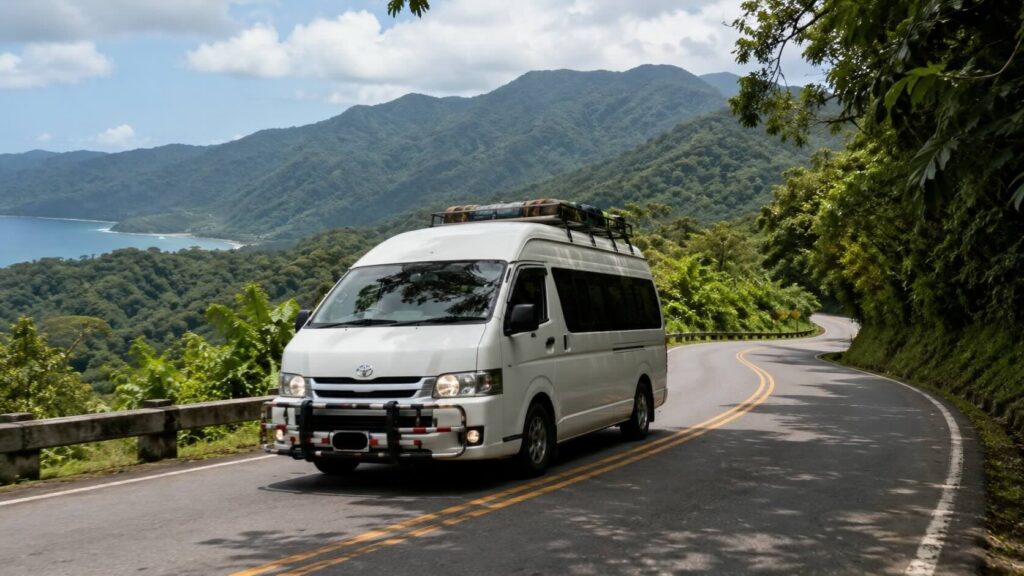
The bus is the budget pick, and a comfortable one too. Tracopa runs the route with full-size coaches. They leave from Tracopa’s own terminal on Calle 5, between Avenidas 18 and 20, south of downtown.
It’s not the main bus station, so double-check the address with your taxi driver. There are several departures a day, the first around 5 AM and the last in the late afternoon.
Tickets cost about $15. Pay at the ticket window or online in the Passer app. The ride takes 4.5 to 5 hours with a short rest stop. Coming from the airport? A taxi or Uber from SJO to the terminal runs about $20 to $30.
The bus drops you on the main road in Uvita, and a local taxi to your hotel costs $5 to $15. Schedules change, so confirm times with Tracopa or your hotel a day or two before.
One small tip: grab a seat on the right-hand side of the bus. South of Jacó, that’s where the ocean views are.

Shared Shuttle From San Jose to Uvita
A shared shuttle is the easy middle ground. A van collects you from your hotel in San Jose or straight from the airport. Then it drops you at your door in Uvita.
Expect to pay $50 to $75 per person. Easy Ride charges about $69 from the airport, and a few smaller companies run the route too.
The trip takes 3.5 to 4.5 hours, depending on how many other hotels the van stops at. Most include a short coffee stop on the way.
Book 2 to 3 days ahead, and a week ahead over Christmas and Easter. Check the luggage allowance when you book, since surfboards cost about $15 to $25 extra.
With an early or late flight, look closely at the pickup times. Some vans only leave SJO once or twice a day. Land late, and you may need a night in a hotel near San Jose airport before you head south.

Private Transfer From San Jose to Uvita
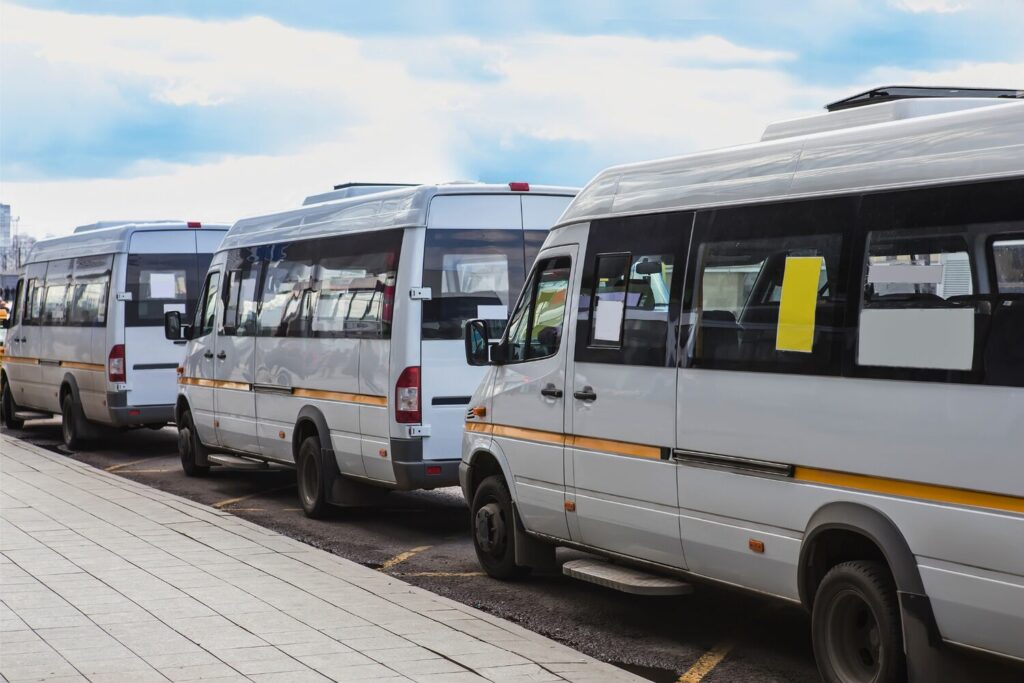
A private transfer costs more, but it takes the stress out of a long first day. The driver meets you at arrivals, tracks your flight if it’s late and leaves when you’re ready.
Prices run about $250 to $350 for the vehicle, plus 13% tax with many companies. One operator’s current list shows $341 plus tax for up to five people from SJO, and $13 for each extra person.
The ride takes 3.5 to 4 hours. You can stop at the Tárcoles crocodile bridge or for lunch in Jacó without asking a van full of strangers.
For a family of four, that works out to about $95 each with tax, and the extra comfort is often worth it. Solo or as a couple? A shared shuttle is the better deal.

Planning Your Stay in Uvita?
Pick a base close to the beach, the waterfalls or the national park. Our hotel guide covers every budget.
Want a full plan? See our 2-day Uvita itinerary.
Driving From San Jose to Uvita
Driving gives you the most freedom, and by Costa Rican standards this is an easy long drive. From San Jose, take Route 27 west toward Caldera, then Route 34 south all the way to Uvita.
Route 27 has four main toll booths, and a car pays about ₡2,300 in total, a little under $5. The booths take colones or cards.
A sedan is fine for the highway. You only need an SUV for the steep dirt roads up to some hillside hotels around Uvita. Ask your hotel before you pick a car.
Traffic is the wild card. Route 27 gets jammed with beach traffic on Friday afternoons and Sunday evenings. Leave early in the morning or travel midweek when you can.
Try to arrive before dark, too. The sun sets around 5:15 to 6 PM, depending on the month, and Route 34 has long unlit stretches. Never leave bags or phones visible when you park.

Best Stops on the Drive From San Jose to Uvita
Half the fun of driving is stopping, and this route has a few easy ones. Around Orotina, about an hour out of San Jose, roadside stands sell mangoes, pineapples and cold coconut water.
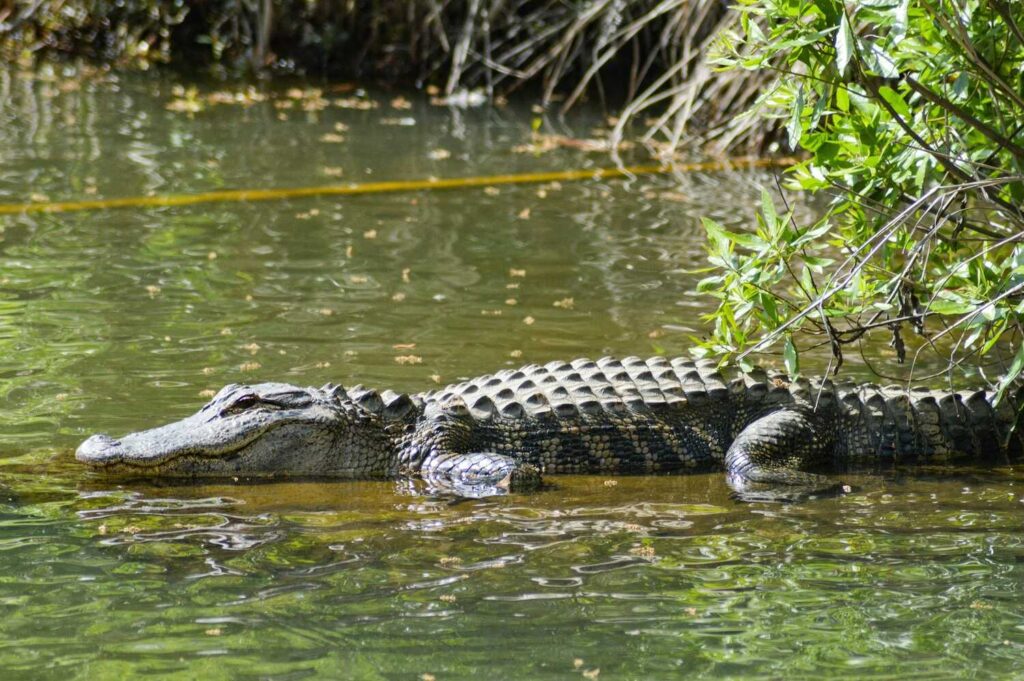
Carara National Park, roughly 1.5 hours from San Jose, is a great place for scarlet macaws. Its short trails make a good leg stretch too. Just past it, the Tárcoles River bridge has a walkway where you can look down on dozens of crocodiles.
Park in the lot at the end of the bridge, not on the bridge itself. Car break-ins happen at busy pull-offs here, so take your valuables with you.
Jacó, roughly halfway, is the easiest lunch stop, with plenty of restaurants along the main street. Further south, Dominical is about 20 minutes short of Uvita and a nice place for a last coffee or a beach sunset.
Flying From San Jose to Uvita
Uvita doesn’t have an airport, so flying means landing in Quepos (XQP), about an hour north by road. Sansa and Green Airways fly there from San Jose in 30 to 35 minutes.
One-way fares run about $80 to $150. Checked bags are usually capped at 13 to 15 kg, and surfboards or scuba gear cost extra.
From Quepos, a taxi to Uvita costs about $50 to $70 for the car. A shared shuttle runs around $25 to $35 per person. Once you add check-in and that transfer, the whole trip takes about 3 hours.
So flying saves maybe an hour over driving and costs a lot more. It’s worth it on a short trip, or when you’d rather not spend half a day on the road.

Best Way to Get From San Jose to Uvita
For most people, a shared shuttle is the sweet spot. It’s door to door, it handles the airport pickup, and you don’t have to think about tolls, parking or traffic.
Take the Tracopa bus when you’re on a budget, land early and don’t mind a longer day. Book a private transfer for groups of four or more, families with car seats, or flights that land after lunch.
Rent a car when you plan to see more of the coast, like the Nauyaca Waterfalls, Ojochal or Manuel Antonio. And fly to Quepos only when time matters more than money.
Once you’re there, our guide to the best things to do in Uvita and our 2-day Uvita itinerary will fill your days. Our best hotels in Uvita list covers where to stay, and how to get to Uvita covers routes from other towns.
San Jose to Uvita FAQ
How Long Is the Drive From San Jose to Uvita?
The drive from San Jose to Uvita takes 3.5 to 4 hours without long stops. It covers roughly 200 km on Route 27 and Route 34, the coastal highway.
Weekend beach traffic can add an hour or more, especially on Friday afternoons heading south and Sunday evenings heading back. Leaving early in the morning or driving midweek avoids most of it.
How Much Is the Bus From San Jose to Uvita?
The Tracopa bus from San Jose to Uvita costs about $15 one way. Pay at the terminal ticket window or online in the Passer app. Buses leave several times a day from the Tracopa terminal on Calle 5, between Avenidas 18 and 20.
The ride takes 4.5 to 5 hours. From SJO airport, add a $20 to $30 taxi or Uber to the terminal.
Is There an Airport in Uvita?
There’s no airport in Uvita. The nearest airport with regular flights is Quepos (XQP), about an hour north by road. Sansa and Green Airways fly there from San Jose in 30 to 35 minutes, for about $80 to $150 one way.
From Quepos, a taxi to Uvita costs about $50 to $70, or a shared shuttle $25 to $35 per person.
Do You Need a 4×4 to Get to Uvita?
You don’t need a 4×4 to get from San Jose to Uvita. Route 27 and the Costanera Sur, Route 34, are paved the whole way, and a regular sedan handles them fine.
A 4×4 or high-clearance SUV only matters on the steep dirt roads to some hillside hotels and waterfalls around Uvita. That’s especially true in rainy season, May to November. Ask your hotel about its access road before you rent.
Is It Safe to Drive From San Jose to Uvita?
Driving from San Jose to Uvita is safe in daylight with normal care. The highway is paved and well signed, but long stretches have no streetlights. Aim to arrive before sunset, around 5:15 to 6 PM, depending on the month.
The bigger risk is car break-ins at busy stops like the Tárcoles crocodile bridge. Keep bags and phones hidden, or take them with you when you park.
Ready to Plan Your Days in Uvita?
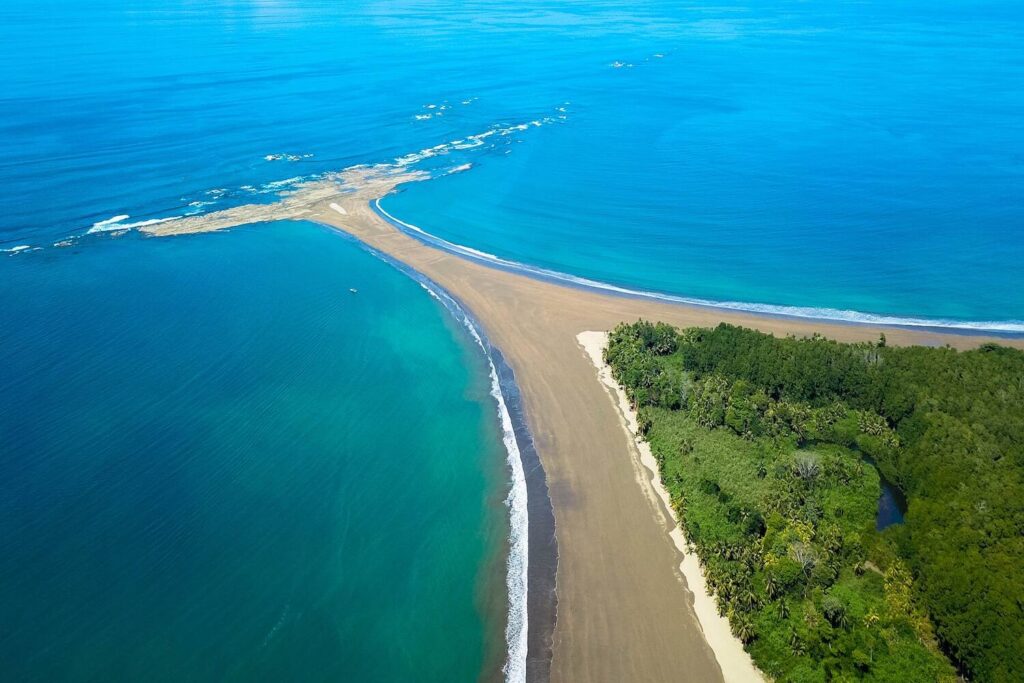
Once you arrive, our guide covers the whale tail, waterfalls, surf spots and tours worth your time.
Coming from somewhere else? Read our guide to getting to Uvita.