

The Best 2 Weeks in Costa Rica Itinerary for 2026
Planning a 2 weeks Costa Rica itinerary? Get ready for the adventure of a lifetime with this plan. This trip to Costa Rica takes you through the best destinations in the country. Volcanoes, cloud forests, tropical beaches, national parks full of wildlife. It’s all in here.
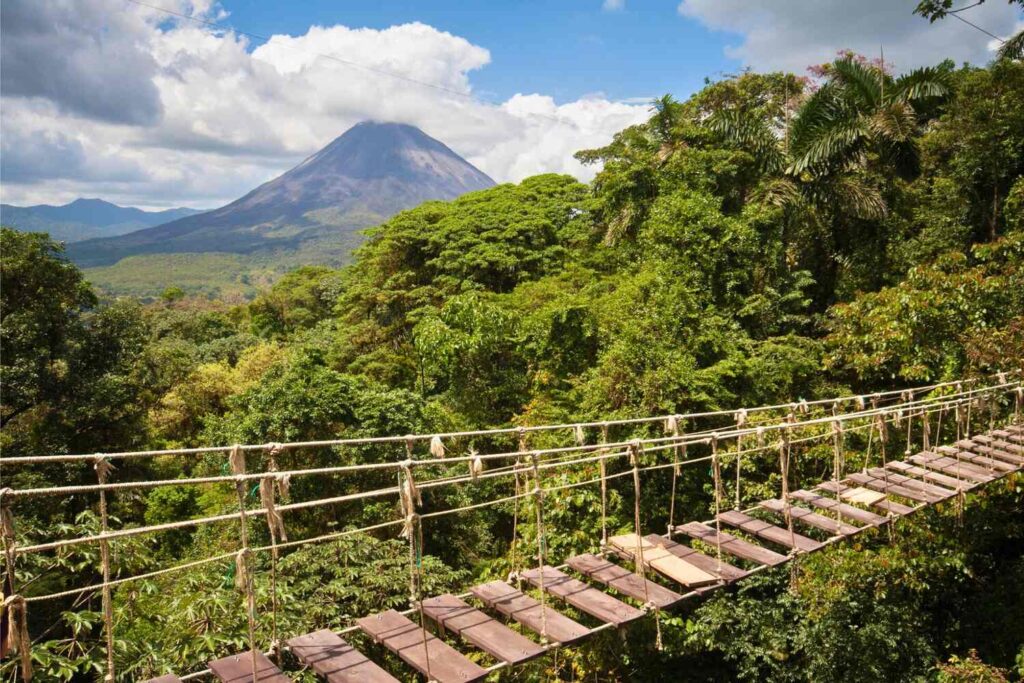
You’ll start in San José, then head to La Fortuna, Monteverde and its hanging bridges, and Santa Teresa, among other spots. The advantage of a 2-week itinerary is that you have enough time to actually enjoy, as opposed to going for 7 days or 10 days.
This travel guide is meant for you to visit Costa Rica without overloading your trip. We’ll cover all the details, with things to do, how to get from point A to B, and more.
Complete Two Week Costa Rica Itinerary
Let’s get right into the two week itinerary. We mix beaches, rainforests, volcanoes, and wildlife into one smooth route.
You’ll know where to go, how long to stay, and what’s actually worth your time. And don’t miss the helpful FAQ section at the end, because it covers everything from packing tips to transport and park entry tricks.
Day 1: San Jose (Arrival)
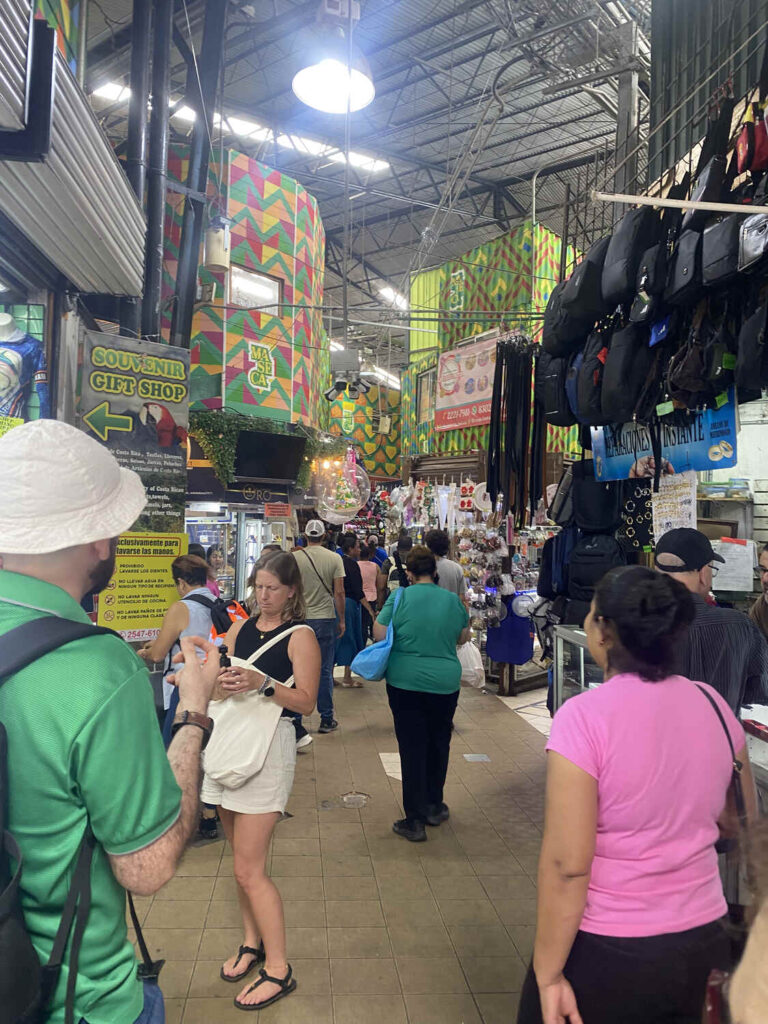
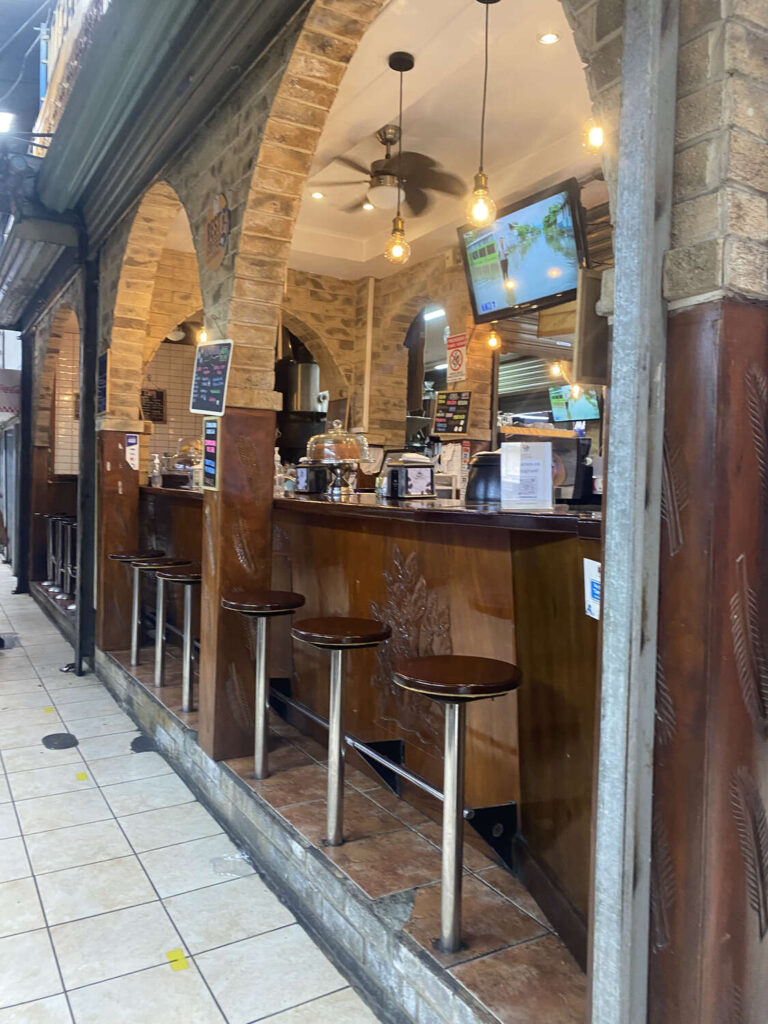
You’ve just landed at Juan Santamaría International Airport (SJO), so take it slow today. No need to rush. This is your warm-up before the trip really begins. Grab something to eat at a local soda (that’s what Costa Ricans call their small, family-run restaurants) or check out a few nearby spots like the National Theater or Mercado Central.
If you’re feeling up for it later, head to Barrio Escalante. It’s basically San José’s go-to area for good food and a bit of nightlife. Try one of the local craft beers or just people-watch for a while. Then call it an early night, because tomorrow’s when things really kick off.
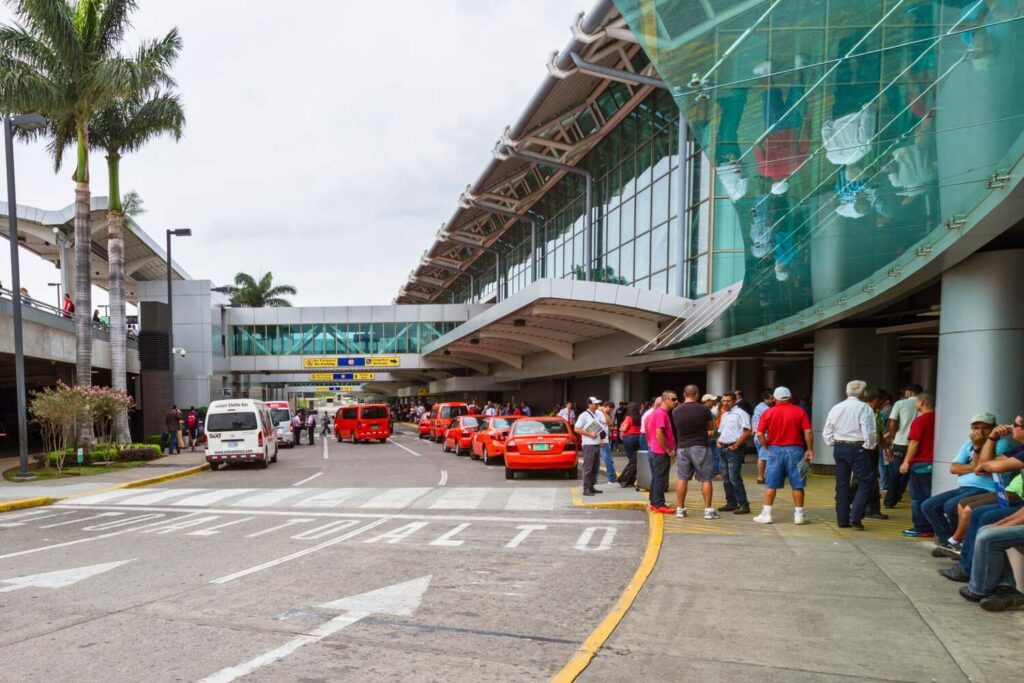
Land at Juan Santamaría International Airport (SJO)
After landing at SJO, expect 30-60 minutes for immigration. Have your customs form and return ticket ready to speed up the process. If you need cash, there are ATMs inside the airport for both colones and USD.
This small airport has everything that you need. There is WiFi (which is really nice while waiting), free luggage carts, and an easy baggage claim area.
For a SIM card, get Kolbi, Claro, or Movistar at baggage claim ($5-$10) or find better deals in San José stores. That said, yes, you will save some cash in San José but nothing beats the convenience of buying your SIM card at the airport, so we recommend this option.
For taxis, use official orange airport taxis ($25-$35 to downtown) or rideshares like DiDi for cheaper rates. It’s only 17km from the airport, or about 20 minutes, so it’s a quick ride to your hotel. You can get a public bus but you’ll have to get to the main road, so that’s not very convenient.
Got questions about Costa Rica? Join our community on Reddit for real tips.
Planning a trip to Costa Rica? Join our Facebook group for insider tips.
Have a Meal at Soda Tapia or Mercado Central
Soda Tapia, near La Sabana Park, is a great local diner serving traditional Costa Rican food 24/7 on the weekend and extended hours during the week. Try a casado (rice, beans, plantains, salad, and meat) or a gallo pinto breakfast with fresh juice.
At Mercado Central, the stalls sell ceviche, empanadas, and fresh coffee. It’s a great place to taste authentic flavors, buy spices, and grab an affordable meal before heading out.
Costa Rican food is simple but pretty yummy. Start with a casado (beef, chicken or fish alongside rice, beans and greens) Gallo pinto is the national dish and it’s served for breakfast with eggs and plantains.
If you like seafood, ceviche with fresh lime and cilantro is a must. Wash it down with agua dulce (sugarcane drink) or fresh tropical juices like guanábana, passion fruit, or tamarind. The perfect combo to have after a long flight.


Visit the National Theater or Gold Museum
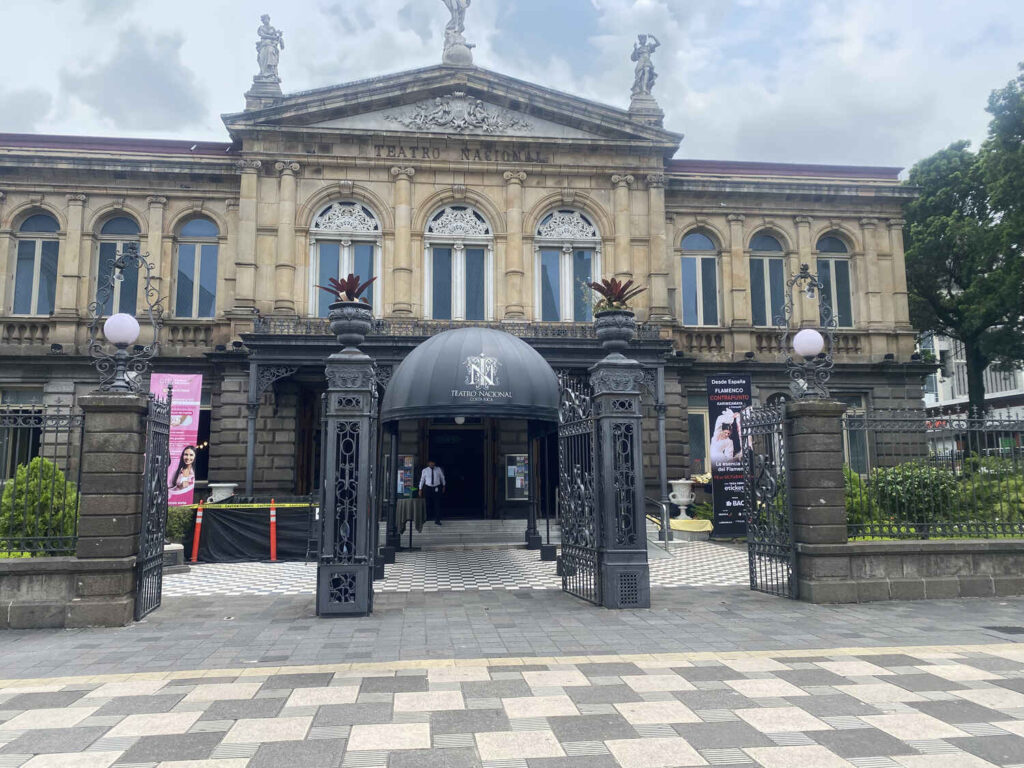
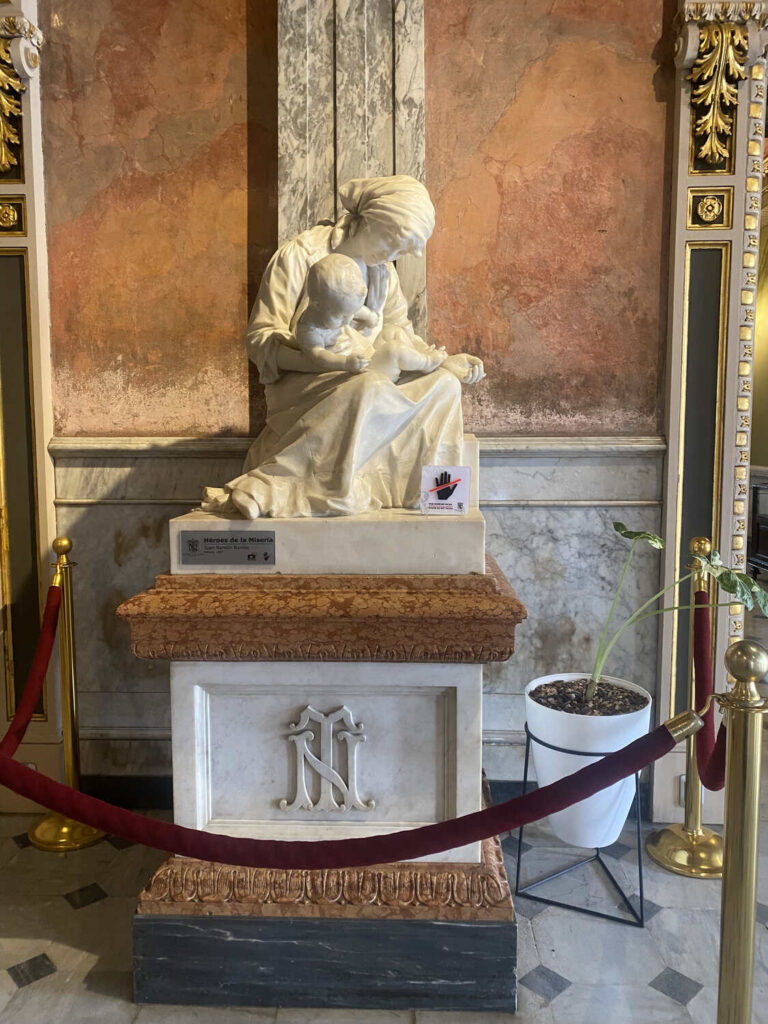
The National Theater is one of San José’s standout buildings, built in 1897 with ornate ceilings, marble statues and gold detailing. Join a guided tour ($10-$15) of the theater to understand its history better or simply have coffee at their in-house café.
Other than that, housed underground in Plaza de la Cultura, the Pre-Columbian Gold Museum showcases over 1,600 gold artifacts from Costa Rica’s indigenous cultures. Those include intricate ceremonial figurines and jewelry.
Both are entirely worth the trip, so do yourself a favor and check them out. At worst, you have one more day left in San Jose at the end of this itinerary to do your visit.

Walk through Barrio Escalante for Dinner
For a gourmet meal, go with Silvestre or for incredible cocktails at Apotecario. Those are a little pricey but you’ll have more time to indulge in more affordable food later on in this trip.
For a more casual bite, try Agüizotes Gastro Pub for great local fusion food. It is a safe, walkable city at night and the streets are filled with life – perfect after an entire day of travel (read: jet lag).
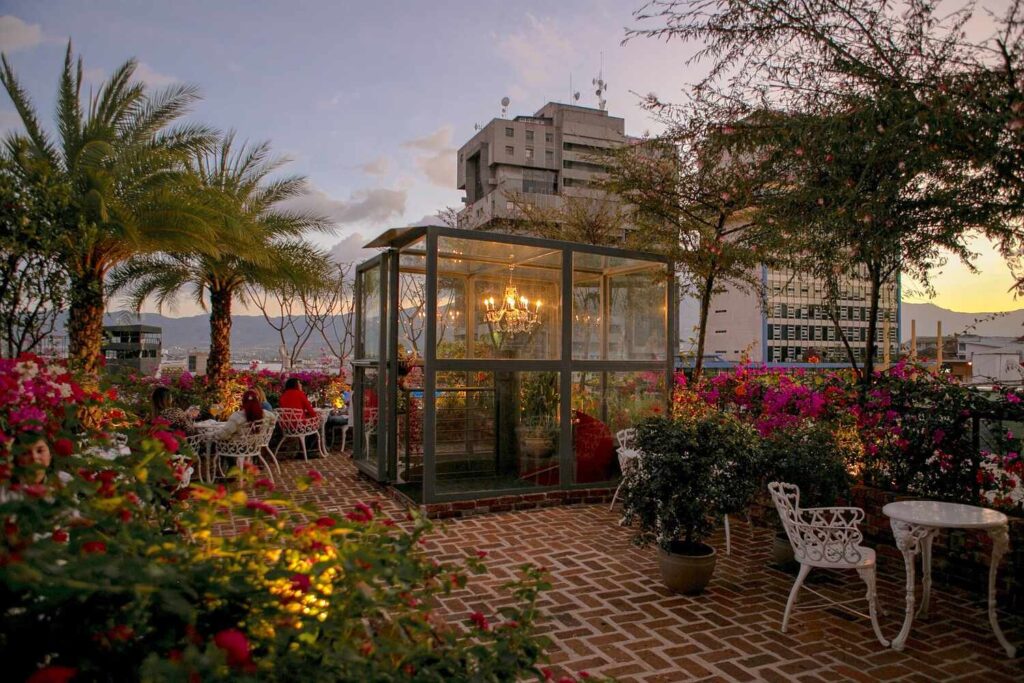
Day 2: Travel to La Fortuna & Relax
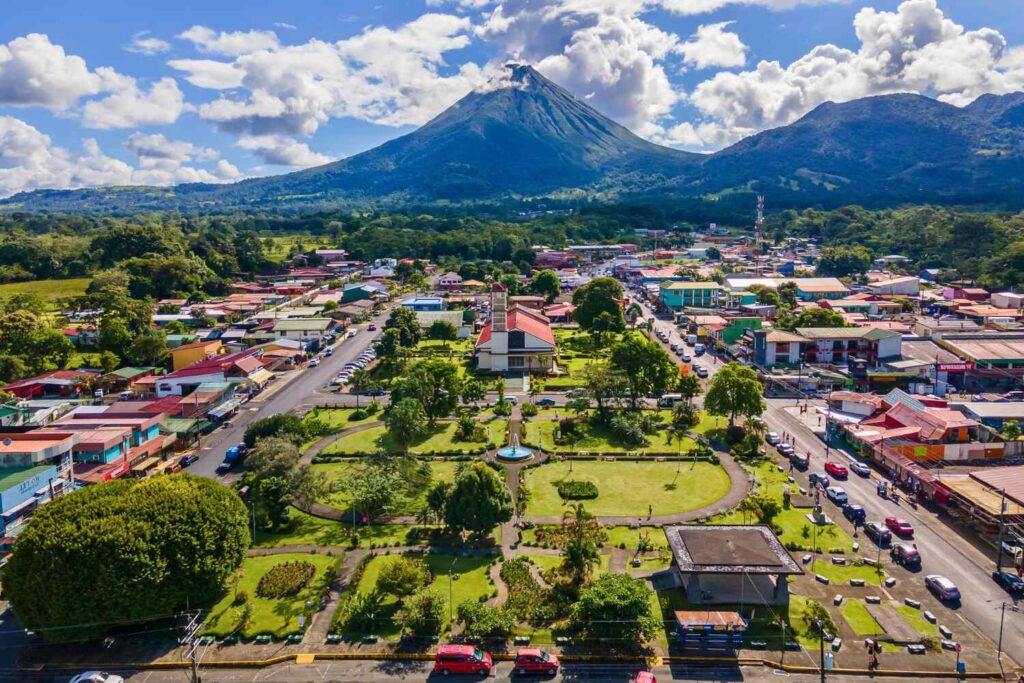
It’s time to leave the city for La Fortuna, home to Arenal Volcano. If you did any research about tourism, then this is probably the first place you saw, because it’s so popular and beautiful (though luckily doesn’t have that crowded feel).
The drive takes about 3.5 to 4 hours from San José. Visit the waterfall, the natural hot springs like Tabacón, Baldi, or the free El Chollín river, and enjoy a relaxed sunset walk around Lake Arenal before dinner.
Travel from San José to La Fortuna
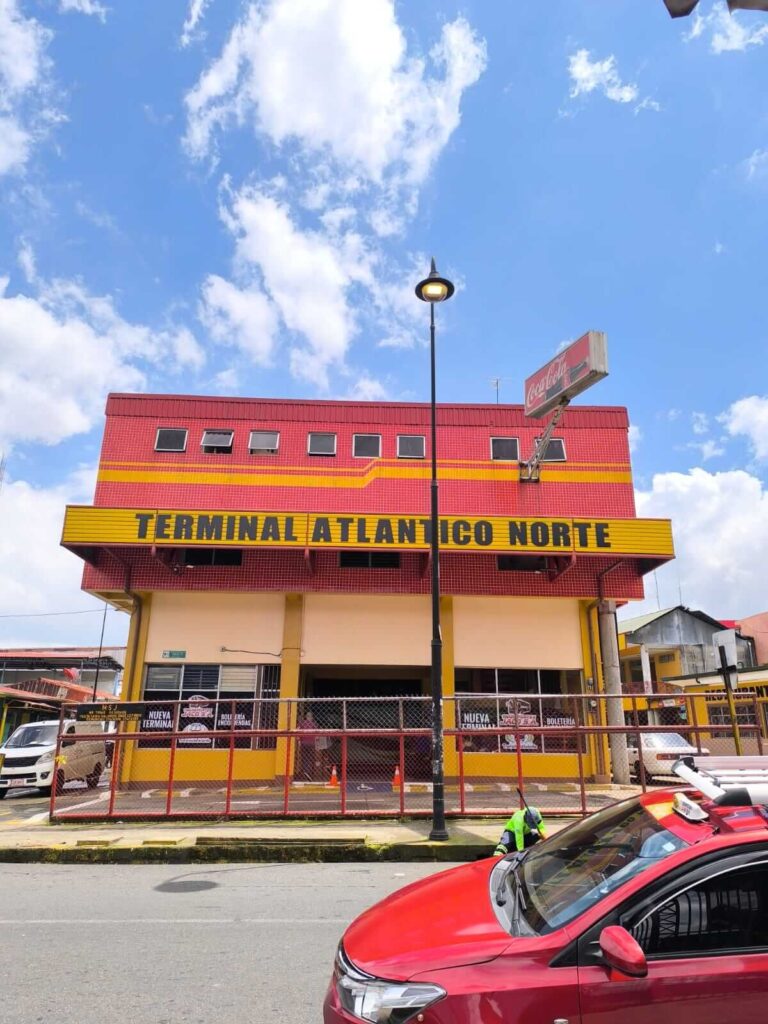
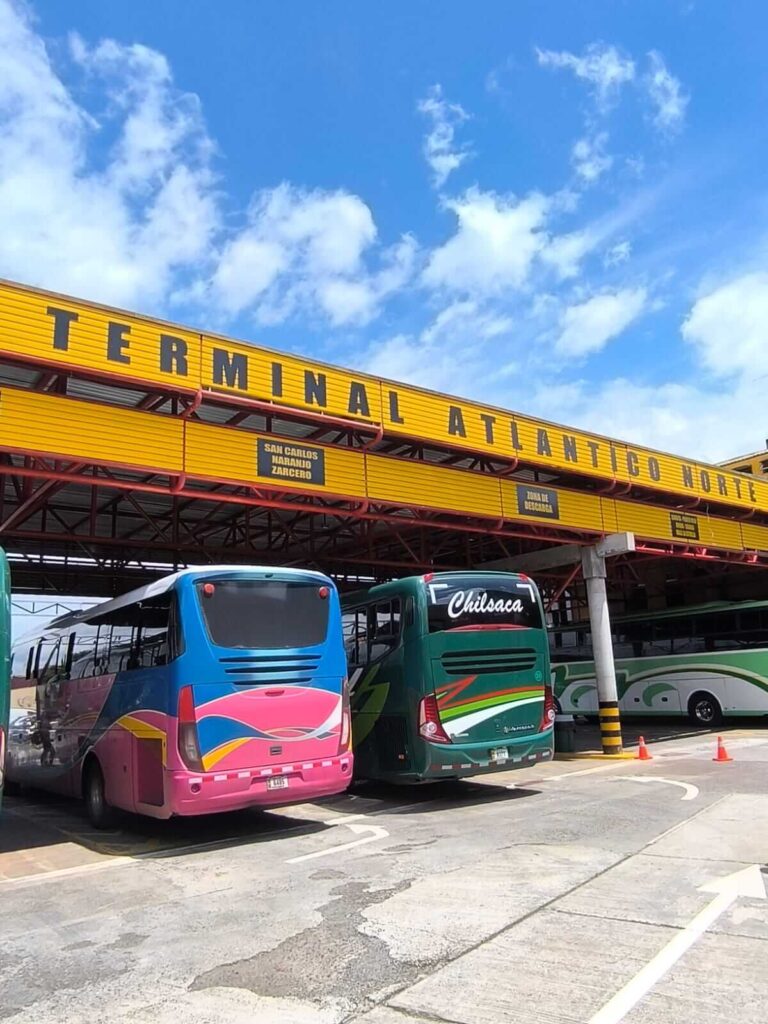
The drive from San José takes 3.5-4 hours by car. It is a bit long but you will go through some beautiful mountains and small towns on the way. If you don’t rent a car, take a shuttle for 50-60 USD, the public bus from Terminal Atlántico Norte to La Fortuna ($5 to $ 10), or private transfer ($100+).
The most comfortable and best option is to take a shuttle, while public buses take longer but are budget-friendly.
If you end up going with driving, definitely make a stop in Zarcero to see beautiful topiary gardens (and grab some fresh cheese while at it). Note that highways in Costa Rica are excellent, but the roads of the countryside have much to be desired. If you are a novice driver, get a shuttle instead.
FULL GUIDE: Here’s how to get from San Jose to La Fortuna in Costa Rica.

Visit La Fortuna Waterfall
After checking into your hotel in La Fortuna, we recommend going straight to the popular waterfall. It closed at 5:00 PM, so there’s enough time to go and actually enjoy.
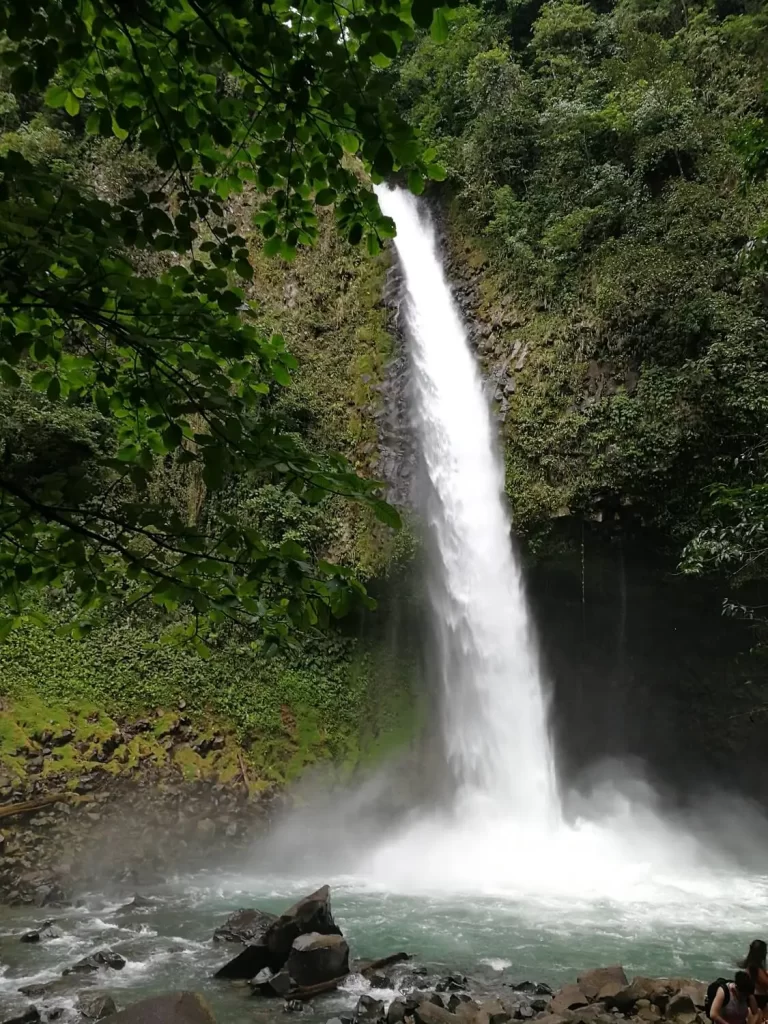
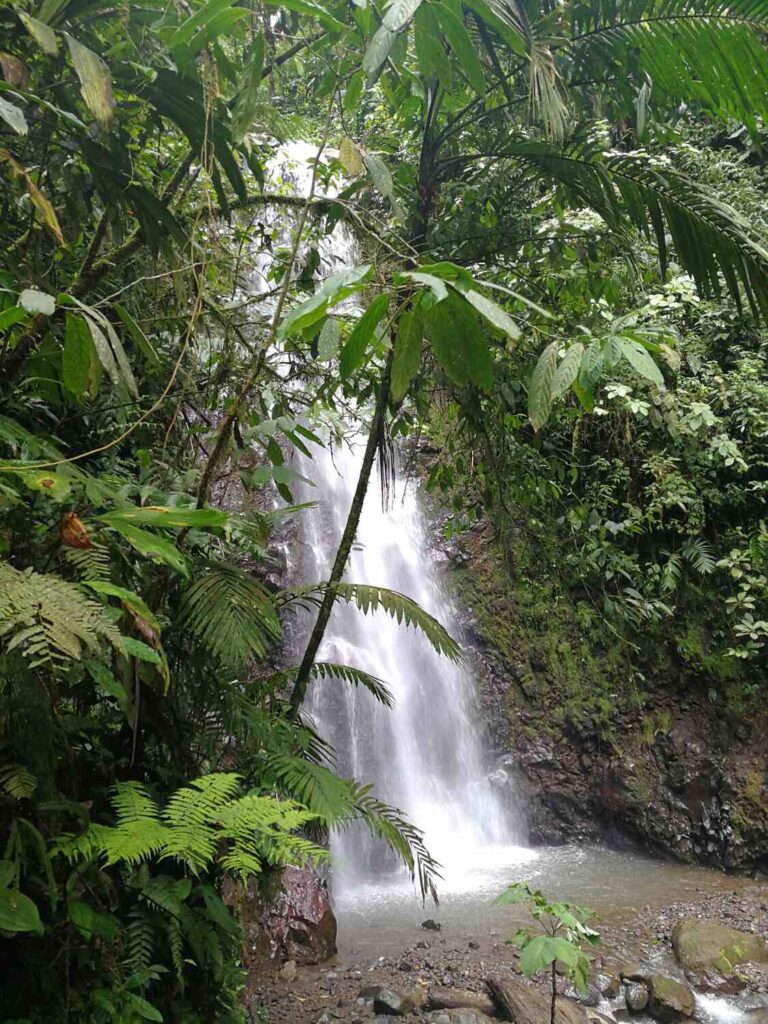
The fall drops straight down 230 feet (about 70 meters) into a natural pool that looks unreal in person. You can swim there, but don’t go too close to the base because the current can get pretty strong.
Getting down is easy enough. It’s only 10 minutes by car from downtown La Fortuna, and once you get there, you pay the $18 entrance fee and you start the trek.
It’s just around 500 steps (it will take you about 10–15 minutes to get downstairs). The way back up iss the part that’ll make you sweat. There are bathrooms and changing rooms near the trail, which is quite convenient.
If you’re tired from the road trip, you can also postpone it to your second day in town, but make sure to go early to avoid the big crowds.
Relax in Hot Springs (Tabacón, Baldi, or free El Chollín)
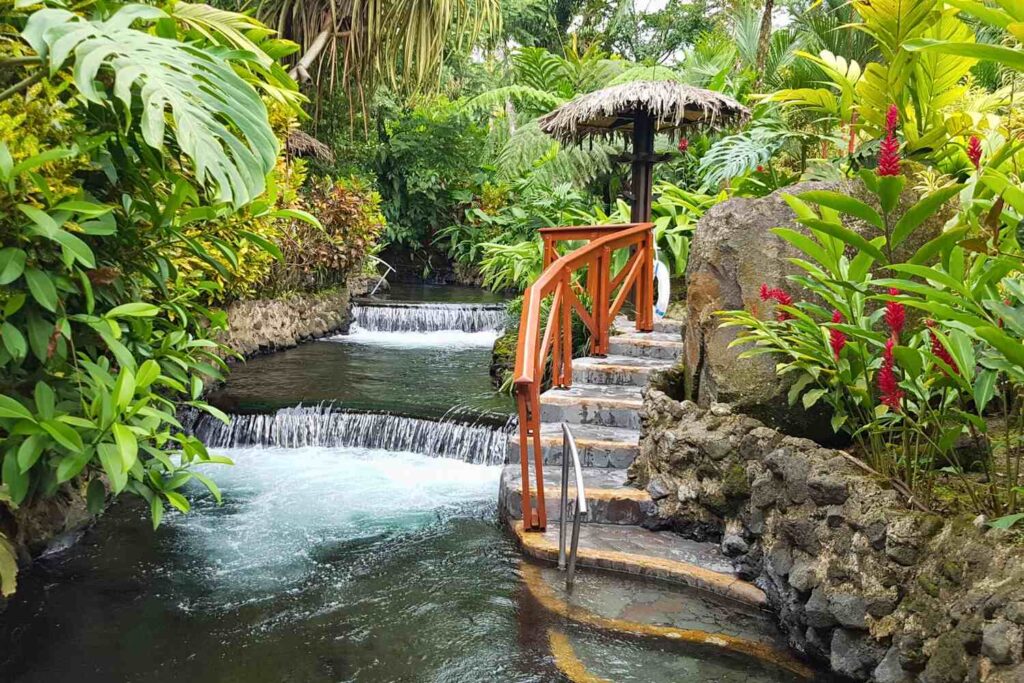
La Fortuna is famous for its hot springs, which are all heated naturally by the Arenal Volcano. What’s cool is how different they all feel. Some are fancy spa-style resorts, others are hidden in the jungle.
If you’re in the mood to splurge, go for Tabacón. A day pass runs around $75+, but it’s worth it if you want something special. The pools are surrounded by tropical gardens, with quiet corners to relax. There’s also a full spa if you want to go all in. It’s pricey, yeah, but worth it at least once on this trip.
For something more laid-back, Baldi Hot Springs is a solid one. It’s around $40+ for the day and has more than 25 different pools, from super-hot ones to ones you can just chill in with a drink. It’s busier but not chaotic like the free spots.
Speaking of freeL El Chollín is your go-to if you don’t want to spend a dime. It’s a natural hot river just down the road from Tabacón, and it’s completely free to enter. Go early in the morning if you want a bit of peace; by the afternoon, it’s usually packed with locals and travelers hanging out. Bring sandals, a towel, and something to sit on because the rocks can get pretty hot.
Walk Around Lake Arenal for Sunset
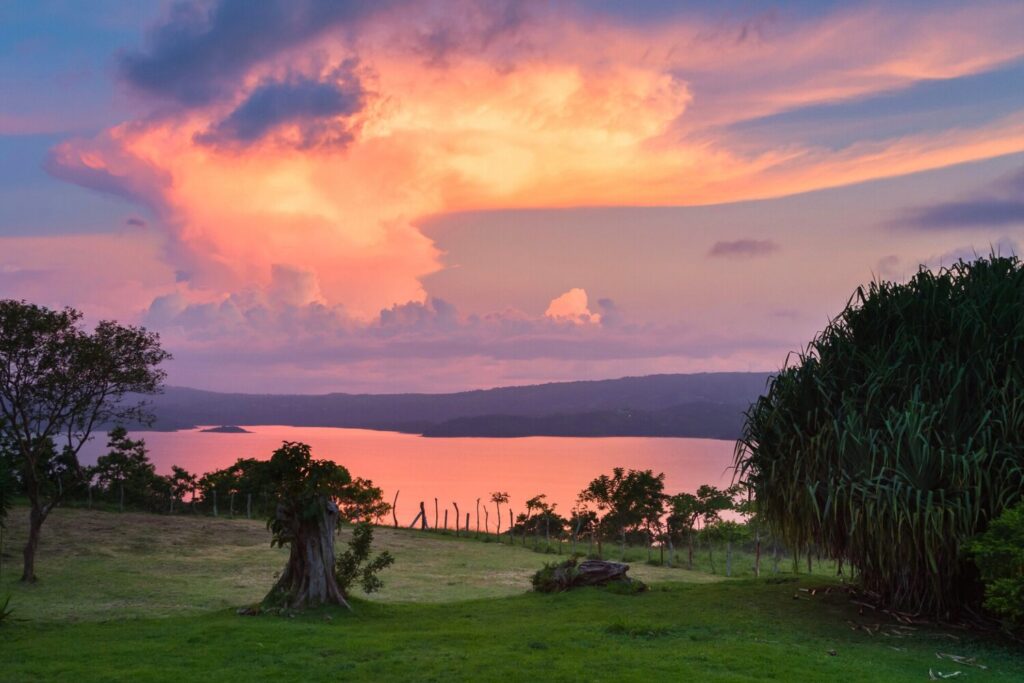
Lake Arenal is the largest lake in Costa Rica. It stretches 33 square miles (85 km²), with sunset views over the water worth the stop. Walk along the shore, rent a kayak or paddleboard, or just relax and take in the scenery.
The lake is also great for fishing, windsurfing, and boat tours. If you’re lucky, you might spot howler monkeys or exotic birds in the trees nearby. It’s the perfect way to end your day before going back to your hotel.

Day 3: Arenal Volcano & Waterfalls
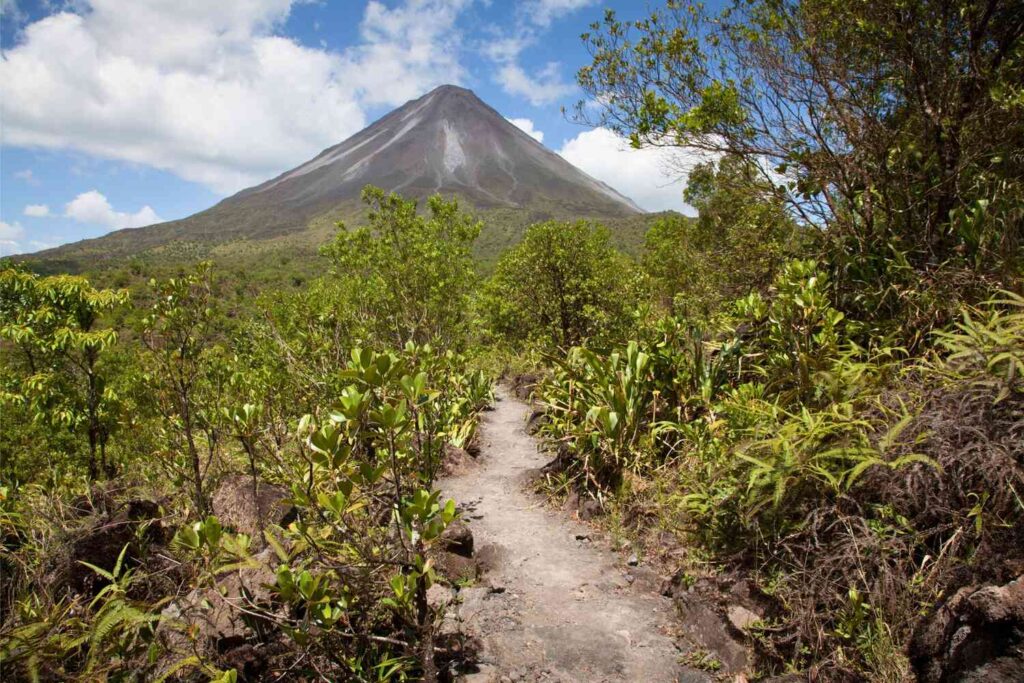
Today is all about touring Arenal and the hanging bridges. Start the morning with a hike at the Arenal 1968 Volcano Trail, where you’ll walk on old lava fields with amazing views.
In the afternoon, it’s time to walk on the Mistico Hanging Bridges. That’s a perfect way to spot wildlife at the Arenal Volcano National Park. If you still have energy, take a chocolate and coffee tour.
Hike the Arenal 1968 Volcano Trail
The 1968 Trail cuts straight through the old lava fields left behind by the eruption that changed this whole area. You walk across black rock that used to be melted lava, which feels strange. On a clear day, the volcano towers over you the whole way.
The hike runs about 2.5 miles (4 km) and takes around two hours. You start in rainforest, then the trees open up into volcanic rock, with a few good lookout points along the way. Watch for toucans, howler monkeys, and more plants than you can name.
Wear decent shoes. The trail is rocky and uneven, and flip-flops will make you regret it. Entrance costs $25 per person. You can also add a guided tour if you want more than just the view.
Those tours cost close to $100. Still worth it though, if you want to actually understand what you’re walking through instead of just taking photos and moving on.
Explore the Mistico Park
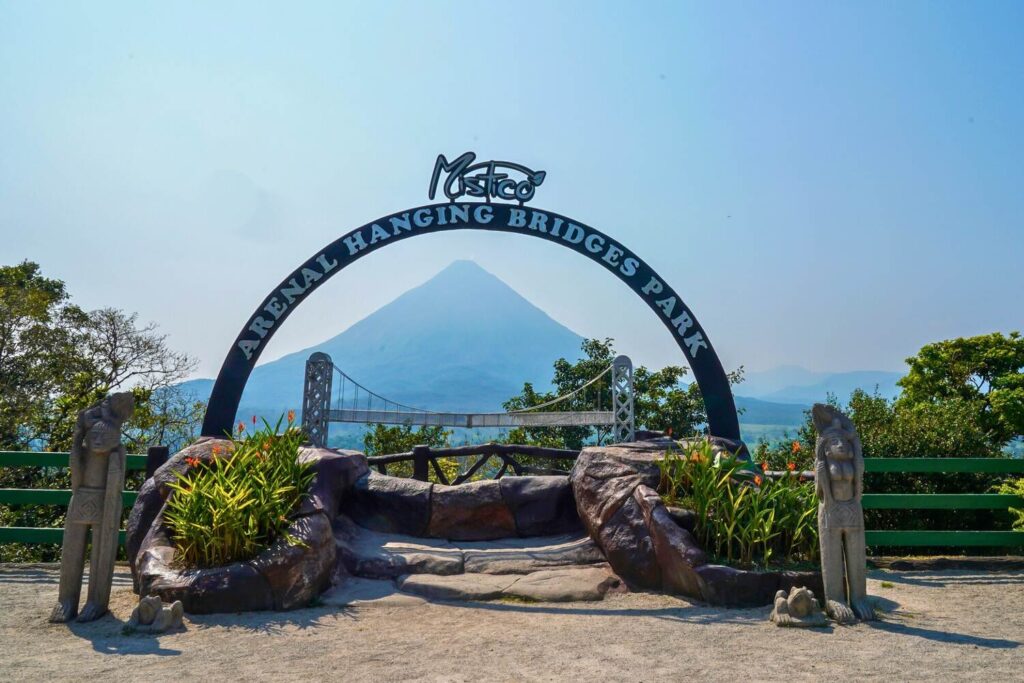
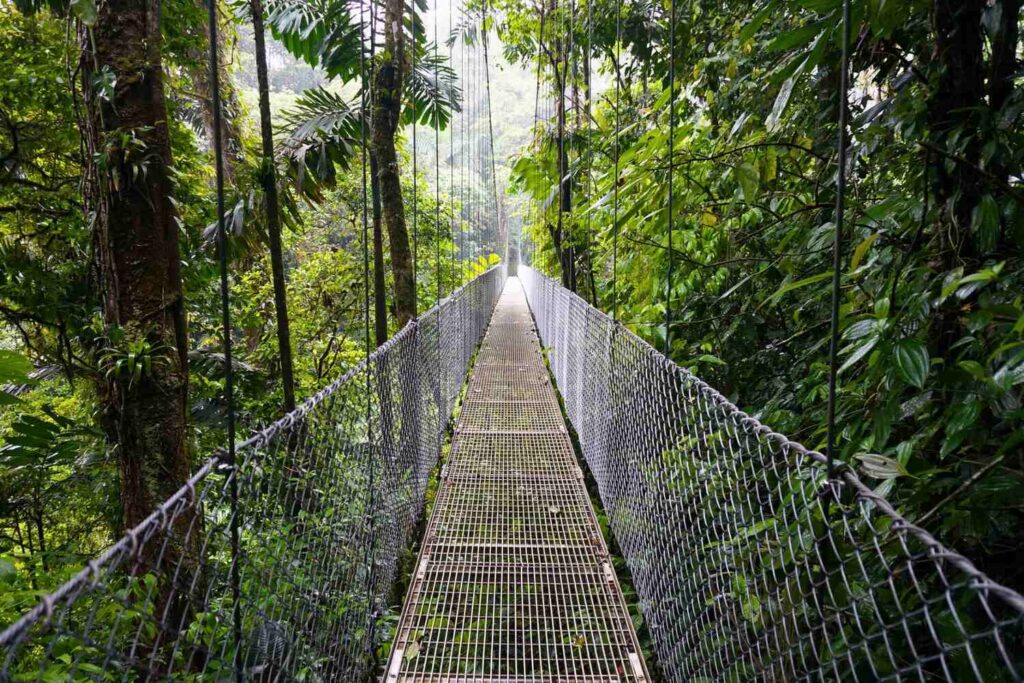
Mistico Hanging Bridges Park will have you stopping every few minutes to take photos. The trail’s only about 2 miles (3.2 km), but it packs a lot in. There are 16 bridges in total, including six big suspension ones that take you right through the rainforest canopy. Up there, you’re basically eye-level with the treetops.
You’ll hear monkeys before you see them, with a good chance of a sloth or toucan if you slow down. Sometimes you can even catch sight of those tiny, bright-colored poison dart frogs near the path.
The walk isn’t tough at all. It’s more of a steady stroll than a hike. Give yourself about 1.5 to 2 hours, especially if you like stopping for photos (everyone does). Entry is $32, or you can join a guided tour for a little more than that. The guides are seriously good at finding stuff you’d never notice on your own. Half the animals you’ll “see” are ones they point out first.
Take a Chocolate & Coffee Tour in the Rainforest
We know that entry fees and tours pile up and cost relatively high. But if there was one guided tour to consider, this is the one.
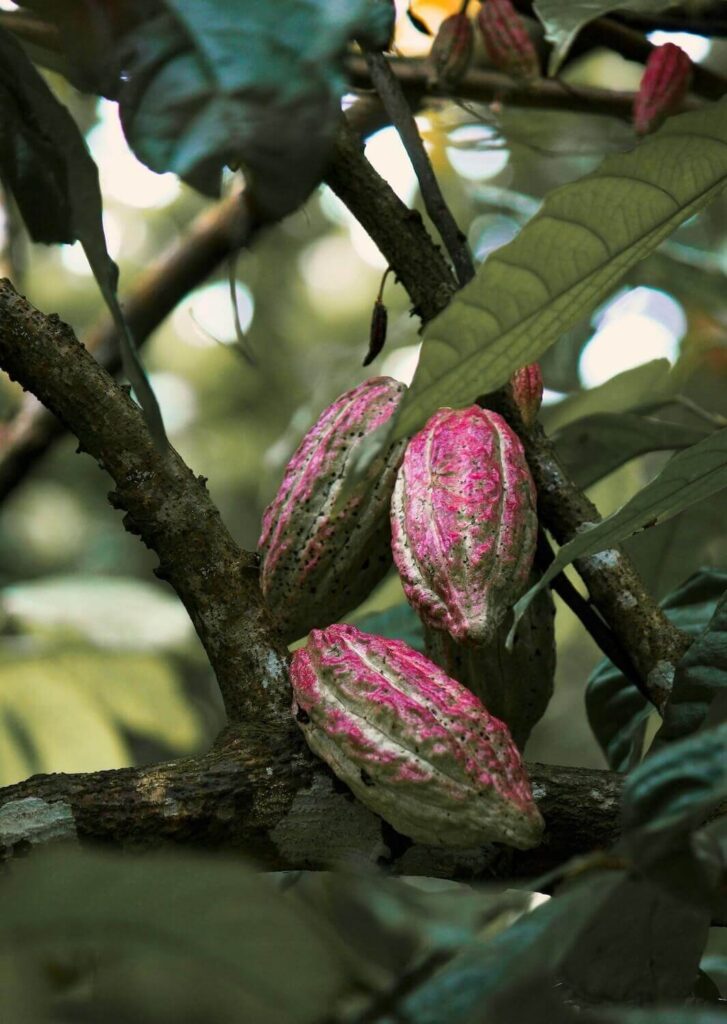
You’ll learn about the famous coffee and chocolate at a plantation near La Fortuna. See how coffee beans are grown, roasted, and brewed, then taste fresh local coffee.
Next, see how cacao actually turns into chocolate, with samples along the way. Tours at Don Olivo last about 2 hours and cost $30 per person. Worth it? Absolutely.

Day 4: Whitewater Rafting or Rio Celeste
You have two great options today. If you love adventure, go whitewater rafting on the Balsa or Sarapiquí River, or zipline. If you prefer something more relaxed, take a day trip to Rio Celeste in Tenorio Volcano National Park.
The hike to the fall is about 2 hours round trip, but it’s worth it. Let’s get into the program for day 4.
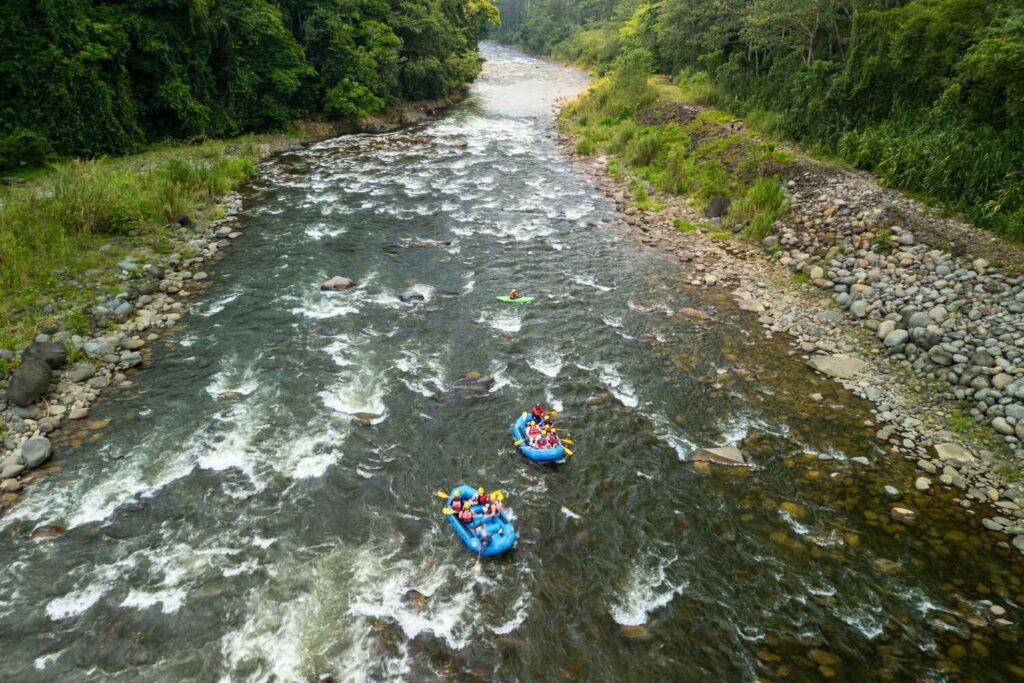
Go Whitewater Rafting on the Balsa or Sarapiquí River
This part of the country is a top spot for rafting, with options for beginners and more experienced ones. The Balsa River (Class II-III) is great for first-timers and families, while the Sarapiquí River (Class III-IV) has bigger rapids and more adrenaline.
Expect 2-3 hours on the water, with chances to spot monkeys, iguanas, and tropical birds along the riverbanks. That’s right, you never get enough wildlife in Costa Rica! Tours include lunch, transportation, and safety gear, costing $65-$85 per person and they last about 5 hours. Dry bags and water shoes are recommended.
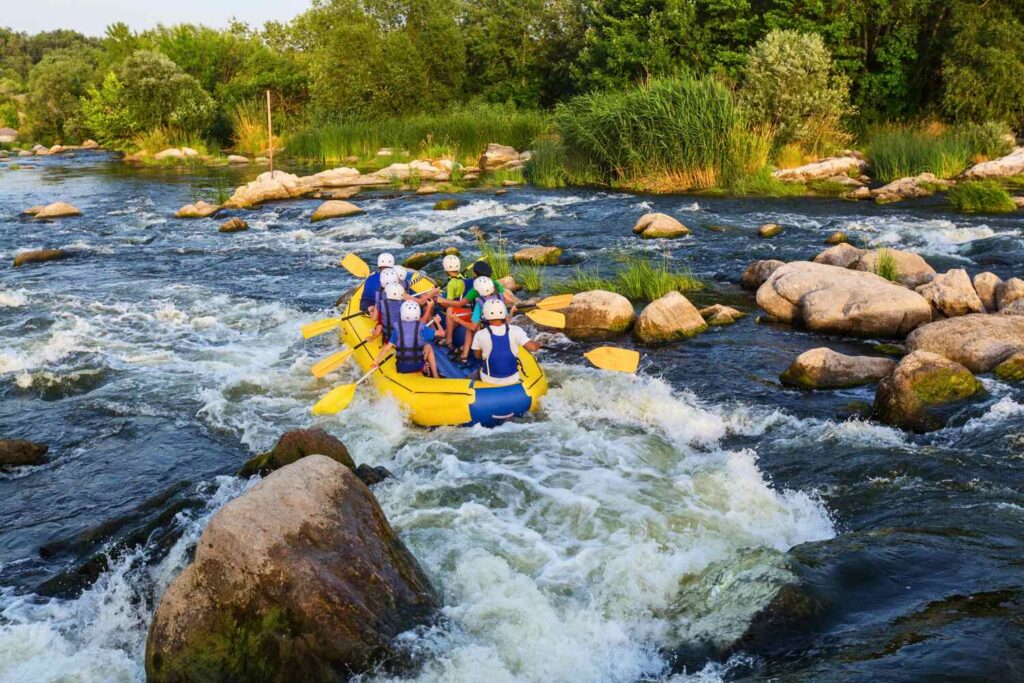
Zipline Through the Rainforest
Another incredible thing to do in La Fortuna is ziplining. That’s brilliant if you enjoy an adrenaline rush.
The best zipline parks are Sky Adventures, Arenal Mundo Aventura, and Ecoglide. They feature multiple cables, some over 2,600 feet (800 meters) long. Most tours last 2-3 hours and include the bridges, Tarzan swings, and rappelling options.
Prices range from $80 to $100 per person, with some packages including an aerial tram ride. f you want an adrenaline rush, this is where to get it, and it’s a completely different way to see the rainforest, from above instead of below.
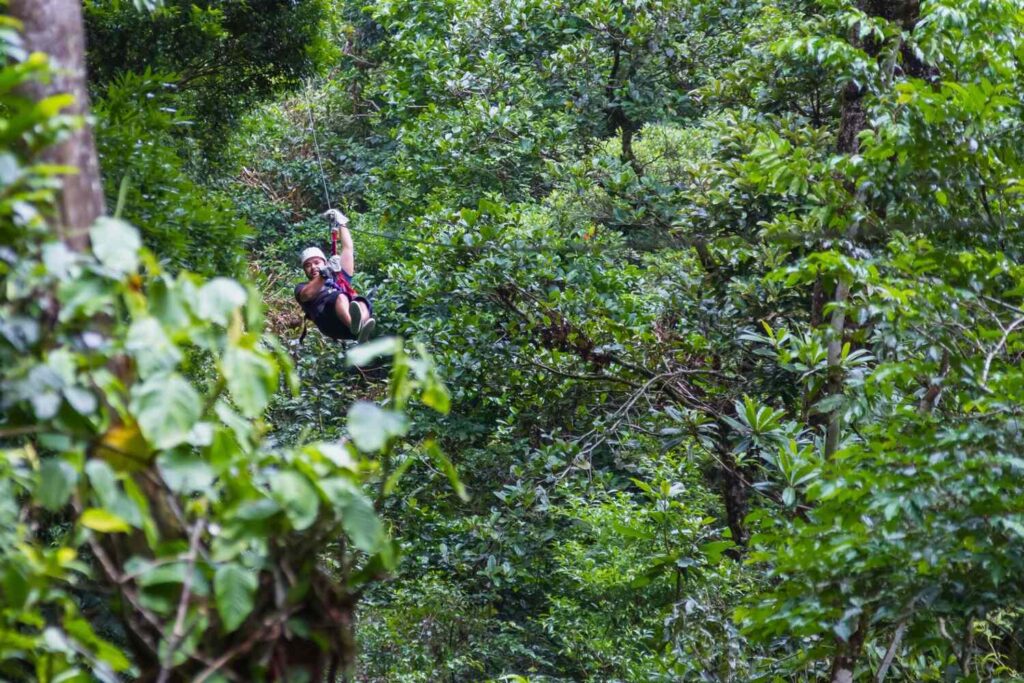
Take a Trip to Rio Celeste (Tenorio Volcano National Park)
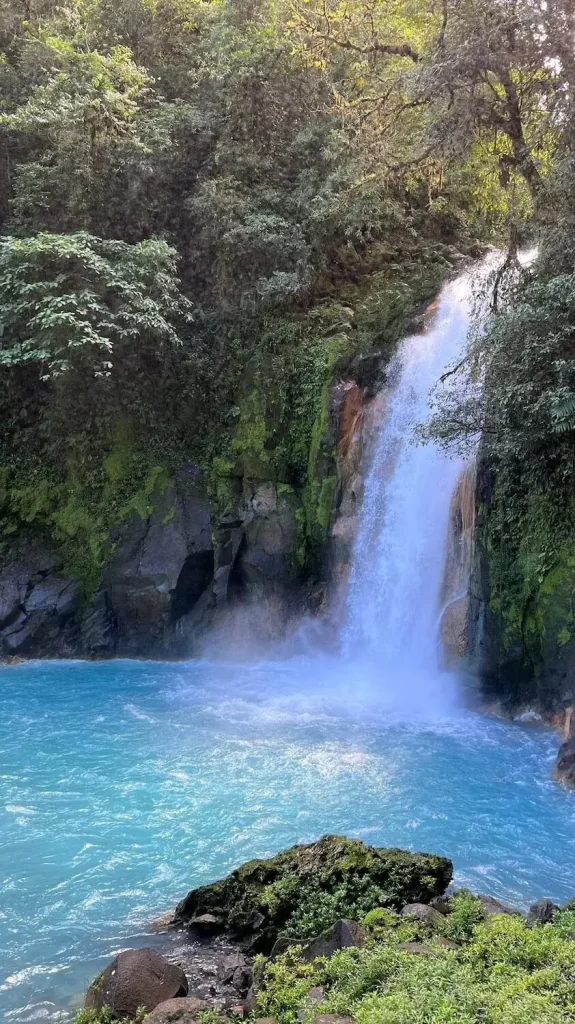
Alright, so in case ziplining and rafting aren’t your cup of tea, Rio Celeste is the best alternative, and we highly recommend it. Rio Celeste is famous for its bright turquoise water, created by a natural chemical reaction in Tenorio Volcano National Park.
The 3.7-mile (6 km) return hike takes about 2-3 hours, and it takes you to the stunning Rio Celeste and the Laguna Azul (Blue Lagoon). The trail can be muddy and slippery, so hiking boots are recommended.
Entrance is $12 per person, and swimming is not allowed inside the park. It’s a perfect tour from the town of La Fortuna, about 1.5 hours away by car. We recommend joining a guided tour, which doesn’t cost much (less than US$100 per person) and everything is included: Transportation, entrance fees, and everything else.
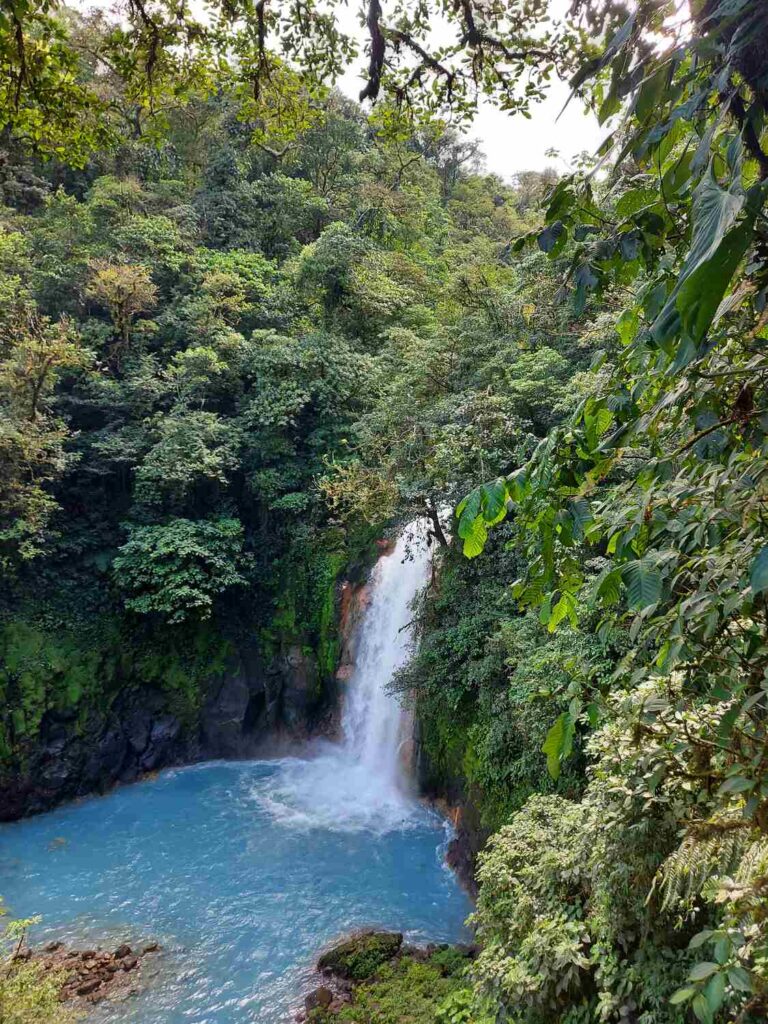
Day 5: Head to Monteverde
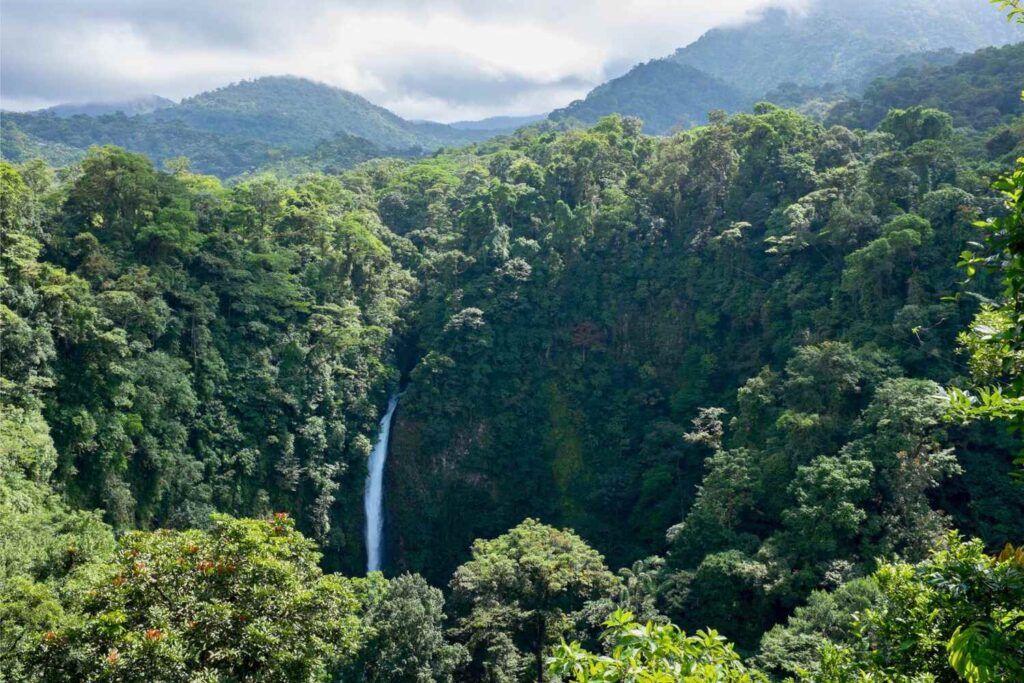
Say goodbye to La Fortuna and take the scenic route to Monteverde. The journey includes a boat ride across Lake Arenal, followed by a bumpy but beautiful drive through the mountains (about 3.5 to 4 hours total).
Once in Monteverde, visit the Cloud Forest Reserve. The reserve has very unique wildlife and stunning trails, and that’s probably the best place to go hiking on this Costa Rica trip itinerary.
End with a coffee and chocolate tour (if you didn’t do it in La Fortuna) or a night walk, where you might spot sleeping birds, tarantulas, or even a sloth!
Travel from La Fortuna to Monteverde
Next ride on this itinerary: The journey from La Fortuna to Monteverde. The fastest and most scenic way is the Jeep-Boat-Jeep transfer, which takes 3.5 hours and includes a boat ride across Lake Arenal.
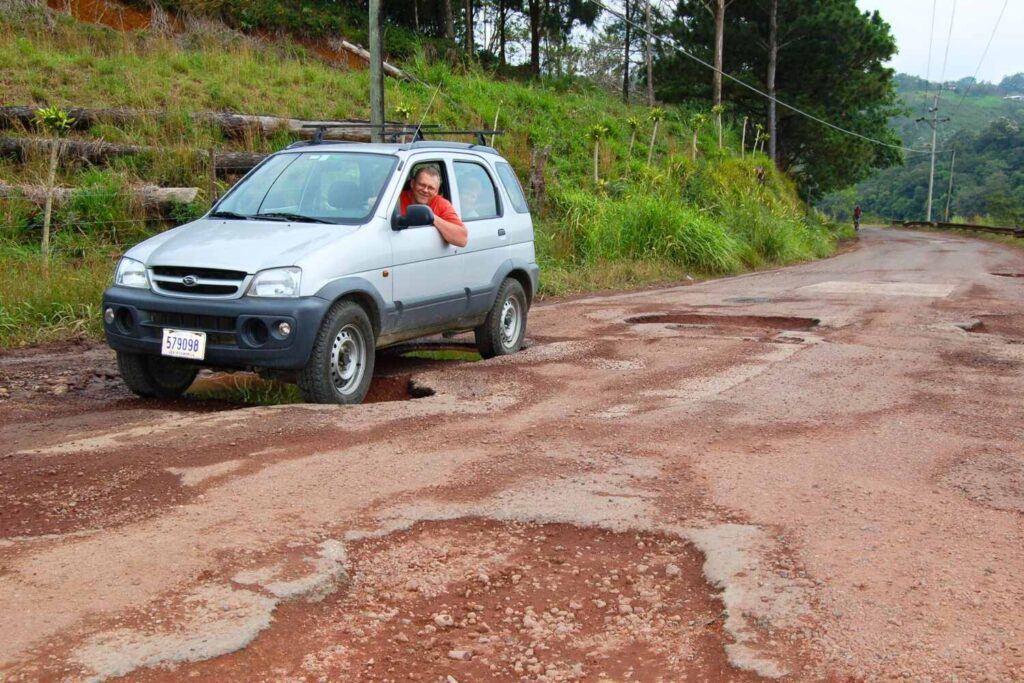
If you drive, expect a 4-hour ride on mountain roads. We recommend it only for 4×4, not regular city cars. Public buses take longer they’re a cheaper option. Once you arrive, the air’s noticeably cooler once you’re up there.
Explore the Monteverde Cloud Forest Reserve
You’ll probably reach Monteverde around lunchtime, maybe a bit later. The air is cool up here, noticeably so.
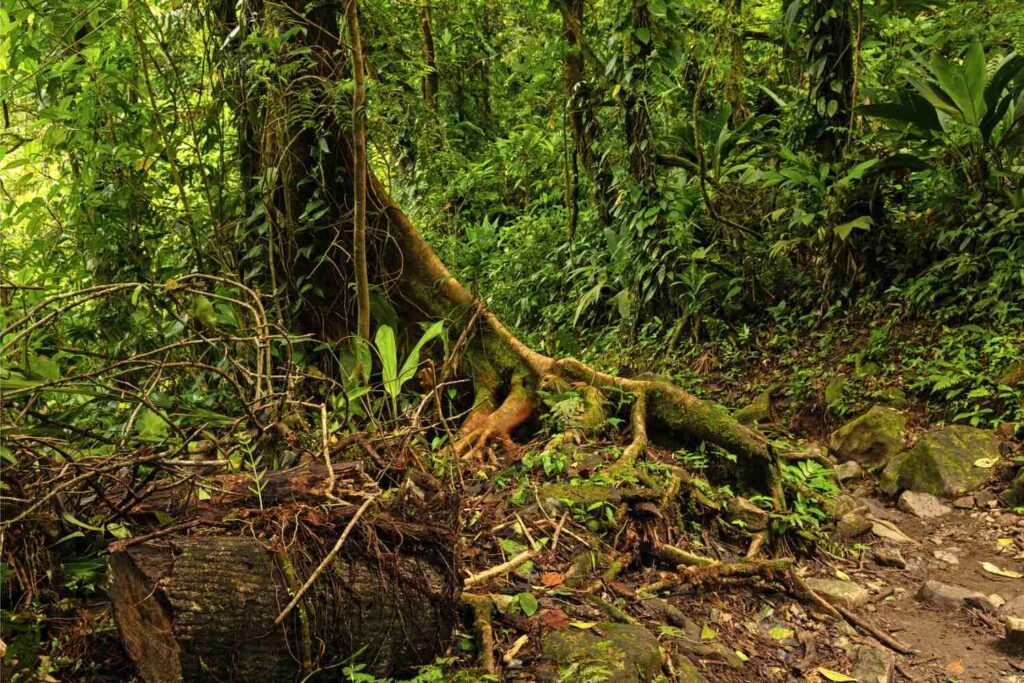
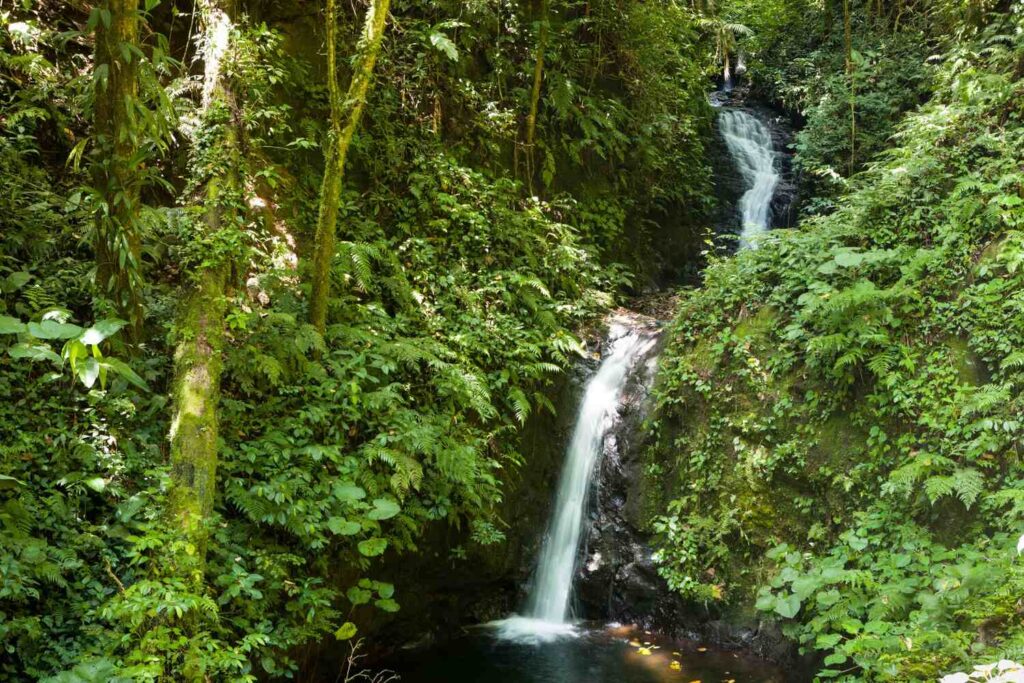
Head straight to the cloud forest reserve. The trails are easy to follow and there’s six of them, each one with its own little twist. Some are short, others take a few hours if you stop a lot (which you will). Huge ferns, trees covered in moss, and the kind of jungle sounds that make you stop and listen for a second.
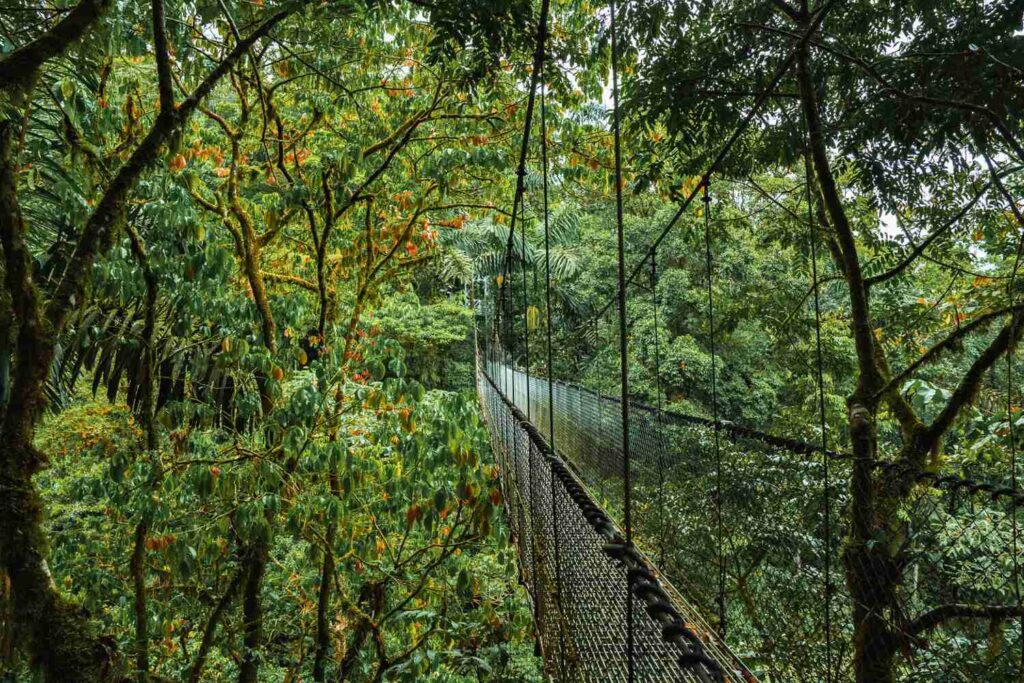
The hanging bridge is the part everyone waits for, and yes, it’s worth it. You’re standing high above the forest with clouds rolling past your feet.
If you go with a guide, you’ll see way more. They somehow spot everything. Tiny frogs, sloths tucked way up in the trees, even the quetzal if you’re lucky. Entry’s about $26, and guided tours are around $30–$35.
Wear proper shoes and bring a rain jacket. It’s almost always misty, even when it looks sunny in town. But that’s Monteverde, it’s meant to be a bit wild.
Trek at Selvatura Park
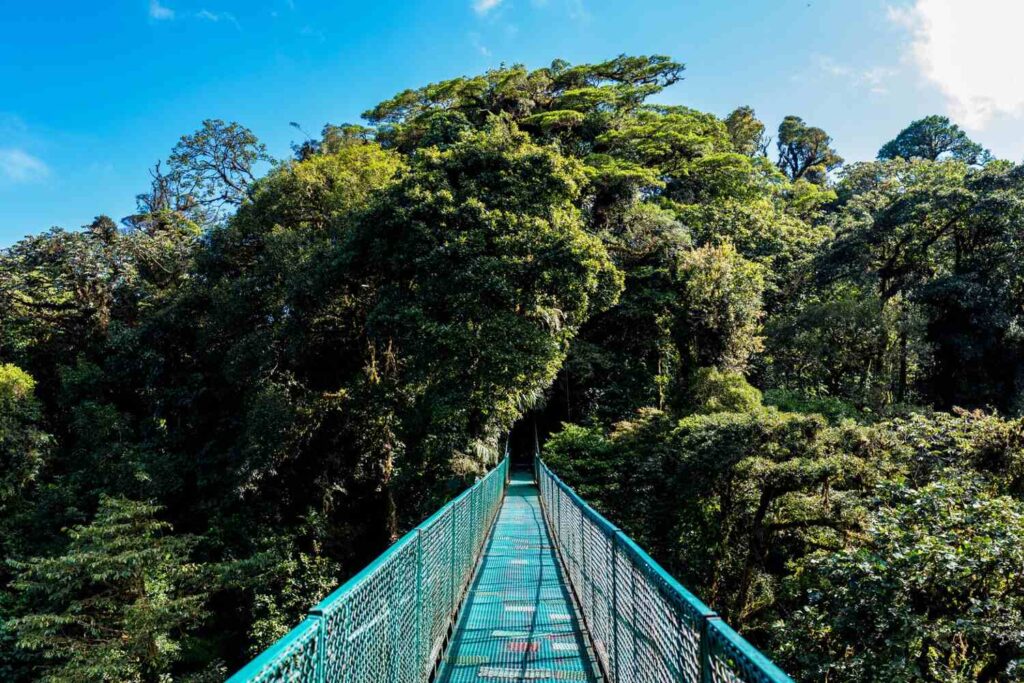
If there’s a unique way to see the rainforest from above, it’s from the Selvatura Park’s hanging bridges. The 2-mile (3.2 km) trail has 8 suspension bridges, some stretching over 500 feet long and 200 feet high.
Keep an eye out for monkeys, toucans, and orchids. It’s an easy, self-guided walk that takes about 1.5-2 hours. There are several tickets available that vary in price depending on the options you choose (ziplining, butterfly garden, etc).
Visit the Monteverde Butterfly Garden
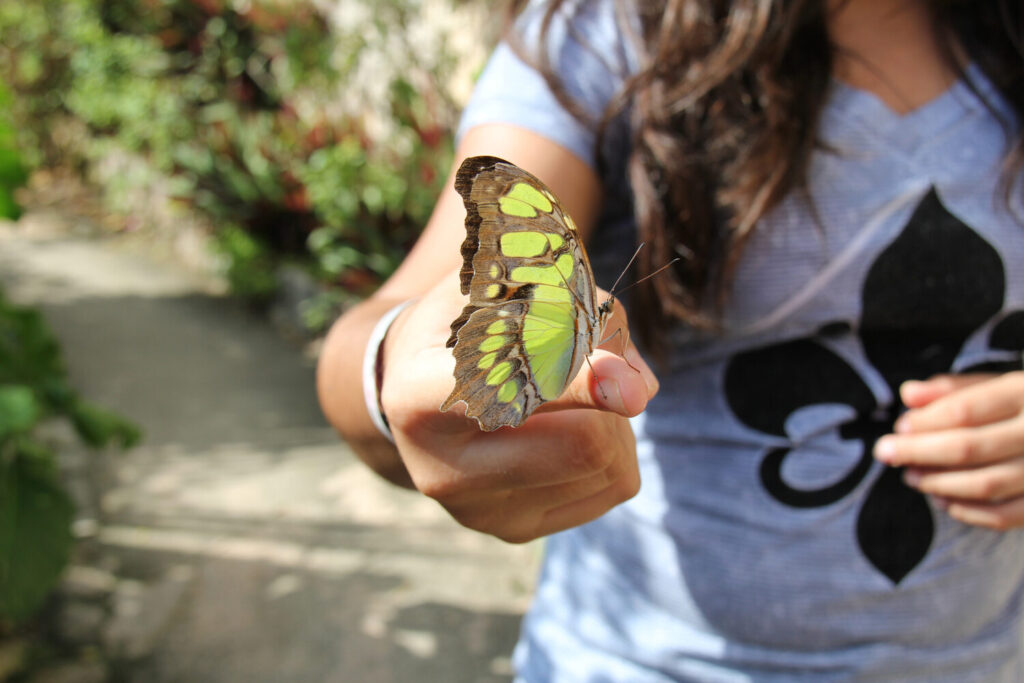
The Monteverde Butterfly Garden, also known as Jardin de Mariposas, is a great family-friendly activity showcasing over 30 butterfly species. You’ll walk through four enclosed habitats, each designed to mimic the country’s different climates.
The garden also houses insects and tarantulas, and that’s a fun educational stop if you travel as a family (and you’re not scared of spiders). Guided tours last 45 minutes to 1 hour and cost $20 per person. The best time to visit is mid-morning when butterflies are most active.
Day 6: Cloud Forest & Ziplining in Monteverde
Monteverde is the place to be for ziplining, and today is your chance to experience it. Head to Extremo Park or Selvatura Park for some of the best zipline courses in the country, including a Tarzan swing and superman zipline.
There’s limited time in Monteverde, but you can still do both if you plan it properly. After lunch, visit the Monteverde Butterfly Garden or take in the sunset at The View Restaurant before winding down around town.
Try Ziplining & Tarzan Swings at Extremo Park
Something people always ask us is where to get an adrenaline rush at Monteverde. Well, Extremo Park it is, and the name only give it away.
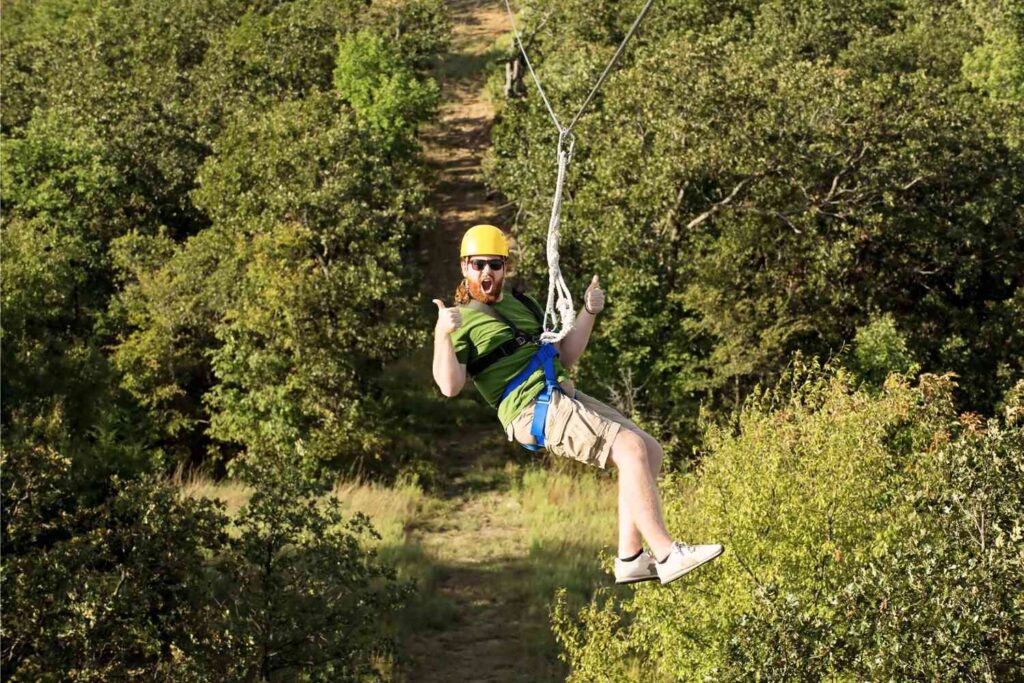
You’ll fly over Monteverde’s cloud forest on one of the most extreme ziplining courses in Central America. Extremo Park’s course has 14 cables, including a mile-long Superman zipline, and yes, it goes quite fast!
For an extra thrill, take the Tarzan Swing, a 148-foot free fall that will leave your heart racing. Tours last 3 hours and cost $95 per person. If you love adventure, this is a must-do.
Take a Coffee and Chocolate Tour
After ziplining (or as an alternative, in case this isn’t your cup of tea) a coffee and chocolate tour is a great continuation to this itinerary.
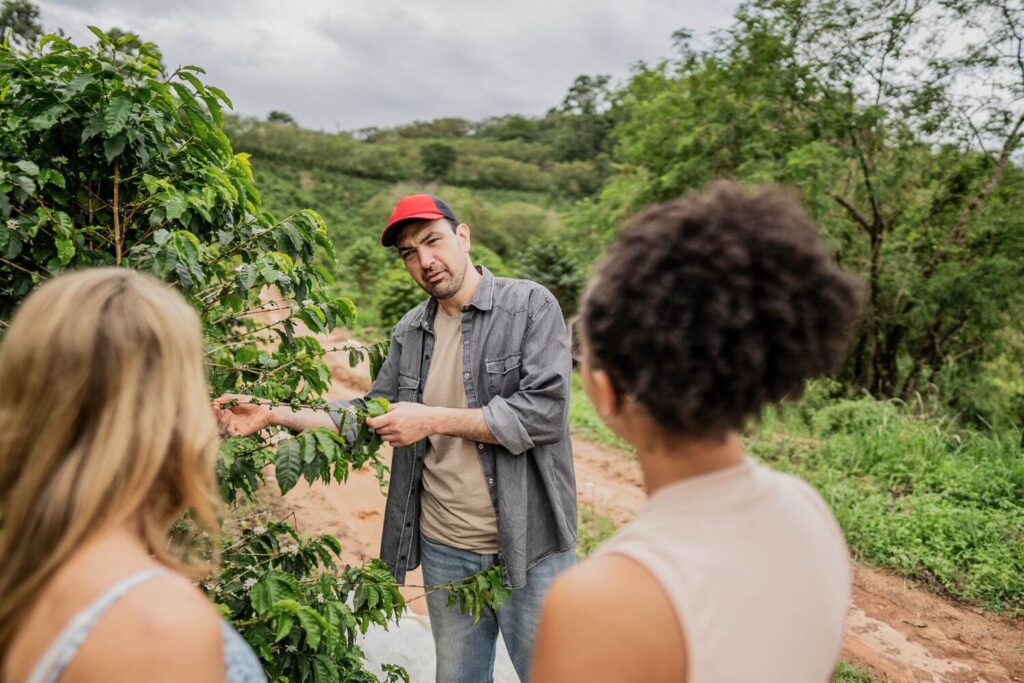
Sip freshly brewed coffee and taste rich handmade chocolate at Don Juan Coffee Farm. Walk through the plantation, learn how farmers grow, roast, and brew the coffee, and get hands-on experience making chocolate from cacao beans.
The 2-hour tour costs $52 per person and includes plenty of samples. Smell the fresh roasted beans, taste pure organic chocolate, and see why Monteverde’s coffee has the reputation it does (one of the top brews in Costa Rica for sure). If you like coffee, please go and enjoy.
Day 7: Travel to Santa Teresa
Today, you’re heading to Santa Teresa, a chill surf town on the Nicoya Peninsula. You’ll take a shuttle and ferry combo, or a scenic drive if you’re renting a car.
The journey takes about 5-6 hours from Monteverde. Once you’re there, settle into your hotel, grab a smoothie or fresh seafood, and head to Playa Santa Teresa for a golden sunset over the Pacific.
If you’re up for it, enjoy the chill nightlife in town with bars and live music. The absolute dream, and we know this is what you’re in Costa Rica for.
Travel from Monteverde to Santa Teresa
The fastest way to get to Santa Teresa is a shuttle + ferry combo (5-6 hours, $50-$60 per person), which includes a ride to Puntarenas, a ferry to Paquera, and a final drive to Santa Teresa.
If you’re driving, expect bumpy, unpaved roads. Again, we recommend doing it only with a 4×4. Public buses take longer but are cheaper, so that’s an ok option if you travel with a tight budget. Once you arrive, kick off your shoes, grab a smoothie, and enjoy the setting.
Relax on Santa Teresa Beach
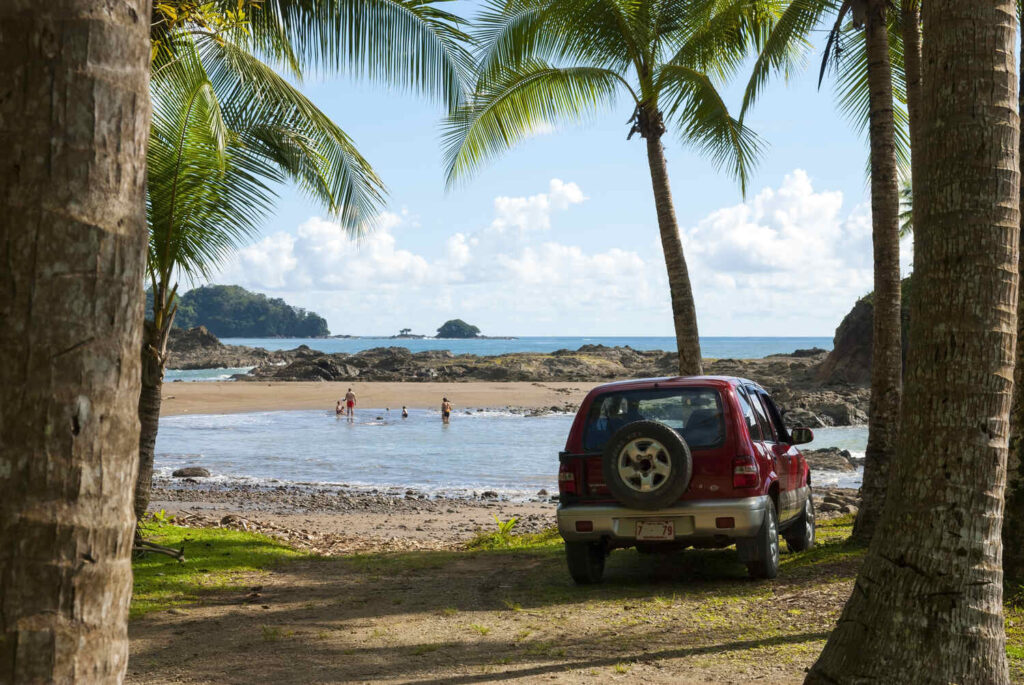
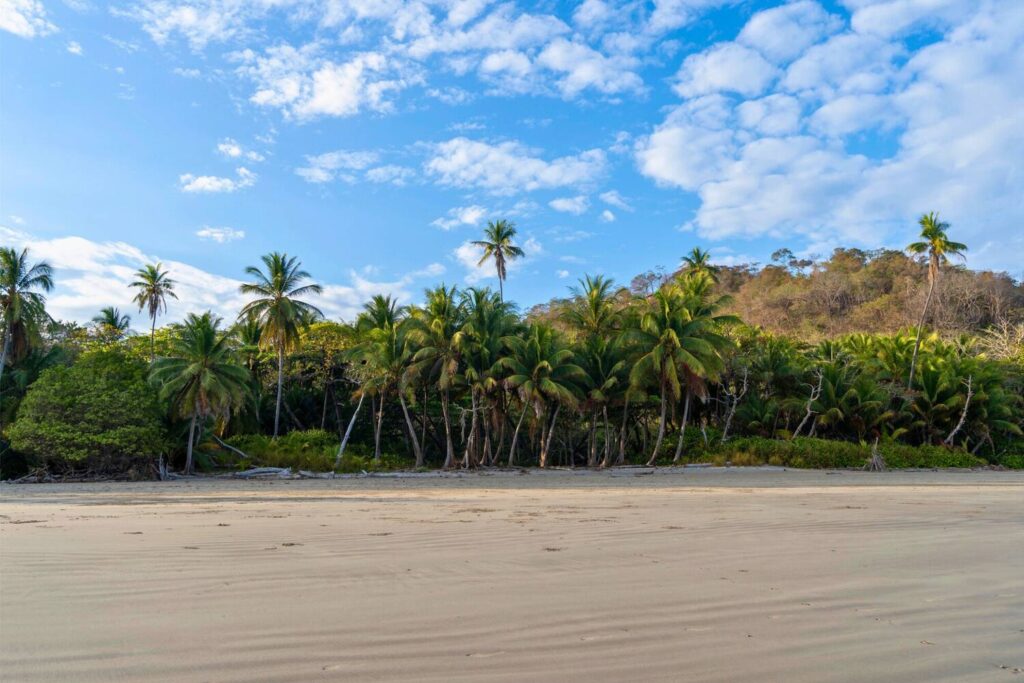
Santa Teresa Beach stretches for miles, there’s soft sand, warm water, and a relaxed atmosphere. Exactly what you’d expect from a tropical destination. Find a shady spot under a palm tree, swim in the gentle waves, or just enjoy the laid-back surf town energy.
Vendors sell fresh coconuts and fruit, and seafront cafés have smoothies, açai bowls, and fresh seafood. Unlike more crowded beaches in Costa Rica, Santa Teresa feels wild and untouched (in a good way), perfect for a peaceful afternoon by the ocean.
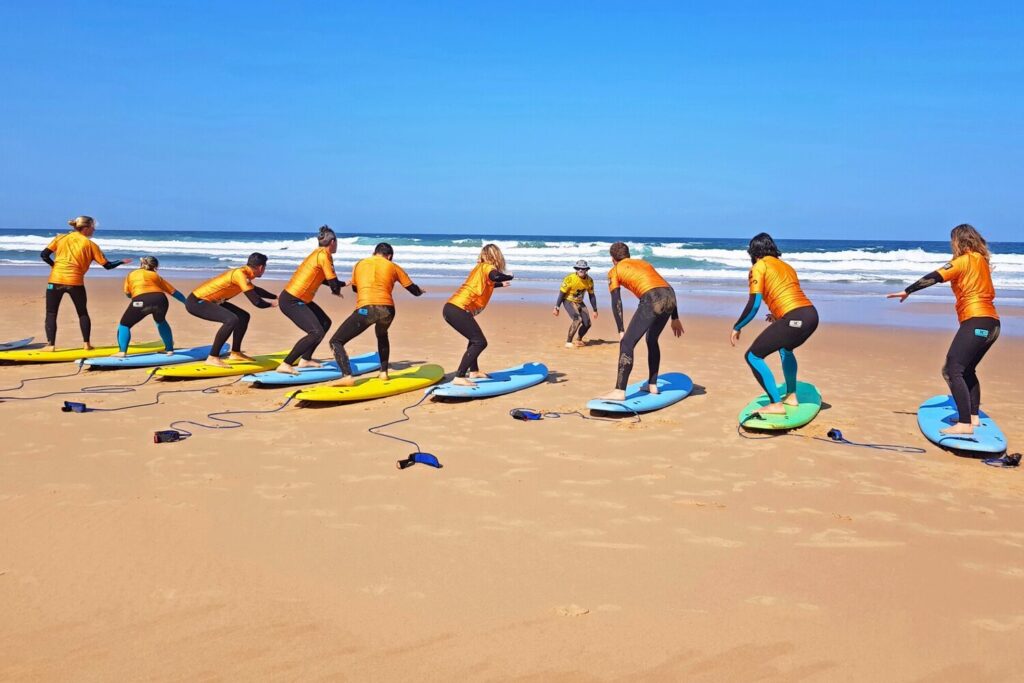
Take a Beginner-friendly Surf Lesson
Santa Teresa is a great place to learn how to surf, with consistent waves and sandy-bottom beaches. Local surf schools offer private and group lessons ($50-$70 per session), with instructors guiding you through the basics before getting you in the water.
Playa Carmen and Playa Hermosa are better for beginners, with smooth, rolling waves that make learning fun. After your lesson, rent a board and practice at your own pace. You might just get hooked!
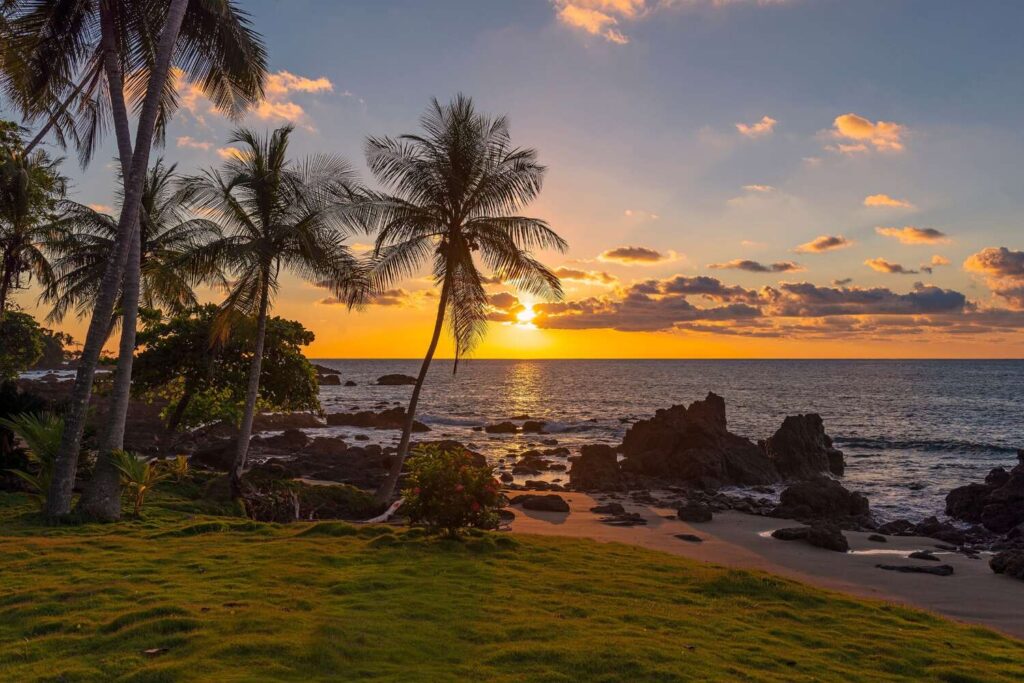
Watch the Sunset at Banana Beach
Santa Teresa’s sunsets are legendary, and Banana Beach is one of the best places to watch them. Grab a cocktail, find a hammock, and listen to live music as the sky turns pink, orange, and purple.
The bar here serves fresh ceviche, tropical drinks, and great seafood, making it the perfect spot to unwind after a full day of surfing or exploring. If you’re lucky, you might even catch a fire show or drum circle after dark.
Day 8: Waterfalls & Nature in Santa Teresa
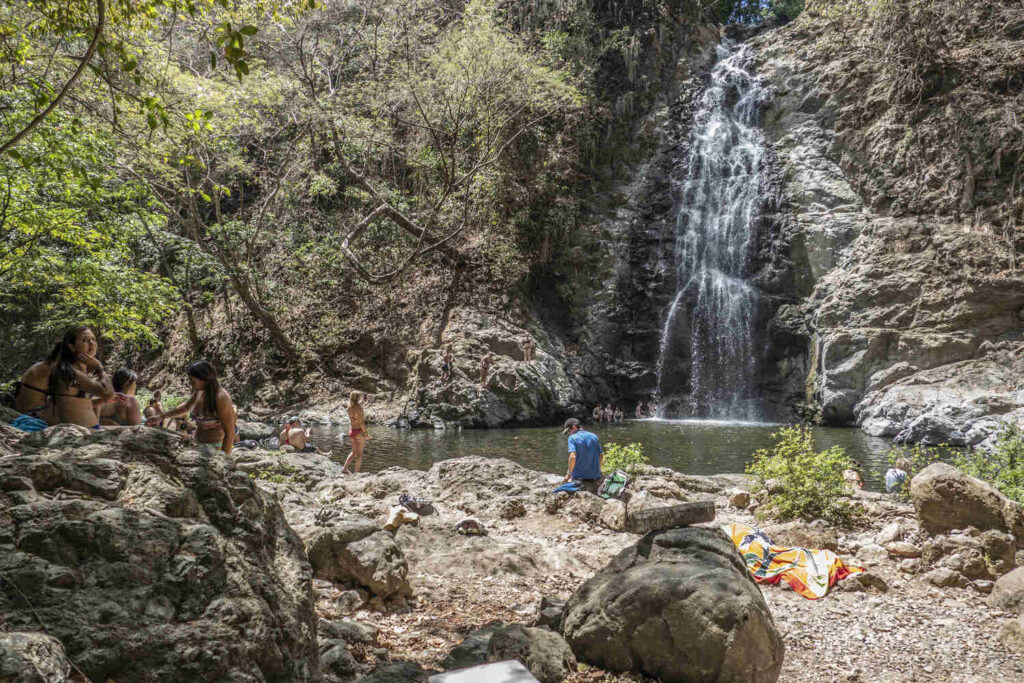
Time to explore further! Start your day at Montezuma Waterfalls, a three-tiered cascade that you can hike to in about 20 minutes. The lower falls are great for a quick swim, while the upper levels have cliff-jumping spots for the adventurous.
After cooling off, head to Cabo Blanco Nature Reserve, the first protected park in the country. Here, the trail cuts through dense jungle filled with howler monkeys, iguanas, and tropical birds before reaching a secluded beach.
Lastly, we suggest taking an ATV for a ride around the coast, surely something you can’t skip.
Visit Montezuma Falls
Take a short 20-minute drive to Montezuma. It’s home to one of the better waterfalls in the country. You can hike 20 minutes through the jungle to reach the lower falls, where you can swim in a natural pool.
Climb up to the second and third falls for cliff jumping if you’re feeling adventurous. The entrance is free, but local guides offer tours for around $10-$15. Visit early in the morning to avoid the crowds and get the best photos.
Take a Trip to Cabo Blanco Nature Reserve
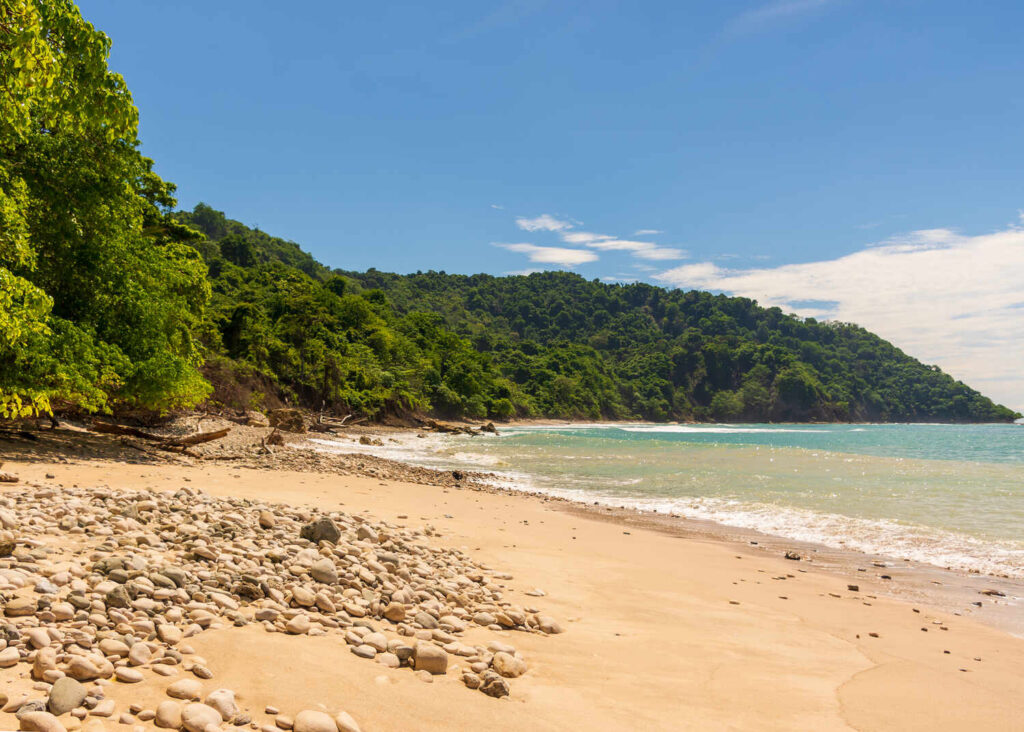
Cabo Blanco is Costa Rica’s first protected reserve, and it’s home to dense jungle, beautiful beaches, and unique wildlife (different than other parts of Costa Rica).
The challenging 6-mile (10 km) hike takes about 3-4 hours round trip, which will lead to a remote, untouched beach. Along the way, you can see howler monkeys, white-faced capuchins, and tropical birds. The entrance costs $12 per person (that’s right, much cheaper than Monteverde and La Fortuna), and the park is open Wednesday to Sunday from 8.00 AM to 4.00 PM.
Bring water, snacks, and good hiking shoes, as the trail can be tough but worth every step.
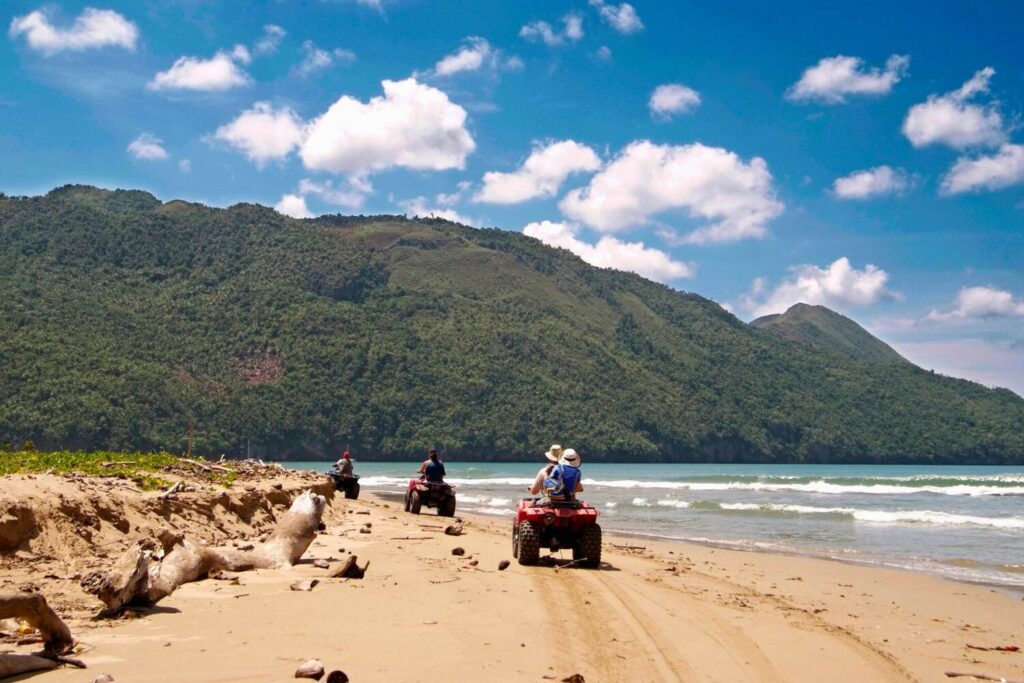
Try ATV Riding Along the Coastline
If there’s one cool way to see more of Costa Rica, it’s with an ATV. Rent an ATV for the day and go explore the jungle roads or some hidden beaches far from the tourist attractions. ATV rentals cost about 70 to 80 USD per day, which is quite reasonable.
Popular routes include Playa Hermosa, Mal País, and Montezuma, so you really get a mix of jungle and ocean views. Most rental shops provide helmets and maps, but drive carefully please, roads can be rough. If you prefer a guided tour, local companies offer sunset ATV rides.
Day 9: Surf, Yoga & Sunset Ride in Santa Teresa
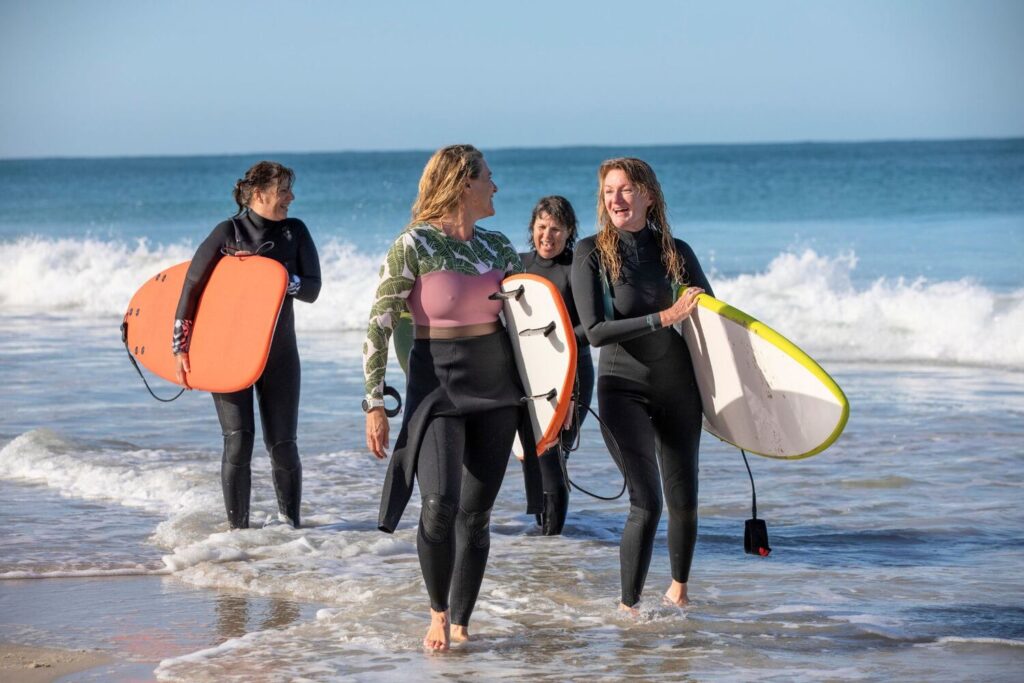
Santa Teresa is a world-famous surf spot, so whether you’re a beginner or an experienced surfer, today is the perfect day to hit the waves. Take a surf lesson if you’re new to it, or rent a board and head to Playa Carmen or Playa Hermosa for mellow, rolling waves.
Don’t worry if that’s your first time, there are plenty of schools for beginners in this part of Costa Rica.
After a session in the water, unwind with a yoga class at Pranamar or Nautilus, two of the best studios in town. End the day with a sunset horseback ride along the beach, an unforgettable way to take in the scenery.
Surf at Playa Carmen or Playa Hermosa
Santa Teresa is a world-class surf destination, and Playa Carmen and Playa Hermosa are perfect for beginners. if you already took a class on day 7, this is your chance to practice.
Playa Carmen has gentle, rolling waves, while Playa Hermosa offers longer, more forgiving breaks. The warm water and laid-back surf culture make this a must-try.
Take a Yoga Class at Pranamar or Nautilus
Other than surf, Santa Teresa is also a yoga hotspot. Pranamar and Nautilus have some of the best classes. There are beachfront sessions, jungle decks, and instructors teaching everything from Vinyasa to Hatha and Yin, no matter your level.
Sessions cost $15-$25 (private sessions are more expensive, up to $40 per hour), and many include breathwork, meditation, or sound healing. Practice with ocean waves or jungle sounds in the background.

Go Horseback Riding on the Beach
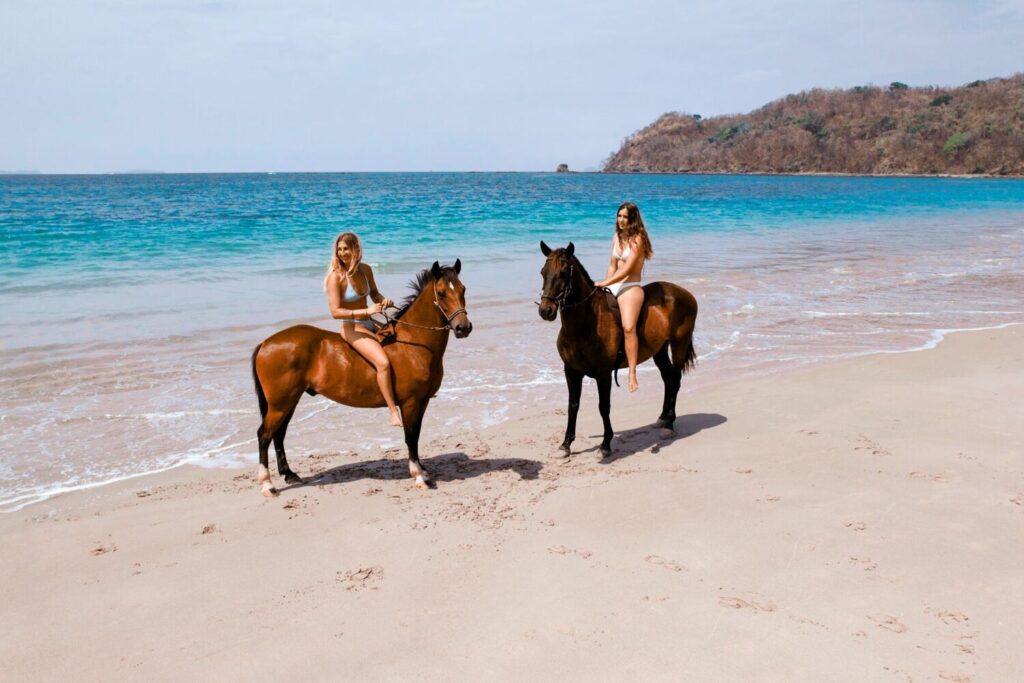
Riding a horse along the shoreline at sunset is a bucket-list experience in Costa Rica. You definitely will not regret it.
Guided beach and jungle rides ($50-$80 per person) take you through the trails around the city and scenic ocean viewpoints. Tours last 1.5 to 2 hours, with horses suitable for all levels. They’re used to tourists, so don’t worry if this is your first time.
Most rides end at the beach, where you can gallop in the waves or watch the sun set over the Pacific.
Enjoy a Sunset Catamaran Cruise
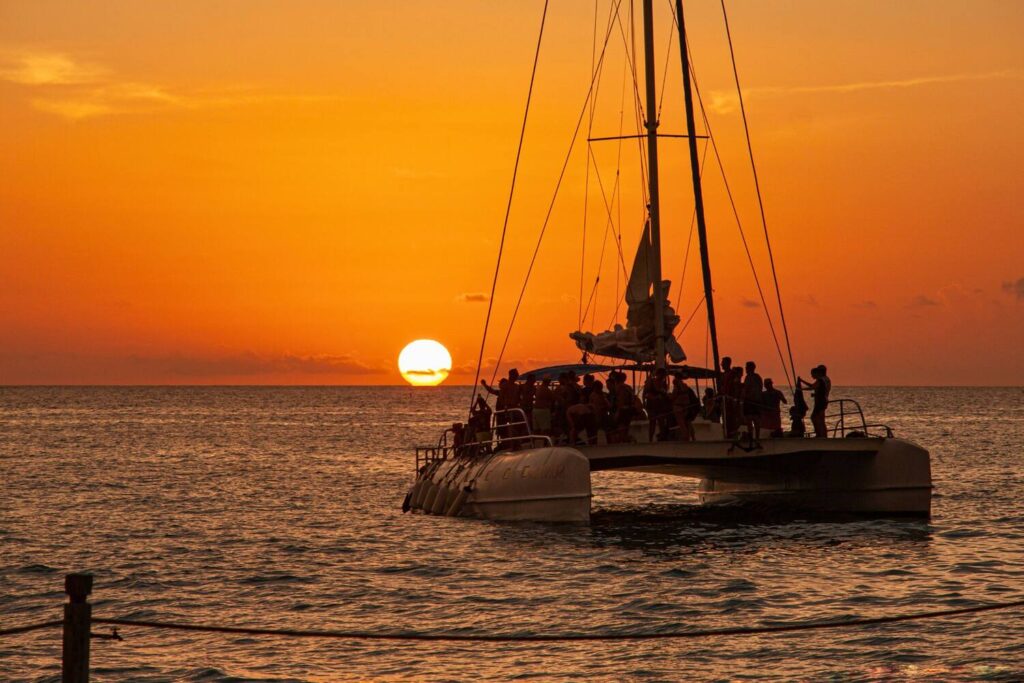
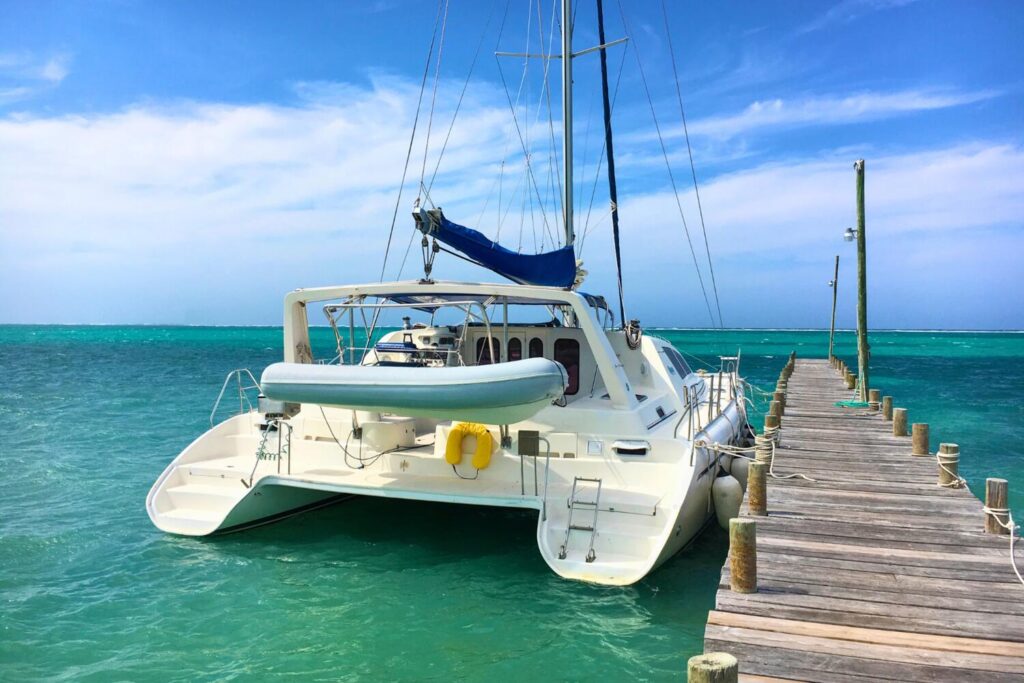
The last activity in Santa Teresa is the sunset catamaran cruise. And you can enjoy lots of activities while you’re at it. You can snorkel, sip cocktails, and spot dolphins or sea turtles. The cruise lasts 3 – 4 hours ($85-$120 per person) and include drinks, snacks, and live music.
Some boats stop at secluded beaches for swimming, while others offer paddleboarding or kayak options. Please note: It always sells out, so make sure to book now.
Day 10: Travel from Santa Teresa to Manuel Antonio
Say goodbye to Santa Teresa and make your way to Manuel Antonio for a couple nights. The journey takes 5-6 hours, including a ferry ride from Paquera to Puntarenas.
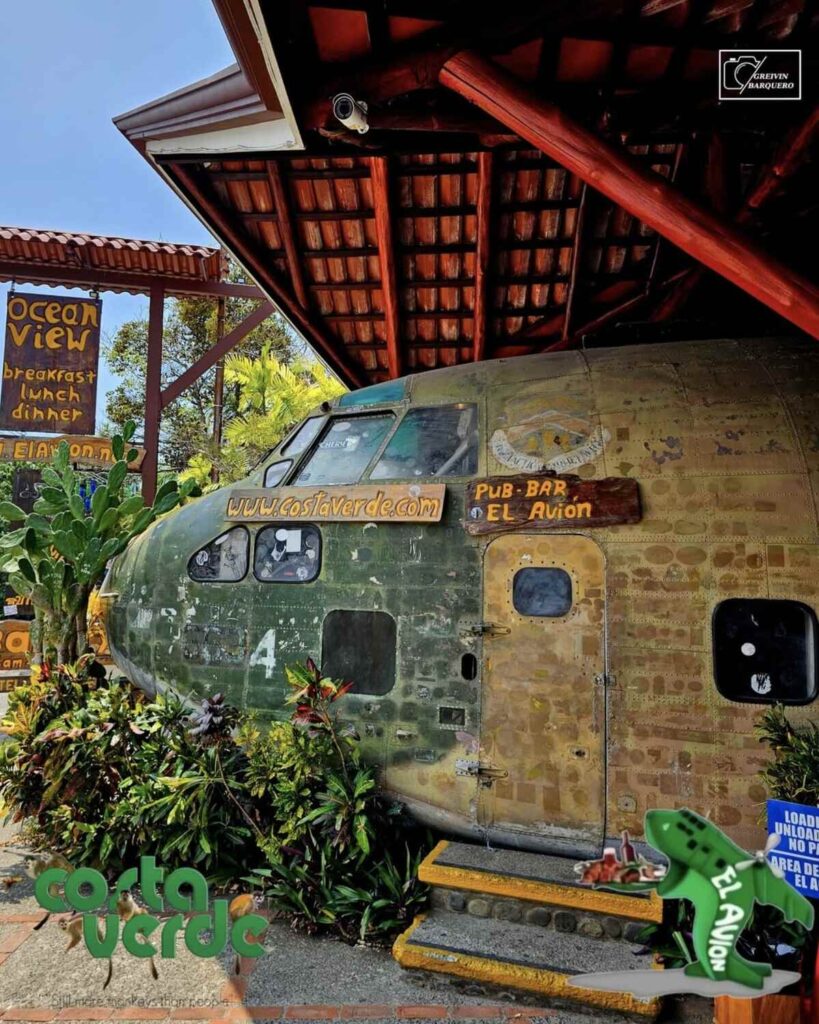
Once you arrive, take a walk around Quepos, the lively gateway town with shops and restaurants. For dinner, head to El Avión, a unique restaurant inside an old cargo plane, with incredible ocean views. Read on for all the details.
Travel from Santa Teresa to Manuel Antonio
The journey takes 5-6 hours and includes a ferry from Paquera to Puntarenas. If driving, expect winding roads and occasional potholes, so a 4×4 is best.
Shuttles cost $50-$60 per person, while a private transfer runs around $200. Expensive but that may be worth it depending on your preference. Once in Manuel Antonio, the humid jungle meets the Pacific, setting the stage for more adventure.
Walk Around Quepos Town & Marina Pez Vela
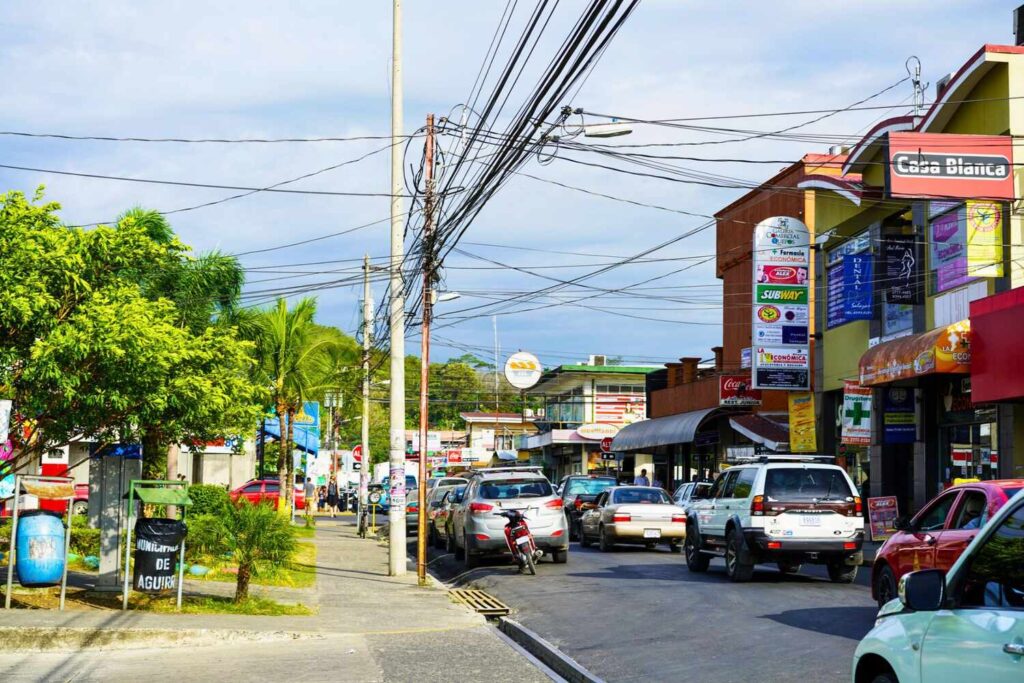
Quepos is a cute town with markets, cafés, and ocean views. Very authentic town. Walk the waterfront boardwalk, past fishing boats, souvenir shops, and fresh seafood vendors.
Stop by Marina Pez Vela, a modern harbor with restaurants, bars, and boutique stores. If you’re here in the evening, the marina is a great spot to watch the sunset while enjoying a cold drink.
Have Dinner at El Avión
Up for a unique dinner? What if we told you you can dine inside a C-123 Cargo plane? The plane was part of a Cold War scandal and it now serves as a bar and dining area with wide views of the ocean.
Enjoy fresh seafood, tropical cocktails, and local dishes while watching the sunset. Try the mahi-mahi, seafood pasta, or casado, and don’t skip their signature piña colada served in a fresh pineapple.

Day 11: National Park Hike & Beach
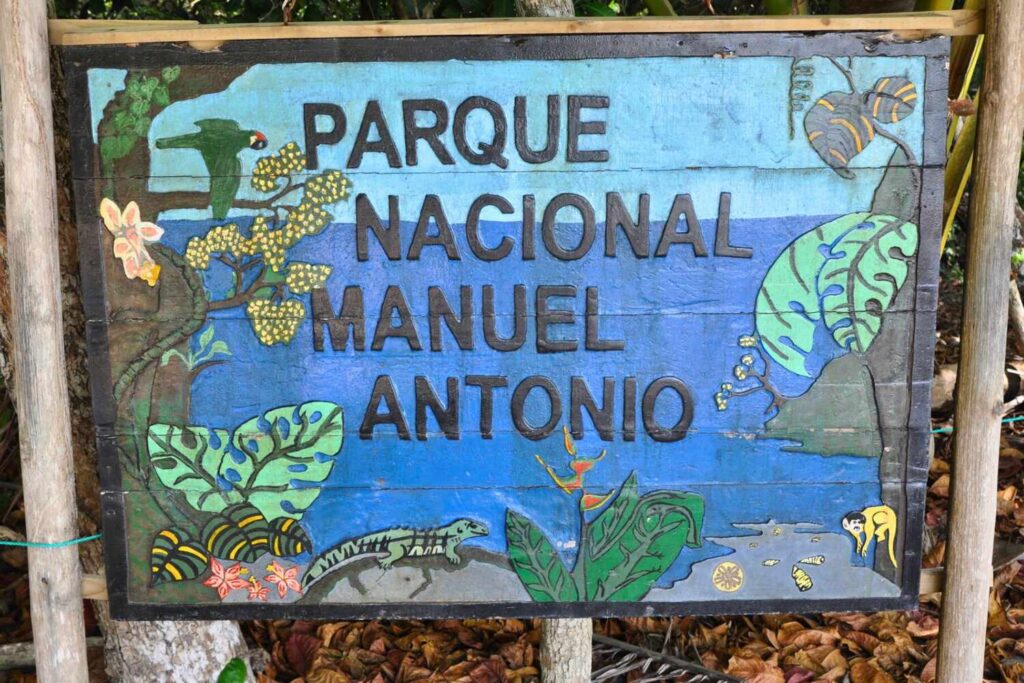
Today, it’s all about exploring Manuel Antonio National Park, the most famous in the country. The setting is a little similar to La Fortuna but very unique in its own way.
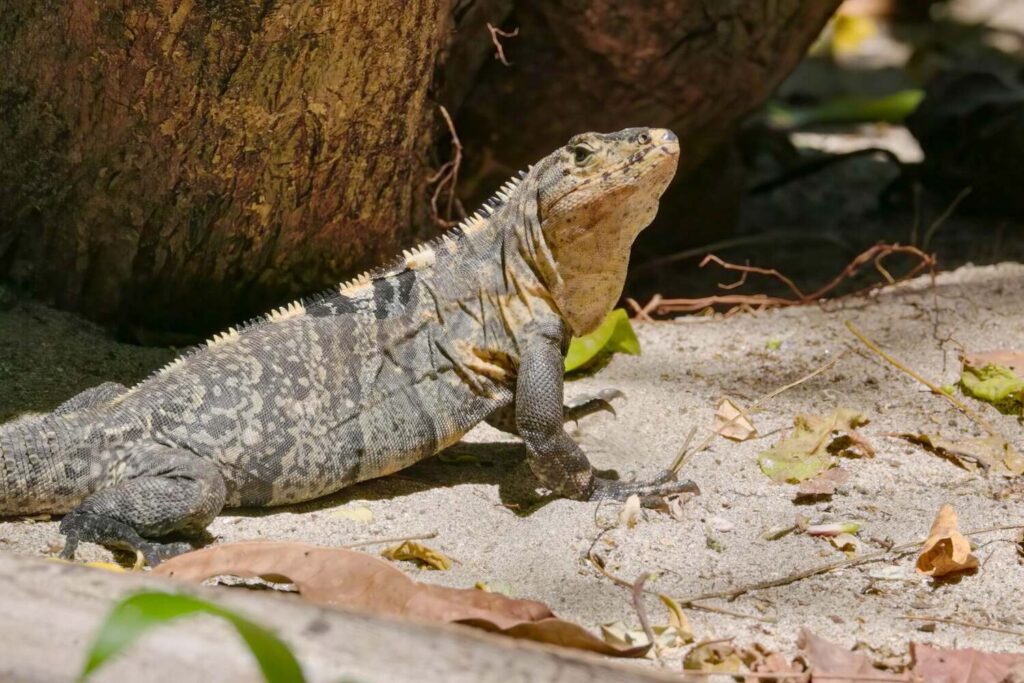
Start early to beat the crowds and enjoy easy jungle trails leading to white-sand beaches. Keep your eyes open for sloths, capuchin monkeys, and iguanas, as wildlife is everywhere here.
After hiking, relax at Playa Manuel Antonio, the beach most people picture when they think of this trip. If you want more adventure, try parasailing, jet skiing, or a catamaran tour with snorkeling in the afternoon. End the day with a catamaran tour.
Hike in Manuel Antonio National Park
Manuel Antonio National Park is a reliable spot to see wildlife up close. Walk the easy trails and keep an eye out for monkeys, sloths, and iguanas hanging around.
The main trail is flat and easy, but if you want a little workout, take the Cathedral Point trail for ocean views. Tickets cost $18, and the park closes on Tuesdays, so plan ahead. Get there early to beat the heat and the crowds.
Swim at Playa Manuel Antonio
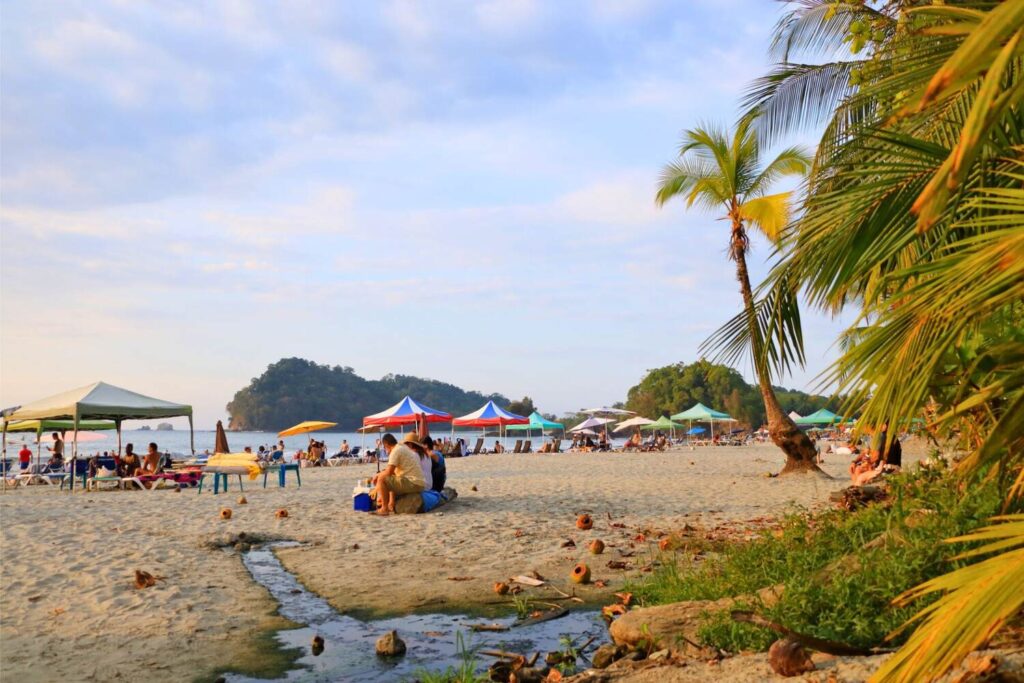
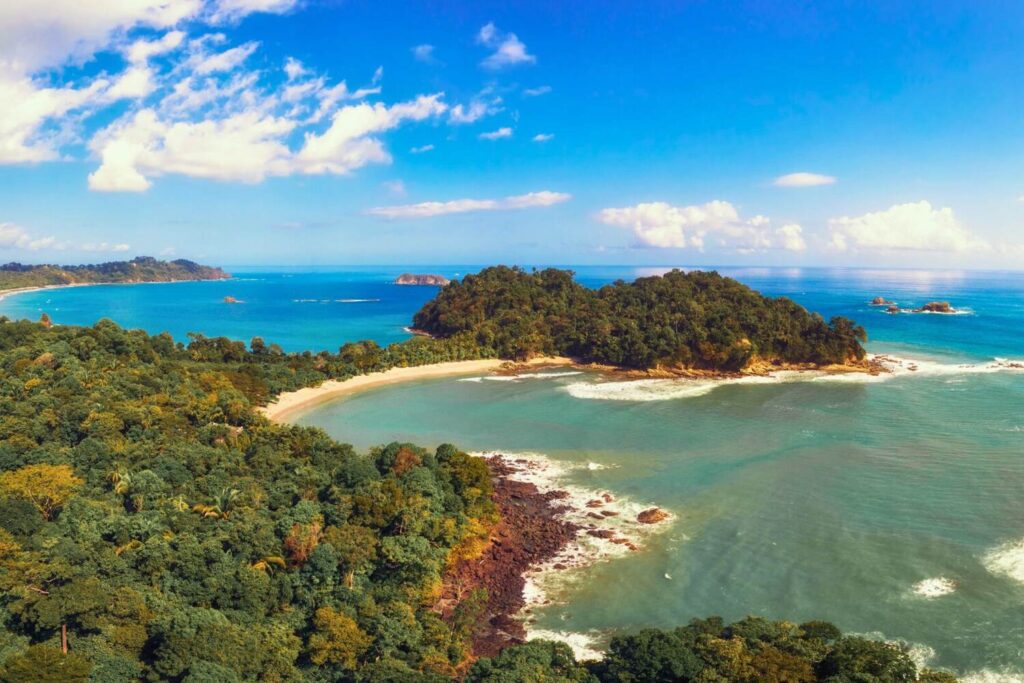
This beach looks straight out of a postcard: soft white sand, clear blue water, and jungle all around. The waves are calm, so it’s perfect for swimming or just floating. Since it’s inside the national park, there are no vendors or shops, so bring snacks, water, and anything else you need. Watch out for the cheeky monkeys and raccoons, because they love stealing food!
Try Parasailing or Jet Skiing
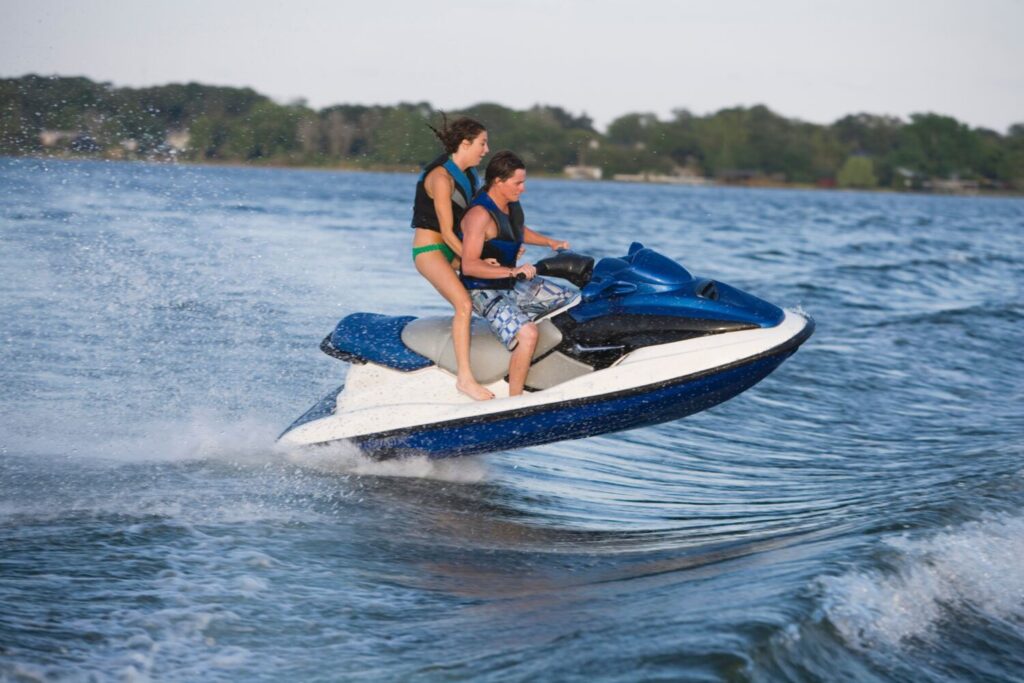
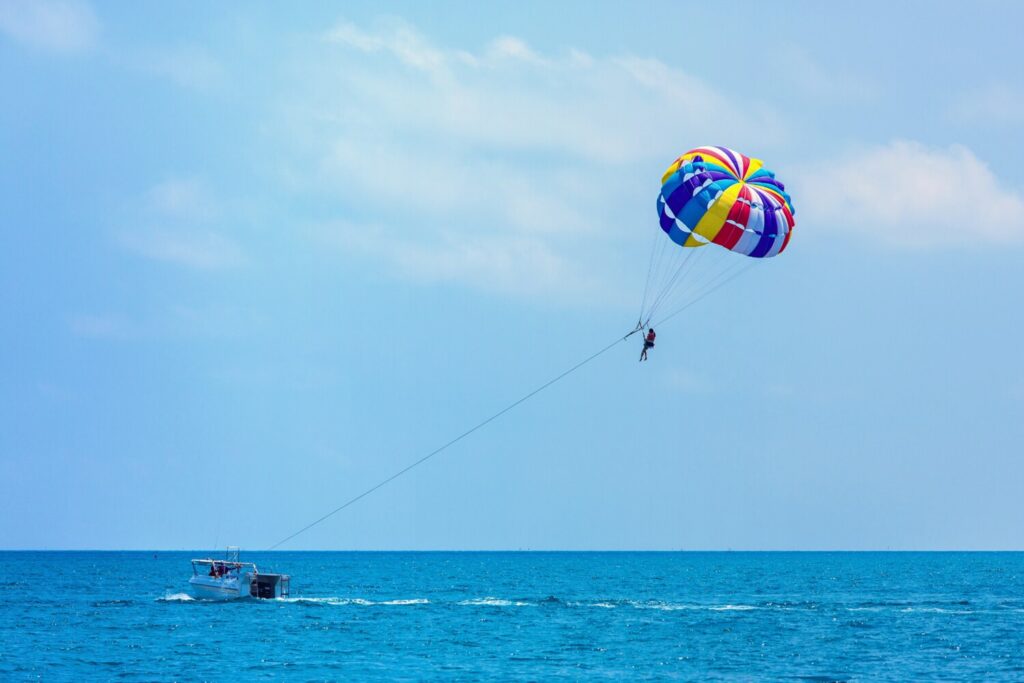
For a different view of the coast, go parasailing or jet skiing over Manuel Antonio’s blue waters. Parasailing ($85-$100) lifts you high above the ocean, so you get an insane view of the park and beaches.
Prefer speed? Hop on a jet ski ($90-$120 per hour) and explore hidden coves and rocky cliffs. If you’re lucky, you might even spot dolphins or sea turtles while you’re at it.
Take a Catamaran Tour with Snorkeling
A catamaran tour is one of the best ways to enjoy this part of the country from the water. Yes, you might have taken it in Santa Teresa already, so you can skip this one if that’s the case.
Most tours last 3-4 hours ($85-$120) and include snorkeling, lunch, and unlimited drinks. The route cruises past the park and stops at Biesanz Bay for snorkeling, with a chance of dolphins or whales depending on the season.
Day 12: Travel to Uvita & Whale’s Tail
Next stop: Uvita, a quiet coastal town known for the Whale’s Tail Beach. It’s not very far from Manuel Antonio, and that’s quite nice given that you’ve been taking long bus rides up until now.
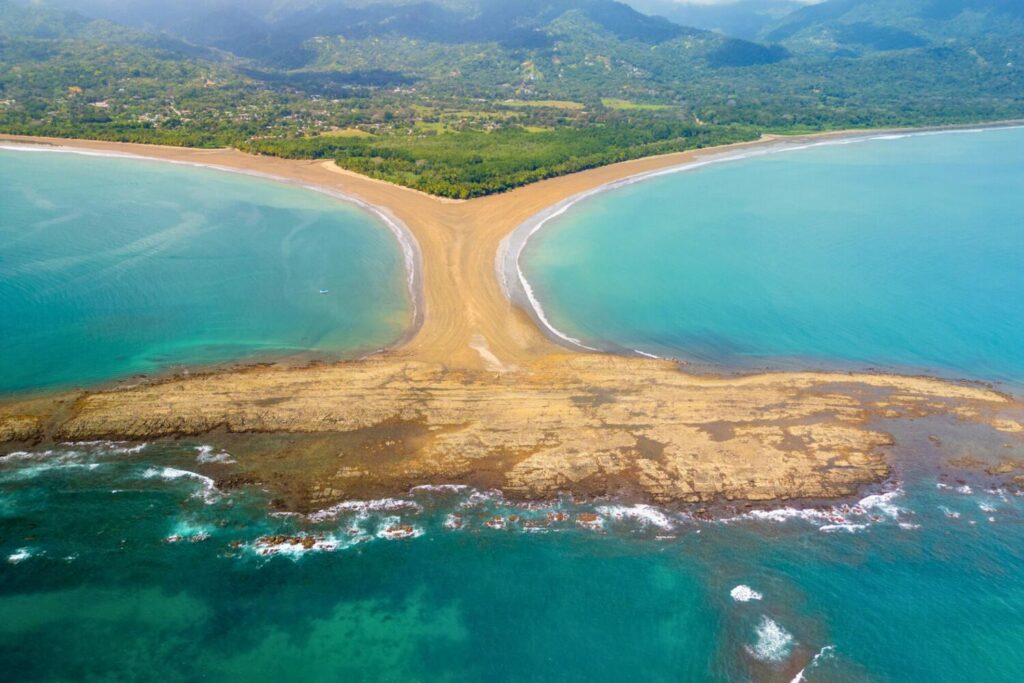
The drive from Manuel Antonio takes about an hour, so you’ll have plenty of time to explore. At low tide, walk along the sandbar shaped like a whale’s tail, part of Marino Ballena National Park.
In the afternoon, take a boat tour to spot humpback whales and dolphins if you’re visiting during whale season (July-Oct, Dec-April). And if you still have time, head to Nauyaca Waterfalls for a swim and take it easy after nearly two weeks in Costa Rica.
Travel from Manuel Antonio to Uvita
The drive from Manuel Antonio to Uvita is short and easy. It’s just one hour on a smooth coastal road. You can take a rental car, shuttle ($20-$30), or public bus ($5). The ride is beautiful, with ocean views, palm trees, and a relaxed vibe.
Once you arrive, get ready for quieter beaches, waterfalls, and some of the best whale-watching in Costa Rica. I only recommend coming to Uvita if you spend two weeks in Costa Rica, as it’s not as beautiful as Manuel Antonio or Santa Teresa. If you do plan 2-week Costa Rica itinerary, please do include it!
Visit Whale’s Tail Beach at Marino Ballena National Park
Whale’s Tail Beach is one of the stranger, cooler-looking spots on this whole trip. It’s a sandbar that literally looks like a whale’s tail when the tide is low. Walk along the sand, swim in the calm waters, or just chill and take it all in.
The entrance fee is US$6, and if you visit between July-October or December-April, you might even see real whales just off the shore!
Head to Nauyaca Waterfalls
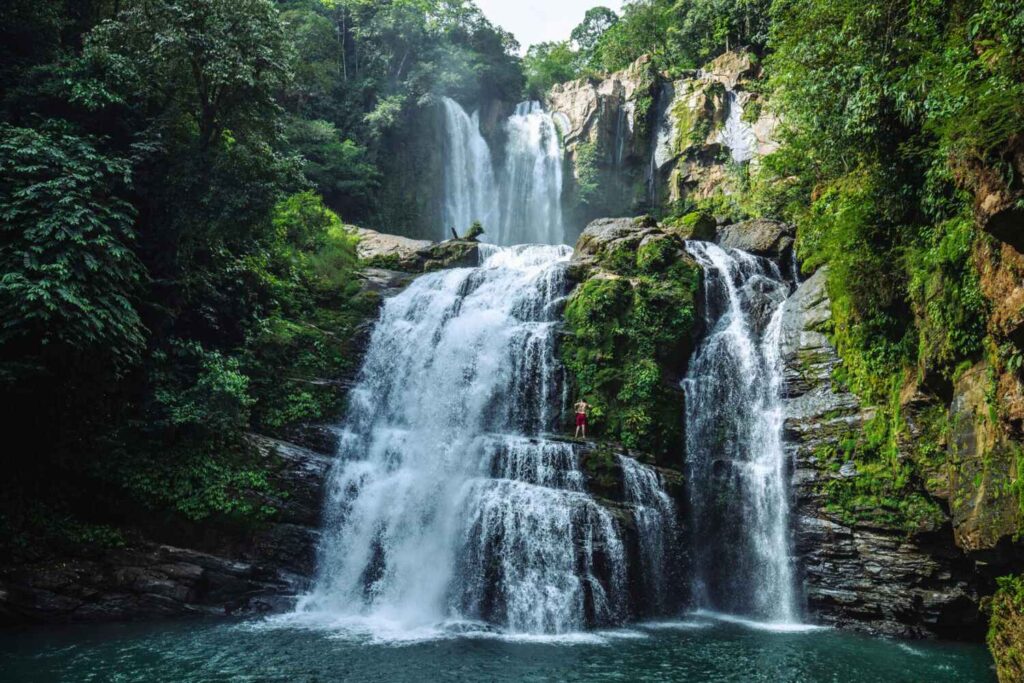
Nauyaca Waterfalls has huge cascades and a deep natural pool for swimming, worth the detour on its own. You can hike 4 miles (6.5 km) round trip, or take a 4×4 truck ride ($32 per person) if you don’t feel like walking.
The entrance fee is $10, and it’s worth getting there early before the crowds. Pack a swimsuit because you’ll definitely want to jump in and cool off!
Day 13: Relax & Explore Uvita
After days of adventure, today is perfect for relaxing in nature. If you prefer a quieter spot, head to Playa Hermosa or Playa Ventanas, both known for their calm waves and stunning coastal views.
Wrap up your time in Uvita with a sunset dinner at Restaurante Los Laureles for fresh seafood and local flavors.
Take a Whale-watching Tour
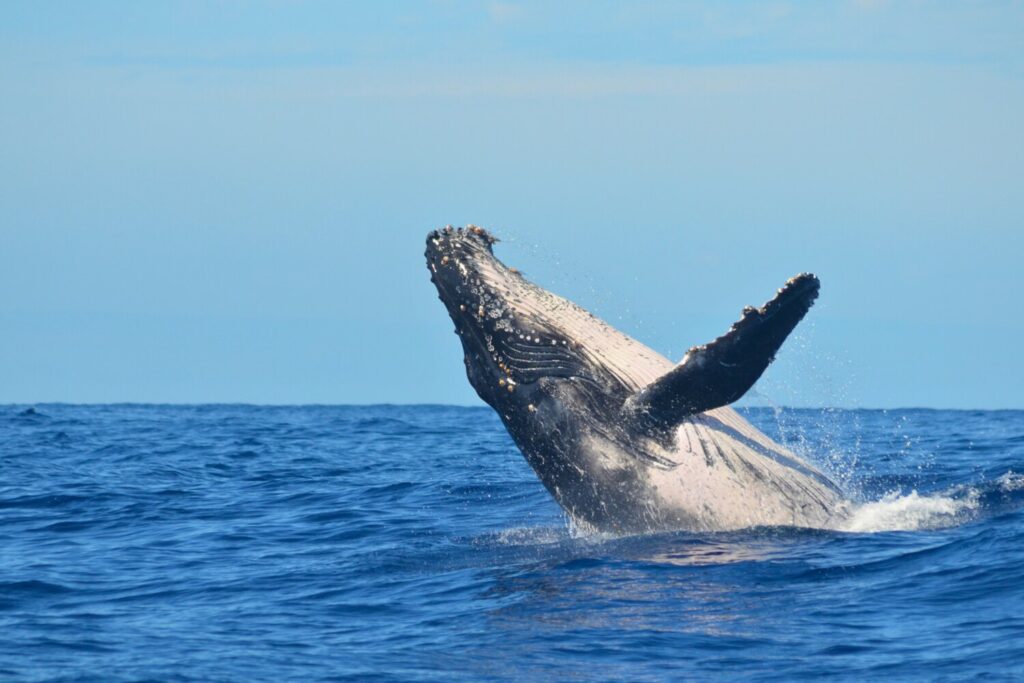
If you’re in Uvita during whale season (July–October and December–April), don’t miss a whale-watching tour. Humpback whales migrate here from both hemispheres, so your chances of spotting one are pretty high.
Tours last 3-4 hours ($75-$100 per person) and sometimes include dolphin spotting and snorkeling. The best part? Seeing a massive whale breach right in front of you, a once-in-a-lifetime experience.
Relax at Playa Hermosa or Playa Ventanas
If you’re looking for quiet, uncrowded beaches, Playa Hermosa and Playa Ventanas are perfect. Playa Hermosa has soft sand, gentle waves, and no big crowds, great for sunbathing or beginner surfing.
Playa Ventanas gets its name from the cave-like rock formations (“windows”) you can walk through at low tide. Bring snacks since there aren’t many shops nearby.
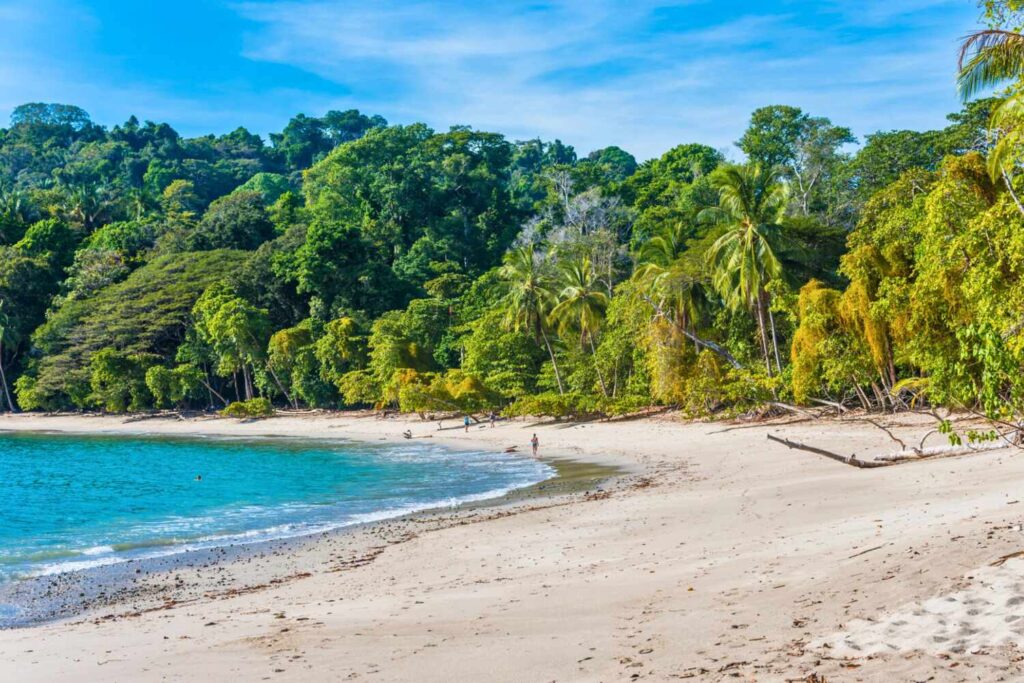
Day 14: Back to San José & Fly Home
It’s time to head back to San José to catch your flight home. The drive from Uvita to San José takes about 3.5 to 4 hours, so plan accordingly. If you have extra time, stop in Sarchí, Costa Rica’s most famous artisan town, known for its colorful hand-painted oxcarts and souvenirs.
Once in the capital, grab a final meal, do some last-minute shopping at Mercado Central, and head to the airport. Yes, all good things come to an end, but Costa Rica will always be here for your next vacation!
Spend 2 Weeks in Costa Rica: FAQ
We certainly couldn’t finish this 2 week itinerary Costa Rica without some essential travel tips, and this is what you need to know before going. Nothing major, but definitely some tips that will come in handy.
Do I Need to Speak Spanish in Costa Rica?
You don’t need to be fluent, but knowing a few Spanish basics makes things smoother. In major tourist towns and hotels, most staff speak enough English for check-ins, food orders, and general info.
But in small towns or rural areas, English isn’t a guarantee. Learning a few phrases like “cuánto cuesta” or “dónde está” can really help, and locals usually respond warmly when you make the effort.
Is Costa Rica Safe to Travel?
Yes, Costa Rica is generally very safe, especially compared to other countries in the region. Violent crime is rare in tourist areas, but petty theft can happen, especially if you leave your stuff unattended at the beach or in a car.
Just use basic precautions, lock things up, stay aware at night, and don’t flash valuables. Most travelers feel comfortable walking around, and locals are friendly and happy to help if you need directions.
How Much Cash to Carry?
It’s smart to carry some Costa Rican colones for small expenses like local buses, snacks, and tips. Many places take credit cards, but smaller restaurants (that we call sodas), markets, and taxis often don’t.
ATMs are easy to find in most towns, though some charge fees or run out of cash on weekends. Keep your cash in small bills, because many places can’t break big ones. U.S. dollars are accepted in some spots, but not everywhere.
What’s the Best Way to Get Around Costa Rica?
It depends on your comfort level and itinerary. Public buses are cheap and go just about everywhere, but they can be slow and not always direct.
Shuttle services like Interbus are more comfortable and easier for long distances. Renting a car gives you the most flexibility, especially if you want to explore remote beaches or national parks. Just know that roads can be rough, so a 4×4 is a good idea for certain routes.
Conclusion
And that’s the full two weeks. Volcanoes, beaches, wildlife, and enough downtime to actually enjoy it all. It’s a bit of everything: early mornings watching monkeys, lazy afternoons by the water, maybe a few too many plates of gallo pinto.
This route keeps things simple but still hits the best spots without feeling rushed. If you’re still unsure about something, let us know and we’ll help you out. Now seriously, stop planning a trip to Costa Rica and just go. Everything is even better in person!