

30 Best Things to Do in Costa Rica in 2026
Most people who go to Costa Rica come back talking about something they almost skipped. A waterfall they nearly didn’t bother with. A night tour they booked last minute. Turtles they didn’t know would be nesting that week. The country has a habit of making the unplanned things the ones you remember.
This list covers thirty of the best reasons to go. Some things to do in Costa Rica are famous, some you won’t hear about until you’re there.

What to Do in Costa Rica – 30 Best Activities in Costa Rica
What to do in Costa Rica? Honestly, there’s too much. One minute you’re soaking in hot springs, the next you’re watching monkeys steal fruit on the beach.
This list of 30 activities covers the big names and a few things you might not hear about until you’re here. Pick what fits your trip and leave space for surprises, Costa Rica’s good at those.
Got questions about Costa Rica? Join our community on Reddit for real tips.
Planning a trip to Costa Rica? Join our Facebook group for insider tips.
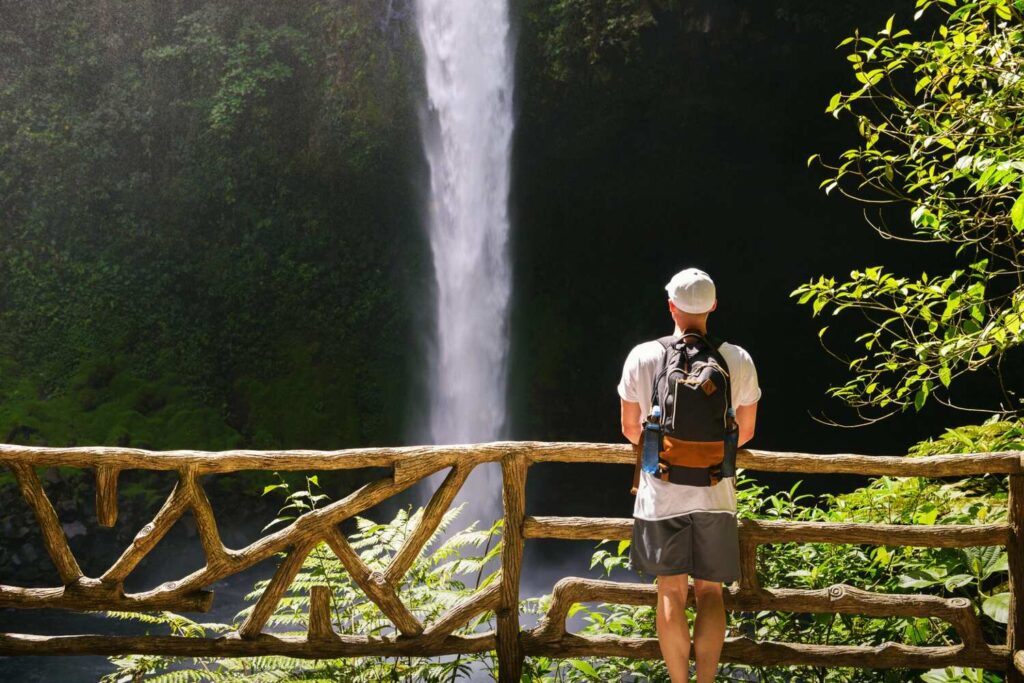
Swim at La Fortuna Waterfall
La Fortuna Waterfall isn’t just for photos. You’ll want to get in the water. The drop is about 70 meters into a bright turquoise pool that’s cool but refreshing after the hike down.
Getting there isn’t hard, but the 500 steps each way will leave your legs burning on the way back. I remember stopping halfway, pretending I was just “taking in the view,” when really I needed to catch my breath. You can’t always swim directly under the falls since the current is strong, but the calmer edges are great for a dip.
The sound alone is worth it. Nothing like a hotel pool. If you’ve been hiking Arenal or around La Fortuna all morning, this spot is a perfect reset for your itinerary for La Fortuna.
Enjoy the Hot Springs and Rio Celeste in La Fortuna
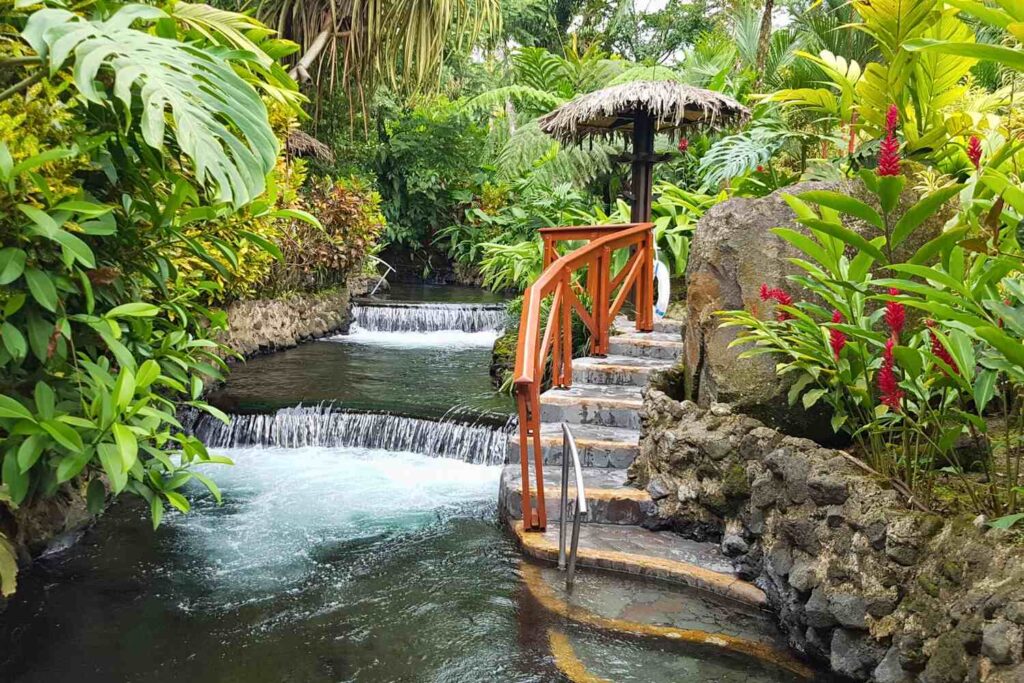
La Fortuna sits on geothermal ground, which means hot springs are everywhere. Resorts turn them into spa-like pools, while locals often head to the free river sections just outside of town (less polished, but the vibe is good).
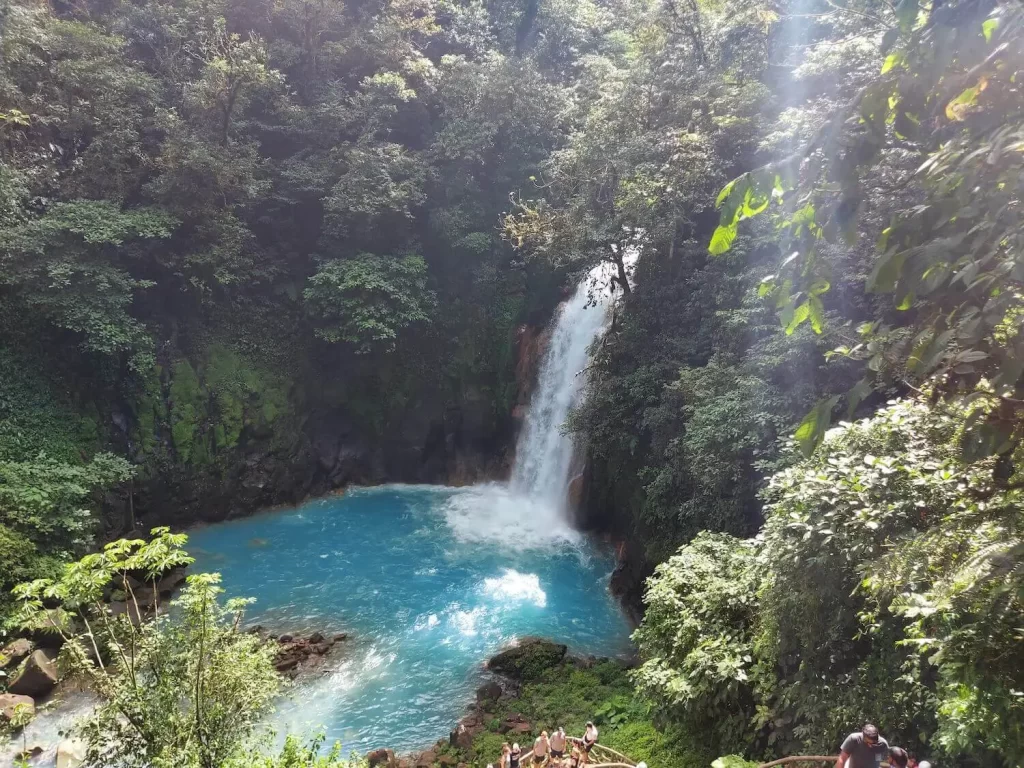
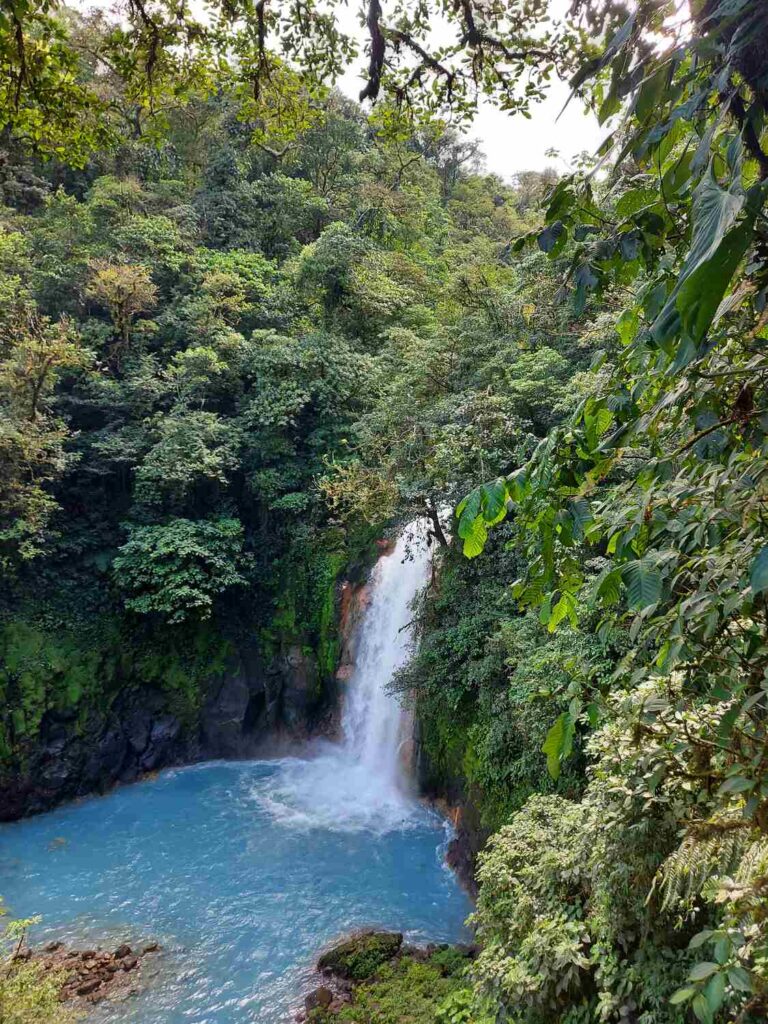
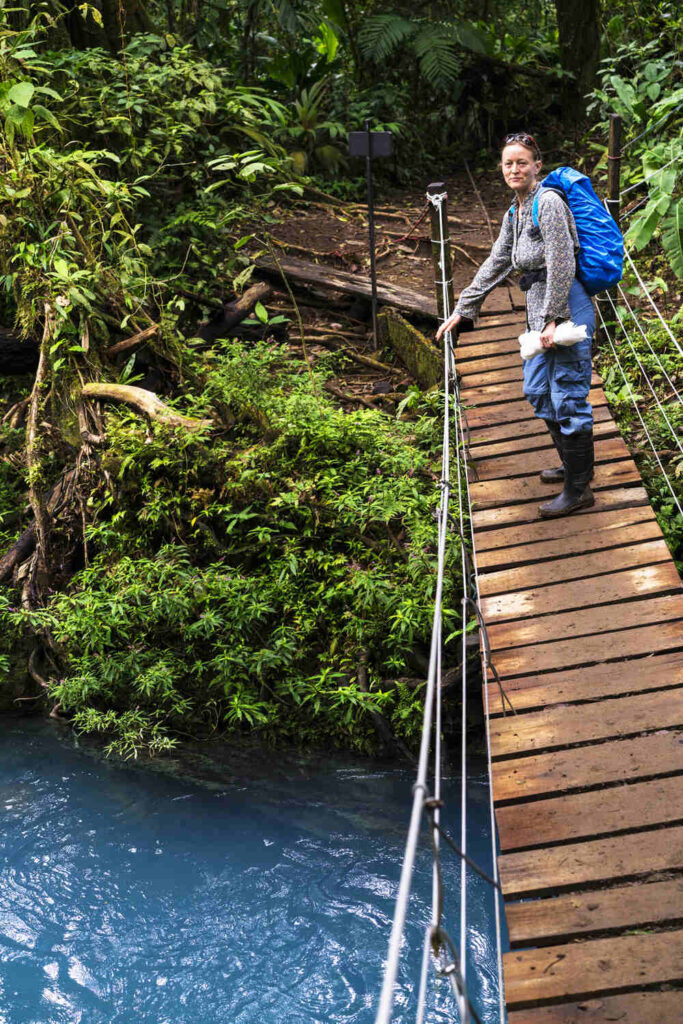
The water’s naturally heated and rich in minerals. People swear it’s great for your skin, though we mostly just liked how relaxing it is. About an hour’s drive away from town is Rio Celeste La Fortuna, a river famous for its unreal blue color.
The shade comes from volcanic minerals scattering the light, not editing tricks. Swimming isn’t allowed in the main park area, but the trails and waterfall are worth the trip. Spending one day between the hot springs and Rio Celeste gives you a mix of relaxation and adventure without rushing around.
This is one of the best places to visit in Costa Rica, and we highly recommend going, even if you need to join a guided tour (best option if you don’t rent a car).
Walk the Hanging Bridges in Monteverde
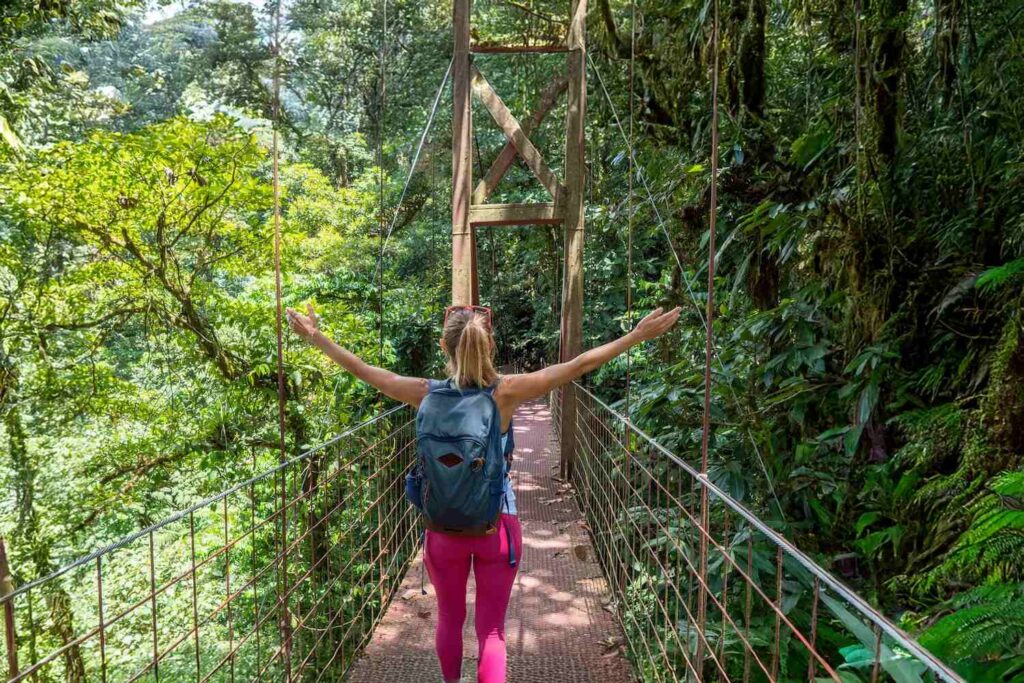
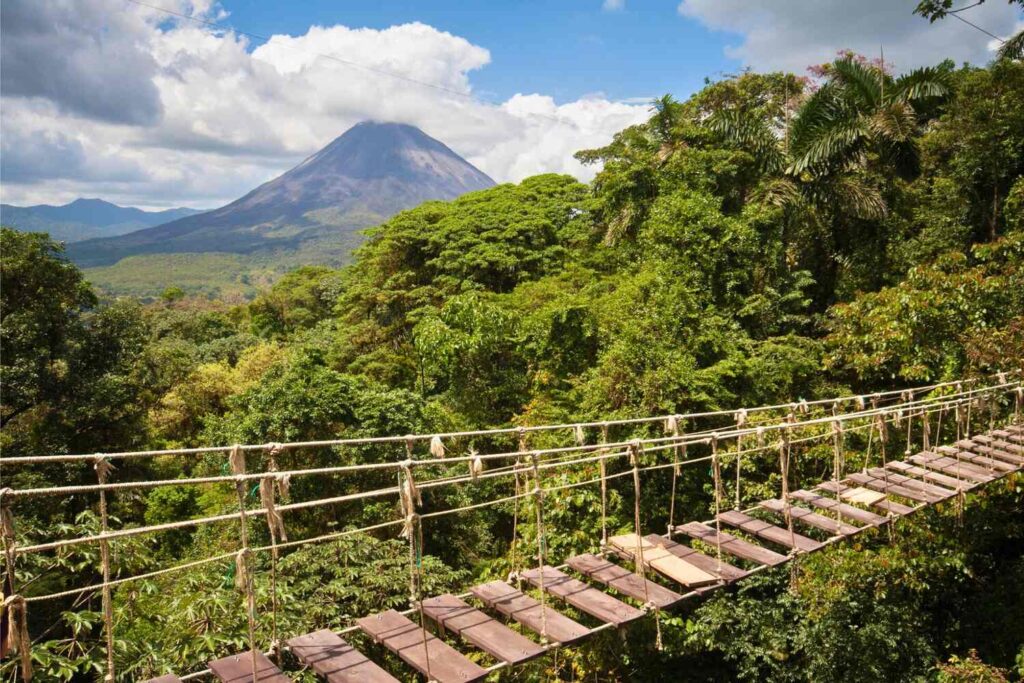
Monteverde’s hanging bridges are a mix of short trails and these long walkways strung above the trees. You start on the ground, then suddenly you’re up in the canopy with nothing but green all around.
The view hits different when you’re eye level with birds instead of looking up at them. One bridge I stopped on had such a wide valley below that I just stood there longer than I meant to (kind of pretending to take photos, but really just catching my breath).
It’s damp most of the year, so a jacket helps, and the paths can get slippery if it’s been raining. Don’t expect adrenaline like ziplining, however. This is slower, quieter. More about noticing tiny orchids on tree branches or hearing the forest hum beneath you.
Hike the Trails Around Arenal Volcano
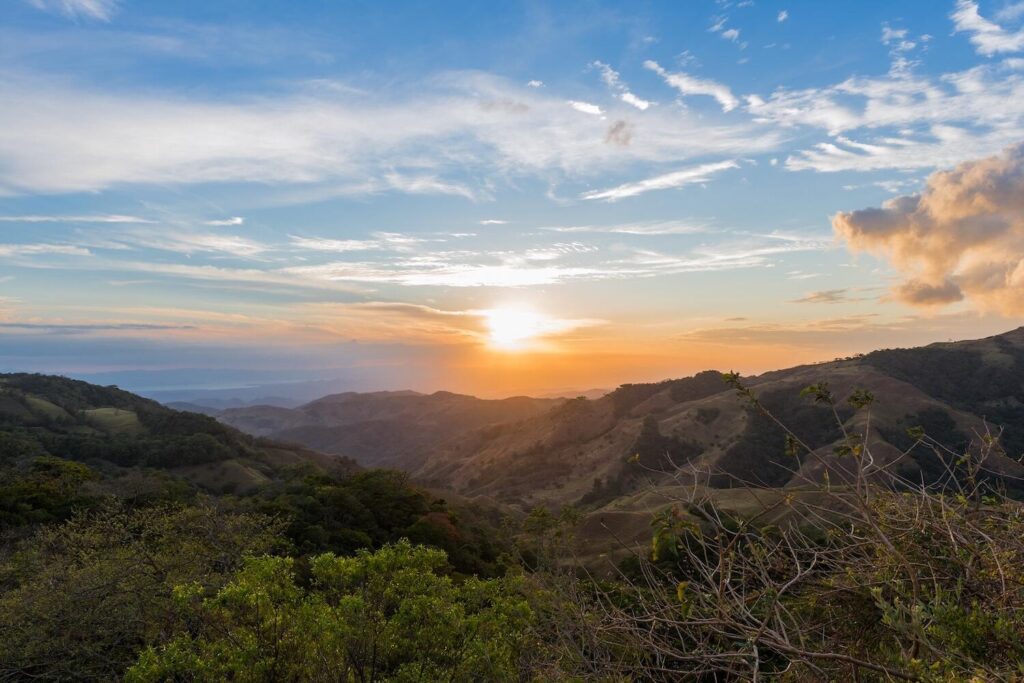
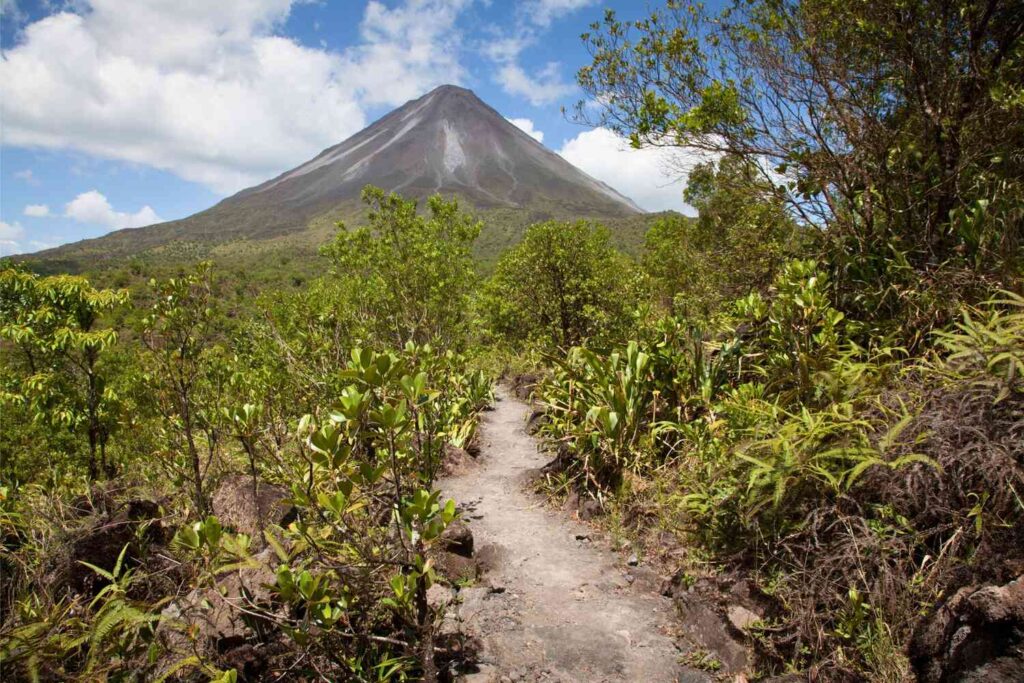
Arenal Volcano is as perfect a cone as you’ll ever see. You can’t climb to the crater, but the trails around it are great for exploring.
Some lead across old lava fields, others wind through rainforest where you might run into coatis or hear howler monkeys in the distance. The hikes range from easy half-hour loops to a few hours, so you can match your energy that day.
The 1968 Trail is the popular one, and it was named after the eruption that changed the whole landscape. Parts of it cut across old lava fields, while other sections dip into thick rainforest where you might spot coatis or hear howler monkeys.
Entrance fees vary depending on which trail system you pick, but for the 1968 Trail it’s around $25 per adult (the entrance fee at Arenal Volcano National Park doesn’t include all the trails).
The hikes range from easy 30-minute loops to longer 2–3 hour walks. Best time is morning before clouds roll in. Bring bug spray, water, and shoes that can handle mud because you’ll need them.
Go Ziplining Through the Cloud Forest Canopy
Ziplining in Monteverde is a rite of passage if you’re in Costa Rica. The most famous companies are Selvatura, Sky Adventures, and 100% Aventura. Prices hover around $50–70 per person, depending on the length and extras.
100% Aventura has the longest Superman line in Central America (over a kilometer long), which is ridiculous when you’re actually on it.
The guides are great about checking gear, so even if you’re nervous, you’ll feel safe. Don’t bring loose stuff unless you’re okay with donating it to the forest. The rides are loud, fast, and over way quicker than you want, but that’s the thrill.
Book ahead on weekends because it gets busy. Plus, you might get a discount if you book on Viator.
Take a Wildlife Tour at Night in Monteverde
Night tours in Monteverde cost around $25–30 per person, and honestly, they’re worth every cent. Those start around 6 pm and run two hours. Guides know exactly where to look for frogs, tarantulas, armadillos, and sometimes sleeping birds.
We recommend booking the tour online because some tours don’t take cards. Wear long sleeves and decent shoes. The trails get muddy. You won’t get perfect photos (the light’s tricky), but that’s not the point.
It’s about hearing the forest come alive at night, when half the animals wake up. If you’re squeamish about bugs, maybe skip it, but otherwise it’s one of the coolest things you can do there.
Spot Sloths and Monkeys in Manuel Antonio National Park
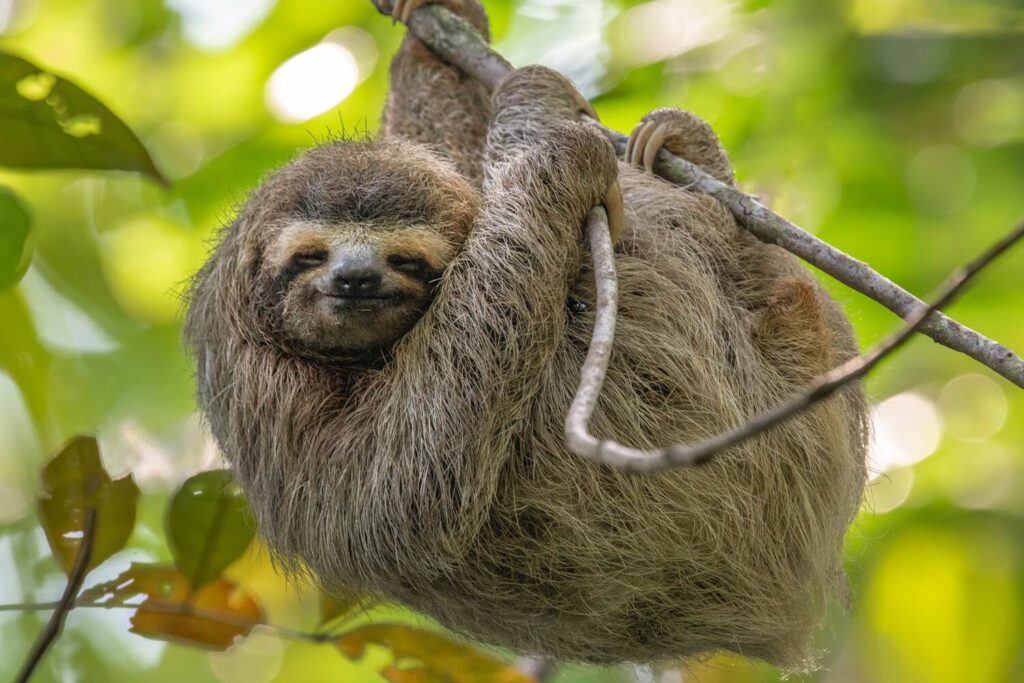
Manuel Antonio is small but it’s packed with wildlife. You’ll almost always see monkeys, iguanas, and if you’re lucky, a sloth hanging out in the trees.
The entrance fee for foreigners is $18.08 (yes, that oddly specific number). Official guides charge around $25–30 per person, and they’re worth it because they have telescopes and spot things you’d miss.
The park closes on Tuesdays, and you’ll want to go early before it gets too hot. Trails are easy, and most lead to beautiful beaches inside the park where you can swim after walking. Just don’t bring snacks unless they’re sealed because raccoons and monkeys are notorious for stealing food.
If you want lunch afterward, head to El Avión in town. It’s a bar and restaurant built inside an old airplane, and the seafood is solid.

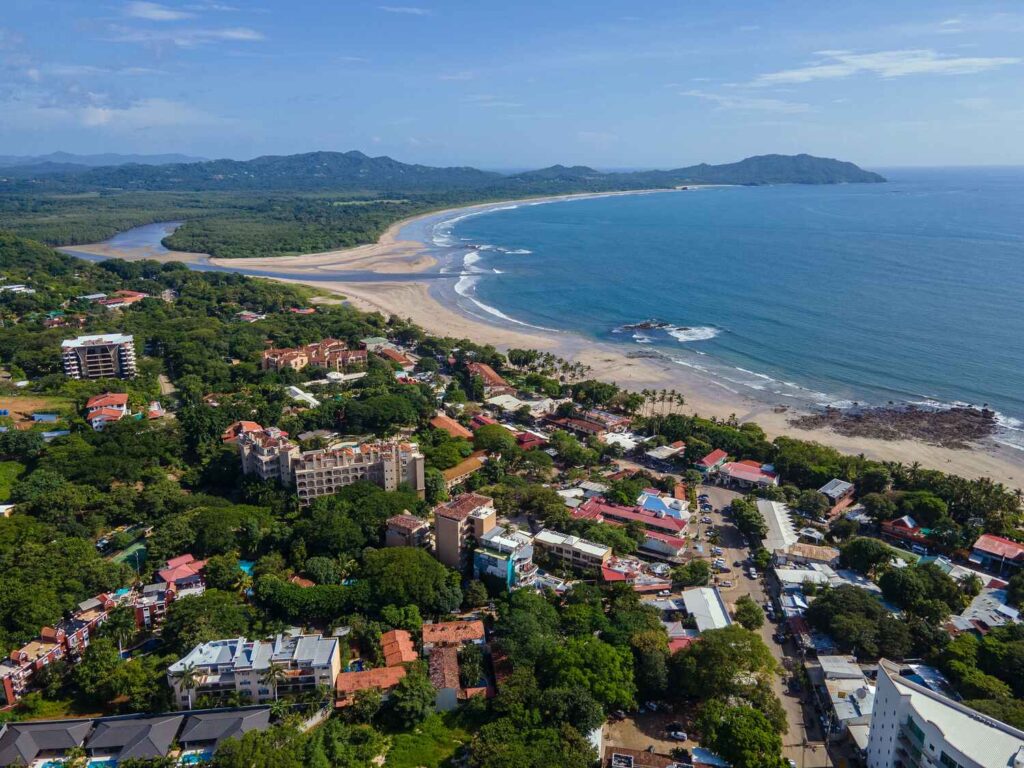
Surf the Waves in Tamarindo
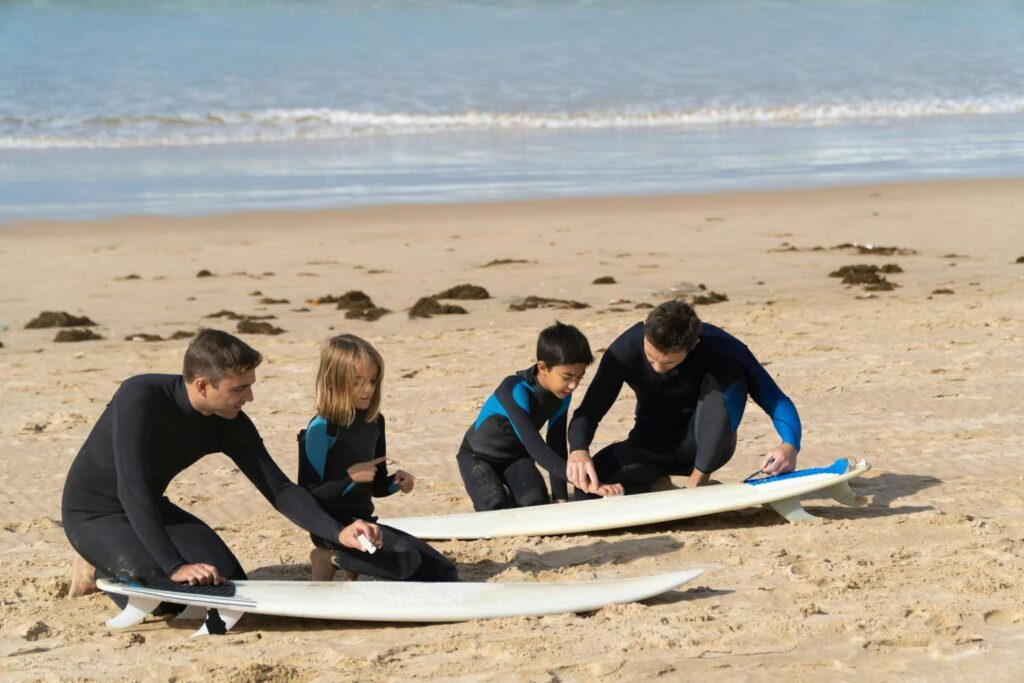
Tamarindo is one of the best surf towns in Costa Rica, especially if you’re learning. Surf schools are everywhere, and most charge about $40–50 for a 2-hour group lesson, including board rental.
Private lessons run closer to $60–70. The waves are forgiving for beginners, but you’ll still get tossed a few times (it’s part of the fun).
If you already know how to surf, board rentals cost around $10–15 for half a day. The beach itself is wide, sandy, and great for hanging out even if you don’t surf.
Afterward, you can grab food at Green Papaya (laid-back tacos) or Pangas Beach Club for something nicer right on the sand. The town’s not cheap compared to smaller beach towns, but it’s lively, and you’ll always find people around to surf with.
Party and Beach Hop in Jaco
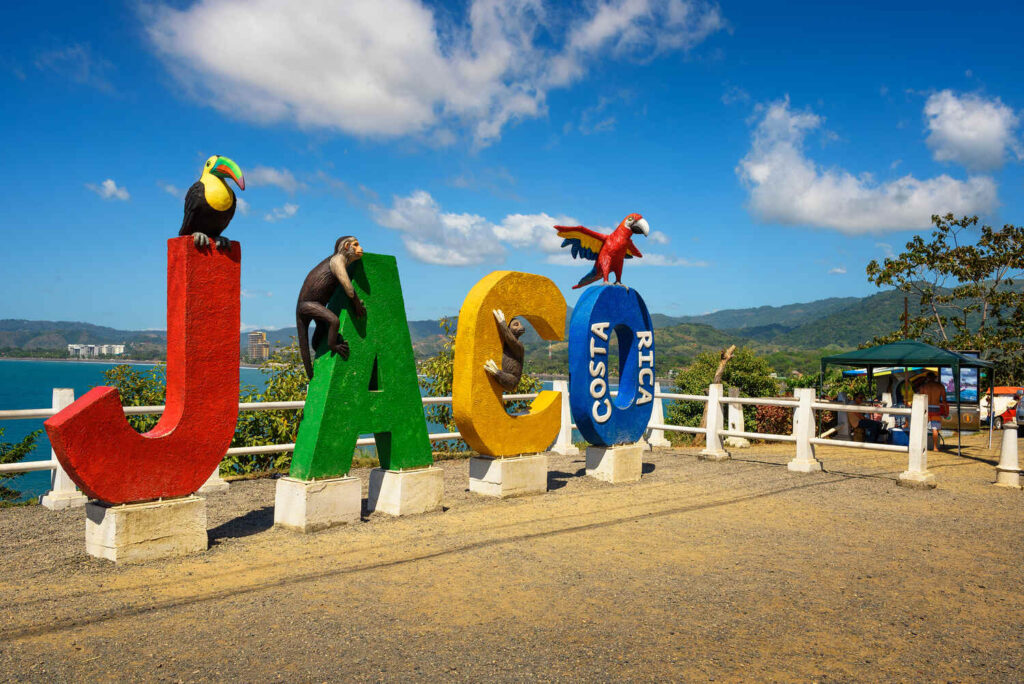
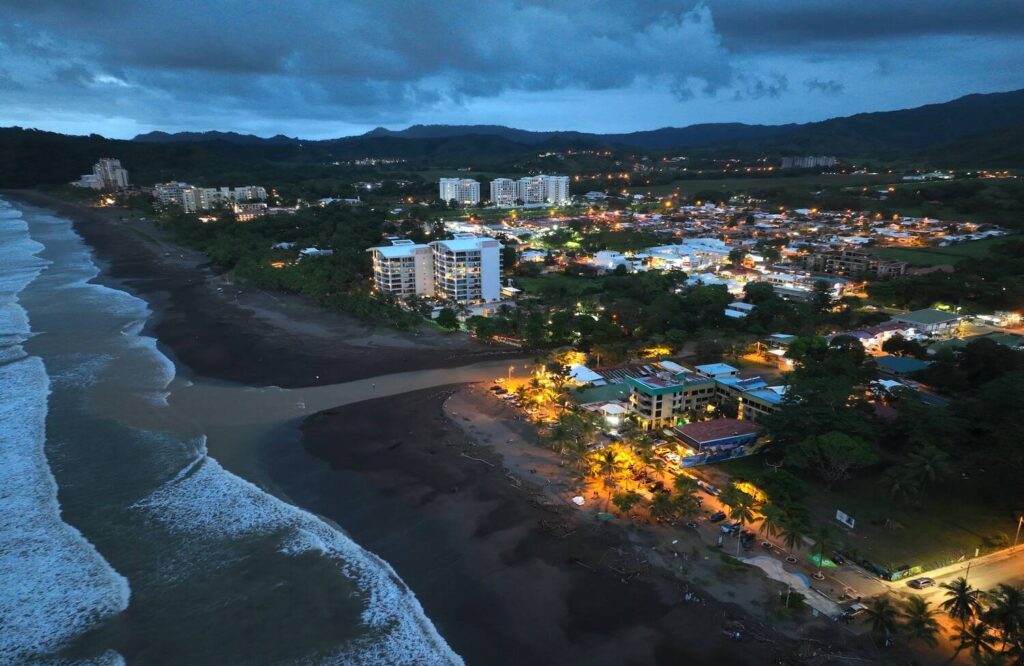
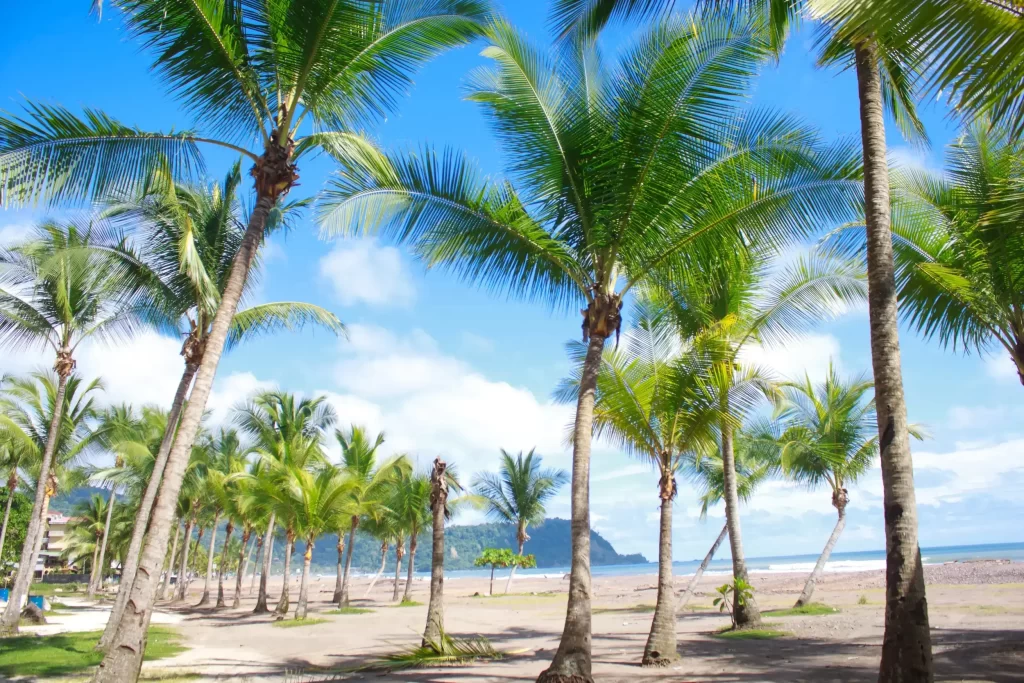
Jaco has a reputation. It’s the party town of Costa Rica. The beach isn’t the prettiest compared to Manuel Antonio or Santa Teresa, but it’s buzzing with bars, clubs, and beachgoers.
Drinks aren’t cheap (cocktails are $8–12 in most places) but you’ll find happy hours if you look around. Orange Pub is a great spot that keeps the party going late. During the day, you can head south to Playa Hermosa (10 minutes by car), which has stronger waves and fewer crowds.
For food, Tacobar is a classic stop. Unlimited salad bar with your order, casual and affordable. If you want something better, Tsunami Sushi is popular with both locals and expats. Jaco’s not for everyone, it’s loud, a bit gritty, but if you’re looking for nightlife by the beach, this is where you go.
Watch Sea Turtles Nesting in Tortuguero National Park
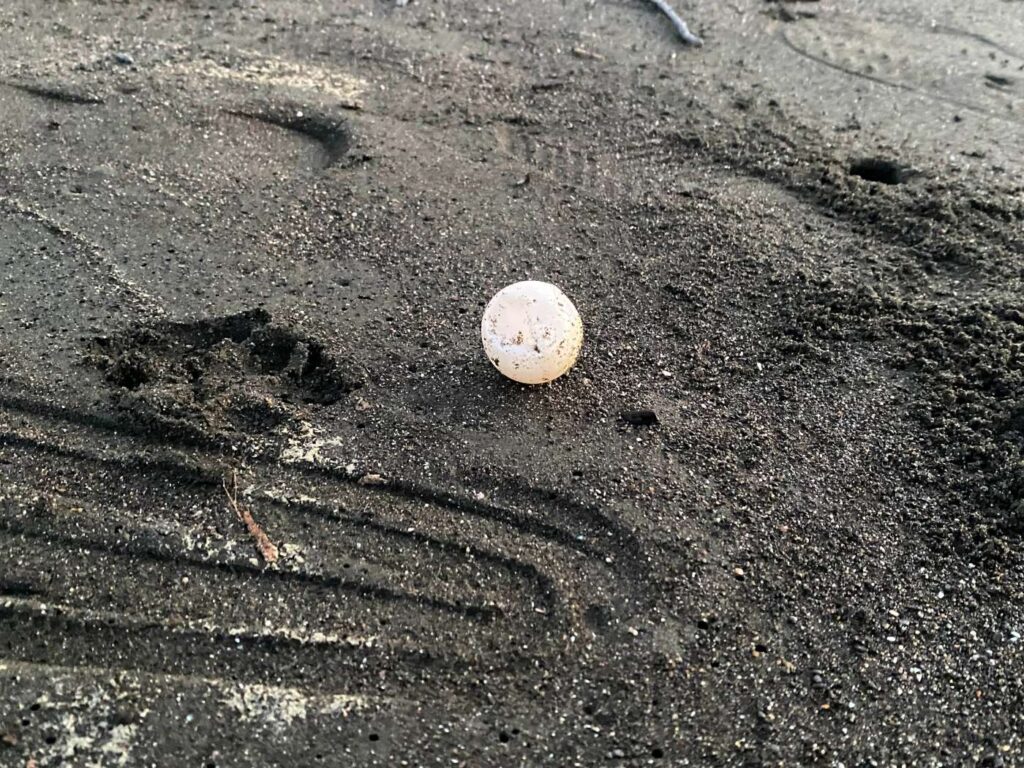
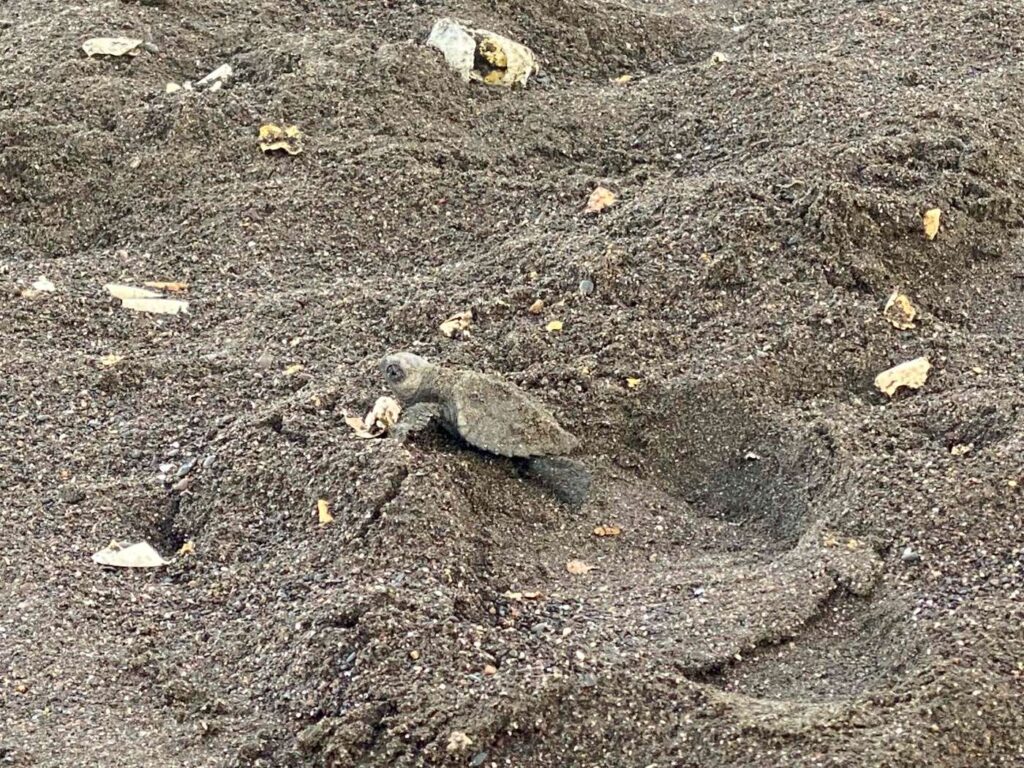
Tortuguero is famous for turtle nesting, especially green turtles between July and October. You can also see them in other parts of Costa Rica, and it’s actually popular in Nosara.
The park charges $17 for entrance plus about $35 for the official night tour, which is the only way you’re allowed on the beach after dark. Guides know the rules, like no flashlights or cameras with flash because it stresses the turtles.
Watching a massive turtle dig a nest and lay eggs is something you don’t forget. It’s quiet, almost eerie, with just the sound of the waves. Lodges in town usually help you book tours, so you don’t have to stress about finding one last minute.
The area is remote (no cars, just boats and canals) so plan ahead. If you’re not into long travel days, it might feel like a mission, but for wildlife lovers, it’s one of the highlights of Costa Rica.
Go Hiking in Corcovado National Park
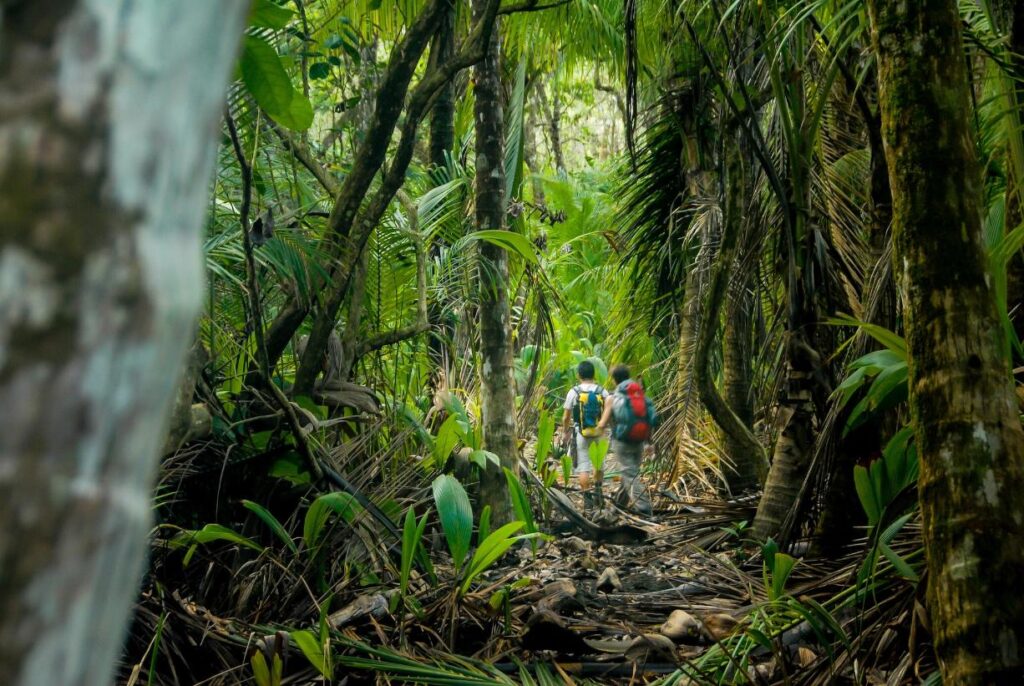
Corcovado is wild, quite literally. National Geographic once called it “the most biologically intense place on Earth.” The entrance fee is $15 per day for foreigners, but you can’t just walk in alone.
A licensed guide is required, and tours start around $100–120 per person for a day trip. If you’ve got the stamina, multi-day treks with camping go well over $300 (those are very much worth it).
You’ll see scarlet macaws, tapirs, maybe even jaguars if you’re insanely lucky. The trails aren’t polished like Manuel Antonio. They’re rugged, muddy, and hot. Bring more water than you think you’ll need.
Most people enter via Drake Bay or Puerto Jiménez, so you’ll need to plan your base. It’s not the easiest park to get to, but that’s why it feels untouched. If you’re serious about nature, this is where you go.
Chill on the Beaches of Puerto Viejo de Talamanca
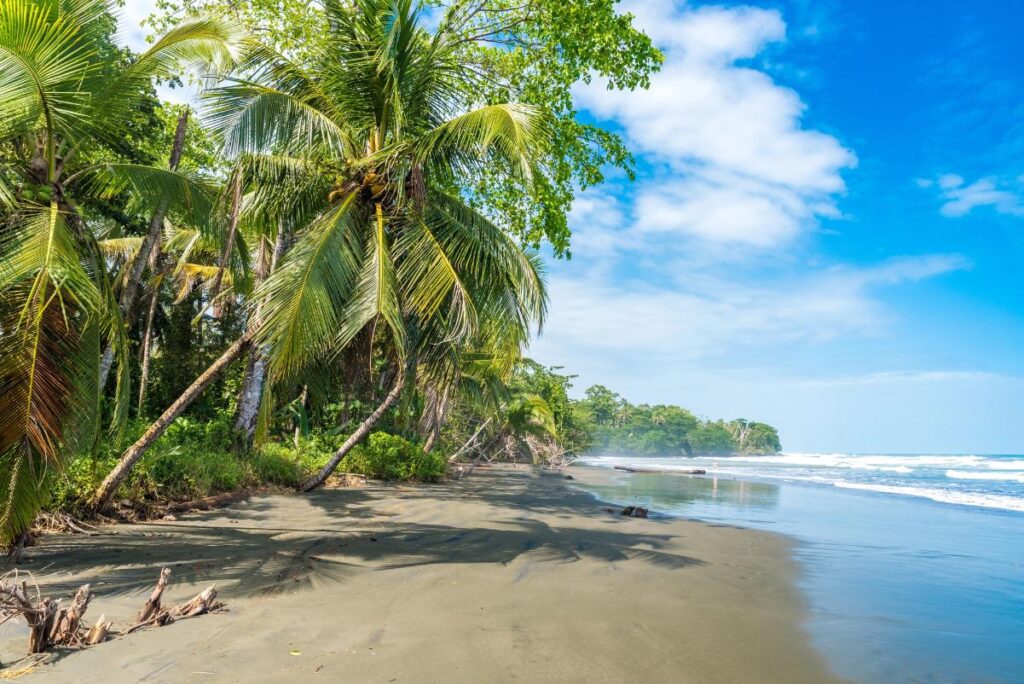
Puerto Viejo is on the Caribbean side of Costa Rica and it has a laid-back vibe you don’t find on the Pacific coast. The beaches are all different: Playa Cocles is for surfers, Playa Negra has volcanic black sand, and Playa Punta Uva is calmer, great for swimming.
You can easily bike between them. Rentals are about $6–10 a day and it’s good way to get around. The town itself has reggae bars, small bakeries, and plenty of casual spots to eat.
Bread & Chocolate is a breakfast favorite (the brownies are so good), and KOKi Beach is a good dinner option right by the ocean. Puerto Viejo isn’t polished. It’s a bit scruffy, but that’s part of the charm. Just keep an eye on your stuff at the beach, petty theft is a thing, unfortunately. If you want relaxed days and nights with music, this is your stop.
Snorkel the Coral Reef at Cahuita National Park
Cahuita National Park is one of the few places in Costa Rica where you can snorkel a proper coral reef. Entrance is donation-based (most people give $5–10), but the reef itself is only accessible with a licensed guide, which runs about $50 per person.
Snorkeling trips usually last a couple of hours and include gear. You’ll see colorful fish, rays, and sometimes reef sharks. After snorkeling, guides often take you on a short jungle walk where you’ll spot monkeys, sloths, and snakes.
The combo of reef and rainforest in one spot is pretty unique. The small town of Cahuita has a few decent places to eat, which is a bonus. Las Olas is popular for seafood with ocean views. It’s less crowded than Puerto Viejo, and way more low-key.
Visit San José, Costa Rica’s Capital
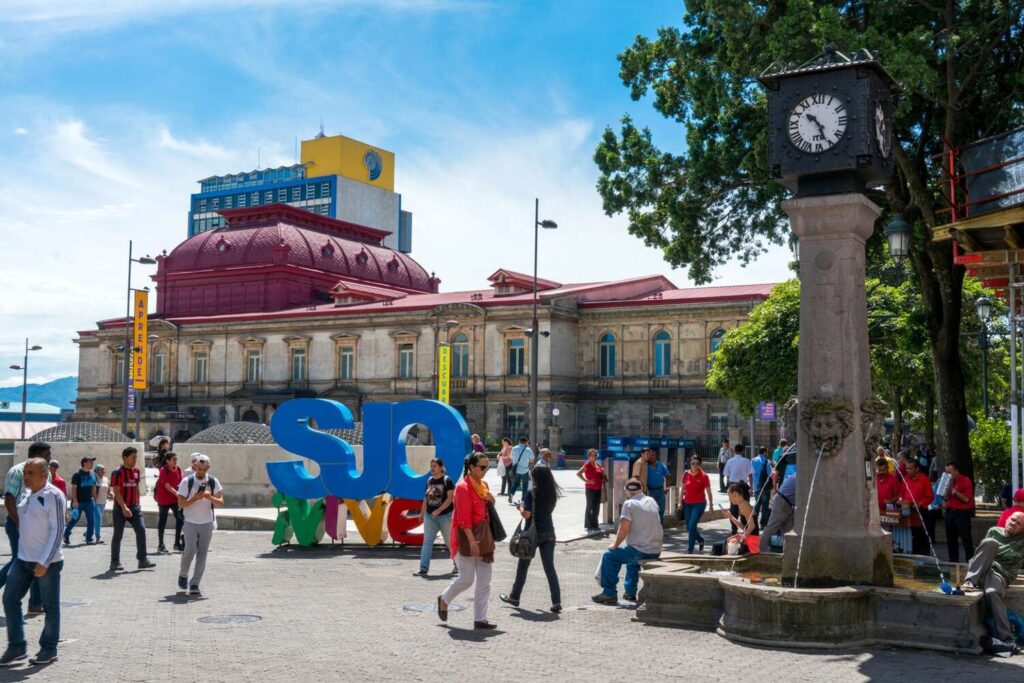
Most people skip Costa Rica’s capital, but if you’ve got a day in San José, it’s worth poking around. The city’s not postcard-pretty, we admit it, but it has character.
The National Museum (located inside an old fortress) costs $11 and gives a crash course on Costa Rican history. The Pre-Columbian Gold Museum is another good one at $15.
For food, Soda Tapia is a classic spot for cheap casados, and Café Rojo is a cozy place for coffee and snacks. If you like markets, the Central Market downtown is chaotic but fun. You see fresh fruit, local cheese, and little stalls selling cheap meals.
San José isn’t the safest at night, so stick to well-lit areas and use Uber instead of wandering. It’s not a highlight like Arenal or Manuel Antonio, but it’s the country’s heartbeat.

Take a Day Trip to Poás Volcano
Poás is one of the most accessible volcanoes from San José, about a 1.5-hour drive. The entrance fee is $15 for foreigners, and you need to book online in advance (they limit the number of people per day).
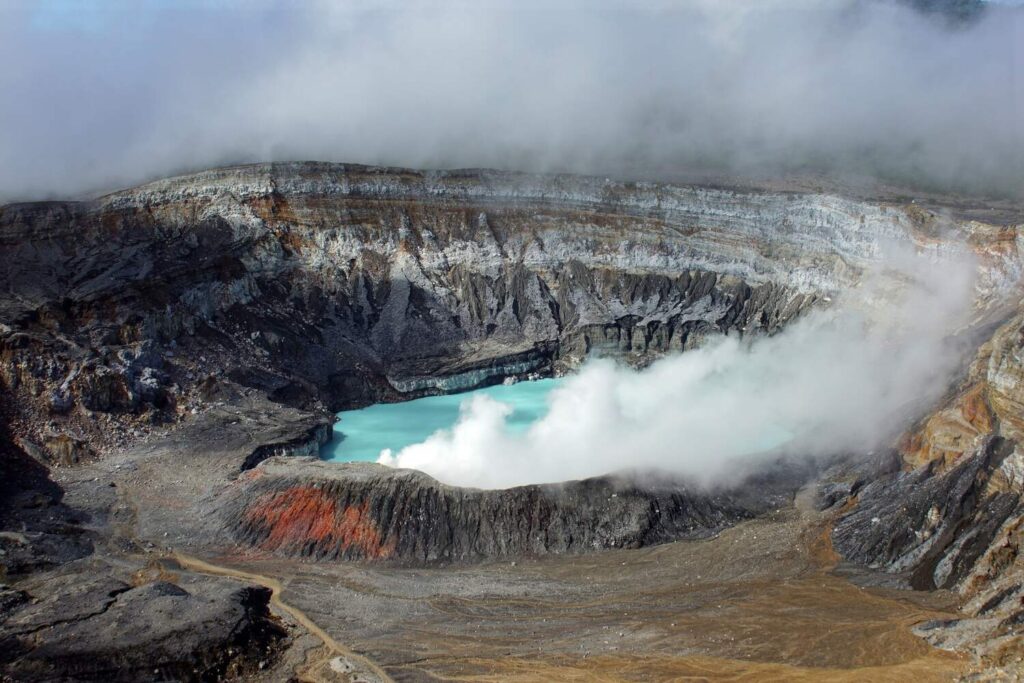
The main draw is the huge crater with a bright blue-green acidic lake inside. The park sometimes closes if the volcano gets too active, so check before heading out.
The walk from the entrance to the crater is only about 10 minutes on a paved path (super easy). There are also short trails through cloud forest if you want to stretch it out.
Nearby, the town of Grecia has a famous red metal church worth a quick stop. If you want a snack after your visit, grab strawberries and cream from roadside stalls. It’s kind of a local tradition there.
Visit Irazú Volcano
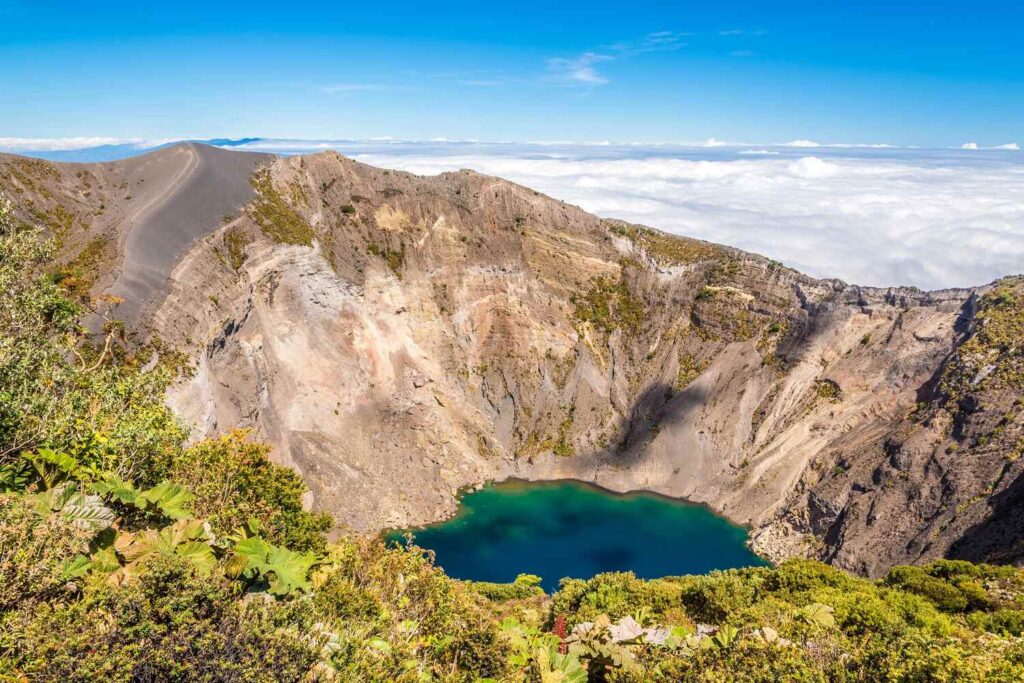
Irazú is the highest volcano in Costa Rica, sitting at 3,432 meters. On clear mornings, you can sometimes see both the Pacific and Atlantic coasts from the top. Entrance is $16.95 for foreigners, and like Poás, it’s easiest to book online.
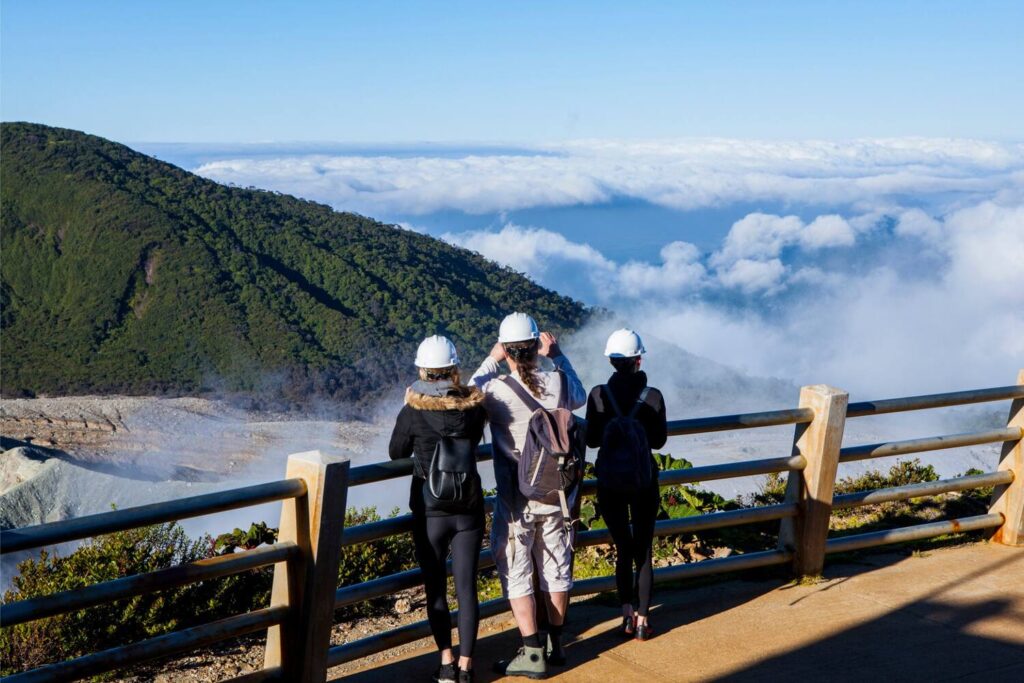
The drive from San José is about two hours, and it’s winding but scenic. The main crater looks surreal. Green lake when it’s full, or a gray ash pit when it dries up. It’s cold and windy at the summit, so bring a jacket even if San José feels warm when you leave.
There aren’t many facilities up there, just bathrooms and a small café, so pack snacks. If you’re already in the area, stop in Cartago on the way back to see the Basilica de los Ángeles, Costa Rica’s most important church.
Go Hunt Waterfalls in Rincón de la Vieja
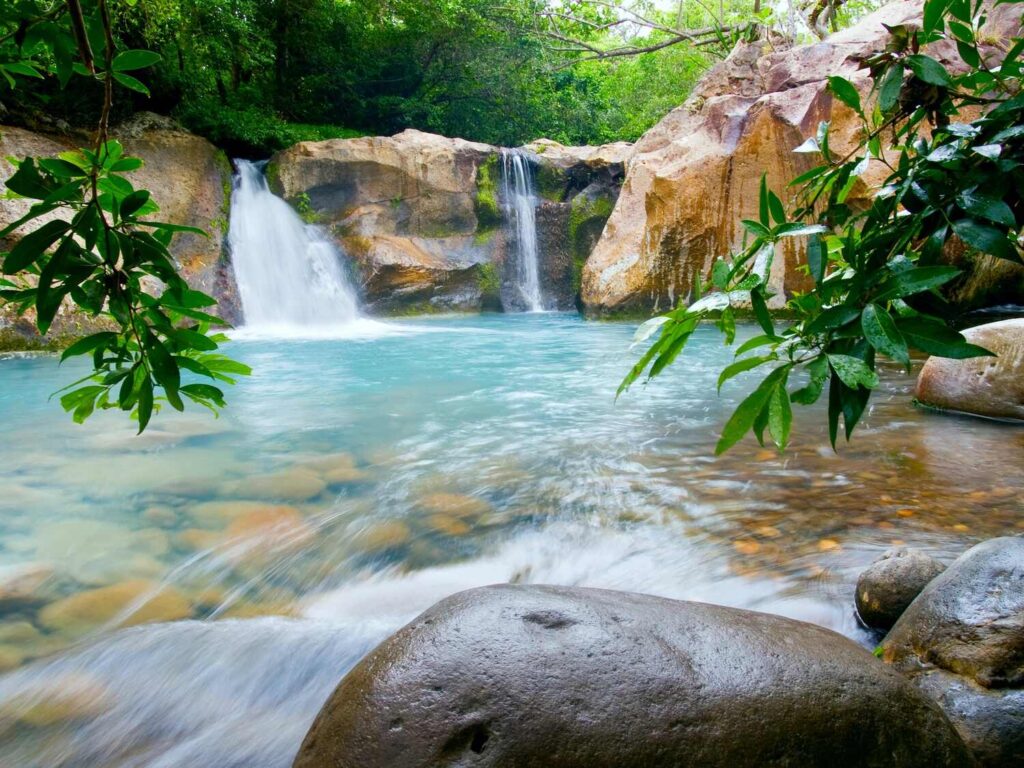
Rincón de la Vieja National Park is packed with trails, hot springs, and waterfalls. The entrance fee is $16.95 for foreigners. The Las Pailas sector is the popular one, with trails leading to bubbling mud pots and the Oropendola Waterfall, which has a bright turquoise pool at the bottom.
Getting there means a short hike plus a $5–10 extra fee since the falls are on private land. The hike isn’t hard, but it can be hot. You have to go early to make the most of it.
Another favorite is La Cangreja Waterfall, about a 3-hour round trip that feels more like a workout. Bring water shoes or something you don’t mind getting wet because swimming under the falls is half the fun.
The whole park is closed on Mondays, so plan around that.
Whale Watch in Uvita
Uvita is the spot for whale watching in Costa Rica. Humpbacks migrate here twice a year, from January to March, and again from July to October. Plan your Uvita itinerary around that period if you can.
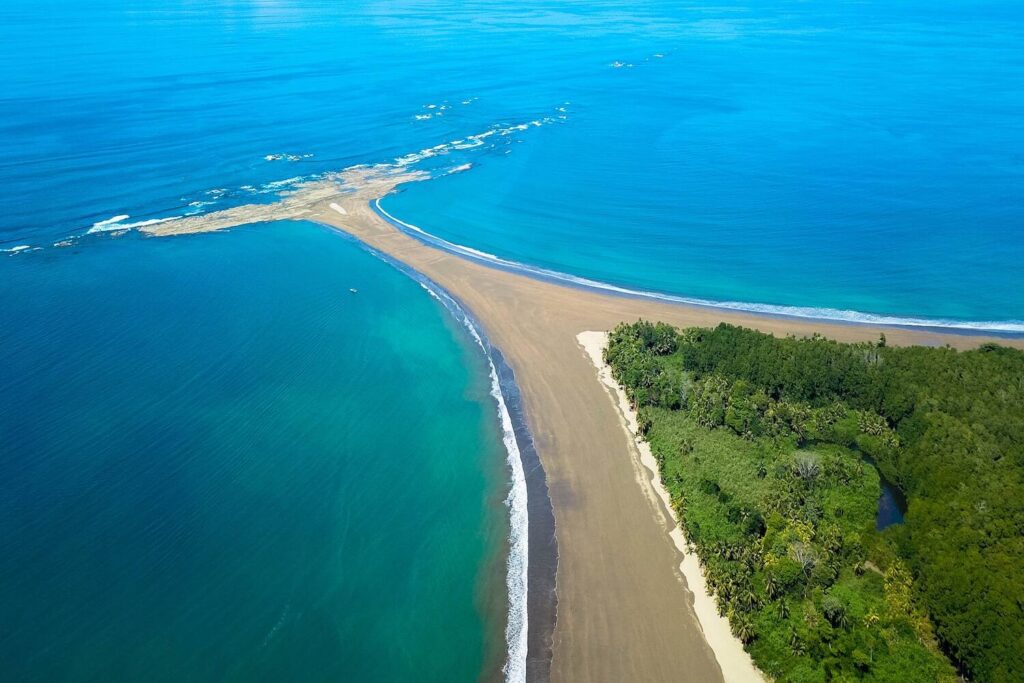
Tours cost $80 to $90 per person for a half-day trip. Boats head out from Marino Ballena National Park (which has its own $6 entrance fee). The park’s beach is shaped like a giant whale tail at low tide, which feels fitting. The tours aren’t just about whales though. You’ll often see dolphins riding the waves and seabirds swooping in.
Seas can be rough, so bring motion-sickness pills if you’re sensitive. We once watched a humpback breach in the distance, and the whole boat went silent, then everyone cheered like we’d just won a game. If your trip lines up with whale season, go.

Work on Your Tan at Montezuma’s Beaches
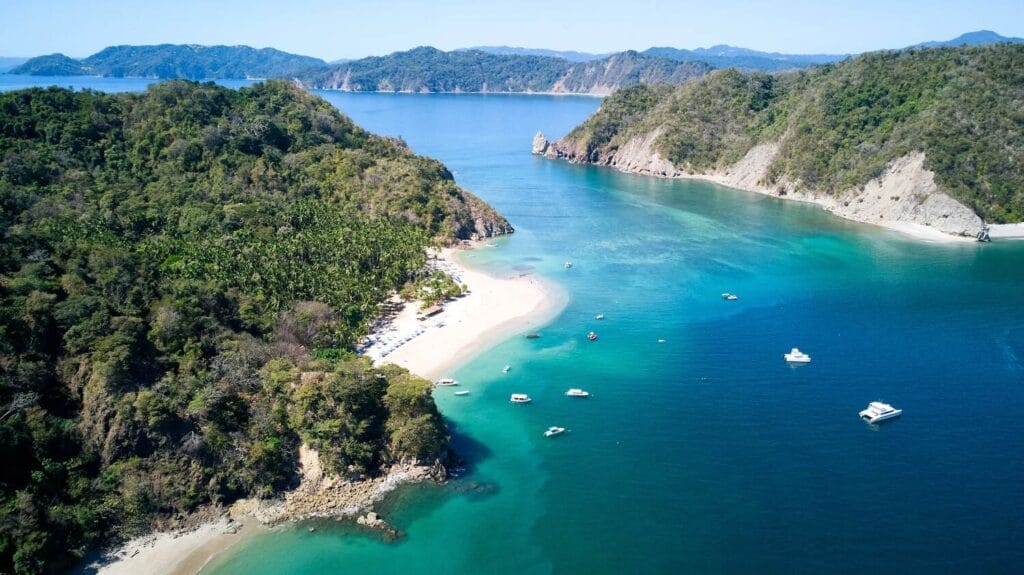
Montezuma is small and chilled-out, with beaches that feel more bohemian than touristy.
Playa Montezuma is right in town, but if you walk north for 15–20 minutes you’ll hit Playa Grande, which is wider and better for swimming. It’s easy to rent a chair and umbrella for about $5–10 if you don’t want to bake on the sand.
The vibe here is slow—people lying in hammocks, drumming circles at sunset, that kind of thing. The water can be rough at times, so keep an eye on the flags. For food, grab fish tacos at Soda Monte Sol or a smoothie from Organico, both solid after a long beach day. Montezuma is more backpacker style but that’s exactly what people like about it.
Take a Yoga Class in Santa Teresa
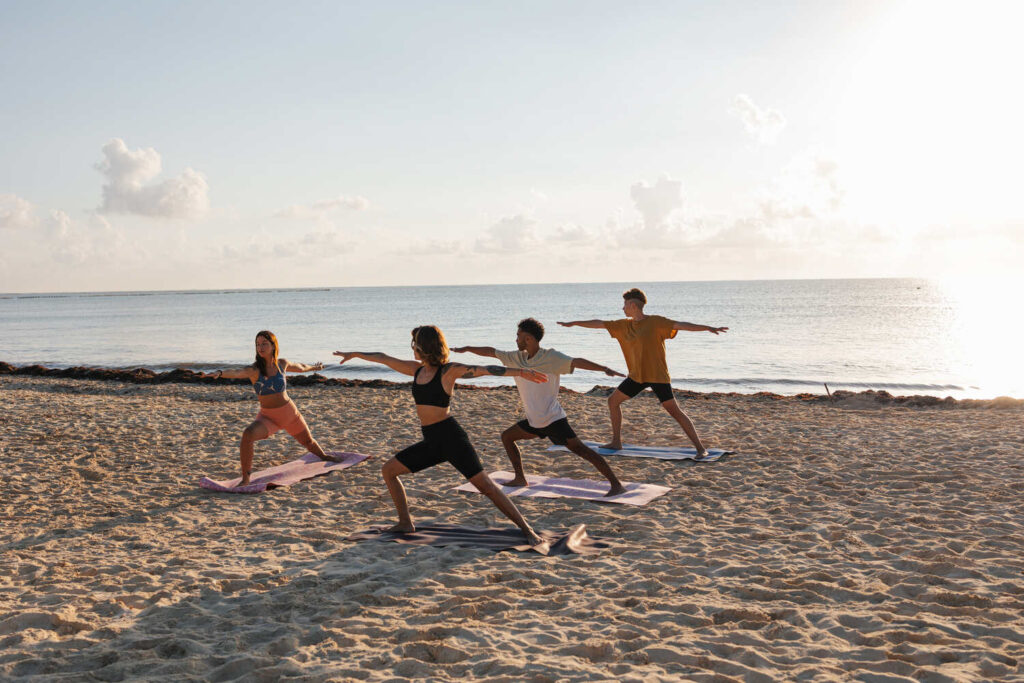
Santa Teresa has turned into Costa Rica’s yoga hotspot. You’ll find classes on the beach at sunrise, open-air studios in the jungle, and week-long retreats. Drop-in classes usually cost $12–20, depending on the place.
Some of the well-known studios are Horizon Yoga, Pranamar Villas, and Selina Hostel (yes, even hostels have solid yoga here). Mats are normally provided, but it’s worth checking before you go. Santa Teresa’s vibe is all about wellness. You can get smoothie bowls, surf, and yoga sessions everywhere.
After class, you can grab brunch at The Bakery, a local favorite for coffee and pastries. The area’s dusty roads and scattered layout mean you’ll probably want an ATV or scooter to get around. It’s not cheap compared to smaller towns, but if yoga’s your thing, this is where you’ll feel at home.
Learn to Surf and See the Turtles Nest in Nosara
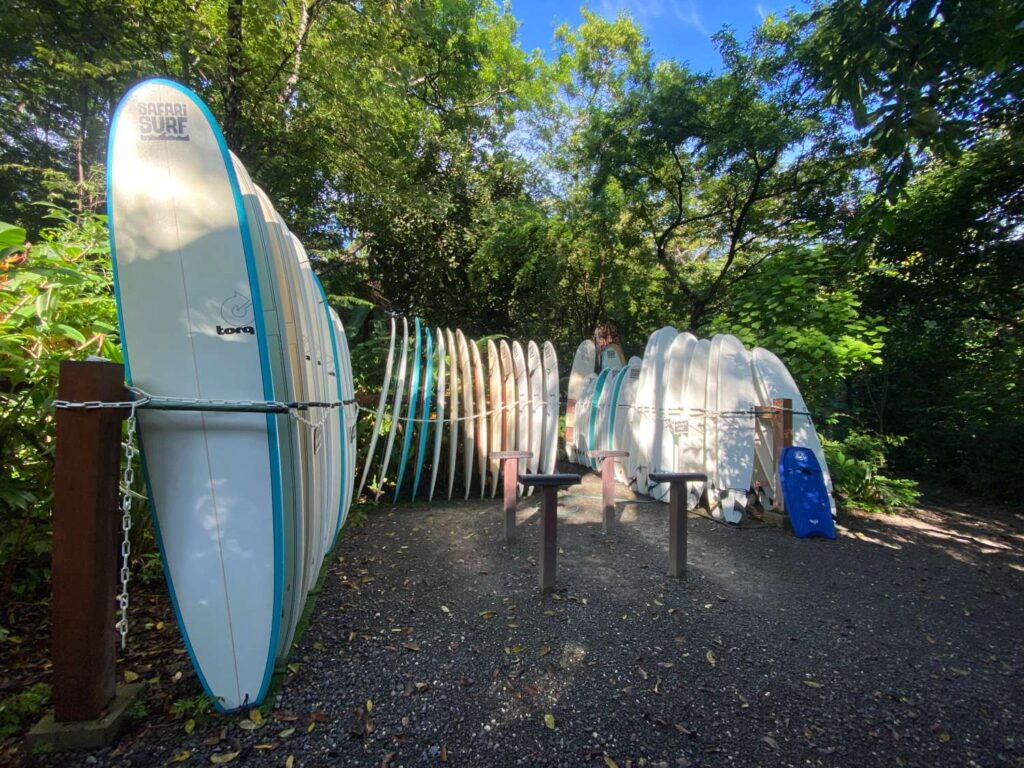
There are so many fun things to do in Nosara, but it’s particularly great if you want surf and wildlife in one spot. Surf schools line Playa Guiones, offering group lessons for about $50–60 and private ones for around $70–90.
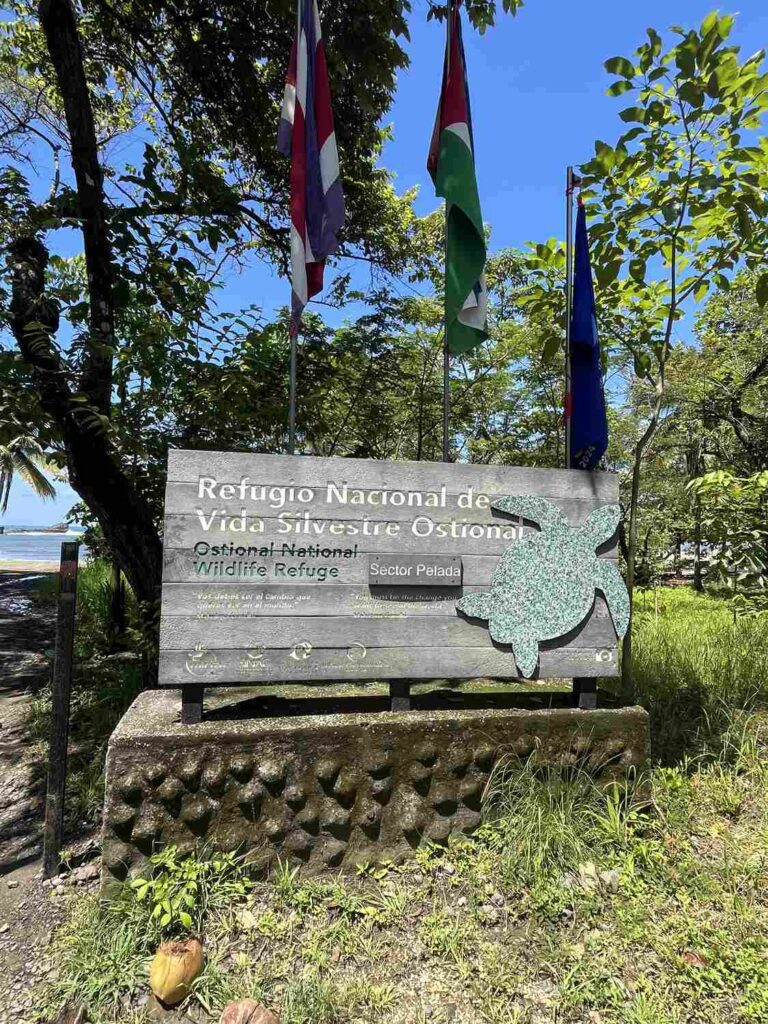
The waves are beginner-friendly most of the year, though mornings are usually calmer. The real bonus is nearby Ostional Wildlife Refuge.
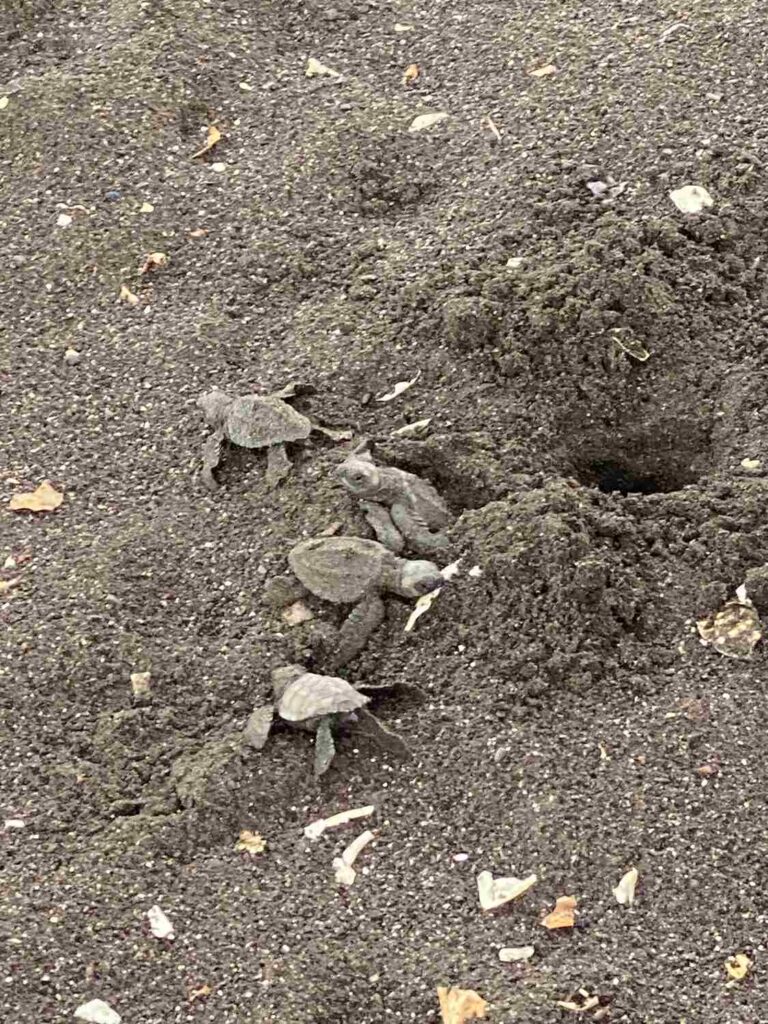
Between July and December, thousands of olive ridley turtles arrive in mass nesting events called “arribadas.” Locals run tours for around $10–15, and it’s one of the only places in the world where you can legally witness this.
The combo of catching waves in the morning and watching turtles lay eggs at night is pretty unique. The town itself is pricier than Tamarindo (healthy cafés, boutique hotels, etc…) but it has a more relaxed, eco-conscious vibe.
Snorkel or Scuba Dive in Guanacaste
The Guanacaste coast has some of the best underwater spots in Costa Rica. Playa Conchal and Playa Flamingo are popular for snorkeling. You can rent gear for $10–15 or join a boat tour for $40–60. For scuba, head to Playas del Coco, where two-tank dives cost about $100–130.
The Catalina Islands off Flamingo are famous for manta rays, while the Bat Islands (a bit further) are known for bull sharks if you’re advanced.
Visibility is best in the dry season, December to April. You won’t get tropical coral colors like the Caribbean, but the marine life makes up for it. You can see turtles, rays, and big schools of fish. After a day in the water, you can grab dinner in Flamingo at Coco Loco, which sits right on the sand and serves a mean ceviche.
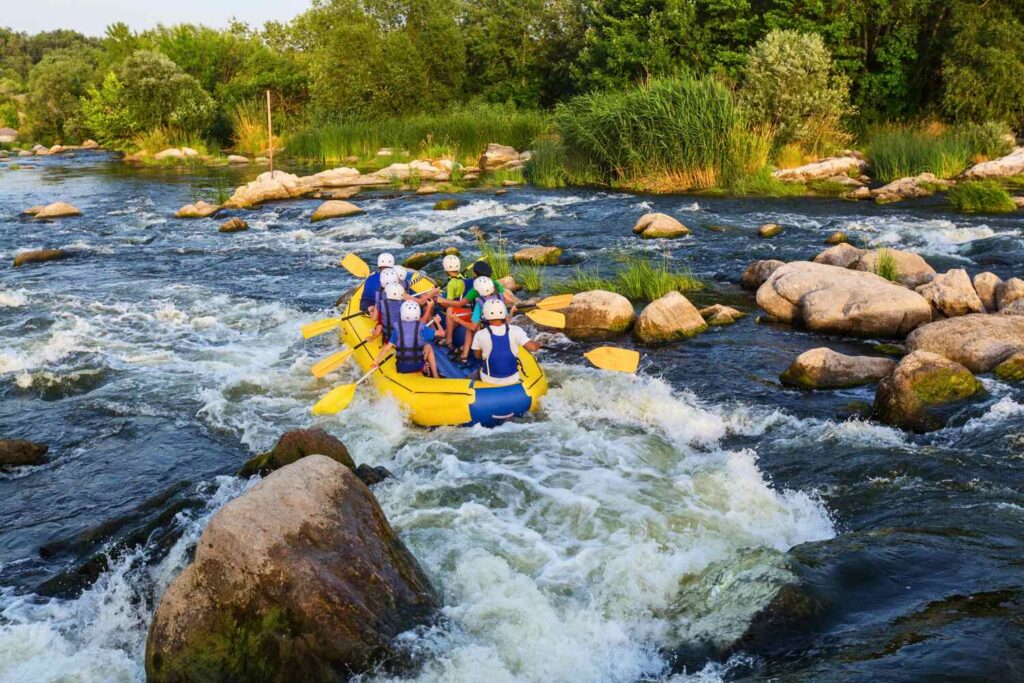
Go Whitewater Rafting in Sarapiquí
Sarapiquí is the go-to spot for rafting if you’re near San José or La Fortuna. Excellent option if you have more time and plan to spend 14 days in Costa Rica. The Sarapiquí River has different sections, with class II–III rapids for beginners and class III–IV for those who want more of a rush.
Half-day tours run around $65–75 per person and usually include transport and lunch. Companies like Aventuras del Sarapiquí are well-reviewed and provide all the gear.
The scenery’s half the fun. You’re paddling through jungle, and if you’re lucky, you’ll spot toucans or iguanas on the banks. Safety briefings are serious, but once you’re on the river it’s pure adrenaline.
Bring quick-dry clothes and a change for afterward. You will get soaked. Easy to book, and you don’t need days of planning around it.
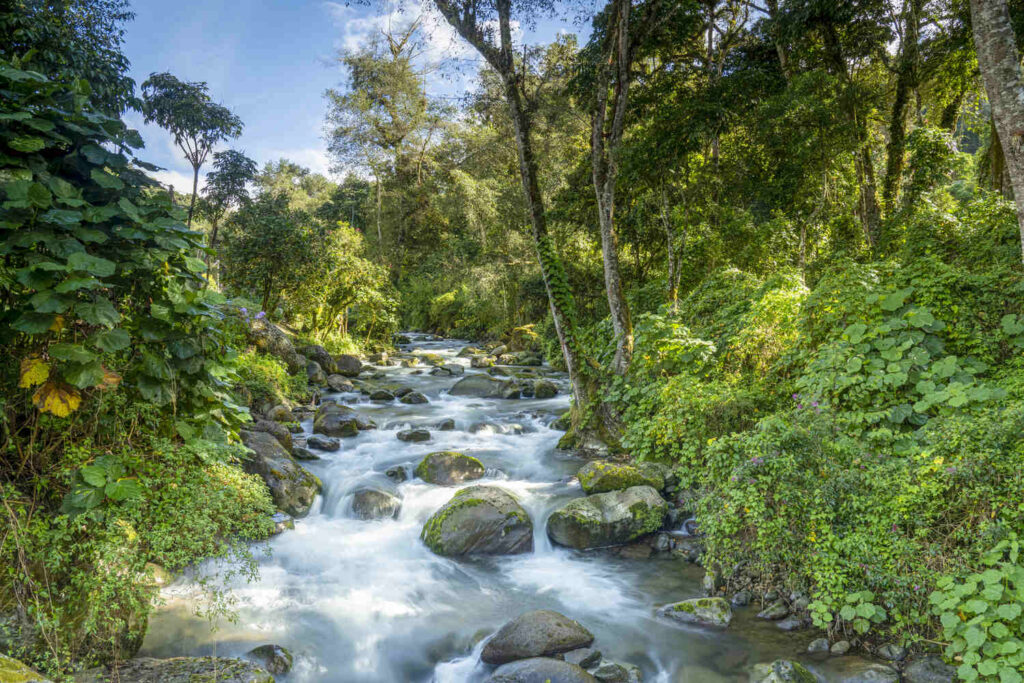
Birdwatch in San Gerardo de Dota
San Gerardo de Dota isn’t on most itineraries for Costa Rica, but birdwatchers know it well. The valley is famous for the resplendent quetzal, especially during breeding season (around April–May).
You don’t need a park ticket since it’s not an official reserve, but most people stay in small lodges that double as birding bases. Savegre Hotel & Natural Reserve is the classic choice, with trails that cost around $10–15 for non-guests.
Guides run $40–60 per person, and they’re worth it if you want to spot quetzals, tanagers, and hummingbirds you’d otherwise miss.
The area is cooler than the lowlands. Think fleece jacket weather in the mornings. Don’t skip trout for lunch; it’s the local specialty, and every restaurant seems to serve a version.
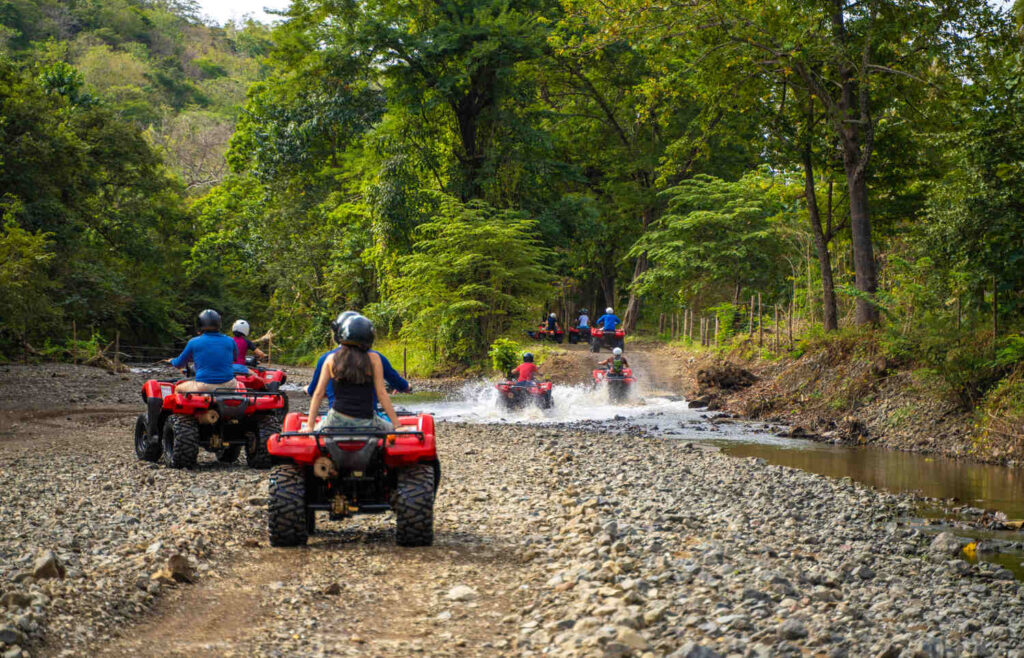
Drive the Nicoya Peninsula’s Off-road Beaches
The Nicoya Peninsula has some of the hardest-to-reach beaches in Costa Rica, which is exactly why they’re worth the effort. You’ll need a 4×4. Roads turn into dirt, rivers, and potholes pretty quickly. Rental prices start at about $60–70 a day for a decent 4WD.
Beaches like Playa San Miguel, Playa Coyote, and Playa Manzanillo often feel empty, with just a handful of surfers and fishermen around.
There are no entrance fees, but also no facilities, so bring water, snacks, and cash. If you’re heading between Nosara and Santa Teresa, expect a bumpy but scenic ride.
We once spent an hour just trying to cross a river that locals breezed through. It’s part of the adventure. Not for everyone, but if you like off-road exploring, this is your playground.
Go Horseback Riding
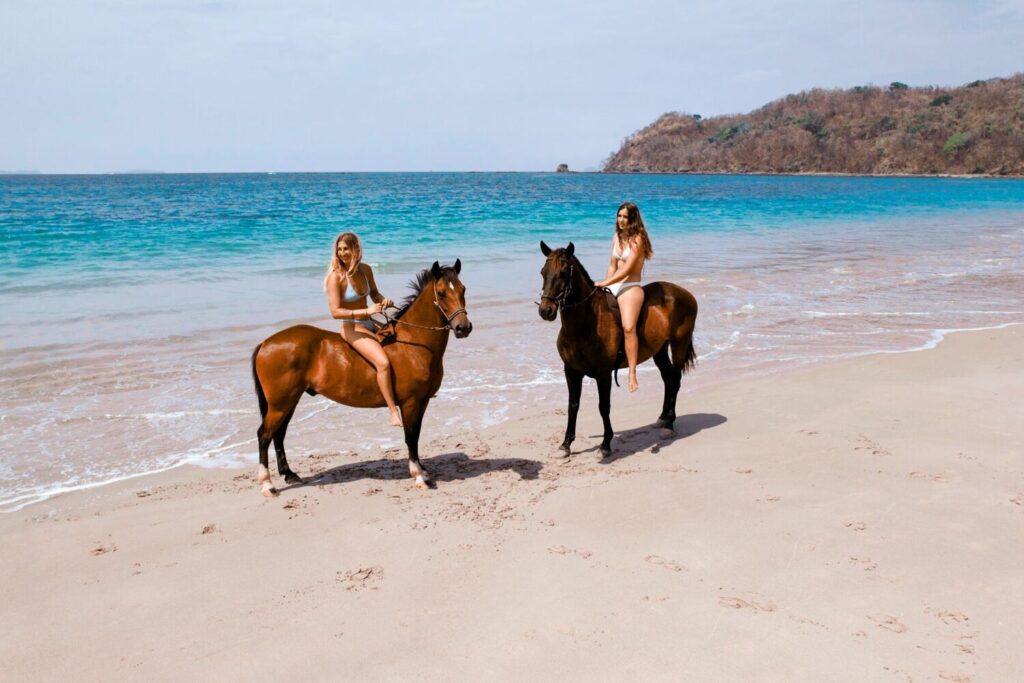
Horseback riding is still part of everyday life in Costa Rica, and you can join tours that take you through farmland, jungle trails, or even down to remote beaches.
Around La Fortuna, rides cost about $50–60 per person for a half-day and often end at a hidden waterfall where you can swim. On the Nicoya Peninsula, you’ll find sunset beach rides in places like Samara or Nosara, usually $40–50.
It’s not the stiff, “tourist pony ride” experience either. You’re on real trails, sometimes crossing rivers or climbing hills. Even if you’ve never ridden before, guides match you with an easygoing horse. It’s a slower way to see the landscape, and watching the sun set from horseback on an empty beach is one of those things that actually sticks with you

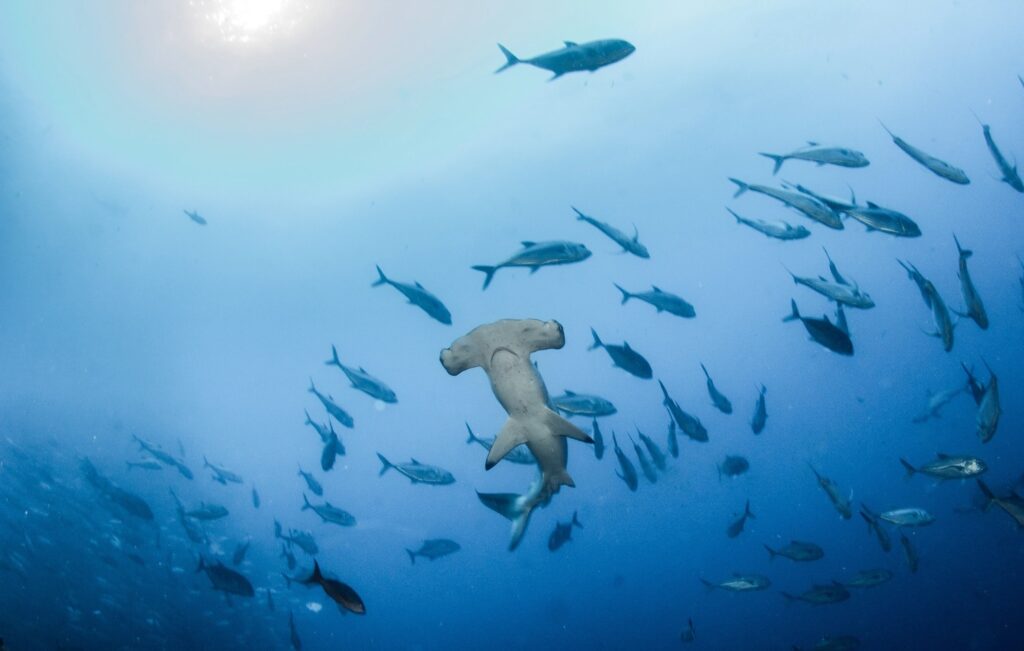
Dive at Isla del Coco (Cocos Island)
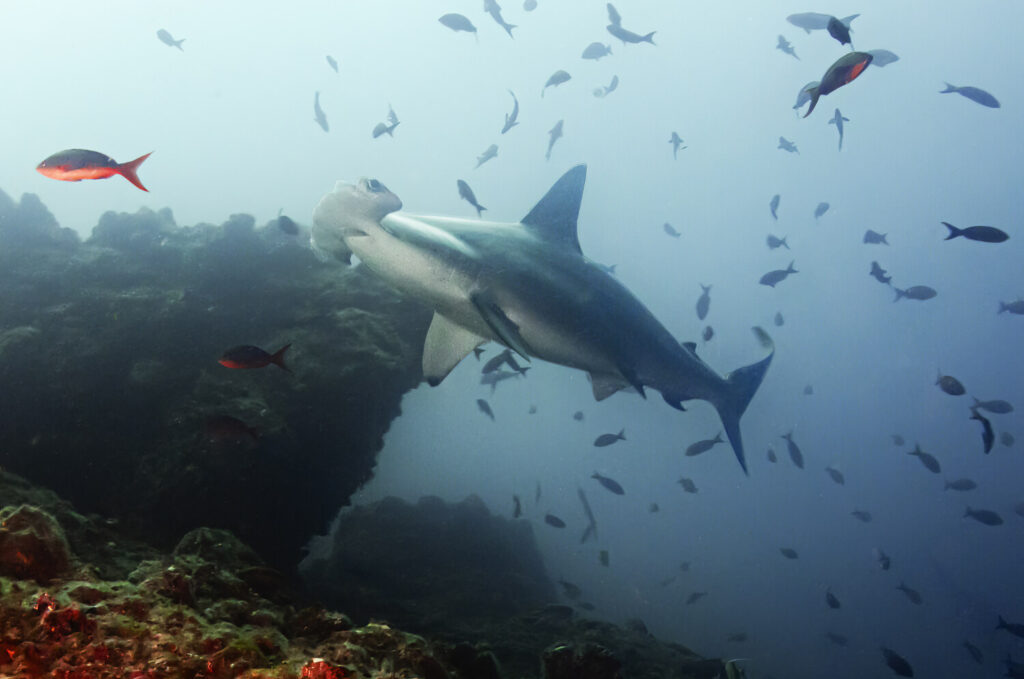
Cocos Island is the holy grail for scuba divers. It’s 550 km off the Pacific coast, so you can’t just pop over for a day. Instead you’ll need a liveaboard trip, usually 8–10 days, costing anywhere from $5,000–6,000 per person.
Pricey, but the reward is hammerhead shark schools, manta rays, whale sharks, and crazy amounts of marine life. Visibility is best from June to November, though conditions can be rough.
You need advanced certification because the dives are deep and currents strong. There’s no casual snorkeling here. It’s hardcore diving only. Boats leave from Puntarenas, and spaces book up months in advance.
Honestly, unless you’re an experienced diver, it’s not practical, but for those who are, it’s bucket-list material.
Join a Coffee or Cacao Plantation Tour
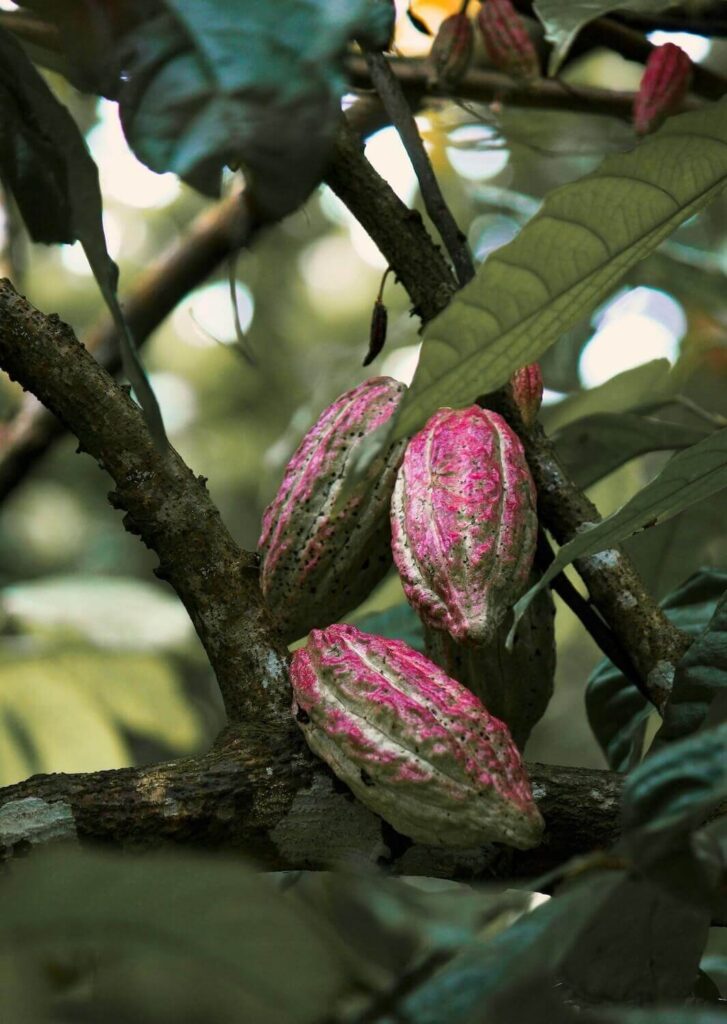
Costa Rica takes its coffee seriously, and visiting a plantation is one of the easiest cultural add-ons to your trip. Near San José, Britt Coffee Tour is the most famous, charging about $25–35 per person for a half-day tour with tastings.
Smaller farms around Monteverde or Tarrazú offer more intimate experiences for similar prices, often with lunch included. If chocolate’s more your thing, cacao tours in Puerto Viejo cost around $25 and show you the whole process, from pod to bar. Don Olivo in La Fortuna is another excellent one.
Some even let you roast and grind beans yourself! You’ll leave with a proper understanding of why coffee and cacao matter so much here.

Take a Crocodile River Tour at the Tarcoles River
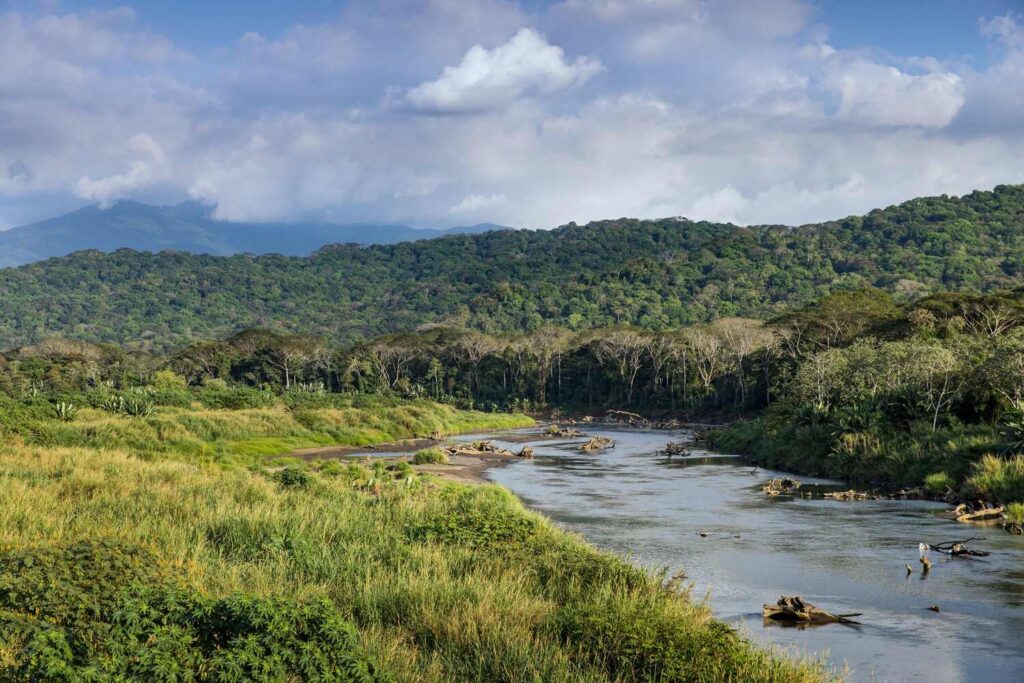
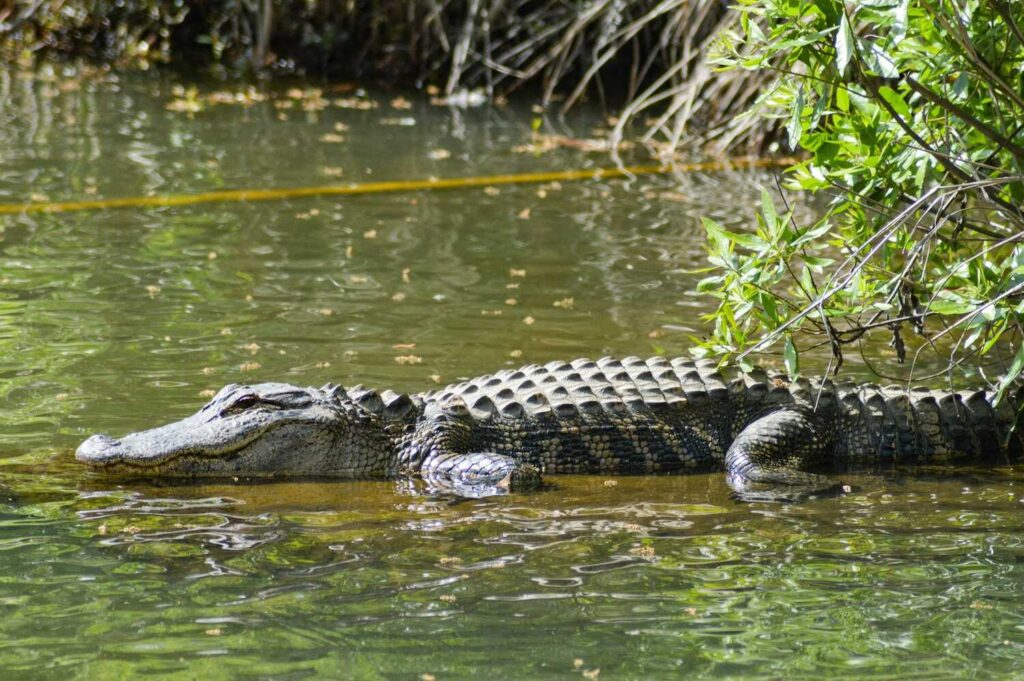
The Tárcoles River, not far from Jaco, is known for one thing: massive crocodiles. Boat tours cost about $30–35 per person for two hours, and you’ll definitely see crocs sunbathing along the banks.
Some guides toss chicken to get them moving (controversial, we know, but it happens). The boats are flat-bottomed and slow, so it’s easy to take photos. Beyond crocs, you’ll spot herons, scarlet macaws, and iguanas.
If you don’t have time for a full tour, you can actually see dozens of crocs for free from the bridge on Route 34. It’s a popular (and slightly nerve-wracking) roadside stop. Just keep an eye on your pockets and phones when leaning over.
End the Day with a Sunset Catamaran Cruise on the Pacific
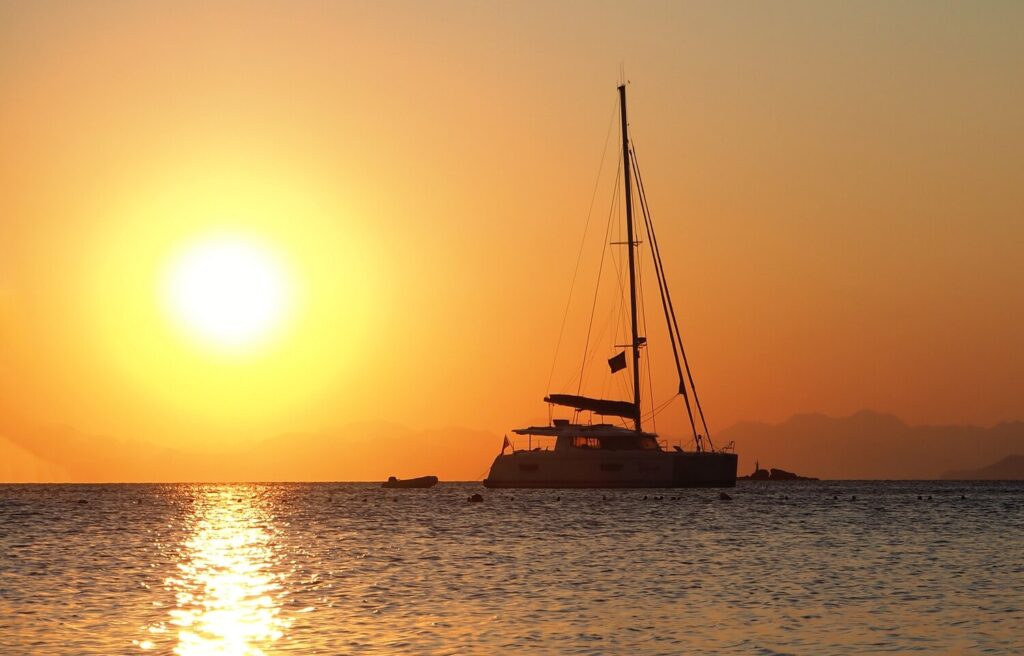
A sunset catamaran cruise is touristy, sure, but sometimes touristy is fun. These trips run out of places like Tamarindo, Playas del Coco, and Manuel Antonio. Prices are $75–85 per person for a half-day that includes open bar, snacks, and usually a stop for snorkeling.
Boats head out mid-afternoon and return just after sunset, so you get that golden glow over the ocean. Some trips even spot dolphins or sea turtles along the way.
Bring a light jacket because the breeze gets cool once the sun drops. Most operators throw in unlimited rum punch, so expect a festive vibe on board.
If you’re more into chill than party, check reviews before booking. Watching the sun sink while you’re out at sea is a pretty unbeatable way to wrap up a day.
FAQ About Costa Rica
If you’re planning a trip to Costa Rica, chances are a bunch of questions are already running through your head. Is it expensive? Do you need a car? How many days to stay?
This FAQ isn’t about fancy details, just the straightforward answers that actually help when you’re trying to plan.
Is Costa Rica Expensive to Visit?
Costa Rica isn’t cheap compared to its neighbors. You’ll pay $15–20 for a basic meal in tourist towns, and hotels often start at $80–100 a night for mid-range.
Entrance fees add up too. National parks are usually $12–18 per person. That said, you can cut costs by eating at sodas (local diners) and using buses instead of private shuttles.
Do I Need a Car in Costa Rica?
Honestly, it depends. If you’re sticking to San José, Manuel Antonio, or La Fortuna, buses and shuttles will get you around fine. But if you want hidden beaches on the Nicoya Peninsula or early-morning birdwatching in San Gerardo, you’ll want a car (preferably 4×4).
Rentals run about $60–70 a day with insurance, and the roads can be rough. We’ve been on stretches where “paved” just meant gravel with potholes. Doable without a car? Sure. More freedom with one? Definitely.

How Many Days Do I Need in Costa Rica?
You could spend a month and not run out of things to do, but most people go for 7 days or 10 days in Costa Rica. With a week, you can split time between the volcano side (La Fortuna or Monteverde) and the beach (Tamarindo, Manuel Antonio, etc.).
Two weeks in Costa Rica gives you more breathing room and lets you add a wilder spot like Corcovado or Tortuguero.
What to Pack for Costa Rica?
Think light and practical. Quick-dry clothes, rain jacket, sturdy shoes, bug spray, and sunscreen. If you’re heading to the cloud forest, bring a sweater because it gets chilly up there.
Cash in small bills helps too, since not every soda takes cards. Don’t overpack; laundry’s cheap in most towns.
A reusable water bottle’s handy because tap water’s drinkable in most areas. And honestly, leave fancy outfits at home; nobody’s dressing up here.
Conclusion
Costa Rica keeps surprising you, even when you’ve read up beforehand. Prices can swing, roads can be rough, and the weather changes fast. But that’s part of the fun. If you plan the basics (like how long you’ll stay, whether you’ll rent a car, and what to pack), the rest usually works itself out.
Don’t stress about getting it perfect. Go with a rough plan, stay flexible, and you’ll end up with the kind of stories you can’t really plan for anyway.