

20 Best Things to Do in Nosara, Costa Rica
Nosara is a surf town on the Nicoya Peninsula where the days run on tides and sunsets. Most of the coast is a protected wildlife refuge, so there are no high-rises or beach bars on the sand. The jungle comes right down to the beach.
Most of the best things to do here are outdoors and fairly cheap: surfing, yoga, river trips and turtle nights at Ostional. Here are the 20 best things to do in Nosara, with real prices, times and a few tips for each.

Share this article
In Short
- Playa Guiones has rideable waves more than 330 days a year, and boards rent for about $25 a day.
- Group surf lessons cost $55 to $90 and last about 90 minutes.
- The arribada at Ostional peaks September to November, and a local guide is required.
- River tours on the Rio Nosara cost about $90 by kayak or paddleboard.
- The beaches and sunsets are free, since most of the coast is a protected wildlife refuge.
Join Our Facebook Community
Still have questions or want local tips straight from our team? Join our Facebook community. That’s where we share updates, answer questions, and help you plan your Costa Rica trip the smart way.
How Much Do Things to Do in Nosara Cost?
Nosara isn’t a cheap town, but plenty of the best stuff here is free. The beaches, the sunsets and the howler monkeys cost nothing, and most paid tours stay under $100.
Here’s a quick look at the main ones:
| Activity | Price | Time Needed |
|---|---|---|
| Surfboard rental | About $25 | A full day |
| Group surf lesson | $55 to $90 | 90 minutes |
| Rio Nosara kayak tour | About $90 | 3 to 4 hours |
| Nosara Biological Reserve | About $10 | 1 to 2 hours |
| Arribada at Ostional | Local guide required, price varies | About 1 hour |
| Yoga drop-in class | About $15 to $25 | One class |
| Wildlife walk | $40 | 2 hours |
| Zipline | About $75 | 90 minutes |
| Horseback riding | $80 to $120 | 2 to 3 hours |
| ATV rental | About $60 to $80 | A full day |
Kids pay less on many tours, and some prices add 13% tax on top. Carry colones in small bills for tuk-tuks and sodas, the small local restaurants.
1. Surf at Playa Guiones
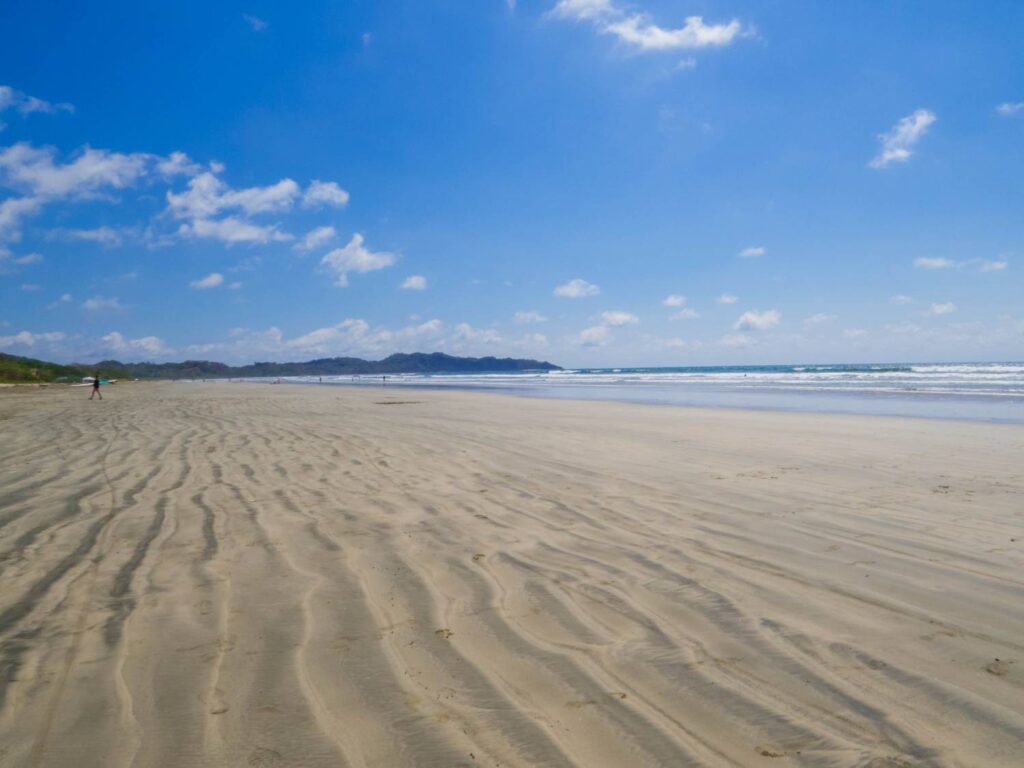
Playa Guiones is the heart of Nosara, and the reason most people come. It’s a long, open beach with rideable waves more than 330 days a year, so there’s almost always something to surf.
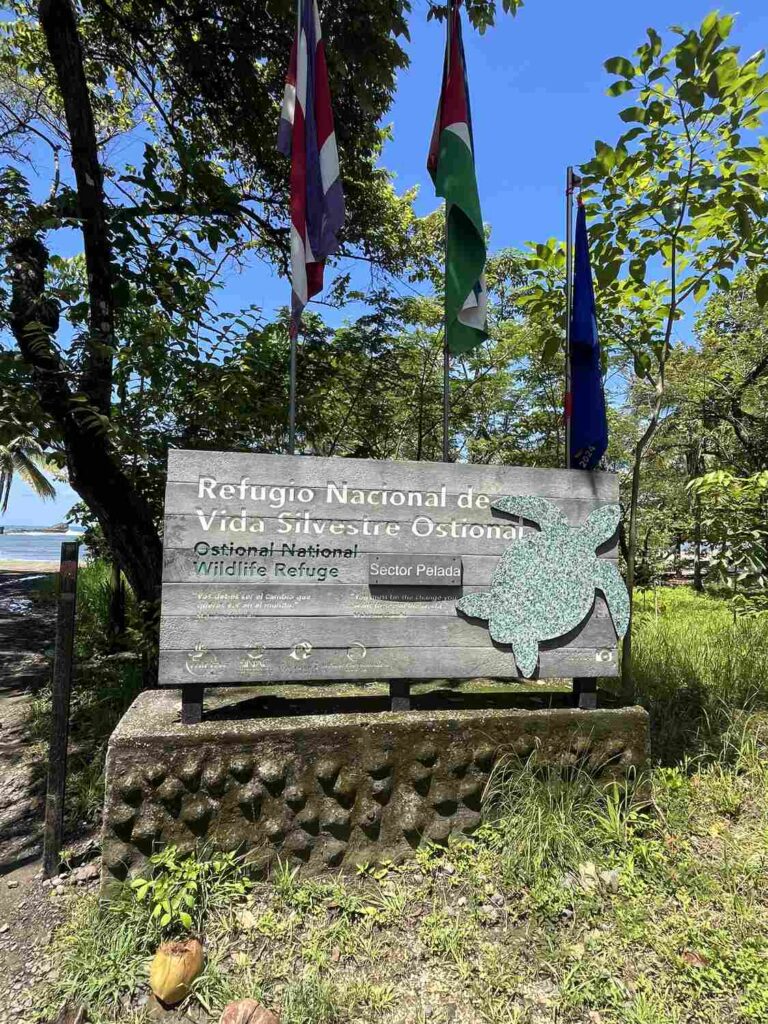
There are no hotels or bars on the sand, because the beach is part of the Ostional National Wildlife Refuge. Sandy paths lead down from the dirt roads behind it, and the trees run right to the edge.
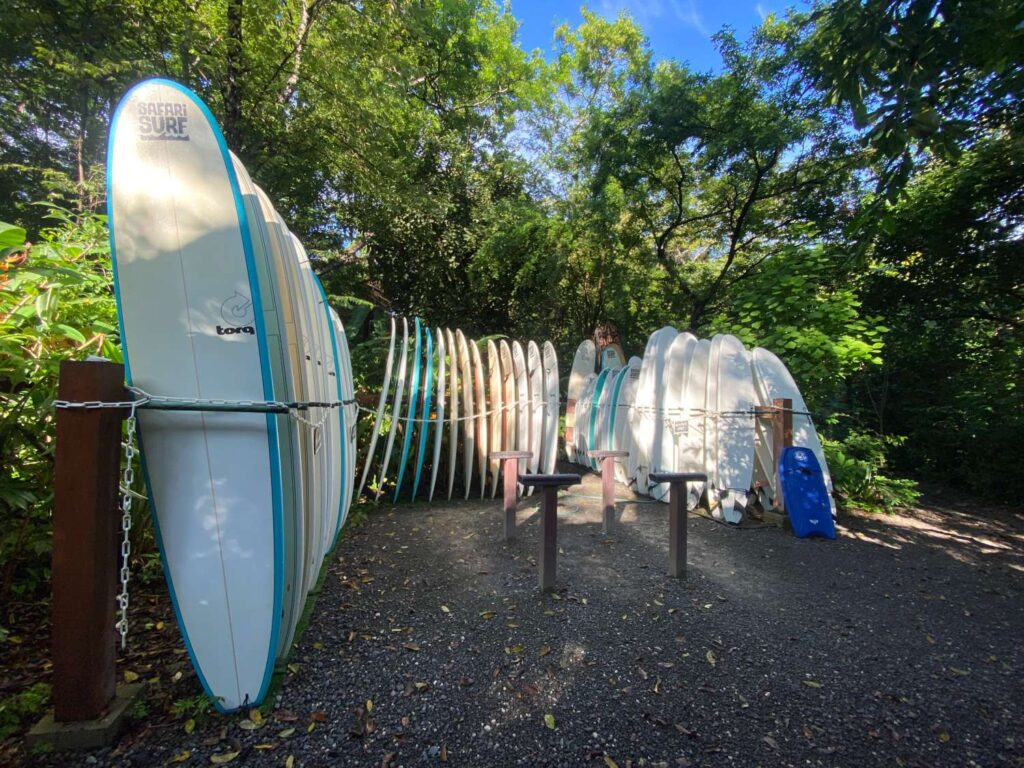
Board rentals are easy to find on the roads near the beach. Coconut Harry’s charges $25 a day for a surfboard and $15 for a boogie board.
Go early, when the sun is softer and the lineup is quieter. Midday heat on this beach is no joke.

2. Take a Surf Lesson in Nosara
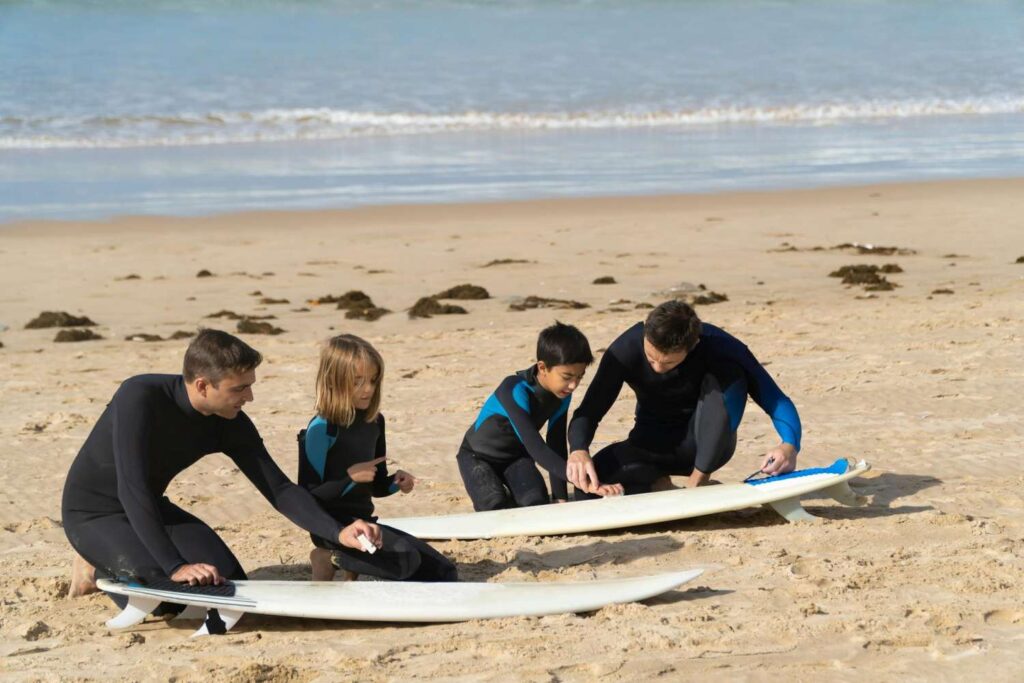
Guiones is a great place to learn, since the waves are steady and there’s room for everyone. Surf schools line the roads to the beach, and most lessons last 90 minutes.
At Coconut Harry’s, an adult group lesson starts at $55, with up to four students per instructor. Semi-private lessons start at $65 and private ones at $75.
Lessons booked through travel agencies cost about $80 to $90 plus tax, with the board and rash guard included. Start times follow the tide, so the school confirms yours ahead of time.
Staying a week? Five group lessons at Coconut Harry’s cost $250, which is a good way to go from wobbly to actually surfing.


3. Spend an Afternoon at Playa Pelada
Playa Pelada is just north of Guiones, and it feels like a different town. It’s a small, rocky cove where locals fish, kids splash in tide pools and nobody’s in a rush.
At low tide, the rocks form shallow pools full of crabs and small fish. There’s also a blowhole that sprays when the waves hit. Wear water shoes, since the rocks are sharp.
Stay for sunset at La Luna or Olga’s Bar, both right by the sand. Our guide to Playa Pelada covers swimming, parking and where to eat.


4. Walk the Length of Playa Nosara
Playa Nosara is the quiet one. It starts north of Pelada, past the mouth of the Nosara River, and runs for miles with barely a building on it.
It’s a beach for long walks, not for swimming. Currents are strong around the river mouth, and crocodiles live in the river itself, so stay out of the estuary.
There’s nothing for sale here, so bring water, sunscreen and a snack. The paddleboard tour on the river ends with a short trail out to this beach, which is a fun way to arrive.


5. Paddle the Rio Nosara Mangroves
Nosara’s rivers are a nice break from the waves. The Rio Nosara and the Rio Montaña meet just inland from the beach, then wind through mangrove tunnels to the river mouth.
Nosara Family Surf runs a 3 to 4 hour kayak tour on this stretch for $90. Hotel pickup, water and fresh fruit are included.
Birds are the main event. Great blue herons, anhingas and roseate spoonbills are all common, and you might spot a crocodile resting on the bank.
Book a morning trip when you can. It’s cooler, and the wildlife is busier before the heat builds.

6. Hike the Nosara Biological Reserve
The Nosara Biological Reserve is a 90-acre private reserve next to Lagarta Lodge, on a bluff above the river mouth. Its trails drop through dry forest and mangroves to the Rio Nosara and the Rio Montaña.
Entry costs about $10 per person. Mornings are best for howler monkeys, coatis, iguanas and birds, and the lookouts give you a wide view over Playa Nosara.
The trails get muddy and hard to follow after rain, so wear proper shoes and bring bug spray. It’s a short walk, but a good one.


7. Watch the Turtle Arribada at Ostional
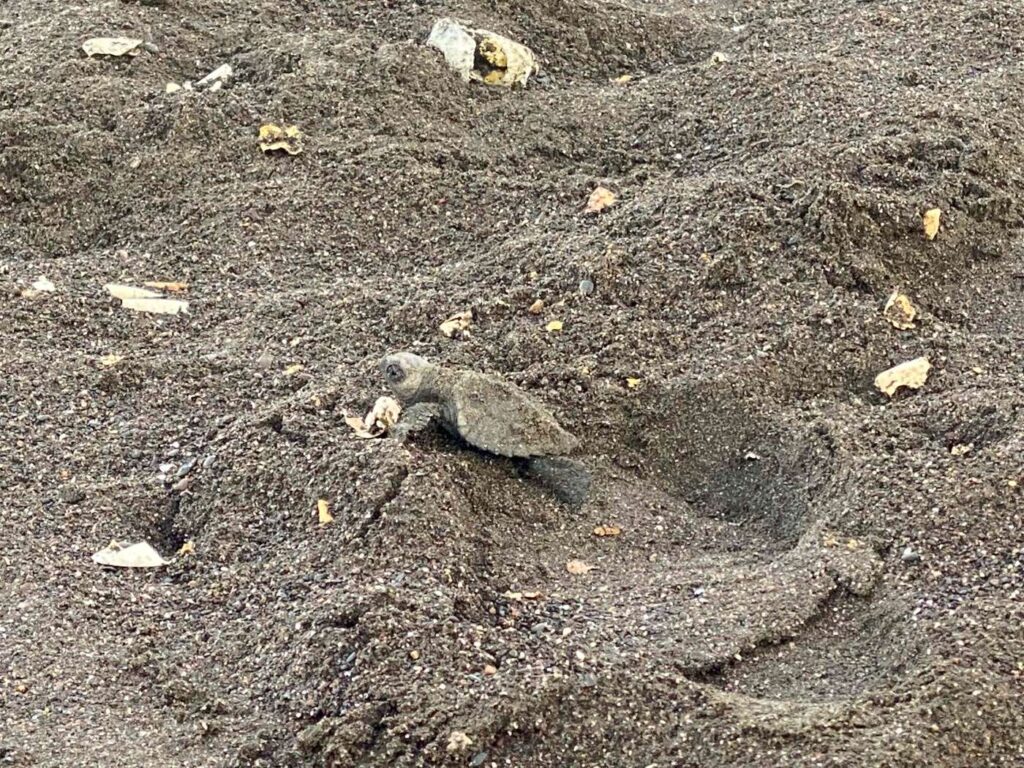
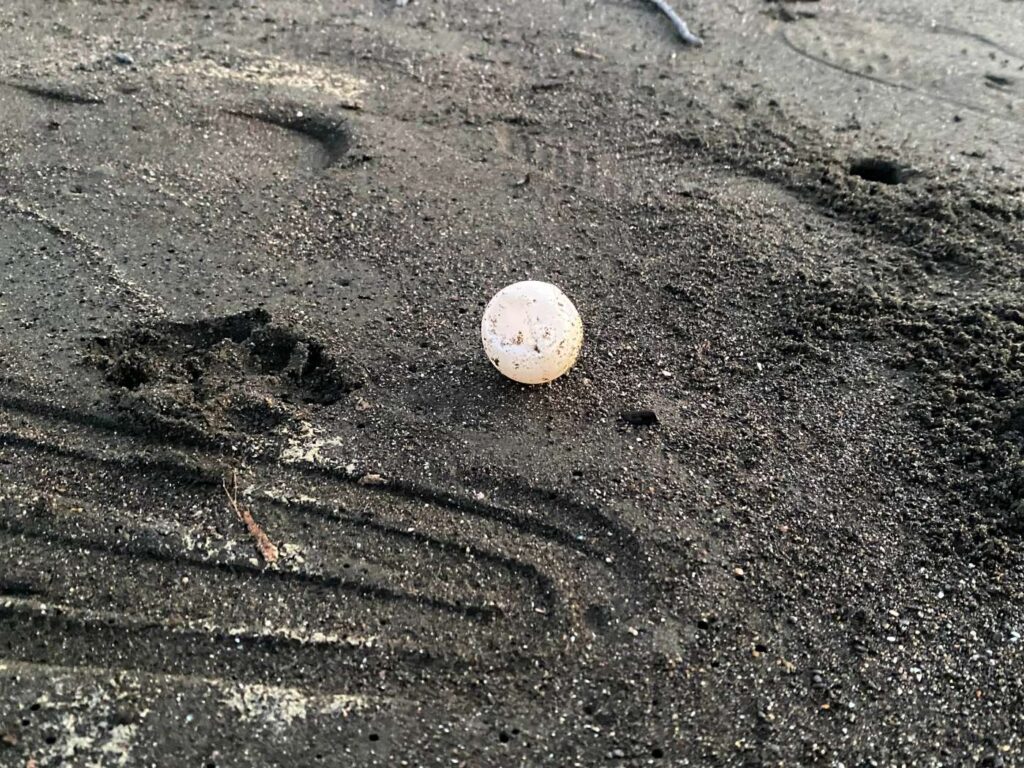
This is the one people plan whole trips around. An arribada is a mass nesting, when thousands of olive ridley turtles come ashore together. It happens at Ostional, about 30 minutes north of Nosara.
Arribadas happen about once a month. The biggest ones land in September, October and November, when a single night can bring more than 100,000 turtles.
During an arribada, you need a certified local guide, and each guide takes up to nine people. Guides set their own prices, and they’re often paid in cash. Ask your hotel for the current rate. The walk lasts about an hour.
No flash and no white flashlights, since light can make a turtle give up on her nest. Wear dark clothes, and ask your hotel when the next arribada is due.

8. Take a Yoga Class in Nosara
Nosara is Costa Rica’s best-known yoga town, and dropping in is easy. Most classes happen in open-air shalas in the jungle behind Playa Guiones.
A drop-in class costs about $15 to $25. Bodhi Tree Yoga Resort has six shalas and classes all day. The Harmony Hotel runs drop-ins close to the beach. The Nosara Yoga Institute is best known for teacher training.
Early morning and late afternoon classes are the coolest. Bring water and a small towel, since the humidity turns even a slow flow into a sweaty one.
Comparing yoga towns? Our guide to yoga in Santa Teresa covers the other big one on the peninsula.

9. Rent an ATV in Nosara
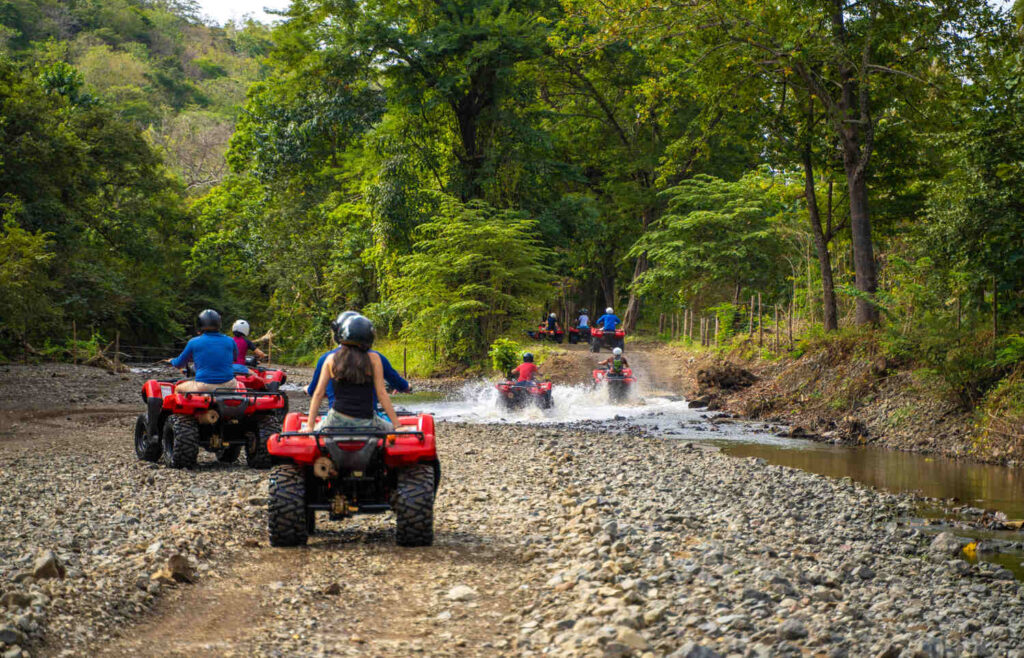
ATVs are everywhere in Nosara, and there’s a good reason. The roads between Guiones, Pelada and the village are dirt, and a quad handles the potholes better than most cars.
Rentals cost about $60 to $80 a day, or around $490 for a week, and you’ll need a valid driver’s license. A golf cart costs about the same and is quieter for short hops.
Expect dust in the dry season and mud in the wet one. Sunglasses and a bandana over your face make the dry months a lot nicer.
10. Hike to Mala Noche Waterfall
Mala Noche is a 20-meter waterfall in the hills inland from Nosara, on a creek that feeds the Rio Nosara. It’s a good change after a few days of sand and salt.
The trail starts about 6 km from Nosara village, at the Malanoche parking area, and it’s hard to find on your own. Most people go with an ATV tour, and some companies run 3-hour rappelling trips down the falls.
Go in the rainy season, when the falls are at their fullest. The path gets slippery, so wear shoes with good grip.

Planning Your Stay in Nosara?
Pick a base in Playa Guiones, Playa Pelada or up in the hills. Our hotel guide covers surf hostels to boutique hotels.
Prefer a quiet beach? Read our Playa Pelada guide.
11. Go Horseback Riding in Nosara
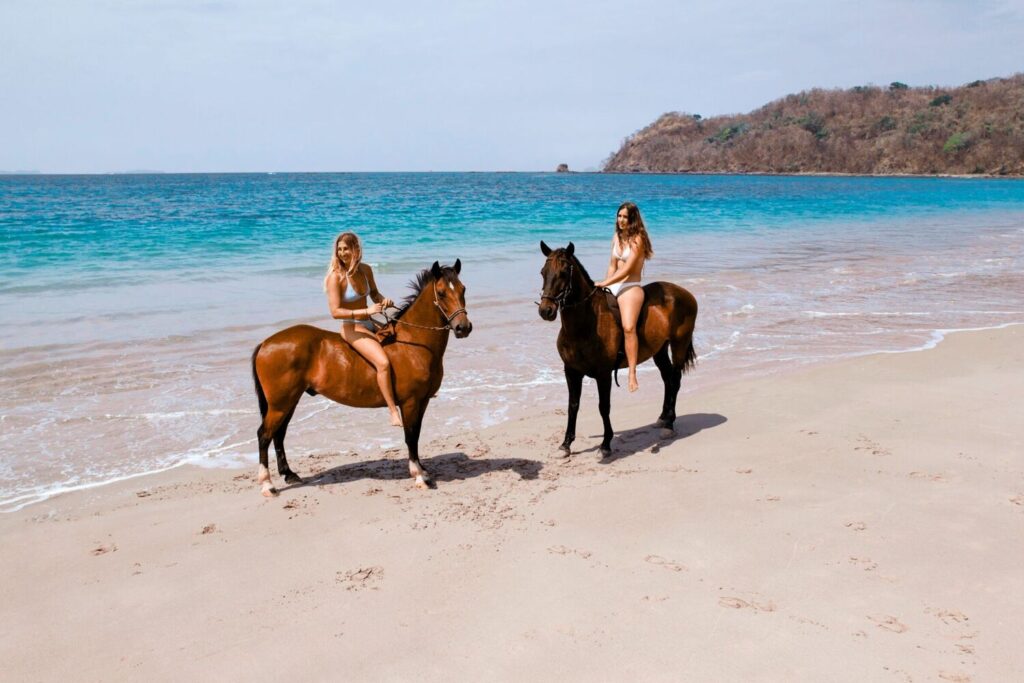
A horseback ride is a slow, easy way to see the jungle and the coast in one go. Most rides head out late in the afternoon and finish with the sunset.
Pura Vida Traveling runs a 2 to 3 hour sunset ride. Groups of three or more pay $80 per person, two riders pay $90 each, and one rider pays $120. It follows jungle paths and country trails, and rides on the beach when the tide allows.
Wear long pants and closed shoes. Your legs will thank you the next morning.
12. Go Ziplining in Nosara
Nosara isn’t a big zipline town, but one course gets you up into the treetops. Costa Rica Descents runs a 90-minute canopy tour for about $75 per adult, taxes included.
Kids from age 7 can join, and the price covers all the gear and parking. Hotel pickup isn’t included, so plan a tuk-tuk or a ride there.
Wear closed shoes and bring water. It’s a fun morning, though Monteverde and La Fortuna have longer courses if ziplining is your thing.
13. Try Stand-up Paddleboarding on the River
Stand-up paddleboarding is the calm way onto the water here. The river is the best place to try it, since there are no waves to knock you off.
Coconut Harry’s rents paddleboards for $45 a day. Nosara Family Surf runs a 2.5 to 3 hour guided mangrove tour for $90 per person. It follows the Rio Montaña and the Rio Nosara. Then a short trail leads out to Playa Nosara.
Start times follow the tide, and the company emails yours that morning. Small kids under 50 pounds can ride on the front of a parent’s board for free, with a life jacket.

14. Spot Wildlife Around Nosara
You don’t have to go far for wildlife in Nosara. Howler monkeys call before sunrise, iguanas bask on the roofs, and coatis cross the dirt roads like they own them.
To see more than the lucky few, the Wildlife Conservation Association runs a 2-hour Wildlife and Nature Tour for $40 per person. It starts at the north entrance of Playa Pelada, with binoculars and species guides included.
The group is a nonprofit that protects sea turtles and checks the local water quality, so your money stays on this coast. Go in the morning, when most animals are active.


15. Eat a Casado at Rosi’s Soda Tica
A soda is a small, family-run Costa Rican restaurant, and Rosi’s Soda Tica is the classic one in Guiones. It’s on the road in front of the Banco Popular, a short walk from the beach.
Order a casado: rice, black beans, salad, plantains and your pick of meat or fish. Breakfast is good too, with huevos rancheros and banana pancakes on the menu.
It’s well priced for Guiones, where a smoothie bowl can cost more than a full lunch. Come hungry after a morning surf.

16. Have Dinner at La Luna on Playa Pelada
La Luna is Nosara’s best-known restaurant, mostly because of where it is. The tables are right by the sand at Playa Pelada, facing west for the sunset.
The menu is Mediterranean, with kebabs, falafel, pizzas and bread from the wood-fired oven. It’s open daily from 7:30 AM until 10 PM, or 9 PM on Sundays.
Book ahead for a sunset table in high season, December to March. Bring bug spray too, since the flies come out after dark.


17. Work a Day at Outpost Nosara
Plenty of people come to Nosara for a month and keep working, and Outpost is where lots of them end up. It’s a coworking space with a café, about 250 meters from the main surf break in Guiones.
Day passes cost about $25 to $35, and the space is open weekdays, 7 AM to 6 PM.
Not working? The café is still worth a stop for coffee or a poke bowl on a rainy afternoon. That’s when the whole town seems to be hiding indoors.


18. Ride a Tuk-tuk Around Nosara
Nosara’s little red tuk-tuks work as taxis, and riding one is half the fun. Each one fits up to three people in the back.
A ride costs about ₡3,000 to ₡4,000 each way, roughly $7 to $9. You can flag one down in Guiones, or ask a restaurant or hotel to call one for you.
They’re handy at night, when the dirt roads are dark and walking isn’t much fun. Big bags don’t fit, so book a van for airport runs.


19. Take a Day Trip to Sámara
Sámara is Nosara’s neighbor to the south, about 45 minutes away by car. It’s a calmer, more town-like beach, and the bay is much easier to swim in.
Samara Explorers runs a 3-hour kayak and snorkel trip to Isla Chora, a small island just offshore, for about $59 with taxes. A paddleboard trip to the same island costs about $75.
There’s no direct bus between the two towns, so drive or book a taxi. Private vans start around $75 for up to six people.
20. Watch the Sunset at Playa Guiones
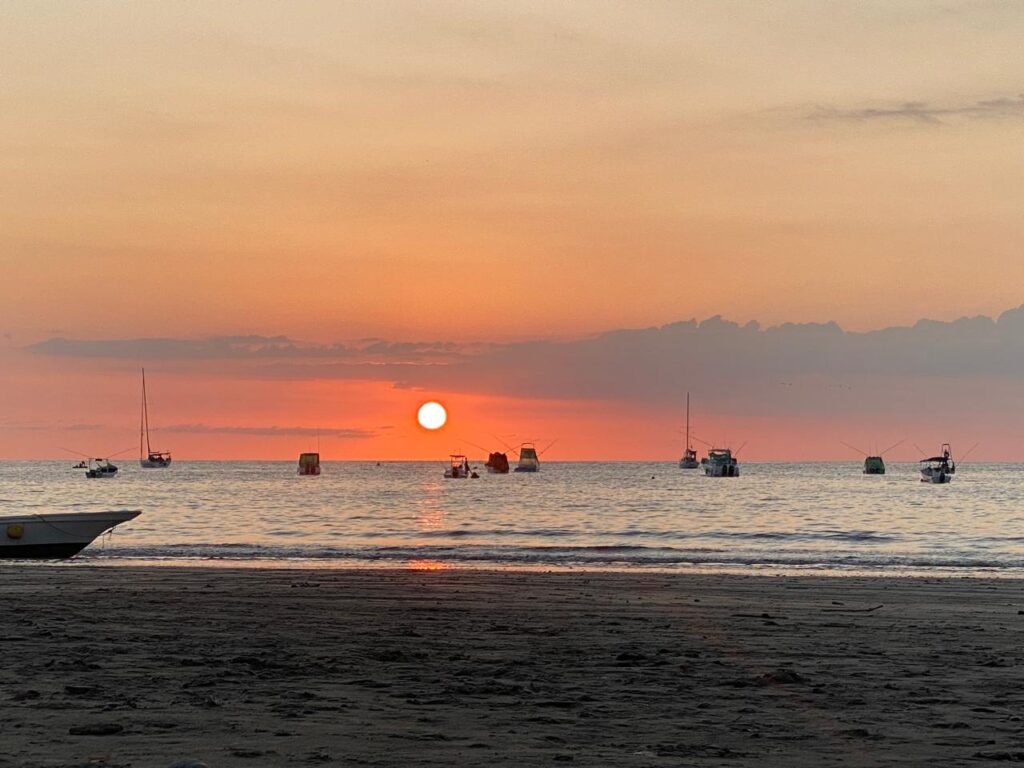
Every evening, half of Nosara walks down to Playa Guiones for the sunset. Surfers catch the last waves, dogs chase balls and families spread out on the sand.
Sunset is about 5:15 to 6 PM, depending on the month, so head down by 5. It’s free, and since there’s no beach bar, bring your own water.
Take your trash home with you. This beach is a protected refuge, and it’s a big part of why it still looks this good.

Getting to and Around Nosara
Nosara takes a little effort to reach, which is part of why it still feels laid-back. It’s about 250 km from San José and 130 km from Liberia airport, the closest international airport.
Flights from San José or Liberia take 30 to 45 minutes and cost about $90 to $180. A shared shuttle from Liberia costs about $50. The TIG bus from San José costs about $11 for a 6 to 7 hour ride.
Once you’re here, Guiones is easy on foot, but Pelada and the village are a ride away on dirt roads. Our guide on how to get to Nosara covers every route and price.

Where to Stay in Nosara
Most people stay in Playa Guiones, where the surf schools, cafés and yoga studios are all close. Playa Pelada is quieter, with the tide pools and La Luna on your doorstep.
For a splurge, Bodhi Tree Yoga Resort has six yoga shalas, and guests get one free class a day. Some of its pools, spa and restaurants close between late August and early November, so check before you book.
For mid-range, Green Sanctuary Hotel is on a hill about a 13-minute walk from Guiones. Rooms start at about $129 a night, with a pool, a yoga deck and breakfast included.
Our guide to the best hotels in Nosara has more options for every budget.
Best Time to Visit Nosara
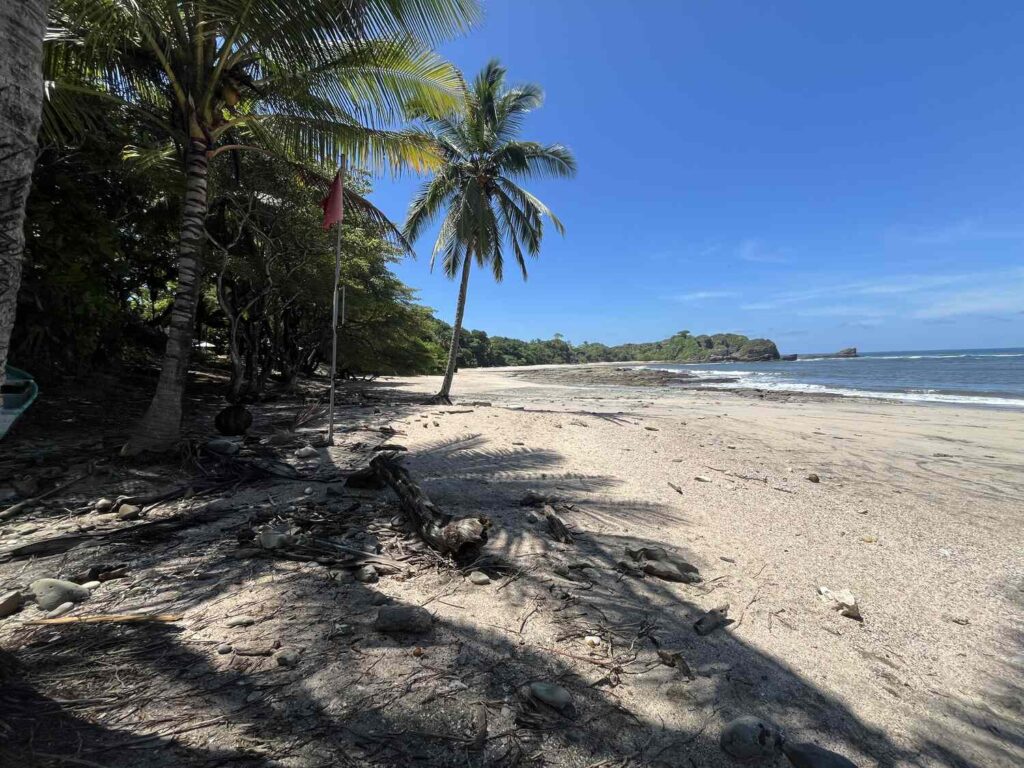
The dry season, December to April, brings sunny days, dusty roads and the biggest crowds. It’s the easy time for beach days and long sunsets.
May to November is the green season, with afternoon rain and muddy roads. September and October are the wettest months, and some hotels and restaurants close for a few weeks.
There’s a good reason to go then anyway. The biggest arribadas at Ostional land in September, October and November, and the surf at Guiones works all year.

Which Things to Do in Nosara Should You Pick?
With one day, surf or take a lesson at Guiones in the morning. Spend the afternoon in the tide pools at Playa Pelada. Then walk back to Guiones for the sunset.
With three or four days, add a river tour by kayak or paddleboard, a yoga class and the Nosara Biological Reserve. Time your trip for September to November, and an arribada at Ostional tops the lot.
On a budget, the beaches, the sunsets and a casado at Rosi’s cost next to nothing. The reserve and an Ostional guide are the only real costs.
Nosara FAQ
What Is Nosara Known For?
Nosara is known for surfing, yoga and a coastline with no big hotels on the sand. Playa Guiones has rideable waves more than 330 days a year. Studios like Bodhi Tree also make Nosara Costa Rica’s best-known yoga town.
The coast is part of the Ostional National Wildlife Refuge, which protects nesting sea turtles. That’s why the beaches stay wild, and why the arribada at Ostional, about 30 minutes north, draws such a crowd.
How Many Days Do You Need in Nosara?
Three or four days in Nosara covers the highlights at an easy pace. That’s enough for a surf lesson, Playa Pelada, a river tour, a yoga class and a couple of sunsets at Guiones.
With a week, add Mala Noche Waterfall, a day trip to Sámara and an arribada at Ostional when the timing works. Plenty of people stay a month, working from Outpost between surf sessions.
Is Nosara Good for Beginner Surfers?
Yes, Nosara is a great place to learn to surf. Playa Guiones has steady waves and plenty of room, and surf schools line the roads to the beach.
A 90-minute group lesson starts at $55 at Coconut Harry’s, with up to four students per instructor. Agency-booked lessons cost about $80 to $90 plus tax. Board rentals cost about $25 a day. Skip Playa Pelada for learning, since it’s rocky.
When Can You See Turtles at Ostional?
You can see turtles at Ostional all year, but the biggest arribadas come in September, October and November. A single night can then bring more than 100,000 olive ridley turtles.
Arribadas happen about once a month and last several days. A certified local guide is required, and each guide takes up to nine people. Prices vary by guide and are often paid in cash. Ask your hotel when the next one is due.
Do You Need a Car in Nosara?
You don’t need a car in Nosara, but you’ll want some wheels. Guiones is easy on foot, while Playa Pelada, the village and Ostional are a ride away on dirt roads.
Tuk-tuks cost about ₡3,000 to ₡4,000, roughly $7 to $9 a ride. ATVs or golf carts rent for about $60 to $80 a day. A car makes the most sense for day trips to Sámara or Mala Noche.
How Do You Get to Nosara?
The fastest way to get to Nosara is a 30 to 45 minute flight from San José or Liberia. Fares run about $90 to $180. By road, it’s about 130 km from Liberia airport, or 2.5 to 3 hours, and a shared shuttle costs about $50.
From San José, it’s about 250 km and 5 to 6 hours by road. The TIG bus costs about $11 and leaves at 5:30 AM and 3 PM.
Ready to Plan Your Nosara Trip?
Start with the route. Our guide covers flights, shuttles, the bus and driving to Nosara.
Flying into San Jose? Read our San Jose airport to Nosara guide.