

7 Best Places to See Sloths in Costa Rica
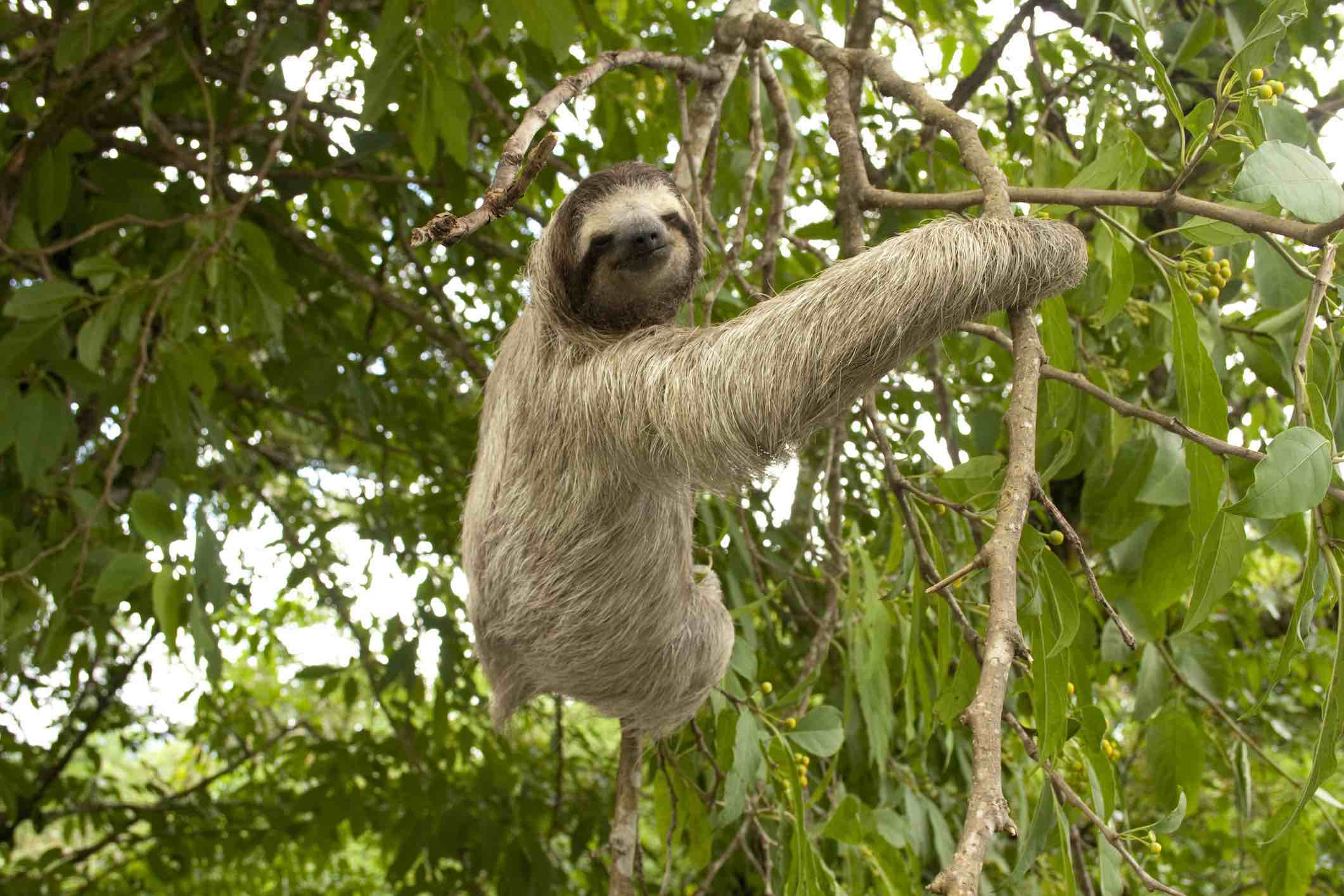
Sloths are the animal everyone hopes to see in Costa Rica, and they’re easier to find than you might fear. The catch is that they barely move, and from the ground most of them look like a clump of dead leaves.
Manuel Antonio National Park is the best bet for a wild sloth. Rescue centers all but guarantee a sighting for about $25 to $150. Here are the 7 best places to see sloths in Costa Rica, with prices, times and tips for spotting one yourself.
Share this article
In Short
- Manuel Antonio is the best spot for wild sloths, with tickets at $18.08 and guides for $25 to $40.
- Cahuita National Park is the cheapest, by donation at the Kelly Creek gate.
- Rescue centers nearly always deliver, for $25 to $150 per adult.
- Go early in the morning, when sloths are more likely to move.
- Never touch, hold or feed a sloth, and skip any tour that offers selfies.
Join Our Facebook Community
Still have questions or want local tips straight from our team? Join our Facebook community. That’s where we share updates, answer questions, and help you plan your Costa Rica trip the smart way.
How Much Does It Cost to See Sloths in Costa Rica?
Seeing a sloth can cost almost nothing or a fair chunk of your budget. Wild spots in national parks are the cheapest, while rescue centers charge more but nearly always deliver.
Here’s how the seven compare per adult:
| Place | Type | Adult Price | Time |
|---|---|---|---|
| Manuel Antonio National Park | Wild | $18.08, plus $25 to $40 for a guide | About 2 hours |
| Cahuita National Park | Wild | Donation or $5.65 | 2 to 3 hours |
| La Fortuna sloth tours | Wild | $35 to $90 | 1.5 to 3 hours |
| Sloth Sanctuary of Costa Rica | Rescue and care center | $30 to $150 | 1 to 2 hours |
| Jaguar Rescue Center | Rescue center | $29 | 90 minutes |
| Toucan Rescue Ranch | Rescue center | $37 | 2 hours |
| Selvatura Sloth Habitat | Care center | $40 plus tax | 30 to 40 minutes |
Kids pay less almost everywhere, and the youngest often go free. Book rescue center tours ahead in the dry season, December to April.
7 Best Places to See Sloths in Costa Rica
Here’s a complete list of the best places to see sloths in Costa Rica. They’re all spread out around the country, so it doesn’t matter your itinerary, you’ll be able to spot them.
1. Manuel Antonio National Park
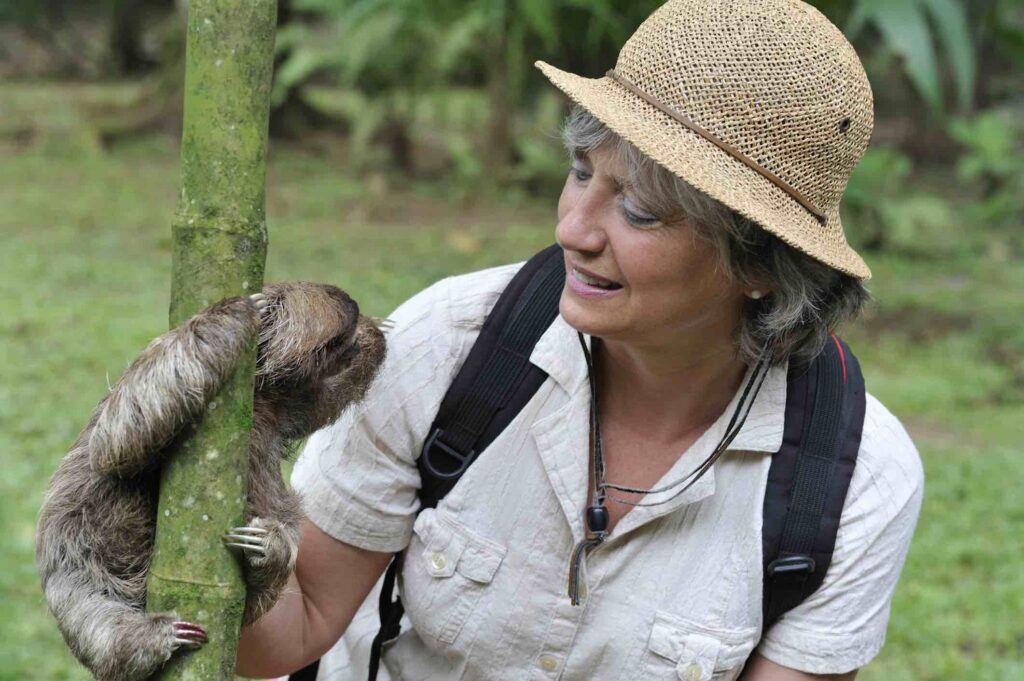
Manuel Antonio is the best place in Costa Rica to see a wild sloth in daylight. Three-toed sloths hang in the cecropia trees along Sendero Perezoso, the Sloth Trail, a flat path near the entrance.
Tickets cost $18.08 for foreign adults and $5.65 for kids 2 to 12, sold online only through SINAC. The park opens at 7 AM and closes every Tuesday.
Hire a licensed guide near the entrance for about $25 to $40 per person. Their spotting scopes find sloths you’d walk right under, and most guides will snap a photo through the scope for you.
Missed them? The KSTR rescue center nearby has 1.5-hour guided visits for $60. Our guide to tours in Manuel Antonio lists every guided option.
2. Cahuita National Park
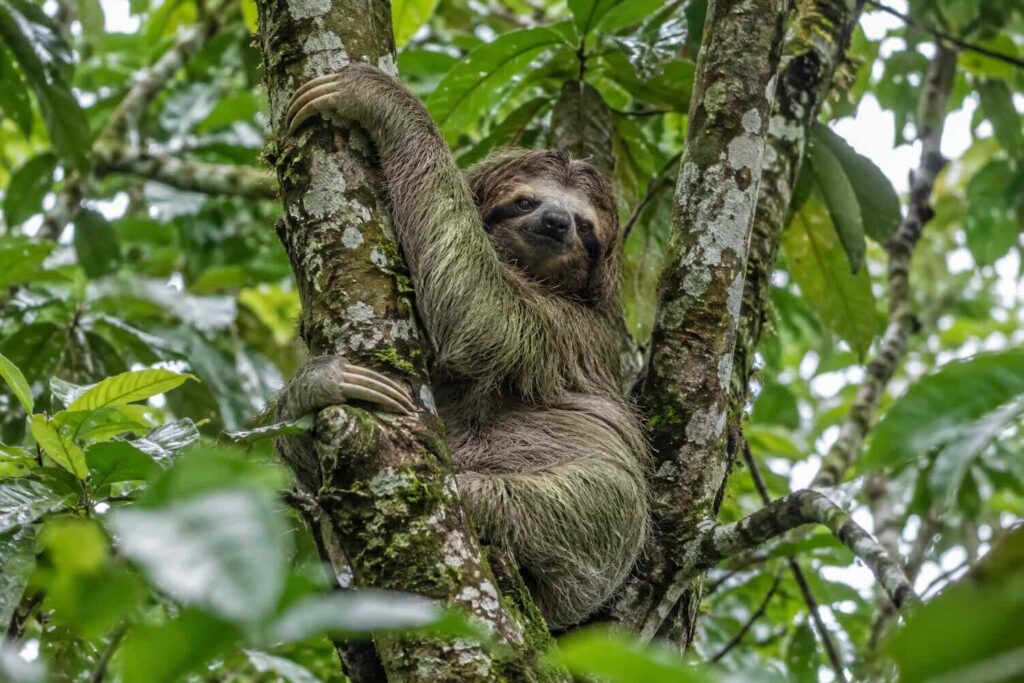
Cahuita National Park, on the Caribbean coast, is the cheapest good place to see wild sloths. The trail runs through rainforest right behind the beach, and three-toed sloths are common in the cecropia trees.
Entry at Kelly Creek, in Cahuita town, is by donation, with $5 suggested. The Puerto Vargas gate charges $5.65, and the park opens 8 AM to 4 PM.
You can walk it alone, but local guides at Kelly Creek charge about $20 to $30 per person and spot far more. Sloths often turn up 30 to 60 minutes into the trail.
Watch for caimans at the river mouths, and skip swimming there. Wear shoes with grip, since the trail turns muddy after rain.
3. La Fortuna and Arenal
La Fortuna is great sloth country, and guided tours make it easy. Most run on private reserves close to town, with spotting scopes and naturalist guides.
Tours cost about $35 to $90. Proyecto Asis is the cheapest at $35, and the Bogarín Trail charges $45 for a guided walk. Sloth Tour La Fortuna costs $55, and the 3-hour Arenal Sloth Tour costs $90 with hotel pickup.
Proyecto Asis is 35 to 45 minutes away near La Tigra, with no pickup. The Bogarín Trail is under 1 km from the central park.
Take a morning slot when you can, before the afternoon rain. Our guide to sloth tours in La Fortuna compares them all.
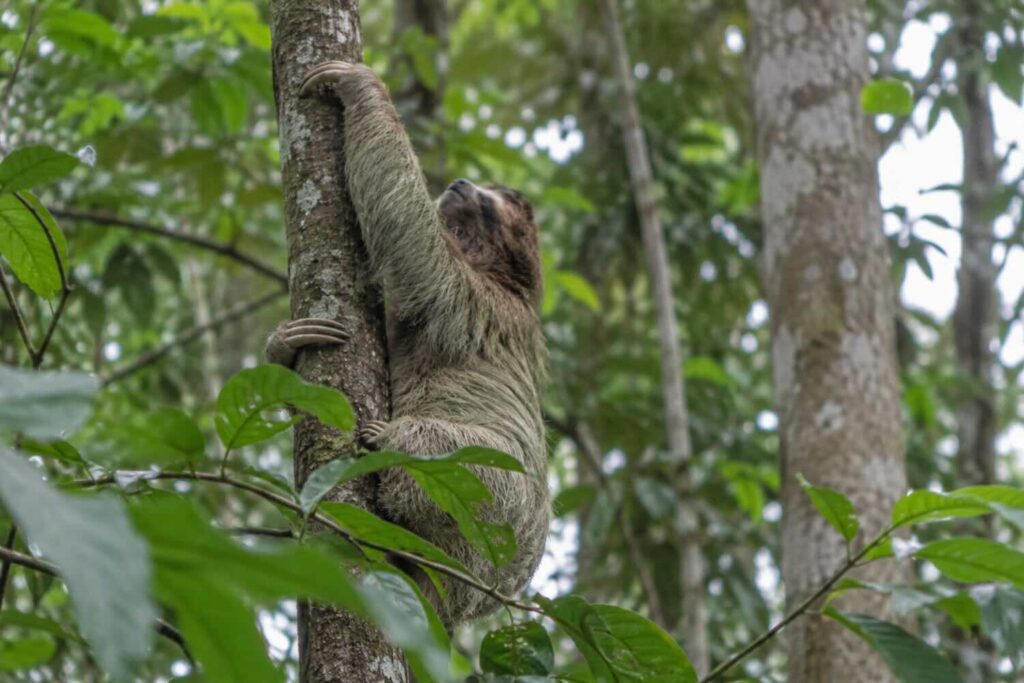
4. Sloth Sanctuary of Costa Rica Near Cahuita
The Sloth Sanctuary of Costa Rica, near Cahuita in Limón province, is the best-known place to see sloths up close. The sloths here are rescued, and some can’t go back to the wild because of their injuries.
The 1-hour Buttercup Tour costs $30 for adults and teens 13 and up. Kids 5 to 12 pay $15, and kids under 5 go free. Tours leave hourly 8 AM to 3 PM (2 PM on Sundays), with a $5 canoe add-on.
The 2-hour Insider’s Tour adds the nursery and the baby sloth intensive care unit for $150 per adult. It runs at 9 AM and 1 PM, Tuesday to Sunday, and needs booking ahead.
It feels more like a polished attraction than a wildlife walk. For a guaranteed close look, though, it’s hard to beat.
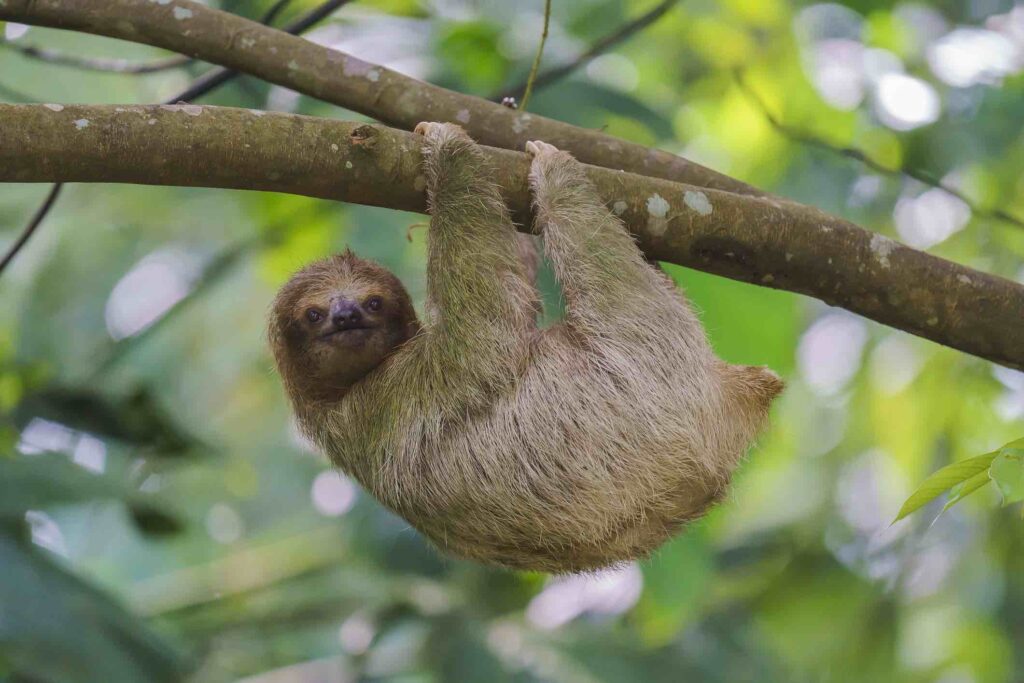
5. Jaguar Rescue Center in Puerto Viejo
The Jaguar Rescue Center, at Playa Chiquita south of Puerto Viejo, cares for injured and orphaned animals. You’ll see two-toed sloths at different ages.
The 90-minute public tour costs $29 per adult, and kids under 10 go free. Tours run daily at 9:30 AM and 11:30 AM. A private tour at 2 PM costs $80 per person, with a minimum of 2.
It’s about 3 miles (5 km) from Puerto Viejo, so you can bike there in 15 to 20 minutes. Arrive 15 to 20 minutes early, since tours leave on time. Besides the sloths, you might meet baby howler monkeys, margays and toucans. The center gets no government funding, so your ticket goes straight to the animals.
Visiting La Fortuna?
Our sloth tour guide compares the main tours near Arenal, from $35 for 1.5 hours to $90 for 3 hours.
Staying near the park? See our guide to tours in Manuel Antonio.
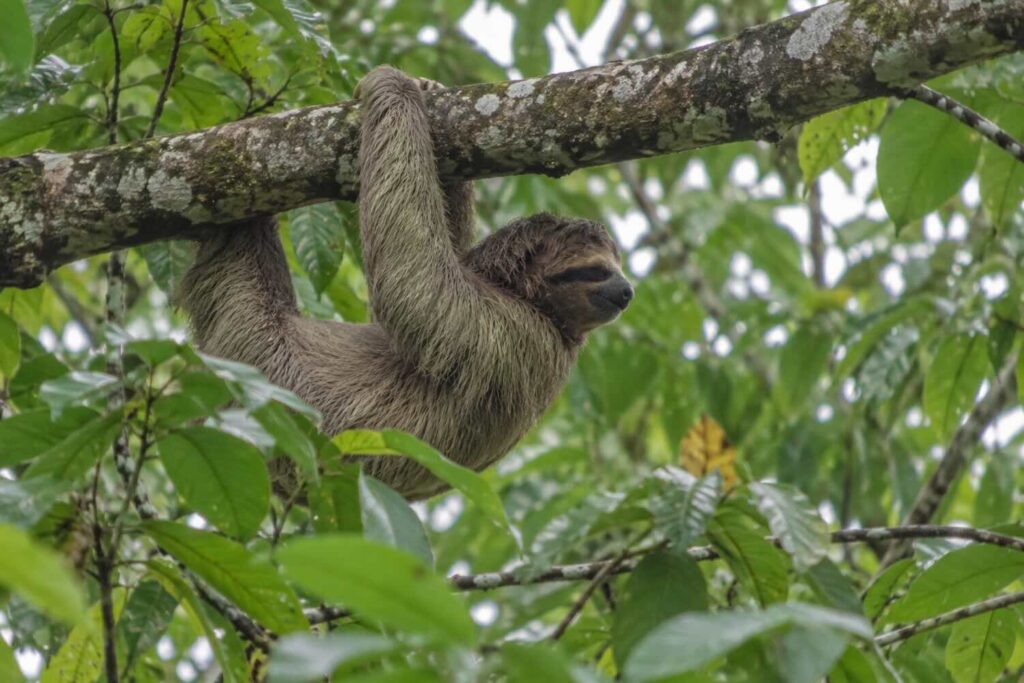
6. Toucan Rescue Ranch Near San José
Toucan Rescue Ranch, in San Isidro de Heredia, is the easiest sloth stop near San José, about 30 minutes from downtown. Despite the name, sloths are a big part of the tours here.
The 2-hour classic tour costs $37 per adult and $19 for seniors and kids 6 to 10. It’s open Tuesday to Sunday, and you need a reservation.
The 2.5-hour Slothies and Coffees walk costs $62, and a 1.5-hour nocturnal tour costs $25, with sloths, kinkajous and wildcats.
The rules are strict: no touching, no flash and no selfies. It works well on a first or last day in San José. Our list of day trips from San José has more ideas.
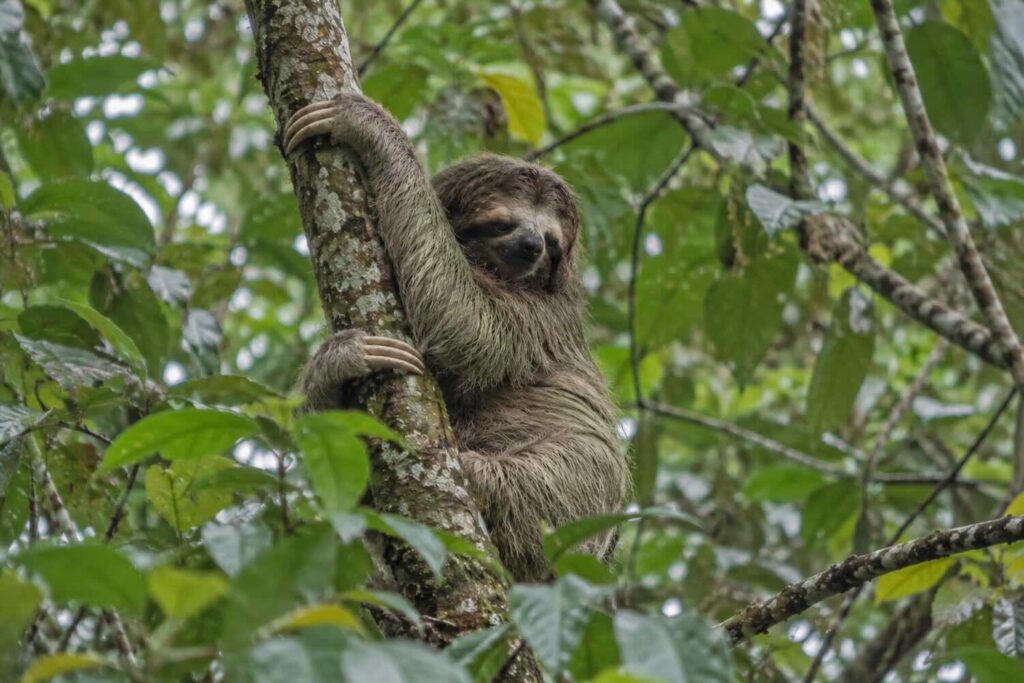
7. Selvatura Sloth Habitat in Monteverde
Selvatura Park in Monteverde has a sloth habitat with about a dozen rescued two-toed sloths in a large, planted enclosure. It’s the easiest way to see a two-toed sloth in daylight.
The guided visit takes 30 to 40 minutes and costs $40 plus 13% tax per adult. Students 12 to 18 pay $36, and kids 4 to 11 pay $28. Tours run 8:15 AM to 3:15 PM.
It’s a captive setting, not a wild sighting, but it pairs well with Selvatura’s hanging bridges, at $49 plus tax.
For wild sloths here, take a night walk. The Children’s Eternal Rainforest runs guided ones for $30 plus tax, and two-toed sloths are far more active after dark.
Where Do Sloths Live in Costa Rica?
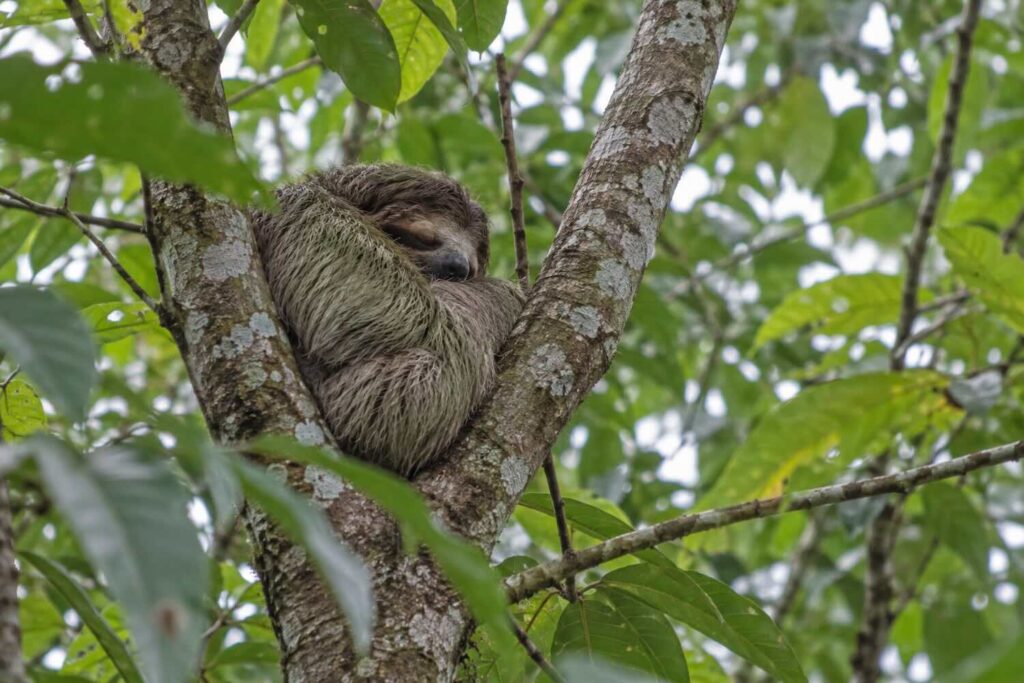
Sloths need trees that stay in leaf all year, so they live in the wetter parts of the country. That’s why they’re rare in Guanacaste’s dry forest, around Tamarindo and the Papagayo beaches.
Head for the Central and South Pacific, including Manuel Antonio, Uvita and the Osa Peninsula. The northern lowlands around La Fortuna and the Caribbean coast at Cahuita, Puerto Viejo and Tortuguero are good bets too.
On the Caribbean side, you’ll often see sloths around Puerto Viejo and along the road to Punta Uva without paying a thing.
Tortuguero and the Osa Peninsula have plenty of sloths, but they take a long trip to reach. Go for the wildlife in general, not just the sloths.
Two-Toed vs Three-Toed Sloths in Costa Rica
Costa Rica has two sloth species, and you’re far more likely to see one than the other. The brown-throated three-toed sloth eats only leaves and moves in short bursts during the day.
Hoffmann’s two-toed sloth is bigger, with a longer snout, and eats fruit as well as leaves. It’s mostly active at night, so it’s much harder to find on your own.
Count the claws on the front limbs to tell them apart: three or two. For a three-toed sloth, go to Manuel Antonio or Cahuita in the morning. For a two-toed one, book a night walk in Monteverde or La Fortuna.
How to Spot a Sloth in the Wild in Costa Rica
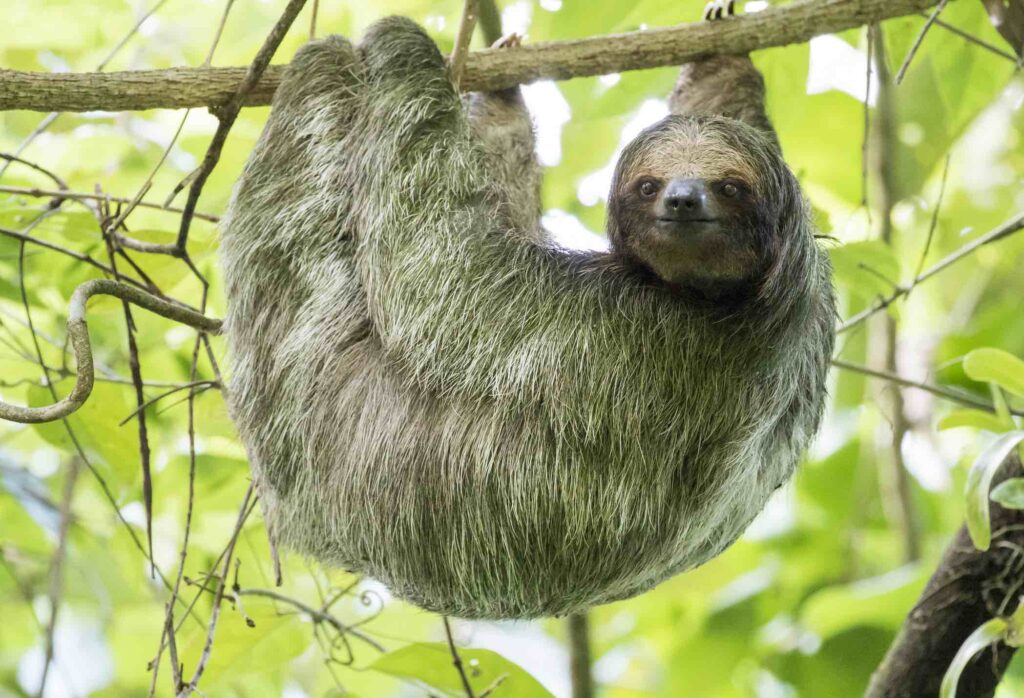
Spotting a sloth is harder than it sounds, because they barely move. Their metabolism runs at about 40% to 45% of what you’d expect for an animal their size. They climb down only about once a week.
Look for a dark, round clump in the treetops that doesn’t quite look like leaves. Check cecropia trees first, with their pale, umbrella-shaped leaves, since three-toed sloths love them.
Go early in the morning or late in the afternoon, stay quiet and bring binoculars. Midday is the hardest time, when most sloths curl up and sleep.
Still no luck? Hire a guide with a scope, or visit a rescue center the next day for a sure thing.
Never Touch, Hold or Feed a Sloth in Costa Rica
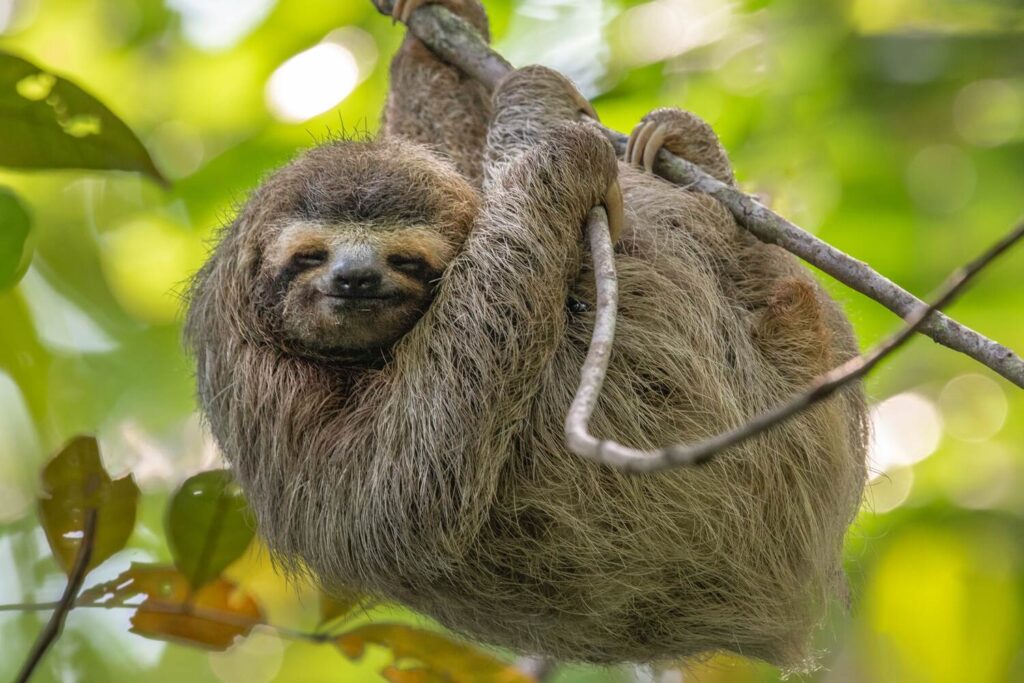
No legitimate rescue center or tour lets you touch, hold or feed a sloth. Handling stresses the animal, and human food makes sloths sick.
The Sloth Sanctuary limits handling to its trained staff. The Jaguar Rescue Center bans touching, since rehab needs as little human contact as possible.
Good guides point, explain and stay back, and that’s the standard to look for. Walk away from any place that offers a selfie with a sloth, and report it to MINAE, the environment ministry.
Use your zoom instead. You’ll get a better photo anyway.
Which Sloth Spot in Costa Rica Should You Pick?
For a wild sloth, pick Manuel Antonio with a guide on the Pacific side. On the Caribbean side, try Cahuita for next to nothing. Around La Fortuna, a guided tour at $35 to $90 does the job.
For a sure thing, try the Sloth Sanctuary’s Buttercup Tour at $30 or the Jaguar Rescue Center at $29. Near San José, Toucan Rescue Ranch at $37 also delivers.
With kids, the Buttercup Tour is short and costs $15 for ages 5 to 12. Skip Tamarindo and the Guanacaste beaches for sloths altogether. To pick your month, see our guide to the best time to travel to Costa Rica.
Where to See Sloths in Costa Rica FAQ
What Is the Best Place to See Sloths in Costa Rica?
The best place to see sloths in Costa Rica is Manuel Antonio National Park for wild sloths. For a guaranteed sighting, head to the Sloth Sanctuary near Cahuita. Manuel Antonio costs $18.08, and a guide adds about $25 to $40.
The Buttercup Tour at the Sloth Sanctuary costs $30 for adults. Cahuita National Park is the cheapest wild option, by donation at Kelly Creek.
What Time of Day Is Best to See Sloths?
The best time of day to see sloths is early morning or late afternoon. It’s cooler then, and they’re more likely to move or feed. Midday is the hardest time, since most sloths curl up and look like a clump of leaves.
At Manuel Antonio, be at the gate when it opens at 7 AM. Two-toed sloths are mostly active at night, so a night walk is your best shot at one.
Can You See Sloths in Tamarindo or Guanacaste?
You’ll rarely see sloths in Tamarindo or the other Guanacaste beach towns. The dry forest there loses its leaves for part of the year, and sloths need trees that stay green.
Plan a separate stop instead. Manuel Antonio, La Fortuna and the Caribbean coast around Cahuita and Puerto Viejo are all far better bets. La Fortuna tours start at $35.
Do You Need a Guide to See Sloths in Manuel Antonio?
You don’t need a guide to see sloths in Manuel Antonio National Park, but a guide raises your odds a lot. A naturalist with a spotting scope finds sloths in the canopy that you’d walk straight past.
Group walks cost about $25 to $40 per person near the entrance, on top of the $18.08 ticket. On your own, try Sendero Perezoso, the Sloth Trail, near the entrance.
Can You Hold a Sloth in Costa Rica?
You can’t hold a sloth on any legitimate tour in Costa Rica. The Sloth Sanctuary limits handling to trained staff, and the Jaguar Rescue Center and Toucan Rescue Ranch both ban touching.
Any place that offers sloth selfies is one to avoid, and you can report it to MINAE, the environment ministry. A guide with a spotting scope gets you a far better look anyway.
How Much Does It Cost to See Sloths in Costa Rica?
Seeing sloths in Costa Rica costs anything up to about $150 per adult. Cahuita National Park works by donation at Kelly Creek, Manuel Antonio costs $18.08, and La Fortuna tours run $35 to $90.
Rescue centers cost $29 at the Jaguar Rescue Center, $30 for the Sloth Sanctuary’s Buttercup Tour and $37 at Toucan Rescue Ranch. The Sloth Sanctuary’s Insider’s Tour costs $150.
Looking for More Wildlife Tours?
Our tours guide covers the best day trips in Costa Rica, from Corcovado to Tortuguero.
Planning more stops? See our 1-week Costa Rica itinerary.