

Best Time to Travel to Costa Rica: Month-by-Month Guide
Costa Rica has two seasons, and both have their fans. Between late December and April, the Pacific coast gets sunshine almost every day. The rest of the year, afternoon rain brings everything back to life, and the whole country turns a deep, glowing green.
So when should you go? That comes down to what you want most: sunny beaches, lower prices, whales or turtles. Here’s what each month is really like, plus our pick for every kind of trip.
Share this article
In Short
- Dry season runs December to April, and March is the driest month on the Pacific coast.
- Green season runs May to November, with sunny mornings and afternoon rain.
- September is the cheapest month, and a great time for the Caribbean coast.
- Humpback whales visit twice a year, December to March and mid-July to November.
- Book 3 to 6 months ahead for Christmas, New Year and Easter week.
Join Our Facebook Community
Still have questions or want local tips straight from our team? Join our Facebook community. That’s where we share updates, answer questions, and help you plan your Costa Rica trip the smart way.
Costa Rica Weather by Month at a Glance
Costa Rica doesn’t really do summer and winter. Instead, you get a dry season and a green season, which is the friendly name for the rainy one.
The Pacific coast and the Central Valley share one pattern. The Caribbean coast follows almost the opposite one, which surprises a lot of people. Here’s the whole year side by side:
| Month | Pacific and Central Valley | Caribbean Coast | Crowds and Prices | Good For |
|---|---|---|---|---|
| January | Dry and sunny | Rainy | High | Beaches, northern whales |
| February | Dry and sunny | Less rain | High | Beaches on both coasts |
| March | Driest month, hot | Less rain | High, Easter some years | Sun, leatherback turtles |
| April | Dry and hottest | Showers | High until Easter | Quieter beaches after Easter |
| May | Afternoon rain returns | Showers | Low | Value, green hills |
| June | Afternoon rain, a few sunny days | Showers | Low | Value, surf |
| July | Afternoon rain, some dry days | Rainy | Busy in school holidays | Green turtles, southern whales |
| August | Afternoon rain | Showers | Medium | Whales near Uvita, turtles |
| September | Very wet | Less rain | Lowest | Caribbean beaches, low prices |
| October | Very wet | Less rain | Lowest | Caribbean beaches, Ostional turtles |
| November | Rain easing | Rain returns | Low | Value, green hills |
| December | Dry from mid-month | Rainy | Low early, peak at Christmas | Christmas, northern whales |
The rain sounds worse than it is. On most green season days, your mornings are clear and the showers come after lunch, so you just plan around them.
Dry Season in Costa Rica (December to April)
Dry season is the classic time to go, and it’s easy to see why. You get sunny days on the Pacific coast, firm dirt roads and clear views of the volcanoes far more often.
You pay for all that sunshine, though. A rental sedan with basic insurance runs about $400 to $650 a week in high season. In low season, it’s $200 to $450, and hotels follow the same pattern.
In Manuel Antonio, for example, a room at Tulemar costs about $380 a night in low season. In high season, it’s $495 to $510. For the popular beach towns, you’ll want to book 3 to 6 months ahead.
Costa Rica in December
December is really two months in one, and which half you pick makes a big difference. The first two weeks are quiet and lovely, with the last showers clearing off the Pacific coast.
Then Christmas arrives. The last two weeks are the busiest and priciest of the whole year. Beach towns book up fast, and Costa Rican families head to the coast too.
The holidays bring some great local parties, though. On the second Saturday of December, San José’s Festival de la Luz fills the city with lit-up floats and fireworks.
On December 26, the Tope Nacional horse parade rolls through the capital. The Zapote fair runs until New Year’s Eve, with rides, food stands and bull riding.
It’s also when northern humpback whales start showing up off the Pacific coast. Around Christmas, the strong Papagayo winds start blowing in Guanacaste, so boat trips there can get choppy.
Our tip: aim for the first half of the month. You’ll get almost the same weather for a lot less.

Costa Rica in January
January is Costa Rica at its sunniest. The skies over the Pacific coast stay clear day after day, and you’ll see the volcanoes more often than not.
Beach towns in Guanacaste reach about 92°F (33°C) in the afternoon. San José is much cooler, at around 73°F (23°C). It gets windy too, mostly in Guanacaste and the Central Valley.
The first week still belongs to the holiday rush, and prices stay high all month. Over on the Caribbean side, you can expect regular rain.
January is also fiesta time in the countryside. The Palmares fiestas run for about two weeks, with a big horse parade, concerts and bull riding. Santa Cruz in Guanacaste throws its own party in mid-January, with marimba music and folk dancing.
Northern humpbacks are around Uvita and Manuel Antonio, so a whale tour is a great addition to your trip. In Uvita, tours cost about $95 for adults and last 2.5 to 3 hours.
For a beach trip with almost no rain, January is hard to beat.

Costa Rica in February
February is the month that suits almost everyone. The Pacific stays dry and hot, and the Caribbean coast often gets a few weeks with less rain too. That means you can enjoy both coasts on one trip.
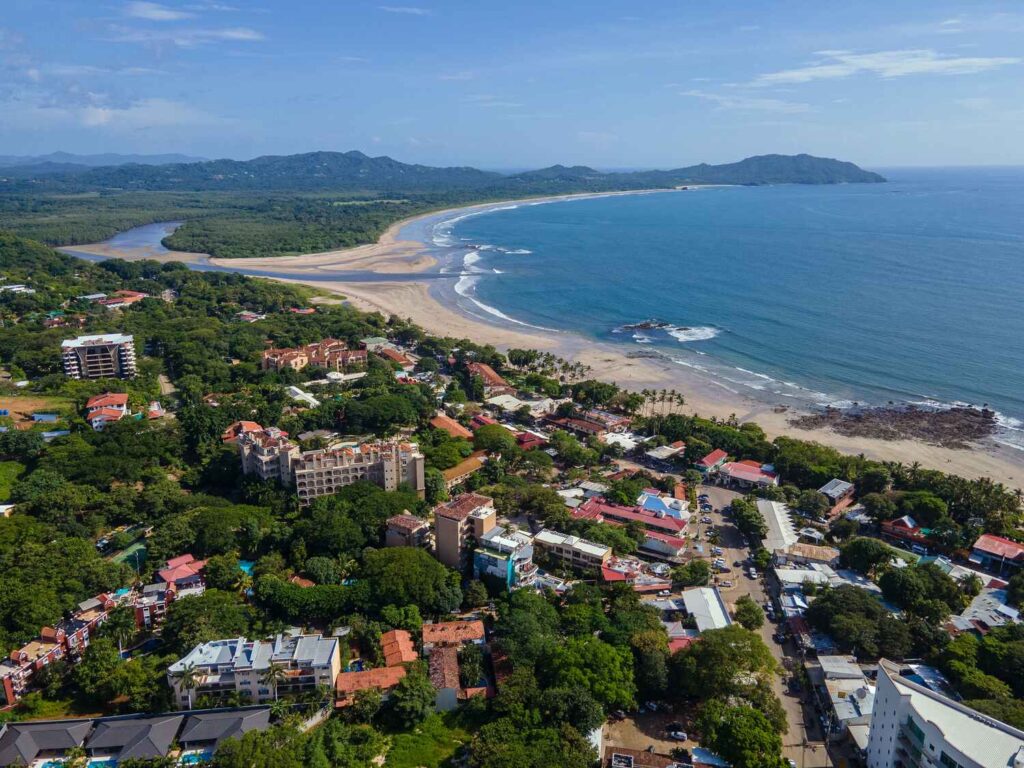
It’s still peak season, though. Hotels in Manuel Antonio and Tamarindo charge their top rates, and popular tours fill up days ahead. Costa Rican kids go back to school this month, so beaches get a little quieter on weekdays.
Manuel Antonio National Park tickets cost $18.08, are sold online only and sell out in busy weeks. Buy yours a few days early, and remember the park is closed on Tuesdays.
Bird lovers should head up to the cloud forest. The quetzal, a bright green bird with long tail feathers, starts nesting around mid-February. Monteverde and San Gerardo de Dota are the best places to spot one.
Down in Uvita, February is close to perfect, with dry days and calm seas.
Costa Rica in March
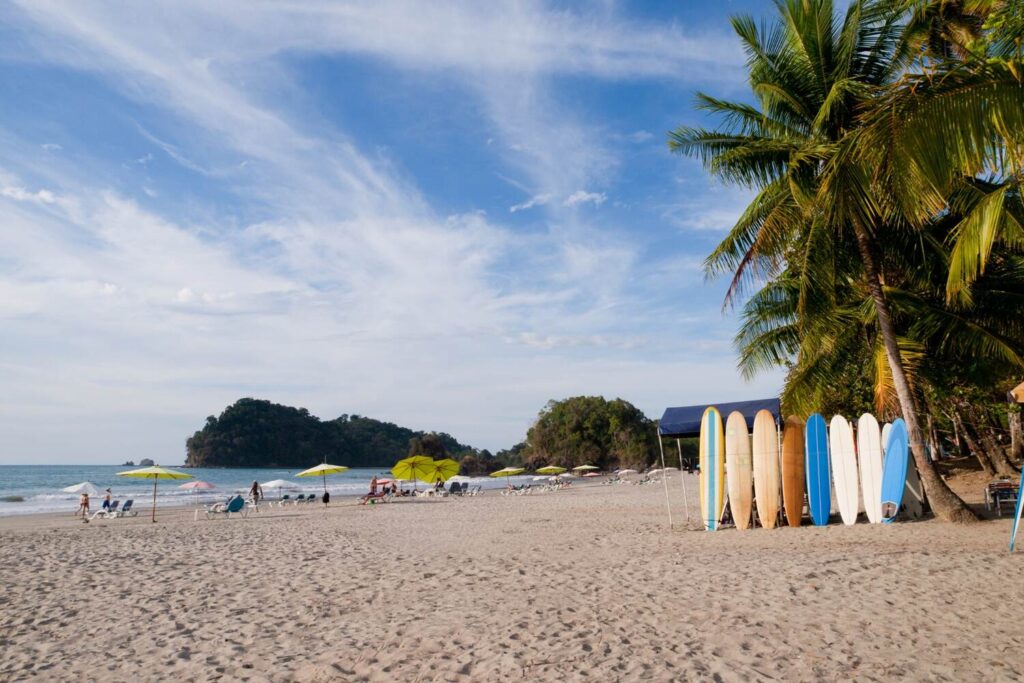
March is the driest month on the Pacific side, and the hottest weeks of the year start now. Guanacaste turns golden and dusty, and the waves get small and friendly for beginner surfers.
In Liberia, afternoons reach about 96°F (35°C), so save your beach time for the morning or late afternoon. Up in San José, it’s a much nicer 76°F (25°C).
Easter week, called Semana Santa, falls in March or April depending on the year. That week, beaches fill with Costa Rican families, so book well ahead or pick other dates.
Over on the Caribbean coast, leatherback turtles start nesting at Tortuguero, and their season runs March to May. Northern whales are still around early in the month too.
On the second Sunday of March, Escazú holds Día del Boyero, the oxcart drivers’ day. Farmers parade their brightly painted oxcarts through town, and a priest blesses the oxen. It’s a short drive from San José and a fun look at local life.
For pure sunshine, March is the safest bet of the year.
Costa Rica in April
April is the last dry month and often the hottest. Guanacaste is at its driest, rivers run low, and some waterfalls look a little thin.
Afternoons in Liberia average about 97°F (36°C), and the back roads get dusty. For a cooler break, head up to Monteverde or the hills around San José. It’s mango season too, so roadside fruit stands are piled high with them.
Once Easter is over, the crowds thin out and prices start to slide, which makes late April a smart pick. The first showers can show up toward the end of the month, especially in the south.
April 11 is Juan Santamaría Day, a national holiday for a young drummer boy who became a war hero. Alajuela, his hometown near the main airport, celebrates with parades and school bands.
Leatherbacks are still nesting at Tortuguero. Pack a hat and plenty of water, since the midday heat on the coast is no joke.
Late April gives you dry season weather with fewer people around. That’s a great combo.

Planning Your Route?
Our 1-week itinerary covers La Fortuna, Monteverde and Manuel Antonio, with drive times between each stop.
Got more time? See our 2-week Costa Rica itinerary.
Green Season in Costa Rica (May to August)
The green season gets a bad name it doesn’t deserve. Most days start sunny, and the rain shows up in the afternoon for an hour or three. Meanwhile, the whole country turns bright green.
Prices drop, trails go quiet, and you can often book tours a day or two ahead. The trick is to do your tours in the morning. Then save the pool, a café or a hot spring for the afternoon.
Pack a light rain jacket and quick-dry clothes, and leave the umbrella at home. It’s too hot for one, and a jacket keeps your hands free.
Costa Rica in May
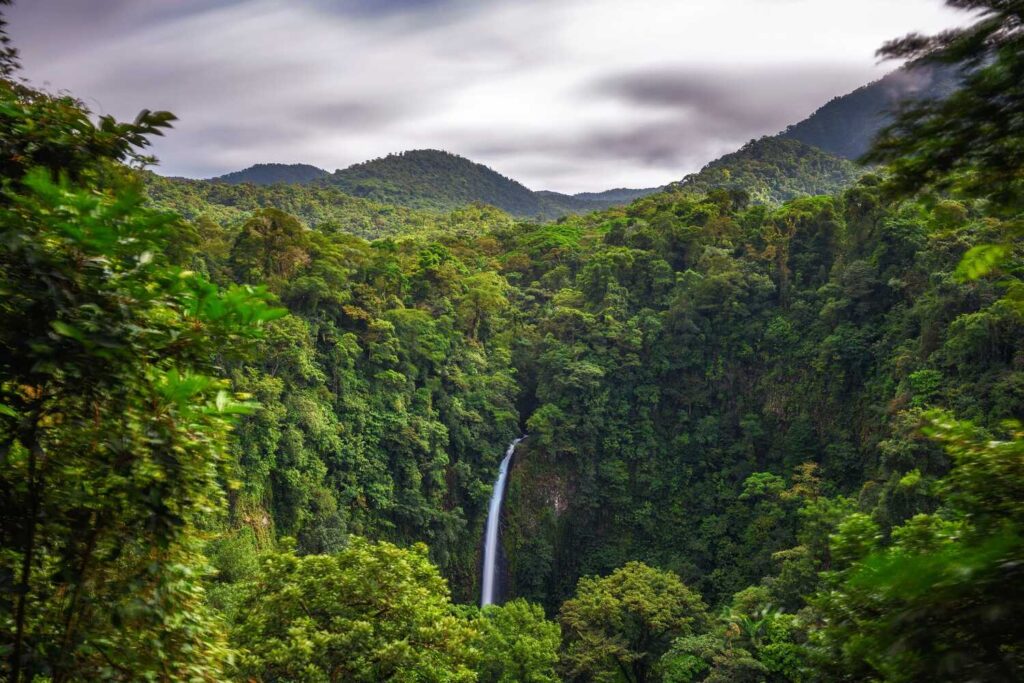
May is when the rain comes back, mostly as short afternoon showers. After months of dust, the hills turn green again and the waterfalls start filling up.
A normal May day starts sunny and warm. Clouds build up around lunch, and the rain usually lasts an hour or two before it clears. Early in the month, plenty of days stay dry.
It’s a great-value month. Hotels drop their rates and the crowds are gone. You can rent a sedan for about $200 to $450 a week with basic insurance.
May 1 is Labor Day, a national holiday, so banks and plenty of shops close. The wet nights also wake up the frogs. A night walk in La Fortuna or Monteverde is a great pick this month.
Leatherbacks finish up at Tortuguero this month. Plan your tours before lunch, and you’ll barely notice the rain.
For a cheaper trip with decent weather, May is a lovely pick.
Costa Rica in June
June brings regular afternoon rain, but it often comes with a little break. Around June 24, San Juan’s day, you usually get a few sunny days in a row. Costa Ricans call it the veranillo de San Juan, or San Juan’s little summer.
Prices stay low until the school holidays start in July. The Pacific swell picks up too, which surfers love, and beginners can still find gentle waves on sheltered beaches.
The rain fills up the rivers, so white-water rafting on rivers like the Pacuare gets more exciting. Quetzals are still nesting in Monteverde and San Gerardo de Dota, so your chances of spotting one stay good.
Your mornings are usually clear, so plan hikes early and keep the afternoon loose. A light rain jacket and shoes that dry fast will make your days a lot easier.
June is quiet, green and cheap. It’s an easy month to love.

Costa Rica in July
July is busier than the rest of green season. Costa Rican schools take a two-week break, usually early in the month, and families from abroad visit too. Rental companies price July like high season.
The weather often plays along. A short dry break called the canícula brings more sun and less rain to Guanacaste and the Central Valley.
July 25 is Guanacaste Day, a national holiday. Liberia throws a big party with horse parades, rodeos, marimba music and plenty of food. In mid-July, Puntarenas holds its Virgen del Mar festival, with decorated fishing boats parading on the water.
Green turtles start nesting at Tortuguero, and their season runs July to October. Southern humpback whales arrive off the south Pacific coast in mid to late July.
Big Pacific swells make it a great month for experienced surfers in Santa Teresa. Our 3-day Santa Teresa itinerary fits the surf around the rest of your days.

Costa Rica in August
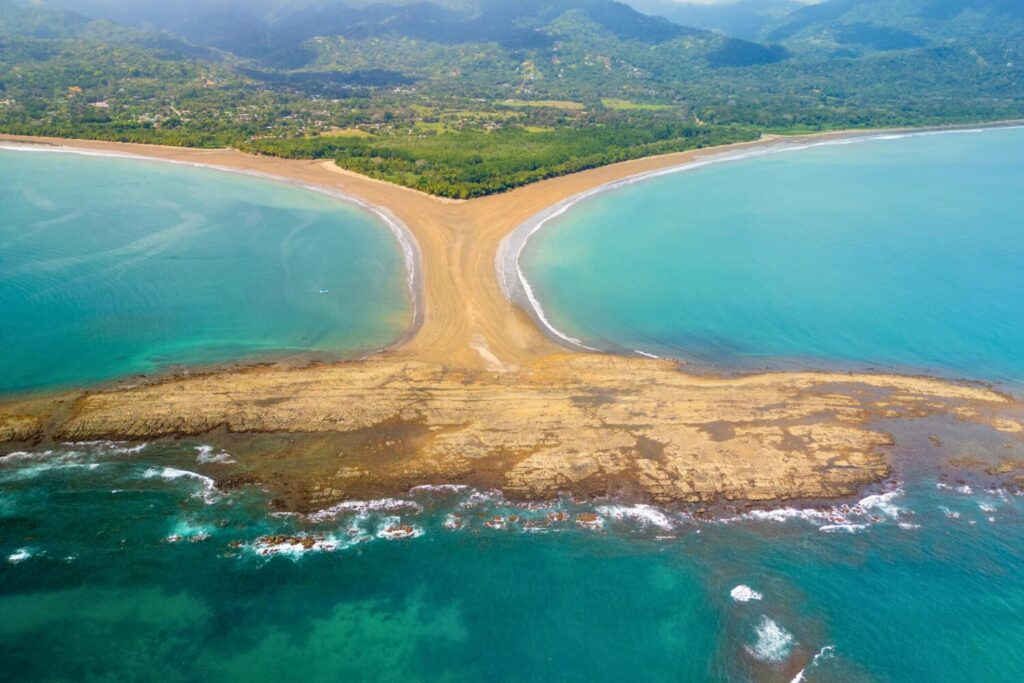
August is prime time for wildlife. Southern humpback whales gather near Uvita and Manuel Antonio, and August and September are their peak months.
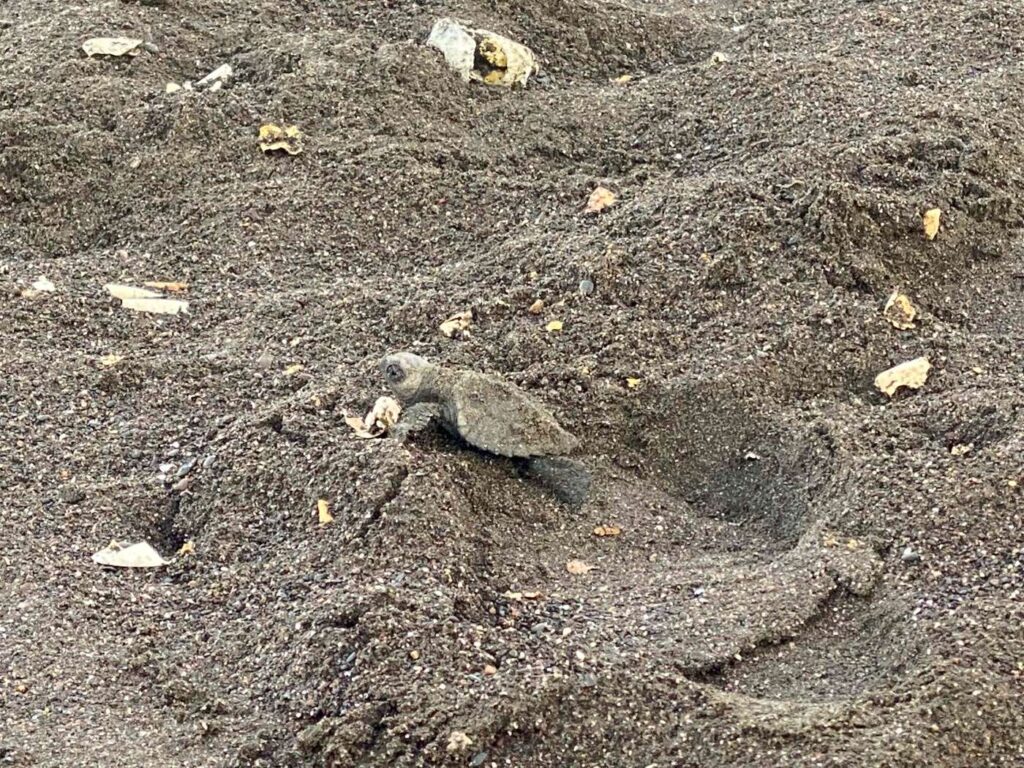
Green turtles are nesting at Tortuguero, and olive ridley turtles are nesting in huge numbers at Ostional, near Nosara. These mass nestings, called arribadas, bring thousands of turtles ashore over a few nights.
August 2 is a huge day in Costa Rica. For the Romería, crowds of people walk about 14 miles (22 km) to the basilica in Cartago. Most start in San José, and plenty walk through the night. The roads around Cartago get very busy, so plan your drives around it.
Rain still comes most afternoons. Mother’s Day in mid-August is a national holiday too, so expect a busy long weekend at the beaches.
Book a morning whale tour in Uvita for about $95. For whales, August is hard to beat.
Rainiest Months in Costa Rica (September to November)
September and October are the wettest months on the Pacific side, and the cheapest of the year. They’re not for every trip, but they’re great for flexible plans, turtles and Caribbean beach days.
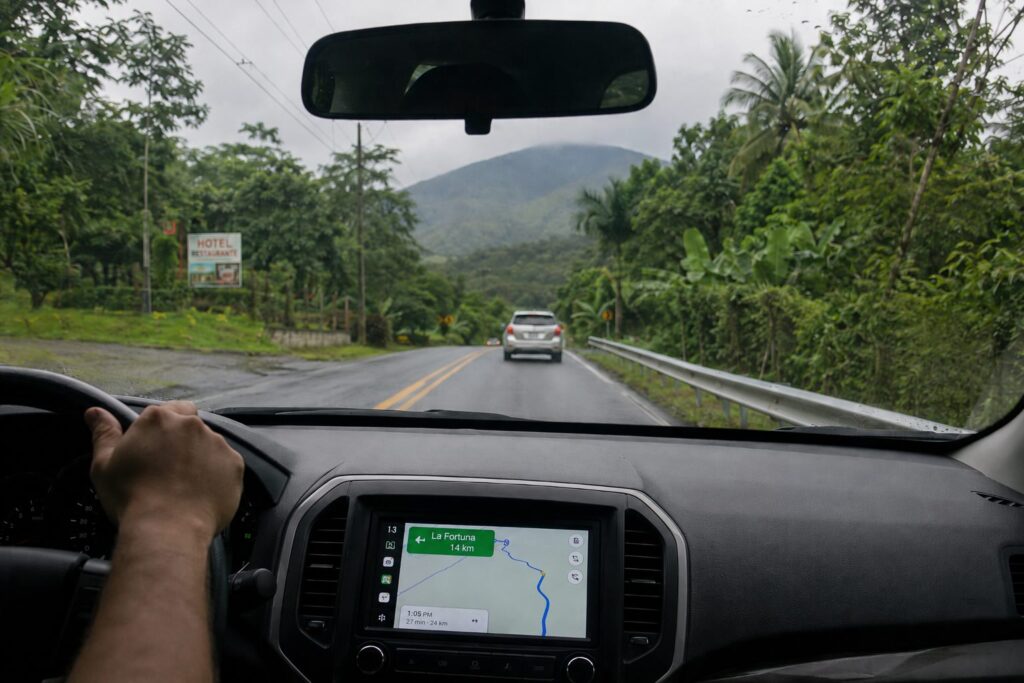
Rain can last well beyond the afternoon now, and some Pacific hotels and restaurants close for a few weeks. Dirt roads turn to mud, so you’ll want a 4×4 for anything off the main highways.
Our guide to renting a car in Costa Rica explains which routes need one.
Costa Rica in September
September is the cheapest month to visit Costa Rica. Rain is heavy on the Pacific coast, rooms are at their lowest rates, and the beaches are close to empty.
Meanwhile, the Caribbean coast gets some of its best weather, so it’s a great time for Puerto Viejo and Cahuita. The sea there is often calm and clear, which makes it a good month for snorkeling.
Southern whales are still near Uvita, and green turtles are still at Tortuguero. Uvita also holds its Whale and Dolphin Festival, usually in early September. You’ll find whale tours, surf lessons, live music and food stands.
September 15 is Independence Day, with lantern parades the night before and school bands marching in every town. It’s a fun one to catch.
Keep an eye out for mamón chino at fruit stands. It’s a red, hairy fruit with sweet, juicy flesh inside. Go with flexible plans, since a stormy day can cancel your boat tour.

Costa Rica in October
October is the rainiest month on much of the Pacific coast. It’s wettest in the south around the Osa Peninsula, where some lodges close for the month. On some days, the rain barely stops.
The Caribbean side is where you want to be. Days there are often sunny, and Limón’s carnival fills the streets with parades, calypso music and Caribbean food around October 12.
Bird fans, this one’s for you. Every fall, millions of hawks, vultures and falcons fly south over Kèköldi, near Puerto Viejo. The peak comes in the second half of October, when the sky can fill with birds.
Ostional sees some of its biggest arribadas in September, October and November. Turtle walks there need a licensed local guide.
Skip October for a short beach trip on the Pacific. Pick it for the Caribbean, turtles and rock-bottom prices.
Costa Rica in November
November is a month of change. The rain eases on the Pacific coast, especially in the second half. The hills are as green as they get, and you’ll have plenty of them to yourself.
Prices stay low until mid-December, which makes November a smart pick for value. Southern whales head off around mid-month, and the Caribbean turns rainy again.
After months of rain, the waterfalls are at their fullest. The La Fortuna waterfall and Nauyaca, near Dominical, look their best now. Rivers run high too, so rafting trips are wild and splashy. Guides call off trips when the water gets too high, so check the day before.
Ostional’s arribadas are still big. Pack a rain jacket for the first couple of weeks, just in case.
Late November feels a lot like dry season, at green season prices.
Best Time to Visit the Caribbean Coast of Costa Rica
The Caribbean coast plays by its own rules, and this is where plenty of trips go wrong. There’s no real dry season in Puerto Viejo, Cahuita or Tortuguero, and rain can fall in any month.
The best months are September and October, then February and March. December is often the wettest month, right when the Pacific coast is at its driest.
A September or October trip works best when you split it. Spend a few days on the Caribbean beaches, then add the cloud forest or Arenal. Our guide to the best hotels in Limón helps you pick a base.
Pack a rain jacket for the Caribbean in any month. It’s that kind of coast.
Best Time to See Whales and Turtles in Costa Rica
Wildlife runs on its own calendar, so pick the animal first and the month second. Here’s when and where to go:
| Animal | Where to See It | Best Months |
|---|---|---|
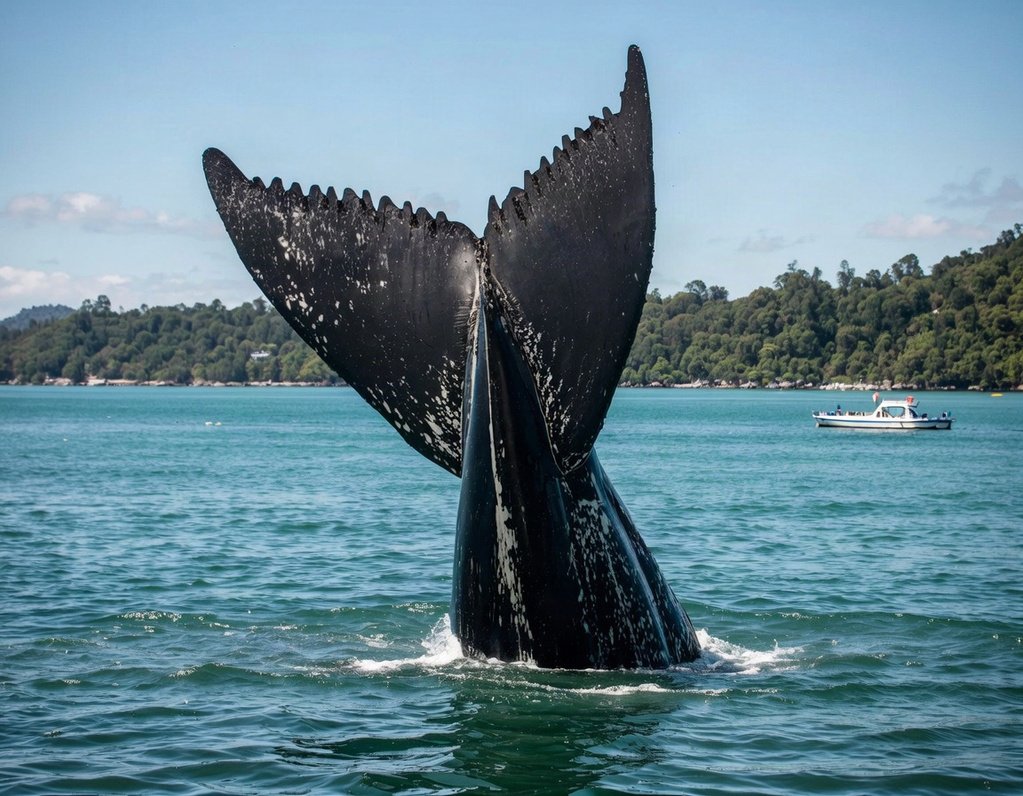
| Northern humpback whales | Uvita and Manuel Antonio | December to March |
| Southern humpback whales | Uvita, Manuel Antonio and the Osa Peninsula | Mid-July to November, peak August and September |
| Green turtles | Tortuguero | July to October |
| Leatherback turtles | Tortuguero | March to May |
| Olive ridley turtles | Ostional, near Nosara | July to December, biggest September to November |
| Sloths | Most of the country | All year |
Whale tours in Uvita cost about $95 for adults and include the Marino Ballena park fee. Turtle walks at Tortuguero happen at night, and you can only go on the beach with a licensed guide.
Nobody can promise a whale or a turtle, so skip any tour that guarantees one. Sloths don’t have a season at all. Our guide on where to see sloths in Costa Rica covers the best spots.
Costa Rica Holidays and Crowds: Christmas, Easter and July
Three times a year, the whole country goes on holiday, and you’ll feel it. Christmas and New Year, Easter week and the July school break fill beach hotels, buses and national parks.
Easter week, or Semana Santa, moves between March and April. Holy Thursday and Good Friday are national holidays, so plenty of businesses close and buses run reduced schedules.
Smaller long weekends bring their own rush too. Watch for Guanacaste Day on July 25, Mother’s Day in mid-August and Independence Day on September 15.
For Christmas and Easter, book rooms 3 to 6 months ahead. Got flexible dates? Shift your trip a week either side, and you’ll pay less for almost the same weather.

Best Month to Visit Costa Rica for Every Kind of Trip
There’s no single best month for everyone, but each kind of trip has a clear winner:
| Trip | Best Months | Why |
|---|---|---|
| First trip, beach and sun | February and March | Driest Pacific weather, less rain on the Caribbean |
| Lowest prices | September and October | Cheapest rooms, best Caribbean weather |
| Value with decent weather | May, June and November | Clear mornings, low prices, few crowds |
| Whale watching | August and September, or January and February | Both humpback seasons at their best |
| Turtles | July to October | Green turtles at Tortuguero, arribadas at Ostional |
| Beginner surfing | December to April | Smaller, friendlier Pacific waves |
For a first trip, go in late February or March and book early. You’ll get the most sunshine, and both coasts are in good shape.
On a budget? May, June and late November are the sweet spot. Mornings are sunny, prices are low, and you’ll have the trails mostly to yourself.
Save September and October for flexible trips, turtles and the Caribbean. Ready to plan? Our 1-week Costa Rica itinerary and tips for visiting Costa Rica are a good next read.
Best Time to Travel to Costa Rica FAQ
What Is the Best Month to Visit Costa Rica?
The best month to visit Costa Rica for most first trips is February or March. The Pacific coast is dry and sunny, and March is its driest month. The Caribbean coast usually gets less rain too.
The only downside is price, since both months are peak season. Book rooms 3 to 6 months ahead, and check if Easter week falls in your dates.
What Is the Cheapest Month to Visit Costa Rica?
September is the cheapest month to visit Costa Rica, with October close behind. Heavy rain on the Pacific side brings the lowest hotel rates of the year. Some places close for a few weeks, too.
May, June and November cost less than the December to April peak too, with lighter rain. A rental sedan runs about $200 to $450 a week then, against $400 to $650 in high season.
When Is the Rainy Season in Costa Rica?
The rainy season in Costa Rica runs May to November on the Pacific coast and in the Central Valley. September and October are the wettest months, and most days start sunny, with rain in the afternoon.
The Caribbean coast is different. It has no real dry season, and its best weather comes in September and October, then February and March.
When Can You See Whales in Costa Rica?
You can see humpback whales in Costa Rica twice a year. Northern humpbacks visit December to March, and southern humpbacks come mid-July to November, peaking in August and September.
Uvita and Manuel Antonio are the best places to look. Tours in Uvita cost about $95 for adults and last 2.5 to 3 hours. Nobody can promise you’ll spot one, though.
Is It Worth Visiting Costa Rica in the Rainy Season?
Visiting Costa Rica in the rainy season is worth it for most trips. Mornings are usually clear and showers come in the afternoon. You’ll also pay far less for rooms and rental cars than in high season.
Plan your tours before lunch and pack a light rain jacket. September and October are the exception on the Pacific side, so save them for flexible trips or the Caribbean coast.
Do Hurricanes Hit Costa Rica?
Hurricanes rarely hit Costa Rica directly, since the country is south of the main Atlantic hurricane track. Hurricane Otto in November 2016 was the rare exception, flooding the north near the Nicaraguan border.
Storms passing nearby, mostly June to November, can still bring days of heavy rain, especially in September and October. Travel insurance is worth it for a trip in those months.
More Tips Before You Go?
Our tips guide covers entry rules, cash, wildlife safety, 4x4s and the little things first-timers miss.
Driving yourself? Read our guide to renting a car in Costa Rica.