

15 Best Things to Do in Manuel Antonio, Costa Rica
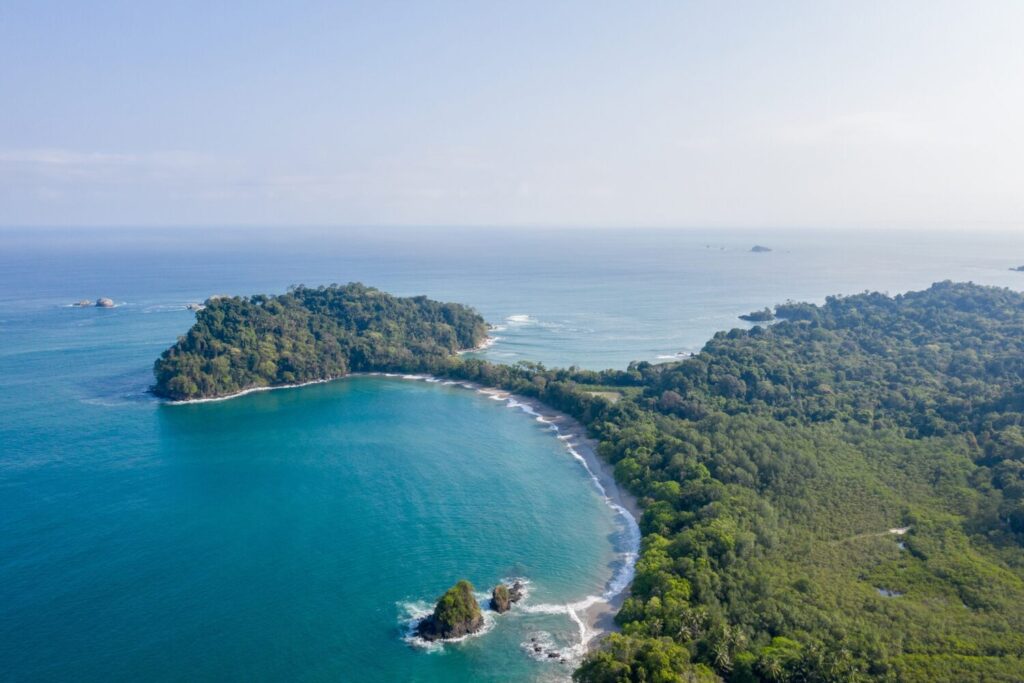
Manuel Antonio is where the rainforest comes right down to the beach. In one morning, you can watch sloths and monkeys in the trees, then swim in a warm Pacific cove.
In this guide, we’ll start with the national park: tickets, hours and the rules. Then we’ll go through the 15 best things to do in Manuel Antonio, with prices, times and a tip for each one.
Share this article
In Short
- The national park is closed on Tuesdays, and tickets are sold online only.
- Go at 7 AM with a guide for cooler air and a better chance of seeing sloths.
- Most boat trips leave from Marina Pez Vela in Quepos, and many include hotel pickup.
- Three days gives you time for the park, a boat trip and a day in the hills.
Join Our Facebook Community
Still have questions or want local tips straight from our team? Join our Facebook community. That’s where we share updates, answer questions, and help you plan your Costa Rica trip the smart way.
Manuel Antonio National Park: Tickets, Hours and Tips
Quepos is the harbor town, with the marina, the bus station and a weekend farmers market. A winding road of around 7 km climbs over the hill, past most of the hotels. Then it drops down to Playa Espadilla and the park gate.
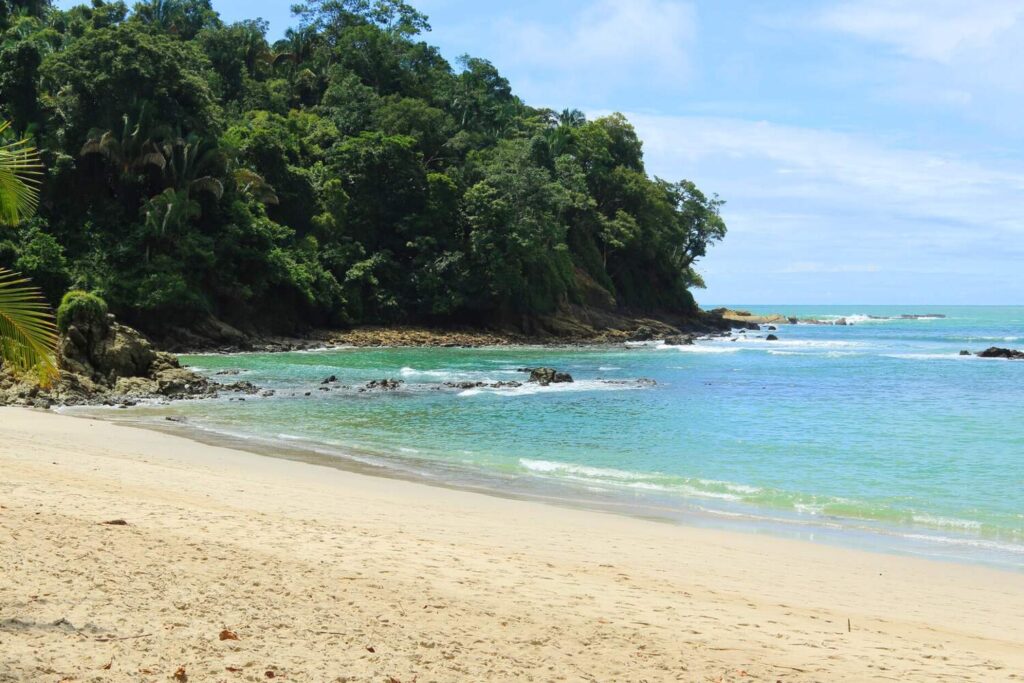
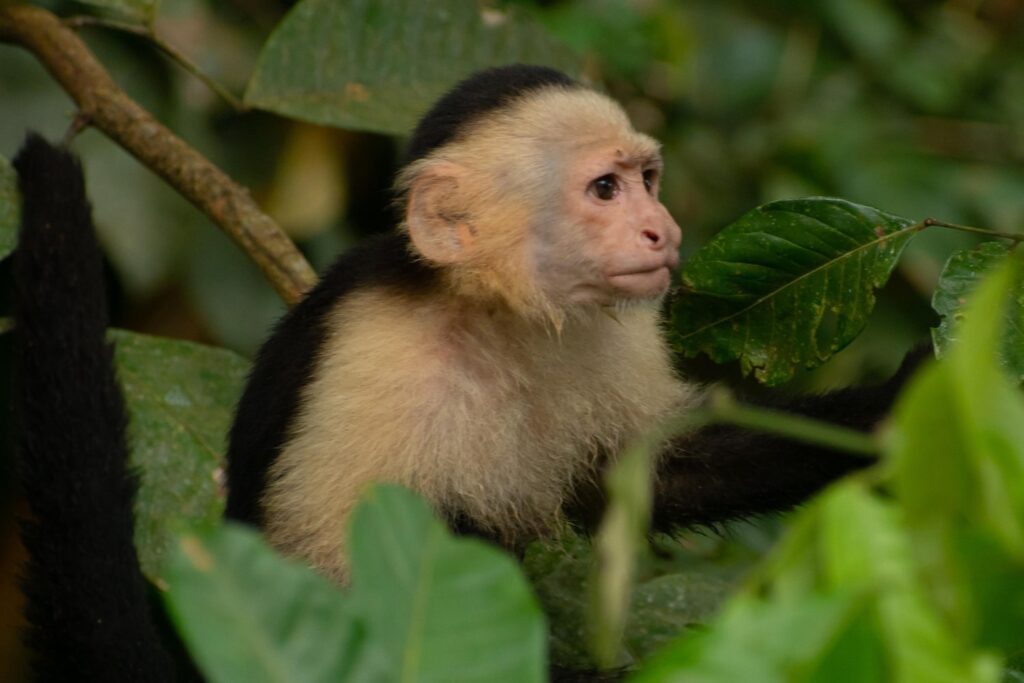
Manuel Antonio National Park is the top thing to do here, and it’s easy to see why. It’s a small coastal park with white-sand coves and flat trails. Sloths, squirrel monkeys, capuchins, coatis and iguanas all live in the forest.
The park is open 7 AM until 3 PM, and it’s closed on Tuesdays. Tickets cost $18.08 with tax, and children aged 2 to 12 pay $5.65. A few rules are good to know before you go:
- Tickets: Sold online only, on the official SINAC site, with up to 6 per booking. Nothing is sold at the gate.
- ID: Bring the passport you booked with.
- Food: Not allowed, and bags are checked at the entrance. Water is fine.
- Other rules: No single-use plastic, no alcohol and no drones.
- Parking: Paid lots cost around $10, in cash.
On the road in, some people wave cars into private lots and say you must buy a ticket from them. You don’t need to, since the only valid tickets are the ones sold online.
A visit takes 2 to 4 hours, or longer with beach time. The dry season, around December to April, is the busiest time, and weekend tickets sell out. The Punta Catedral trail has been closed, so check the SINAC site the day before to see if it’s open again.
Most people stay on the hill between Quepos and the park, and the best hotels in Manuel Antonio sit along that road. Boat trips, ziplines and park tours with booking buttons are listed among the best tours in Manuel Antonio.
15 Best Things to Do in Manuel Antonio
Start with the park and the beach, then add a boat trip or a day in the hills if you have more time.
1. Spot Sloths and Monkeys on a Guided Park Walk
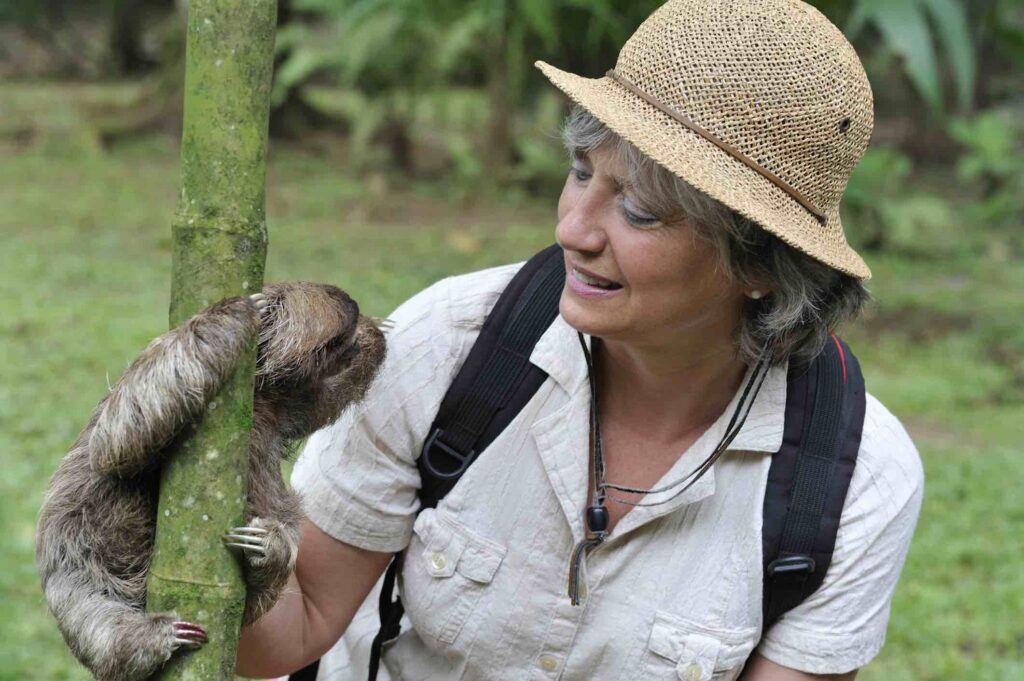
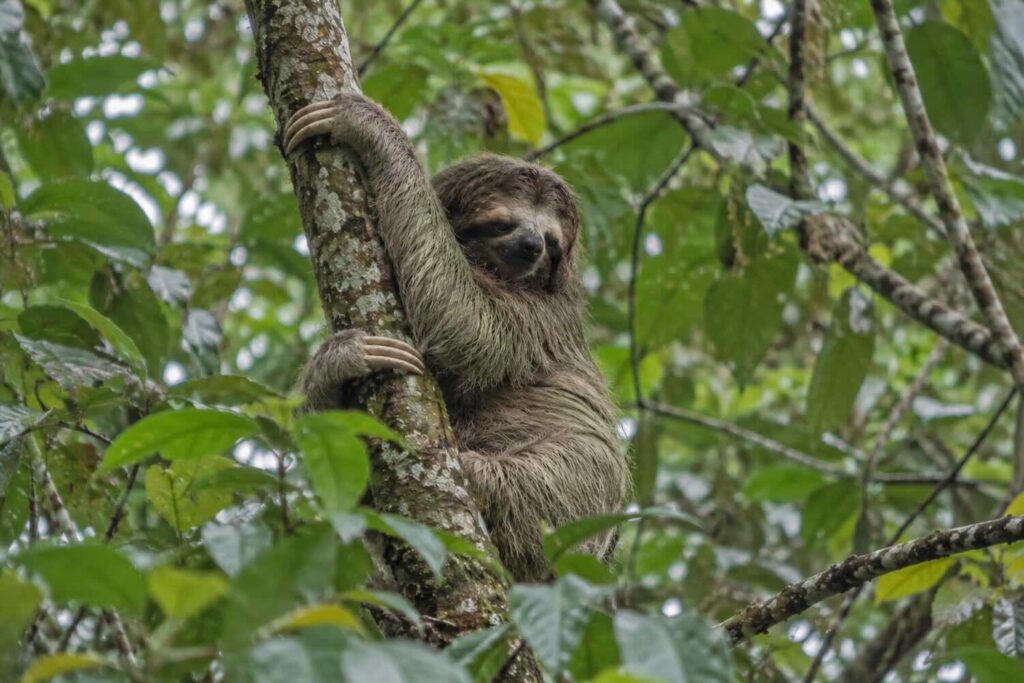
The best way to see the national park is with a guide. Sloths sleep high in the leaves, and snakes and frogs blend right in. A guide carries a scope on a tripod, finds the animals and lets you look through it. Many guides will snap a photo of the sloth with your phone through the scope, too.
Guided park walks start around $25, and some options include the park ticket. A walk takes 2 to 3 hours, and many guides leave you at the beach inside the park at the end. You can stay and swim until the park closes.
Book the 7 AM start, when it’s cooler and the animals are more active. Pick a guide with an ICT license. This guided park tour with the entrance fee included saves you booking the ticket yourself.
The guided walk with the park ticket included starts around $25 and lasts 2 to 3 hours. You meet near Donde Alex, on the beach trail by the park. The guide is ICT-certified and carries a scope so you can see sloths and monkeys more clearly. Photos are often included. One cheaper option on the same listing does not include the park ticket, so check what you’re paying for.
After the walk you can swim inside the park until it closes at 3 PM, then continue to Playa Espadilla just outside the gate. Weekends in the dry months can sell out, so book a few days ahead. The walk is fine for most ages if you can manage a few hours on foot.
2. Spend an Afternoon on Playa Espadilla
Playa Espadilla is the long public beach right outside the park gate. It’s free, and it’s the easiest beach in Manuel Antonio to reach. Buses from Quepos stop right behind the sand.
You can rent chairs and umbrellas on the beach. There are small restaurants on the road behind it. The waves are good for a first surf lesson, and the schools work right on the sand. This surf lesson is a simple one to book.
The rip currents can be strong, so swim near the lifeguards and watch for red flags. Late afternoon is the best time to go, with sunset around 5:15 to 6 PM, depending on the month. It’s an easy plan for the afternoon after a morning in the park.
A surf lesson on this beach lasts about 3 hours and usually costs around $70 to $80. Hotel pickup and drop-off, a board, and a bilingual instructor are included. You practice on the sand first, then go into the waves, with a fruit break under umbrellas in between. Mornings at mid-tide are the usual time.
Ask the school to confirm the pickup time after you book. The lesson is for beginners, and you stay in the smaller waves near the shore.

3. Snorkel at Playa Biesanz
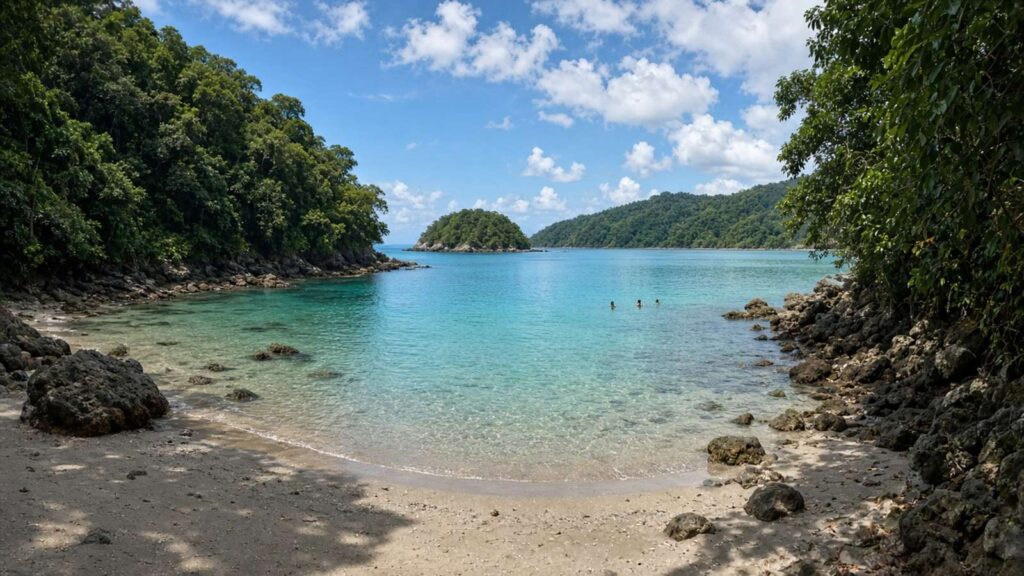
Playa Biesanz is a small, calm cove off the hill road, near Hotel Parador. It’s around 10 minutes from the park. A short, steep trail leads down through the trees to the sand.
The water is often calm and clear. It’s good for snorkeling around the rocks and for paddleboarding. The cove is free, and it’s quieter than the beaches by the park.
Parking is hard to find, and the police fine cars left on the road. It’s easier to come by taxi or bus. There are no shops at the cove, so bring water, snacks and your own snorkel gear. Go in the morning for the calmest water and more shade.
The cove is off the hill road near Hotel Parador, around 10 minutes from the park. A short, steep trail leads down to the sand. If you’re staying on the hill, a taxi can drop you at the trail and come back later, which saves you looking for a parking space. The police do fine cars left on the road.
There are no shops at the cove, so bring water, snacks, and your own snorkel gear. Go in the morning for calmer water and more shade. The cove is free and is usually quieter than Playa Espadilla, which makes it a better place to snorkel or paddleboard. The walk back up is steep, so give yourself a little extra time.
4. Sail on a Catamaran Snorkel and Sunset Cruise
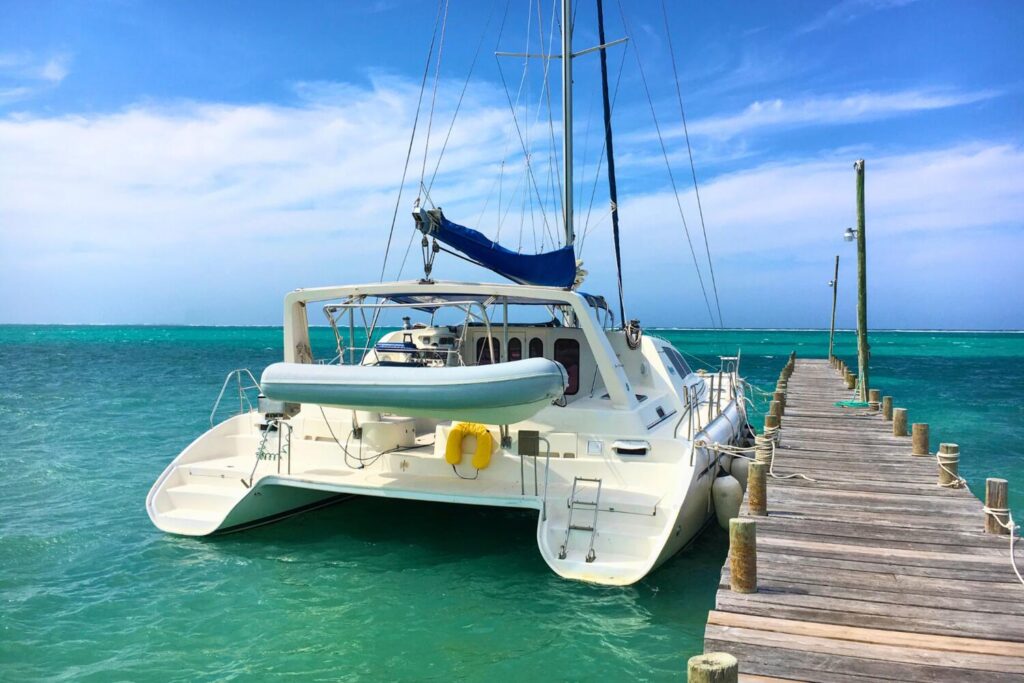
A catamaran cruise is a relaxed half day on the water. Boats leave from Marina Pez Vela in Quepos and sail along the coast past the national park. You stop in a calm bay to snorkel.
A meal is served on board, and drinks are included on the main boats. Prices are around $90 per adult, and most trips take 4 to 5 hours. Hotel pickup in the area is usually included.
There are morning and afternoon sailings. The afternoon one ends with the sunset, and it’s the most popular. Dolphins are often seen, and whales show up in season. Bring a towel, reef-safe sunscreen and a dry change of clothes. This catamaran sail and snorkel tour leaves from Quepos.
Boats leave from Marina Pez Vela in Quepos. Hotel pickup in the Quepos and Manuel Antonio area is usually included. A meal is served on board, and drinks are included on the main boats. Prices are around $90 per adult, and most trips take 4 to 5 hours.
A morning boat is back in time for a late lunch. The afternoon boat returns after sunset and is the one that fills first, so book ahead in the dry months. Dolphins are often seen, and humpback whales may show up from July to November and again from late December to March. Bring a towel, reef-safe sunscreen, and a dry change of clothes.
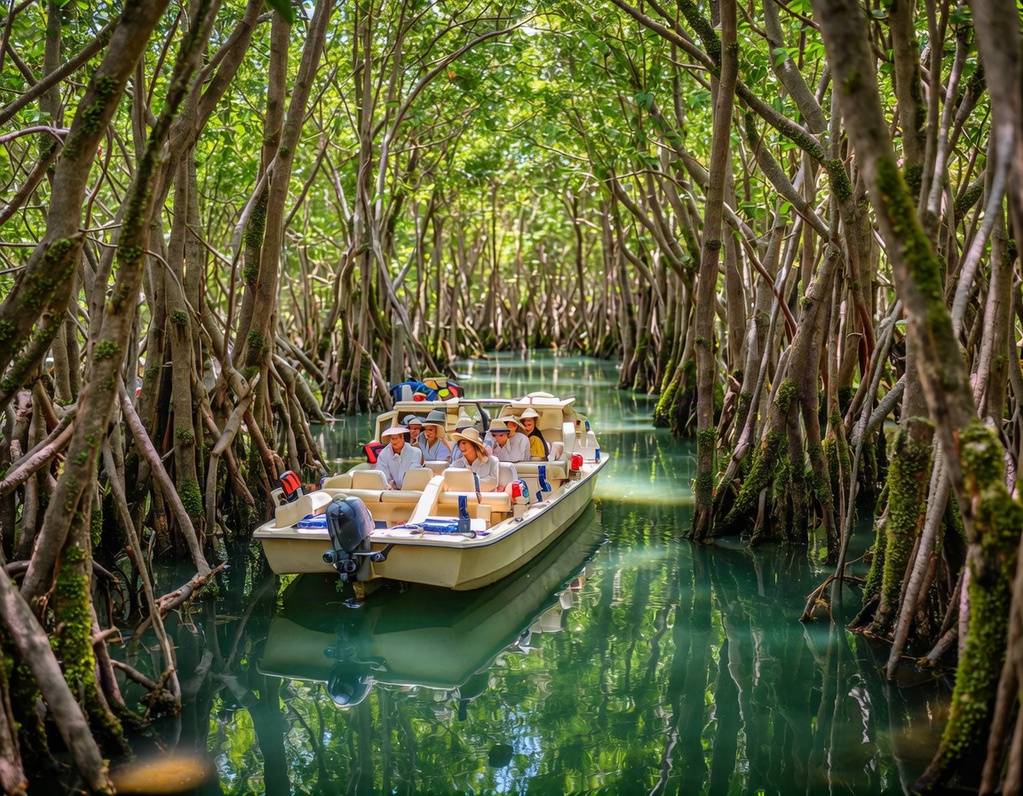
5. Explore the Damas Island Mangroves
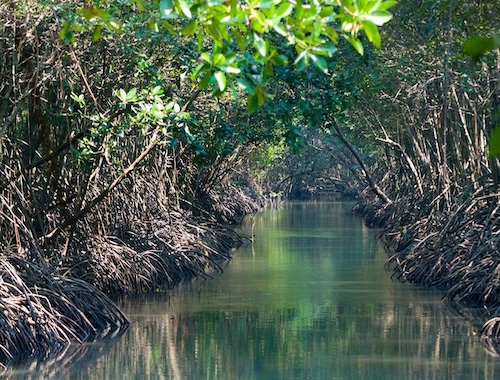
The Damas Island mangroves are 15 to 20 minutes north of Quepos. A guide takes you along calm channels through the tangled roots. Capuchins, crocodiles, boas, crabs and herons all live here. The water is flat, so it suits kids and anyone who gets seasick.
There are two ways to go:
- By boat: Tours cost around $60 to $95, depending on what’s included. This Damas Island boat tour with lunch is the classic choice.
- By kayak: A 2-hour guided paddle costs around $59, with fruit and water. You meet at the Damas Island dock, so plan a taxi there. This mangrove kayak tour is the quieter way to see the channels.
Tours follow the tide, so start times change each day. Ask for the high-tide slot, when boats can reach deeper into the mangroves. Bring insect repellent.
The boat tour with lunch is around $68 and lasts about 4 hours. Hotel pickup, a naturalist guide, water, and a meal are included. Tell them your hotel name so they can set the pickup time. Bring insect repellent.
The kayak trip is around $59 and lasts 2 hours, with a guide, fruit, and water. You meet at the Damas Island dock, in front of Pueblo Real, so plan a taxi if transport isn’t included. You need to book ahead, because the dock is a meeting point, not a walk-up office. Ask for the high-tide slot, when boats and kayaks can reach deeper into the mangroves. If you only have time for one trip, the boat covers more ground and includes a meal; the kayak is quieter and puts you closer to the roots.

6. Go Whale and Dolphin Watching
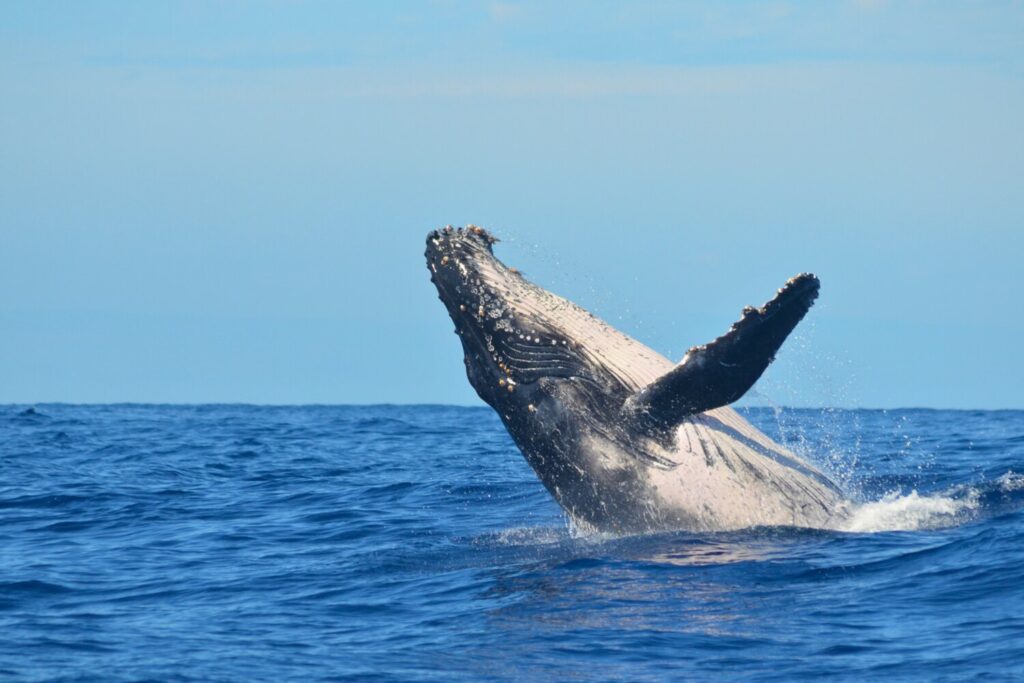
Boat trips leave Quepos to look for humpback whales, dolphins and sea turtles. Humpbacks visit in two seasons, July to November and late December to March. Spotted and bottlenose dolphins are seen all year.
A whale watching trip costs around $76 and lasts a few hours. The guide and captain look for blows and jumps, and they keep a safe distance from the whales.
Book a morning trip, because the sea is calmer early in the day. If you get seasick, take a tablet an hour before you leave. The best time to travel to Costa Rica guide shows how the whale seasons fit with the weather.
Most trips leave from Marina Pez Vela in Quepos, and some include hotel pickup in the area. Bring a hat and sunscreen for the open boat. A typical outing lasts a few hours.
If you are here outside the two humpback seasons, you can still go out for dolphins, which are seen all year. Book the earlier boat, when the sea is usually calmer, and take a seasickness tablet an hour before you leave if you need one.
7. Swim Under the Waterfalls at Rainmaker
Rainmaker is a private rainforest reserve in the hills, around 45 minutes northeast of Quepos. It has hanging bridges high in the trees and a river trail. Along the river, there are swimming holes under small waterfalls.
A visit on your own costs ₡12,000 plus tax, or around $30 with tax, and you don’t need to book. The park is open 7:30 AM until 6 PM, and most people stay 2 to 3 hours. A casado lunch is served 11 AM until 1 PM for $7.
Bring a swimsuit and a towel for the pools. Real walking shoes are a must, as flip-flops aren’t safe on the trails or the bridges. This Rainmaker bridges and waterfalls tour adds a guide and transport.
A visit on your own costs ₡12,000 plus tax, around $30 with tax, and you don’t need to book. The park is open 7:30 AM until 6 PM, and last entry is often around 4 PM, but check before you go. Most people stay 2 to 3 hours. A casado lunch is served 11 AM until 1 PM for $7, with fruit juice. Bring a swimsuit, a towel, and walking shoes, not flip-flops. Bug spray helps if mosquitoes bother you.
The guided tour with hotel pickup is around $69 and lasts about 4 hours. It includes transport and park entry, but not lunch. You walk hanging bridges in six sections, about 250 meters in all, then swim in the river pools. Groups are usually up to 15 people, and you should be fit enough for a forest walk. Rainmaker is around 45 minutes northeast of Quepos.

8. Join a Night Walk at Rainmaker
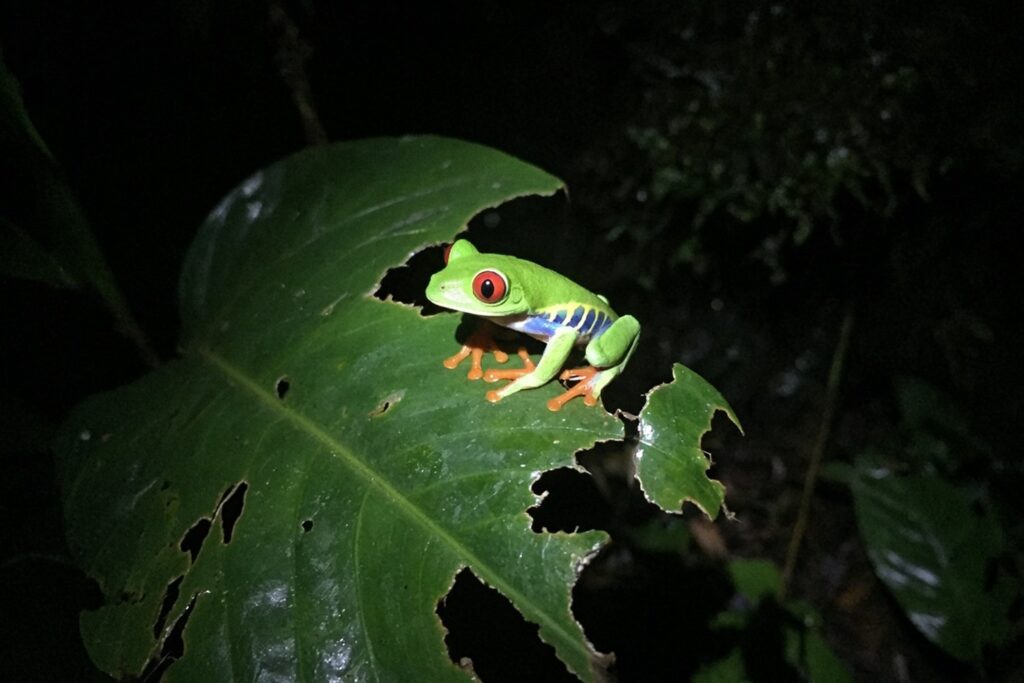
After dark, the forest is full of animals you’d never see by day. On Rainmaker’s night tour, a guide leads a small group along the trails with flashlights. You look for frogs, snakes, tarantulas and sleeping birds.
The walk takes around 2 hours and ends with a Costa Rican dinner. With transport from the Quepos area, it costs around $65. Book a few days ahead.
Wear long pants and closed shoes, and bring a headlamp. The trails are muddy after rain. It’s a good plan for your first evening, since the walk is still fun in light rain. This Rainmaker night tour can be reserved online.
The night tour with dinner and hotel pickup is around $65 and lasts about 3 hours door to door. The walk itself is 2 to 2.5 hours, with a naturalist guide, in groups of up to 15. You may see frogs, snakes, spiders, bats, and sleeping birds. Wear long pants, closed shoes, and a headlamp.
Transport from the Quepos area is included, so you don’t need to drive at night. The park is around 45 minutes from Quepos. Dinner is included, and the walk is described as easy. Book a few days ahead.
9. Visit Kids Saving the Rainforest
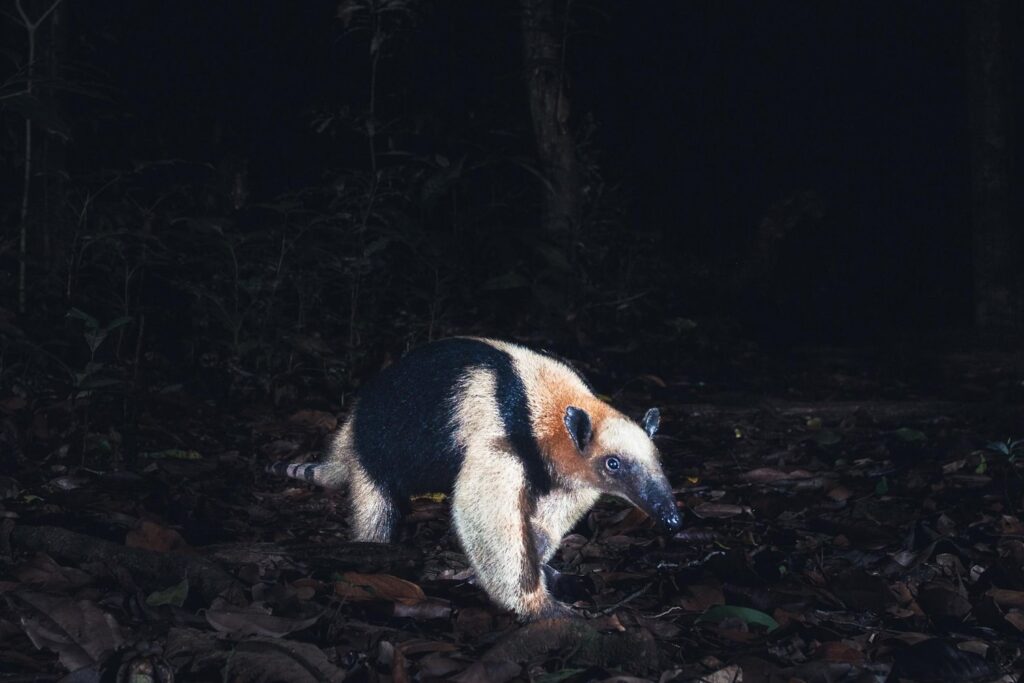
Kids Saving the Rainforest is a wildlife rescue center on the road between Quepos and Manuel Antonio. A guide walks you past sloths, spider monkeys and kinkajous that can’t go back to the wild. You hear each animal’s story and how the team cares for them.
The tour takes 1.5 hours and includes snacks. It costs $60, or $45 for children under 12, and kids under 3 go free. Your ticket helps pay for the animal hospital and the rope bridges that help monkeys cross the roads.
The center is at the Blue Banyan Inn. Tours should be booked ahead on its website. You’ll also find sloths in Costa Rica outside this area, from the Caribbean to the cloud forest.
Tours often leave at 9 AM, 11 AM, and 1 PM, and the center is usually closed on Mondays. Those times can change, so check the website when you book. The walk takes 1.5 hours and costs $60, or $45 for children under 12. Kids under 3 go free. Snacks include fresh fruit, water, and juice. Guests can use the pool at the Blue Banyan Inn.
The center is on the main road between Quepos and Manuel Antonio, so a taxi or the local bus can drop you close by. Book ahead on its website. Your ticket helps pay for the animal hospital and the wildlife bridges over the roads. There is a small gift shop, and the profits go back to the project.
10. Taste Vanilla and Cinnamon at Villa Vanilla
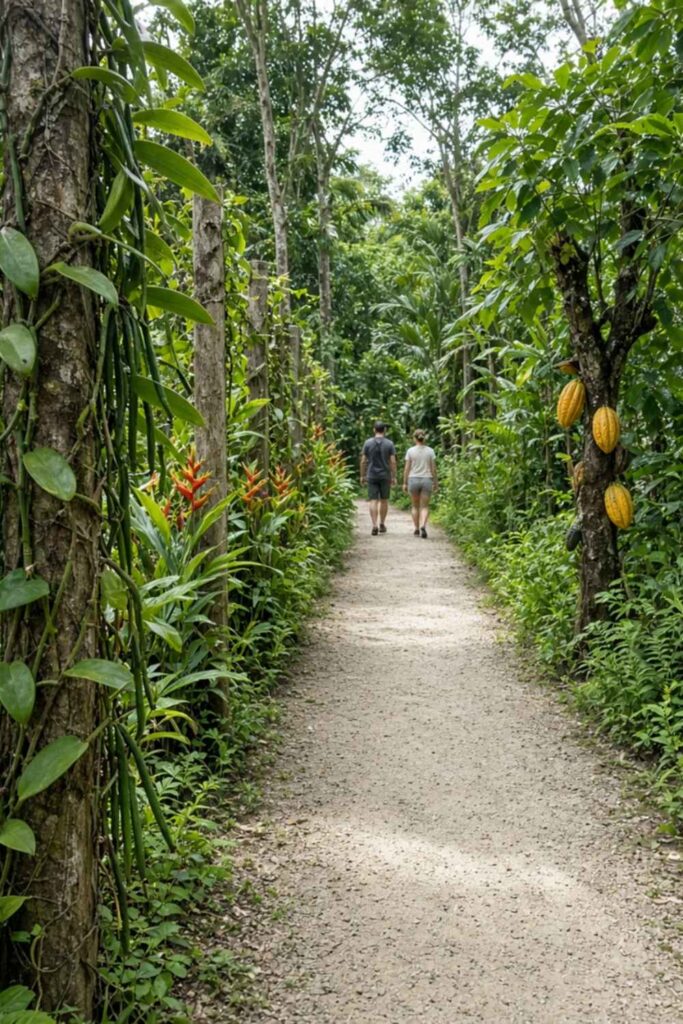
Villa Vanilla is an organic spice farm in the hills inland from Quepos. Vanilla, Ceylon cinnamon, cacao, pepper and turmeric are all grown here. A guide walks you through the plantation and shows how each spice is grown, picked and dried.
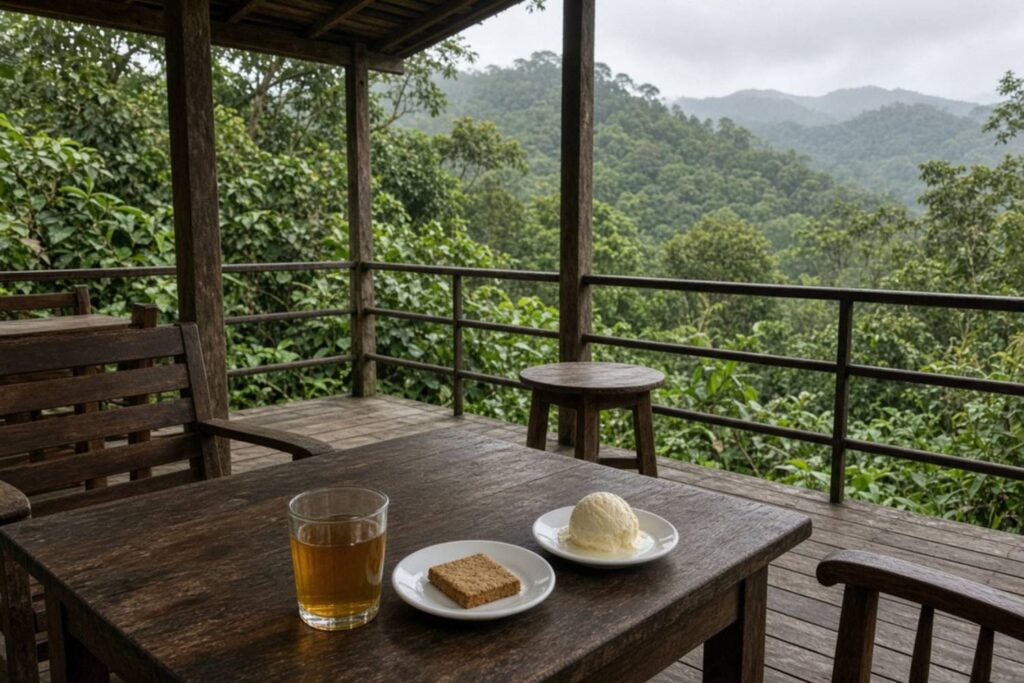
The tour takes 2 to 2.5 hours. It ends at a viewpoint with spiced drinks and desserts, made with what you’ve just seen growing. Prices are around $57 to $70 plus tax, depending on where you book.
Some sellers include transport from Quepos or Manuel Antonio, while others charge around $12 extra, so it pays to ask. Tour times change with the season, so check the tour days when you book. Bring some cash for the spice shop at the end.
The farm is in Villa Nueva, in the hills inland from Quepos, so you will need a taxi, a rental car, or a tour that includes transport. Some sellers include transport, while others charge around $12 extra, so ask when you book. The walk is hands-on. You see vanilla, Ceylon cinnamon, cacao, pepper, allspice, and turmeric, then finish with a tasting at a viewpoint.
The tour takes 2 to 2.5 hours. Prices are around $57 to $70 plus tax, depending on where you book. Tour times change with the season, so check the days when you book. Ask about the minimum age, as some tours take children from age 5. Bring cash for the spice shop at the end. Spots are limited, so book ahead.
11. Fly Through the Trees at Canopy Safari
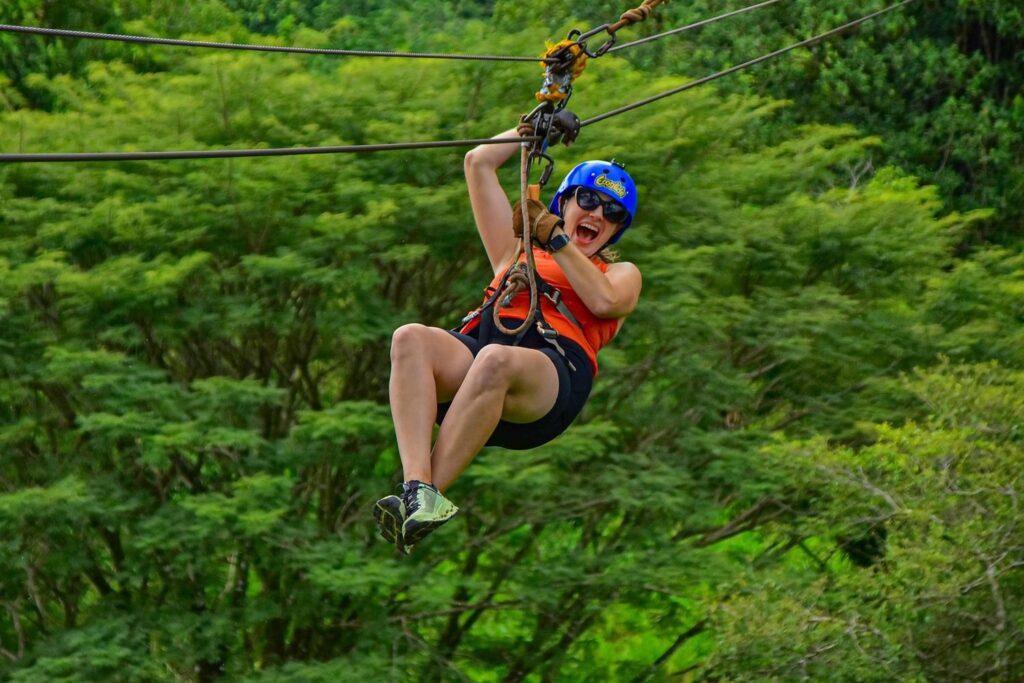
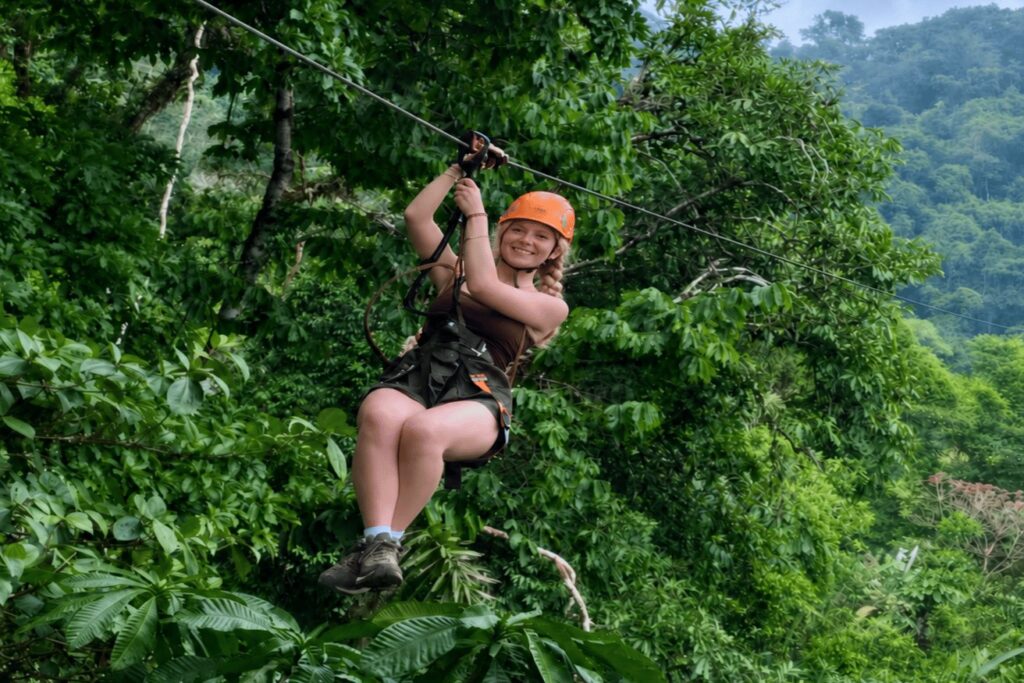
Canopy Safari is the area’s oldest zipline park, in Paso Real, inland from Quepos. The tour has 11 ziplines, 2 rappels, a Tarzan swing, a Superman line and a suspension bridge.
It costs $95 plus 13% tax, and the price is the same for kids aged 4 to 12. Pickup, lunch, and insurance are included, and the tour takes around 4 hours.
The minimum age is 4, and the weight limit is 250 lb. Wear closed shoes and clothes you don’t mind getting dirty. Friends who don’t want to zip can buy a day pass to walk the trails and watch.
The tour has 20 platforms, 11 ziplines, 2 rappels, a Tarzan swing, a Superman line, and a suspension bridge. There is also a serpent house, a butterfly garden, and a lookout. It costs $95 plus 13% tax for adults and for kids aged 4 to 12. Pickup in an air-conditioned van, lunch, insurance, equipment, and bilingual guides are included. The tour takes around 4 hours. Photos taken on the course are usually sold separately.
The minimum age is 4, and the weight limit is 250 lb. Groups can be up to 40 people. Non-riders can buy a self-drive day pass from around $30 and walk the trails below the cables. Wear closed shoes and clothes you don’t mind getting dirty. The park is in Paso Real, inland from Quepos.
12. Raft the Savegre River
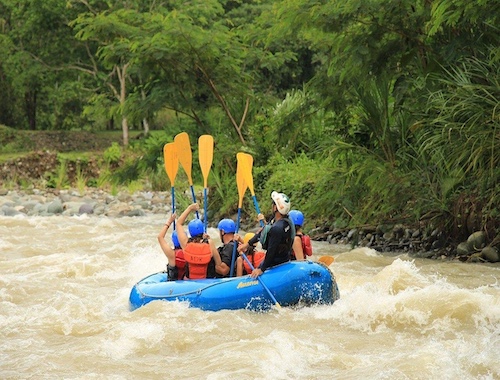
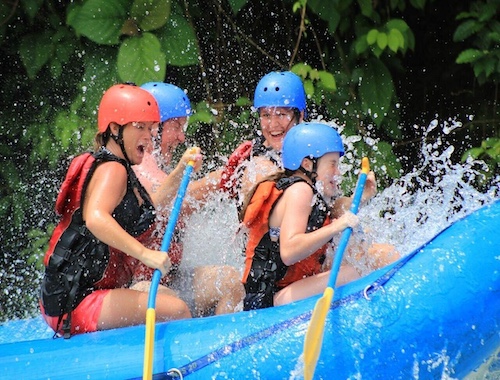
The Savegre River flows down from the Talamanca mountains, south of Quepos. It’s known as one of the cleanest rivers in Costa Rica. The rapids are Class II and III, so it’s a good river for first-timers and families.
After a safety talk on the bank, you paddle for around 2.5 hours through the rainforest. Most trips stop at a waterfall for a snack of fresh fruit. On the calm stretches, you can jump in and float. The day ends with lunch by the river.
A trip costs around $100 to $130. It takes 5.5 hours with transport. Hotel pickup in the Quepos area, gear and lunch are usually included. The minimum age is usually 8, and tours leave in the morning or around midday. The water is bigger in the rainy season and gentler when it’s dry.
Wear water shoes or sandals with straps, and bring a change of clothes. This Savegre rafting trip is a great one, but do book it a few days ahead of time because they always sell out.
The linked rafting trip is around $130 and lasts about 6 hours. Operator-direct trips start around $100 and take about 5.5 hours with transport. Hotel pickup, gear, and lunch are usually included. The rapids are Class II and III. The minimum age is often 6 to 8, depending on the operator.
Because the day takes most of the morning and lunch, it’s hard to add a park visit or a boat trip after. Wear water shoes or sandals with straps, and bring a change of clothes. The water is bigger in the rainy months and smaller when it’s dry.
13. Watch the Sunset at El Avión
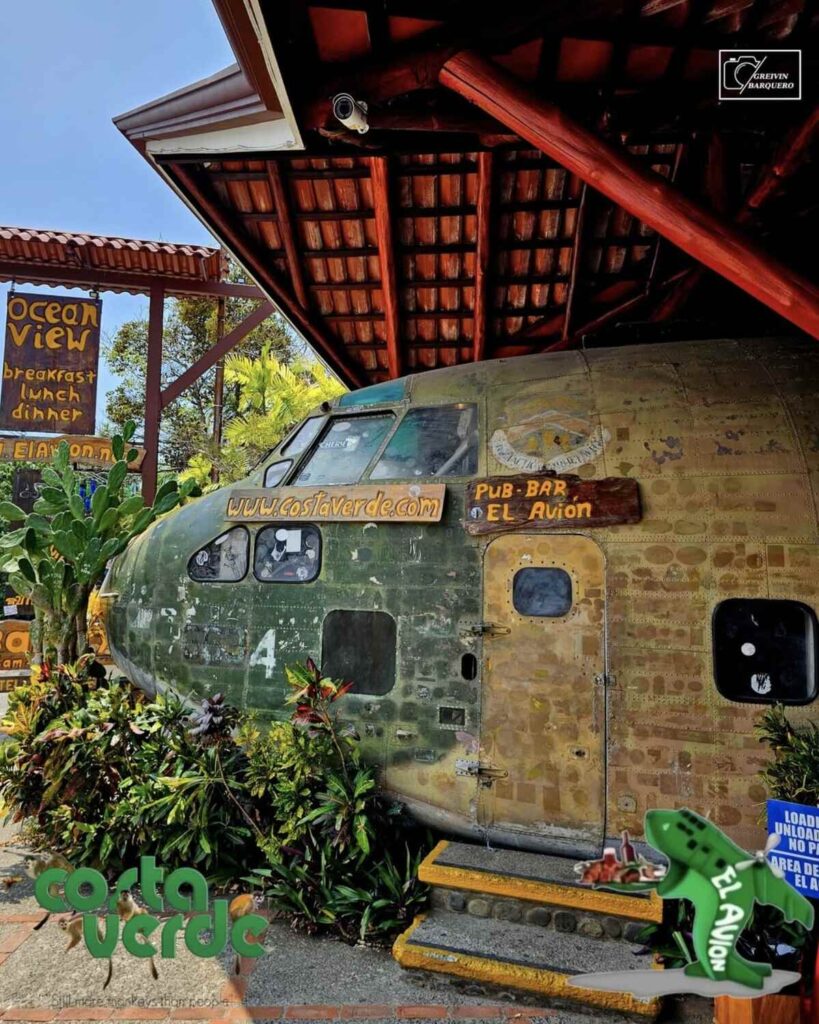
El Avión is a bar and restaurant built around an old Fairchild C-123 cargo plane, on the hill road above Manuel Antonio. The plane is linked to the Iran-Contra affair. It was shipped to Quepos in pieces and rebuilt on the hillside.
You can eat under the wings, have a drink in the bar inside the plane or climb into the cockpit. Prices are higher than at a local soda, but you’re paying for the view.
The deck has wide views over the Pacific. Arrive before 5 PM for a sunset table, especially in the dry season. There are more good restaurants nearby in the 3-day Manuel Antonio itinerary.
The restaurant is usually open from 6:30 AM, with breakfast until 10:30 AM and lunch and dinner from 11 AM until 10 PM. You can come for breakfast or lunch if the sunset tables are full. Arrive before 5 PM if you want a table on the deck.
It sits on the hill road, about 150 meters above the beach, a short taxi ride from Playa Espadilla or from hotels on the hill. The bar is inside the old Fairchild C-123, and you can also eat under the wings or go up to the cockpit. The kitchen is known for seafood, including daily fresh-fish specials. Prices are higher than at a local soda.
14. See the Crocodiles at Tárcoles and Carara
Carara National Park is around 1 hour north on Route 34. Its forest is known for scarlet macaws, and you’ll often hear them before you see them. Entry costs $10 with tax, or $5 for kids. Hours change by season, so check the SINAC site before you go.
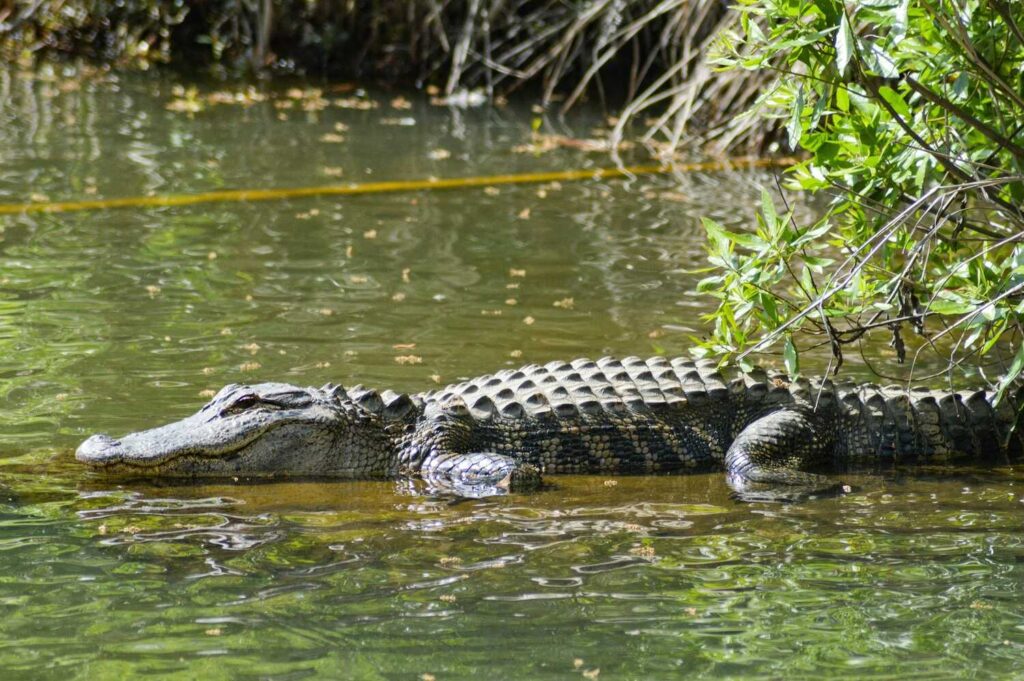
Just past Carara, big crocodiles rest in the river below the Tárcoles bridge. You can watch them from the bridge for free. A crocodile boat tour costs $40 plus tax and takes around 1.5 hours, with birds along the banks too.
Car break-ins happen at the bridge, so take your bags with you. Both stops are right on the coast road covered in the San José to Uvita guide.
The crocodile boat tour costs $40 plus tax for adults, or $35 plus tax for children aged 4 to 12. Children under 3 go free. It lasts 1.5 hours and leaves at 8:30 AM, 10:30 AM, 1:30 PM, and 3:30 PM. The boats are pontoons with a bilingual guide, and the dock is wheelchair accessible. Coffee and a natural drink are included. Bring a hat, sunscreen, and insect repellent.
Carara tickets are usually sold online on the SINAC site, so buy them before you drive up. Entry is $10 with tax, or $5 for kids. The two stops are only a few minutes apart on Route 34, and you can see both in a few hours. They also work as a stop on the drive between San José and Manuel Antonio. At the bridge, keep your bags with you.
15. Take a Day Trip to the Nauyaca Waterfalls
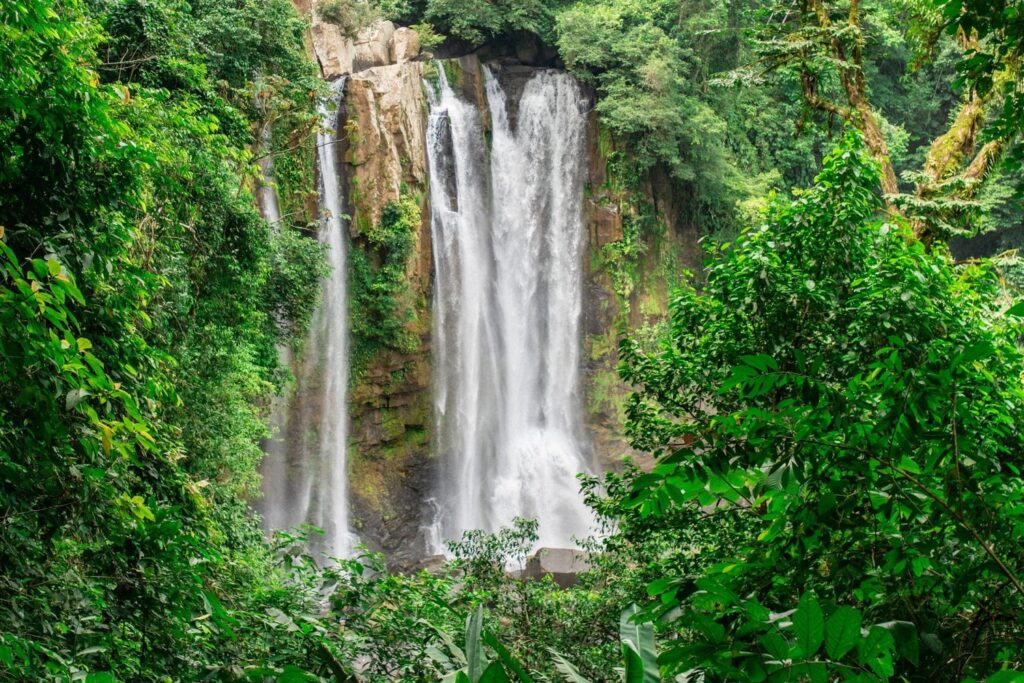
The Nauyaca Waterfalls have two tiers of falls and a big pool for swimming. They’re in the hills near Dominical, around 1 to 1.5 hours south of Manuel Antonio.
- Price: $10 for the hike and $5 for parking. A rise to $15 has been announced, so check the official site.
- Hours: Entry is 7 AM until 2 PM, or 8 AM until 2 PM on Sundays. Enter before 1 PM, and leave the falls by 3:30 PM.
- Hike: 3.5 km each way, up and down hills, which takes around 1 hour each way.
- 4×4 truck: A lift back up costs $12, in cash.
You don’t need a reservation for the hike, but the trail gets muddy in the rainy season. Bring water shoes for the rocks in the pool. For a waterfall closer to Quepos, this horseback ride to the Shaman waterfalls is a fun half day. This Nauyaca day trip includes transport, and the 2-day Uvita itinerary covers the falls too.
The trail from the parking area is not an easy walk. It is up and down, muddy after rain, and is not a good choice for very small children or anyone who has trouble with hills. Showers and changing rooms are at the parking area. A 4×4 ride back up costs $12, cash only, if a truck is free. In the dry season, staff help with jumps from the middle tier, Monday to Saturday, from 11 AM to noon and from 1 PM to 2 PM.
The full-day tour from Manuel Antonio is around $130 and lasts about 7 hours, with hotel pickup, entry, lunch, and snacks. The horseback ride to the Shaman waterfalls is around $101 and lasts about 5 hours, with a 2.5-hour ride, pickup, and a meal. Riders must be at least 8 years old and under 235 lb.
Manuel Antonio FAQ
These answers cover how long to stay, what to do when the park is closed, and where to sleep.
How Many Days Do You Need in Manuel Antonio?
Three days is a good amount of time for most people. Spend your first morning in the national park, then relax on the beach in the afternoon.
On day two, pick a boat trip. Day three works well for the hills, with waterfalls, a zipline or a rescue center. The 3-day Manuel Antonio itinerary puts it all in order.
What Can You Do in Manuel Antonio on a Tuesday?
Tuesday is the one day the national park is closed, so plan a day away from it. A boat trip on the bay or through the mangroves is a good choice.
On land, the waterfalls in the hills and the rescue center are both open. The public beach outside the gate stays open too, so a lazy beach day works as well.
When Is the Best Time to Visit Manuel Antonio?
December to April is the dry season, with sunny days and calm seas. It’s also the busiest time, and park tickets sell out on weekends.
May to November is the green season, with sunny mornings and afternoon rain. September and October are the wettest months, but prices drop and the park is quieter.
How Do You Get to Manuel Antonio From San José?
The drive takes around 3.5 hours on Route 27 and Route 34, along the Pacific coast. Shared shuttles and public buses make the trip too, with stops in Quepos.
Driving gives you the most freedom for side trips, though third-party liability is mandatory when renting a car in Costa Rica and often raises the daily rate.
Should You Stay in Quepos or Manuel Antonio?
Quepos has the cheapest beds, the bus station and the marina. It’s a real town, with local restaurants and banks, but you’ll need a bus or taxi to the beach.
The hotels on the hill have the best views, and many have pools. Staying near Playa Espadilla means you can walk to the park gate in the morning.
Is Manuel Antonio Good for Kids?
Yes, Manuel Antonio is great for families. Kids love spotting monkeys in the park, and the trails are short and mostly flat.
Calm coves suit small swimmers, and some ziplines take kids from age 4. A mangrove boat tour is an easy way to see wildlife with toddlers.
Planning Your Manuel Antonio Trip?
Our 3-day itinerary puts the park, the beaches and a boat trip into one easy plan.
Driving down from the capital? Third-party liability is mandatory when renting a car in Costa Rica, and most online quotes leave it out.