

7 Days in Guanacaste Itinerary: Complete Guide 2026
Guanacaste is Costa Rica’s sunny northwest corner. In one week you can swim under a waterfall, walk past steaming mud pots on a volcano, and catch a Pacific sunset after a surf lesson. Liberia airport is right in the middle of it, so you don’t lose a day on the road from San José.
In this itinerary, we’ll cover a 7-day Guanacaste plan from Liberia airport and back. You’ll find drive times, park hours, ticket prices, where to stay, what to bring and a simple budget for the week.
Share this article
In Short
- Fly into Liberia and rent a car. You start inland at the volcanoes and finish on the beaches.
- Days 1 to 3: Llanos de Cortés, Río Celeste and Rincón de la Vieja.
- Days 4 to 6: Tamarindo, Playa Conchal and Nosara.
- Don’t let Day 3 fall on a Monday, when the Las Pailas sector of Rincón de la Vieja is closed.
- Buy park tickets online, because the gates at Río Celeste and Rincón don’t sell them.
Join Our Facebook Community
Still have questions or want local tips straight from our team? Join our Facebook community. That’s where we share updates, answer questions, and help you plan your Costa Rica trip the smart way.
How This 7-Day Guanacaste Itinerary Works
You fly into Liberia, pick up a rental car and start inland, where the volcanoes and the blue river are. The second half of the week is on the beach, so the plan saves the easy days for when you’re settled.
You’ll use four bases. One night near Río Celeste, one near Rincón de la Vieja, three nights in Tamarindo and a last night in Nosara. The two short stops keep every drive under about 2.5 hours.
Plan to be off the road by dark. Rural roads have no lights, and sunset falls around 5:15 to 6 PM depending on the month. Liberia is the airport for this trip. San José is a 4 to 5 hour drive away, so landing there costs you most of a day, though there are transfers from San José airport to Liberia if your flights only work that way.
Short on days? Río Celeste and Nosara are the easiest parts to drop. You can also swap Nosara for Sámara or Playas del Coco if you want a paved last drive.
Guanacaste Drive Times
These are the drives on this itinerary. Times are for a normal day. Traffic, rain or road works can add more.
| Drive | Distance | Time |
|---|---|---|
| Liberia airport (LIR) to Llanos de Cortés | around 35 km | 35 to 45 min |
| LIR to Bijagua (Río Celeste) | 90 to 105 km | 1 h 30 min to 2 h |
| Río Celeste to Rincón de la Vieja | around 95 to 100 km | 2 h to 2 h 30 min |
| Rincón de la Vieja to Tamarindo | around 95 to 100 km | 2 h to 2 h 30 min |
| Tamarindo to Playa Flamingo | around 21 km | 35 to 40 min |
| Tamarindo to Nosara | 56 to 71 km | 1 h 30 min to 2 h |
| Nosara to LIR | around 100 km | 2 h to 2 h 30 min |
| Sámara to LIR | around 105 km | 2 h to 2 h 15 min |
| LIR to Playas del Coco | 20 to 35 km | 30 to 45 min |
7-Day Guanacaste Itinerary
Day 1: Liberia Airport, Llanos de Cortés and Bijagua
Day 1 is an easy landing day with one waterfall stop. You pick up the car at Liberia, cool off at Llanos de Cortés if you arrive early enough, and sleep in Bijagua, the village closest to Río Celeste. The drives are short, so even a late afternoon flight still works if you skip the waterfall. Buy your Río Celeste tickets online before bed, because the gate doesn’t sell them.
Land in Liberia and Pick Up Your Car
Liberia airport is small and quick to clear, which is one reason this itinerary starts here. Once you have your bags, head to the rental desk or the shuttle for off-airport companies. Most desks close in the evening, so check your company’s hours against your flight time.
Before you leave the airport area, take five minutes with the car. Check the spare tire, the jack and the lights, and photograph any scratches. The drive south toward Bagaces on Route 1 is paved and straightforward. Stock up on water and snacks in Liberia town, about 15 to 20 minutes from the airport, because shops thin out once you leave the main road.
Third-party liability insurance is mandatory here, and most online quotes leave it out, so the counter price is often higher than you expect when you’re renting a car in Costa Rica.

Llanos de Cortés Waterfall
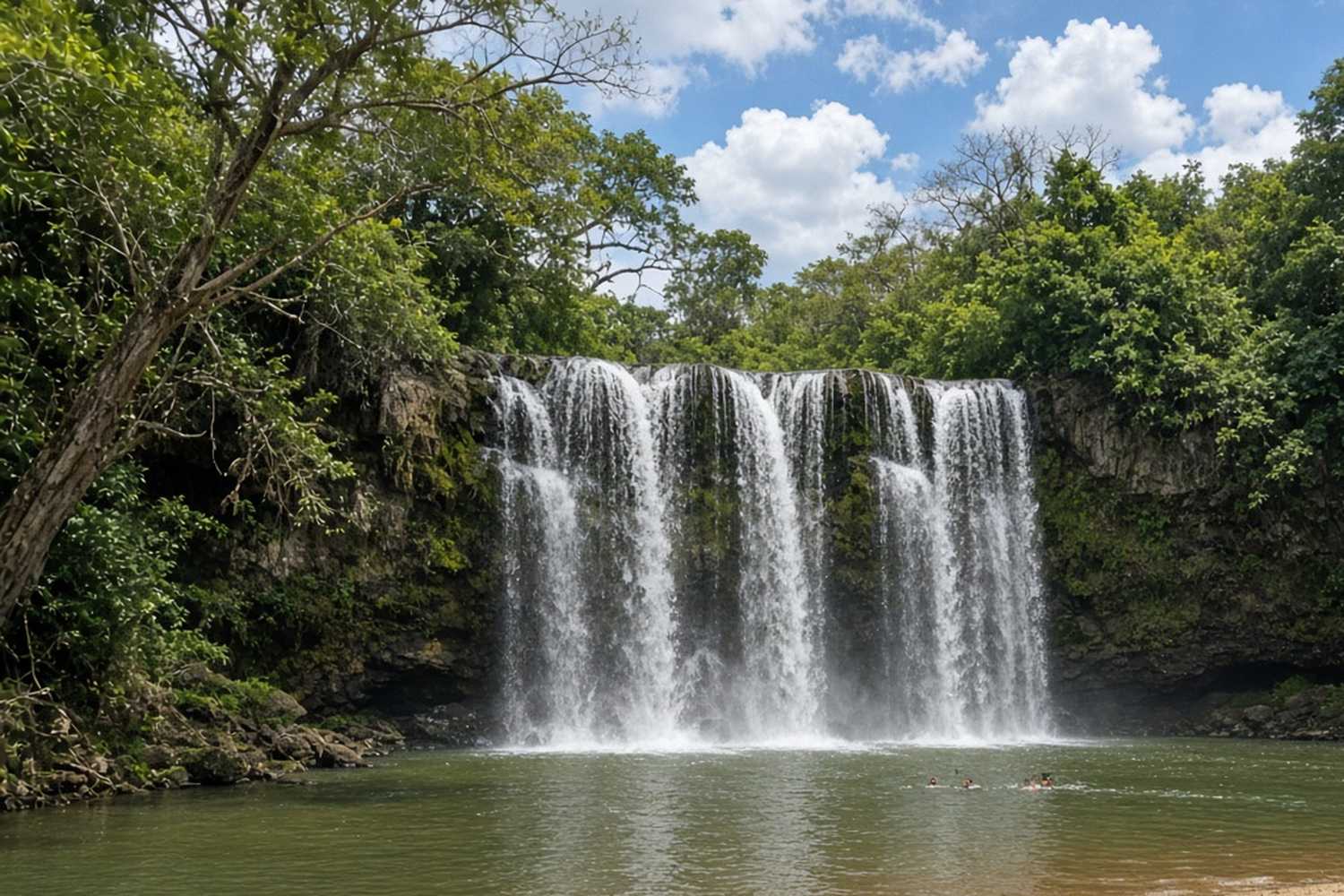
Llanos de Cortés is a wide curtain of water that falls into a sandy swimming pool, just off Route 1 near Bagaces. It’s around 35 to 45 minutes from the airport, and the short walk down takes about five minutes on concrete steps with a rope handrail. You don’t need a 4×4 for the access road in the dry season.
The waterfall is open every day from 8 AM until 4 PM, and the swimming area closes at 3 PM. Entry is ₡4,000 for adults and ₡2,000 for kids aged 7 to 12, cash only, in colones or dollars. The fee goes back into the Bagaces community project that looks after the site. There’s a lifeguard and a rope that marks the swimming area. Climbing the rocks under the falls isn’t allowed.
Arrive before 9:30 AM if you can. Tour groups tend to show up mid-morning, and the early slot is quieter for a swim. Bring a towel, water shoes if you have them, and a dry bag for your phone. There are restrooms up at the parking area, but none at the bottom. Landing after lunch? Skip the waterfall and drive straight to Bijagua, about 1 hour 15 minutes from the airport without the stop.
Evening in Bijagua
From Llanos de Cortés, Bijagua is a little over an hour on paved roads through green hills. The village is small, with a few lodges and sodas, and it is at the foot of Tenorio Volcano National Park. Check in, then buy your Río Celeste tickets online through the SINAC site while you still have good Wi-Fi.
For dinner, Soda Doña Eli and Soda El Sabor de Doña Carmen both serve simple Costa Rican plates, with casados, gallo pinto and fresh juice. Portions are big and prices are low. Get an early night. The park opens at 8 AM, and the first entry slots are the ones that leave you time for the full trail.
Day 2: Río Celeste, Then the Rincón de la Vieja Area
Day 2 starts at Río Celeste, the bright blue river inside Tenorio Volcano National Park. In the afternoon you drive west to your second volcano base. You sleep near Rincón de la Vieja tonight so tomorrow’s Las Pailas hike starts close by. Pack closed shoes, a rain jacket and plenty of water, and leave Bijagua with time to reach the gate inside your booked entry slot.
Río Celeste Trail
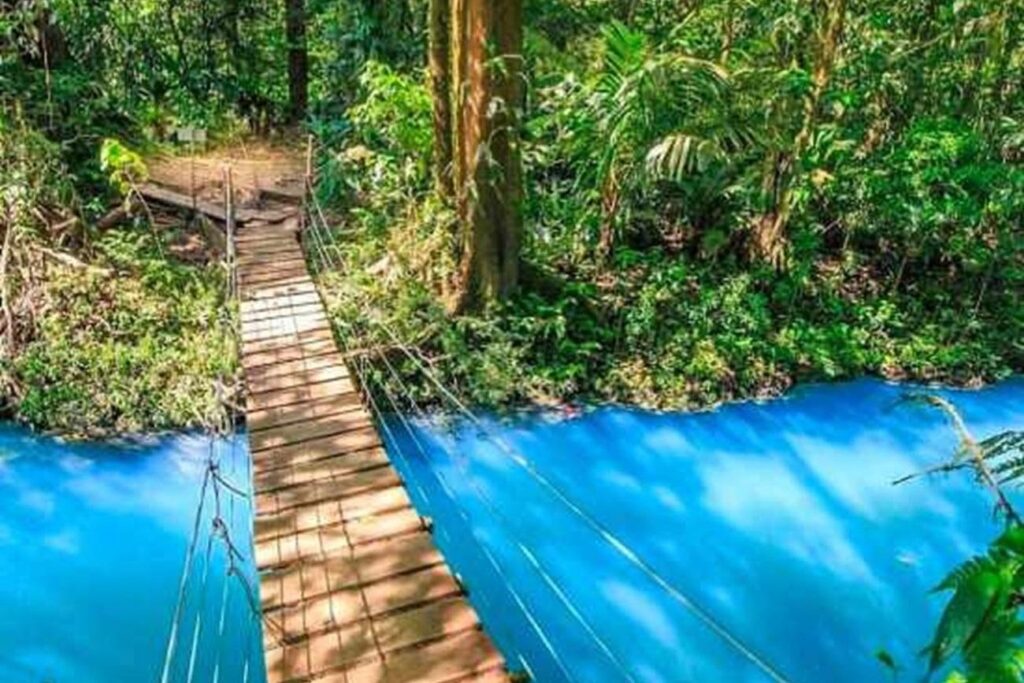
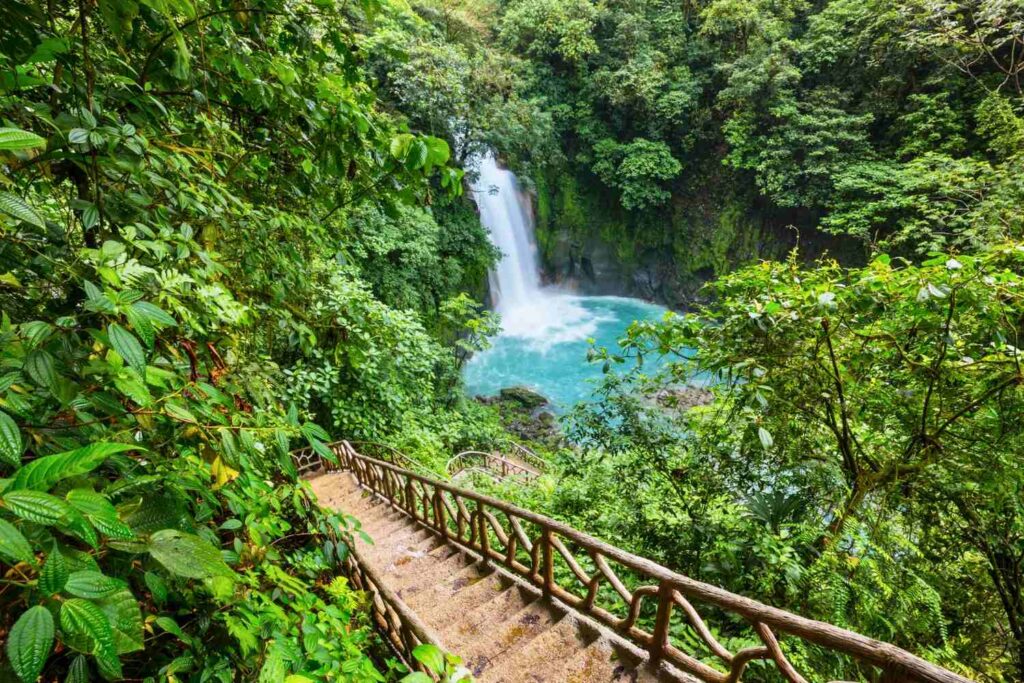
Río Celeste, inside Tenorio Volcano National Park, is the day most people remember from this week. The river turns a bright sky blue where two streams meet, and the waterfall drops about 20 meters into a matching pool. Swimming in the river isn’t allowed, and the color can look muddy after heavy rain, so dry-season mornings are the safest bet for the famous shade of blue.
Entry is every day from 8 AM until 2 PM, and you can stay until 4 PM. A foreign adult ticket costs $13.56 including tax, and kids pay $5.65. Tickets are sold online only through the SINAC site, with a daily cap of around 1,200 people. There’s no ticket window at the gate. Bring your passport or a clear photo of it, closed shoes with grip, insect spray and a light rain jacket. The trail is around 6 km there and back and takes about 3 hours at an easy pace. Parking is private and paid at the entrance.
Book an 8 or 9 AM slot if you want the waterfall, the blue lagoon and the Teñidero, where the river changes color. A late slot leaves too little time before the 4 PM close. Soda El Pilón, near the gate, is a handy lunch stop for a casado and a cold drink when you come out.
Drive to Rincón de la Vieja
After lunch, drive west toward the Rincón de la Vieja area. The trip takes around 2 to 2.5 hours. Part of the last stretch is unpaved, but a normal car manages it in dry weather. Take it slowly after rain.
Stay in Curubandé or Cañas Dulces, close to the Las Pailas gate. Hacienda Guachipelín is a popular hotel on that road, and it’s on our list of the best hotels in Costa Rica for families. Buy your Rincón tickets online before dinner. The Las Pailas sector doesn’t sell them at the gate either, and cell coverage on the mountain can be thin.

Day 3: Rincón de la Vieja, Then Tamarindo
Day 3 is a volcano morning and a beach evening. Don’t let it fall on a Monday, because the Las Pailas sector is closed that day. You hike the steaming vents early, then drive to Tamarindo for three nights by the Pacific. If you’d rather spend the day on the zipline, the river tubes and in the hot springs than on a hike, the Guachipelín Nature Pass is a good alternative, and it fills most of the day.
Las Pailas Trail
Las Pailas is the main sector of Rincón de la Vieja National Park, and it’s the one with the bubbling mud pots and fumaroles. The sector is open Tuesday to Sunday from 8 AM until 3 PM, and closed on Mondays. A foreign adult ticket costs $16.95, and kids aged 2 to 12 pay $5.65. Tickets are online only through SINAC.
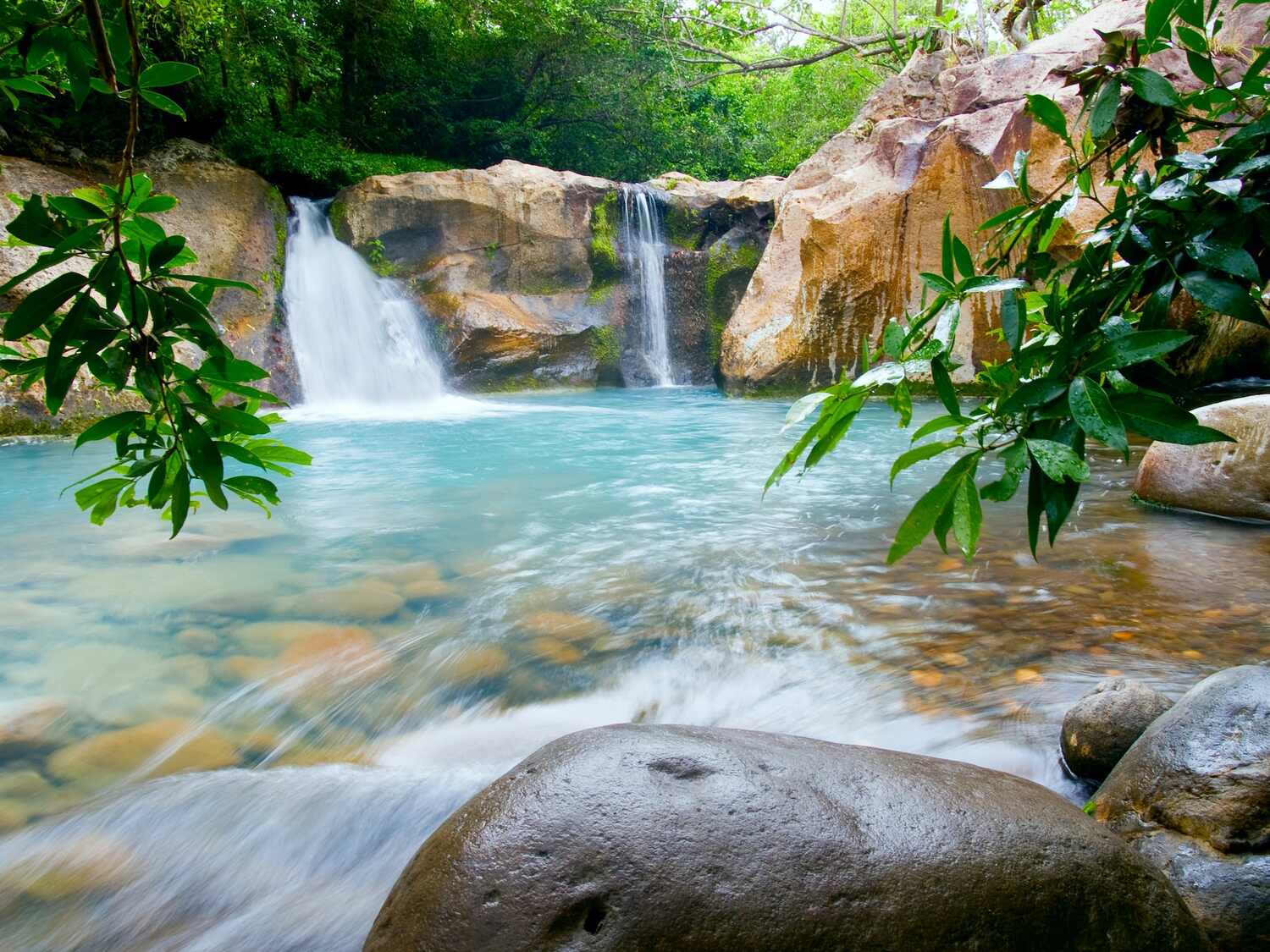
The main loop is around 3 km and takes about 2 hours. It passes steaming vents, boiling mud and a small “volcancito,” with short stretches of open savanna between forest. Stay on the marked path. The mud and steam are hot enough to burn. Side trails lead to waterfalls such as La Cangreja, but those trails only admit hikers in the morning, often with a noon cutoff, and their status changes with weather and volcanic activity. Ask at the gate before you set out.
The crater trail is closed. Check the park and OVSICORI updates the day before, because activity can change which paths are open. Go early. Mornings are cooler, and you’ll still have time for the drive to the coast. Bring water, a hat, closed shoes and a camera you don’t mind getting dusty.
Drive to Tamarindo
After the hike, grab lunch near the park or in Liberia, then follow the road to Tamarindo. The drive takes around 2 to 2.5 hours by way of Liberia. You’ll reach the beach with daylight to spare if you leave by early afternoon.
Prefer hot springs and a guided day to hiking on your own? Hacienda Guachipelín’s One-Day Nature Pass costs $95 for adults and $75 for kids aged 4 to 12. It includes a guided Las Pailas hike, a stop at Oropendola Waterfall, the hot springs and mud baths, and a buffet lunch. The national park fee is extra. The pass leaves Tuesday to Sunday at 8 AM and 11 AM and takes about 5 hours, so it only fits if you have an extra night near the park.
First Sunset in Tamarindo
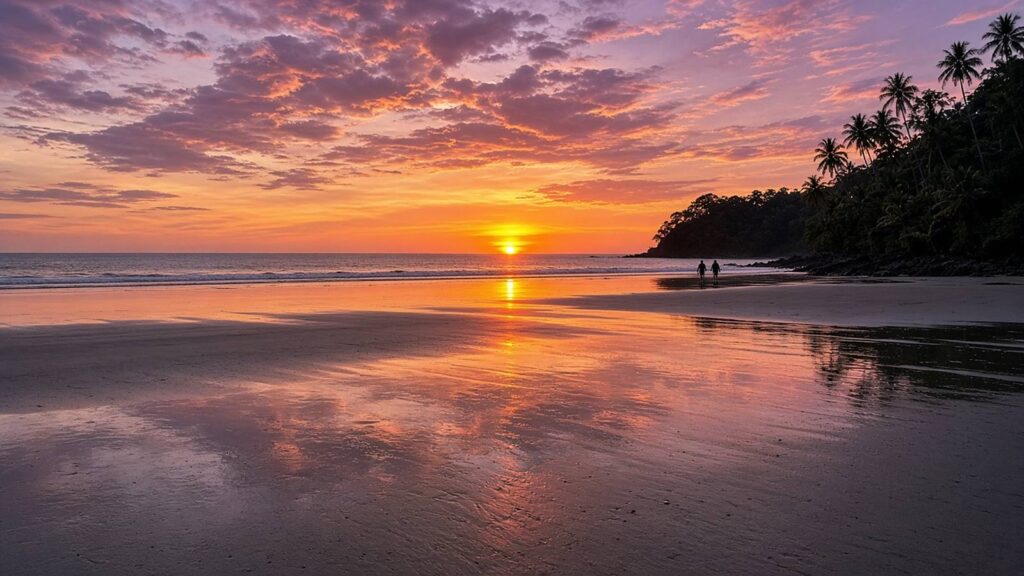
Check in, drop your bags and walk down to the beach for sunset. Tamarindo is walkable, with restaurants and surf shops along the sand, and it makes an easy base for the next three nights. The beach faces west, so you get the full show without leaving town. There are hotels in Tamarindo for every budget, and most are within walking distance of the sand.
For dinner, Nogui’s is a beachfront classic for fish and a cold drink as the sky turns pink. El Coconut is a quieter seafood option a little farther along. Neither needs a long taxi ride after a travel day. If you arrive hungry before sunset, a soda casado in town will hold you until a later table on the sand.
Day 4: Surf, Mangroves and a Sunset Sail in Tamarindo
Day 4 is a no-drive day in Tamarindo. You surf in the morning, take a mangrove boat when the tide is right, then sail out in the afternoon and come back for the Moonlight Market if it’s a Tuesday or Thursday. Most tours pick up free in Tamarindo and Playa Langosta, so the car can stay parked.
Surf Lesson on Playa Tamarindo
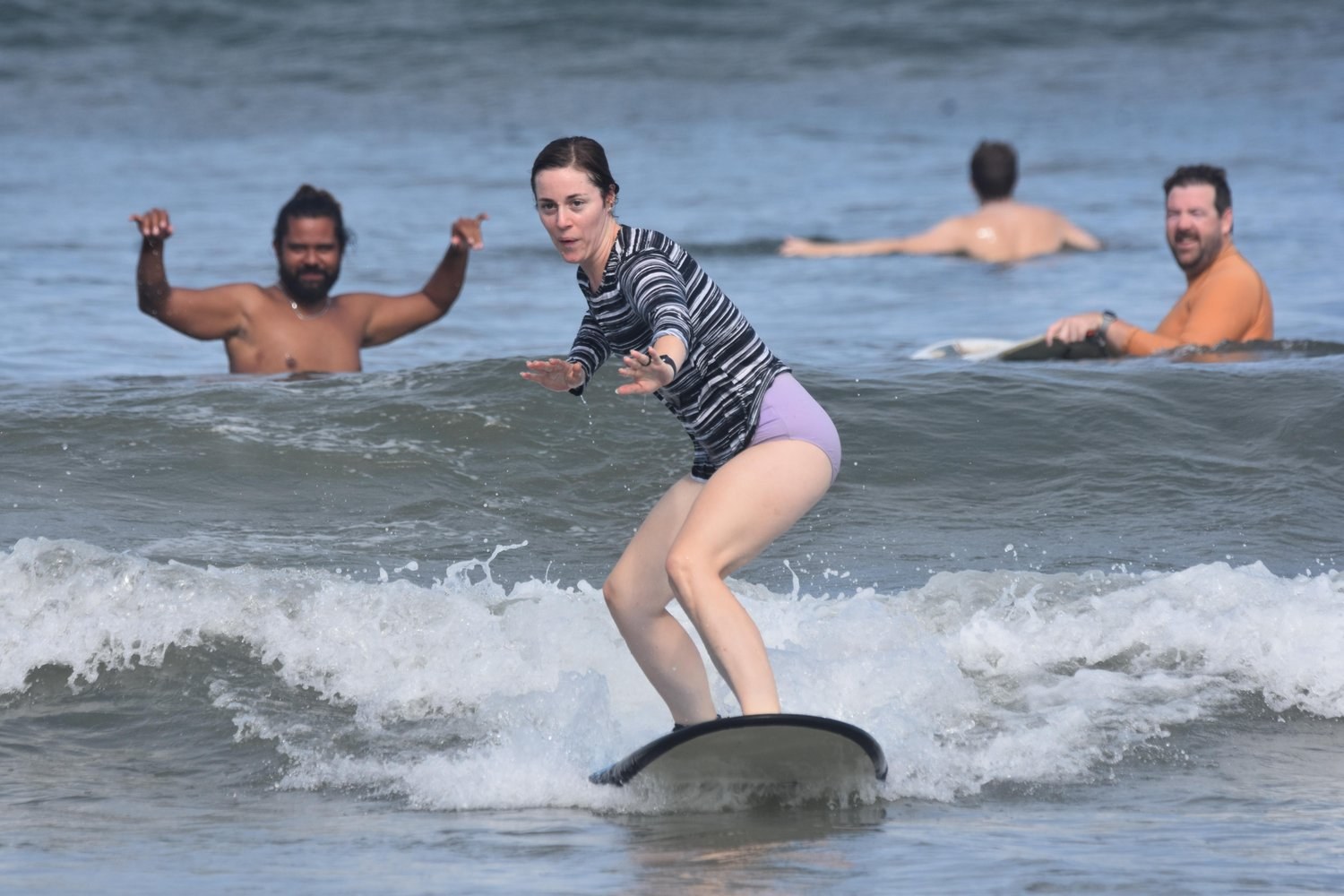
Tamarindo is one of the easiest places in Costa Rica to stand up on a board for the first time. The beach break is sandy, the lineup is usually friendly, and lessons leave at 8 or 10 AM depending on the tide. A group lesson costs around $55 for 90 minutes. You get around 15 minutes of theory on the sand, then time in the water with a local instructor. A beginner’s board, a leash and a rash guard are included.
Book the day before, and say if it’s your first time so they put you in the right group. Bring reef-safe sunscreen, water and a towel. After the lesson, rinse off and head to the estuary for the mangrove boat. A 2-hour wildlife boat costs around $45, with a bilingual guide, fruit and water. Times change with the tide, so the operator confirms the start after you book. You may see crocodiles, howler monkeys, iguanas and herons in the same stretch of river.
Sunset Catamaran
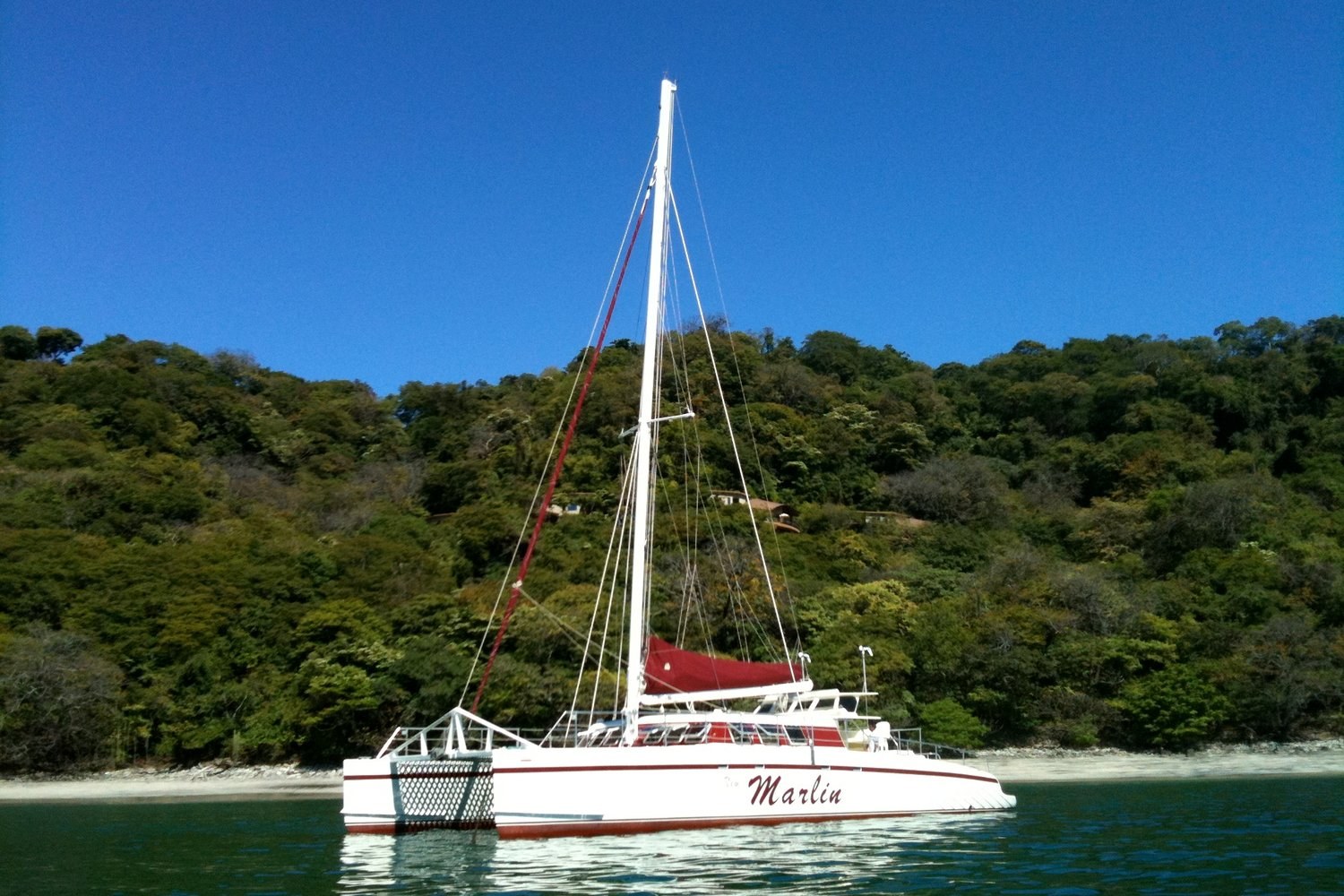
An afternoon catamaran is one of the most popular tours in Tamarindo. Our pick leaves around 1:30 PM and comes back near sunset, about 4.5 hours later. It costs around $133 per person. There’s a stop in a calm bay for a swim or a snorkel, an open bar with soft drinks for kids, and a light meal of chicken or pasta salad, fruit and chips. There’s no dock, so you wade out to the boat from the beach.
If you’d rather skip the cruise, you can watch the sunset from the beach for free. Bring a light layer for the sail back. The wind picks up once the sun drops.
Moonlight Market
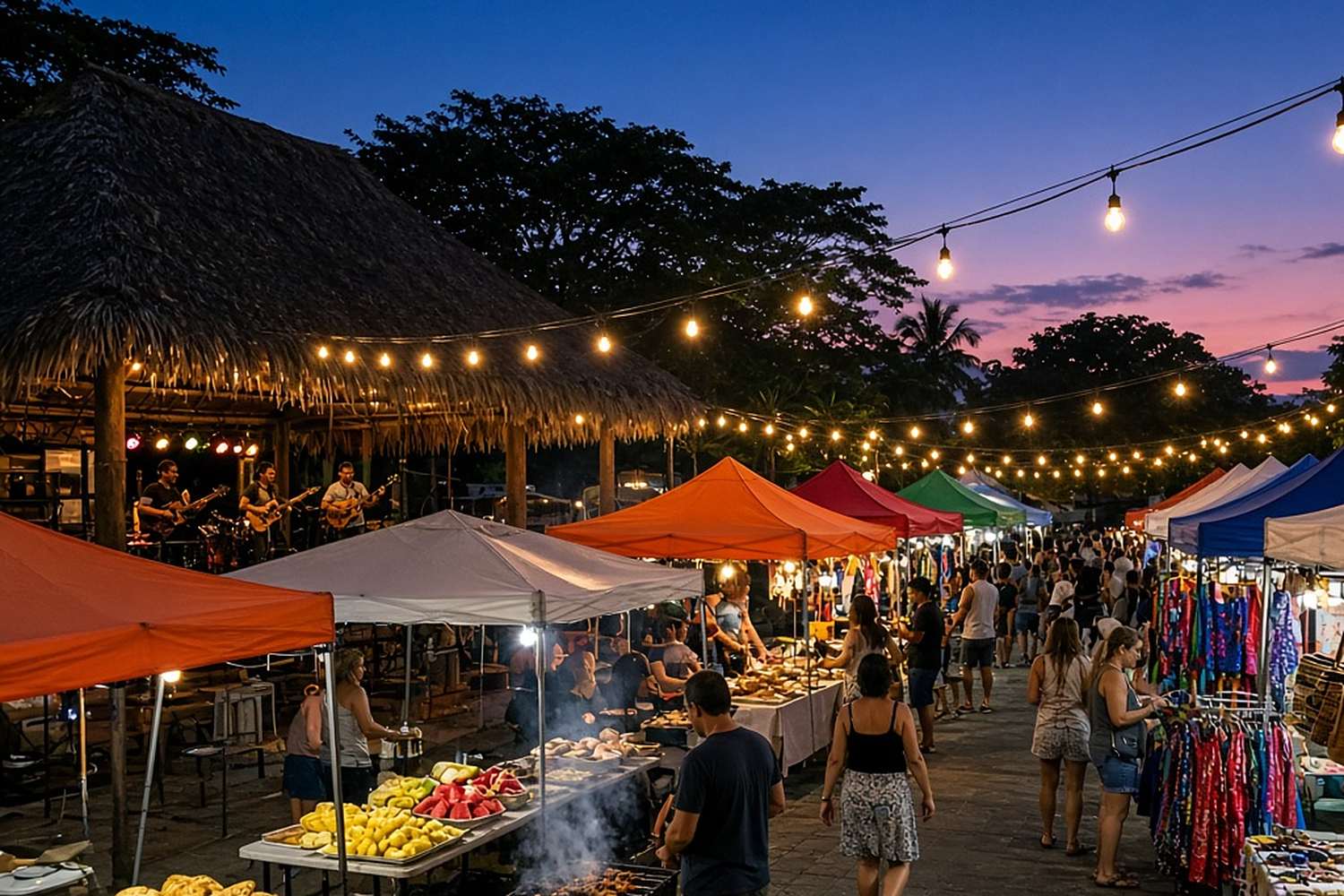
On a Tuesday or a Thursday, finish the day at the Moonlight Market at Plaza Palmas in the center of Tamarindo. It’s open 5 PM until 9:30 PM, with more than 70 stalls of crafts, jewelry, Costa Rican art and street food from around the world, plus live music. It’s an easy stroll from most hotels in town, and kids can come along.
It’s also a good place for dinner. You’ll find pupusas, tacos, Thai noodles, desserts and fresh juice, so you can try a few stalls instead of sitting down at one restaurant. Bring small bills and a reusable bag for anything you buy. On other nights, head back to the beach restaurants, or try Green Papaya for casual tacos and burgers. Witch’s Rock Surf Camp also hosts a smaller Sunday market from 10 AM until 2 PM if you’re still in town on a Sunday.
Day 5: Playa Conchal and Flamingo, or Palo Verde
Day 5 is a choose-your-own day. Most people take the coast road north to Playa Conchal and Flamingo for beach time and a possible snorkel trip. If you’d rather see wildlife than swim, swap the whole day for a Palo Verde river safari with pickup from Tamarindo. Either way, plan to be back before dark.
Playa Conchal
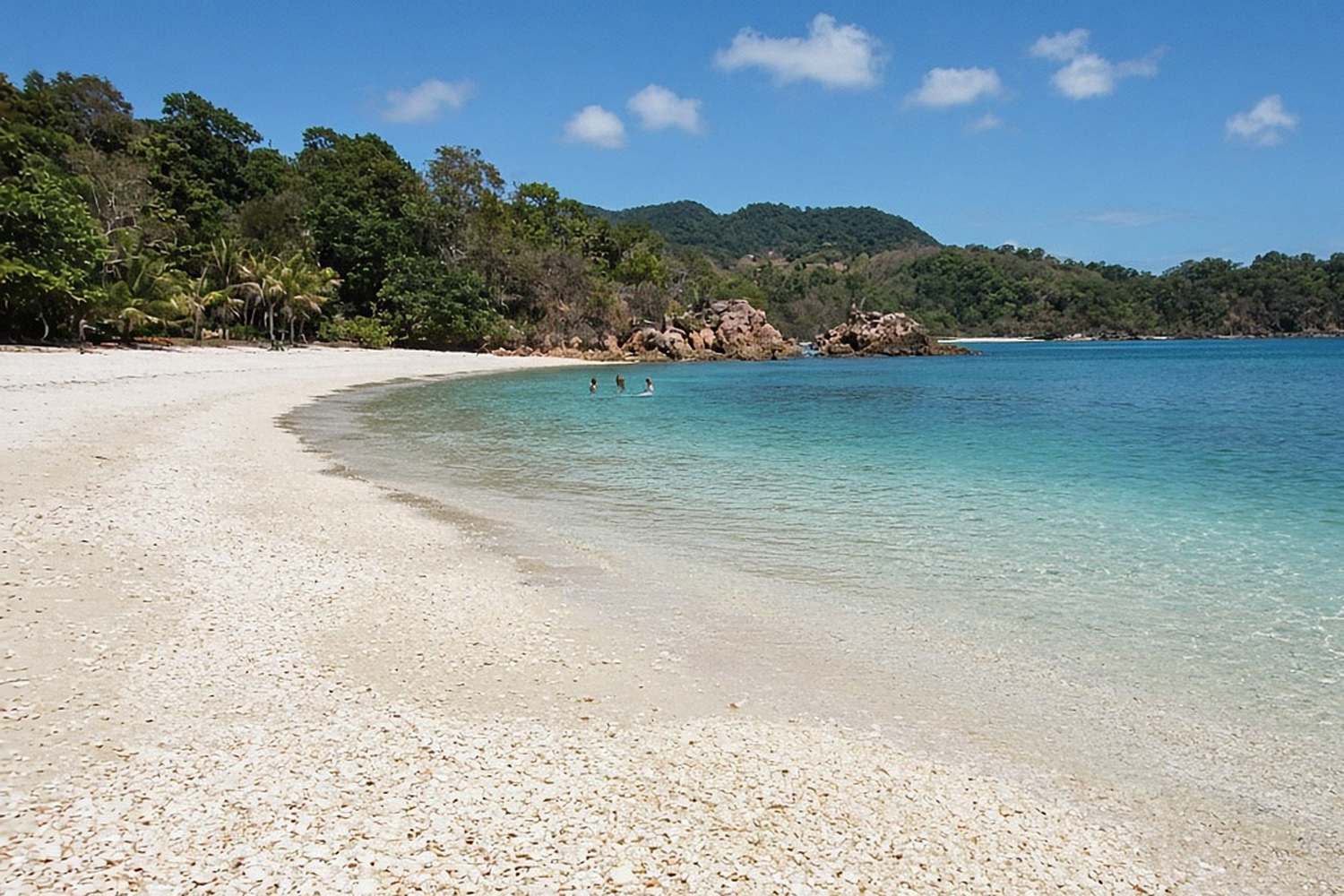
Playa Conchal is a beach of tiny crushed shells, with clear water on calm days and a long, easy walk in from the village of Brasilito. It’s 35 to 40 minutes north of Tamarindo by car. Park in Brasilito and walk along the sand for 15 to 20 minutes. There’s no entrance fee for the beach itself.
Bring water shoes if your feet are sensitive, plus shade, water and cash for a simple lunch in Brasilito. The shell sand gets hot by midday. On windy Papagayo days, roughly December to March, the water can be choppy for swimming, so check the wind before you promise kids a long dip. For lunch, the beach restaurants in Brasilito and Flamingo serve fish, rice and beans and cold drinks with your toes nearly in the sand.
Playa Flamingo and the Catalina Islands
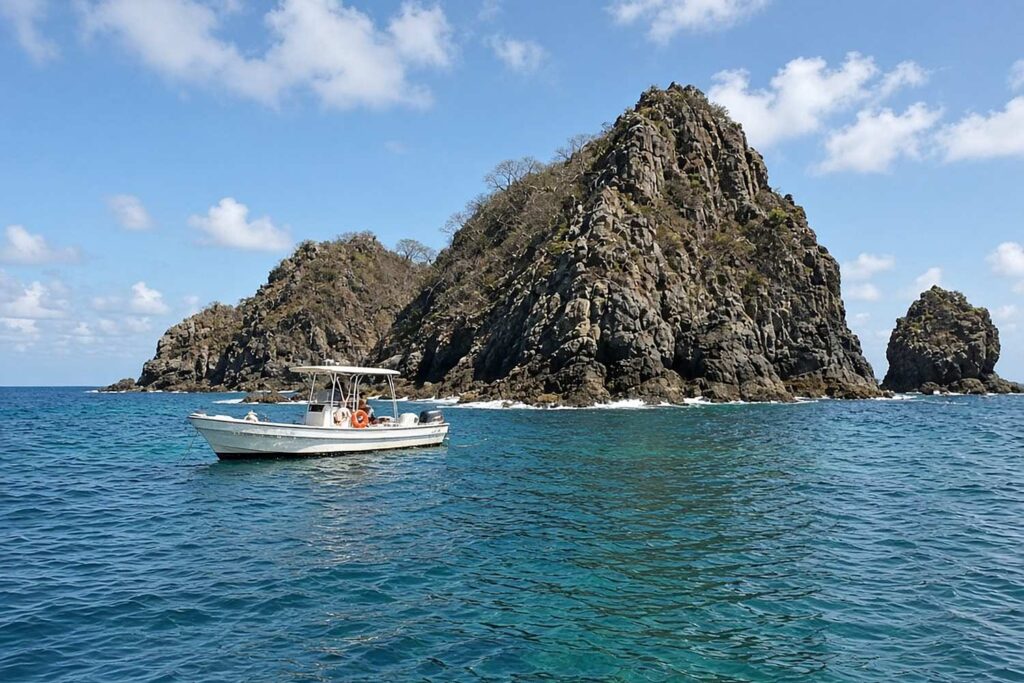
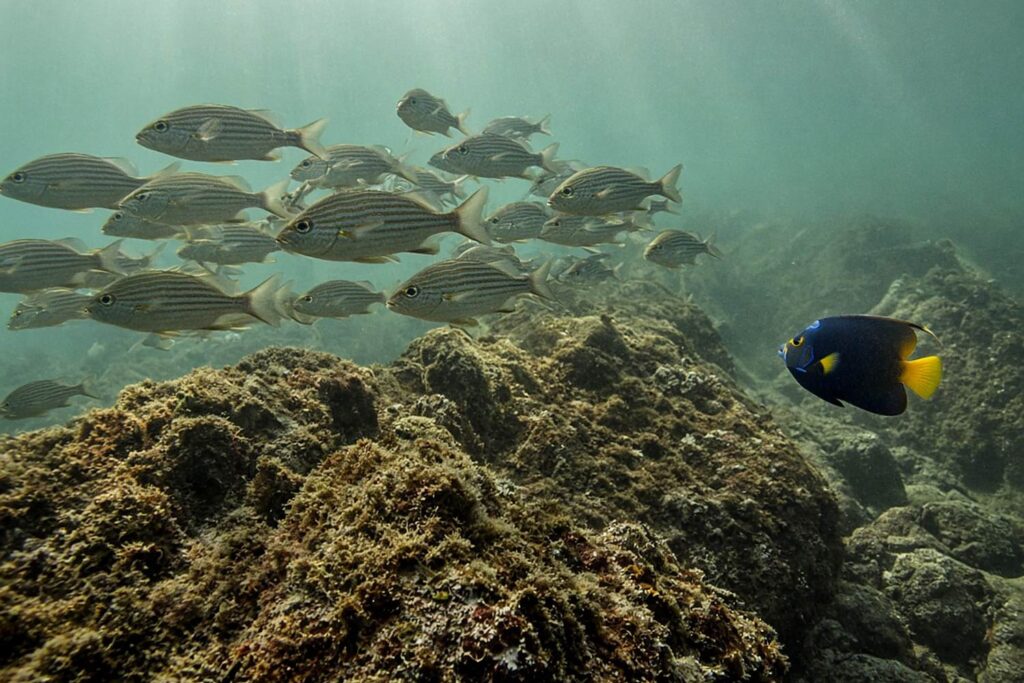
After Conchal, continue a few minutes up the coast to Playa Flamingo for a wider bay and a bigger lunch scene. From Flamingo you can also book a snorkel or scuba trip to the Catalina Islands. A snorkel trip costs around $50 with local shops, and two tanks for certified divers cost around $85 plus 13% tax. A Catalina snorkel trip from Tamarindo or Flamingo costs around $140 when transport and a full morning on the water are included.
If you’d rather see wildlife than spend the day on the beach, a shared Palo Verde river safari with Tamarindo pickup costs around $135 and takes 6 to 7 hours, with lunch. You cruise the Tempisque River along the edge of Palo Verde National Park, with a good chance of crocodiles, monkeys, iguanas and wetland birds, then stop for a casado. It’s a full day, so you wouldn’t also do Conchal.
Evening Back in Tamarindo
Drive back before dark and keep dinner easy. After a beach or river day, a casual spot in town beats another long outing. Tamarindo’s main strip has sodas and beach restaurants within a short walk of most hotels, so you can leave the car parked.
If you still have energy, a night walk with a guide is a good add-on, with frogs, snakes and insects you would never notice alone. Otherwise, call it an early night. Tomorrow’s drive to Nosara is easier when you start fresh.
Day 6: Tamarindo to Nosara
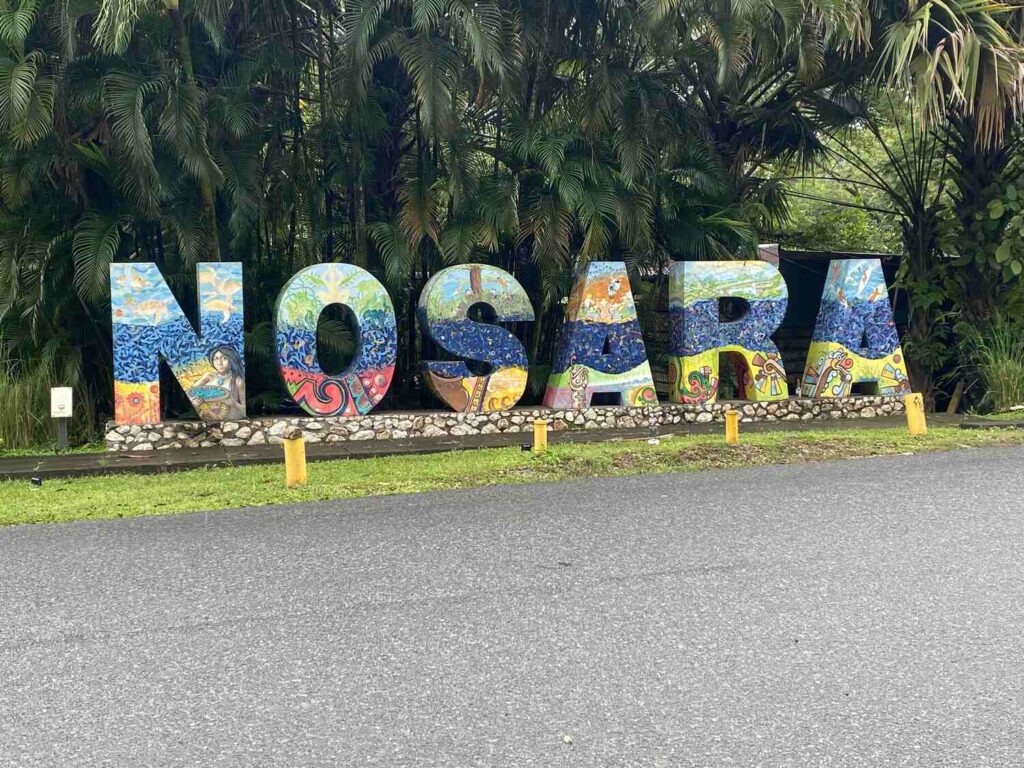
Day 6 takes you south to Nosara, a quieter surf and yoga town set back in the trees. You leave Tamarindo mid-morning after a last beach walk or the Saturday market, drive 1.5 to 2 hours, and spend the afternoon on Playa Guiones. Sleep in Nosara tonight so Day 7’s drive to the airport starts from a calm place.
Playa Langosta or the TamaMarket
Take a last walk to Playa Langosta, the quieter beach just south of Tamarindo, before you pack the car. On a Saturday, go to the TamaMarket instead. It’s at Oneida Park, where Central Avenue meets Calle Cardinal, and it’s open 8 AM until 2 PM. You’ll find fruit, vegetables, fish, coffee, honey, crafts and live music, with the skate park and playground busy with local kids.
It’s a good place to grab snacks for the drive and a last espresso. Arrive near opening if you want the best fruit selection. Then head south toward Nosara with a full tank. The last stretch of the road is gravel, and low sections can flood between May and November.
Drive to Nosara and Playa Guiones
The Tamarindo–Nosara drive takes 1.5 to 2 hours, covering around 56 to 71 km depending on the route. A 4×4 helps in the green season. In the dry months a normal car is usually fine if you go slowly on the ruts. Fill up before you leave Tamarindo or at Servicentro Nosara once you arrive, next to the Banco de Costa Rica on the main road.
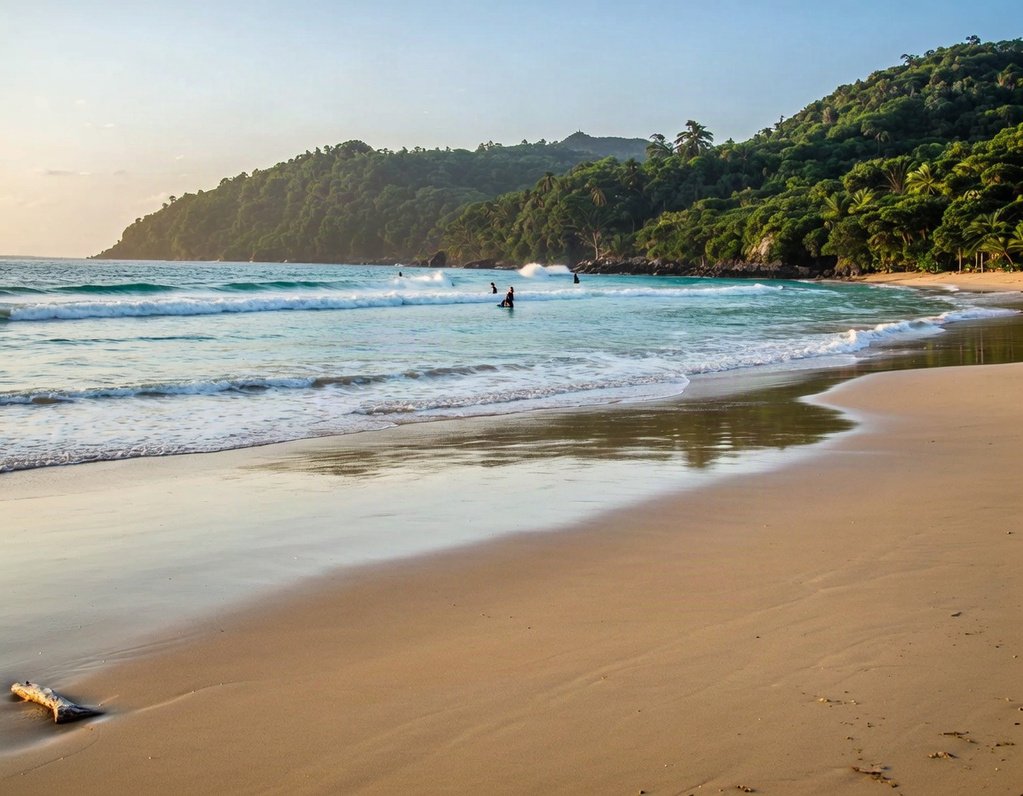
Spend the afternoon on Playa Guiones, Nosara’s main surf beach. The sand is wide at low tide, the water is inviting for a swim when the waves are small, and yoga studios are a short walk back from the beach, with plenty of other things to do in Nosara if you have energy left.
Sunset or an Ostional Arribada
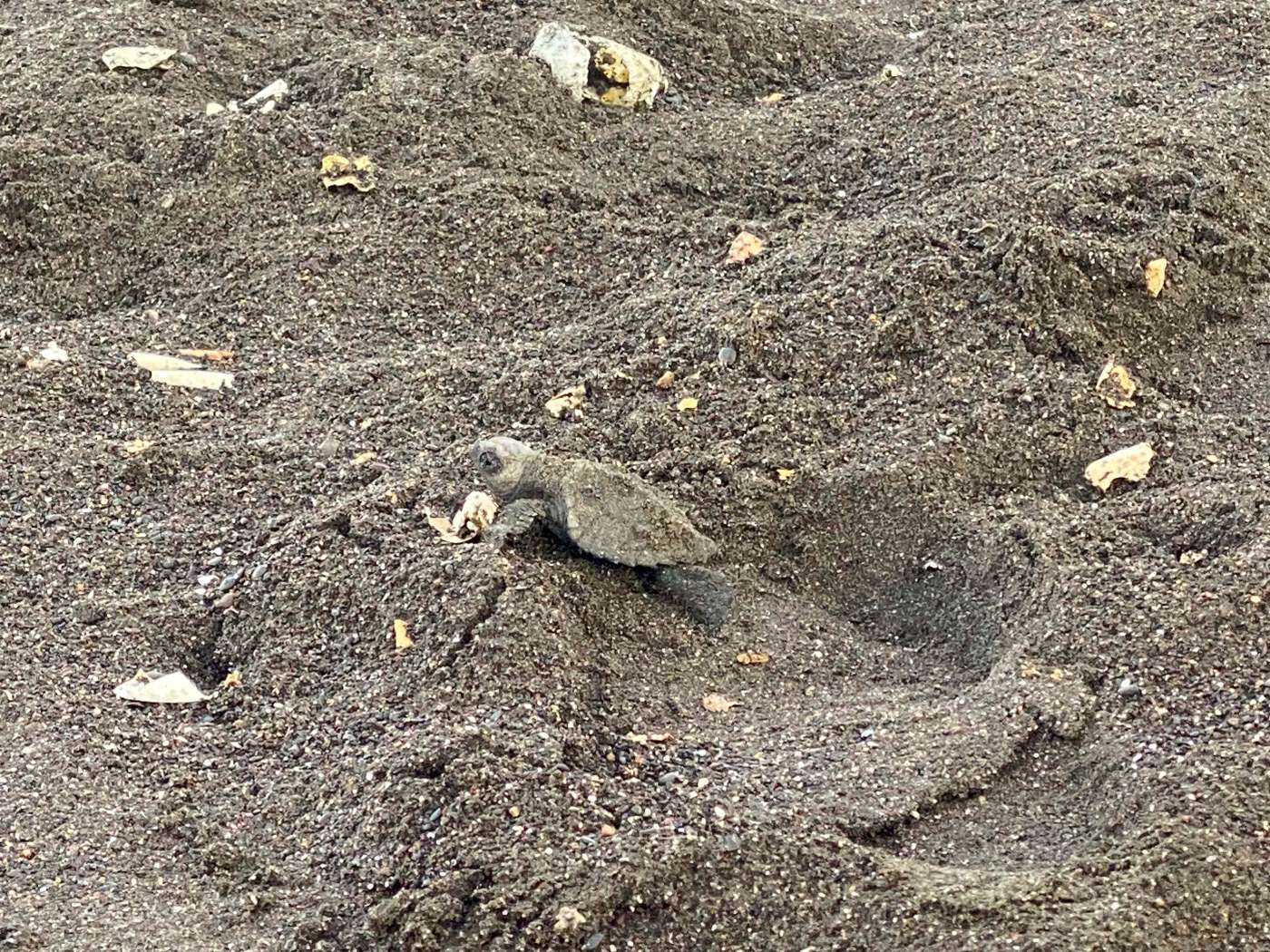
Watch the sunset from Playa Guiones. In season, Ostional is 15 to 30 minutes north for an arribada. That’s when hundreds or thousands of olive ridley turtles come ashore to nest, often around the last quarter to new moon. The largest events usually fall between July and November.
You must go with a licensed local guide. The standard fee for foreigners is around $25, cash, and infants under 3 go free but must be carried. Group size is capped at 9 people per guide. Flash photography is banned. Check the Ostional Wildlife Refuge Facebook page for arribada announcements and guide contacts, and book ahead. If no arribada is on, a solitary nesting tour is sometimes offered instead.
Day 7: Nosara to Liberia Airport
Day 7 is a slow morning and the drive back to Liberia airport. Check your flight time first, then work backward. The drive takes around 2 to 2.5 hours for about 100 km, and the first stretch out of Nosara is gravel, so leave more time than the map suggests. Many people aim to be at the airport 3 hours before an international flight.
Have breakfast in Guiones before you leave. Café de Paris is a long-time landmark on the main road and a handy meeting point when you and a friend are returning a car. Fill the tank at Servicentro Nosara. Gas stations thin out on the way to Liberia, and rental companies expect a full tank on return.
The route climbs out of Nosara on Route 160, then connects toward Nicoya and north to Liberia. In heavy rain, low river crossings near Ostional can flood and close, so check the road when you leave in a storm. Once you hit the paved highway north, the drive gets easier. Return the car with time for the inspection, then walk into the small terminal. Liberia is easy to get around, but lines at U.S. departure desks still build up in high season.
If you have a late flight and want one more beach hour, stay the last night in Playas del Coco or Playa Hermosa instead of Nosara. Both are 30 to 45 minutes from the airport, with a fully paved drive. Sámara is another paved option, around 2 hours to 2 hours 15 minutes from Liberia, and its reef-protected bay suits families who want calmer water than Guiones.

Getting Around Guanacaste by Car
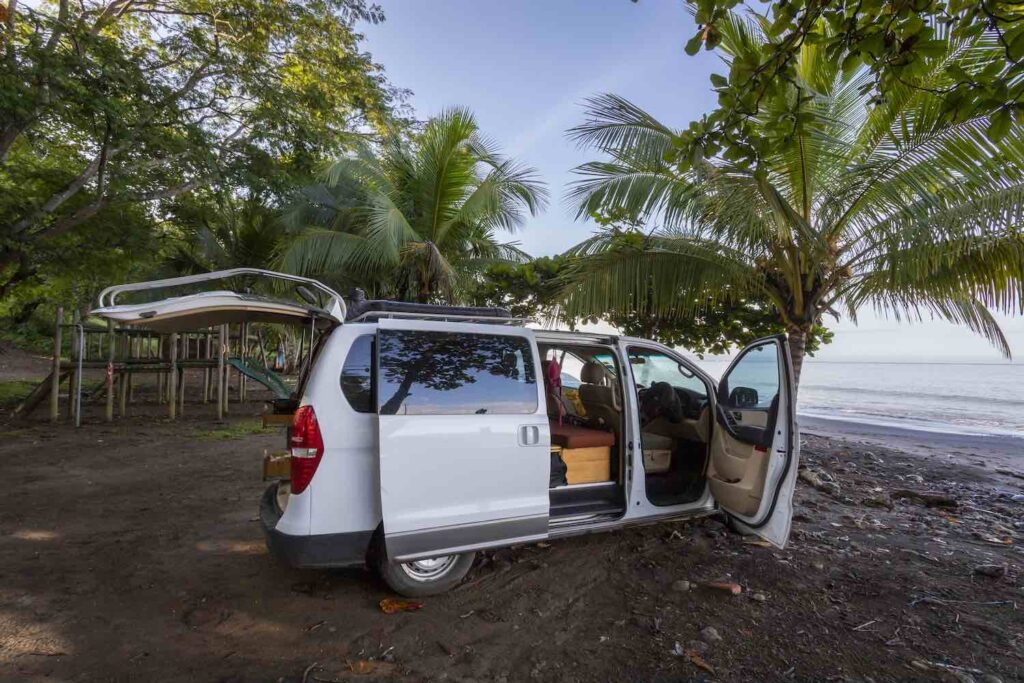
A rental car is the easiest way to follow this plan. The main routes to Tamarindo, Flamingo, Conchal and Liberia are paved, and a normal car reaches Las Pailas in dry weather. A 4×4 helps between May and November on the roads to Nosara, on to Sámara, to Rincón’s Santa María sector and around Río Celeste after heavy rain.
Third-party liability insurance is mandatory on every rental in Costa Rica, and most booking sites leave it out of the headline price, which is why the real daily cost of renting a car in Costa Rica is often higher once you add the deposit hold. Picking up in Liberia and dropping off in San José costs around $50 extra at one major local company.
Be off the road by dark. Rural stretches have no lights, and cows, cyclists and scooters appear without warning. Waze works well for navigation. Keep a photo of your passport and the rental contract in your phone, and never leave bags visible in a parked car at the beach.
Where to Stay on This Guanacaste Itinerary
You’ll use four bases, and two of them are only for one night. Here’s where each stop makes sense.
- Bijagua: A small village with a few lodges, close to the Río Celeste gate. One night is enough.
- Rincón de la Vieja: Curubandé or Cañas Dulces, close to Las Pailas. Hacienda Guachipelín is popular if you want activities on site.
- Tamarindo: The biggest choice of hotels in Tamarindo, and walkable to the beach and restaurants.
- Nosara: Hotels in Nosara set back in the trees behind Playa Guiones.
Want paved roads the whole way for the last night? Stay in Sámara instead of Nosara. It’s a calm, reef-protected bay that suits families, and the drive to the airport takes around 2 hours to 2 hours 15 minutes. For the shortest last drive, stay in Playas del Coco, 30 to 45 minutes from Liberia. Coco is also a good base for scuba trips. A two-tank scuba trip there costs around $115 plus 13% tax.
Best Time for a Guanacaste Itinerary
The dry season, from mid-November or December until April, is the most popular time for this plan. Guanacaste is the sunniest region in Costa Rica, and March and April are the hottest months. Between December and March, strong Papagayo winds can make the sea choppy on the north coast. Wildfire smoke can also appear between January and May.
The green season brings afternoon storms between May and November, with September and October the wettest. Dirt roads to Nosara and Rincón get rutted then, and some catamaran departures pause in the wettest weeks. The upside is fewer crowds and lower hotel rates, which is why many people think the green season is the best time to travel to Costa Rica on a budget.
How Much Does a Week in Guanacaste Cost?
Prices below are estimates per day, in U.S. dollars, for a week that follows this plan. They cover lodging, food, a shared rental car with gas, and activities. Not everyone does every tour, so use the activity line as a maximum and cut it down if you skip the catamaran or Palo Verde. Park tickets and simple waterfall fees are folded into activities.
One person
- Budget: around $120 to $160 a day. Simple rooms, sodas, a small rental car, and one paid activity every other day.
- Mid-range: around $220 to $300 a day. Comfortable hotels, a mix of sodas and restaurants, a car, and most of the tours on this plan.
- Comfort: around $350 to $500 a day. Nicer hotels, restaurant meals, and private or small-group tours.
Couple (total for two)
- Budget: around $180 to $240 a day. One room, shared meals, one car, and shared activity costs.
- Mid-range: around $320 to $450 a day. The pace most readers follow on this itinerary.
- Comfort: around $500 to $750 a day. Upscale stays in Tamarindo and Nosara, with the catamaran and a private guide where it helps.
Family of four
- Budget: around $280 to $380 a day. Two rooms or one family room, sodas, a larger car, and kid-friendly activities.
- Mid-range: around $450 to $650 a day. Comfortable hotels, a mix of meals, and the main tours with child tickets where they apply.
- Comfort: around $700 to $1,000 a day. Spacious stays, easier logistics and fewer compromises on the long days.
A week of park fees and the main tours, if you do most of them, often comes to around $350 to $550 per adult before hotels and food. The rental car and gas for this loop commonly add roughly $300 to $500 for the week once insurance is included, depending on the company and the season. Skip a tour or two and cook a few breakfasts, and the mid-range numbers drop fast.
Is a Week Enough for Guanacaste?
Yes, a week is a good length for Guanacaste. You get two volcano parks, a waterfall, three beach days and a quieter last stop, without turning every day into a long transfer.
With more time, add a second night in Nosara or a few days in Playas del Coco. With less, drop Río Celeste or Nosara first. Whichever way you go, book park tickets online and check that Day 3 isn’t a Monday.
7-Day Guanacaste Itinerary FAQ
Can You Swim in Río Celeste?
No. Swimming in the river and the waterfall pool is not allowed inside Tenorio Volcano National Park. Rangers enforce it, and the rule protects both people and the water. If you want a swim on this itinerary, Llanos de Cortés on Day 1 and the beaches from Day 3 onward are the places for it. Oropendola Waterfall, on the Guachipelín Nature Pass, also has a pool you can swim in.
What Happens If You Arrive Without Park Tickets?
You turn around. Río Celeste and Rincón de la Vieja sell tickets online only through the SINAC system, and the gates don’t take cash or card. Create an account before your trip, book your date and entry slot, and save the QR code offline. If the site is slow on hotel Wi-Fi, try again in the evening. Holiday weeks sell out days ahead.
Is Nosara or Sámara Better for the Last Night?
Choose Nosara if you want surf energy, yoga and a village in the trees behind Guiones. Choose Sámara if you want a calmer, reef-protected bay and a fully paved drive back to Liberia. Families with small kids often prefer Sámara. Solo guests and couples who like Guiones usually stay with Nosara. Both work for a morning drive to the airport, so pick the beach you’ll enjoy more.
Can You Follow This Guanacaste Itinerary Without a Car?
It’s possible but slower and more expensive. You’d rely on shuttles between Bijagua, Rincón, Tamarindo and Nosara, plus taxis for short hops, and you’d lose the flexible waterfall and beach stops. For a no-car week, base in Tamarindo and take day tours out. This plan is built around a rental car from Liberia, which keeps the day-to-day timing in your hands.
What Should You Pack for the Volcano Days?
Closed shoes with grip, light long pants or leggings, a rain jacket, insect spray, a hat, sunscreen and a refillable water bottle. Skip white clothes and delicate fabrics. Mud at Rincón and the damp trail at Río Celeste stain most things for good. A dry bag for your phone helps at both parks, and at Llanos de Cortés if you swim. Cash for parking and sodas is useful too.
Do You Tip in Guanacaste?
Restaurant bills often include a 10% service charge, so an extra tip is optional when the service was good. For guides on surf lessons, boats and park walks, $5 to $10 per person is a common thank-you when you’re happy. Hotel housekeeping appreciates a few dollars a night left at the end of your stay. Carry small bills, because change can be scarce at sodas and beach stands.
Landing in San José Instead?
Our transfer guide compares the bus, shuttles, flights and the drive up to Liberia.