

15 Best Things to Do in San José, Costa Rica
Most trips to Costa Rica start in San José, but plenty of people leave the airport and head straight out of town. That’s a shame, because the capital is a good place to spend a day or two.
In this guide, we’ll start with the basics: getting around, staying safe and what’s open on a Monday. Then we’ll go through the 15 best things to do in San José. You’ll find museums, markets, food and easy day trips into the mountains.

Share this article
In Short
- Start at Plaza de la Cultura, where the Teatro Nacional and the Gold Museum share a square.
- Lunch at the Mercado Central is a casado at a soda counter, then ice cream at Lolo Mora.
- The National Museum has been free on weekends for foreigners, and the Jade Museum is 2-for-1 on Wednesdays.
- Poás, La Paz and Irazú are all easy day trips into the mountains.
Join Our Facebook Community
Still have questions or want local tips straight from our team? Join our Facebook community. That’s where we share updates, answer questions, and help you plan your Costa Rica trip the smart way.
San José Overview: Getting Around, Safety and Mondays
Downtown San José is small and easy to walk by day. Most of the top museums are within 15 minutes of each other on foot. After dark, it’s better to take a taxi or a rideshare, even for short trips.
- Red taxis: They use the meter, so ask the driver to turn it on.
- Your phone: Keep it in your pocket on busy downtown streets.
- Mondays: The National Museum, the Children’s Museum, the Costa Rican Art Museum and the MADC are closed. The Gold Museum, the Jade Museum and the Mercado Central stay open.
A few practical tips for visiting Costa Rica help before you land. Downtown and Escazú both work as bases, and the best hotels in San José cover both areas.

15 Best Things to Do in San José
Most of these stops are downtown, close enough to walk between in a single day. The last four are day trips into the mountains, if you have a second day in the city.
1. Tour the Teatro Nacional
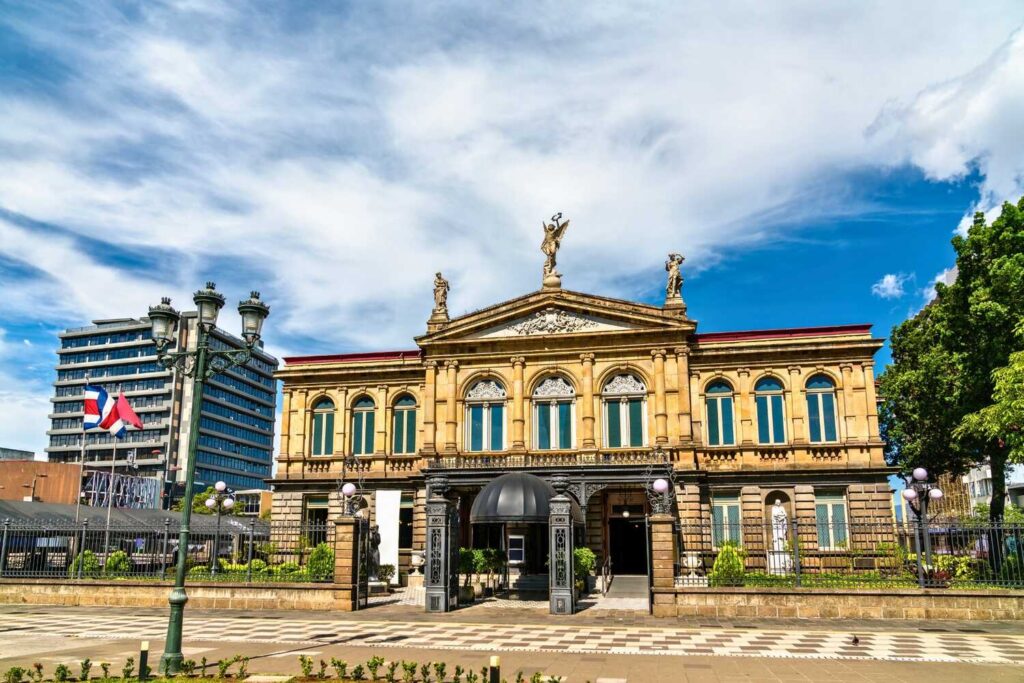
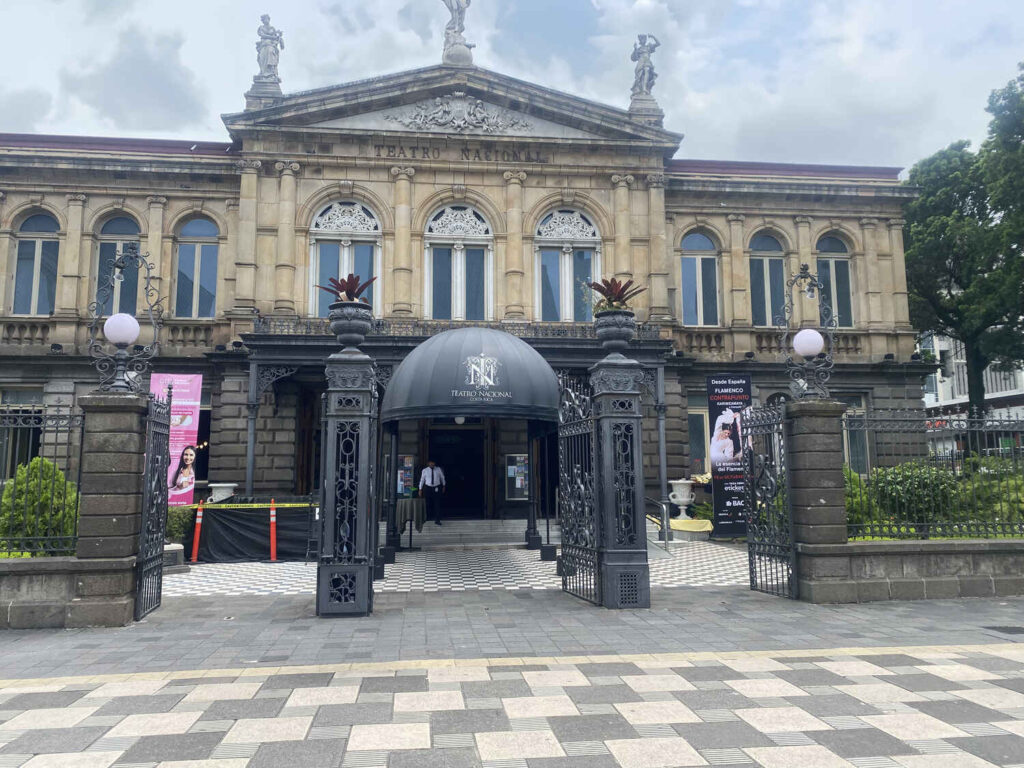
The Teatro Nacional is San José’s grand old opera house, on Plaza de la Cultura. It was paid for with a tax on coffee. Inside, there’s a marble lobby, gold leaf and a famous ceiling painting of coffee and banana workers.
A guided tour costs ₡3,500, or around $8, and children under 12 go free. Tours start on the hour, 9 AM until 4 PM, and each one lasts 45 to 60 minutes. You can buy tickets at the box office, but the tour days can change, so check the theater’s website before you go.
The café inside is a good coffee stop, even without a tour. This city tour with a theater visit, for around $92, adds the other downtown stops.
Tours are given in Spanish and English, in groups of up to 15 people. You can book on the theater’s website or at the box office. Photos are allowed without flash. Food is not allowed in the halls, but the café is a good stop before or after the tour.
The building opened in 1897 and sits on Plaza de la Cultura, a short walk from most downtown hotels. If you’d rather see the theater as part of a longer city outing, the guided city tour with a theater visit is around $92 and lasts about 5 hours. It includes hotel pickup, a walk through the theater, and entry to the Gold Museum. A minimum of 2 people is usually required.
2. See the Pre-Columbian Gold Museum
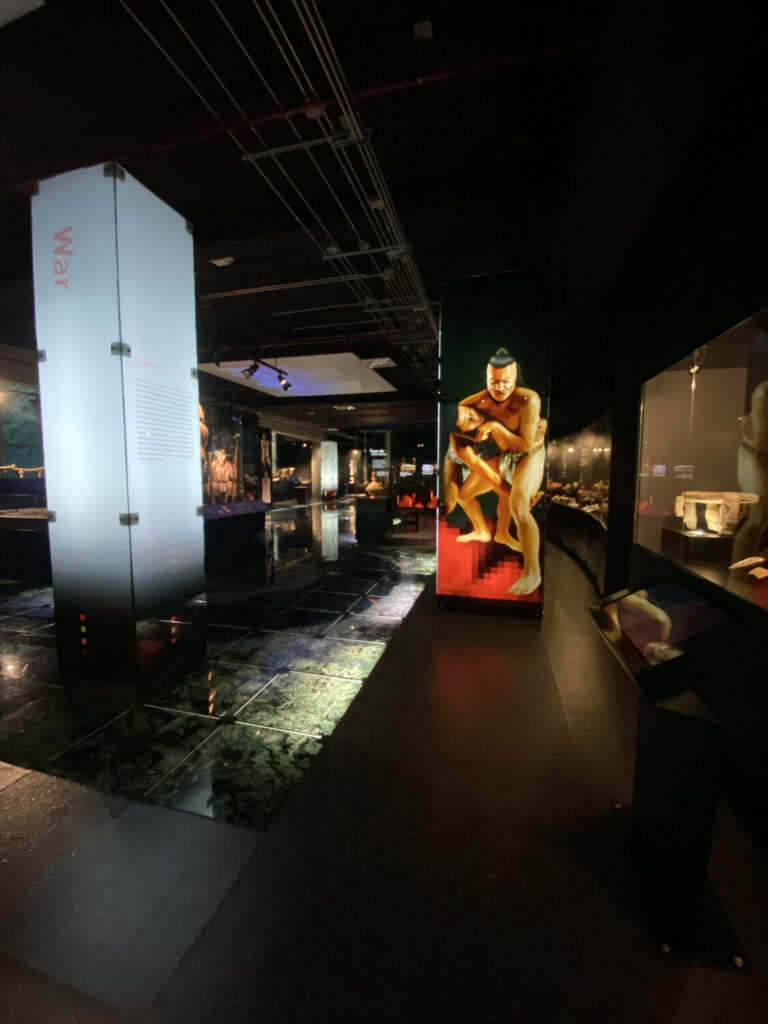
The Gold Museum is underground, right below Plaza de la Cultura. It holds gold animal and warrior figures made long before Columbus arrived. Coin and art collections are shown in the same building, with the same ticket.
Entry costs ₡8,800, or around $19, and students pay ₡6,950. It’s open every day, 9 AM until 4:30 PM, so it works on a Monday too. Plan on around 1.5 hours inside.
Combine it with the Teatro Nacional, since you only have to cross the square. Go in the afternoon, when the sun is hot outside and the cool rooms downstairs are a nice break.
The museum is underground, right below Plaza de la Cultura, so you can walk there from the theater. It is open every day, 9 AM until 4:30 PM. Children under 12 go in free. Try to arrive by mid-afternoon, since the rooms take around 1.5 hours to see and the doors close at 4:30 PM.
You can walk the rooms on your own. A free self-guide is available for the gold rooms and the coin collection. Group tours in English or Spanish can be arranged ahead. The same ticket covers the coin and art rooms, so leave time for those too. Bring a student ID if you want the ₡6,950 student price.
3. Eat Lunch at the Mercado Central
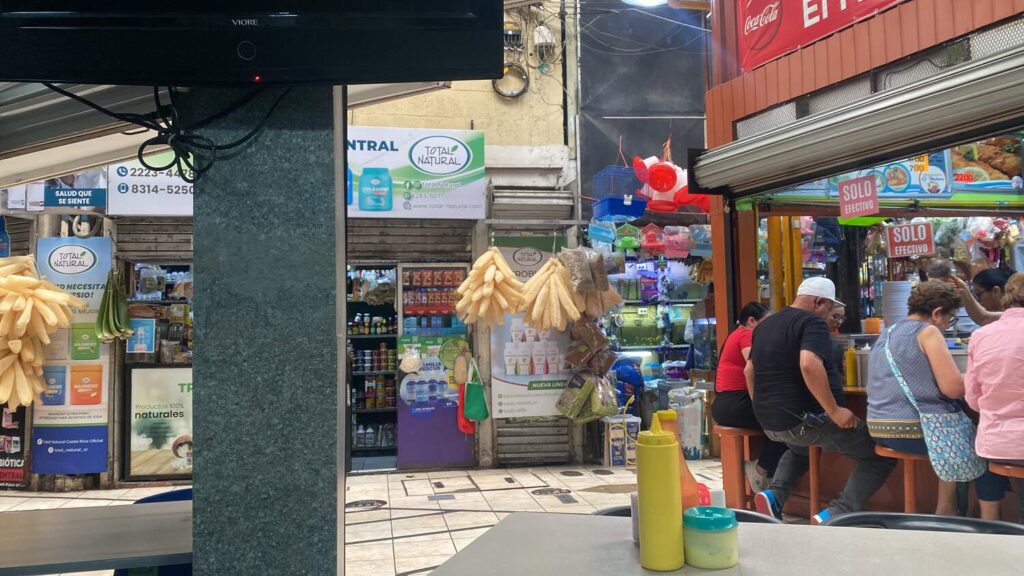
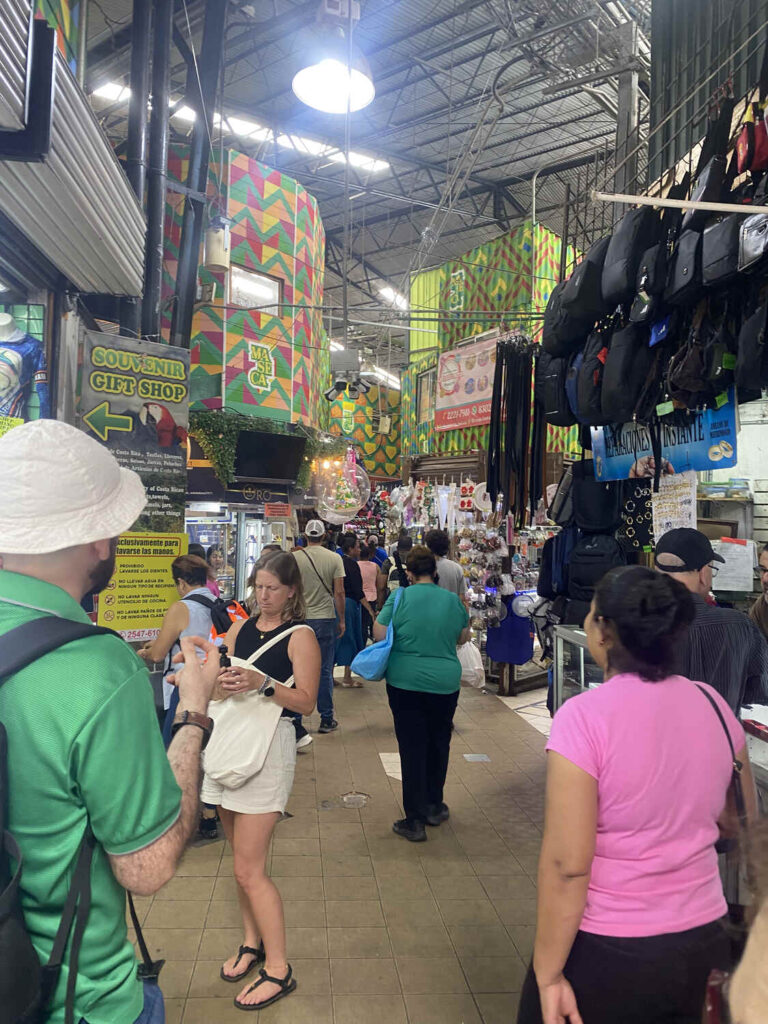
From the plaza, walk west along Avenida Central, a car-free shopping street. In around 10 minutes, you reach the Mercado Central, the city’s old covered market. Its narrow aisles are packed with small food counters, spices, coffee, herbs, leather and souvenirs.
Entry is free, and it’s open every day from morning until early evening. Many stalls close earlier on Sundays. Here’s what to try:
- Casado: The classic set lunch, with rice, beans, salad, sweet plantain and meat or fish. Order it at a soda, a small family food counter.
- Lolo Mora: An ice-cream counter that has been serving in the market for more than 120 years.
- Coffee beans: A bag of local coffee makes an easy gift to take home.
The aisles get crowded at lunch, so keep your bag in front of you. The one day in San José plan has more market stops.
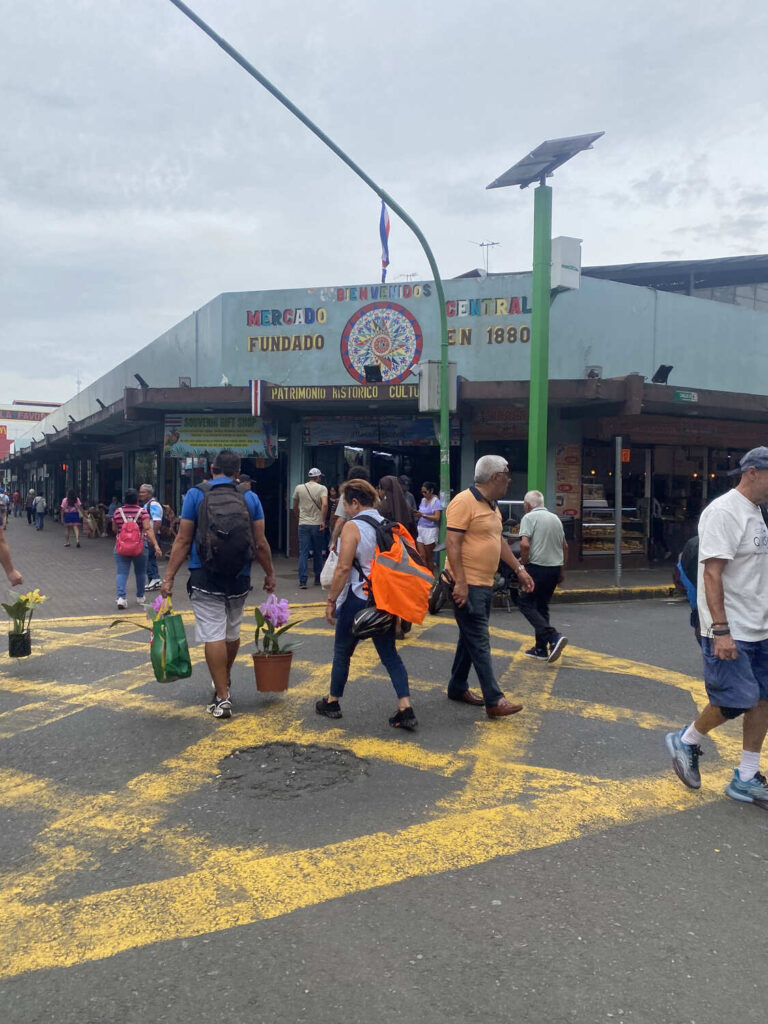
The market has been open since 1880. It sits between Avenida Central and Avenida 1, on Calles 6 and 8, about a 10-minute walk west of the theater along the pedestrian street. The municipal site lists Monday to Saturday, 7:30 AM to 7 PM, and Sunday 8 AM to 6 PM. Many stalls close earlier, especially on Sunday.
Entry is free. Go in the morning if you want quieter aisles than at lunch. The narrow passages fill with people buying spices, coffee, leather, and a casado at a soda counter. Keep your bag in front of you when it gets crowded.
4. Join a Market Food Tour
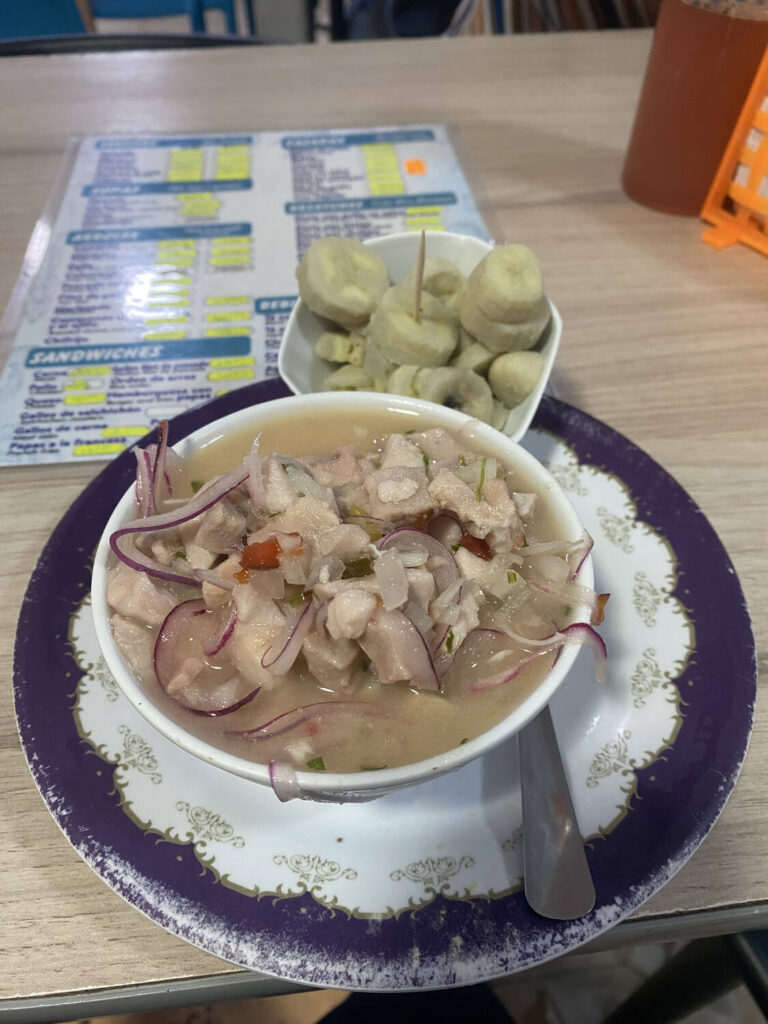
A food tour is a good way to try lots of small dishes in one go. A local guide takes you through the Mercado Central and the sodas nearby. You taste fruit, snacks and coffee, and you hear the stories behind them.
Market walks cost around $28 to $37 and last 2 to 4 hours. There are also evening food tours in Barrio Escalante, which cost more and include drinks.
Come hungry, and book a morning tour for your first day. It’s an easy way to learn what to order for the rest of your trip. This market bites walking tour is an easy first stop.
The market walking tour linked below is around $34 and lasts 3 hours. You meet near the Banco Central, on Avenida Central, a short walk from Plaza de la Cultura. The walk includes fruit at Mercado Borbón, ice cream in the Mercado Central, a look at the theater lobby and the cathedral, and tastes of tamal, plantain, and coffee. Wear comfortable shoes. It goes ahead in light rain. The operator says it is not a good fit if you are pregnant or have limited mobility.
Book a morning market walk on your first day if you want help learning what to order. Come hungry.
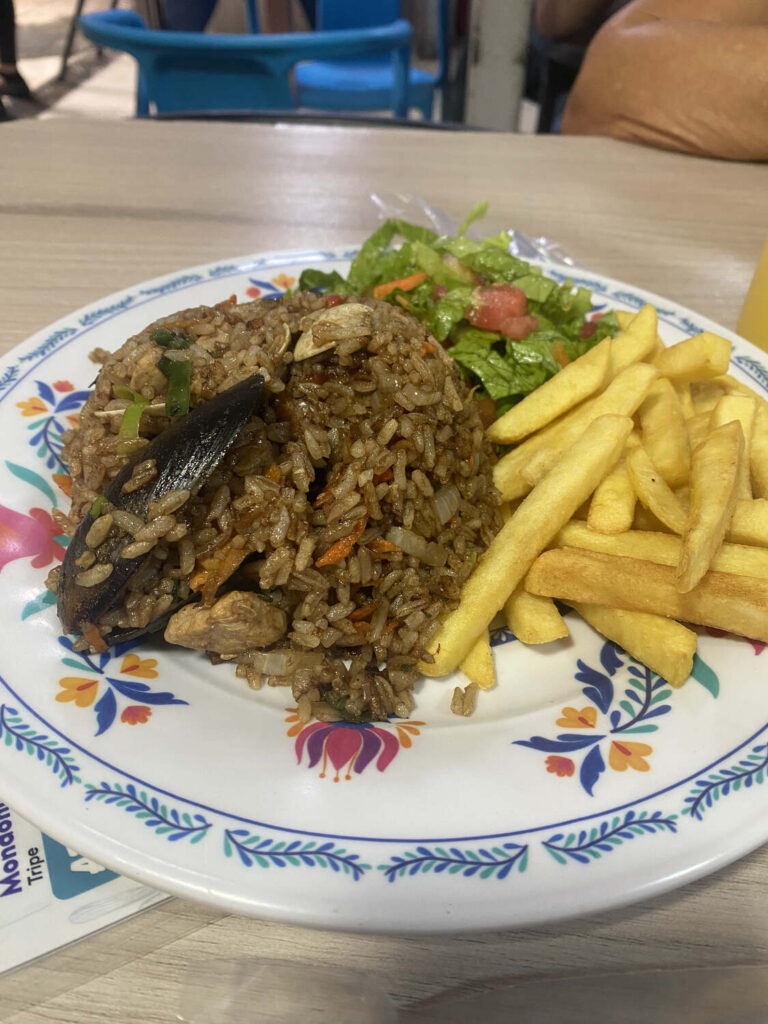
5. Visit the National Museum
The National Museum faces Plaza de la Democracia, a 10-minute walk east of the theater. It’s inside the old Bellavista fortress. Bullet marks from the civil war can still be seen on its walls. After that war, Costa Rica abolished its army.
Inside, the rooms cover the country’s history and its early peoples. There’s a butterfly garden too. A visit takes 1.5 to 2 hours.
Entry costs $11, or $6 for students, and tickets are sold at the door only. For foreigners, entry has been free on Saturdays and Sundays. Check the museum’s website the day before. It’s open Tuesday to Saturday, 8:30 AM until 4:30 PM, and Sunday from 9 AM. Climb up to the fortress walls for the view over the square.
Tickets are sold at the door only, in cash or by card. Foreign visitors pay $11, or $6 with a student ID. Children under 12 go in free, and visitors 65 and over have also been getting in free. Check the museum’s site the day before, because those free entries can change. The museum is closed on Mondays.
The main door faces Plaza de la Democracia, on Cuesta de Moras, between Avenida Central and Avenida 2. You can take photos without flash, and you can eat in the gardens, but not in the rooms. A wheelchair is available at the ticket office, and there are ramps and an elevator.

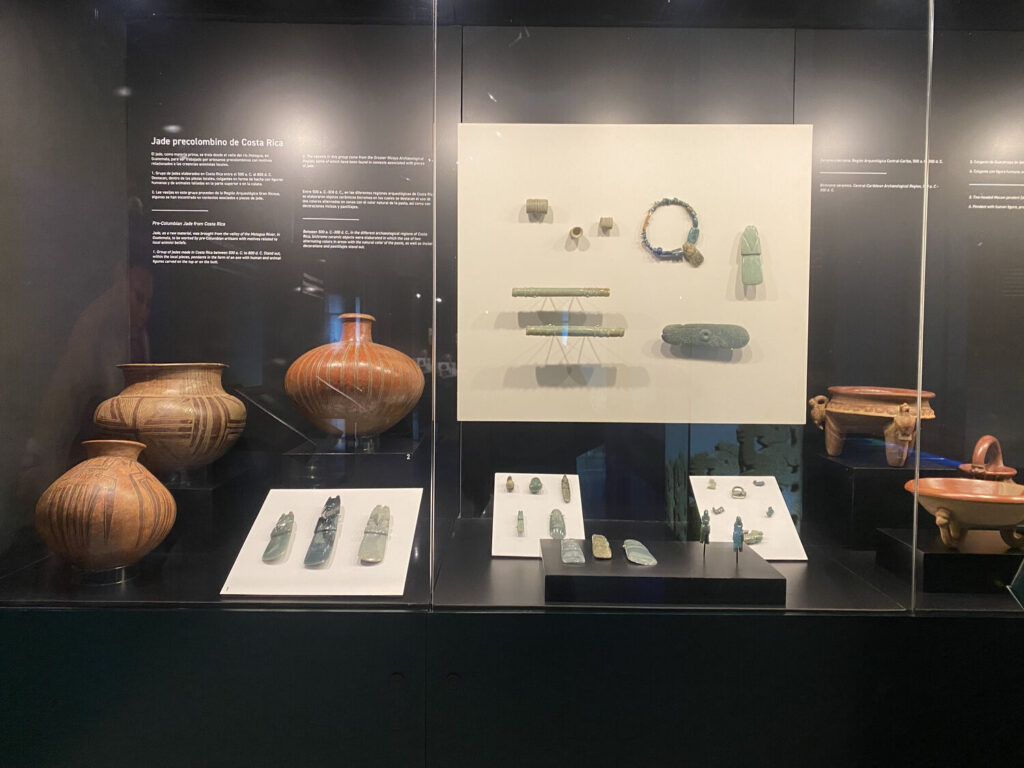
6. Explore the Jade Museum
The Jade Museum is a modern building next to the National Museum, on Plaza de la Democracia. It holds the largest collection of pre-Columbian jade in the Americas, with ceramics and gold pieces too.
Adults pay $16. On Wednesdays, the ticket office sells two tickets for the price of one. It’s open every day, 8 AM until 5 PM, and it closes only on a few holidays. A visit takes around 1.5 hours.
Since it’s open on Mondays, it’s a good swap for the National Museum next door.
Foreign children aged 6 to 12 pay $2, and children under 5 go in free. Foreign students pay $5, and seniors pay $11. Bring a photo ID if you want a reduced price. The Wednesday 2-for-1 deal is only for regular adult tickets bought at the office that day.
The museum is on Avenida Central, at Calles 13 and 13 bis, facing Plaza de la Democracia. You can walk there from the theater in around 10 minutes. Doors open at 8 AM, earlier than the National Museum next door. There is a shop and a cloakroom inside. It closes only on 1 January, 1 May, 15 August, and 25 December.
7. Walk Through Barrio Amón
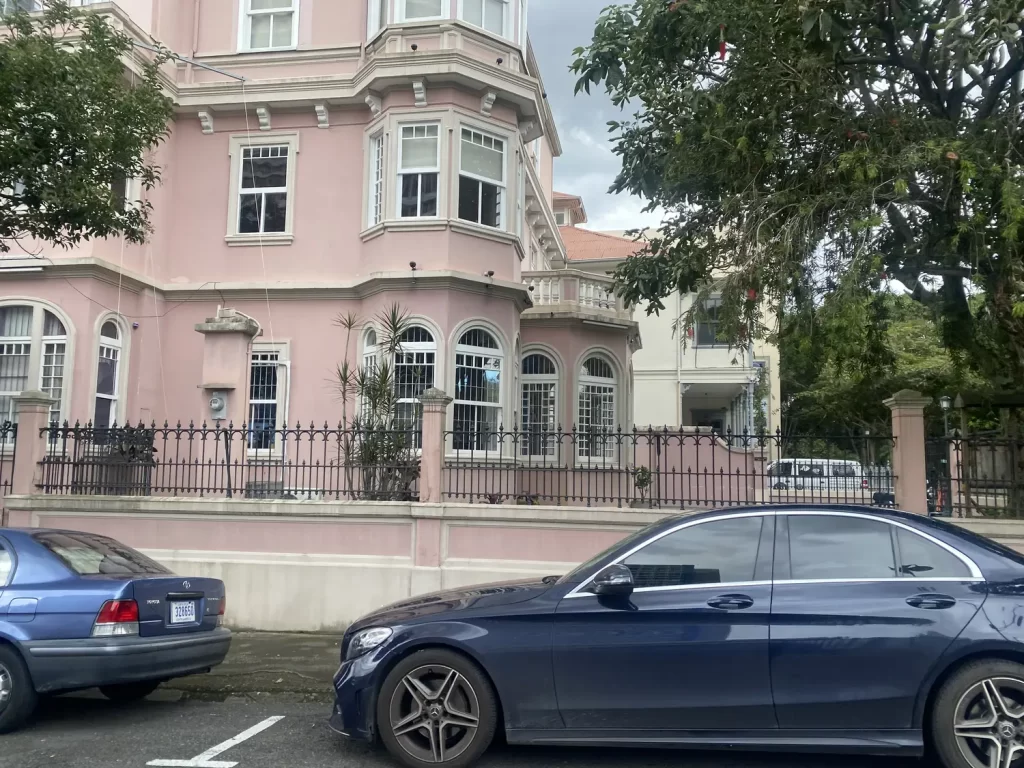
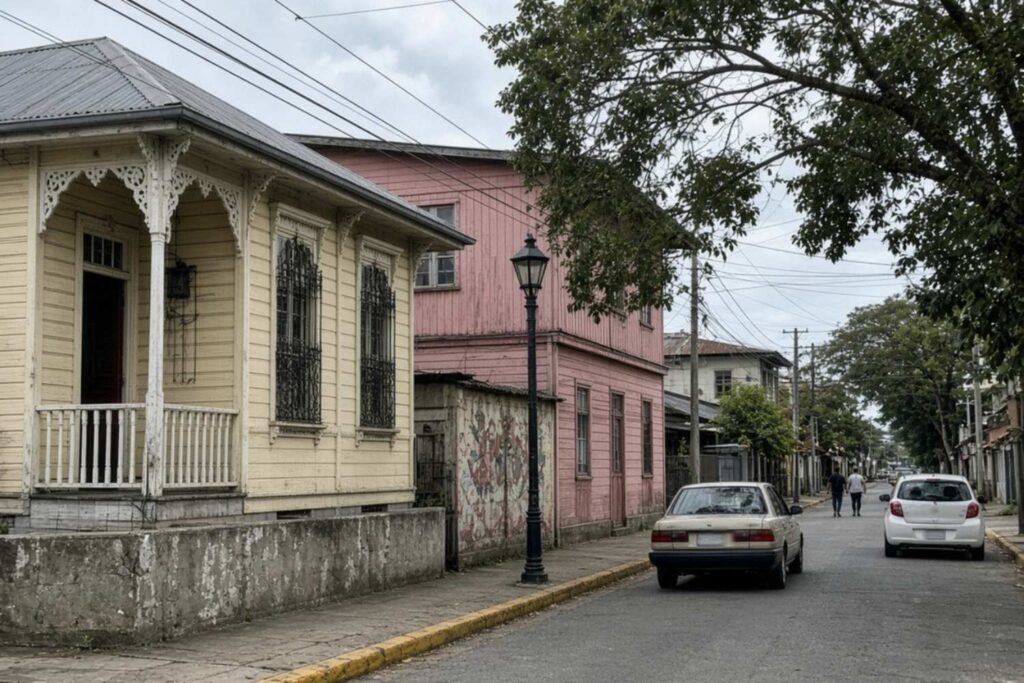
Barrio Amón is the old coffee-baron quarter, just north of downtown. The coffee families built their homes here, and many are still standing. You’ll see painted wooden houses, Victorian homes and street art on the walls.
It’s free to walk around, and a slow loop takes an hour or so. Several old mansions are now small hotels and cafés. It’s easy to stop for a coffee. The morning light is best for photos.
Barrio Amón is a short walk from the Gold Museum, so it fits well into a downtown day. Keep to the main streets, and go by daylight.
Walk north from Plaza de la Cultura or the Gold Museum, and you will reach the old houses in a few minutes. Several mansions are now small hotels and cafés, so you can stop for a coffee as you go. The streets are nicest in the morning light, and you should finish the walk before dark.
A slow loop takes about an hour and costs nothing. Stay on the busier streets. If you start around 8 AM, you can finish and still make a 9 AM theater tour or the Gold Museum opening. After dark, take a taxi back downtown.
8. Have Dinner in Barrio Escalante
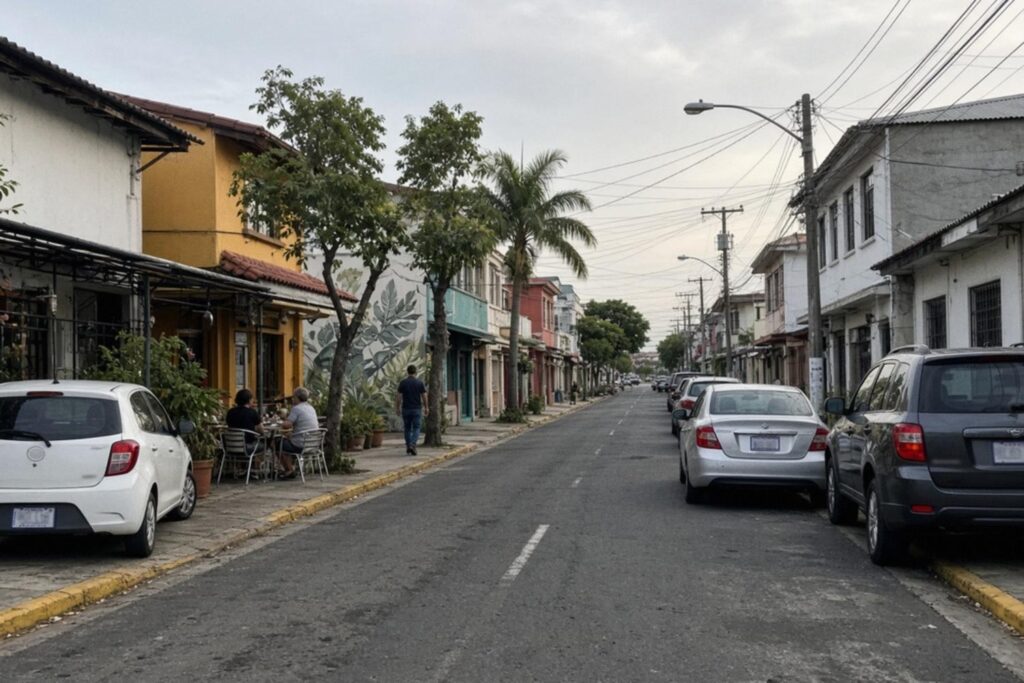
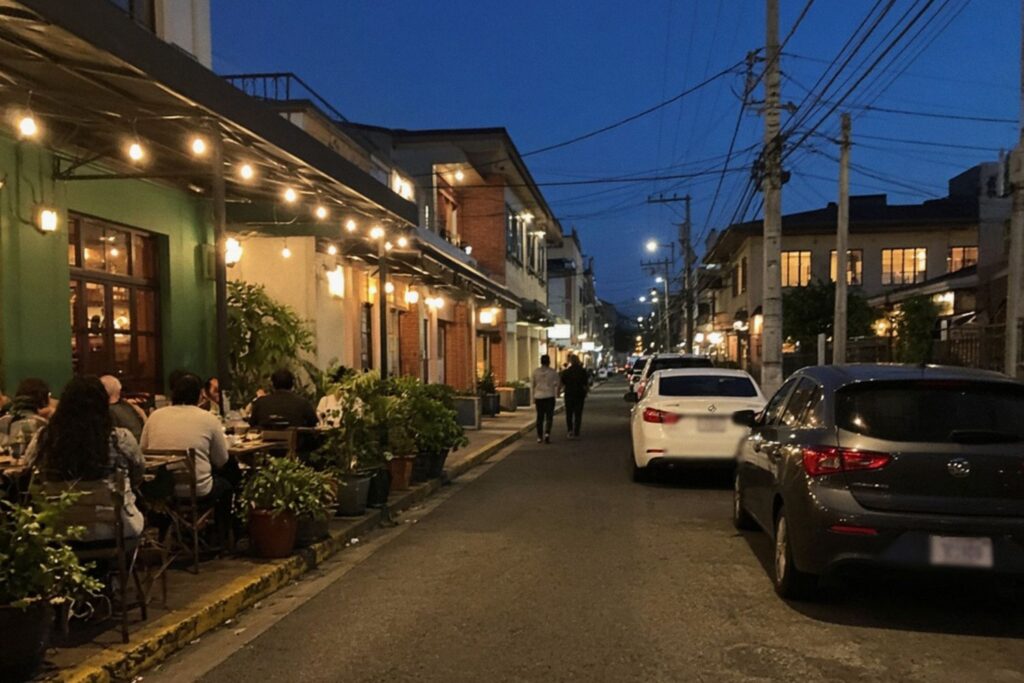
Barrio Escalante is east of downtown, and it’s where many locals go out to eat. Restaurants, cafés and small beer bars are found along Calle 33 and the streets nearby. It’s leafy and quiet by day, then busy in the evening.
There’s no entry fee, and there’s food for every budget. You’ll find simple sodas, beer bars and smart restaurants within a few blocks. Prices are higher than at the market.
Come for dinner, and take a taxi there and back. An evening food tour is a good way to try several places in one night. The 1-week Costa Rica itinerary includes an evening here.
Most of the restaurants are around Calle 33, a short taxi ride east of downtown. There is no entry fee. You will find simple sodas, beer bars, and smarter restaurants within a few blocks, though prices are higher than at the market.
Come for dinner, and take a taxi there and back, even though the ride is short. If you arrive late in the day, this works as a first evening because you don’t need museum hours. An evening food tour in this neighborhood is around $155 and lasts 2 to 4 hours, with drinks.
9. Shop at the Feria Verde Farmers Market
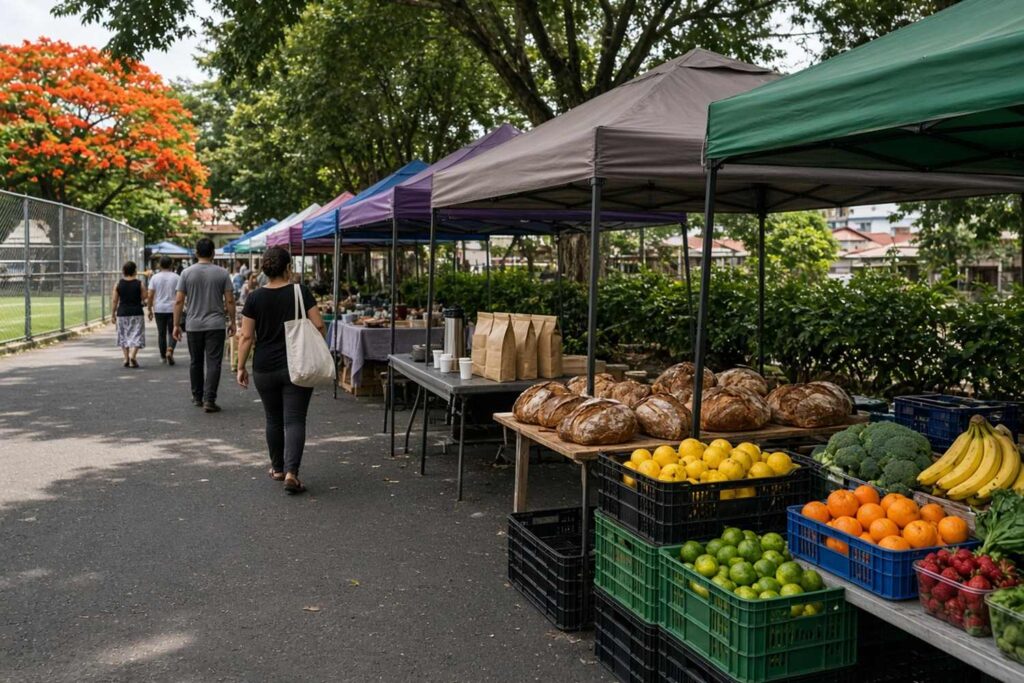
Feria Verde is an organic farmers market in Barrio Aranjuez, north of downtown. It’s held on Saturday mornings, 7 AM until 1 PM. Entry is free.
Stalls sell fruit, vegetables, coffee, bread and hot breakfasts. It’s a relaxed place to see how locals spend a weekend morning. The breakfast stalls are a good reason to skip the hotel buffet.
Have breakfast and a coffee at the market, then walk to Barrio Amón, which is close by. Bring small bills in colones and a bag for what you buy.
The market is at the Polideportivo in Barrio Aranjuez, a short walk or a quick taxi ride north of downtown. Official hours are Saturday, 7 AM until 1 PM. Stalls start packing up near the end, so it is better to get there closer to 7 AM than at 11.
Entry is free. Bring a reusable bag, small bills, and sunscreen. Besides fruit and vegetables, you will find bread, coffee, breakfast stalls, and sometimes live music. After breakfast you can walk to Barrio Amón or Barrio Escalante, both close by.
10. Relax in La Sabana Park and the Art Museum
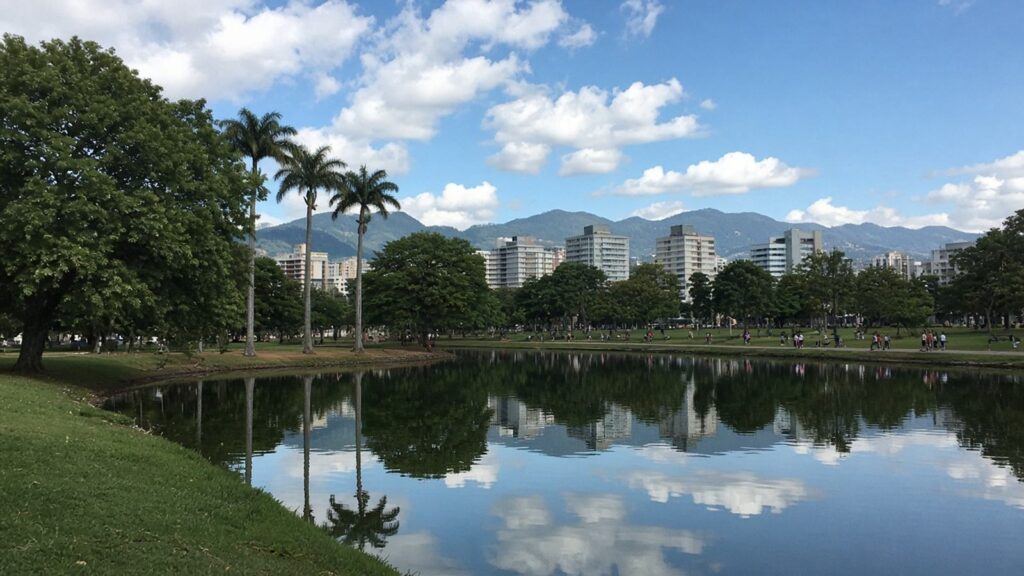
La Sabana is San José’s big city park, on the west side. It was built on the site of the old airport, and it has a lake and sports fields. On weekend mornings, it’s busy with families, runners and food carts.
The Costa Rican Art Museum is in the old airport terminal, at the east end of the park. Its Salón Dorado has a gold-colored wall carving that tells the country’s history. Entry is free, and the museum is open Tuesday to Sunday, 9 AM until 4 PM.
The park is a short taxi ride from downtown. Plan around 1 hour in the museum and as long as you like in the park.
The art museum is free and is open Tuesday to Sunday, 9 AM until 4 PM. It stands in the old airport terminal at the east end of the park. The Salón Dorado is on the second floor, and there is no elevator, so you have to use the stairs for that room. The museum has free parking.
From downtown, you can take the Sabana-Cementerio bus on Avenida 2, between Calles 5 and 7, and get off at the National Gymnasium on the east side of the park. A taxi is quicker if you are in a group. The park itself is free. Weekday mornings are quieter around the lake than weekend mornings, when families, runners, and food carts fill the paths.
11. Check Out Two Offbeat Museums
Two smaller museums are good for a second day in the city, or a rainy afternoon.
- Children’s Museum: A hands-on science and culture museum inside an old prison that looks like a castle. Adults pay ₡3,000, and it’s closed on Mondays, so check the times on its website.
- Museum of Contemporary Art and Design (MADC): New art from Central America, in the old national liquor factory. Entry is free, and it’s open Tuesday to Saturday, 10 AM until 4:50 PM.
The Children’s Museum is north of downtown, so take a taxi there. The MADC is next to Parque España, on the east side of downtown.
The Children’s Museum is at Calle 4 and Avenida 9, north of downtown. A taxi is the simplest way to get there. Regular hours are Tuesday to Friday, 8:30 AM until 4:30 PM, and Saturday and Sunday, 9 AM until 5 PM. It is closed on Mondays. Visitors 15 and over pay ₡3,000, and children pay ₡2,500. Buy tickets ahead on the museum’s ticket site, because daily numbers are limited.
The visit covers more than 40 hands-on rooms and takes around 3.5 hours. The same ticket includes the old prison museum, which takes about another hour. The MADC is at Avenida 3, Calle 15, in the old national liquor factory at CENAC, next to Parque España. Entry is free, and the rooms are open Tuesday to Saturday, 10 AM until 4:50 PM.

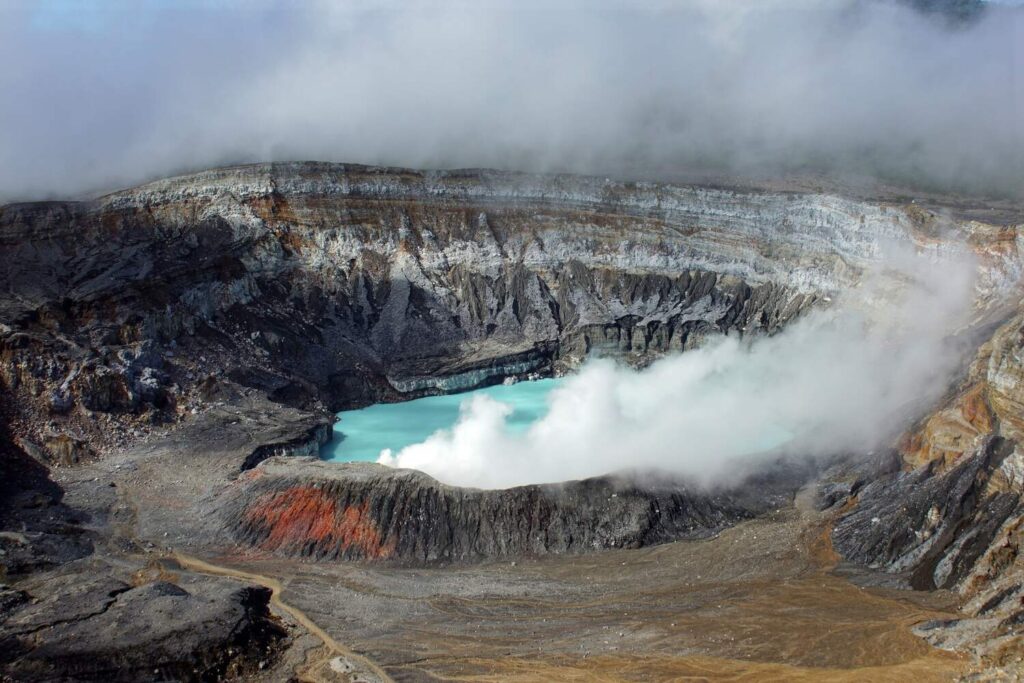
12. Take a Day Trip to Poás Volcano
Poás Volcano has a wide active crater with a steaming acid lake. It’s around 1.5 hours north of San José by car.
Entry costs $15 plus tax, or around $16.95, and parking costs ₡2,000. Poás opens with timed tickets sold online on the SINAC site, and the last entry is 2 PM. Volcanic activity can close it, so check the site the day before.
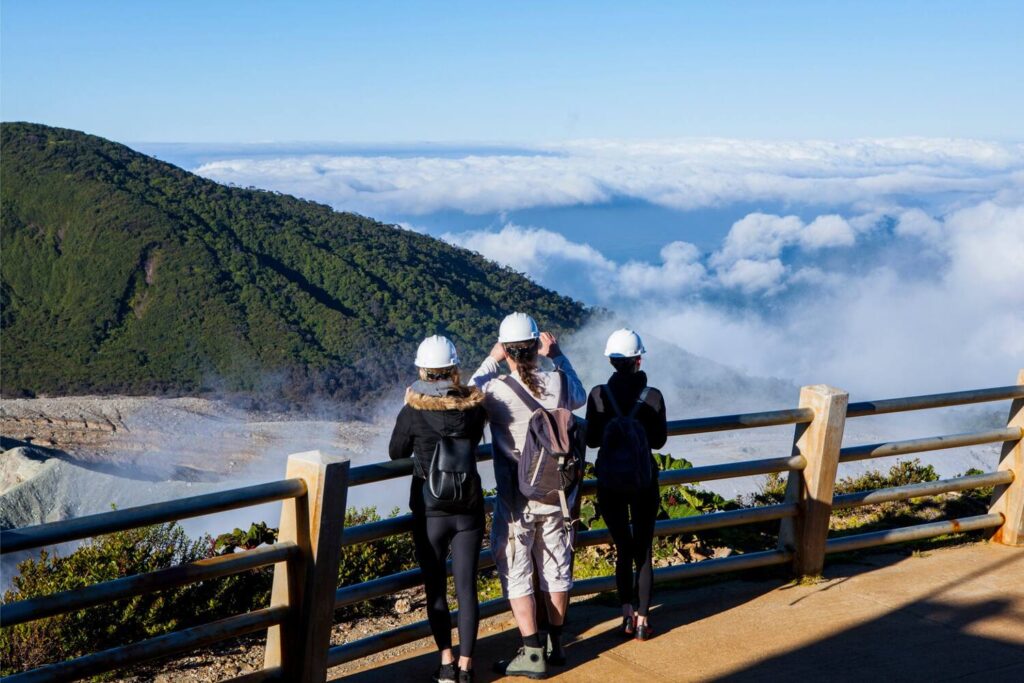
Book the first slot, because clouds fill the crater later in the morning. It’s cold at the top, so bring a jacket. This Poás, La Paz and coffee tour covers the volcano, the waterfalls and a coffee tasting in one day.
The park is open 8 AM until 4 PM, with last entry at 2 PM. Tickets are sold online only, on the SINAC site. Parking for a car costs ₡2,000. Wear closed shoes and bring a jacket, because the weather at the crater can change fast. There are no trash bins, so you have to carry your trash out.
Volcanic activity can close trails or the whole park, so check the SINAC site the day before. Nearby towns such as Poasito and Fraijanes sell strawberries and dairy snacks on the way. If you don’t want to drive, the full-day outing with the volcano, a La Paz waterfall stop, and a coffee tasting is around $105, with hotel pickup. You will need to give names and passport numbers to book the park tickets.
13. Stand on Top of Irazú Volcano
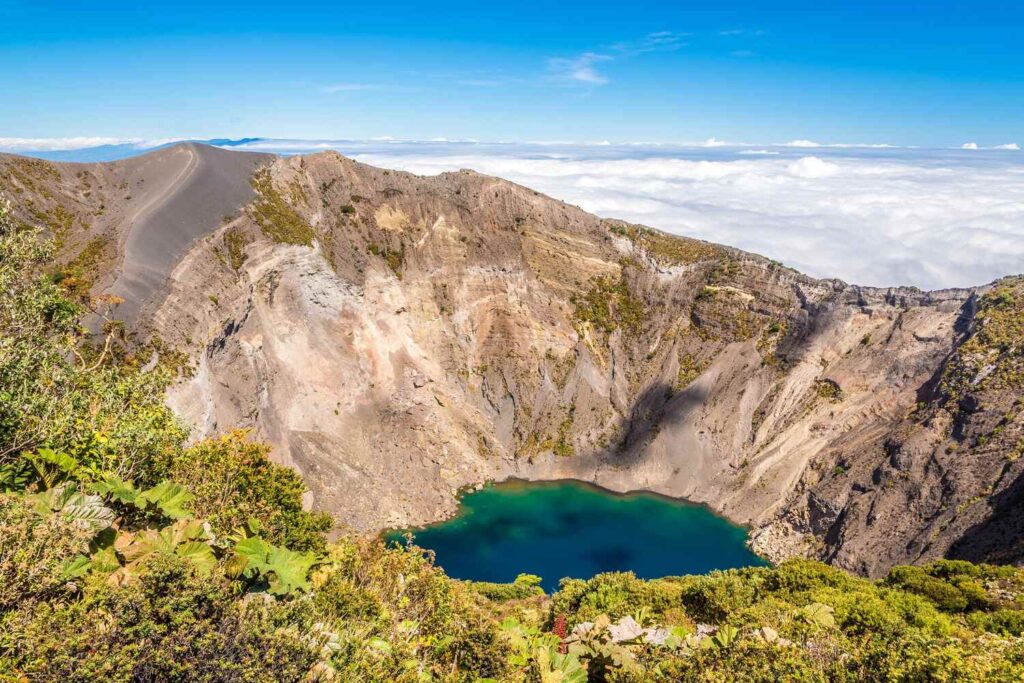
At 3,432 meters, Irazú is Costa Rica’s highest volcano. From the top, you look down into its craters, and on a clear morning you may see both oceans. It’s around 1.5 hours east of San José, past the old capital, Cartago.
Entry costs $16.95 with tax, or $5.65 for kids aged 2 to 12, with last entry at 2 PM. Book online on the SINAC site, and go early, before the clouds roll in. It’s cold at the top, so bring a warm jacket.
On the way back, stop at the basilica in Cartago. You can also add the Orosi Valley, with its old colonial church and coffee farms. This tour that adds Cartago and the Orosi Valley includes lunch.
The crater sector is open every day, 8 AM until 3:30 PM, with last entry at 2 PM. Book online on the SINAC site. Parking for a car costs ₡2,000. At the top it is often 5 to 9°C, so bring a warm jacket even if the city is warm. Fog is common, and tickets are not refunded if the crater is in cloud. Keep food close at the picnic spots, because coatis will try to take it.
The park is about 31 km from Cartago. The linked tour that adds Cartago and the Orosi Valley is around $135 and lasts about 8 hours, with hotel pickup, park entry, and a typical lunch. If you go on your own, you can add Lankester Botanical Garden, which costs $10 plus a small tax and is open daily, 8:30 AM until 4:30 PM, in Dulce Nombre de Cartago.
14. Visit La Paz Waterfall Gardens
La Paz Waterfall Gardens is a private nature park in Vara Blanca, around 20 minutes from Poás. Five waterfalls drop through the forest on 3.5 km of trails. There’s also a wildlife rescue center with jaguars, pumas, sloths and monkeys. A butterfly house, a hummingbird garden and a snake house round it out.
Entry costs $56 plus tax, or $40 plus tax for kids aged 3 to 12. A buffet lunch costs $16 plus tax. It’s open every day, 8 AM until 5 PM, and you don’t need to book. Enter by 3 PM to walk the main trails, and plan at least 2 hours.
The trails have hundreds of stairs, so wear shoes with grip. It’s high up and turns chilly when the clouds come in. If Poás is closed or cloudy, La Paz is a good backup on the same road.
The park also has an aviary with toucans and macaws, a frog house, an orchid exhibit, and a trout lake, along with more than 100 animal species in all. The visit is mostly self-guided. Raincoats are sold if a shower comes in. The last shuttle from the end of the trail leaves at 5 PM. Try to get there by 3 PM so you have time for the main trails.
The grounds are around 45 minutes from the airport and 20 minutes from Poás, and they sit between 4,200 and 5,200 feet. The hummingbird garden has 26 species. Many people stay half a day, especially if they have the buffet lunch, which costs $16 plus tax. Wear shoes with grip, because there are hundreds of stairs.

15. Take a Coffee Tour at Hacienda Doka
Hacienda Doka is a working coffee estate on the slopes of Poás, around 45 minutes from San José. On the tour, a guide shows you the seedbeds, an old wet mill and the roaster. At the end, you taste eight different coffees.
The tour takes around 1 hour and costs $28, or $14 for kids aged 6 to 12. With lunch, it costs $43, and with lunch and transport, it’s $99. It’s open Monday to Friday, 8 AM until 3:30 PM, and on weekends until 2:30 PM.
By car, you can combine Doka with Poás and La Paz in one day, and other day trips from San José follow the same mountain roads.
Weekend tours also begin at 8 AM, but the last ones are earlier than on weekdays, so Saturday and Sunday mornings can fill up. The tour is about 1 hour. Children’s prices with lunch are $26, or $44 with lunch and transport. The old wet mill is a heritage building, and you taste eight coffees at the end.
Wear comfortable shoes, as you will walk between the seedbeds, the mill, and the roaster. If you don’t want to drive, the option with lunch and transport from San José is $99. A morning visit leaves time for Poás or La Paz later in the same area.

San José FAQ
These are the questions people ask most often before a night or two in San José.
How Many Days Do You Need in San José?
One day is enough for the main downtown stops. Start with the theater and the Gold Museum, have lunch at the market, then visit a museum on Plaza de la Democracia.
Add a second day for a volcano trip into the mountains. The one day in San José plan puts the city stops in an easy order.
How Do You Get From the Airport to Downtown San José?
The main airport is in Alajuela, around 30 to 60 minutes from downtown, depending on traffic. The official orange airport taxis charge ₡750 per km.
Rideshare apps and hotel shuttles work too. When your flight leaves early, overnight near the terminal at one of the best hotels near San José airport.
Is San José Worth Visiting?
Yes, San José is worth a day or two, mostly for its museums and food. It’s a good way to learn about Costa Rica’s history before you head to the beaches and the forest.
It’s not a pretty colonial city, though, and traffic can be heavy. One full day downtown and one day trip is the right balance for most people.
What’s the Weather Like in San José?
San José is high up in the Central Valley, so it’s mild all year. Days are warm, and evenings are cool enough for a light jacket.
December to April is the dry season. In the green season, mornings are usually sunny, and the rain comes in the afternoon.
Can You Pay With US Dollars in San José?
Yes, most hotels, tours and many shops take US dollars. Cards work in most restaurants and museums too.
Small sodas, market stalls and buses often want colones, though. Carry some small bills in colones for those.
Where Should You Go After San José?
Most people head to La Fortuna for Arenal Volcano, or to Monteverde for the cloud forest. The Pacific beaches are a few hours away by car or shuttle.
If Monteverde is next, the San José to Monteverde route is the usual way north, and third-party liability is mandatory when renting a car in Costa Rica.
Only Have One Day in San José?
Our one-day plan puts the theater, the market and the museums in an easy order.
Leaving the city next? Third-party liability is mandatory when renting a car in Costa Rica, and most online quotes leave it out.