

15 Tips for Visiting Costa Rica: What to Know
Costa Rica is an easy country to love, but it’s not an easy one to wing. Prices are higher than most people expect, and roads take longer than the map says. The best spots also sell out in the dry season.
None of that should put you off, because a little planning fixes almost all of it. Here are 15 tips for visiting Costa Rica, with real prices and the rules that catch people out. You’ll also find the small things that make the whole trip smoother.
Share this article
In Short
- Pick your season first, since dry season runs December to April and costs the most.
- Bring a passport and an onward ticket, and US citizens can stay up to 180 days without a visa.
- Budget for 13% tax on tours and hotels, plus a 10% service charge at restaurants.
- Rental cars need insurance by law, about $13 to $25 a day on top of the rate.
- Finish your drives before dark, since the sun sets around 5:15 to 6 PM all year.
Join Our Facebook Community
Still have questions or want local tips straight from our team? Join our Facebook community. That’s where we share updates, answer questions, and help you plan your Costa Rica trip the smart way.
How Much Does a Trip to Costa Rica Cost?
Costa Rica is pricier than its neighbors, and that surprises plenty of people on day one. Here’s roughly what the main things cost, so you can set a realistic budget:
| Item | Typical Cost |
|---|---|
| National park entry | About $7 to $18 per adult |
| Guided tour | About $50 to $130, plus 13% tax |
| Shared shuttle between towns | About $45 to $75 per person |
| Rental sedan, low season | About $200 to $450 a week with basic insurance |
| Rental sedan, high season | About $400 to $650 a week with basic insurance |
| Domestic flight | About $80 to $180 one way |
| Hostel bed | About $15 to $35 a night |
| Mid-range hotel | About $100 to $250 a night |
Most tours and hotels add 13% tax on top of the quoted price, and restaurants add a 10% service charge too. It adds up fast, so build it into your budget from the start.
1. Pick Your Season Before You Pick Your Dates
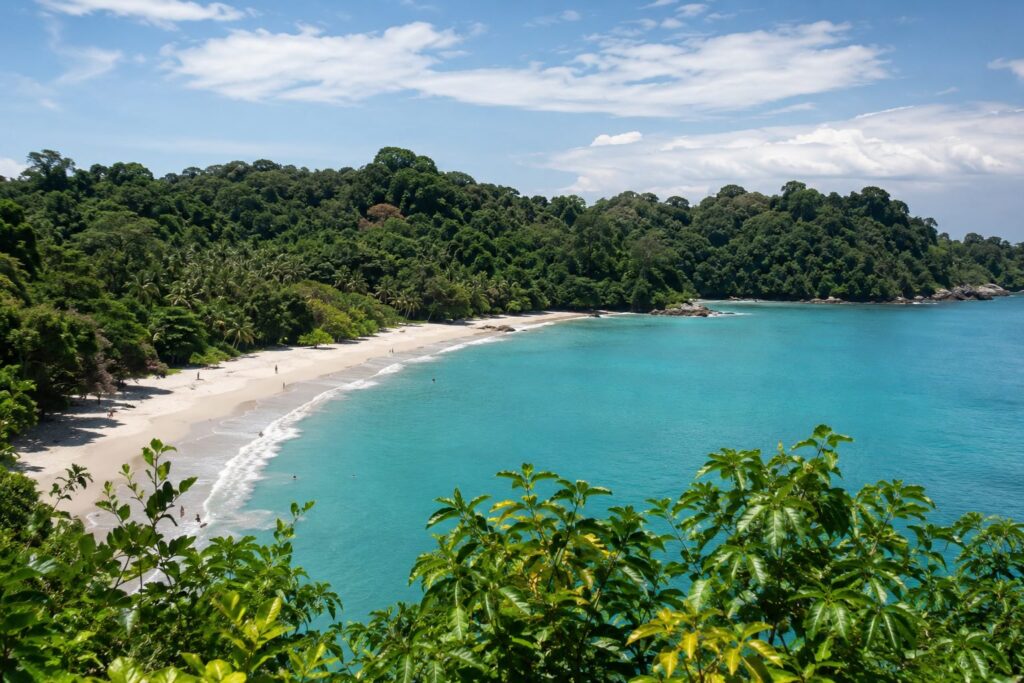
Costa Rica has two seasons, and they shape your trip more than anything else. Dry season runs December to April, with sunny days on the Pacific coast and the highest prices of the year.
Green season, May to November, is cheaper and quieter, with clear mornings and afternoon rain. September and October are the wettest months on the Pacific side.
The Caribbean coast runs almost the opposite way, with some of its best weather in September and October. Our guide to the best time to travel to Costa Rica breaks it down month by month.
Pick the season first. Everything else follows.
2. Check Costa Rica’s Entry Rules Before You Fly
The entry rules are simple, but airlines often check them before you even board. You need a valid passport and proof of a return or onward ticket, like a flight or bus out of the country.
US citizens can stay up to 180 days without a visa, and plenty of other nationalities get the same. The immigration officer decides how many days to stamp, so check yours on arrival.
Officers can also ask for proof of funds, about $100 per month of your stay. A yellow fever certificate is required when you arrive from some countries in South America and Africa.
Keep a photo of your passport page and entry stamp on your phone. Rental counters check the stamp, and it’s handy if your passport goes missing.
3. Rent the Right Car, or Skip It
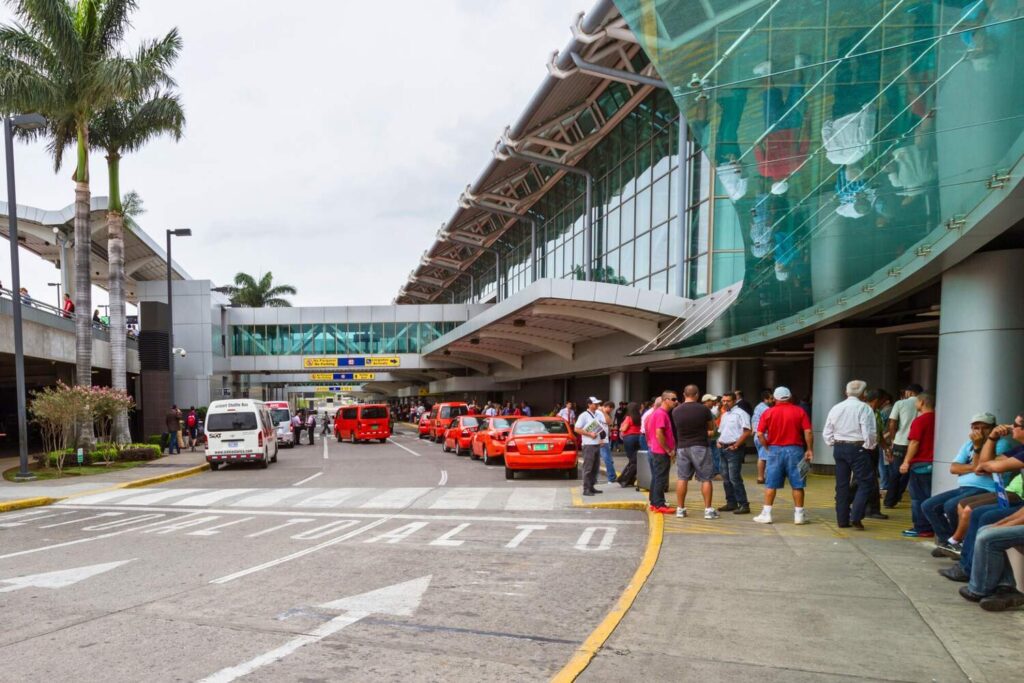
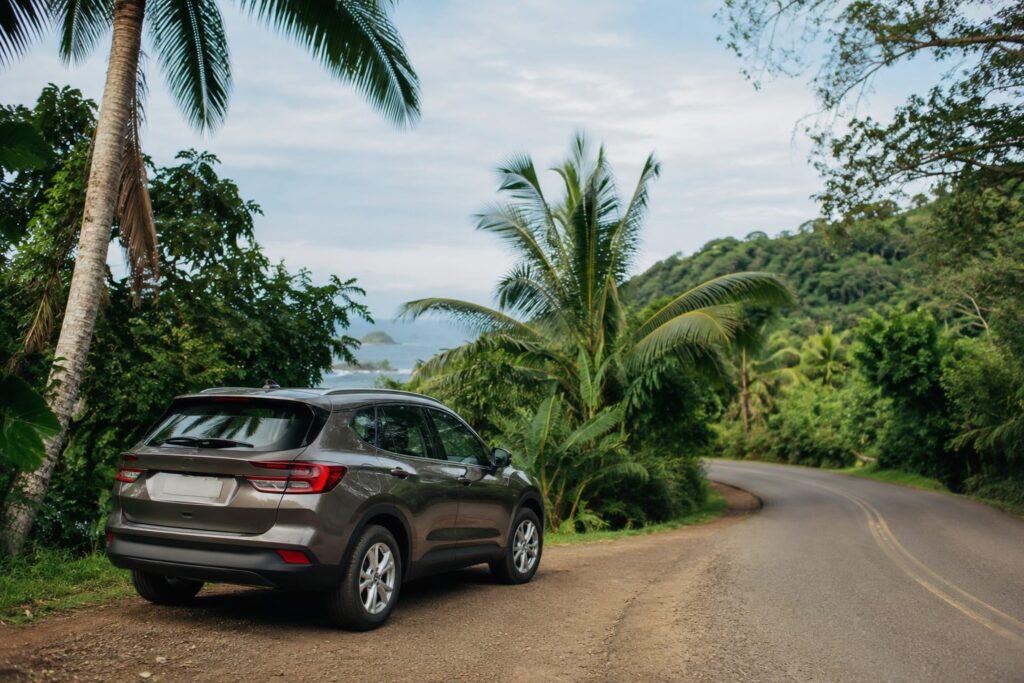
A car gives you the most freedom here, but the online price is rarely what you pay. Costa Rican law requires third-party liability insurance on every rental, about $13 to $25 a day. Most booking sites leave it out.
A sedan handles the main paved routes to La Fortuna, Manuel Antonio and Tamarindo. For Monteverde in rainy season, Nosara, Santa Teresa and the Osa Peninsula, get a 4×4 or a high-clearance SUV.
Fair warning: no insurance covers river crossings. Shared shuttles, at about $45 to $75 per person per leg, are the easy alternative.
Our guide to renting a car in Costa Rica has the full breakdown, including deposits and scams.
4. Book Parks, Tours and Holiday Dates Early
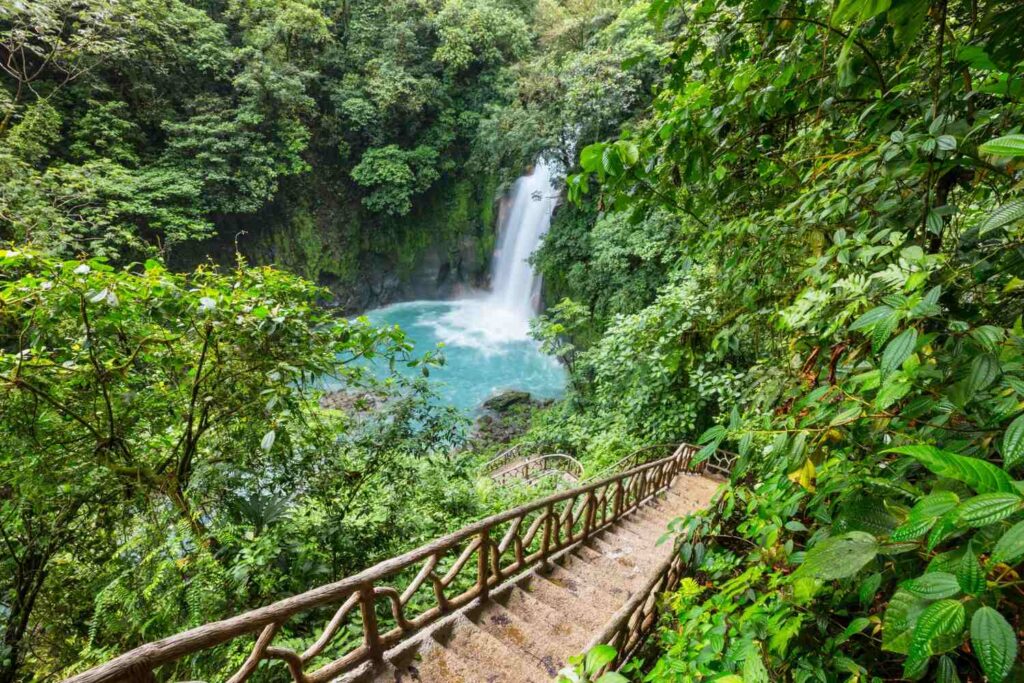
The popular spots fill up, especially December to April. Manuel Antonio National Park sells tickets online only, through SINAC, the national parks system, for $18.08, and it’s closed every Tuesday.
Rio Celeste and Poás Volcano tickets are online only too, and Poás runs on time slots. Buy a few days ahead in the dry season, since busy days sell out.
For Christmas, New Year and Easter week, book rooms 3 to 6 months ahead. That’s when Costa Rican families head to the beach too.
Book the must-dos, then leave room for the rest.
5. Carry Colones in Small Bills
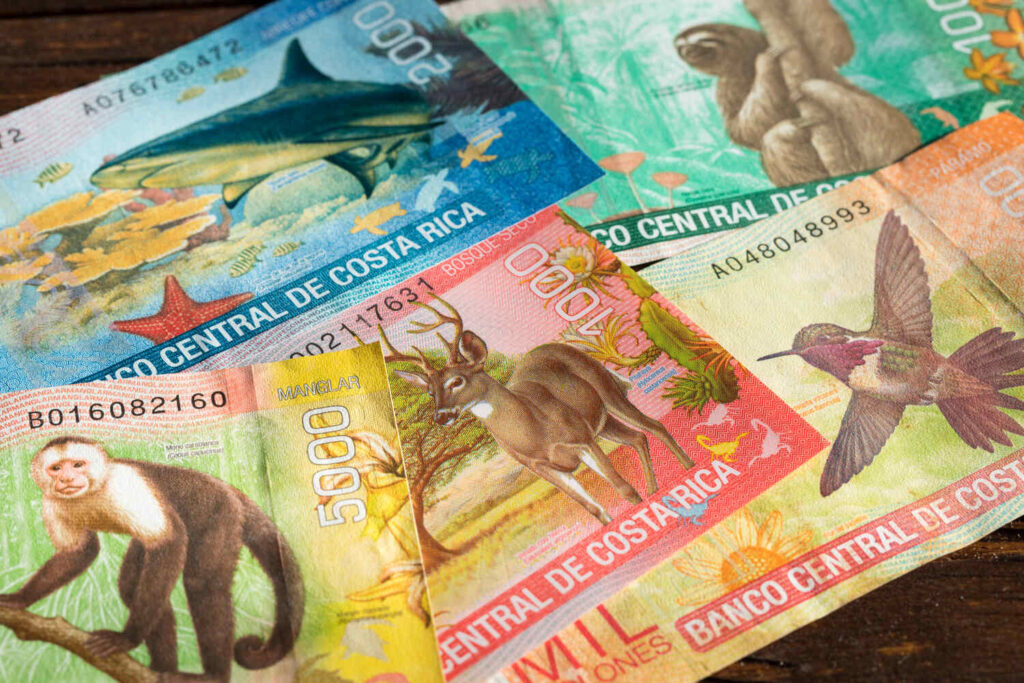
US dollars work in most tourist areas, but colones make life easier. You’ll often get change in colones anyway, and small sodas, buses and parking lots prefer local cash.
Bring small bills, since plenty of stalls and taxis can’t break a ₡20,000 note.
Some places are the opposite and only take cards, like the ticket booths at Arenal Volcano and Marino Ballena national parks. Carry both, and use bank ATMs in bigger towns before you head somewhere remote.
That mix covers almost everything.
6. Read the Menu Price Twice
This one catches almost everyone at least once. Restaurant prices often leave out the 13% sales tax and the 10% service charge. So your bill comes to about 23% more than the menu.
Look for “i.v.i.” next to the prices, which means the tax is already included.
Tours work the same way. Most operators quote before the 13% tax, so a $90 tour really costs about $102.
The good news? The service charge counts as the tip at restaurants, so anything extra is up to you.

Driving Yourself?
Read our car rental guide first. It covers the mandatory insurance, real costs, deposits and when you need a 4×4.
Not sure when to go? See our best time to travel to Costa Rica guide.
7. Get Travel Insurance That Covers Your Tours
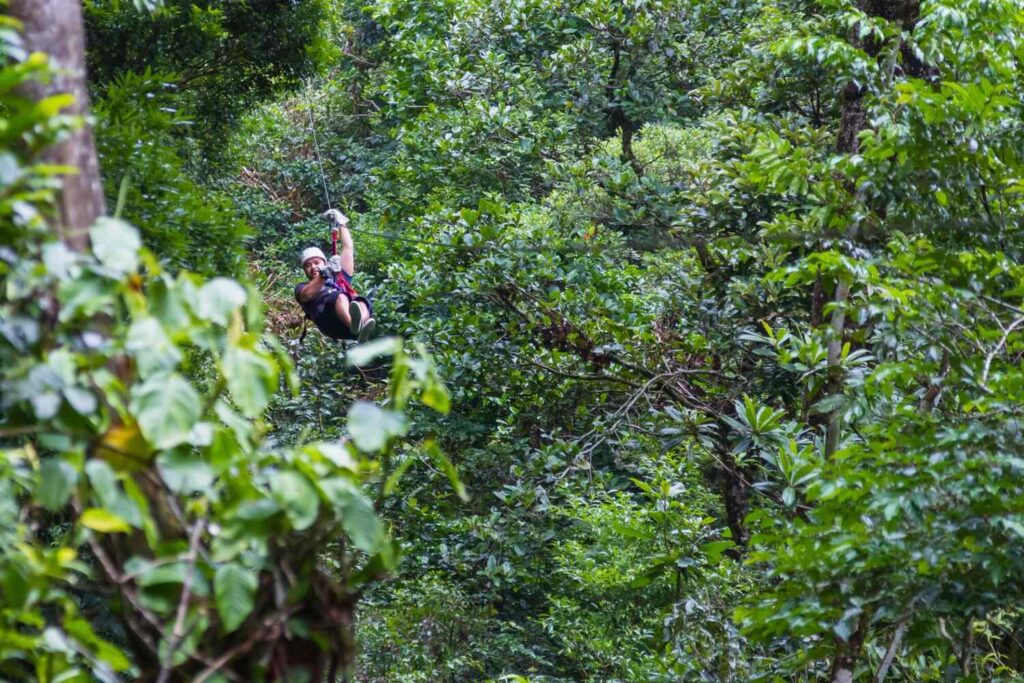
Travel insurance isn’t required to enter Costa Rica, but it’s worth having. Ziplining, rafting and surfing are the highlights of plenty of trips, and some basic policies exclude them. Read the activity list before you buy.
Medical help is far away in remote spots like the Osa Peninsula and Tortuguero. Getting you out can mean a costly flight.
For health, the CDC recommends hepatitis A and typhoid vaccines for most trips. Malaria pills are only advised for certain areas, so ask a travel clinic about your route.
Pack bug spray either way, since mosquitoes spread dengue here, especially in the rainy season.
8. Plan by Driving Time, Not Distance
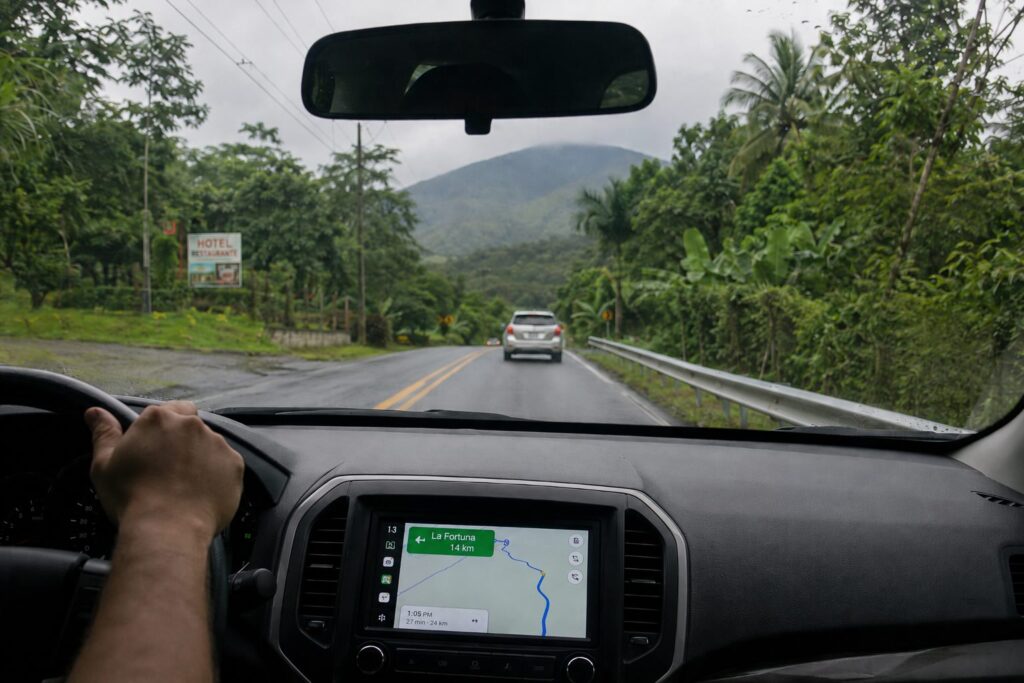
Distances look short on the map, but mountain roads are slow. La Fortuna is only about 130 km from San José and still takes about 3 hours to drive. Monteverde takes 3 to 3.5 hours.
San José traffic adds more on top. Rush hour runs roughly 6 to 8:30 AM and 4 to 6:30 PM, so leave outside those windows.
Short on time? Sansa and Costa Rica Green Airways fly to Quepos, Nosara and other towns in 30 to 45 minutes. Sansa also flies to La Fortuna. Flights cost about $80 to $180 one way.
Two or three bases in a week is plenty. Our 1-week Costa Rica itinerary shows how to link them up.
9. Don’t Drive After Dark
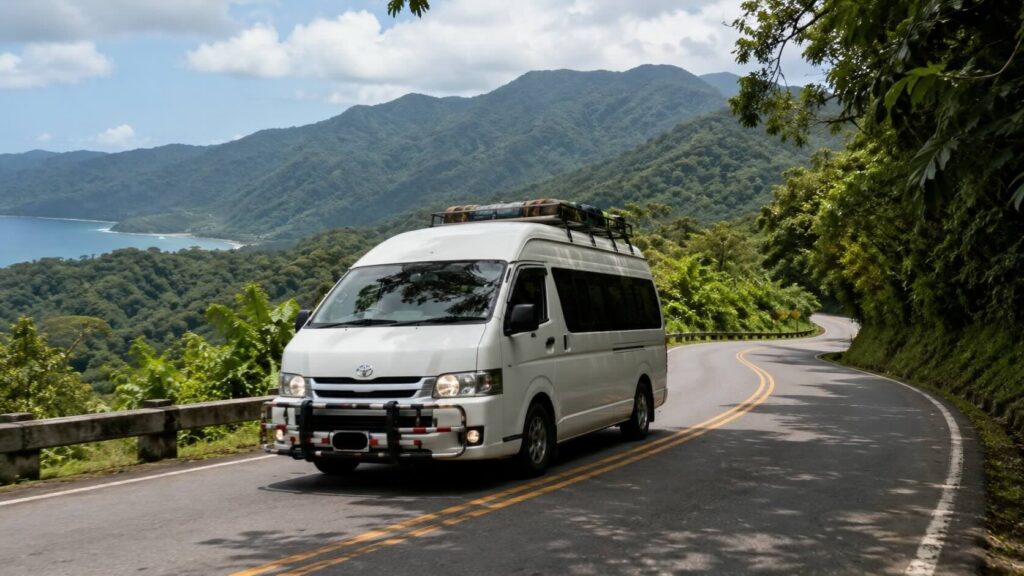
The sun sets around 5:15 to 6 PM all year, which is earlier than most people expect. After that, rural roads get tricky fast, with potholes, cyclists, animals and very few streetlights.
Plan long drives so you arrive by late afternoon. Use Waze, since locals update it with crashes, closures and police checks.
At one-lane bridges, a “Ceda el Paso” sign means you give way to oncoming cars. Wait your turn, and wave thanks.
Daylight driving is just easier here.
10. Watch Out for Rip Currents
Costa Rica’s beaches are gorgeous, but the surf is the real danger here. Rip currents are common, and most beaches don’t have lifeguards or warning signs.
Swim where lifeguards are on duty, check for red flags, and ask locals before you go in. Calm-looking water between breaking waves can be the strongest pull of all.
Caught in one? Don’t fight it. Swim parallel to the shore until you’re out of the pull, then head back in.
On a rough day, the pool wins.

11. Keep Your Valuables Hidden, Especially in the Car
Most trips here go smoothly, and a little care keeps it that way. Petty theft and pickpocketing are the most common crimes against tourists in Costa Rica.
Never leave anything in a parked car, even for a quick stop. Break-ins happen at beaches and busy roadside stops like the Tárcoles crocodile bridge.
In Manuel Antonio, men on the last hill wave cars into private lots and say you need their guide. You don’t, so keep driving.
If someone with a weapon ever confronts you, hand over your things. No phone is worth the risk.
12. Never Feed the Wildlife
Costa Rica’s animals are the main event, and the best way to enjoy them is from a little distance. Feeding monkeys teaches them to raid bags and harms their health, so don’t do it, even when they look hungry.
The capuchins at Playa Espadilla in Manuel Antonio know exactly what a bag of chips sounds like. Keep your food zipped away.
A good guide with a spotting scope finds far more than you will. A group walk in Manuel Antonio National Park costs about $25 to $40 per person at the entrance.
Skip any tour that lets you hold or touch a sloth. Good operators never do.

13. Pack for Rain, Sun and Cool Mountains
Costa Rica fits several climates into one small country. The beaches are hot and humid, while Monteverde and Poás can feel chilly, so pack layers.
- A light rain jacket, even in the dry season
- Quick-dry clothes and a swimsuit
- Shoes with grip for muddy trails
- Reef-safe sunscreen and bug spray
- A fleece or light sweater for the mountains
- A reusable water bottle
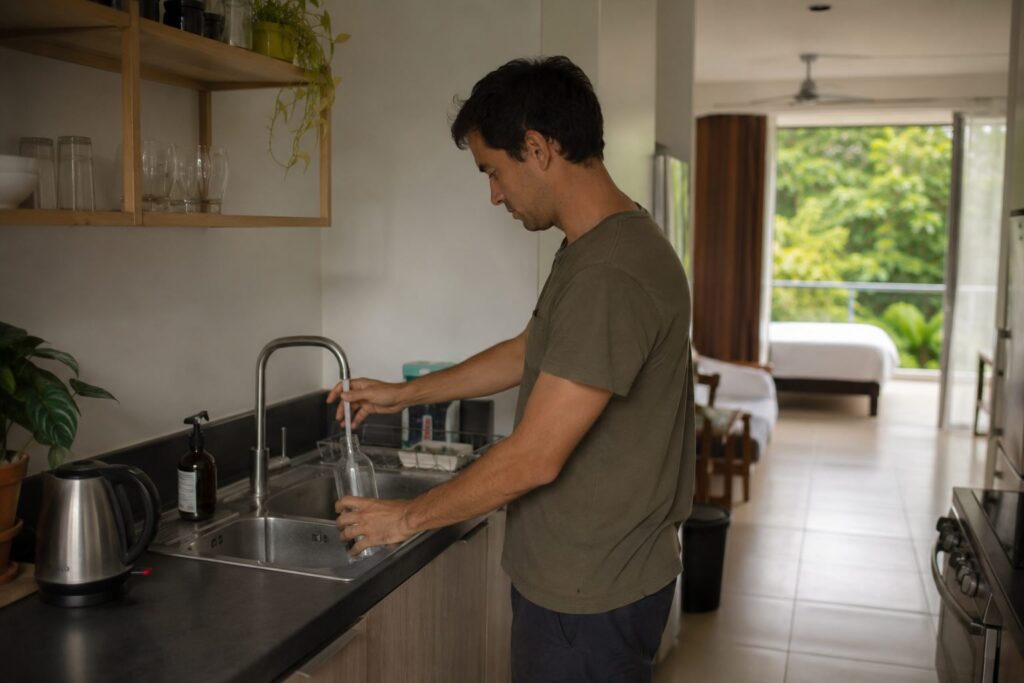
Tap water is fine in San José and many big towns, but ask at your hotel first. In rural and beach areas, fill up with filtered water instead. Plugs are the same as in the US, so bring an adapter from Europe or Australia.
14. Learn a Few Words of Spanish and Download WhatsApp
English is common in La Fortuna, Manuel Antonio and Tamarindo. But a few words of Spanish go a long way in sodas, buses and small towns.
Start with “¿Cuánto cuesta?” (how much is it?), “La cuenta, por favor” (the bill, please) and “Con permiso” (excuse me). And yes, people really do say “pura vida” all the time.
Download WhatsApp before you land. Hotels, tour companies and shuttle drivers use it to confirm pickups and answer questions.
In San José, Uber and DiDi work well for short rides, even though they run without clear regulation.

15. Slow Down and See Less
The biggest mistake is trying to see everything. Costa Rica rewards slow trips, and a week split between two or three bases beats a rush around the whole country.
Pick a volcano area, a cloud forest or a beach, and give each at least two nights. You’ll spend less time in the car and more time in hot springs, on trails and in the sea.
Pura vida isn’t just a slogan. Slow down, and you’ll see why people say it.

What Matters Most When Visiting Costa Rica?
If you only remember three tips, make them these. Pick your season first, book parks and holiday dates early, and budget for the 13% tax and the mandatory car insurance.
After that, slow down. Give each place two or three nights, keep your drives to daylight, and leave room for a lazy afternoon or two.
Ready to plan? Start with our guide to the best places to visit in Costa Rica. Then read our guide to the best things to do in Costa Rica.
Costa Rica Travel Tips FAQ
Do You Need a Visa to Visit Costa Rica?
US citizens don’t need a visa to visit Costa Rica for stays up to 180 days. Plenty of other nationalities get the same deal. The immigration officer decides how many days to stamp in your passport.
You do need a valid passport and proof of a return or onward ticket. A yellow fever certificate is required when you arrive from some countries in South America and Africa.
Is Costa Rica Safe for Tourists?
Costa Rica is a relaxed place to travel, and most trips go smoothly. Petty theft, pickpocketing and car break-ins are the main problems, so keep valuables hidden and never leave bags in a parked car.
The bigger risks are rip currents and driving after dark. Swim where lifeguards are on duty, and plan drives to finish before the 5:15 to 6 PM sunset.
Can You Use US Dollars in Costa Rica?
You can use US dollars in most tourist areas of Costa Rica. Plenty of hotels and tours quote their prices in dollars. You’ll often get your change in colones, though.
Carry colones in small bills for sodas, buses, taxis and parking. Some national park booths, like Arenal Volcano and Marino Ballena, take cards only.
Do You Tip in Costa Rica?
You don’t need to tip at most Costa Rica restaurants. A 10% service charge is added to the bill, along with 13% tax. Leaving extra for great service is up to you.
Tour guides, drivers and hotel staff appreciate a tip when they’ve done a good job. Hand it over in cash, in colones or dollars.
Is the Tap Water Safe to Drink in Costa Rica?
Tap water is fine to drink in San José and many big towns, but not everywhere. Ask at your hotel, and use filtered water in rural and beach areas. A refillable bottle saves money and plastic, and single-use plastic bottles aren’t allowed in parks like Manuel Antonio.
In very remote areas, ask your hotel first. Some lodges run on their own water supply and will point you to filtered water.
Do You Need a 4×4 in Costa Rica?
You don’t need a 4×4 for every Costa Rica trip. A sedan handles the main paved routes to La Fortuna, Manuel Antonio, Uvita and Tamarindo.
A 4×4 makes sense for Monteverde in rainy season, Nosara, Santa Teresa, the Osa Peninsula and hillside lodges with steep dirt roads. The mandatory insurance adds about $13 to $25 a day, whatever car you pick.
Ready to Plan Your Route?
Our 1-week itinerary covers La Fortuna, Monteverde and Manuel Antonio, with drive times between each stop.
Got more time? See our 2-week Costa Rica itinerary.