

1 Week in Costa Rica: A Day-by-Day Itinerary for 2026
Costa Rica is roughly the size of Croatia, or a bit smaller than West Virginia if you want the US comparison. You can drive from the Pacific coast to the Caribbean in under three hours. And yet, somehow, there’s so much to see like active volcanoes, cloud forests, and two completely different coastlines.
Seven days is enough to get a real feel for Costa Rica. Not everything, that would take weeks if not months, but enough to understand why people come back. Here’s how to enjoy your Costa Rica trip day by day.
Essentials to Prepare for One Week in Costa Rica
Here are a few practical questions that come up every time someone plans a first trip. Read this part first, because a couple of these points (like a certain park being closed on Tuesdays) can wreck your plans if you skip this part.
Is One Week in Costa Rica Enough?
Yes, if you keep it to three bases. In seven days, you can do San José, La Fortuna, Monteverde, and Manuel Antonio without feeling rushed every single morning.
What you can’t do is add Tortuguero, the Osa Peninsula, or the Caribbean coast on top. Distances look short on the map, but mountain roads are slow. A 100 km drive can easily take three hours. Pick this loop, do it properly, and save the rest for trip number two.
How to Get to Costa Rica?
Most people fly into Costa Rica, arriving at either Juan Santamaría International Airport (SJO) near San José or Daniel Oduber Quirós International Airport (LIR) in Liberia. Check which airport is closer to your first destination.
Book flights early for the best deals, especially during the high season from December to April. Direct flights are available from several major US cities and some European hubs. Most airlines require a passport valid for at least six months.
Check visa requirements for your nationality before booking. Most Western passport holders get 90 days on arrival, but bear in mind that airlines may also ask for proof of onward travel. Taxis and shuttle services are available at San Jose airport, but it’s a good idea to arrange a pickup in advance if you’re arriving late.
How to Get Around Costa Rica?
You’ve got three real options. A rental car gives you the most freedom, and the roads on this route are mostly fine, though a 4×4 or high-clearance SUV is smart for the rough stretches around Monteverde.
Shared shuttles are the sweet spot if you don’t want to drive: door-to-door vans that cost roughly $47 to $70 per person per leg. Public buses are dirt cheap (a few dollars per ride) but slow, and you’ll lose half a day on some connections. This itinerary works with any of the three. We’ll flag the shuttle prices and times for each leg.
Travel Insurance and Safety
Costa Rica is genuinely safe by Central American standards, but petty theft is the real risk. Never leave anything visible in a parked car, not even at trailheads. On the activity side, you’ll be ziplining, swimming under waterfalls, and hiking volcanic terrain, so get travel insurance that actually covers those.
Check the fine print, because some basic policies exclude “high-risk activities” and ziplining sometimes falls in that bucket. Public hospitals are decent and private clinics in San José are excellent, but a medevac from Monteverde won’t be cheap without coverage.
Got questions about Costa Rica? Join our community on Reddit for real tips.
Planning a trip to Costa Rica? Join our Facebook group for insider tips.
Budgeting and Currency
Costa Rica uses the colón (CRC), but US dollars are widely accepted in most tourist areas. Credit cards work in hotels, restaurants, and larger stores. Bring some small bills for taxis, local buses, and markets.
ATMs are common in cities and tourist areas but may be less frequent in rural regions. Double-check withdrawal fees and daily limits with your bank before departure.
Expect mid-range travel costs, with meals at local sodas (diners) offering good value. Here’s a quick look at typical daily expenses:
| Expense | Low Budget | Mid-Range | High-End |
|---|---|---|---|
| Accommodation | $15-40 | $60-120 | $150+ |
| Meals | $5-10 | $12-25 | $35+ |
| Transportation | $5-20 | $30-60 | $80+ |
Tipping is customary but not mandatory, and restaurants often include a 10% service fee. Carry both, because smaller places are often cash only.

Complete 7-Day Costa Rica Itinerary
Here’s the full plan. Each day includes how to get there, what things cost, opening hours, and the local tips that most guides leave out. Book the big-ticket items (Manuel Antonio park tickets, Tabacón, the lake crossing) before you land, especially between December and April.
Day 1: Arrival in San José
You’ll start your trip with 24 hours in San José, the capital city. Most flights land at Juan Santamaría International Airport (SJO), which is actually in Alajuela, about 20 km from downtown San José. The official orange airport taxis charge around $30 to the city center, or you can grab an Uber for roughly $20 to $25. Skip the guys offering rides inside the terminal.
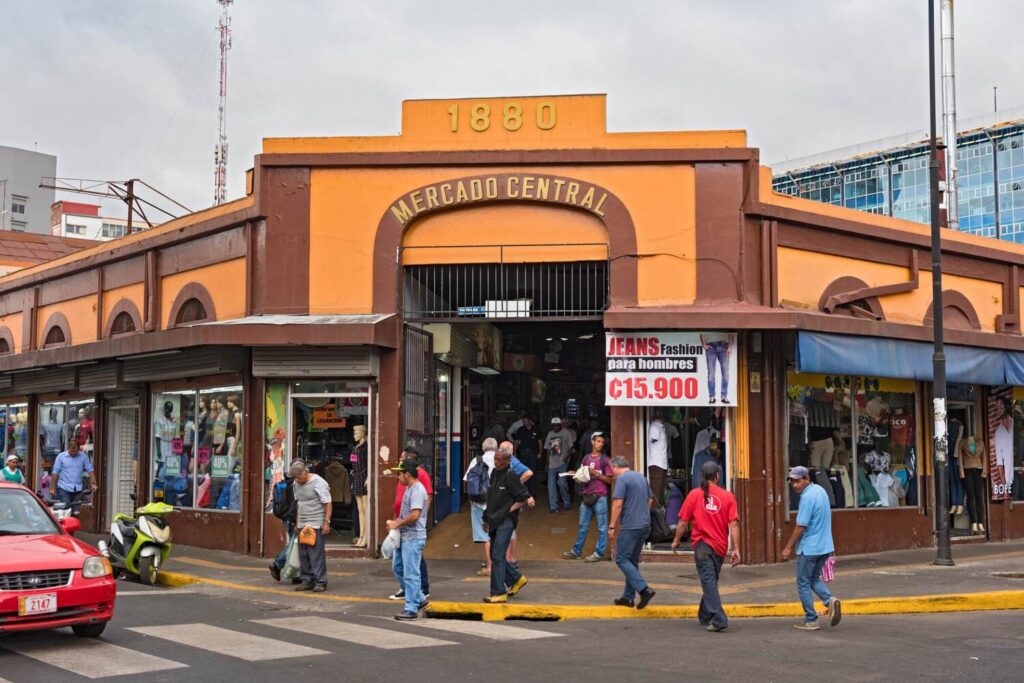
Drop your bags and head to Mercado Central for lunch. This covered market has been running since 1880 and it’s where locals actually eat. Find a soda (a small family-run food stall) and order a casado: rice, beans, plantains, salad, and your choice of meat for about $6 to $8. The market closes on Sundays, so if you land on a Sunday, go straight to Barrio Escalante instead.
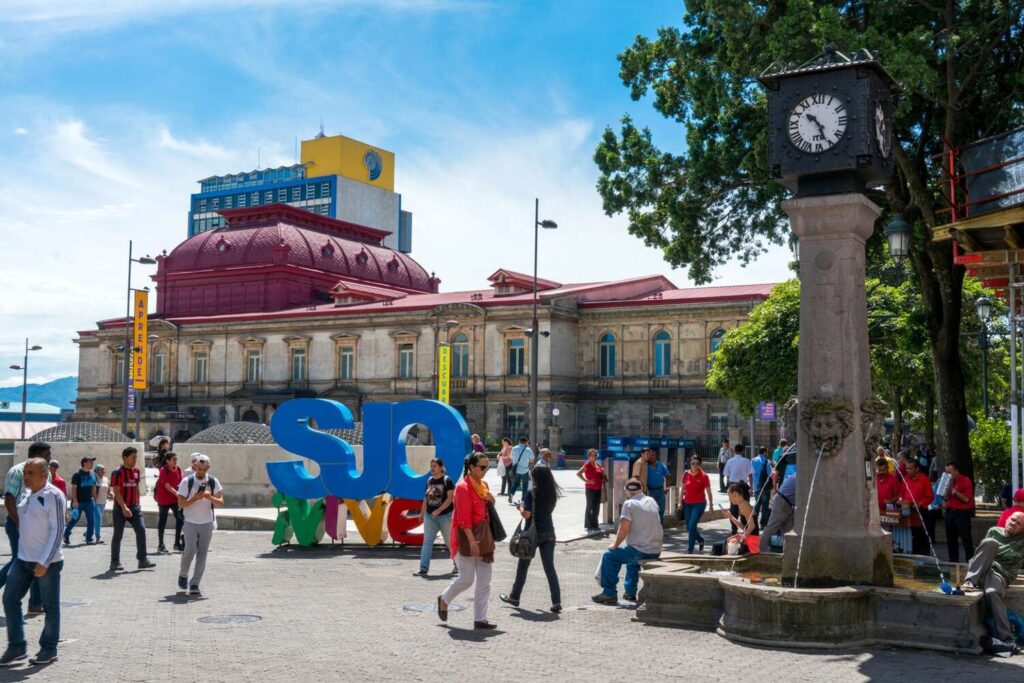
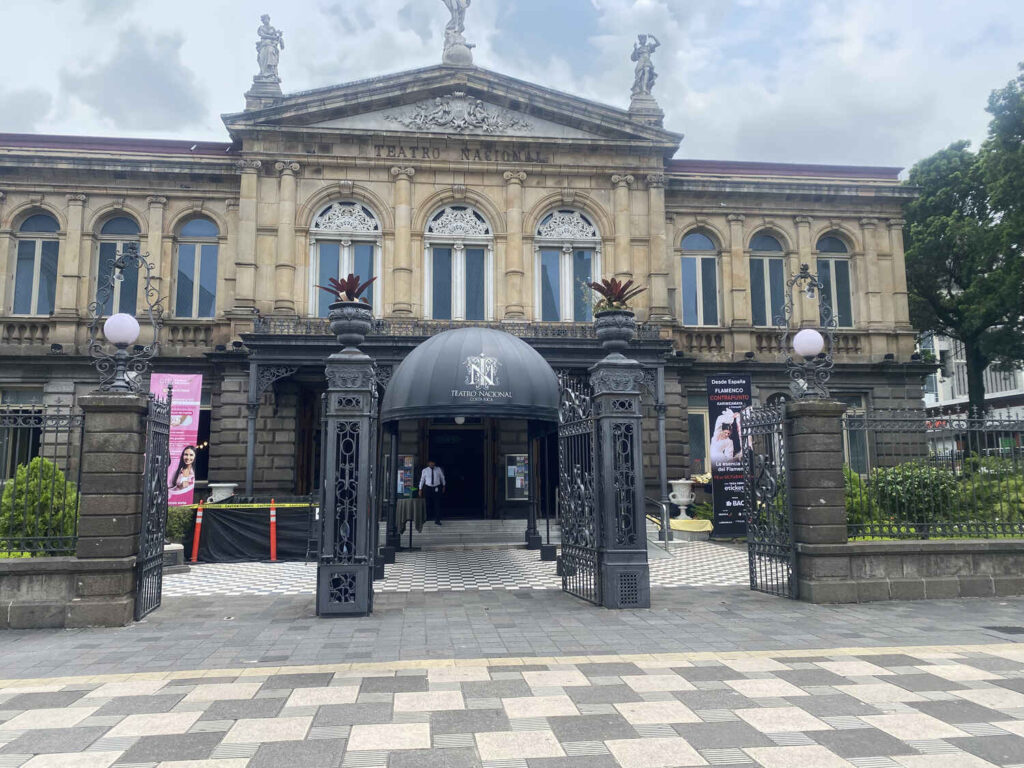
In the afternoon, pick one of two spots on Plaza de la Cultura. The National Theatre, built in 1897 with coffee-export money, runs guided tours for around $12 and the interior is worth every cent.
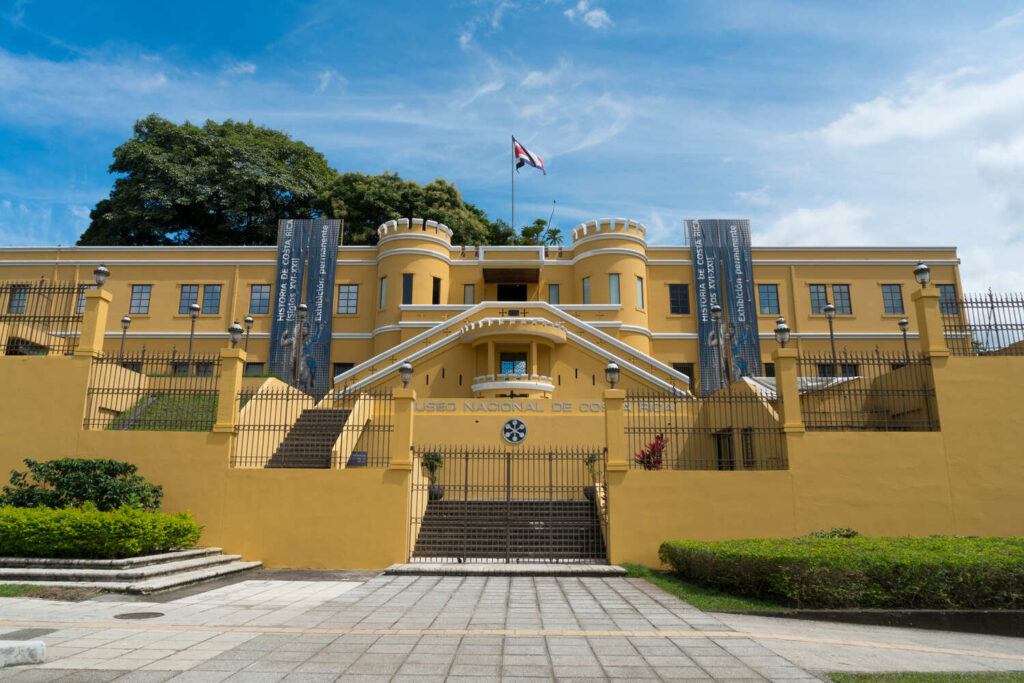
Right under the plaza, you’ll find the Gold Museum (Museo del Oro Precolombino), with over 1,500 pre-Columbian gold pieces; entry is about $15. Both are a short walk from the market.
For dinner, take a taxi to Barrio Escalante. This neighborhood has turned into the food capital of the city, with dozens of restaurants packed along Calle 33 and the streets around it. All are on the same street, small breweries, proper Costa Rican cooking, ramen, Lebanese food, and a lot more. Mains run $10 to $20 at most places.
Day 2: Travel from San José to La Fortuna
Your second day in Costa Rica is all about traveling from San Jose to La Fortuna.
We normally recommend spending 3 days in La Fortuna, but since you have limited time, one day will do.
Shared shuttles cost about $54 to $57 per person and take 3.5 to 4 hours, with morning pickups around 8 AM. Tropical Tours and Interbus both run this route daily. The budget option is the direct public bus from Terminal 7-10 in downtown San José, which costs around $6 and takes closer to 5 hours.
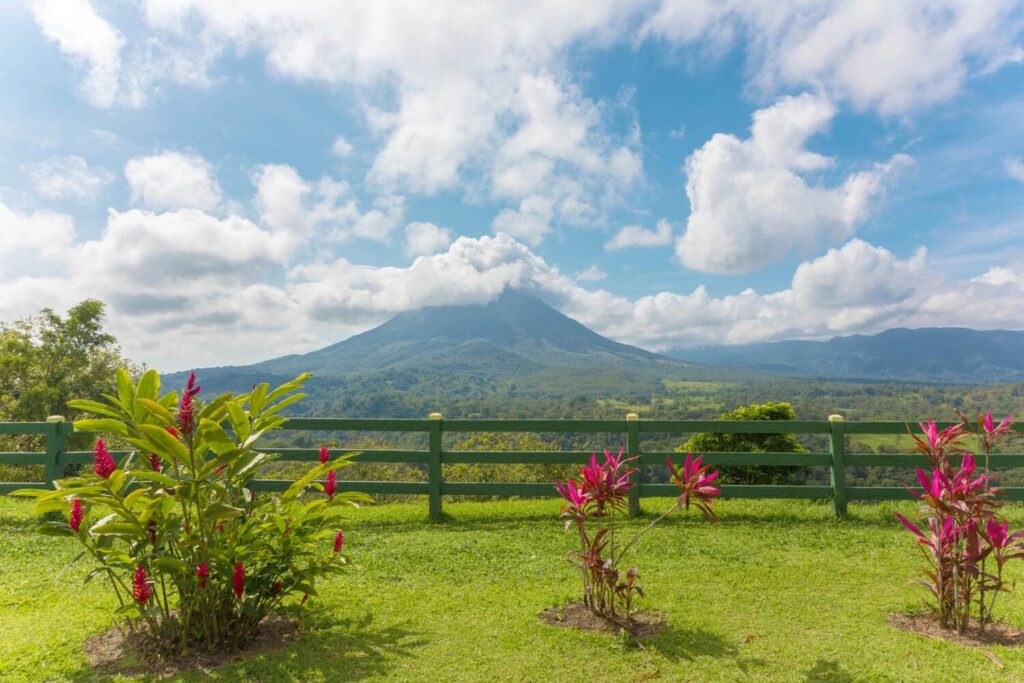
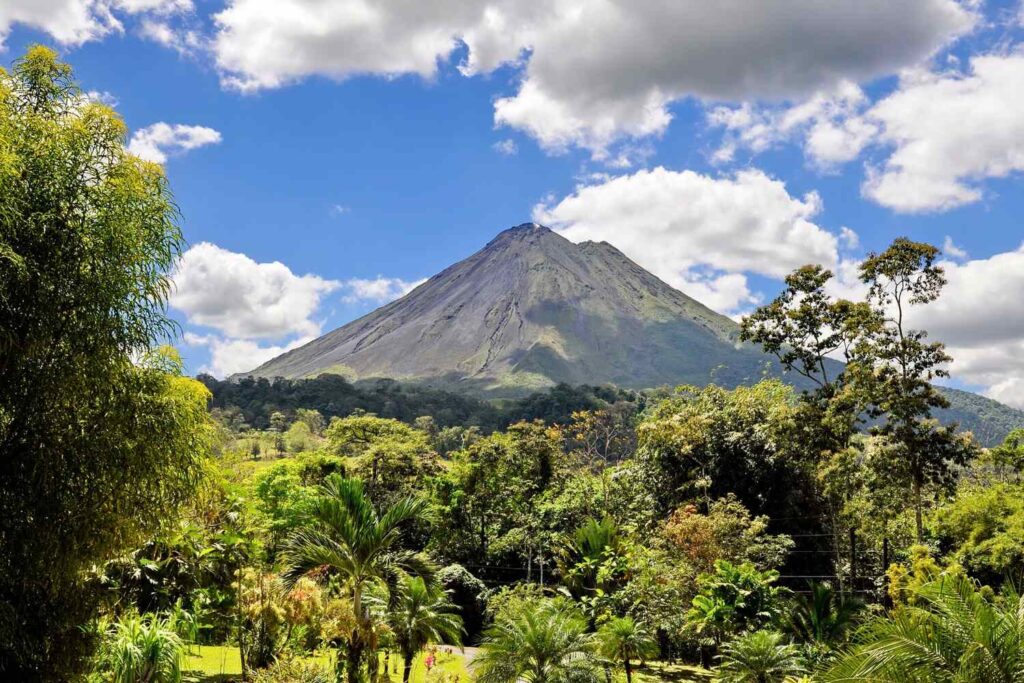
Driving yourself takes about 3 hours on decent roads. The scenery changes fast: coffee farms, then cattle country, then rainforest, with Arenal’s cone appearing in the last stretch on sunny days.
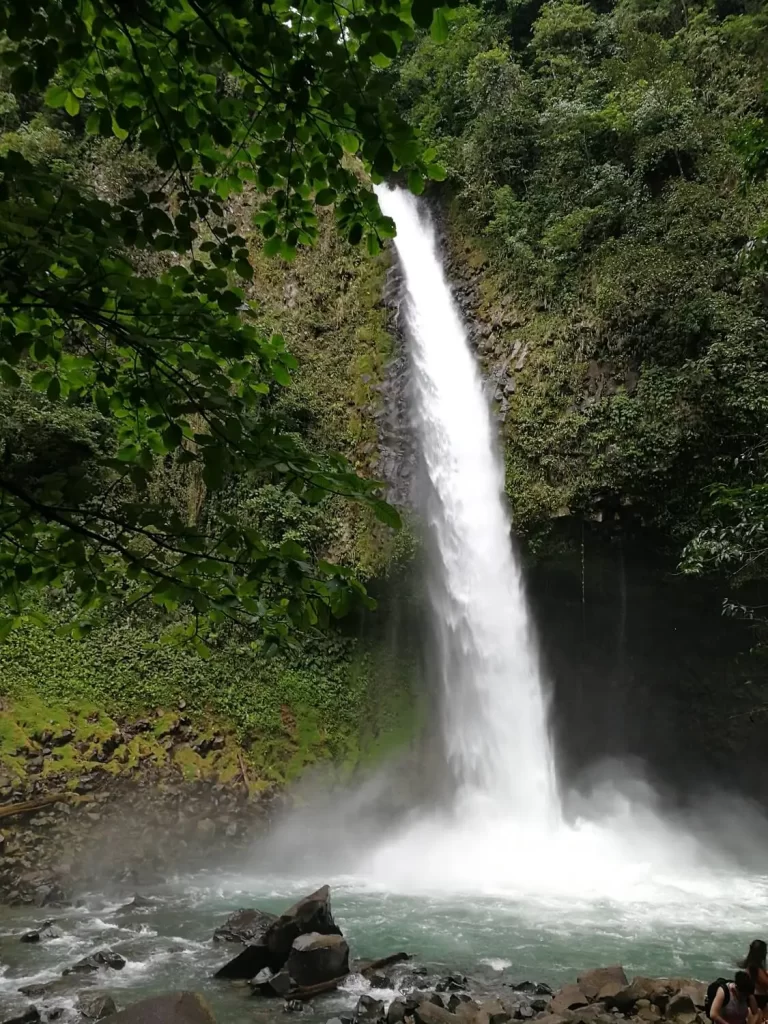
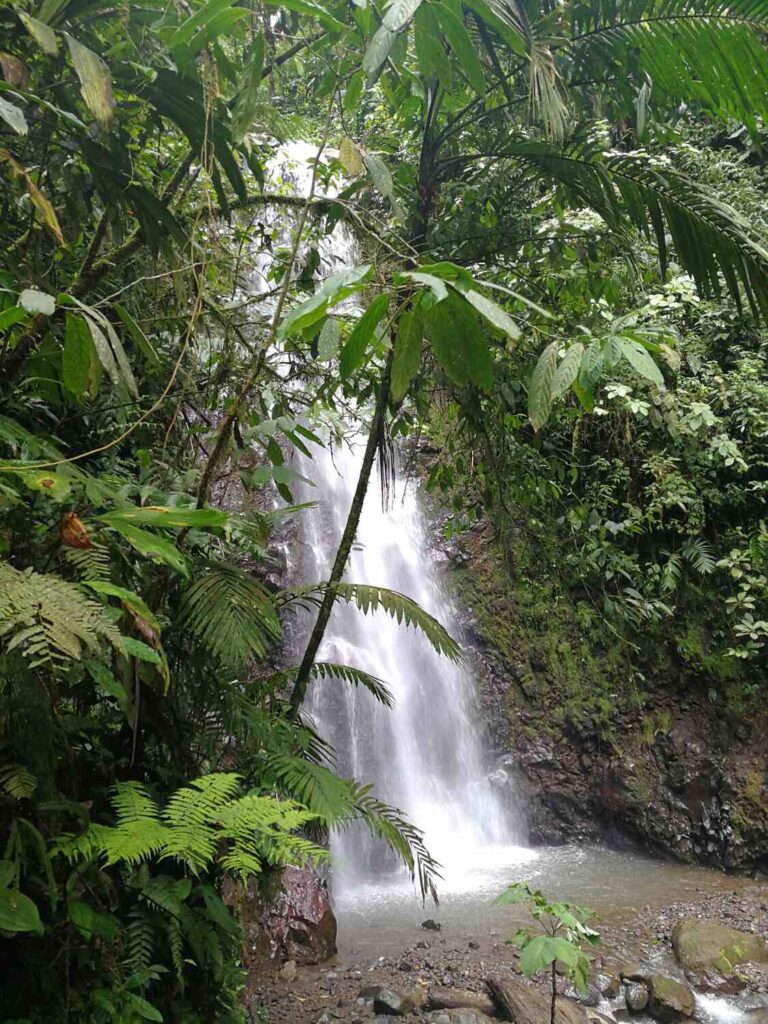
Check in, eat lunch in town, then spend the afternoon at La Fortuna Waterfall. Entry costs $18 to $20 for adults, and the site is open from 7 AM to 5 PM with last entry at 4 PM. You’ll walk down about 530 concrete steps to reach the base, where a 70-meter cascade crashes into a swimmable pool. Bring water shoes and a dry bag. The climb back up is sweaty, so pace yourself. Budget two hours total.
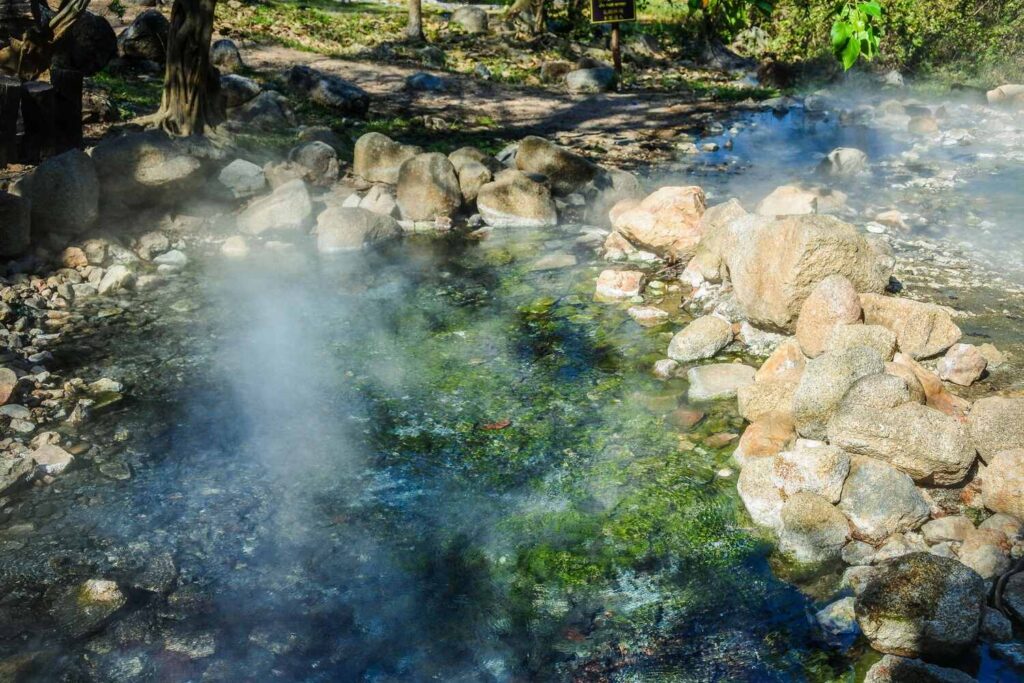
Evenings in La Fortuna mean hot springs, and you’ve got options at every price point. Tabacón is the famous one, with a natural thermal river winding through landscaped gardens. Day passes start around $115 and it books out days ahead in high season. Baldi is the fun, family-style option with 25 pools and waterslides, from about $60 to $85.
And then there’s El Chollín, the free one. It’s a public stretch of the same thermal river, directly across the road from the Tabacón entrance, about 15 minutes from town by taxi. No facilities, no lockers, just warm water and locals. Bring a headlamp and don’t take valuables.
Day 3: La Fortuna
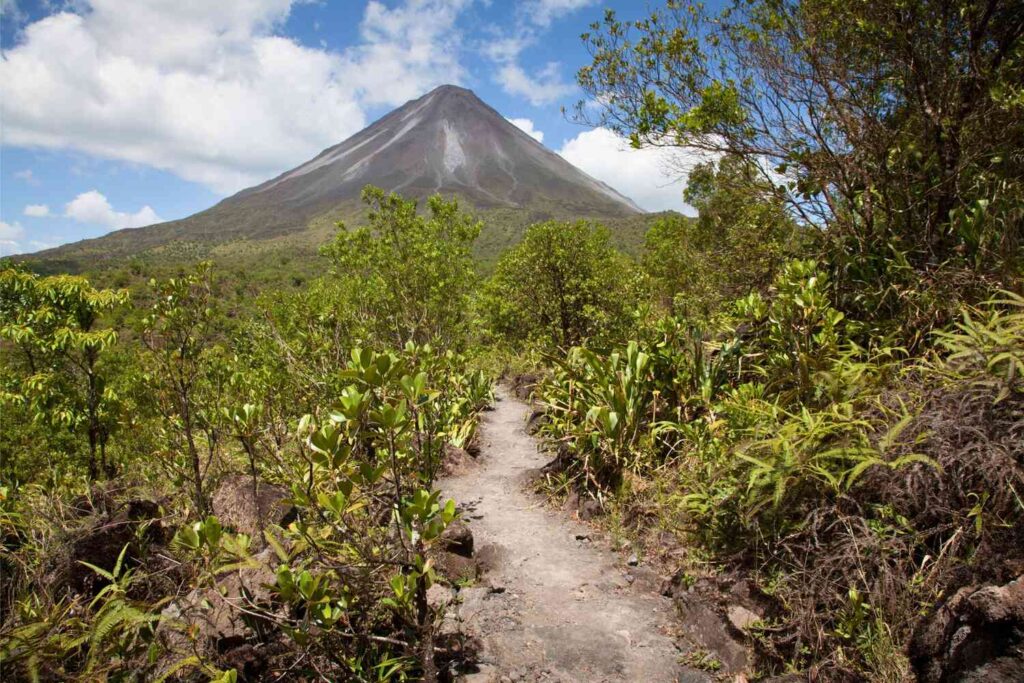
Start early with the Arenal 1968 Trail, named after the year the volcano blew and buried three villages. Entry costs about $15 and the gates open at 8 AM. Two loop trails cross the old lava fields, and the shorter one takes about an hour and a half. Go in the morning for two reasons: the volcano is usually clear before 10 AM, and the heat gets brutal by midday.
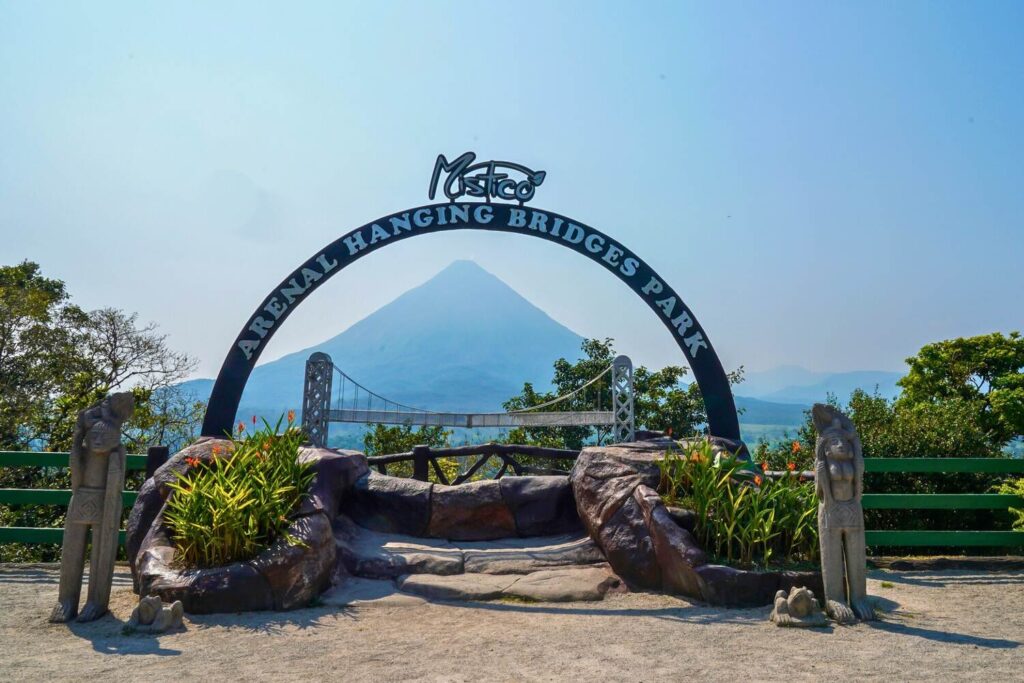
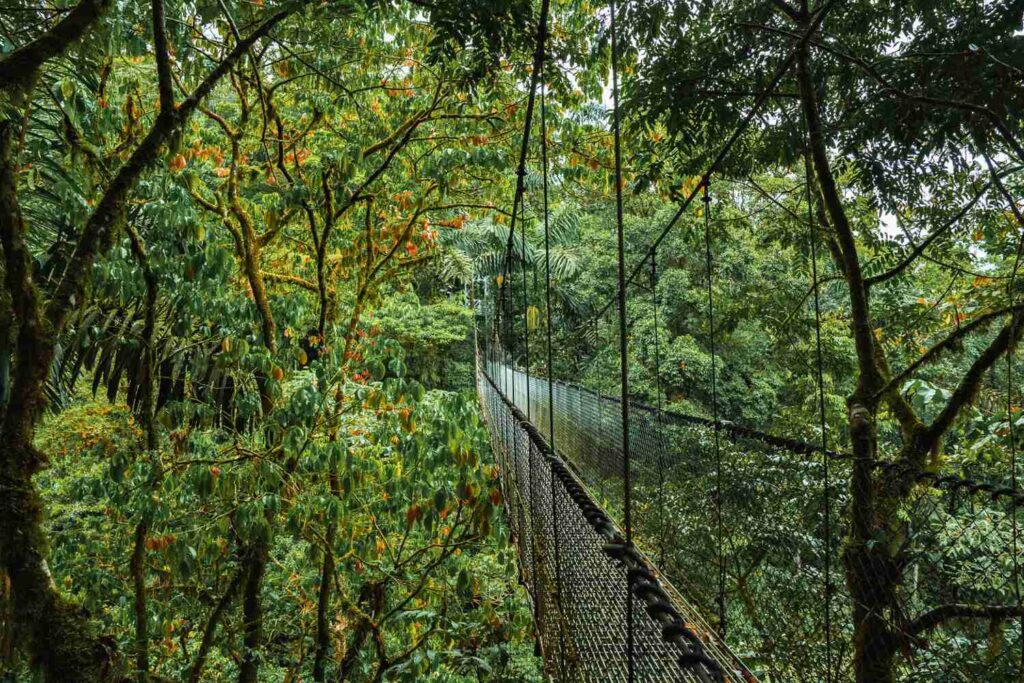
After lunch, head to Mistico Hanging Bridges, about 20 minutes from town. Self-guided entry costs around $28, with timed slots you should book online. The 3.2 km loop crosses 16 bridges, six hanging high over the forest canopy. Walk slowly and look up: sloths, toucans, and howler monkeys are spotted here daily. The full loop takes around two hours at a relaxed pace.
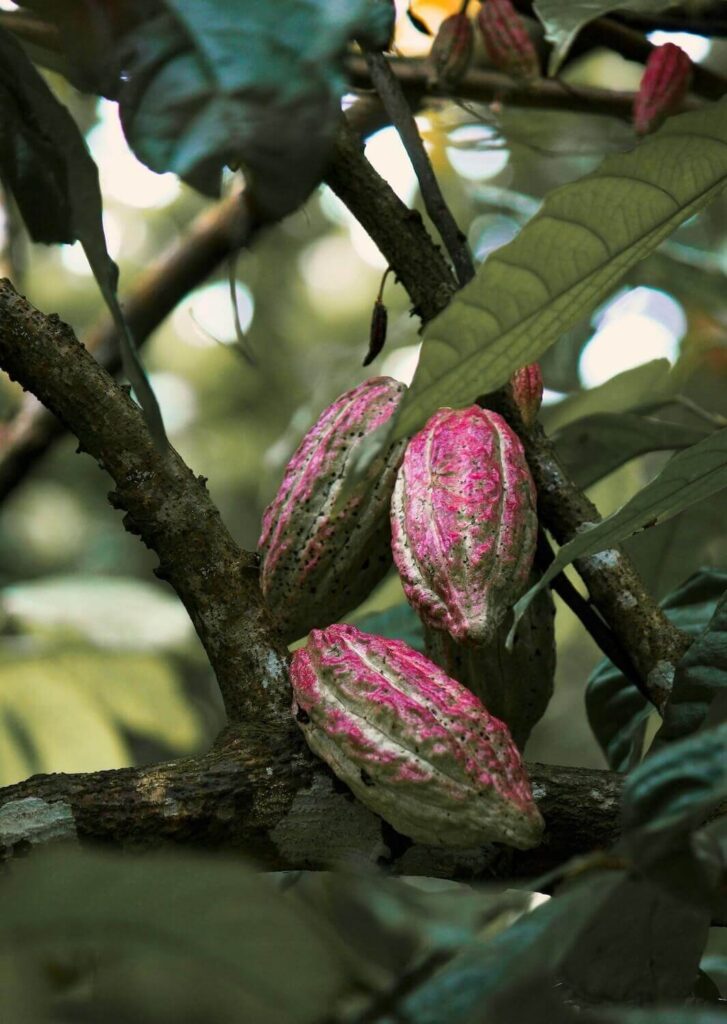
Wind down with either a coffee and chocolate tour (most run $35 to 45 for two hours, and you’ll leave properly caffeinated) or drive out toward the Lake Arenal dam for sunset. The viewpoint near the dam gives you the volcano on one side and the lake on the other, and it costs nothing.

Optional: Visit Rio Celeste Waterfall
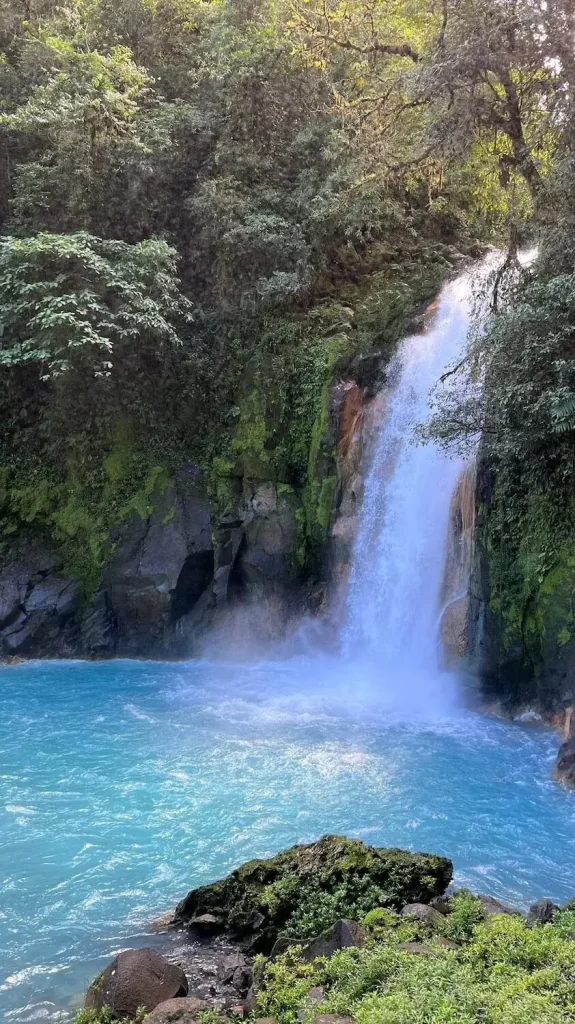
If you’ve got an extra day in La Fortuna, head out to Río Celeste Waterfall. It’s about a 90-minute drive each way, but honestly, it’s worth every bump in the road.
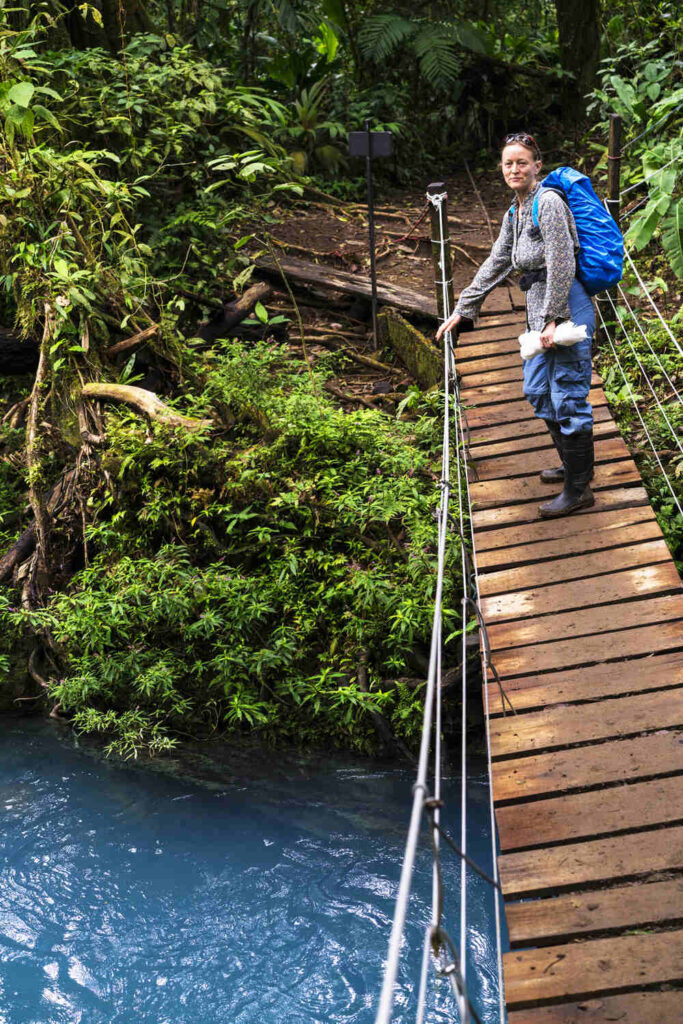
The hike isn’t long, maybe 30–40 minutes, but it can get muddy (bring proper shoes). When you reach the falls, the water’s this unreal milky-blue color that almost looks edited.
You can’t swim there anymore, but just standing on the platform and seeing that color in real life is enough. Worth adding if you have an extra morning in La Fortuna.
Day 4: La Fortuna to Monteverde
This is the fun travel day. The jeep-boat-jeep transfer (these days it’s really a van-boat-van) costs $33 to $50 per person and takes about 3.5 to 4 hours door to door. A van picks you up at your hotel, drives 25 minutes to Lake Arenal, then a boat carries you across the lake for 30 to 40 minutes with the volcano behind you the whole way.
On the far shore, another van takes you up the mountain to Monteverde. Departures run at 8 AM and 2 PM. Take the 8 AM so you arrive before noon with a full afternoon ahead.
Use that afternoon for the Monteverde Cloud Forest Reserve, and heads up: the system changed in December 2025. The old day pass is gone. You now book one of three fixed circuits, each with a timed entry and a one-way direction: the Essence Trail (1.4 km, includes a waterfall), Heart of the Forest (2.8 km, includes the hanging bridge), or the Continental Divide Trail (4.1 km, also with the bridge). Each circuit costs $29 per adult and $16 for kids aged 5 to 11.
Everyone checks in first at the Harriot Powell Visitor Center, about 1.6 km before the reserve entrance, where you park for free and ride a shuttle van up. The reserve opens at 7:30 AM. If you’d rather skip the new circuit system, Selvatura’s hanging bridges near the Santa Elena reserve are a solid alternative with eight bridges over the canopy.
After dark, do a guided night walk. Tours cost $35 to $45, start around 5:30 PM, and last about two hours. This is when the forest actually wakes up: kinkajous, sleeping birds, tarantulas, and if you’re lucky, an olingo. Guides carry scopes and know exactly where to look.
Day 5: Monteverde
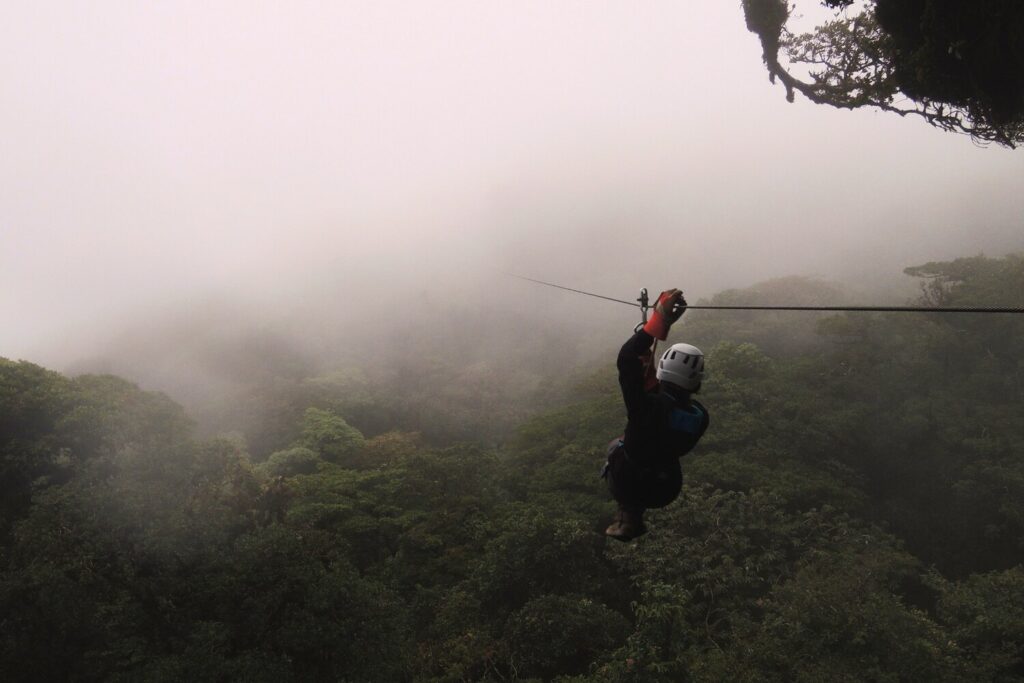
Monteverde is the zipline capital of Costa Rica, so this is the morning to fly. Extremo Park runs $63 to $80 and has the longest, highest cables in the area, including a Superman line that shoots through a tunnel.
Sky Trek costs around $99 but comes with an automatic braking system and a gondola ride up to the first platform, which makes it the best pick for nervous first-timers or kids. Selvatura’s canopy tour (around $80) is the only one inside actual cloud forest, with 15 cables and a Tarzan swing at the end. All three take about two to three hours. Book the earliest slot, since wind and clouds build through the day.
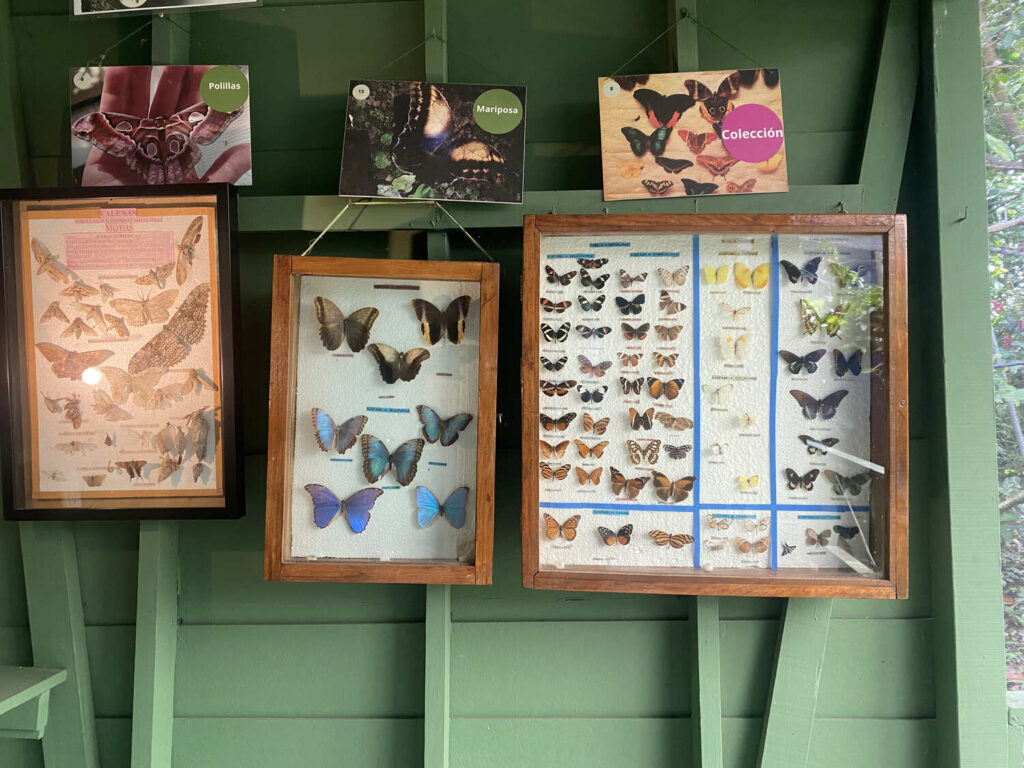
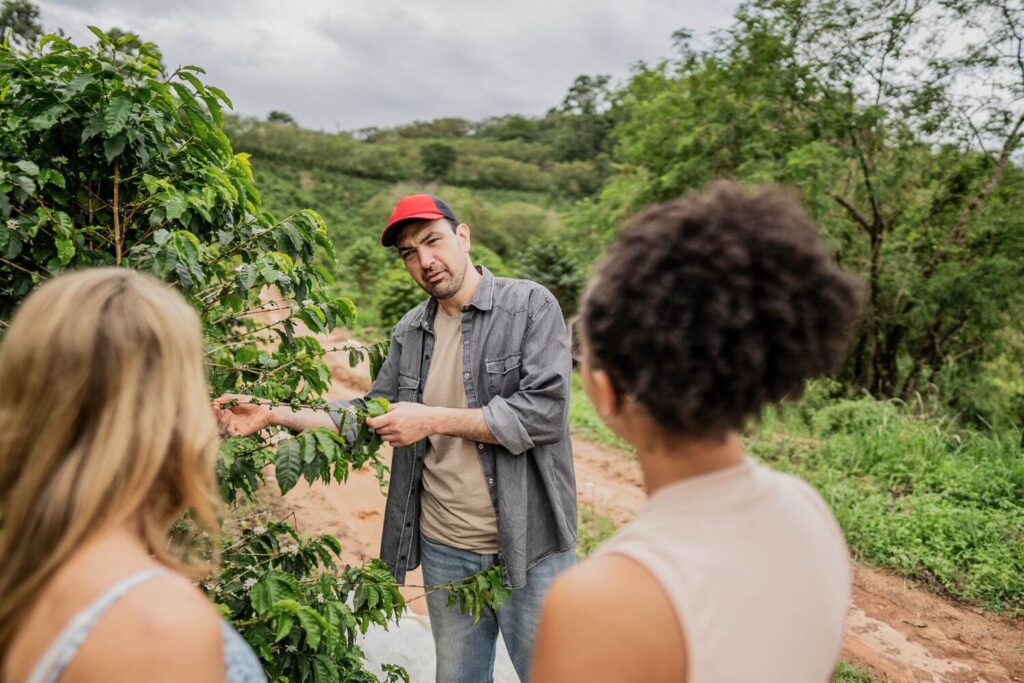
Slow down in the afternoon. The Monteverde Butterfly Gardens charge about $18, including a guided tour, and the guides here are often biology students who genuinely know their stuff. Or do a coffee tour: Café Monteverde and El Trapiche both run tours around $35 to 40 where you follow the bean from plant to cup, and El Trapiche throws in sugarcane and chocolate too.
Spend the evening in Santa Elena, the actual town (Monteverde is the region, which confuses everyone). It’s small, walkable, and has more good restaurants per block than it has any right to. Try Sabor Tico for local food at fair prices, or grab a beer at one of the small bars on the main strip. Nights get cold up here at 1,400 meters, so bring a jacket.
Day 6: Monteverde to Manuel Antonio
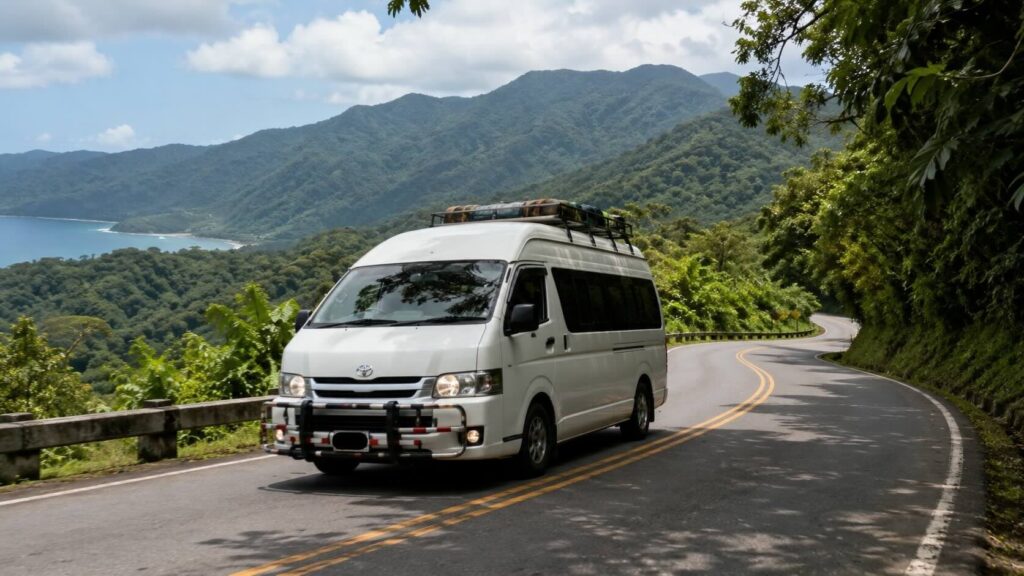
Set your expectations now, because this is the longest travel day of the trip. The shared shuttle costs $60 per person, departs at 8 AM, and takes 4 to 4.5 hours. The first stretch down the Monteverde mountain is bumpy, then it smooths out on the coast. If you’re driving, count on a similar time and stop at the Tárcoles bridge on the way to see the massive crocodiles.
One critical task before or during this day: buy your Manuel Antonio National Park tickets online at the SINAC website. Tickets are not sold at the park entrance and slots sell out days ahead in high season. Also check the calendar: the park is closed every Tuesday. If your Day 7 falls on a Tuesday, swap Days 6 and 7 or shift your route.
You’ll arrive early afternoon. Check in at your hotel, head straight to the pool, then take a stroll around Quepos, the working port town below the Manuel Antonio hill.
The waterfront and marina are pleasant around sunset. For dinner, book a table at El Avión, the restaurant built around a 1954 Fairchild C-123 cargo plane tied to the Iran-Contra affair.
It’s on the main road between Quepos and the park, the sunset views over the Pacific are superb, and yes, you can have a drink inside the fuselage. Arrive before 5:30 PM for a sunset table.
Day 7: Manuel Antonio
Be at the park gates when it opens at 7 AM. Manuel Antonio National Park is open Wednesday through Monday, 7 AM to 4 PM, closed every Tuesday, and your pre-bought SINAC ticket ($18 with tax for adults, about $5 for kids) gets scanned at the entrance with your passport.
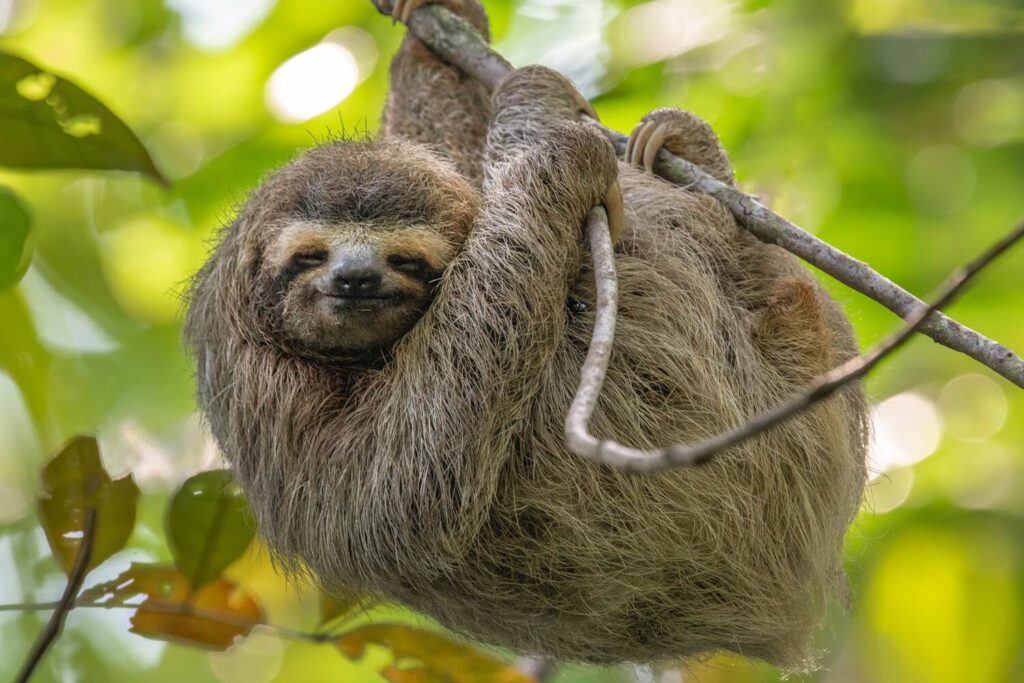
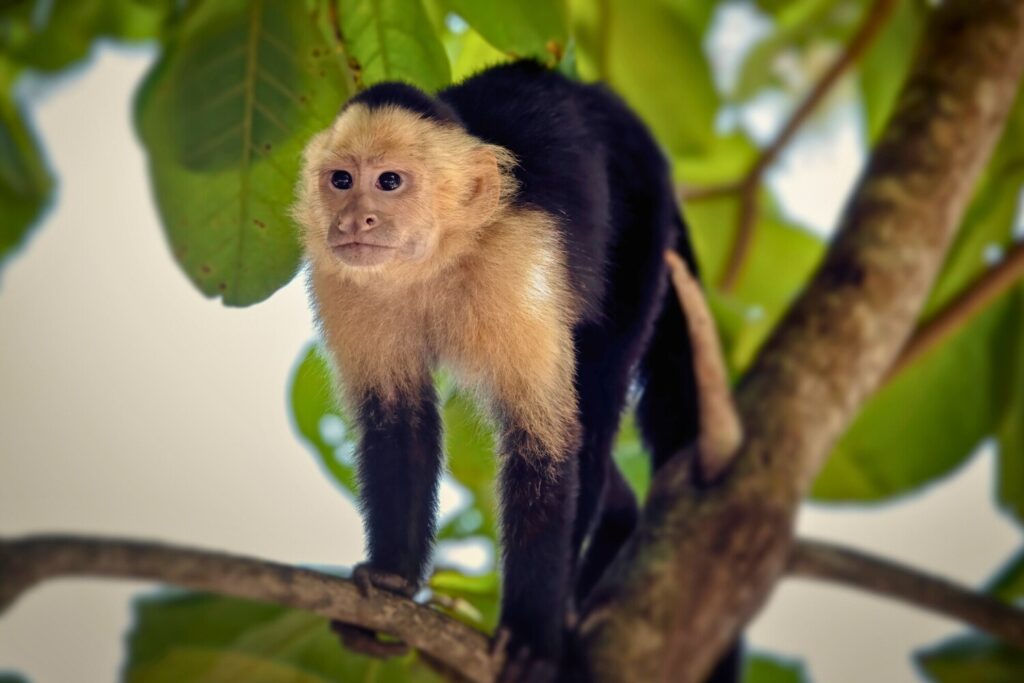
The first two hours of the morning are when the wildlife is out: three kinds of monkeys, two kinds of sloths, coatis, and toucans. A certified guide costs $25 to $40 per person for a 2.5-hour walk and is honestly worth it, since guides carry scopes and will spot ten times more than you will alone. One warning that’s not a joke: the raccoons and capuchins here are professional thieves. Zip your bag and never leave it on the sand.
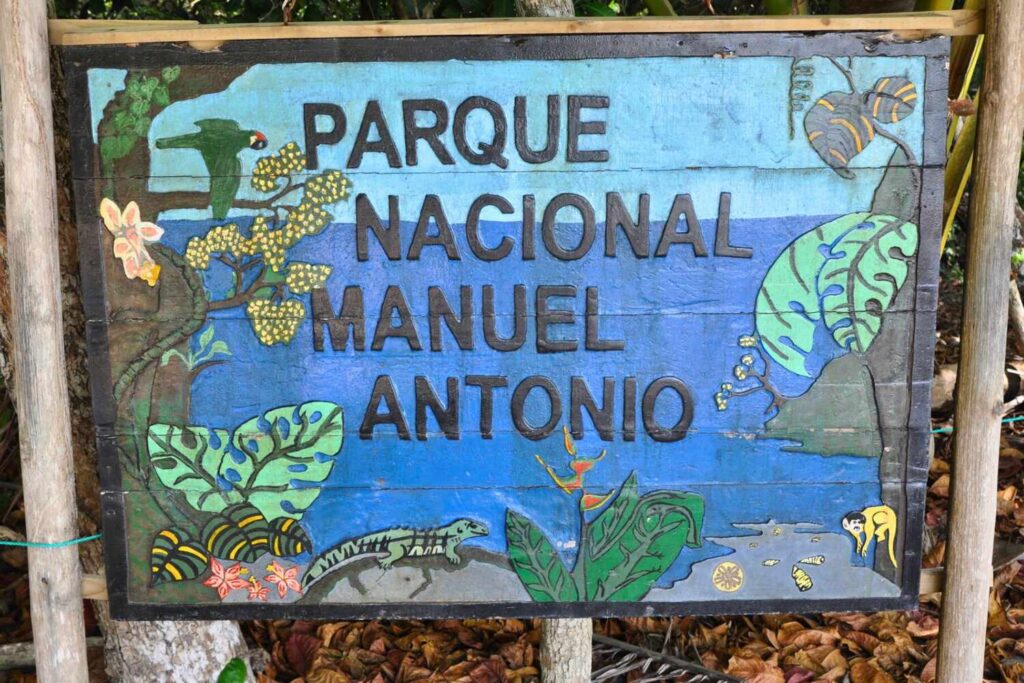
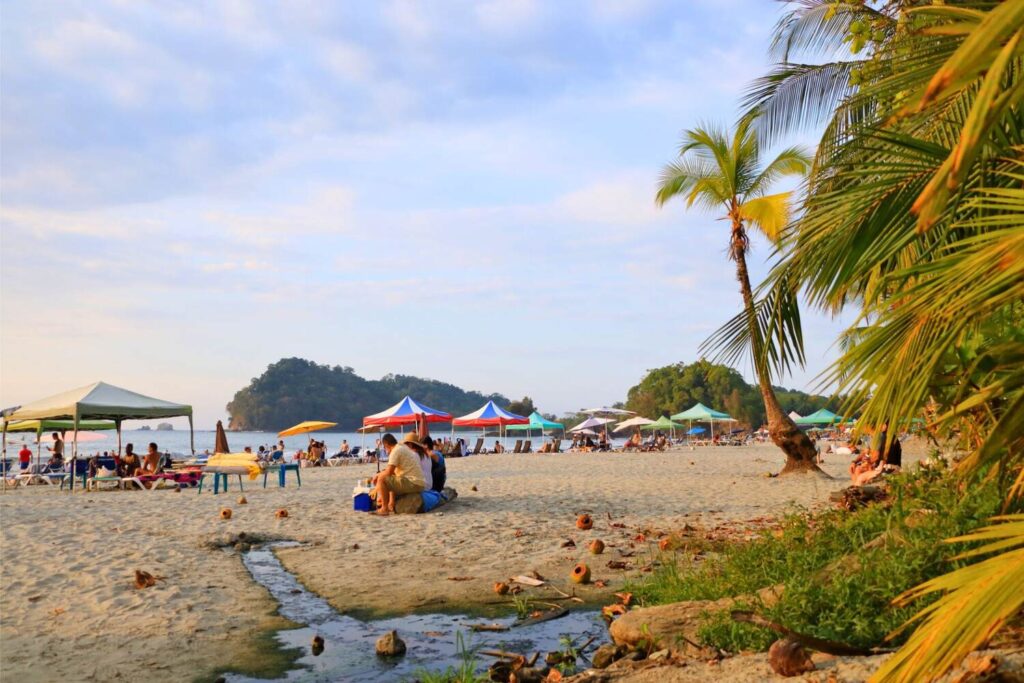
After the trail, spend the late morning at Playa Manuel Antonio inside the park. It’s a calm, white-sand cove framed by forest, and it’s as good as any beach in the country. Rangers start clearing the beaches around 3 PM, so you’ll have plenty of time.
If you’ve got the afternoon and the energy, catamaran trips leave from the Quepos marina for around $80 to $95, with snorkeling, lunch, and a decent chance of dolphins. Otherwise, just park yourself at Playa Espadilla, the free public beach outside the park.
Then it’s the home stretch: San José is about 3 to 3.5 hours away by car or shuttle (shared vans run around $55 to $60, with a common 1:30 PM departure). If your flight leaves in the evening, leave the coast by early afternoon and build in buffer for traffic near the capital. Flying out the next morning? Sleep in Alajuela near the airport instead of downtown and save yourself the 5 AM taxi stress.
Accommodation Choices in Costa Rica
Where you stay in Costa Rica shapes your pura vida experience. From eco-lodges in the rainforest to beachfront hostels and all-inclusive resorts, you’ll find options to fit your travel style and budget.
Eco-Lodges and Boutique Hotels
Eco-lodges are all about sustainability and connecting with nature. Stay in places like Nayara Gardens in Arenal or Lapa Rios Lodge on the Osa Peninsula to wake up to rainforest sounds and enjoy responsible amenities. Many eco-lodges offer guided nature walks, wildlife viewing, and solar-powered comforts.
Boutique hotels—think adult-only hideaways in Manuel Antonio or artsy spots in Puerto Viejo, provide personalized service and fewer crowds. These accommodations often use local materials and support the environment by reducing waste and conserving water.
Choose these options if you want a relaxed, authentic Costa Rica travel experience with a smaller environmental footprint.
Hostels and Budget Options
Hostels are popular if you want to meet other travelers and keep costs low. Look for dorm beds or private rooms in places like Selina in Tamarindo or Pura Vida Hostel in Santa Teresa. Free Wi-Fi, communal kitchens, and organized tours are common perks.
Many budget hotels and guesthouses offer simple but clean rooms. You’ll often find central locations and staff happy to share local tips. Some spots include breakfast or surfboard rentals for a small fee.
If you’re traveling light or solo, these options make it easy to stick to your budget without missing out on the best parts of Costa Rica.
Family and Luxury Accommodations
Families in Costa Rica often stay at resorts along the Pacific or Caribbean coast. Places like Westin Reserva Conchal and Croc’s Resort & Casino have pools, kids’ clubs, and activities for all ages. Many provide all-inclusive plans, making meals and snacks hassle-free.
Luxury travelers gravitate towards five-star hotels and private villas closer to national parks or beaches. Expect amenities like infinity pools, world-class dining, and personalized concierge service.
No matter the price point, you’ll find accommodations that make your week in Costa Rica comfortable, and help you enjoy pura vida living every day.
Conclusion – 1 Week in Costa Rica
One week in Costa Rica goes by fast, but it’s more than enough to catch the best highlights. Between the views of the volcano Arenal, lazy beach days, and unexpected wildlife trips, you’ll get a real taste of that pura vida lifestyle.
Of course, you’ll probably leave with a list of things to come back for next time you visit Costa Rica, and that’s just how it works! We hope you enjoyed your 7 days in Costa Rica!