

25 Best Places to Visit in Costa Rica
Costa Rica is small, but it doesn’t feel small once you start planning. Volcanoes, cloud forest, two coastlines and a handful of wild national parks are mostly within a day’s drive of San José.
That’s the fun part, and also the problem. You can’t see it all in one trip, so it helps to know what each place is best for. Here are the 25 best places to visit in Costa Rica, with drive times, real prices and a tip for each.
Share this article
In Short
- La Fortuna and Arenal are the best first stop, about 3 hours from San José.
- Manuel Antonio National Park closes every Tuesday, and tickets cost $18.08.
- Park tickets cost about $7 to $20, and most of the big parks sell them online only.
- Uvita is the place for whales, July to November and late December to March.
- Tortuguero and Drake Bay need a boat to reach, so give each one two nights or more.
Join Our Facebook Community
Still have questions or want local tips straight from our team? Join our Facebook community. That’s where we share updates, answer questions, and help you plan your Costa Rica trip the smart way.
Where Are the Best Places to Visit in Costa Rica?
Costa Rica splits into a few clear regions, and each one does something different. The volcanoes and cloud forest are inland. The Pacific coast has the surf and the big wildlife parks. The Caribbean side is slower and greener.
Here’s a quick look at the main ones:
| Place | Best For | From San José |
|---|---|---|
| La Fortuna and Arenal | Volcano, hot springs, waterfall | About 3 hours |
| Monteverde | Cloud forest, hanging bridges | 3 to 3.5 hours |
| Manuel Antonio | Sloths, monkeys, beaches | 3 to 4 hours |
| Uvita | Whale watching, the whale tail | 3.5 to 4 hours |
| Tortuguero | Turtles, jungle canals | 2.5 to 3 hours, plus a boat |
| Drake Bay and Corcovado | Wild rainforest | About 4 hours, plus a boat |
| Tamarindo | Surf lessons, nightlife | 4.5 to 5 hours |
| Nosara | Surf, yoga, turtles | 5 to 6 hours |
| Santa Teresa | Surf, yoga | 5 to 6 hours with the ferry |
| Puerto Viejo | Caribbean beaches | About 4.5 hours by bus |
Drives take longer on weekends and in heavy rain, so pad these a little. For a trip that’s mostly Guanacaste beaches, flying into Liberia saves hours on the road.
1. La Fortuna and Arenal Volcano
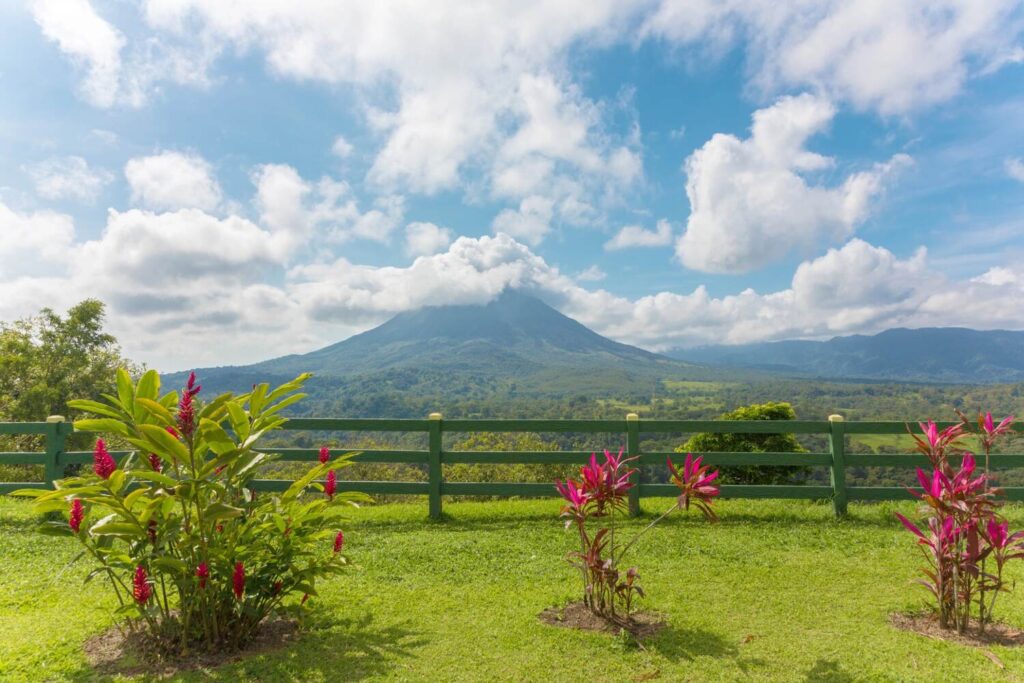
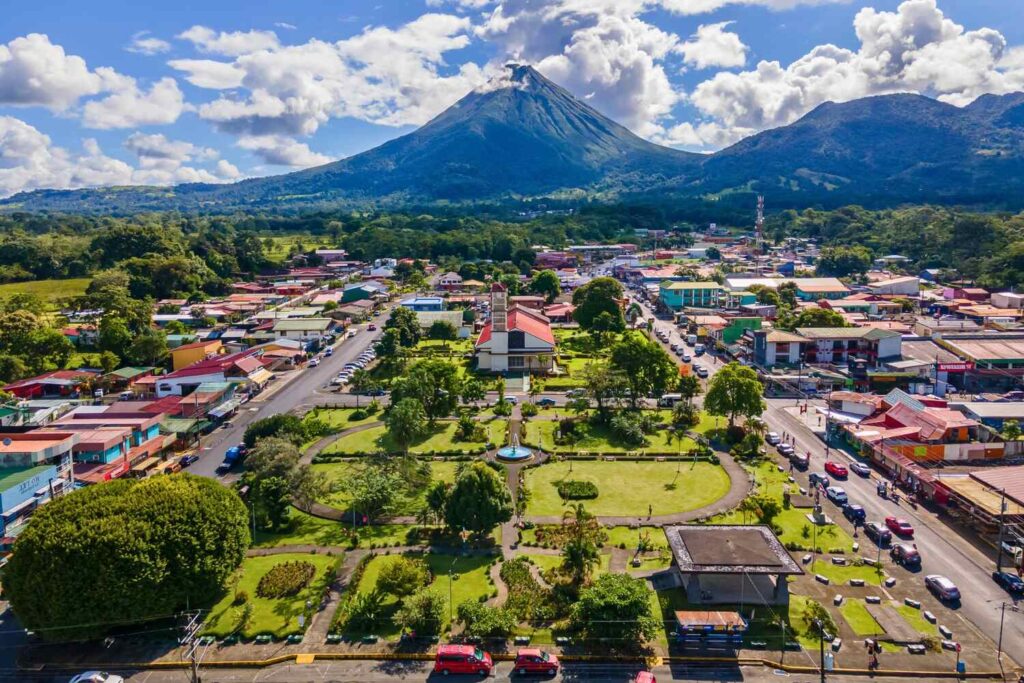
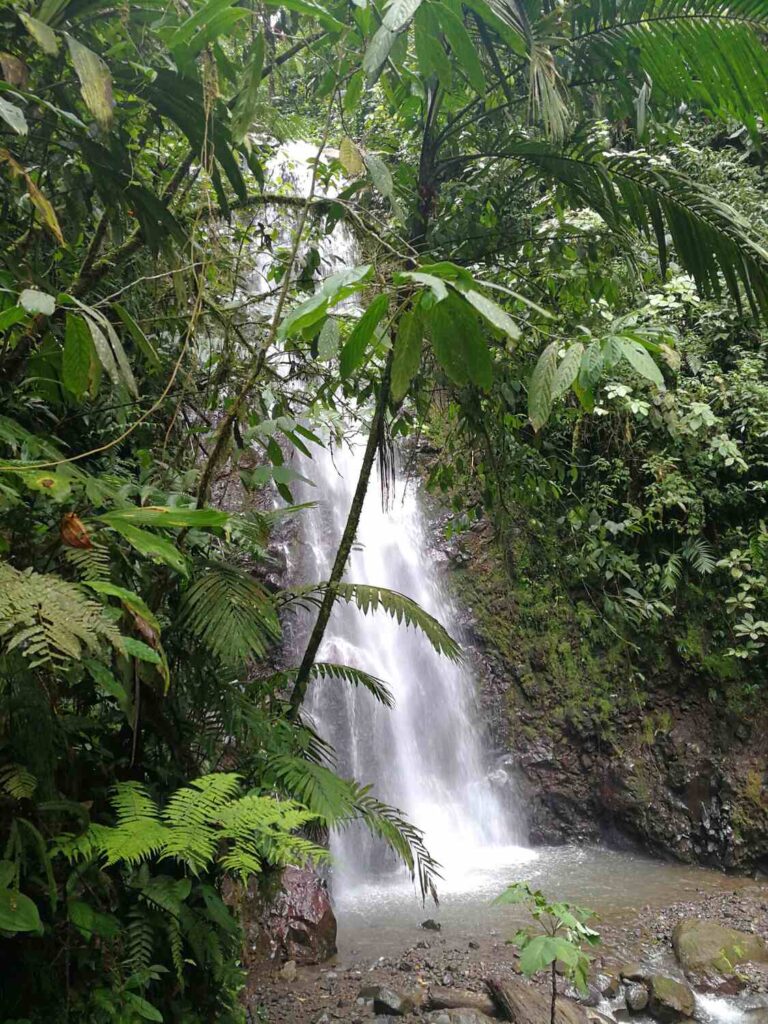
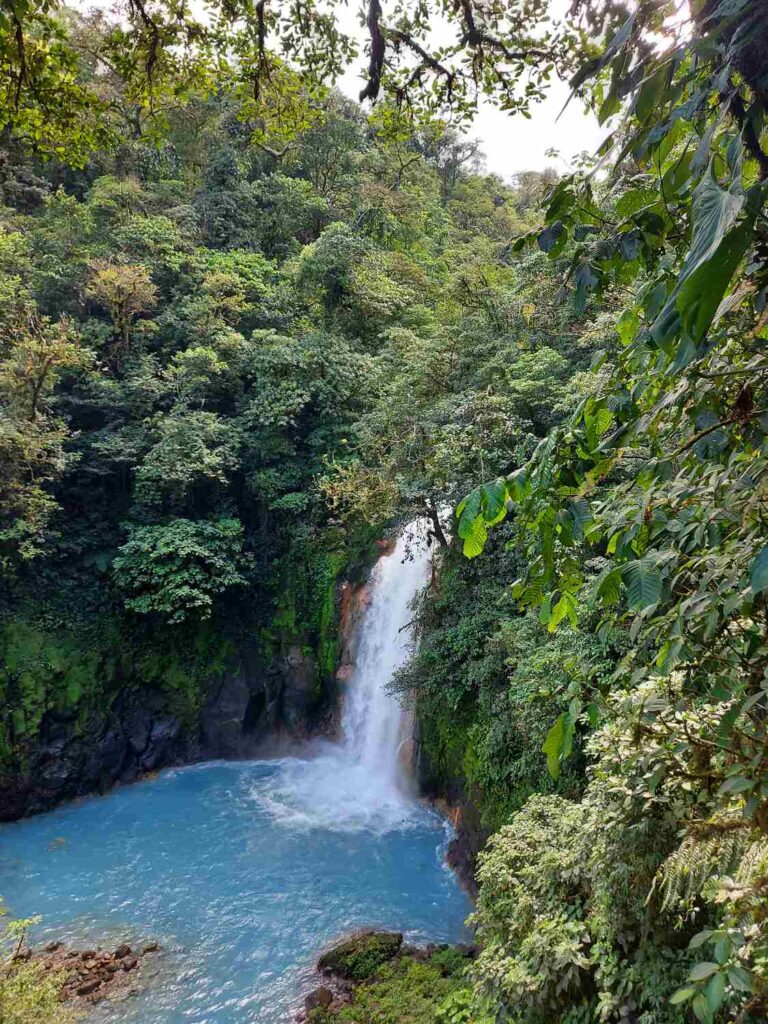
La Fortuna is where most first trips start, and it’s easy to see why. Arenal Volcano rises right behind town, and the waterfall, hot springs and hanging bridges are all within about 30 minutes.
Arenal Volcano National Park costs $15 plus tax, about $17, and La Fortuna Waterfall costs $20. For hot springs, El Choyín is free and Tabacón costs $115, with plenty in between.
The town is about 130 km from San José, a 3-hour drive, and the bus costs about $9. Rio Celeste makes an easy day trip, 1.5 to 2 hours away.
Give it three days if you can. Our guide to the best things to do in La Fortuna has the full list. Our bus from San José to La Fortuna guide covers the cheap way in.
2. Monteverde Cloud Forest
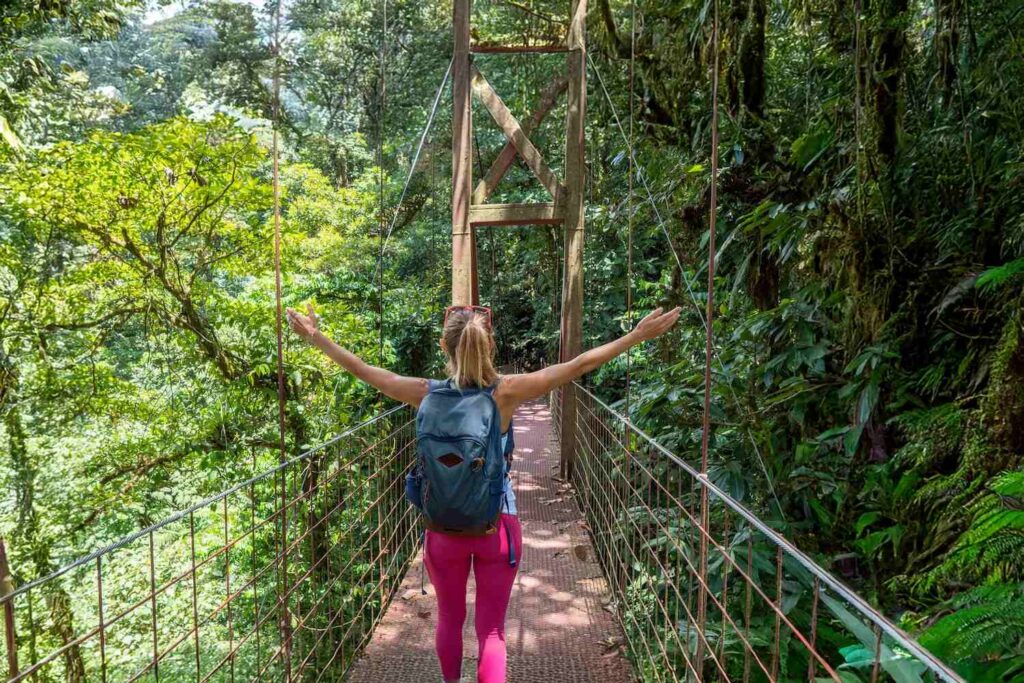
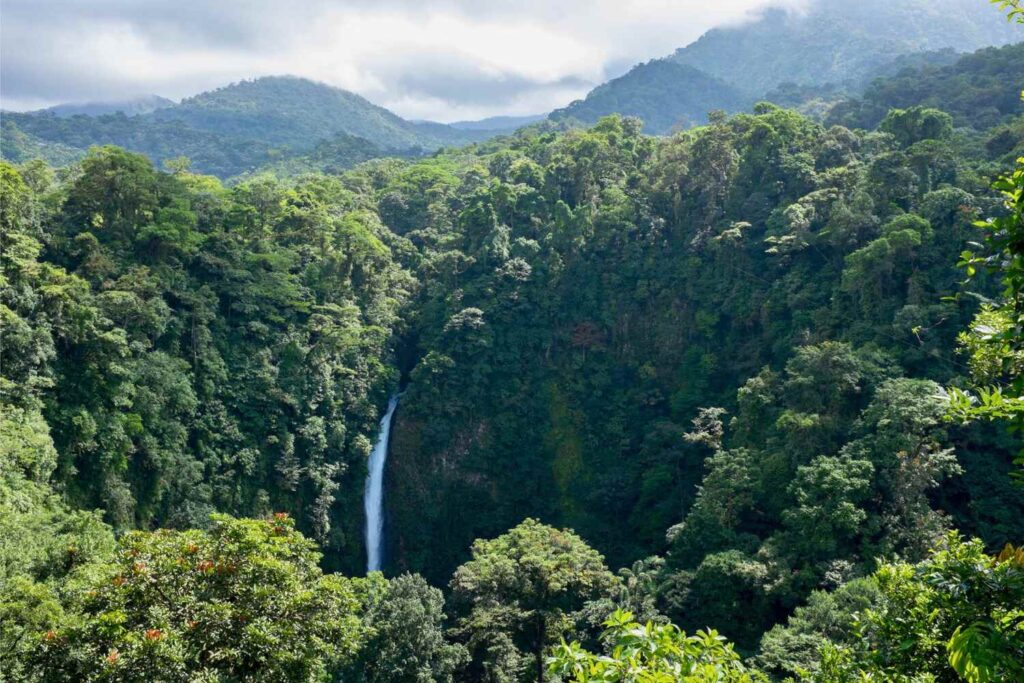
Monteverde feels like a different country. It’s high, cool and often wrapped in cloud, with mossy trees and a forest that drips even when it isn’t raining.
The Monteverde Cloud Forest Reserve sells timed tickets for one trail circuit at a time. They cost $29 per adult, and the reserve opens at 7:30 AM. Selvatura’s hanging bridges cost $49 plus tax, and guided night walks start at about $30 plus tax.
Getting here takes 3 to 3.5 hours by car from San José, and the last 36 km climb a narrow, winding road. From La Fortuna, the jeep-boat-jeep across Lake Arenal costs about $35 to $45.
Bring a fleece, since evenings get chilly. Our San José to Monteverde guide and 2-day Monteverde itinerary help you plan it.
3. Manuel Antonio National Park
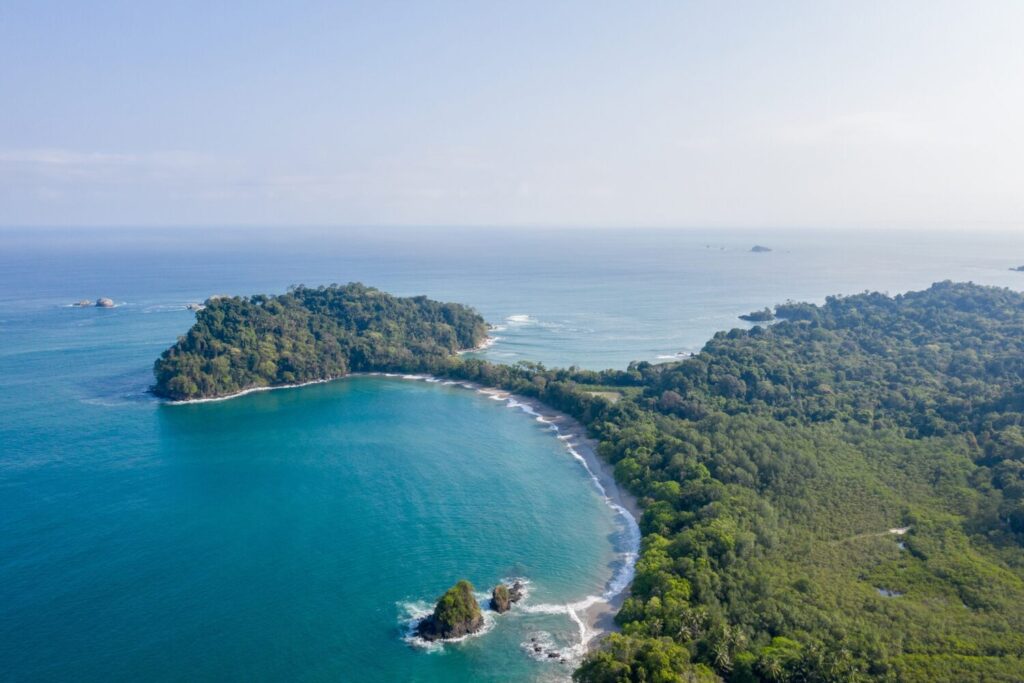
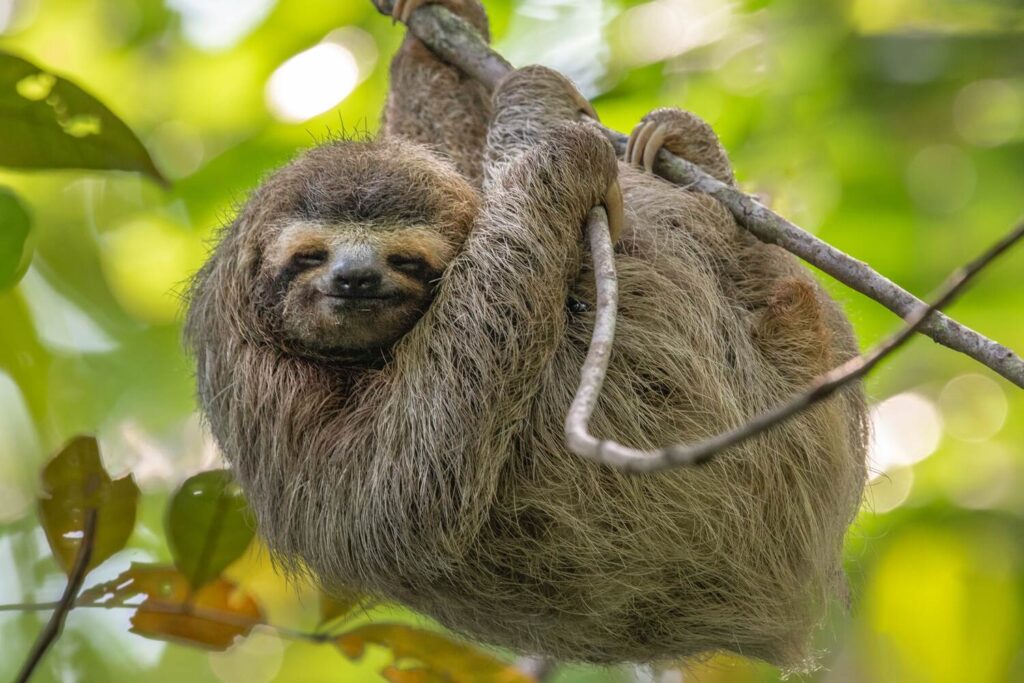
Manuel Antonio is small, but it packs in sloths, capuchin monkeys and some of the prettiest beaches in the country. You can see it all in one easy morning walk.
Tickets cost $18.08 for foreign adults and are sold online only, through SINAC. The park opens at 7 AM, closes every Tuesday and doesn’t allow food inside.
The town is about 170 km from San José, 3 to 4 hours on Route 27 and Route 34. Once you’re there, the local bus runs between Quepos and the park entrance every 15 to 30 minutes. It costs less than a dollar.
Be at the gate at 7 AM, before the heat and the tour groups. Our 3 days in Manuel Antonio itinerary plans it out. Our guide to the best hotels in Manuel Antonio helps you pick a base.
4. Rio Celeste and Tenorio Volcano National Park
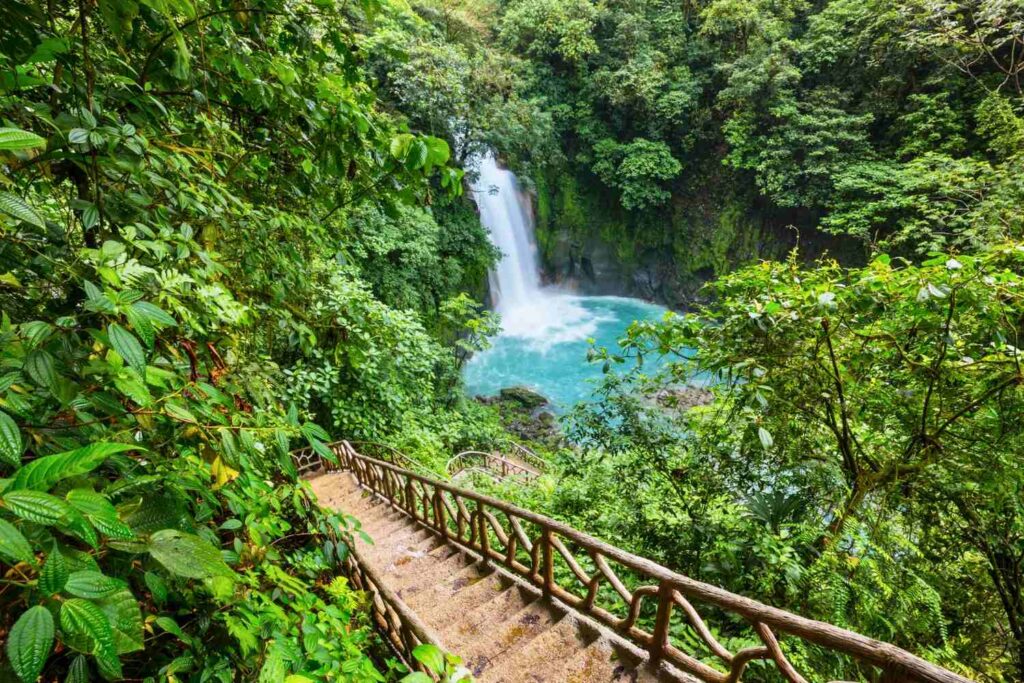
Rio Celeste is the bright blue river you’ve seen in photos, and it really does look like that. It runs through Tenorio Volcano National Park, 1.5 to 2 hours from La Fortuna or Liberia.
Tickets cost $13.56 with tax and are sold online only, through SINAC. The trail is about 6.4 km round trip and takes 3 to 4 hours. It passes a waterfall on the way to the spot where two clear rivers meet and turn blue.
Swimming isn’t allowed in the park, but there’s a free pool by the bridge just outside. Heavy rain can turn the river brown for a while. A few dry days in a row give you the best color.
Our Rio Celeste guide covers tickets, tours and the drive.
5. Tortuguero National Park
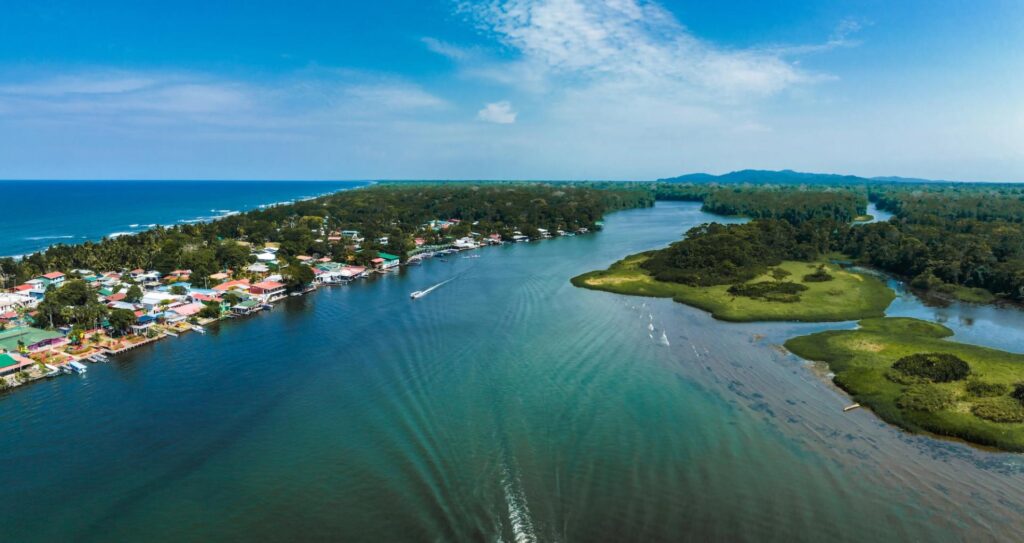
Tortuguero is a village and national park on the northern Caribbean coast, and there are no roads in. You drive to La Pavona, which is 2.5 to 3 hours from San José. Then you take a boat through the canals for 1 to 1.5 hours.
That boat ride sets the tone. Canal trips by boat or canoe are the best way to see caimans, monkeys and herons. The park ticket costs about $17, sold online through SINAC.
July to October, green turtles come ashore to nest, and guided night tours start at about $35. Leatherbacks nest March to May.
Stay two nights at least, since getting in and out eats most of a day each way.
6. Corcovado National Park
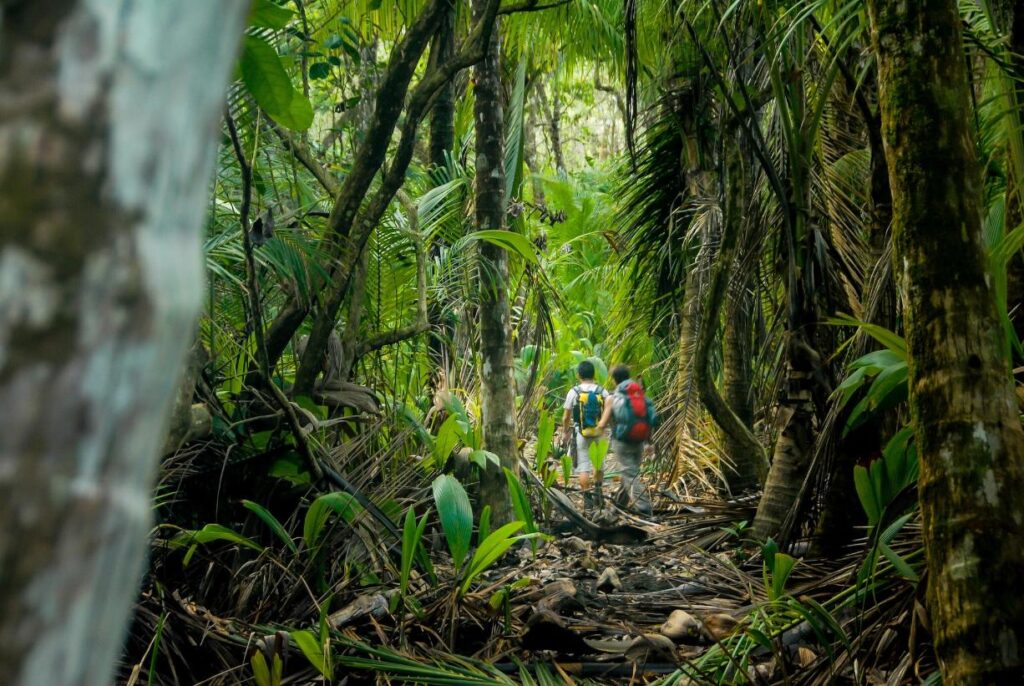
Corcovado is Costa Rica’s wildest park, a huge block of rainforest on the Osa Peninsula. It’s home to tapirs, scarlet macaws and all four of the country’s monkey species.
You need a certified guide by law, and the park permit costs $16.95 per person per day, tax included. Most day trips head to Sirena station from Drake Bay, for about $151 with the boat, guide, fee and lunch. Or you can go to San Pedrillo from Uvita for about $160.
Puerto Jiménez is on the other side of the peninsula. A colectivo leaves there for Carate at 6 AM and 1:30 PM, for about $18. La Leona station is a 45-minute walk from there.
It’s hot, muddy and remote, and that’s the point. Sirena and some other stations can close in October, the wettest month. Check the SINAC Corcovado page before you book.

7. Drake Bay on the Osa Peninsula
Drake Bay is a small, remote village on the Osa Peninsula. It’s the main base for boat trips into Corcovado and out to Caño Island.
Getting there is half the fun. From San José, you drive about 4 hours to Sierpe. Park there for about $6 a day. Then take a boat down the river and along the coast, which takes 1 to 1.5 hours. Boats leave Sierpe around 11:30 AM and 4 PM.
Caño Island is a biological reserve about 16 km offshore, known for snorkeling and scuba diving. Corcovado day tours leave Drake Bay around 6 AM and reach Sirena station by about 7:30.
Pack light, since you’ll often wade ashore from the boat. Two or three nights is the sweet spot.
8. Uvita and Marino Ballena National Park
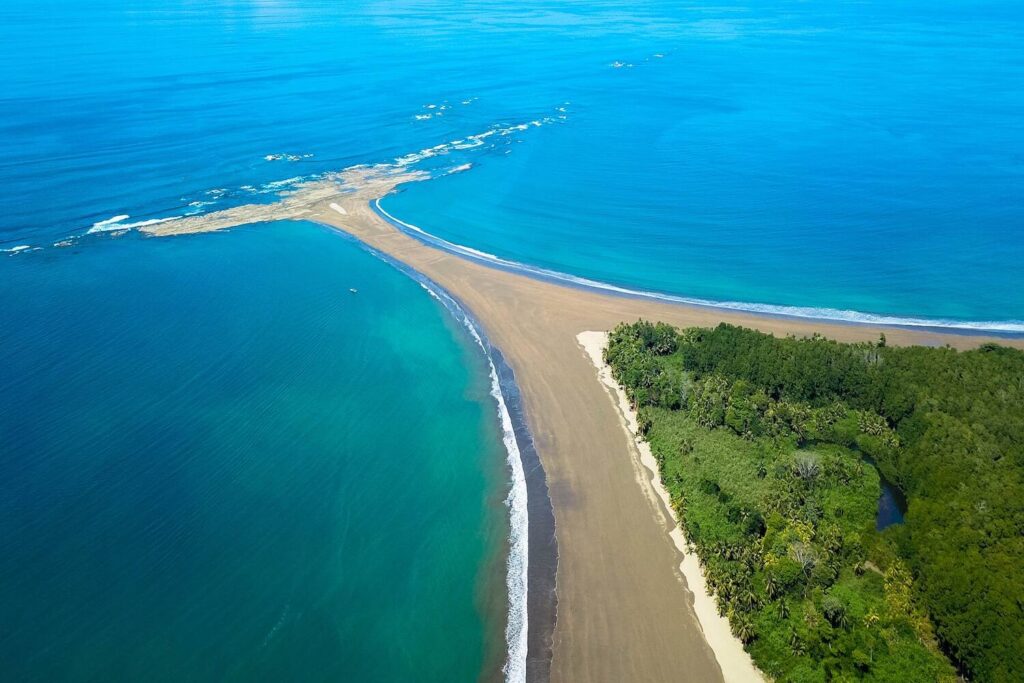
Uvita is a quiet beach town on the southern Pacific, best known for the whale tail. That’s a sandbar shaped like a whale’s tail. It shows up at low tide in Marino Ballena National Park.
Entry costs $6.78 with tax, card only, and the ticket covers the whole day. Arrive about an hour before low tide to walk out to the tip.
Whale watching is the other big draw. Southern humpbacks visit July to November and northern ones late December to March, and tours cost about $95.
Uvita is about 200 km from San José, a 3.5 to 4 hour drive on paved roads. Our guide to the best things to do in Uvita and our 2-day Uvita itinerary fill in the rest.

9. Dominical
Dominical is the surf town of the southern Pacific, about 15 to 20 minutes north of Uvita. The waves are strong and consistent, which is great for good surfers and tough for first-timers.
A 2-hour group lesson with Dominical Surf School costs about $65, and beginners often get taken to gentler spots nearby. Rip currents pull hard near the river mouth, so swim close to the lifeguards.
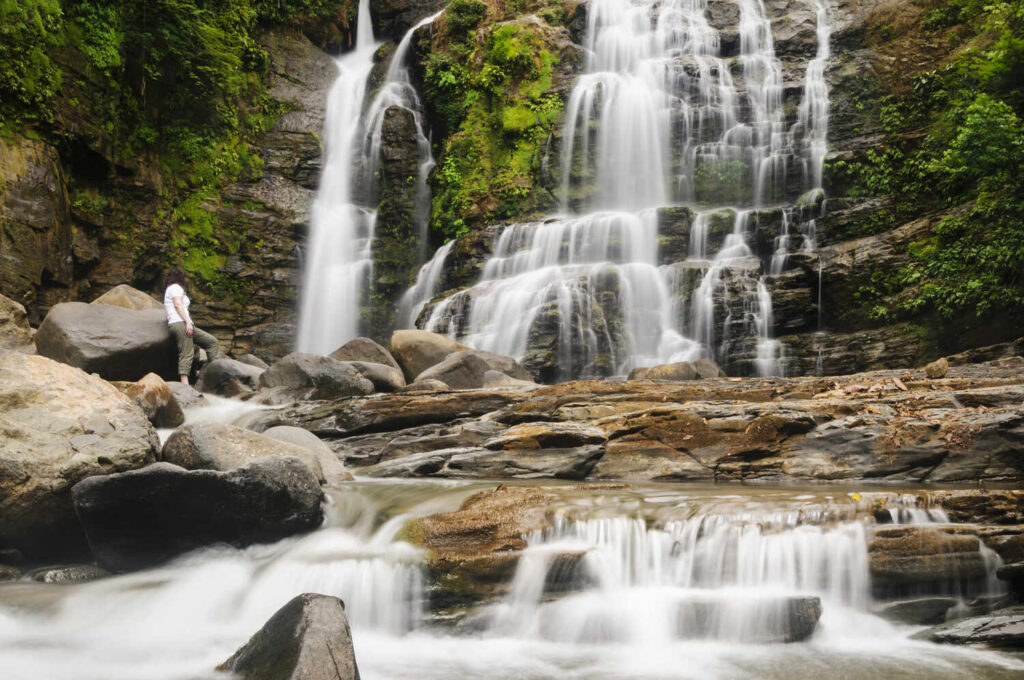
Nauyaca Waterfalls, two tiers dropping into a big swimming pool, are a short drive inland. The hike from Don Lulo’s costs $10 plus $5 parking, or $32 by 4×4 truck.
Dominical is small and scruffy in a good way. It works as a base, or as an easy day trip from Uvita.
10. Tamarindo
Tamarindo is the best-known beach town in Guanacaste, with surf schools, sunset bars and plenty of restaurants within walking distance.
It’s a great place to learn to surf. A 2-hour group lesson costs about $55 to $70 with the board included. The waves are friendly for beginners on most days.
From San José, it’s about 250 km, or 4.5 to 5 hours by car, and the bus costs about $15. Liberia airport is far closer, about 1.5 hours or less, so fly in there when Guanacaste is the main event.
Some say Tamarindo has grown too busy, and it isn’t cheap. For a lively beach with easy surf, though, it’s hard to beat. Our guide to the best hotels in Tamarindo helps you pick a base.
11. Playa Conchal and Playa Flamingo
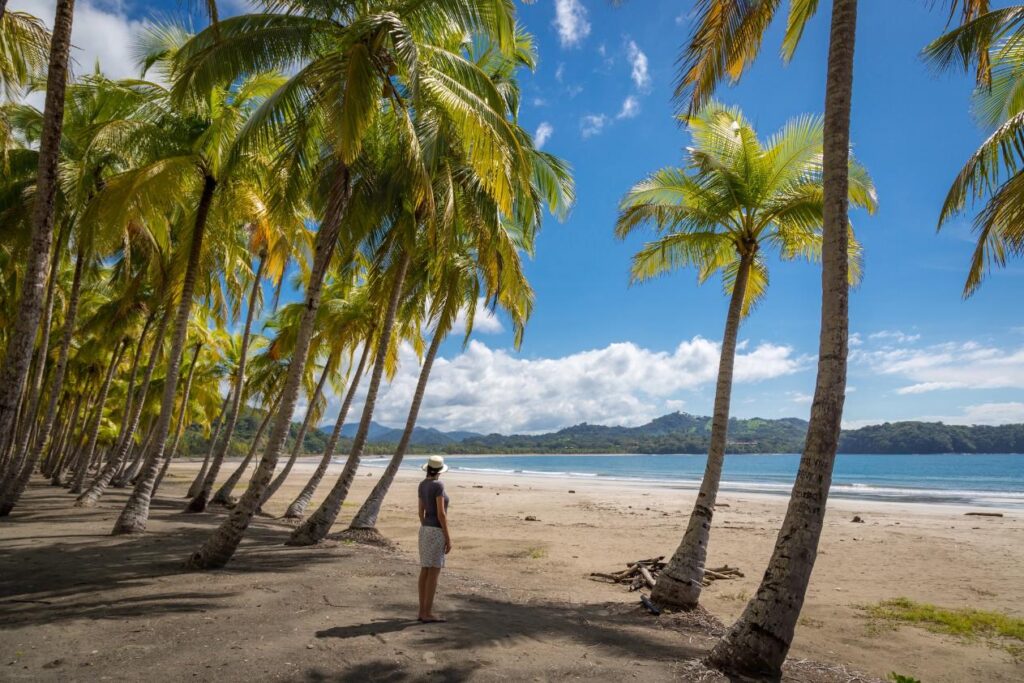
Playa Conchal is the Guanacaste beach people talk about most. Much of it is made of tiny crushed shells instead of regular sand. The water is clear and calm on a good day.
You reach it on foot from Brasilito, the village next door. Park there and walk 15 to 20 minutes along the beach, over a small rocky point. Playa Flamingo, just north, has white sand, a marina and scuba trips to the Catalina Islands, for around $85 to $150 plus tax.
Both beaches are about an hour from Liberia airport, so they’re easy picks for a short beach trip.
The area leans upscale, with big resorts and higher prices than smaller towns. Bring plenty of water and reef-safe sunscreen for a long beach day.
12. Rincón de la Vieja National Park
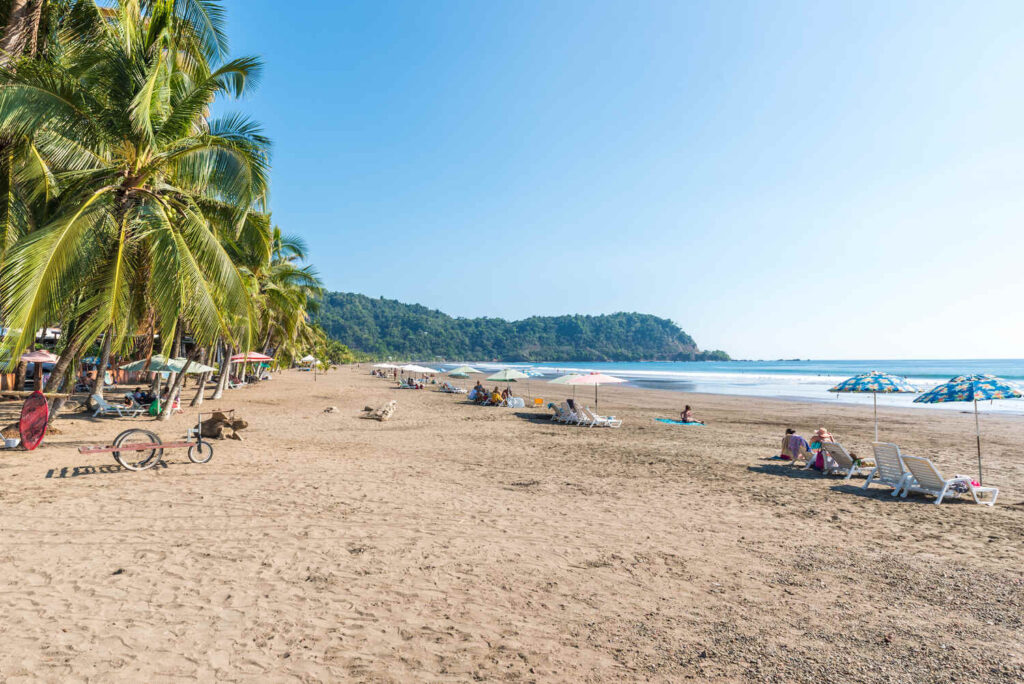
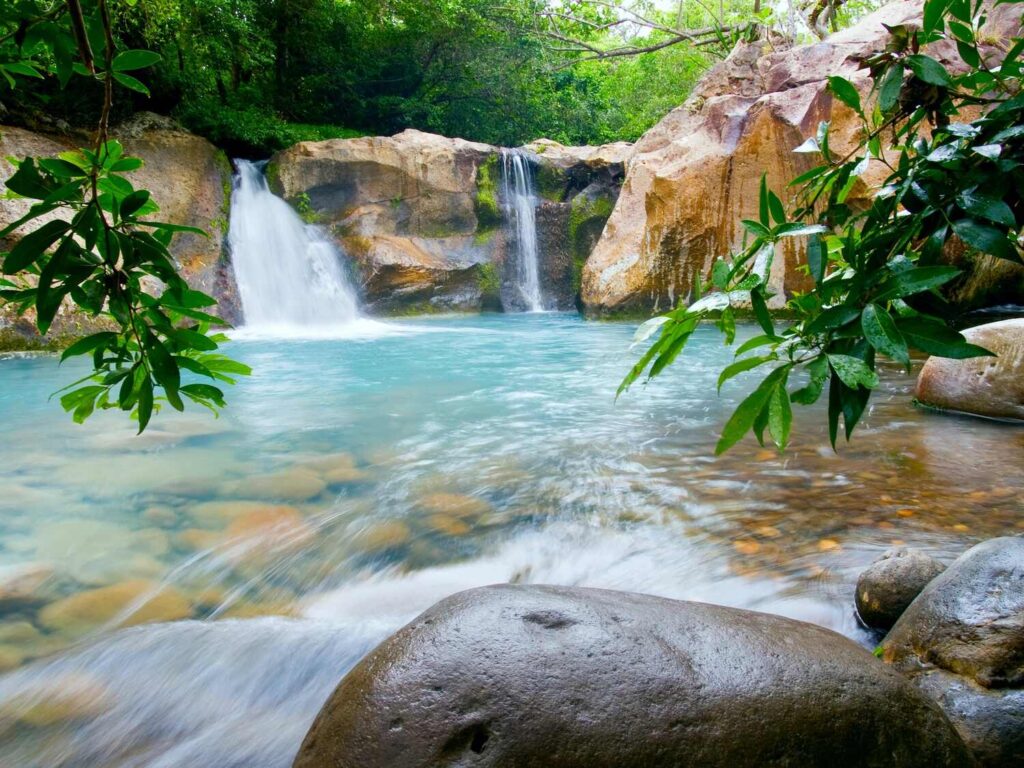
Rincón de la Vieja is the volcano park of Guanacaste, near Liberia. You’ll find bubbling mud pots, steam vents and waterfalls on the same trails.
Tickets cost $16.95 for foreign adults and are sold online only, through SINAC. The Las Pailas sector opens 8 AM to 3 PM and closes on Mondays.
The mud pot loop is around 3 km and takes about 2 hours. It fills a nice half day. La Cangreja Waterfall is a 10 km round trip, and you need to start before noon.
The volcano still has small eruptions now and then, and sectors can close at short notice. It pairs well with a few days on the Guanacaste beaches, since it’s an easy drive from Liberia.
Want a Guided Tour?
Our tours guide covers the 15 best tours in Costa Rica, with prices, times and what’s included.
Want more ideas? See our 30 things to do in Costa Rica.
13. Nosara
Nosara is a laid-back surf and yoga town on the Nicoya Peninsula. Playa Guiones is a long, wide surf beach, and the town is spread out along dirt roads behind it.
Surf lessons cost about $80 to $90 plus tax for around 1.5 hours. About 15 minutes north, Ostional’s arribadas bring thousands of olive ridley turtles ashore, mostly July to December. Entry costs $13.56, and a certified local guide is required for around ₡18,000.
Nosara is about 250 km from San José, or 5 to 6 hours, and 2.5 to 3 hours from Liberia airport. Flights take 30 to 45 minutes and cost about $90 to $180.
It’s pricier than most beach towns. Our guides on how to get to Nosara and the best things to do in Nosara help you plan.
14. Sámara on the Nicoya Peninsula
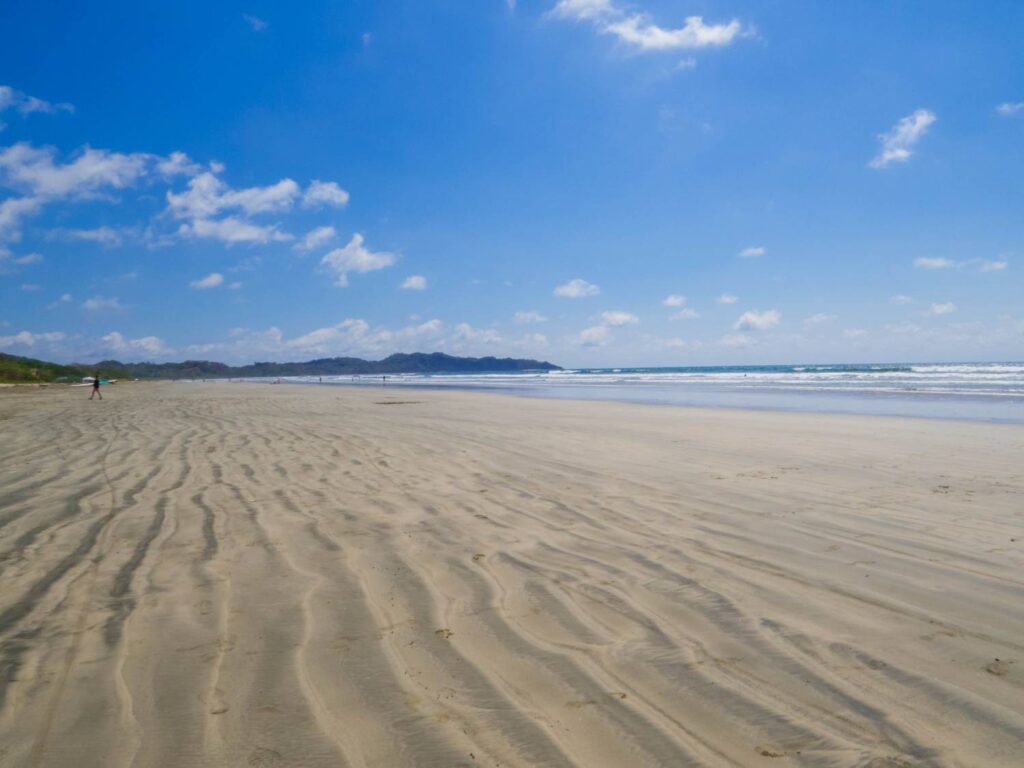
Sámara is the easygoing family beach of the Nicoya Peninsula. The bay is calmer than most on this coast, and the town is small enough to walk end to end.
The Nicoya Peninsula is also a Blue Zone. That’s a region where an unusually high number of people live into their 90s and past 100. Life here moves at that pace.
Sámara is about 45 minutes south of Nosara on paved roads. There’s no direct bus between the two, so private vans start around $75 for up to 6 people.
Waze sometimes suggests a shorter beach road with a river crossing. Skip it in the rainy season, May to November.

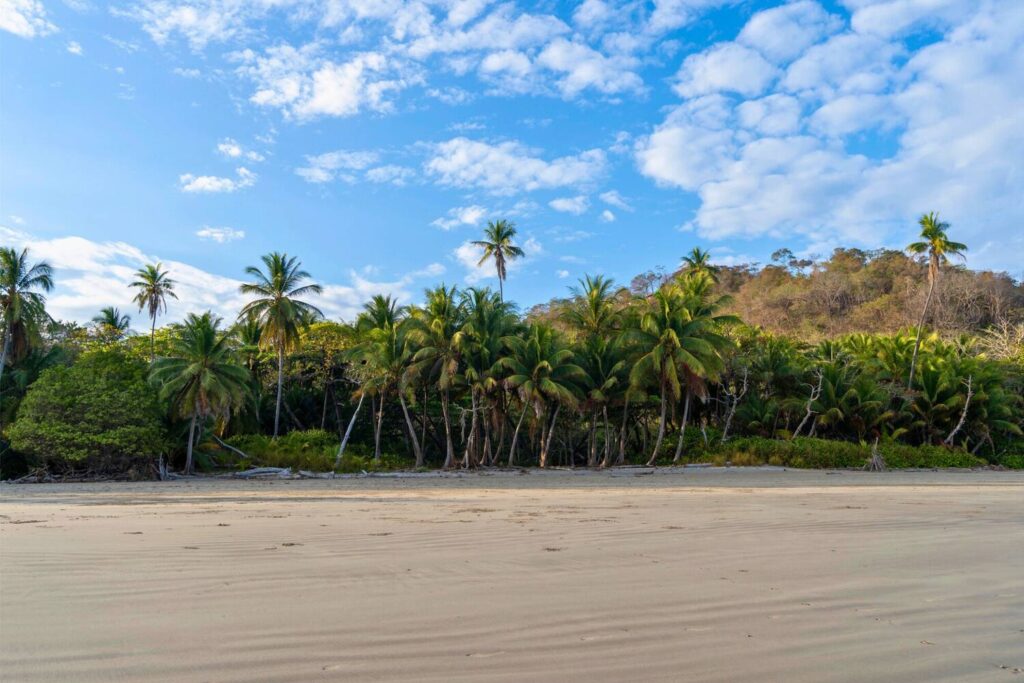
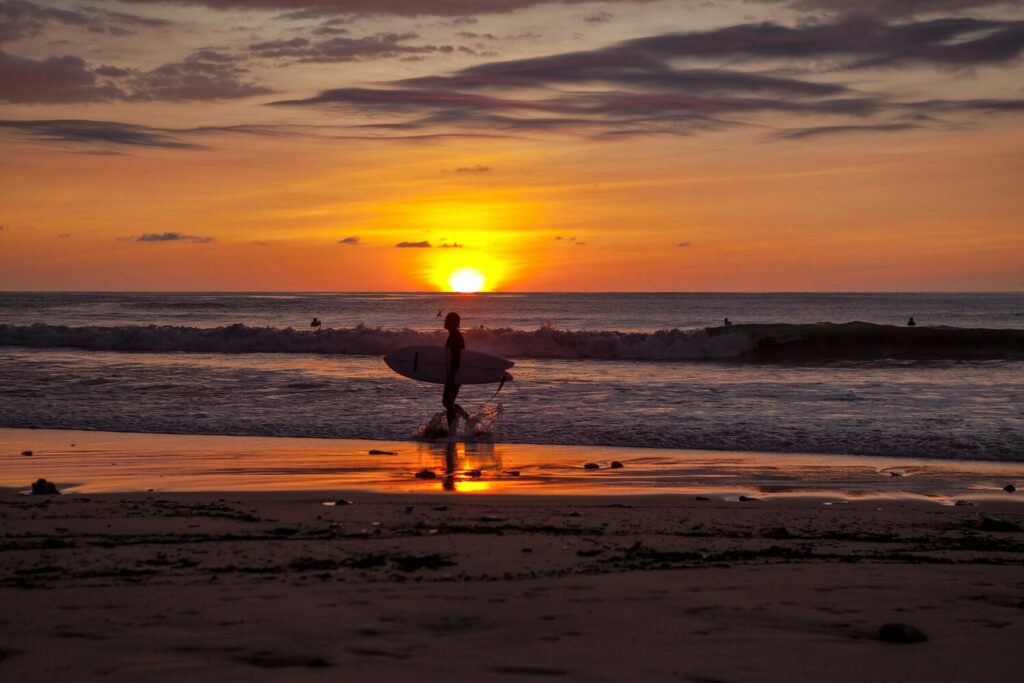
15. Santa Teresa
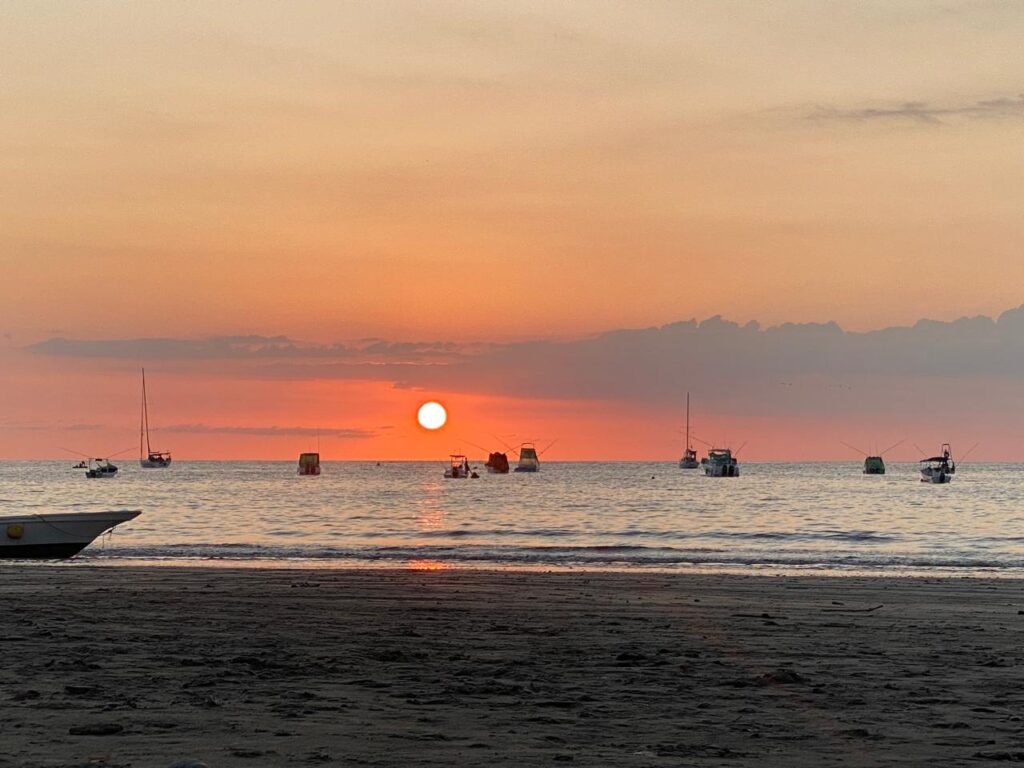
Santa Teresa is a surf town near the southern tip of the Nicoya Peninsula. It has one long main road of cafés, surf shops and open-air yoga decks.
The waves are consistent, and yoga is everywhere. A drop-in class costs about $14 to $20 at places like Zeneidas Surf Garden and Horizon Yoga Hotel.
Getting here is a full travel day. From San José, plan on 5 to 6 hours with the Puntarenas ferry, a 70-minute crossing to Paquera. The bus costs about $20, and a shared shuttle about $60.
It’s busy, young and dusty in the dry season. Our 3-day Santa Teresa itinerary and guide to the best hotels in Santa Teresa help you plan.
16. Montezuma
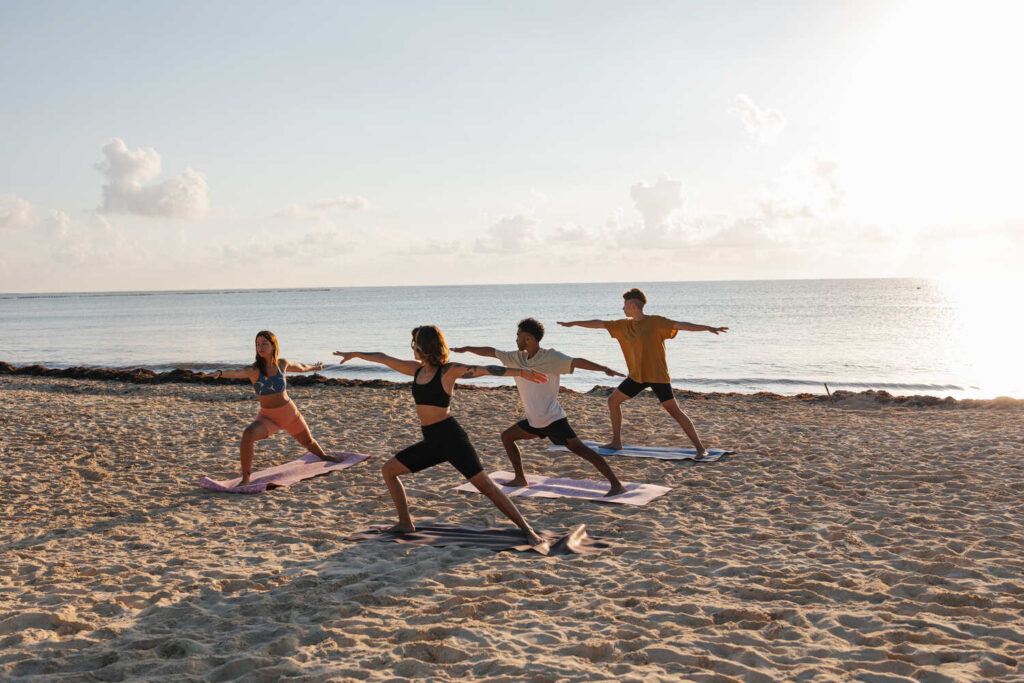
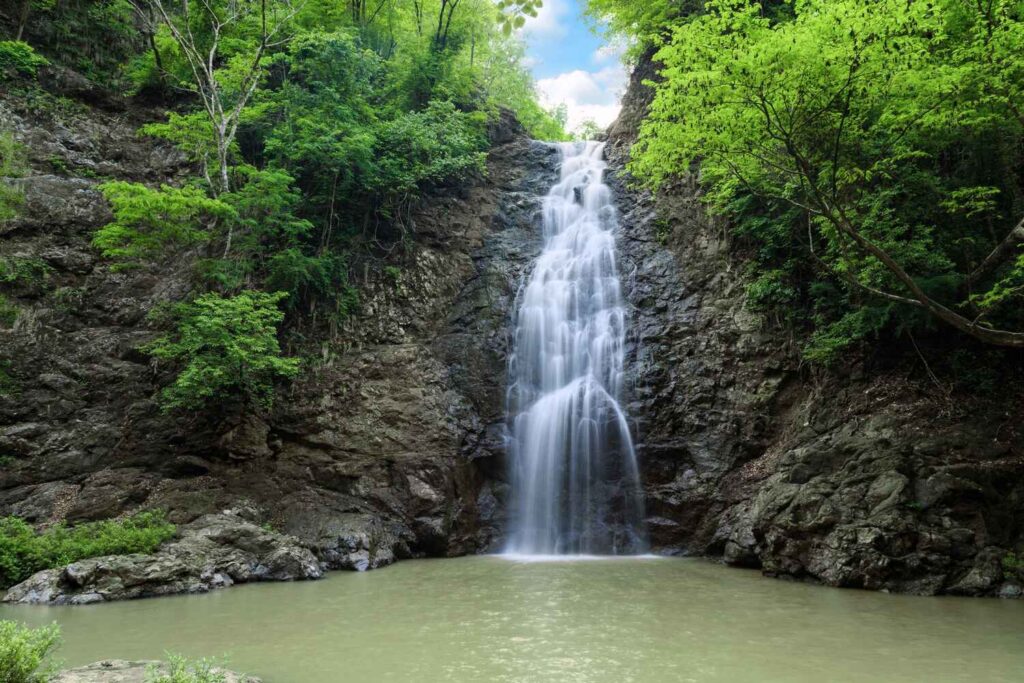
Montezuma is a small, bohemian beach town on the same end of the Nicoya Peninsula as Santa Teresa. It’s quieter and a bit rough around the edges, which is exactly why people like it.
The big draw is Montezuma Waterfall. The trail to the lower falls is free and takes 20 to 30 minutes each way over river rocks. The Sun Trails route to the upper falls costs about $5.
Don’t jump from the lower falls. People have died there, and there are no railings.
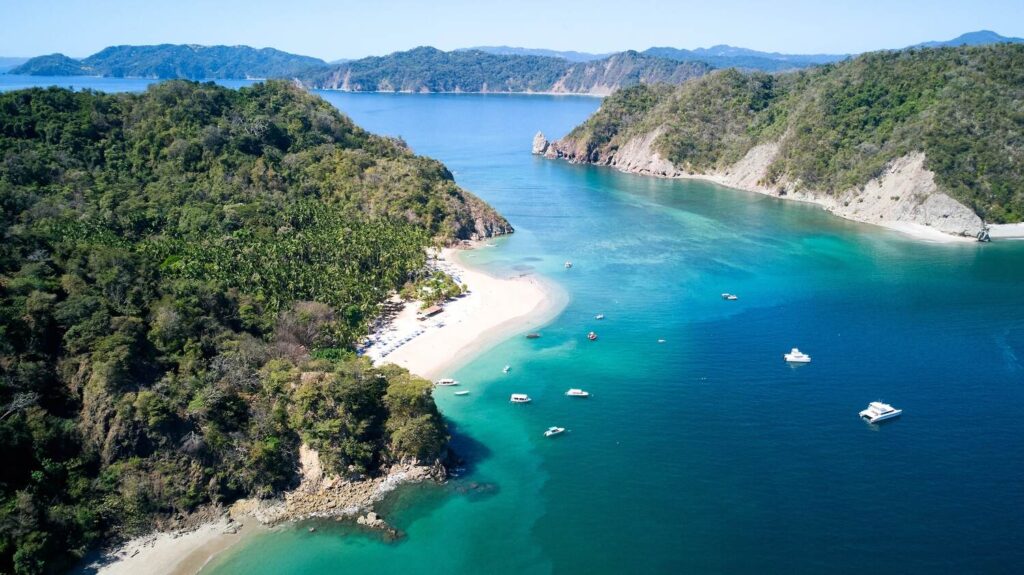
Like Santa Teresa, you reach Montezuma with the Puntarenas ferry to Paquera. It makes a lovely stop for a night or two, with boat trips to Tortuga Island leaving from the area.
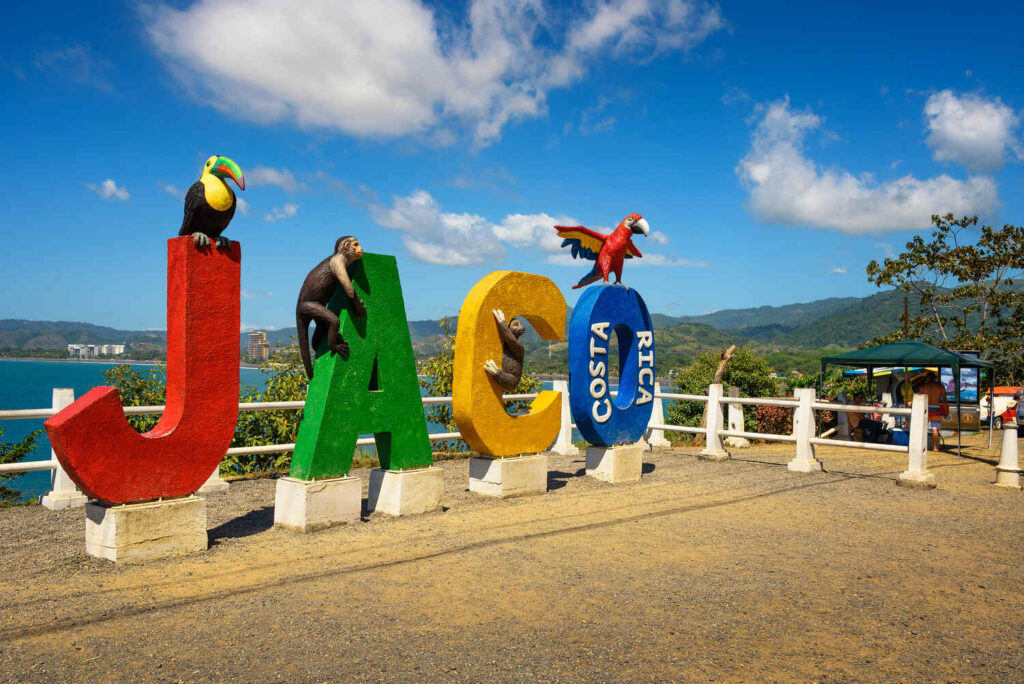
17. Jacó
Jacó is the party town of the Pacific coast, about 97 km and 1.5 hours from San José airport. Bars and restaurants line the main street, and surf schools work the beach.
The surf is strong and rip currents are common, so swimming isn’t a great idea. Playa Hermosa, about 10 minutes south, has bigger waves for experienced surfers.
Carara National Park, a short drive north, is a good spot for scarlet macaws. The Tárcoles crocodile bridge is on the way. A boat tour on the Tárcoles River costs about $40.
It’s loud and commercial, and not everyone loves it. For a night out or a quick beach break from San José, though, it works. The bus from the city takes about 2 hours.
18. Puerto Viejo de Talamanca
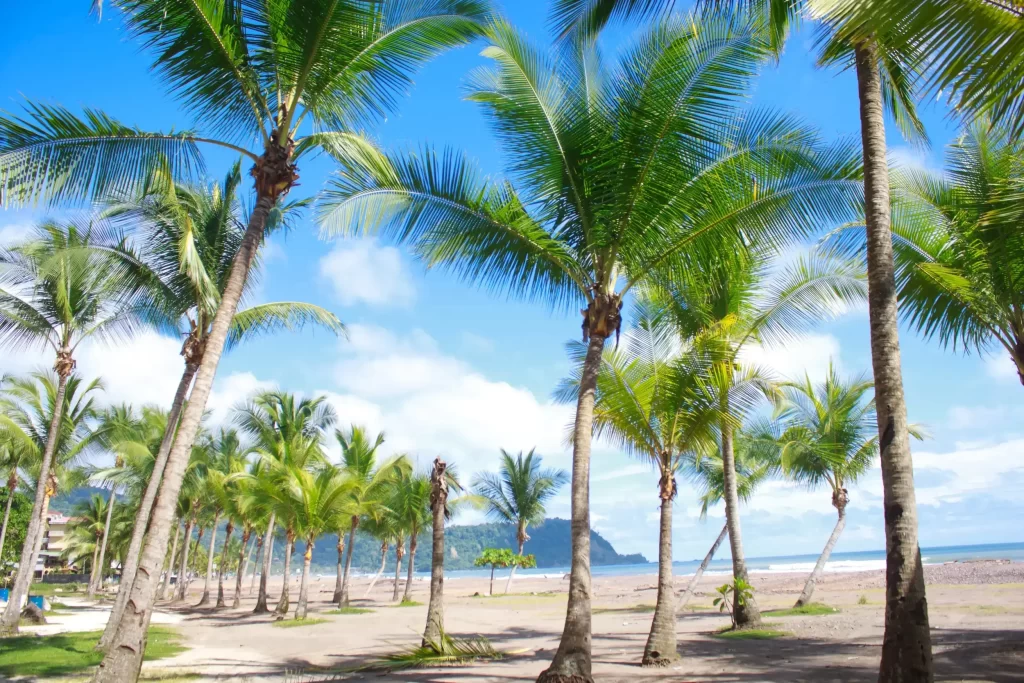
Puerto Viejo is the heart of the Caribbean coast, and it feels nothing like the Pacific side. Reggae bars, rice and beans cooked in coconut milk and a slower pace set the tone.
The beaches south of town are the reason to stay. Playa Cocles is the surf beach, and Punta Uva is calmer for swimming. Rent a bike for about $5 to $10 a day, since the road to Manzanillo is mostly flat.
The MEPE bus from San José costs around $16, paid in colones, and takes about 4.5 hours.
Petty theft happens on the beaches, so keep an eye on your bag. Cahuita National Park is a short bus ride north, for about ₡1,025.
19. Cahuita National Park
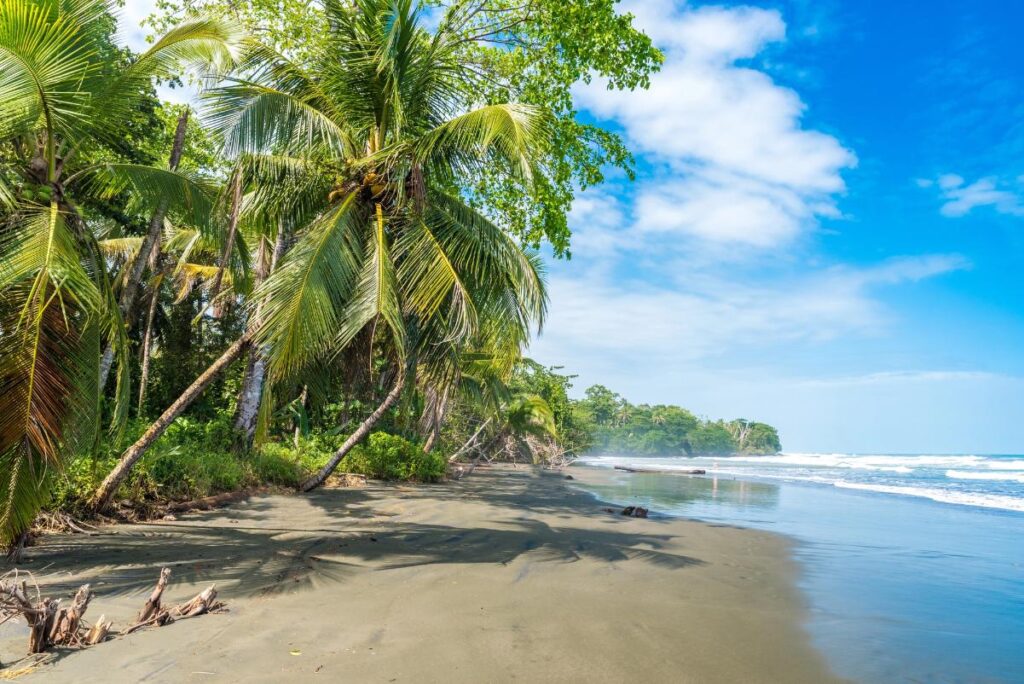
Cahuita National Park protects a coral reef and a long coastal trail just north of Puerto Viejo. Sloths, capuchins and raccoons are common along the way.
Entry at the Kelly Creek gate in Cahuita town is by donation, and the Puerto Vargas gate costs $5.65. The park opens 8 AM to 4 PM, and the trail between the two gates is about 8.5 km.
The reef is protected, so you can only snorkel it with a licensed guide. A snorkel and hike tour from Puerto Viejo costs about $55 for 4 hours, with gear and entry included.
It’s far quieter than Manuel Antonio. Go on a calm day for clear water, and bring a reusable bottle, since single-use plastic isn’t allowed.
20. San José
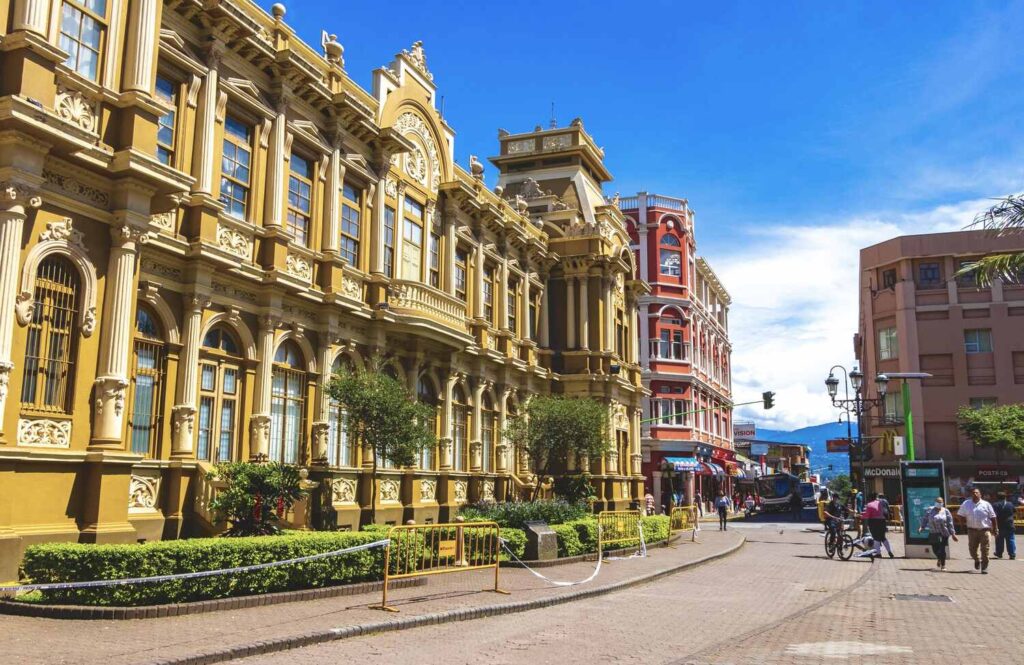
Most people land in San José and leave the same day. That’s fine, but one day here is well spent once you know where to go.
The Pre-Columbian Gold Museum is under the Plaza de la Cultura. It costs ₡8,800, about $19, for foreigners and opens daily 9 AM to 4:30 PM. The National Theater is right next door, and the Mercado Central is the place for a cheap casado lunch.
San José is also the base for day trips to Poás and Irazú volcanoes, each 1.5 to 2 hours away.
Use Uber or official red taxis after dark. Our guide to one day in San José plans it out. Our list of the best hotels in San José helps you pick a base.
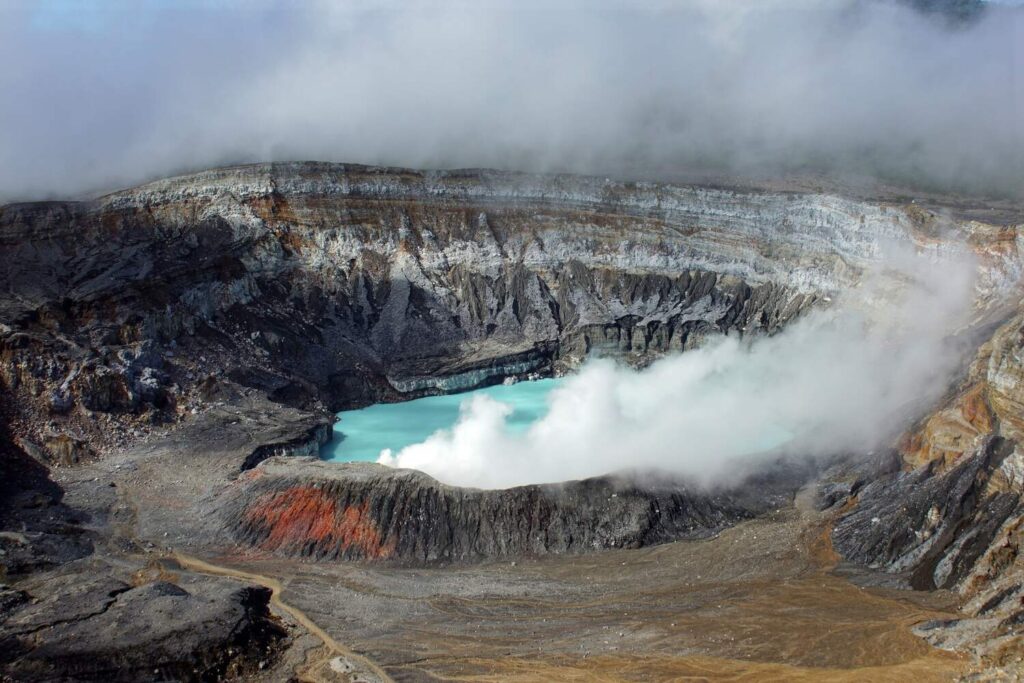
21. Poás Volcano National Park
Poás is the easiest active volcano to see from San José, about 1.5 hours away. On a clear morning, you look straight down into a huge, steaming crater.
Tickets cost $15 plus tax, about $17, and are sold online only, through SINAC. After recent eruptions, numbers are capped at 1,064 people a day. The viewpoint takes 56 people at a time for up to 20 minutes.
The park opens 8 AM to 4 PM, with last entry at 2 PM, and helmets are required on some trails. It can close without notice when gas levels rise.
Book an early slot and check the weather, since a cloudy crater is a long drive for a wall of white. Our list of day trips from San José covers it.
22. Irazú Volcano National Park
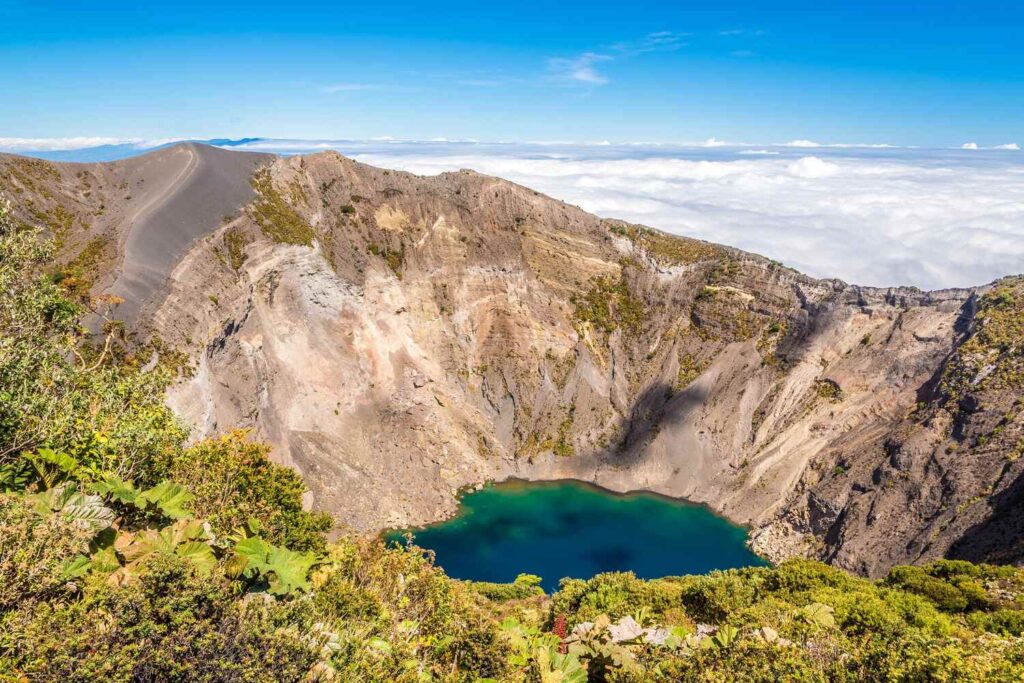
Irazú is the tallest volcano in Costa Rica, at 3,432 meters. On rare clear days, you can see both the Pacific and the Caribbean from the top.
Tickets cost $16.95 for foreign adults and are sold online through SINAC. The crater sector opens 8 AM to 4 PM, with last entry at 2 PM. The drive from San José takes 1.5 to 2 hours.
It’s cold and windy at the summit, so bring a warm jacket even when San José feels hot. On the way back, stop in Cartago for the Basílica de los Ángeles.
Go early, before clouds roll in and hide the crater. With Cartago added, it makes an easy half day.
23. Sarapiquí
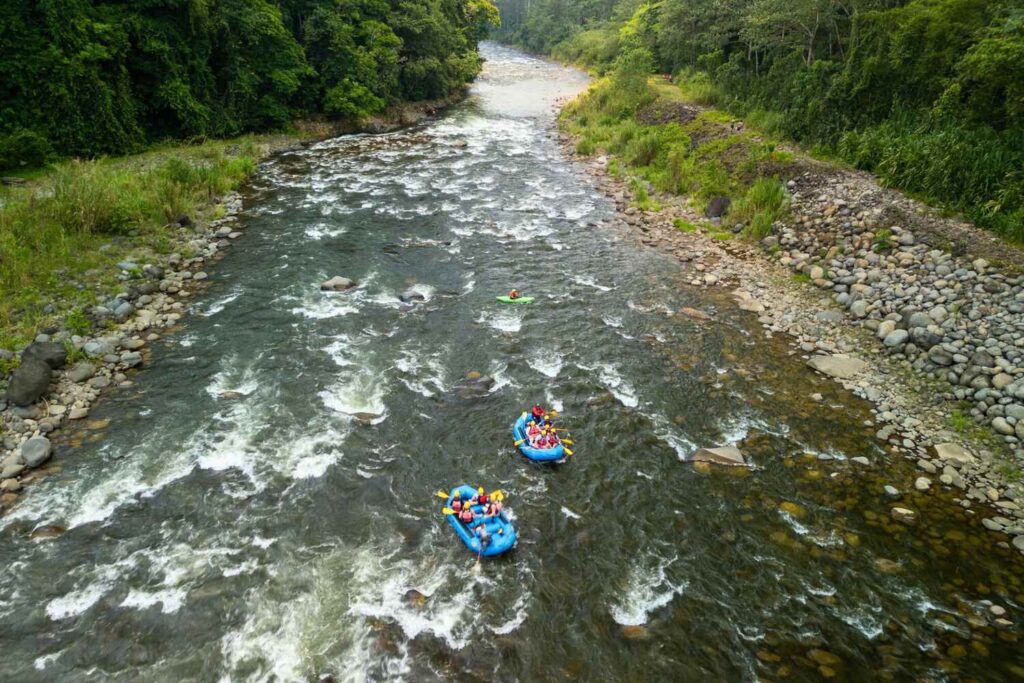
Sarapiquí is the rainforest region of northern Costa Rica, and it’s the go-to spot for white water rafting.
From La Virgen, a 2-hour trip covers 13 km of Class III and IV rapids, for about $65. You run up to 30 of them in a row. From La Fortuna, about an hour away, half-day trips with transport cost about $85 to $113.
The La Virgen trip includes gear, a towel, snacks and transport to the river, but not hotel pickup. Away from the river, it’s all rainforest, farms and small lodges, with far fewer people than La Fortuna.
Pack quick-dry clothes and a dry change for after. It’s an easy add-on to a La Fortuna stay.
24. San Gerardo de Dota
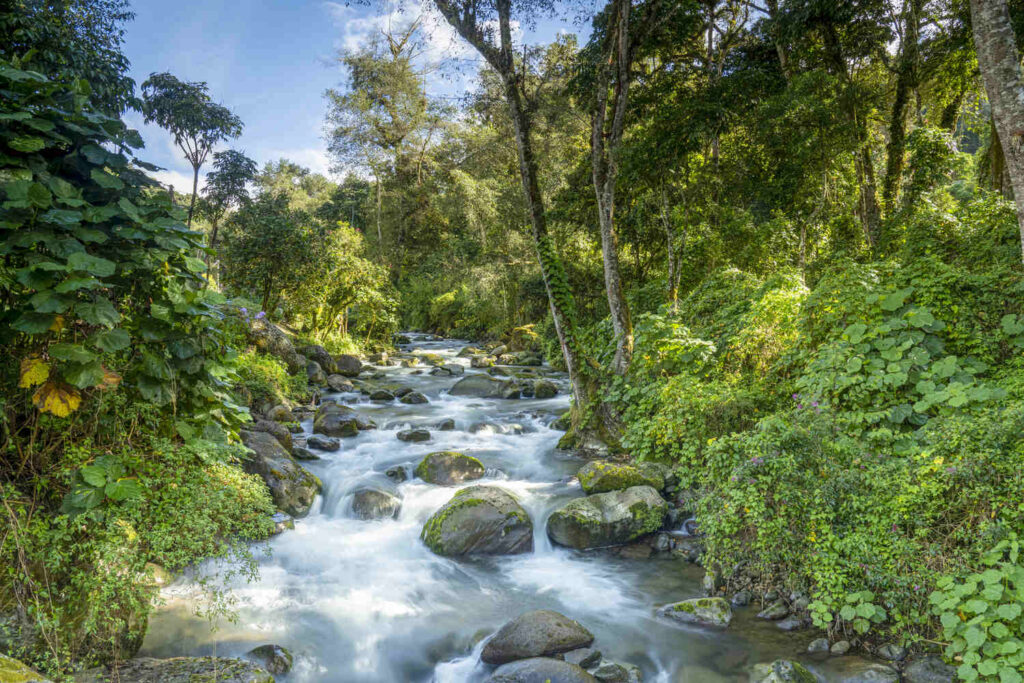
San Gerardo de Dota is a cool mountain valley in the Talamanca range. It’s the place to look for a resplendent quetzal, the bird with the long green tail.
The village is 2 to 3 hours from San José. You turn off at kilometer 80 of Route 2, the Pan-American Highway. Then it’s a steep 15-minute drop into the valley. A higher-clearance car helps.
Guided quetzal tours start around 6 AM and cost about $30 to $56. Late March and April are the best months, when the birds are breeding and most active.
Nights drop to about 16°C (61°F), so pack layers. Don’t drive Route 2 after dark, since fog and rain can cut visibility to almost nothing.
25. Cocos Island
Cocos Island is Costa Rica’s most remote national park, about 550 km offshore. The only way in is a liveaboard trip for experienced divers.
Boats leave from Puntarenas, and the crossing takes about 36 hours each way. Trips run about 10 nights and cost about $4,500 to $11,000 per person.
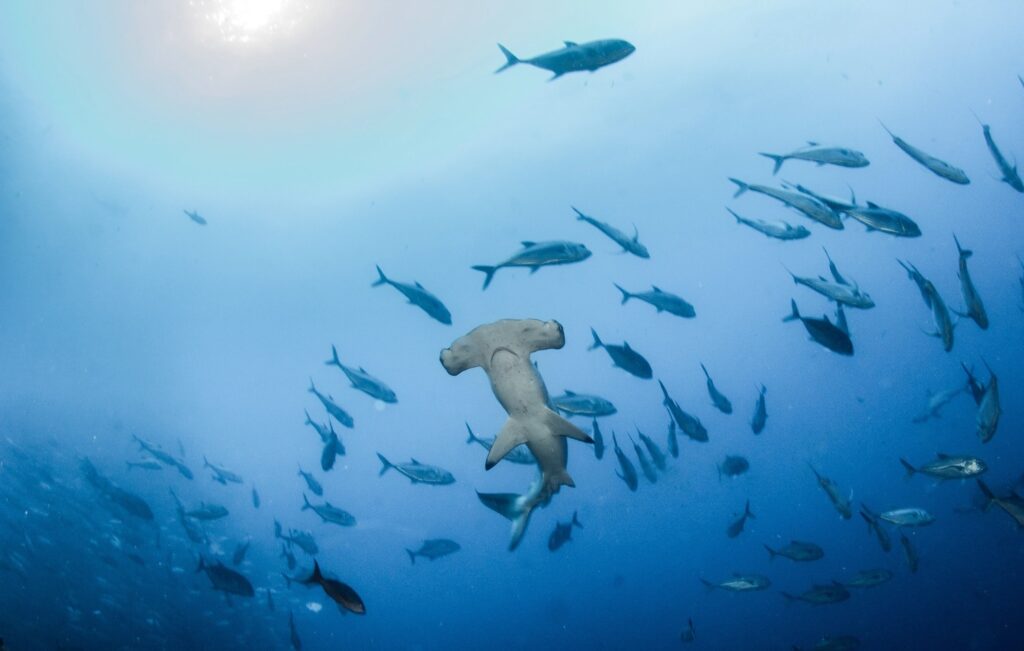
The draw is the sharks. Schools of hammerheads are the big one, with whitetip reef sharks and manta rays too. The currents are strong and the diving is deep, so it’s for advanced divers only.
For most people, it’s a once-in-a-lifetime trip. Book months ahead, since the boats fill up early.
How to Get Around Costa Rica
Getting between these places takes longer than the map suggests. Mountain roads are slow and winding, so a 130 km trip can easily take 3 hours.
Shared shuttles are the easy middle ground. San José airport to La Fortuna costs about $65 to $95. To Manuel Antonio, it’s $60 to $95, with hotel pickup.
Public buses cost far less, about $9 to $15 on the main routes, but they’re slower and many terminals want cash.
A rental car gives you the most freedom. But the law requires third-party liability insurance of about $13 to $25 a day on top of the quote. Our guide to renting a car in Costa Rica explains it.

Which Places in Costa Rica Should You Visit First?
For a first trip of a week, pick La Fortuna for the volcano and hot springs, then Manuel Antonio or Monteverde. That covers the classics without long drives, and our 1-week Costa Rica itinerary lays it out.
With 10 days or two weeks, add a coast that fits your style. Pick Uvita for whales, Nosara or Santa Teresa for surf, or Puerto Viejo for the Caribbean. Our 2-week Costa Rica itinerary shows how it fits.
Save Corcovado, Drake Bay and Tortuguero for trips with time to spare, since getting in and out takes most of a day. When wildlife is the point of the trip, they’re worth every hour.
Best Places to Visit in Costa Rica FAQ
What Is the Most Beautiful Place in Costa Rica?
The most beautiful place in Costa Rica depends on what you love. But Manuel Antonio, Rio Celeste and Arenal Volcano are the classic picks. Manuel Antonio mixes white beaches and jungle, Rio Celeste is a bright blue river, and Arenal is a near-perfect cone.
For something wilder, Corcovado on the Osa Peninsula is hard to beat. You do need a boat and a certified guide to get in, though.
Where Should You Go on a First Trip to Costa Rica?
On a first trip to Costa Rica, go to La Fortuna and Manuel Antonio, with Monteverde in between when you have time. La Fortuna is about 3 hours from San José, and Manuel Antonio 3 to 4.
That covers a volcano, hot springs, a cloud forest, wildlife and the beach. Shuttles and the jeep-boat-jeep link all three for about $35 to $77 a leg, so you don’t need a car.
What Is the Best Time to Visit Costa Rica?
The best time to visit Costa Rica is the dry season, late December to April, for sunny beaches and clear volcano views. It’s also the busiest and priciest time, so book hotels early.
May to November is the green season, with afternoon rain, lower prices, turtle nesting in Tortuguero and southern humpbacks in Uvita. Our guide to the best time to travel to Costa Rica goes month by month.
How Many Places Can You Visit in a Week in Costa Rica?
You can visit two or three places in a week in Costa Rica without rushing. Drives of 3 to 4 hours between towns eat half a day, so every extra base means more time in the van.
A good week is three nights in La Fortuna and three or four in Manuel Antonio or Monteverde. Save the far corners, like Tortuguero and Drake Bay, for a longer trip.
Do You Need a Car to Get Around Costa Rica?
You don’t need a car to get around most of Costa Rica. Shared shuttles between San José airport and La Fortuna cost about $65 to $95. Buses cost about $9 to $15 on the main routes.
A car helps for Rincón de la Vieja, San Gerardo de Dota and the remote beaches. Budget for third-party liability insurance, which the law requires, at about $13 to $25 a day.
Is Costa Rica Expensive to Visit?
Costa Rica is pricier than its neighbors. National parks charge foreign adults about $7 to $20, and most guided tours cost about $50 to $150, plus 13% tax.
You can save by eating casados at local sodas and taking public buses. Picking the free spots helps too. Try the El Choyín hot river, the Tárcoles crocodile bridge and the trail to the lower Montezuma Waterfall.
Ready to Plan Your Route?
Our 1-week itinerary covers La Fortuna, Monteverde and Manuel Antonio, with drive times between each stop.
Not sure when to go? See our best time to travel to Costa Rica guide.