

30 Best Things to Do in Costa Rica
Costa Rica packs a lot into a small country. In one week you can soak in a hot river under a volcano. You can also watch sloths in the trees above a beach and stand on a bridge in the clouds.
The hard part is choosing. Some of the best things here are free, while others, like a Corcovado day trip, cost $150 or more. Here are the 30 best things to do in Costa Rica, with real prices, times and a tip for each one.

Share this article
In Short
- Park tickets cost about $7 to $20, and most of the big parks sell them online only.
- La Fortuna packs in the most, with Arenal, the waterfall, hot springs and Rio Celeste close together.
- Manuel Antonio National Park closes every Tuesday, and tickets cost $18.08.
- Whale watching in Uvita costs about $95, with humpbacks July to November and late December to March.
- Tortuguero turtle tours start at about $35, with green turtles nesting July to October.
Join Our Facebook Community
Still have questions or want local tips straight from our team? Join our Facebook community. That’s where we share updates, answer questions, and help you plan your Costa Rica trip the smart way.
How Much Do Things to Do in Costa Rica Cost?
Costa Rica isn’t a cheap country, but plenty of its best moments cost very little. National parks charge foreign adults about $7 to $20, and guided tours with transport run about $50 to $150.
Here’s what the main ones cost per adult:
| Activity | Price per Adult | Time Needed |
|---|---|---|
| Arenal Volcano National Park | About $17 with tax | 2 to 3 hours |
| La Fortuna Waterfall | $20 | 2 to 3 hours |
| Hot springs in La Fortuna | Free to $115 | 2 to 4 hours |
| Rio Celeste | $13.56 with tax | 3 to 4 hours |
| Manuel Antonio National Park | $18.08 with tax | Half a day |
| Monteverde hanging bridges | $49 plus tax | About 2 hours |
| Monteverde zipline | About $72 | Half a day |
| Whale watching in Uvita | About $95 | 2.5 to 3 hours |
| Tortuguero turtle tour | From about $35 | About 2 hours |
| Corcovado day trip | About $150 to $187 | Full day |
| Surf lesson in Tamarindo | About $55 to $70 | 2 hours |
| Poás or Irazú Volcano | About $17 with tax | 1 to 2 hours |
Most tour prices leave out the 13% sales tax. The big national parks sell tickets online only, through SINAC, the national parks system. So book a day or two ahead in the dry season, December to April.
1. Hike Arenal Volcano National Park
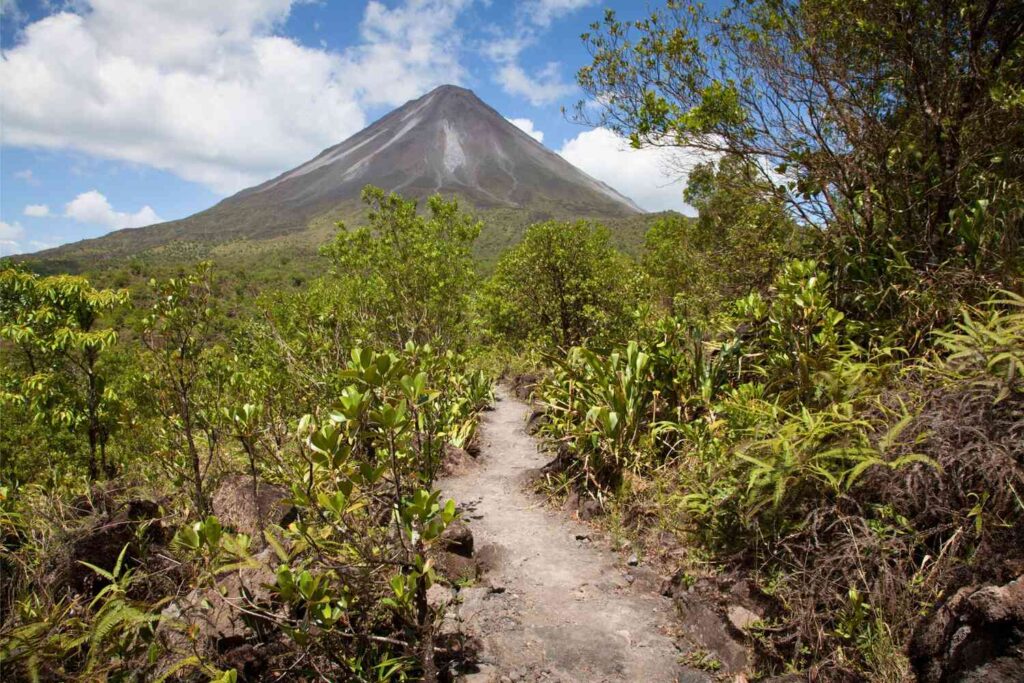
Arenal is the volcano on every poster, and it looks even better in person. It erupted almost daily for 42 years after 1968, then went quiet in 2010. The trails now cross old lava flows on its lower slopes.
Entry to Arenal Volcano National Park costs $15 plus tax, about $17, and the ranger station takes cards only. The Volcán sector opens 8 AM to 4 PM, with last entry at 2:30 PM.
You can’t hike to the top. For a longer walk over the 1968 lava flow, the private Arenal 1968 reserve charges about $25 to $28.
Go early, since clouds often cover the summit by midday. Our guide to Arenal Volcano tours covers the guided options.
2. Swim at La Fortuna Waterfall
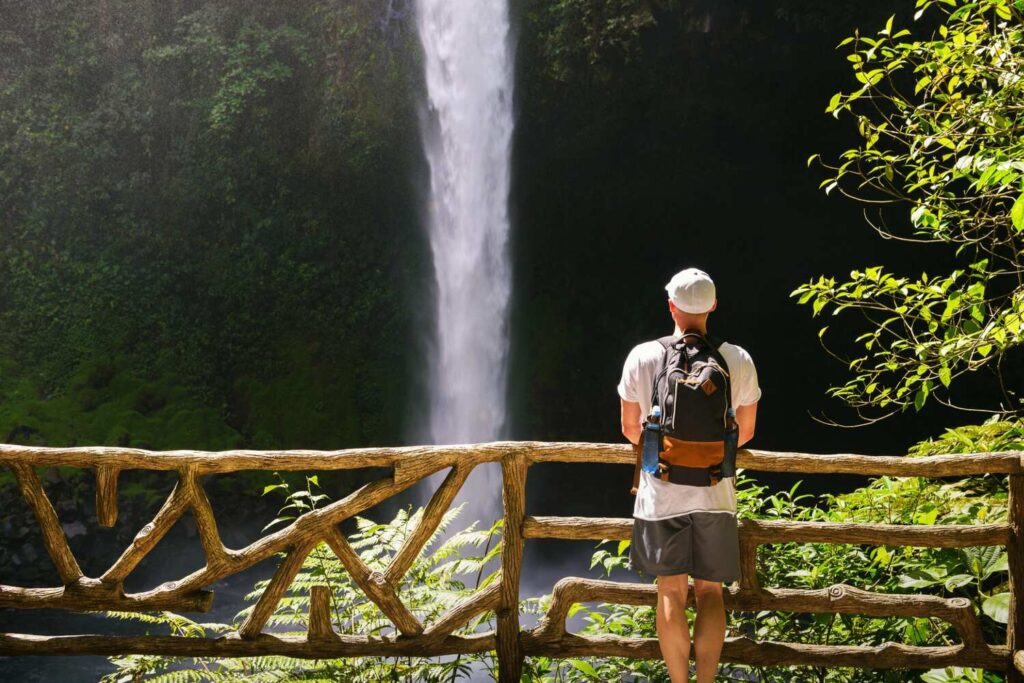
La Fortuna Waterfall is the classic first stop in town, and the setting earns it. The 70-meter falls drop into a deep green pool, only 10 to 15 minutes from the center of La Fortuna.
About 530 steps take you down to the bottom. The climb back up is the hard part, so bring water and take your time.
Entry costs $20, kids under 8 go free, and it’s open 7 AM to 5 PM, with last entry at 4 PM. Swimming is allowed in the marked areas, with lifeguards on duty.
There’s no bus out there, and a taxi costs about $10 to $15 each way. Get there at opening for cooler air and quieter stairs.
3. Soak in the La Fortuna Hot Springs
After a day on the trails, nothing beats warm water heated deep under Arenal. La Fortuna has a hot spring for nearly every budget, and the gap between them is big.
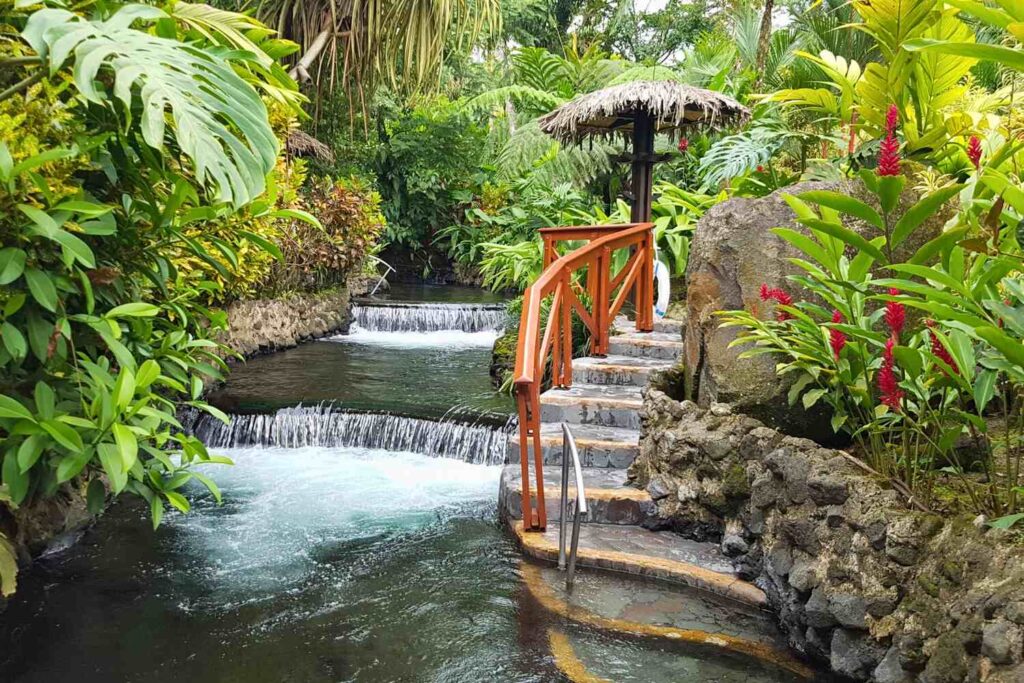
Tabacón is the splurge at $115, with a natural hot river running through landscaped gardens. Baldi costs $51 and has waterslides for kids, while EcoTermales keeps things quiet for about $49 with tax.
On a budget, Los Laureles costs about $10, and El Choyín, the warm river by the Route 142 bridge, is free. Theft is common there, so leave your valuables at the hotel.
Book Tabacón ahead, since spots are limited. Our guide to the best hot springs in La Fortuna compares them all.
4. Hike to the Blue Water of Rio Celeste
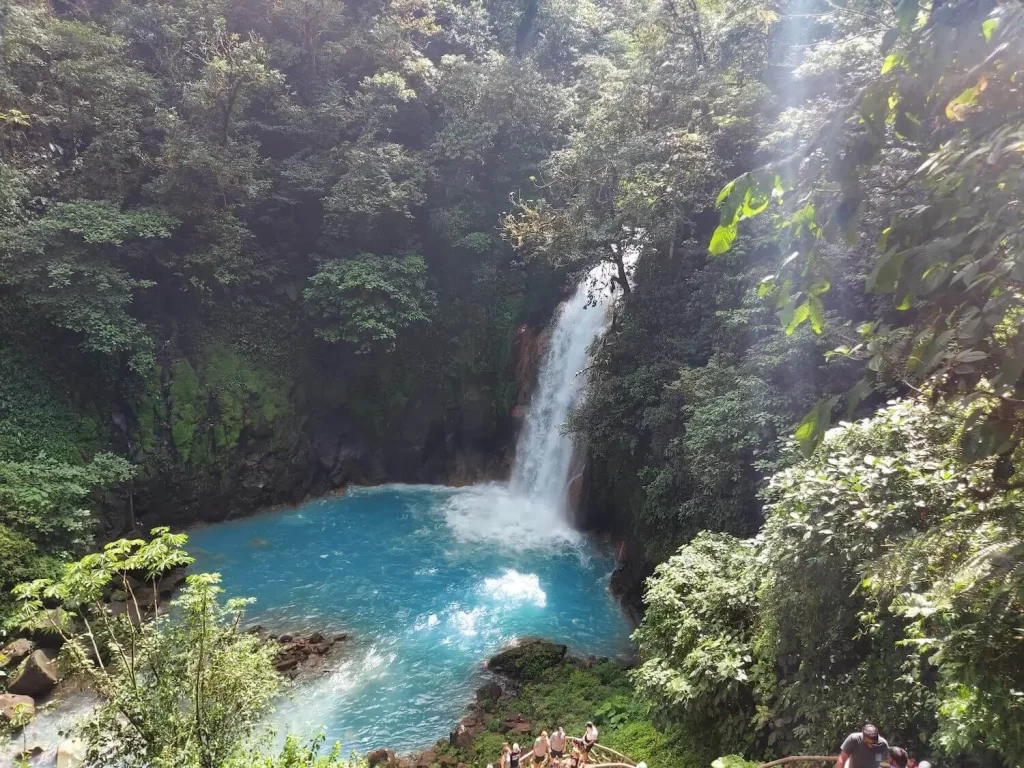
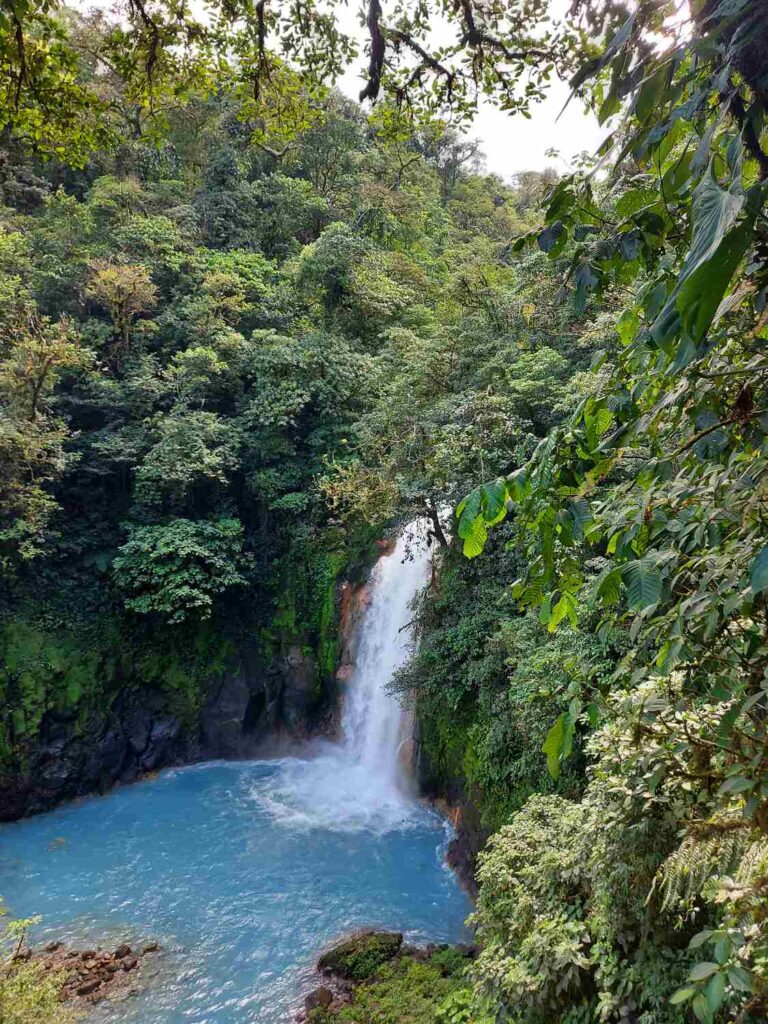
Rio Celeste really is that blue, and no, it’s not a filter. Two clear rivers meet inside Tenorio Volcano National Park, and tiny mineral particles in the mixed water make it look sky blue.
The park is 1.5 to 2 hours from La Fortuna. Tickets cost $13.56 with tax and are sold online only, through SINAC, and the last entry is 2 PM.
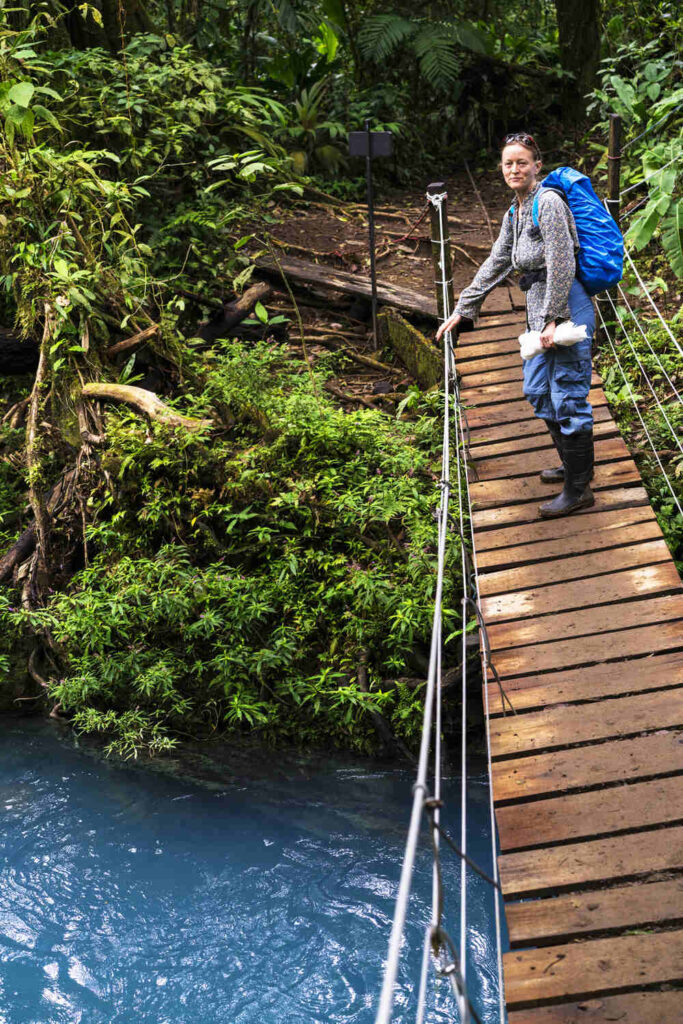
The trail runs about 6.4 km round trip, past a waterfall to the spot where the color starts. Swimming isn’t allowed in the park, but there’s a free pool by the bridge just outside.
A tour from La Fortuna costs about $89 to $141 with lunch and the park fee. Wear shoes with grip, since the trail is muddy most of the year, and see our Rio Celeste guide for the rest.
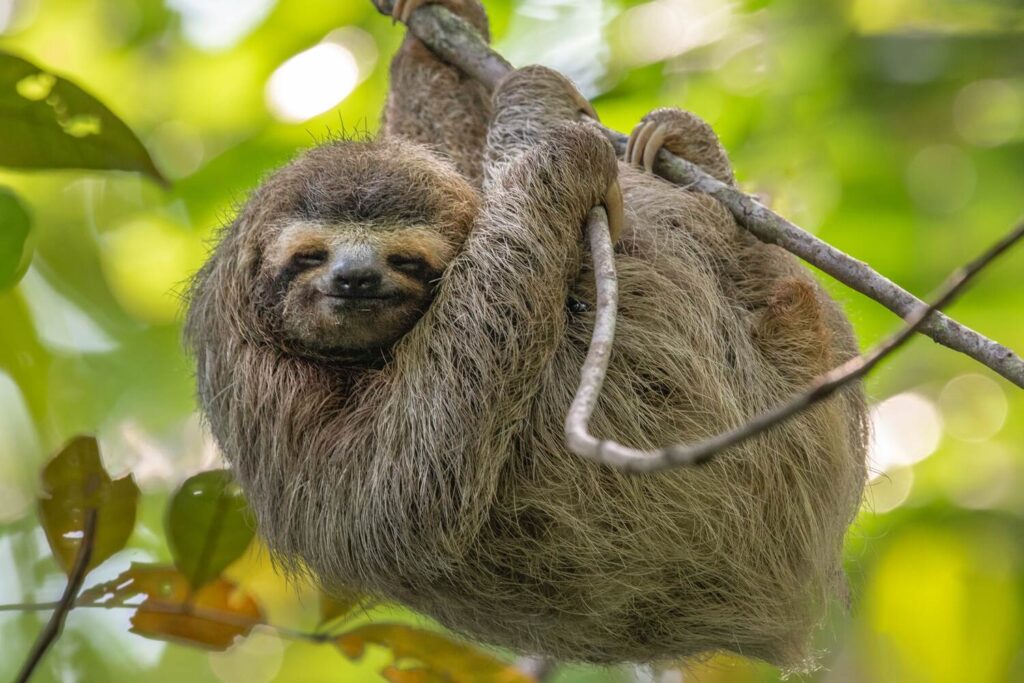
5. Spot Sloths and Monkeys in Manuel Antonio National Park
Manuel Antonio is small. But it’s the easiest place in Costa Rica to see sloths, monkeys and white-sand beaches on the same morning.
Tickets cost $18.08 for foreign adults and are sold online only, through SINAC, so you can’t buy one at the gate. The park opens at 7 AM and closes every Tuesday, which catches plenty of people out.
Hire a licensed guide near the entrance for about $25 to $40 per person. Their spotting scopes turn a gray lump in a tree into a sloth with a face.
Food isn’t allowed inside, and bags get checked, so eat a big breakfast first. Our guide to tours in Manuel Antonio covers the boat trips and ziplines nearby.

6. Walk the Hanging Bridges in Monteverde
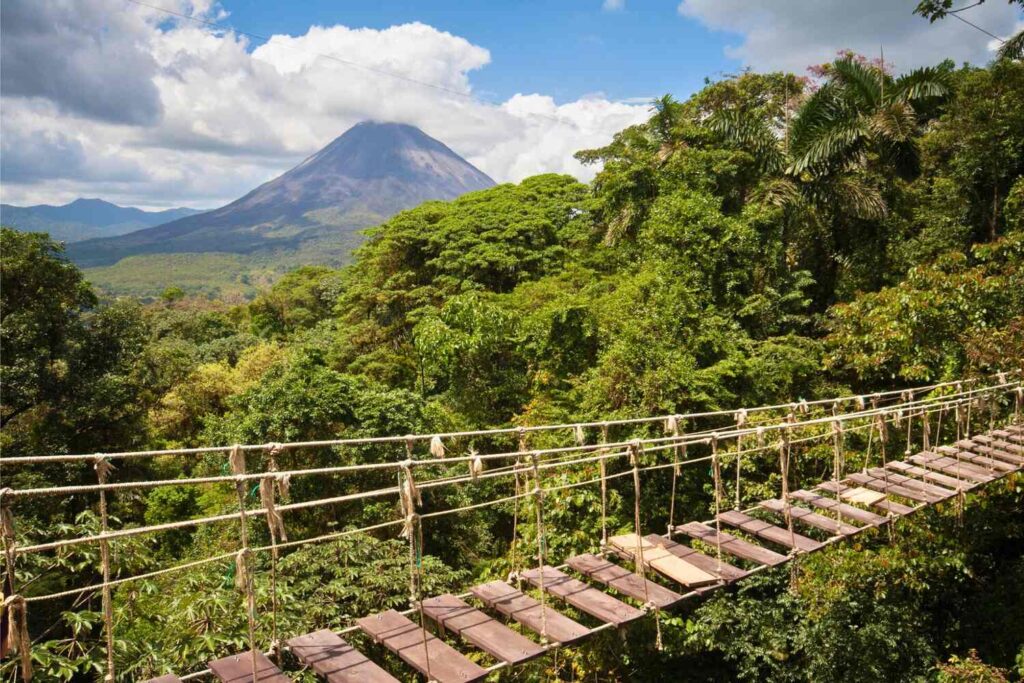
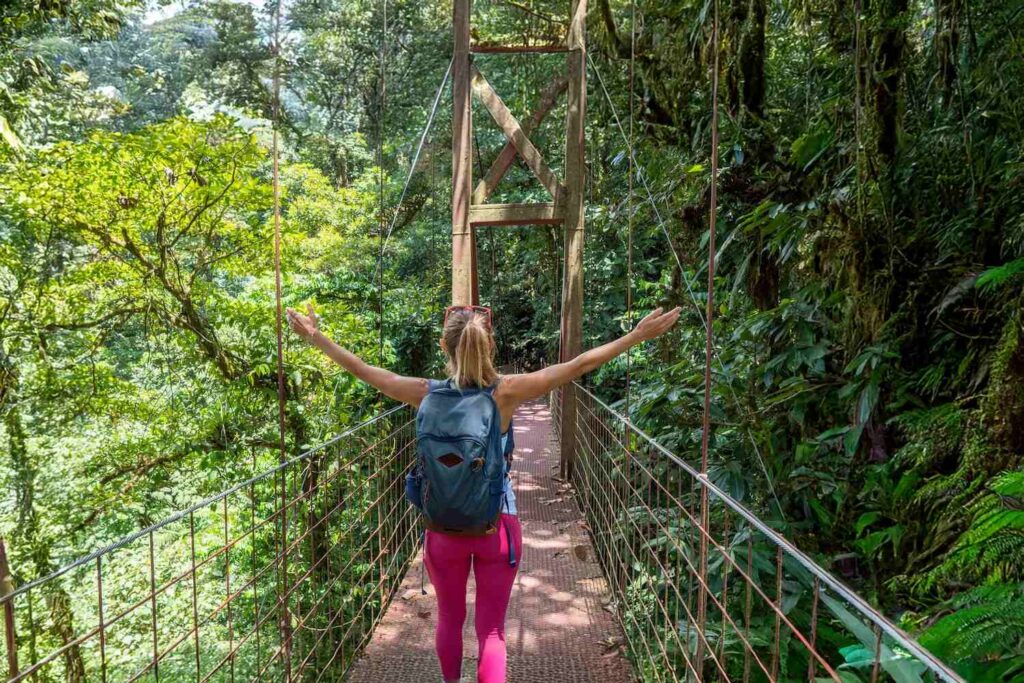
Monteverde’s hanging bridges take you up into the cloud forest canopy, eye level with the birds and orchids. It’s slower than ziplining, and kids and grandparents can both do it.
Selvatura Park is a good pick, with 8 bridges on a 3 km trail, the longest stretching 157 meters. Self-guided entry costs $49 plus tax, and kids 4 to 11 pay $34. Tours start at 8:30 AM, 11 AM, 1 PM and 2:30 PM.
For the forest itself, the Monteverde Cloud Forest Reserve now sells timed tickets for one trail circuit at a time. They cost $29 per adult. It opens at 7:30 AM, and the circuits are 1.4 to 4.1 km long.
It’s cool and damp up here most of the year, so bring a light jacket. Our 2-day Monteverde itinerary fits the bridges in with the rest.
7. Go Ziplining in Monteverde
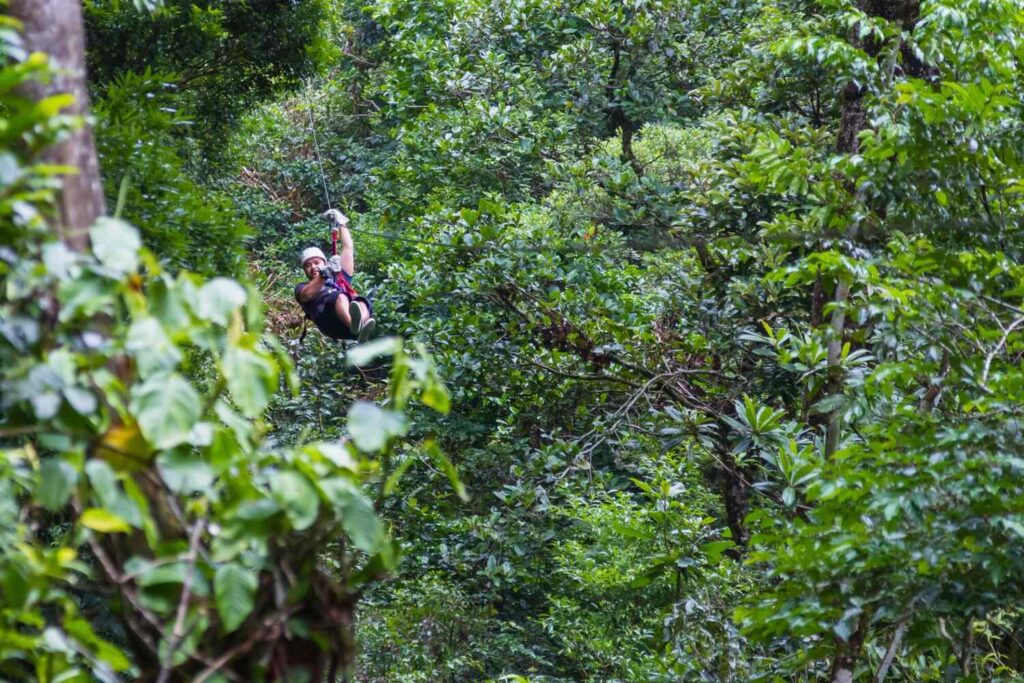
Ziplining in Monteverde is fast, loud and over far too quickly. The cables here cross whole valleys of cloud forest, so the views are as good as the speed.
100% Aventura costs about $72 and runs 11 cables, including two Superman lines where you fly face down. The longest is about 1,590 meters, nearly a mile over the treetops.
There’s also a 45-meter Tarzan swing at the end. It’s optional, and plenty of people happily watch from the platform.
The minimum age is 6, and riders 6 to 17 need an adult with them. Book a morning slot, when the clouds are more likely to stay off the valley.
8. Take a Night Tour in Monteverde
Monteverde’s forest gets busier after dark, and a night walk is how you find the animals that hide all day. With a guide’s flashlight, you’ll look for frogs, tarantulas, sleeping birds and, with luck, a sloth or kinkajou.
The Children’s Eternal Rainforest runs guided night walks at its Bajo del Tigre entrance for $30 plus tax. Hotel pickup adds $8. The Monteverde Cloud Forest Reserve night walk costs about $61 with tax and pickup, and lasts about 2.5 hours.
Groups are small, so book a day ahead in high season. Wear long pants and closed shoes, and bring a light rain jacket.
Your phone won’t take great photos in the dark, and that’s fine. The sounds are half the fun.
9. Go Whale Watching in Uvita
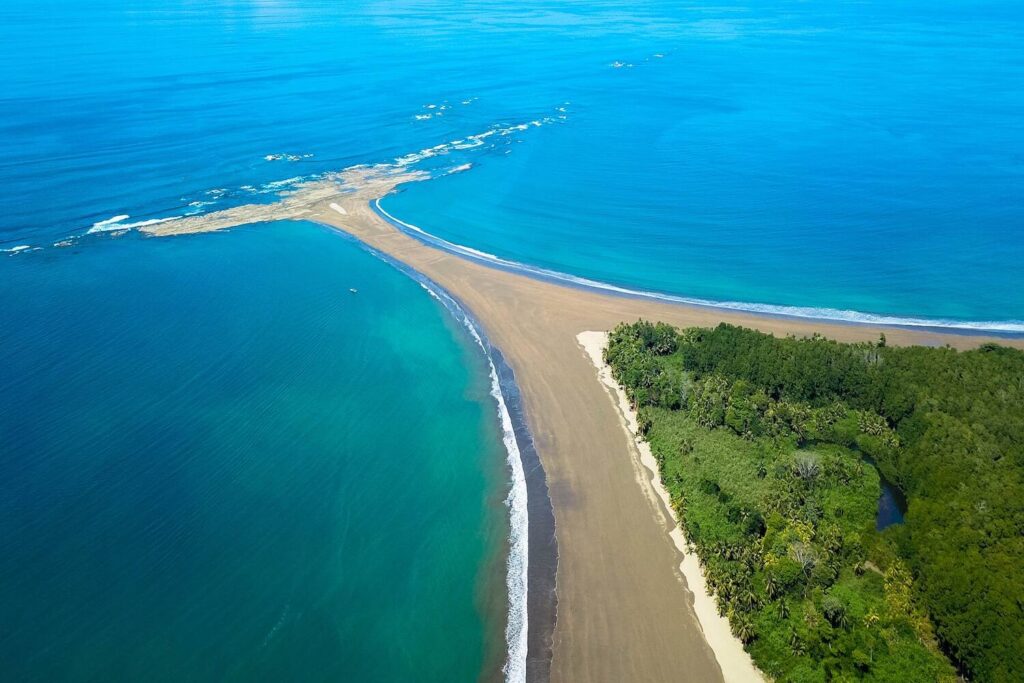
Uvita is the best spot in Costa Rica for whale watching, because humpbacks visit twice a year. Southern humpbacks come mid-July to October, peaking in August and September, and northern ones arrive late December to March.
Tours cost about $95 for adults and take 2.5 to 3 hours, leaving from Marino Ballena National Park. Dolphin Tour Costa Rica and Bahia Aventuras both include the $6.78 park fee, fruit and water.
At low tide, walk out on the whale tail, a sandbar shaped like a whale’s tail at Punta Uvita. Arrive about an hour before low tide.
Seas can get choppy, so take motion sickness pills before you board. Our guide to the best things to do in Uvita has plenty more.

10. Watch Sea Turtles Nest in Tortuguero
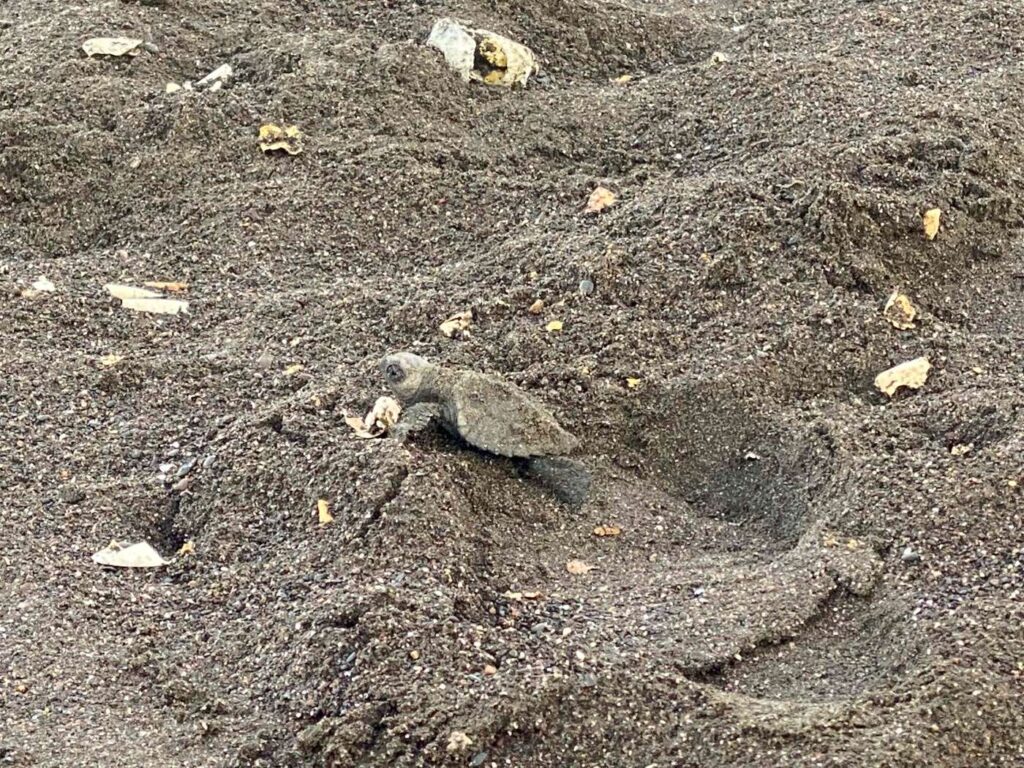
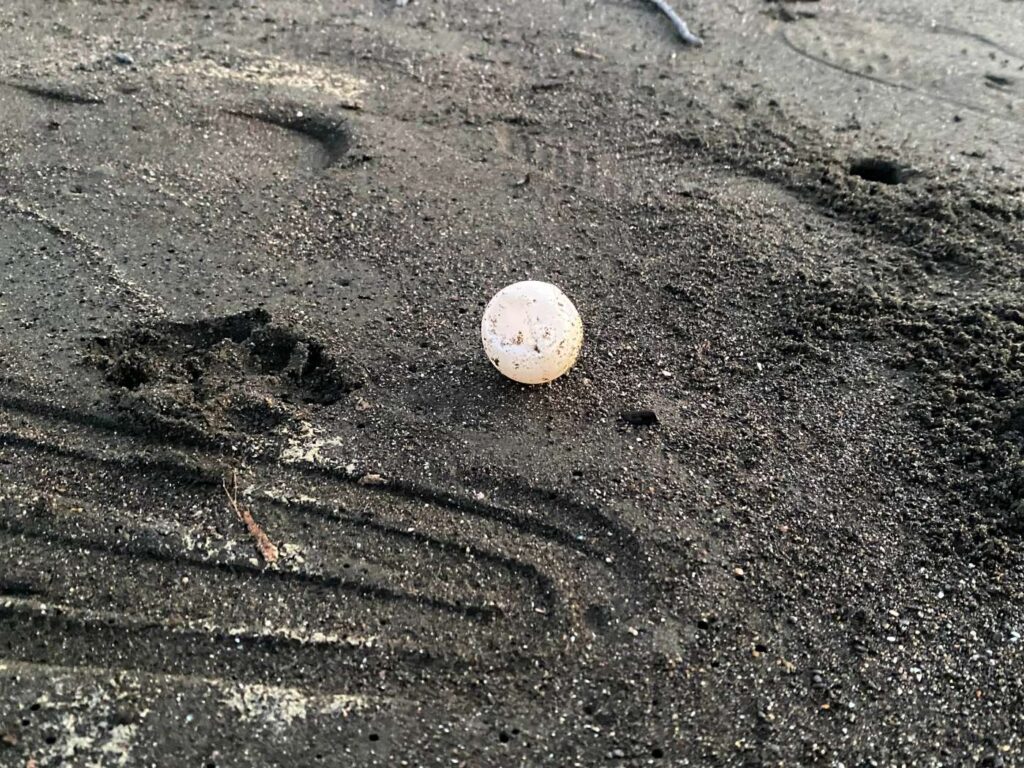
Tortuguero is the place to watch green turtles nest, and getting there is half the fun. There are no roads in. First, you drive to La Pavona, about 2.5 to 3 hours from San José. From there, you ride a boat for 1 to 1.5 hours.
Green turtles nest July to October, and leatherbacks come March to May. You can only go on the beach at night with a licensed guide. This turtle tour with Tuanis Tour starts at about $35.
The national park ticket costs about $17 and is sold online through SINAC. Phones and flashlights aren’t allowed on the beach at night, so leave the camera at the lodge.
Plan on two nights at least. Boat times and turtles both keep their own schedule.
11. Hike Corcovado National Park With a Guide
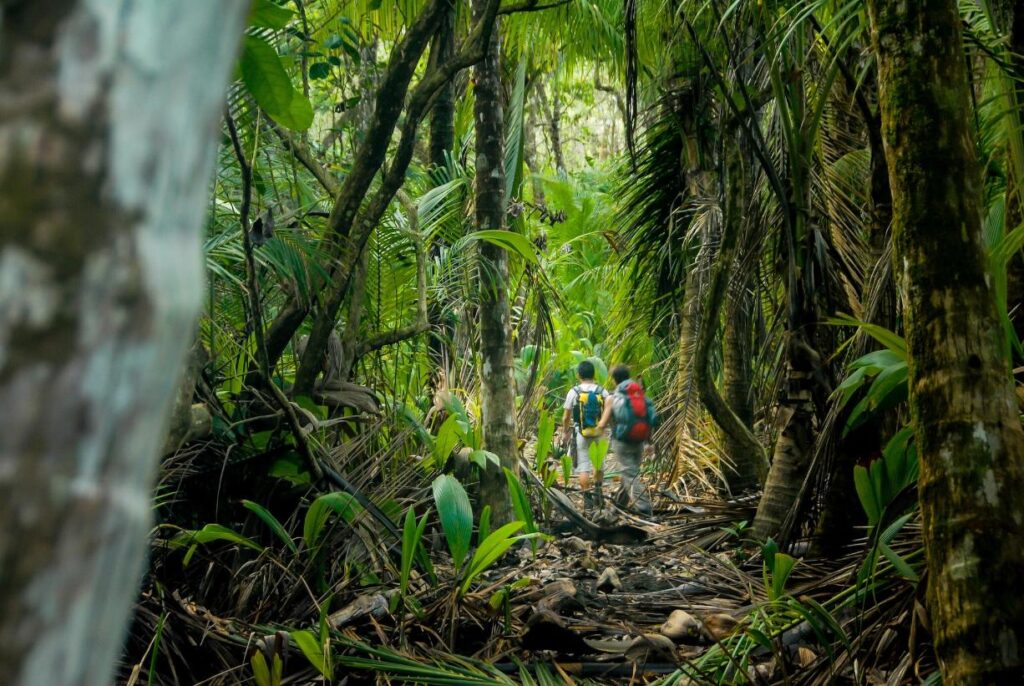
Corcovado is the wildest park in Costa Rica, a huge stretch of rainforest on the Osa Peninsula. It’s home to tapirs, scarlet macaws and all four of the country’s monkey species.
You can’t go in alone. The law requires a certified guide, so you’ll book a tour, and the park permit costs $16.95 per person per day, tax included.
From Drake Bay, a day trip to Sirena station costs about $151 with the boat, guide, park fee and a picnic lunch. From Uvita, Dolphin Tour Costa Rica charges $160 for a day at San Pedrillo station.
It’s hot, muddy and long, so bring more water than you think you need. Sirena and some other stations can close in October, the rainiest month. Check the SINAC Corcovado page before you book.
12. Learn to Surf in Tamarindo
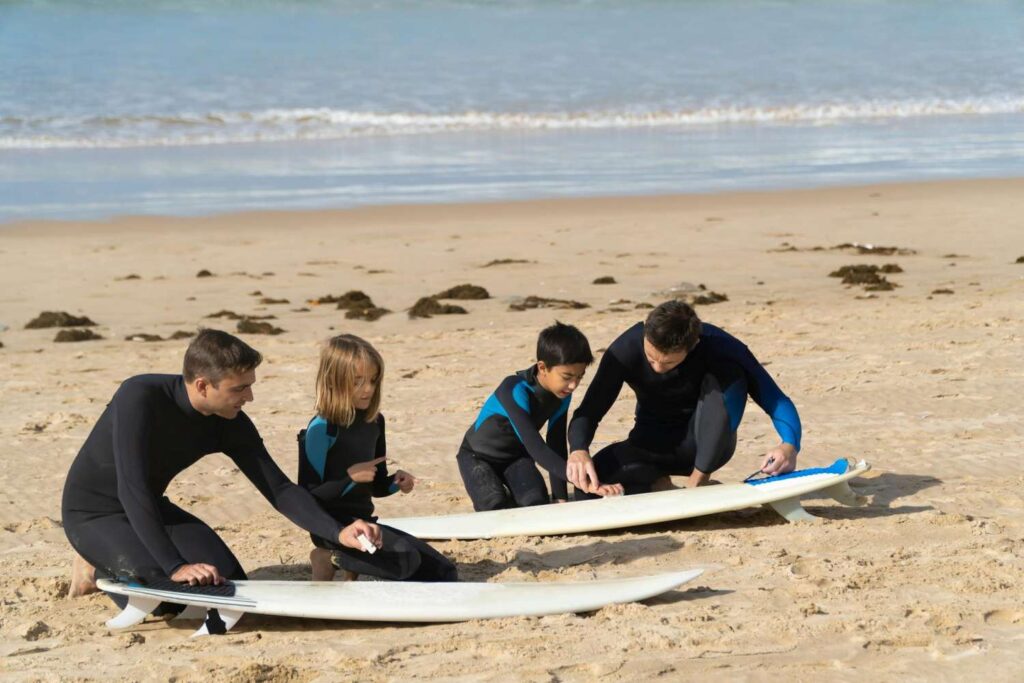
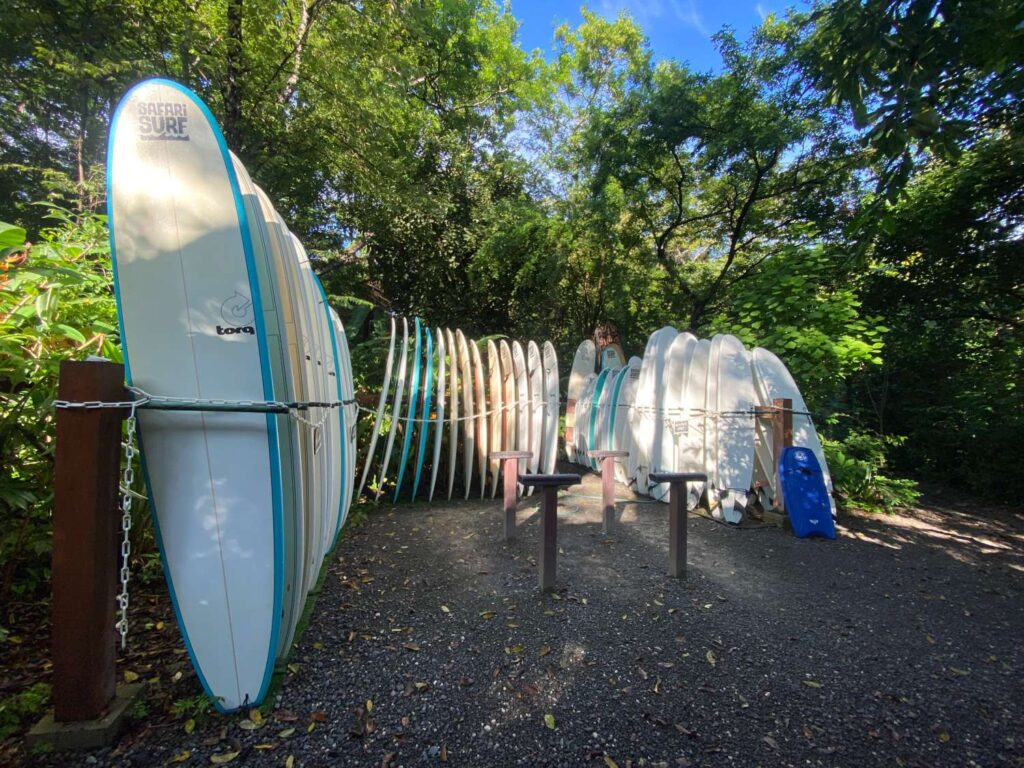
Tamarindo is a great place to learn to surf. The waves are friendly for beginners on most days. Surf schools line the sand, so you can book a lesson the same morning.
A 90-minute group lesson costs about $55 to $70, with the board, rash guard and sunscreen included. Private lessons cost around $100 plus tax.
The town is busy and pricier than smaller beach towns. But you can walk almost everywhere, and there’s no shortage of places to eat.
Ask your school to time the lesson with the tide. Our guide on getting from San José to Tamarindo covers the drive and shuttles.
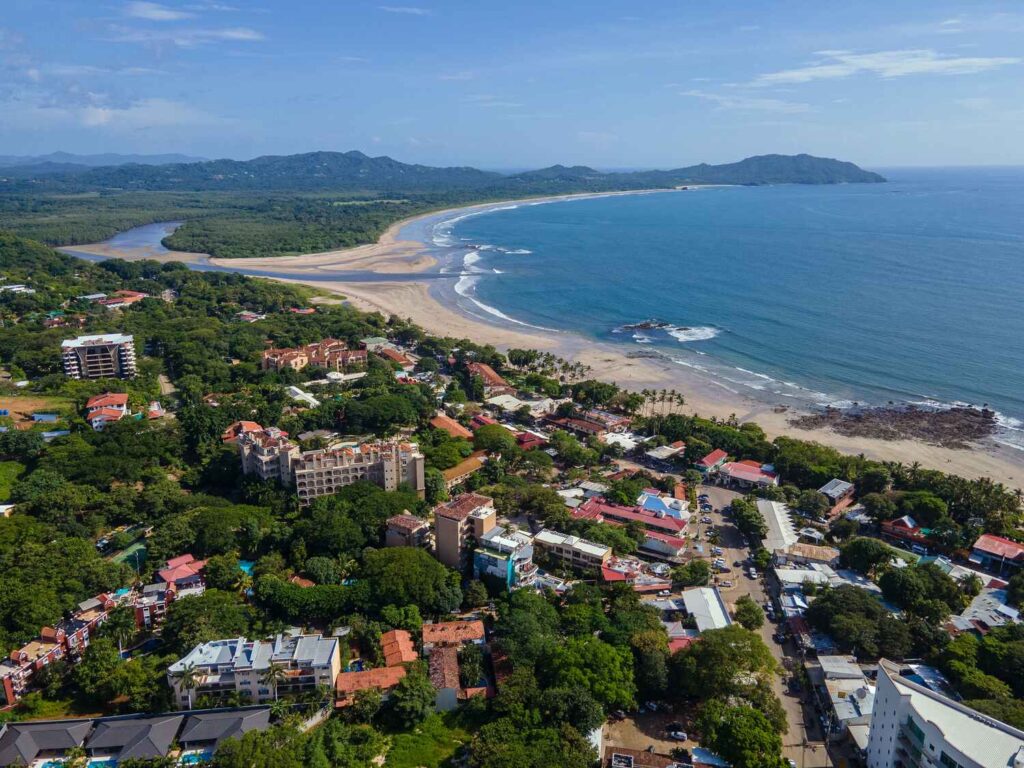
13. Surf in Nosara and See the Ostional Turtles
Nosara is the place for surf and wildlife on the same trip. Playa Guiones has a long, sandy beach break, and group lessons cost about $80 to $90 plus tax for about 1.5 hours.
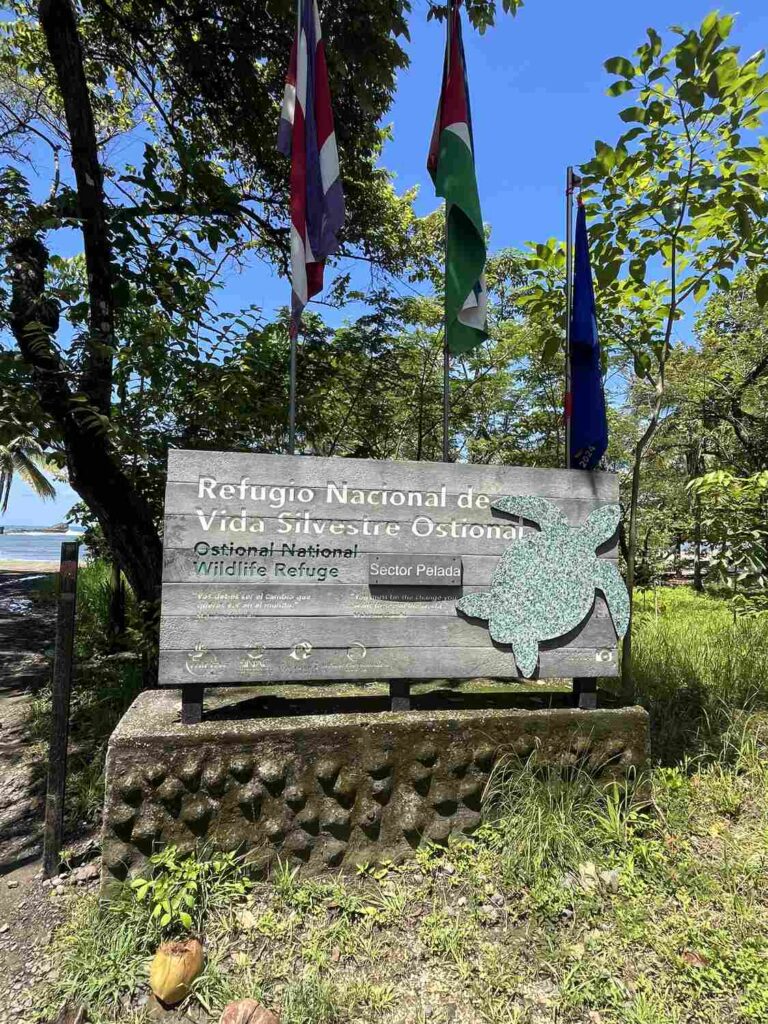
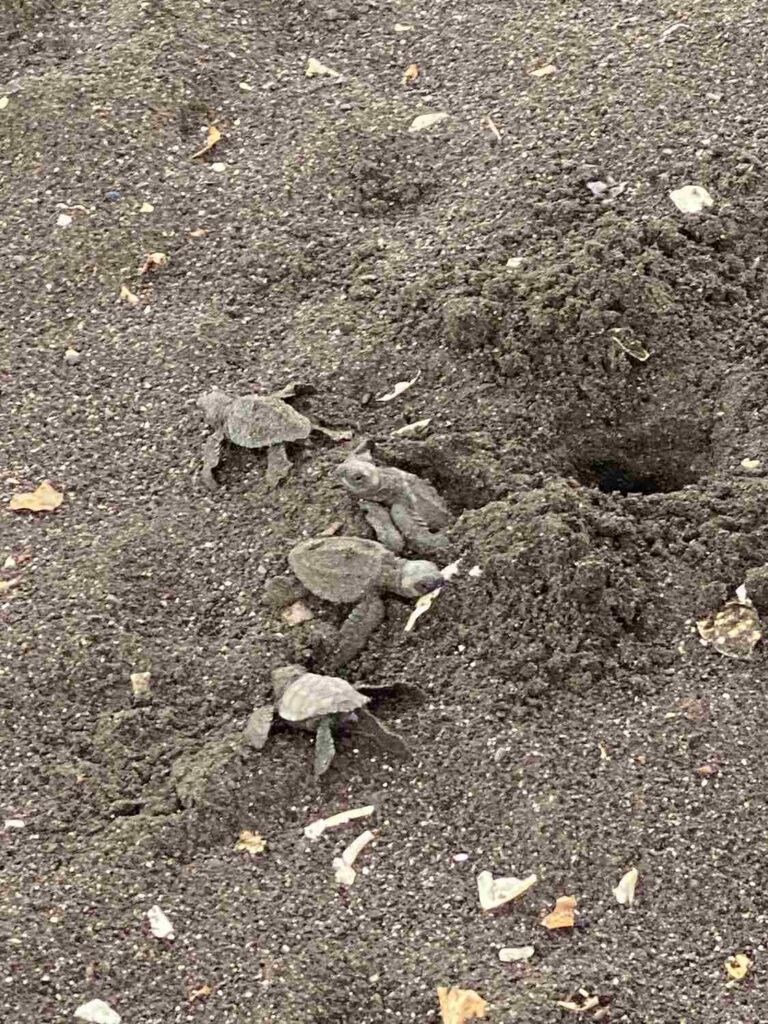
About 30 minutes north, the Ostional Wildlife Refuge hosts arribadas, when thousands of olive ridley turtles come ashore to nest. They happen once or twice a month, mostly July to December, and each one lasts 3 to 7 days.
Entry costs about $10, and a local guide is required. Wear dark clothes and skip the flash, since bright light confuses the turtles.
The biggest arribadas come September to November. Our guide to the best things to do in Nosara fills in the rest.
14. Take a Yoga Class in Santa Teresa
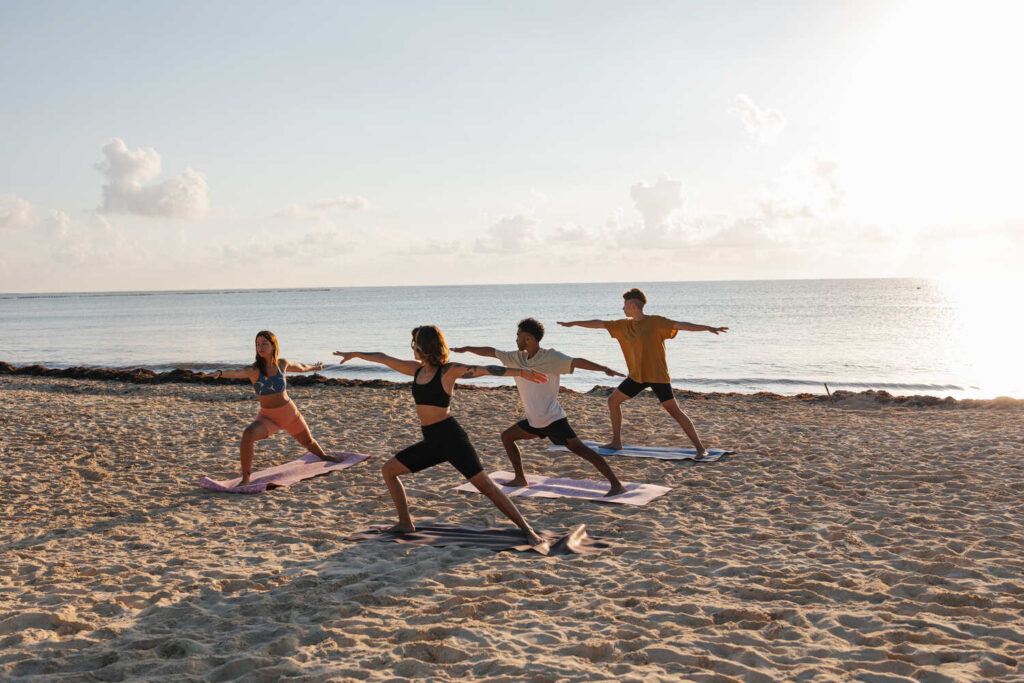
Santa Teresa is a surf town first, but yoga is everywhere. You’ll find open-air decks at hotels and surf lodges along the main road. Nearly all of them take drop-ins.
A class costs about $14 to $20. Zeneidas Surf Garden charges $14, with Ashtanga at 7:30 AM and Vinyasa at 9 AM. Horizon Yoga Hotel charges $20 for its ocean-view deck.
Plan classes around the tide, with a stronger class before you paddle out and a slower one after. Most studios lend mats, but ask first.
Our guide to yoga in Santa Teresa covers studios, passes and retreats.
Want a Guided Tour?
Our tours guide covers the 15 best tours in Costa Rica, with prices, times and what’s included.
Not sure where to base yourself? See our best places to visit in Costa Rica.
15. Hike to Montezuma Waterfall
Montezuma is a small, laid-back beach town near the southern tip of the Nicoya Peninsula. Its waterfall is a short hike from the center.
The trail to the lower falls is free and takes 20 to 30 minutes each way, mostly over river rocks and roots. Parking costs a few dollars in cash.
The upper falls have pools and a rope swing, reached by the Sun Trails route for about $5. Don’t jump from the lower falls. People have died there, and there are no railings.
Wear shoes with grip, and stay away after heavy rain, when flash floods can hit. Afterward, Playa Montezuma is right in town for a swim.
16. Hike to the Waterfalls of Rincón de la Vieja
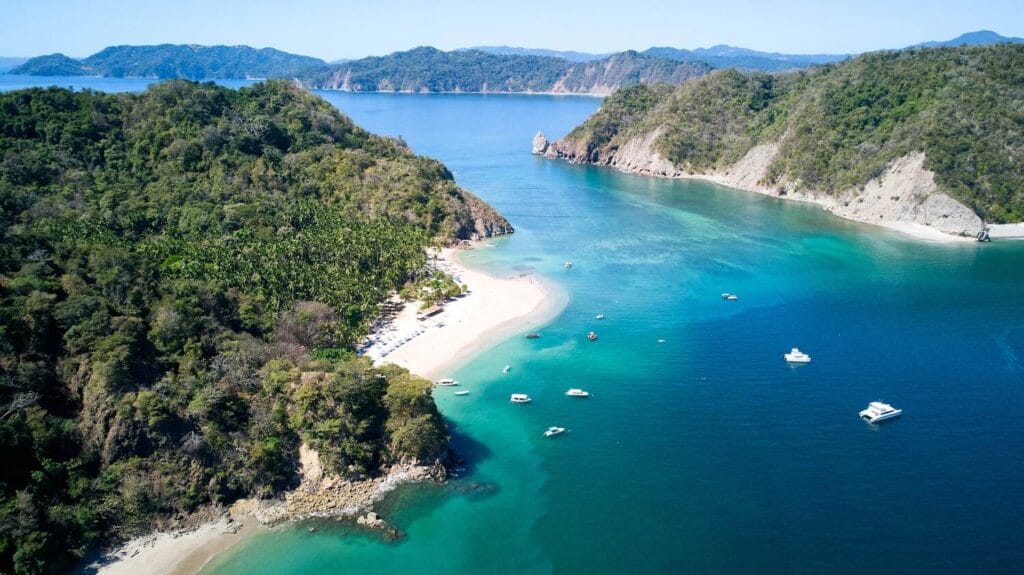
Rincón de la Vieja National Park, near Liberia, is a smaller, steamier cousin of Yellowstone. Bubbling mud pots, steam vents and waterfalls all share one park.
Tickets cost $16.95 for foreign adults, sold online only through SINAC and paid by card. The Las Pailas sector opens 8 AM to 3 PM and closes on Mondays.
The mud pot loop is about 3.5 km. For La Cangreja Waterfall, a 10.2 km round trip, you need to start before noon. The waterfall trails close to new hikers after 12.
The volcano still has small eruptions now and then, and sectors can close at short notice. Check SINAC the day before you drive.
17. Go Scuba Diving in Guanacaste
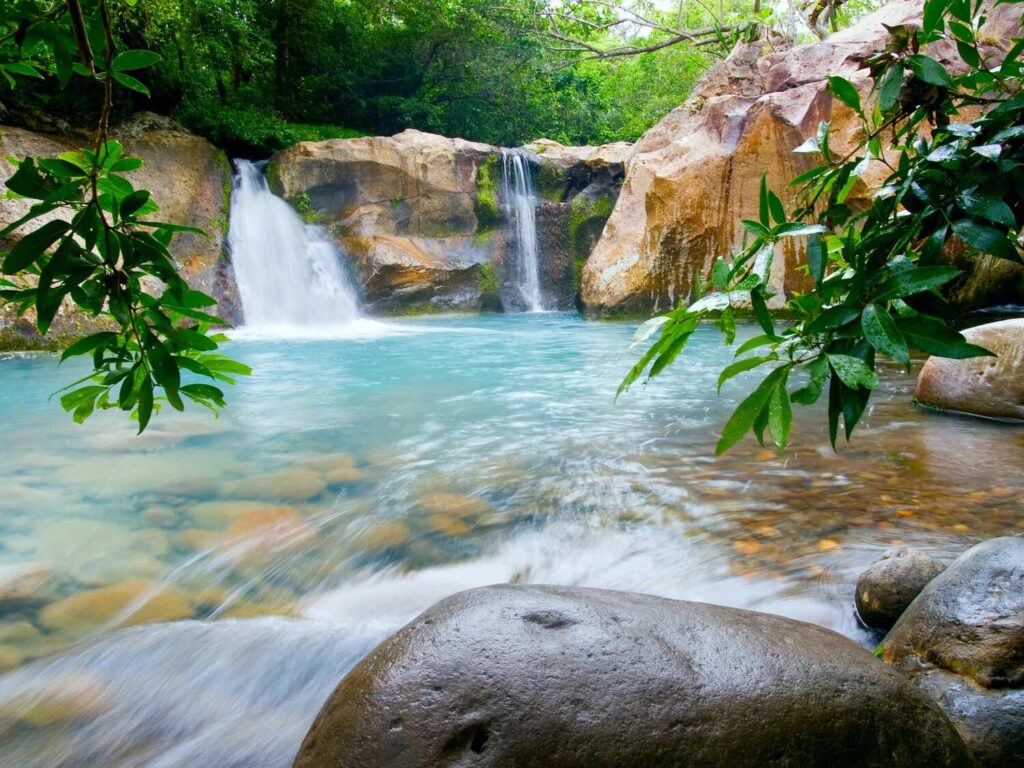
The Guanacaste coast is the base for most scuba diving in Costa Rica. The draw here is big animals, not bright coral.
The Catalina Islands are the classic trip, with schooling Pacific manta rays November to April. A 2-tank trip costs from $150 plus tax, leaving Playa Hermosa at 8 AM and back around 2 PM.
You need to be certified, and the Catalinas suit intermediate and advanced divers. The Bat Islands, farther out in open ocean, are for experienced divers only.
Boats also run from Playas del Coco, Flamingo and Tamarindo. Bring your certification card, since shops ask for it before you board.
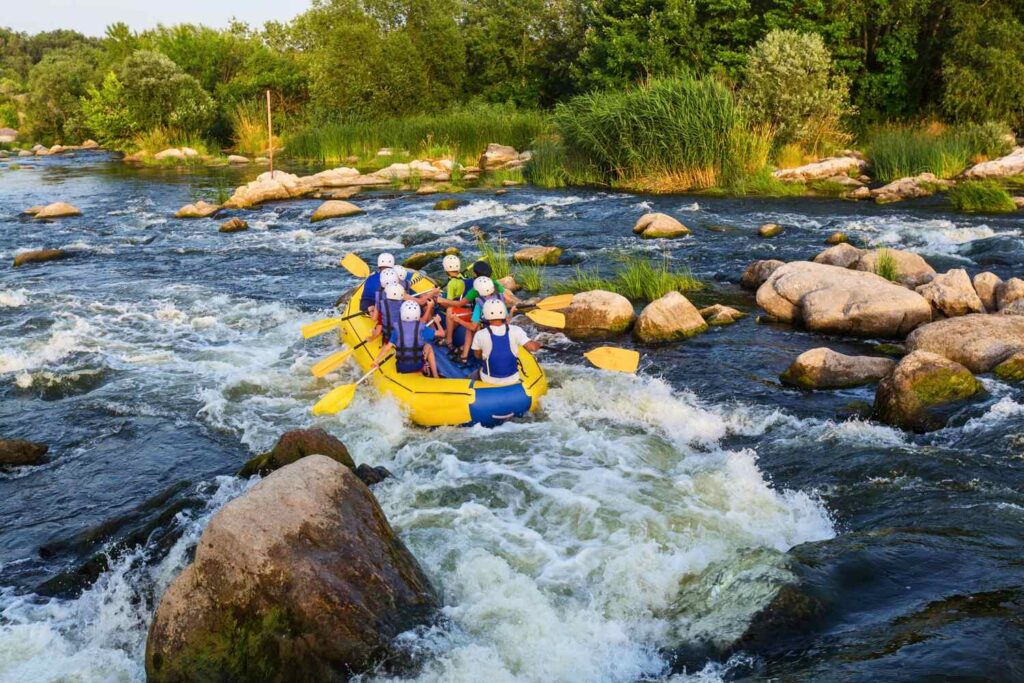
18. Go White Water Rafting on the Sarapiquí River
Rafting is the loudest, wettest half day you can have in Costa Rica. The Sarapiquí River, about an hour from La Fortuna, has Class III and IV rapids that keep you paddling hard.
Half-day trips cost about $85 to $113 with transport, gear and a meal, and the minimum age is 12 or 13.
With younger kids or first-timers, the Balsa River is the gentler pick. It has Class II and III rapids for about $73 to $85 plus tax, from age 8.
You will get soaked, so wear quick-dry clothes and pack a dry change for the ride back.
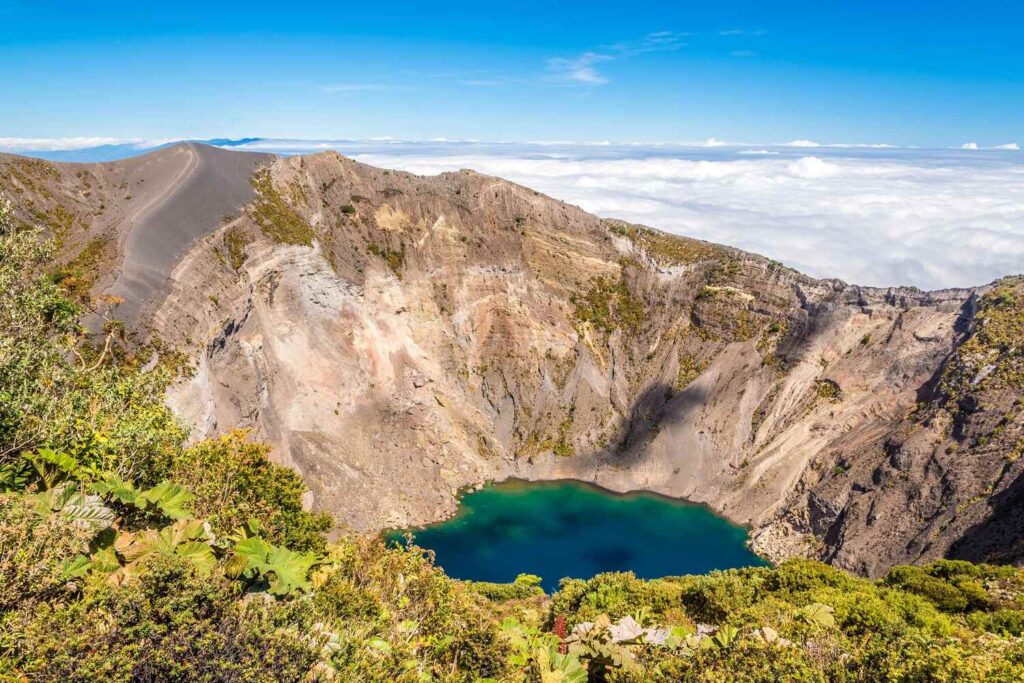
19. Look Into the Crater at Poás Volcano
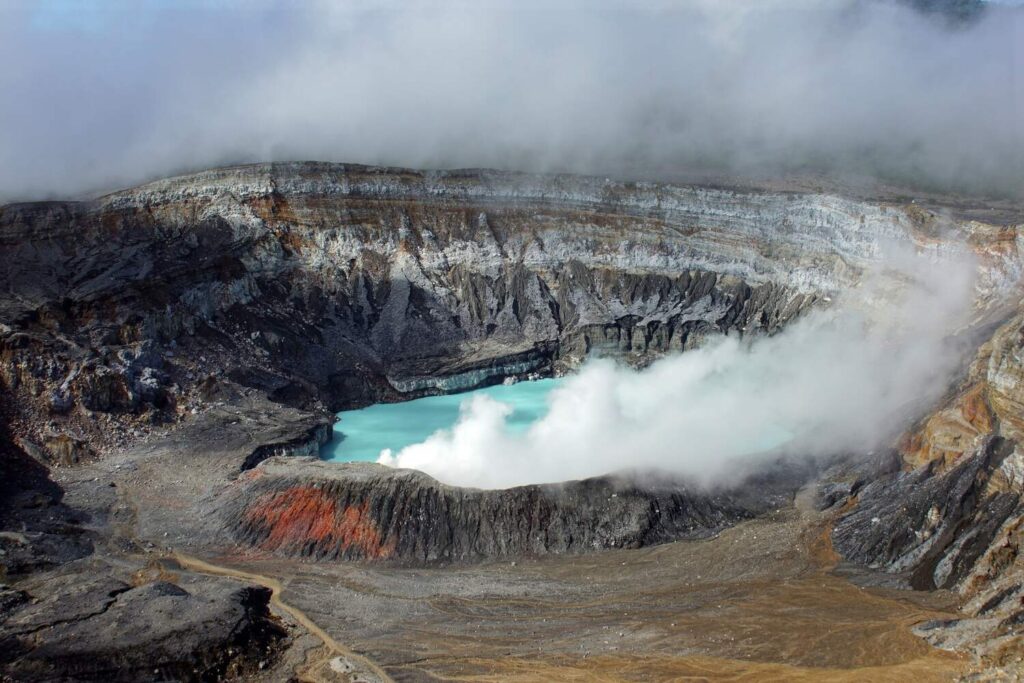
Poás is the easiest active volcano to see from San José, about 1.5 hours away. On a clear morning, you look straight down into a huge, steaming crater.
Tickets cost $15 plus tax, about $17, and are sold online only, through SINAC. The park opens 8 AM to 4 PM, with last entry at 2 PM.
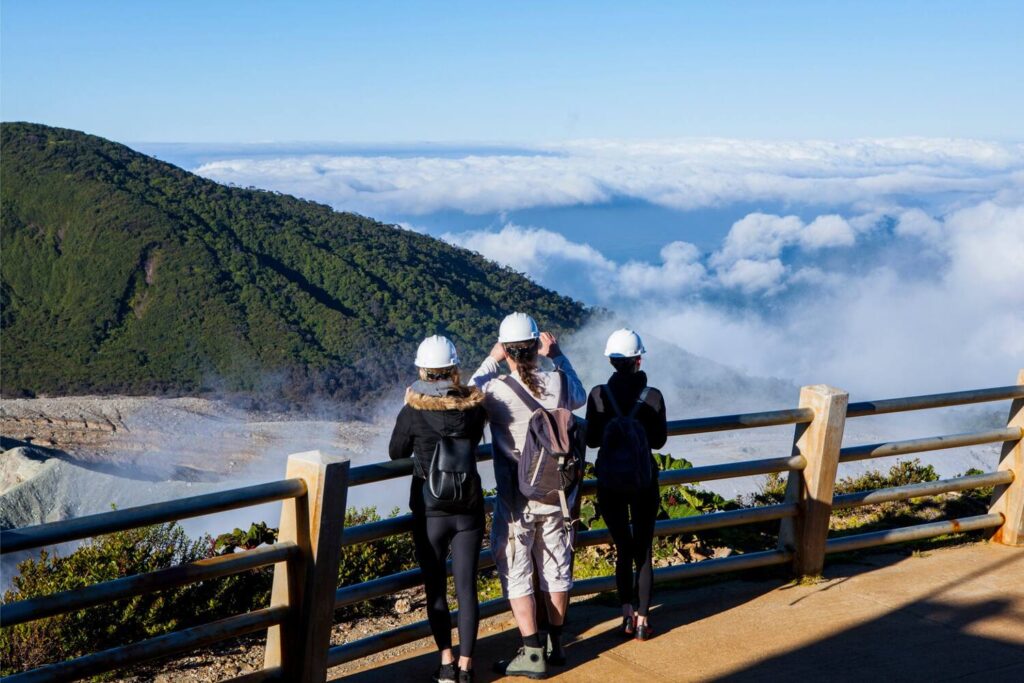
After recent eruptions, the park caps numbers at 1,064 people a day. The crater viewpoint takes 56 people at a time for up to 20 minutes. Helmets are required on some trails.
The walk to the viewpoint is about 600 meters on a paved path. Book an early slot, since the crater often clouds over later in the day.
20. Stand at the Top of Irazú Volcano
Irazú is the tallest volcano in Costa Rica, at 3,432 meters, and it’s cold up there. On rare clear days, you can see both the Pacific and the Caribbean from the top.
Tickets cost $16.95 for foreign adults and are sold online through SINAC. The crater sector opens 8 AM to 4 PM, with last entry at 2 PM. The drive from San José takes 1.5 to 2 hours.
Bring a warm jacket, even when San José feels hot in the morning. On the way back, stop in Cartago for the Basílica de los Ángeles.
Go early, since clouds can roll in by late morning and hide the crater. The view is the whole point.
21. Spend a Day in San José
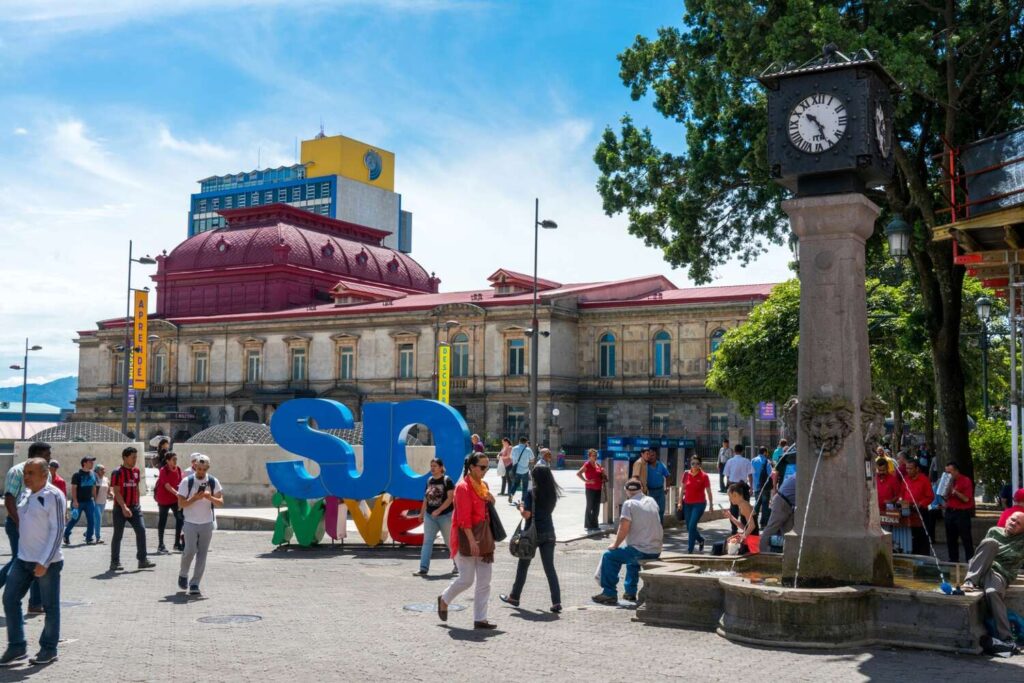
Most people skip the capital, but one day in San José is well spent once you know where to go.
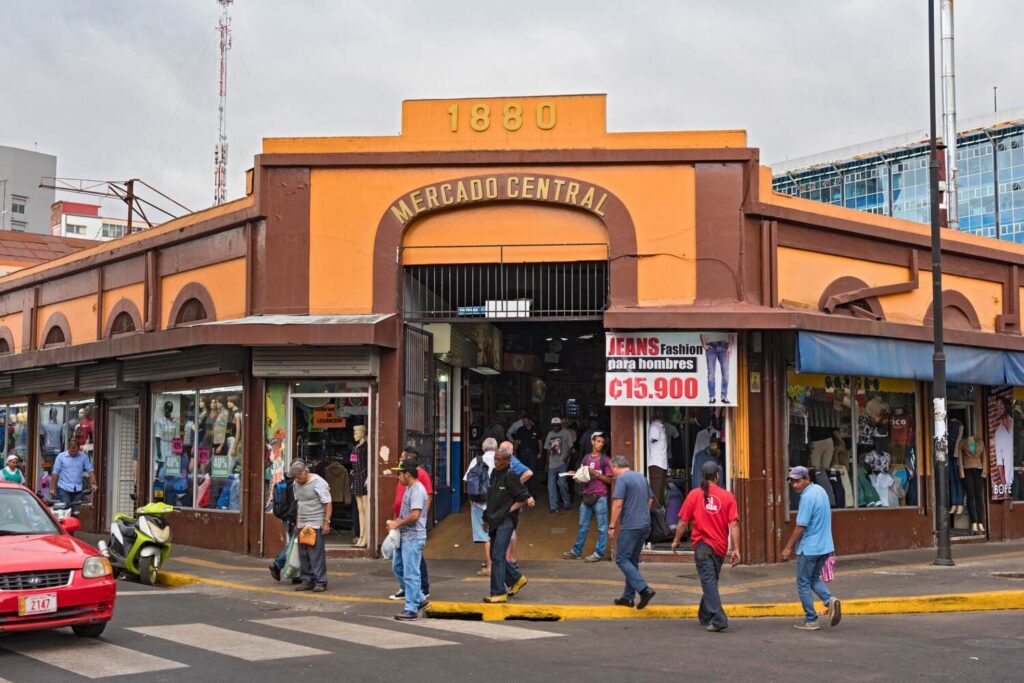
The Pre-Columbian Gold Museum is under the Plaza de la Cultura, and it costs ₡8,800, about $19, for foreigners. It opens daily, 9 AM to 4:30 PM.
The National Theater is right next door. The Mercado Central, a few blocks away, is the place for a cheap casado lunch. That’s a plate of rice, beans, salad and meat or fish.
Use Uber or official red taxis after dark. Our guide to one day in San José plans it out. Our list of day trips from San José covers the volcanoes nearby.
22. Look for Quetzals in San Gerardo de Dota
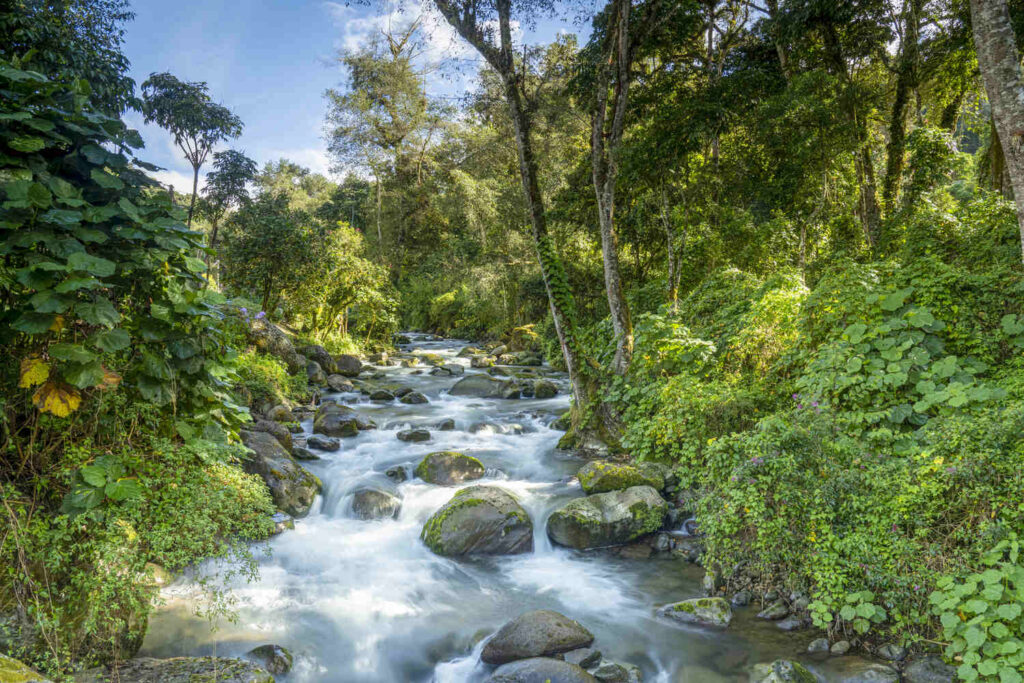
San Gerardo de Dota is a cool, green valley in the Talamanca Mountains. It’s a top spot to see a resplendent quetzal, the bird with the long green tail.
Guided quetzal tours start around 6 AM, when the birds come out to feed, and cost from about $56 at Trogon Lodge. April is peak season, so book early then. In May, you can often book the day before.
The road down into the valley leaves the Pan-American Highway near Cerro de la Muerte, which tops out at about 3,450 meters.
Pack warm layers and a rain jacket. And try the trout, since nearly every restaurant in the valley serves it.
23. Bike the Beaches Around Puerto Viejo
Puerto Viejo de Talamanca is the laid-back heart of the Caribbean coast. Expect reggae bars, rice and beans cooked in coconut milk, and a string of beaches south of town.
The best way to see them is by bike. Rentals cost about $5 to $10 a day, and the road to Playa Cocles, Punta Uva and Manzanillo is mostly flat. Tired legs? The local bus to Manzanillo takes about 20 minutes.
Getting there takes about 4.5 hours on the MEPE bus from San José, for around $16, paid in colones.
Petty theft happens on the beaches, so don’t leave bags alone on the sand. Take only what you need for the day.
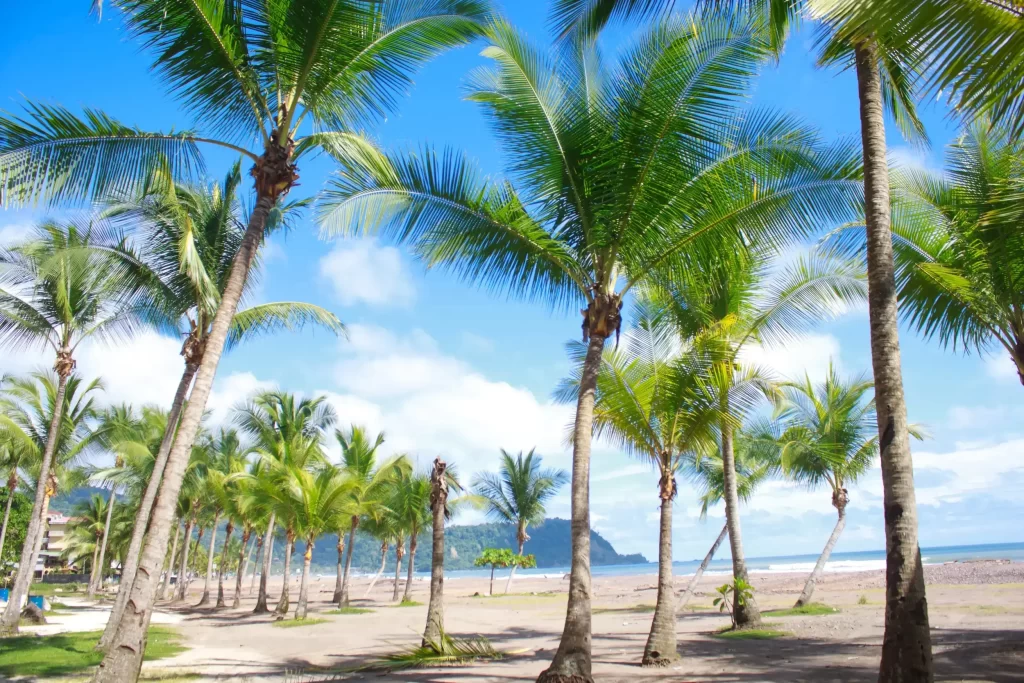
24. Snorkel the Reef at Cahuita National Park
Cahuita National Park protects a coral reef just offshore, plus a beach trail where sloths and monkeys are common. Reef and rainforest in one park is a rare combination here.
Entry at the Kelly Creek gate in Cahuita town is by donation, and the Puerto Vargas gate charges $5.65. The park opens 8 AM to 4 PM.
The reef is protected, so you can only snorkel it with a licensed guide. A combined snorkel and hike tour from Puerto Viejo costs about $55 for 4 hours, with gear and entry included.
Go on a calm day, since visibility drops fast when the sea is rough. Bring a reusable bottle, since single-use plastic isn’t allowed in the parks.
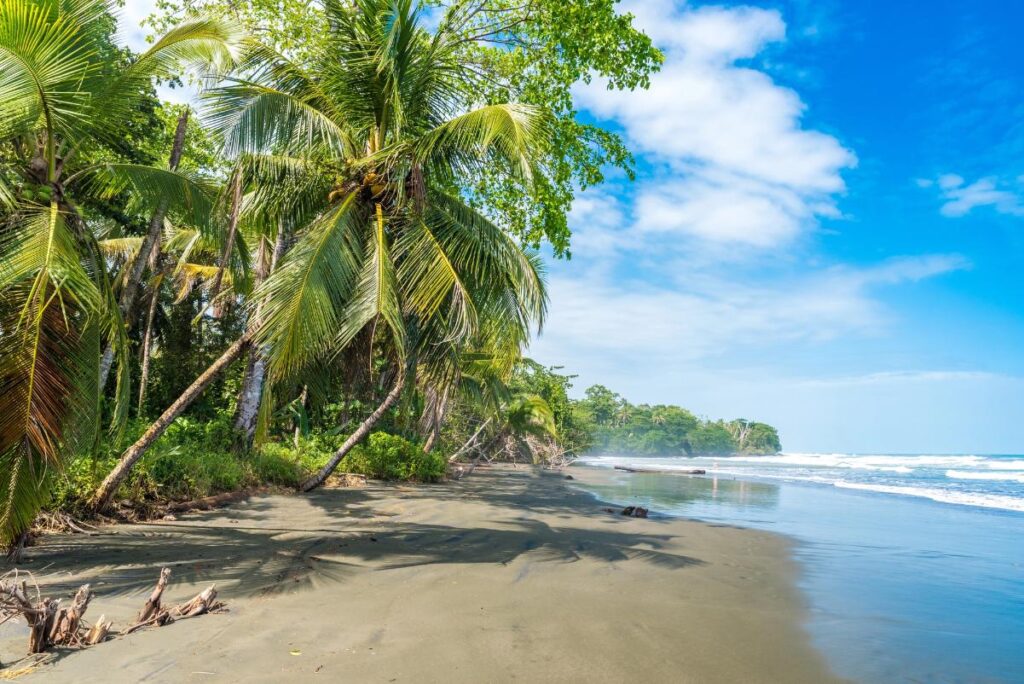
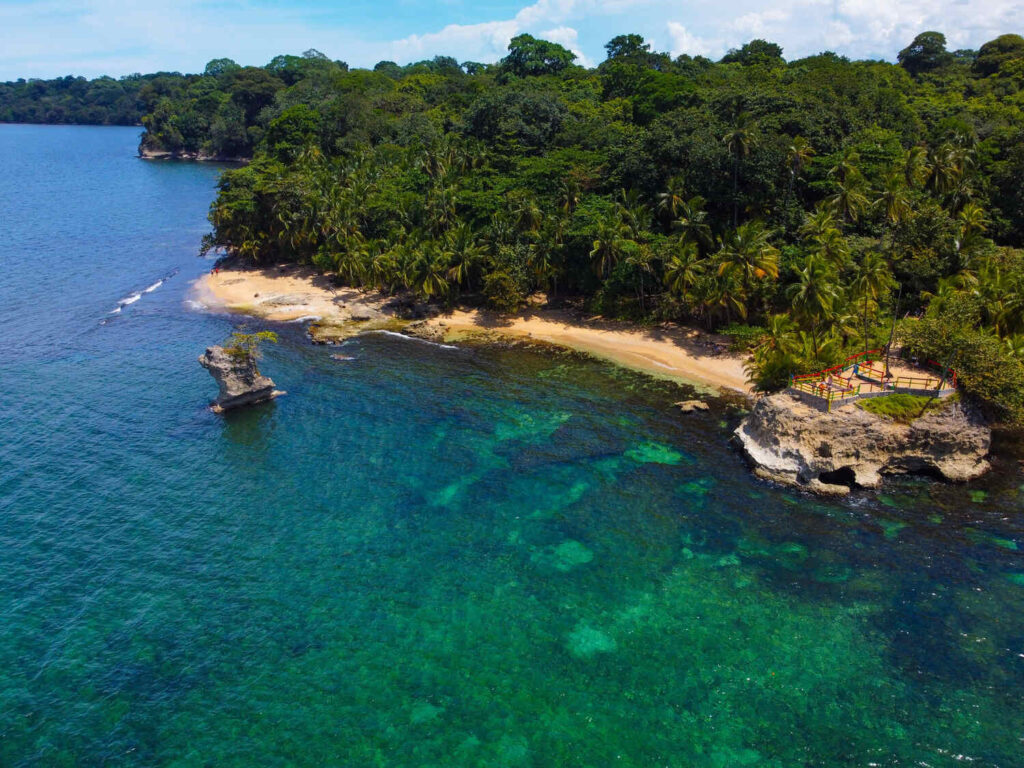
25. See Crocodiles on the Tárcoles River
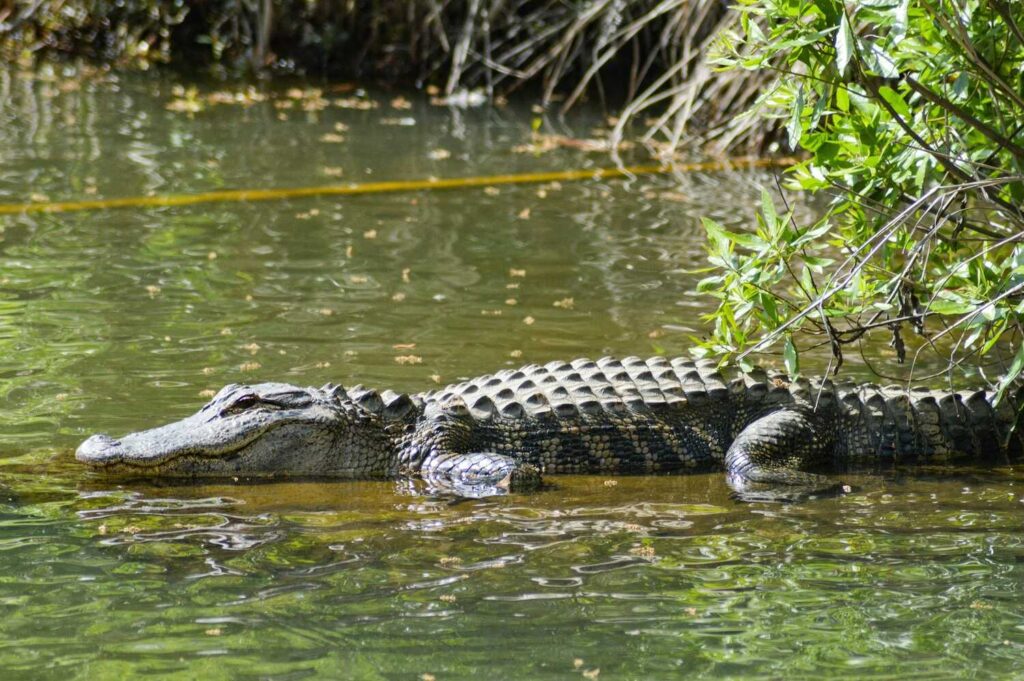
The Tárcoles River, north of Jacó on Route 34, is famous for huge American crocodiles. Dozens often rest on the mud banks below the road bridge, and stopping to look costs nothing.
For a closer look, Jungle Crocodile Safari runs boat tours of about 1 hour 45 minutes for $40 with taxes. You’ll also spot herons and kingfishers, and with luck, scarlet macaws.
Pickup isn’t included, so it suits a stop on the drive to Jacó or Manuel Antonio.
Keep a firm grip on your phone when you lean over the bridge rail. And skip any boat that feeds the crocodiles for photos, since it teaches them to link people with food.
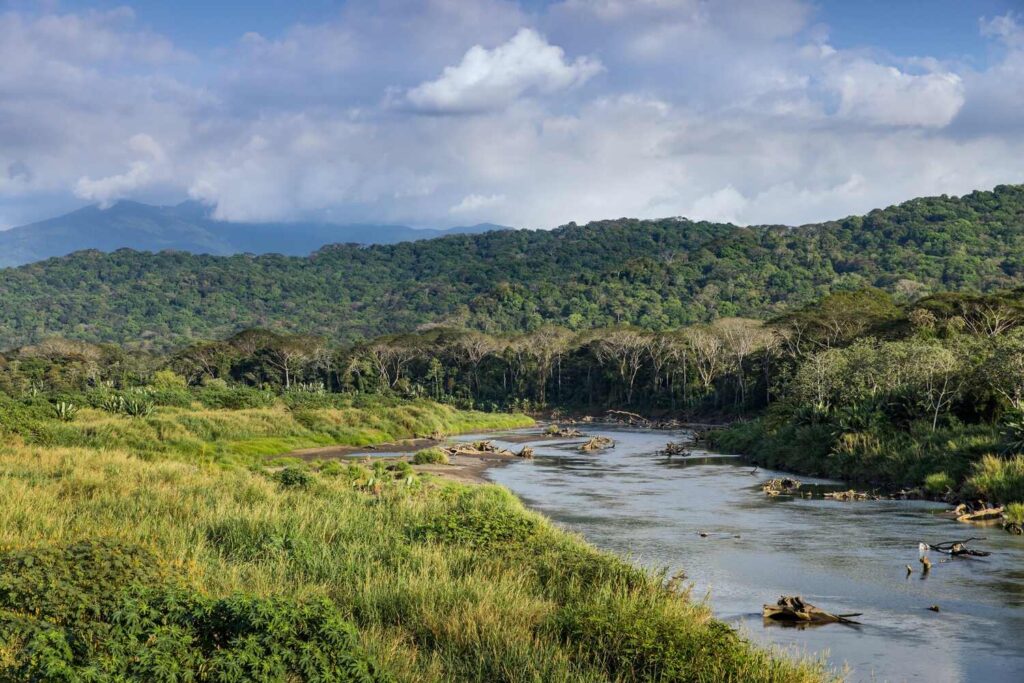
26. Spend a Night Out in Jacó
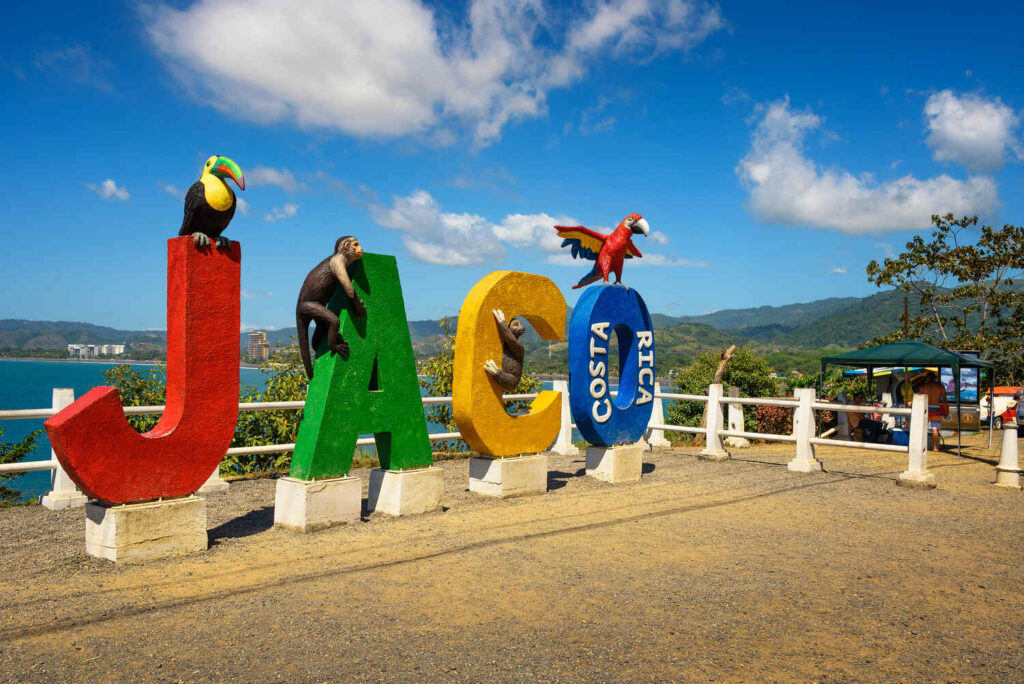
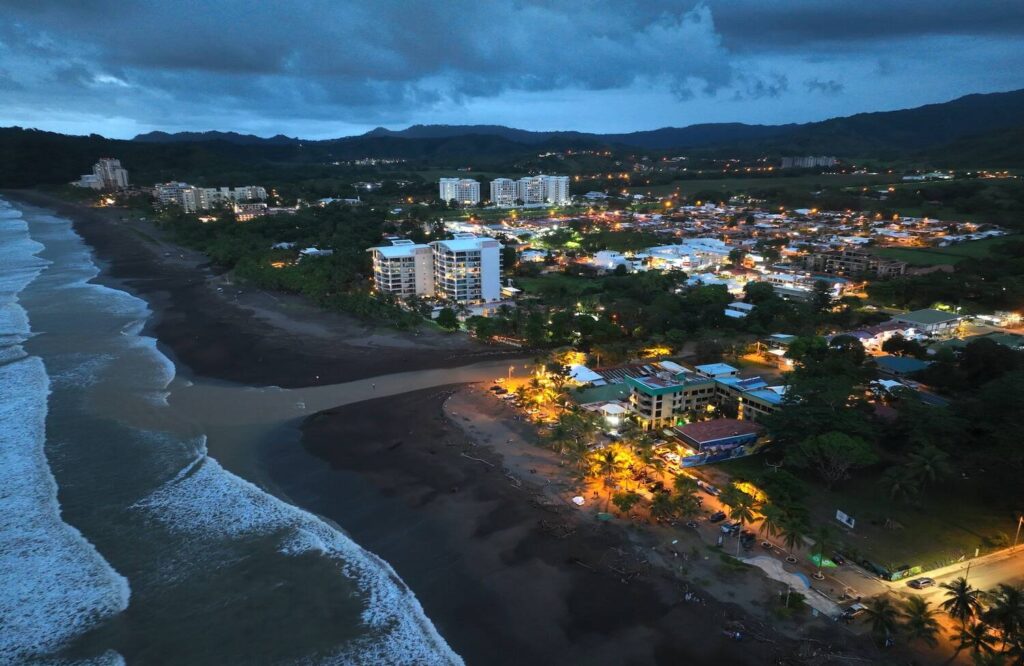
Jacó is the party town of the Pacific coast, about 97 km and 1.5 hours from San José airport. It’s loud and a bit rough around the edges, and that’s exactly why some people love it.
Bars and restaurants line the main street, and things stay busy late on weekends. Tacobar is a long-running favorite for fish tacos with a big salad bar.
By day, the surf is strong and rip currents are common, so swimming isn’t a great idea. Playa Hermosa, about 10 minutes south, is the better beach for surfers.
The bus from San José takes about 2 hours. One or two nights is plenty for most people.
27. Go Horseback Riding Near Arenal Volcano
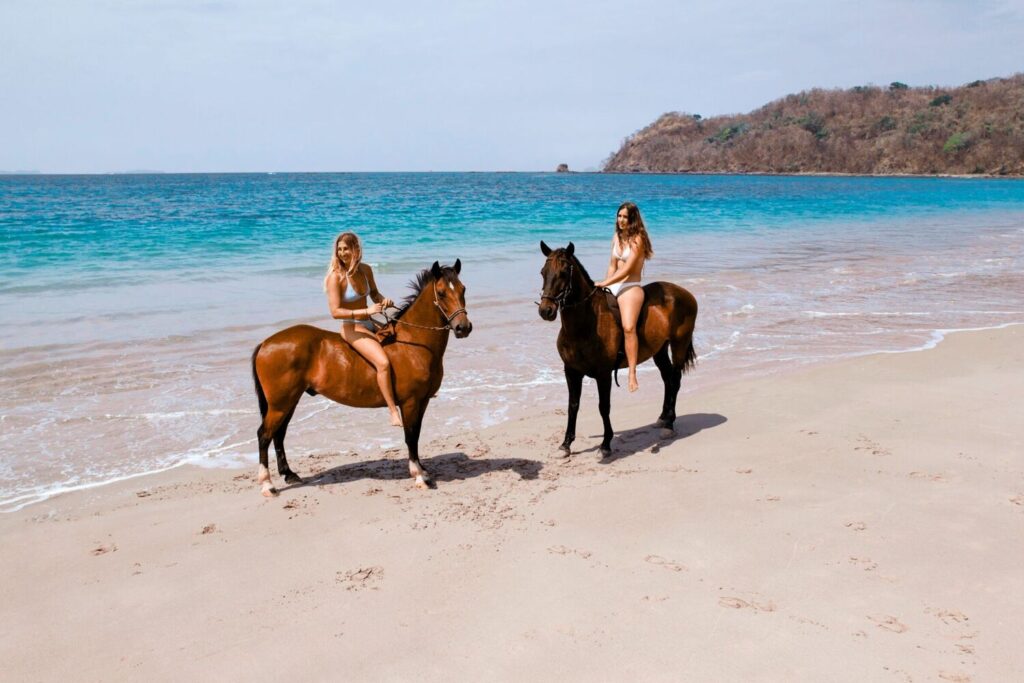
Horseback riding is a slow, easy way to see the farms and forest around Arenal Volcano. You don’t need to have ridden before.
A 3-hour ride from La Fortuna costs about $75, and a 2.5-hour ride with hotel pickup starts around $94. Some rides end at La Fortuna Waterfall, and with the entry fee and lunch, those start around $146.
Guides match beginners with calm horses, and long pants make the ride far more comfortable. On the Guanacaste coast, sunset rides on the beach are popular too.
Pick a company that looks after its horses. When the horses look thin or tired, walk away.

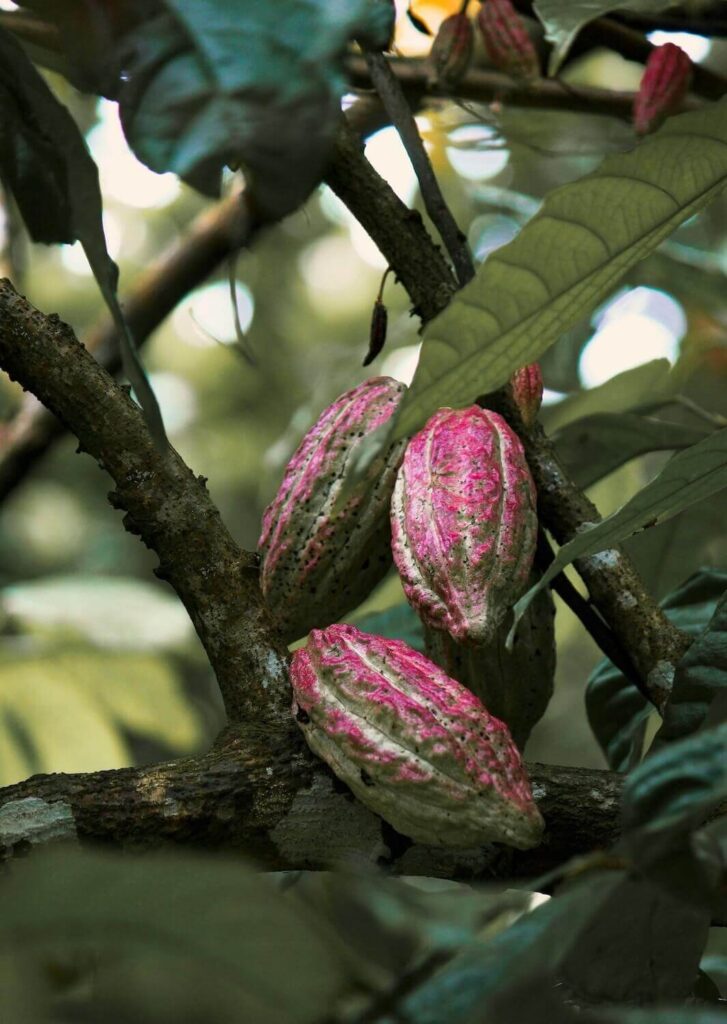
28. Take a Coffee or Chocolate Tour
Coffee and chocolate tours are a perfect rainy-afternoon plan, and they’re more fun than they sound. You walk the farm, see how the beans are grown and roasted, and taste plenty along the way.
In La Fortuna, North Fields charges $38 plus tax for 2.5 hours with transport, and Don Olivo starts around $30. Most tours there cost $30 to $45.
Near Uvita, the Uvita Chocolate Tour costs $60 in groups of up to 7. Café Don Emilio runs 3-hour coffee tours for $45.
You’ll probably leave with a bag of coffee for home, so save a little room in your suitcase.

29. Take a Sunset Catamaran Cruise
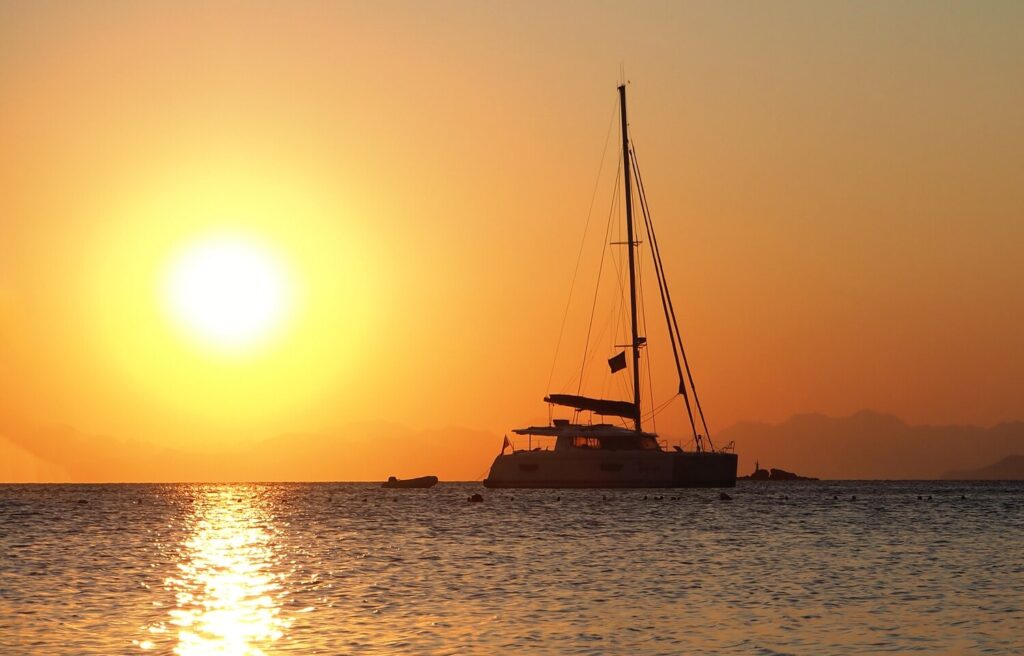
A sunset catamaran is touristy, sure, but it’s a lovely way to end a beach day. You sail the coast, stop to snorkel, eat on board and head back as the sky turns orange.
In Tamarindo, Marlin del Rey’s afternoon trip leaves at 1:30 PM and costs $106 plus tax. You get a meal and an open bar. There’s no dock, so you wade out to a small boat.
In Manuel Antonio, catamarans cost about $88.50 to $97. May to November, some only sail in the morning, before the afternoon rain.
Sunset is around 5:15 to 6 PM, depending on the month. Bring a light layer, since it cools off fast once the sun drops.
30. Go Scuba Diving at Cocos Island
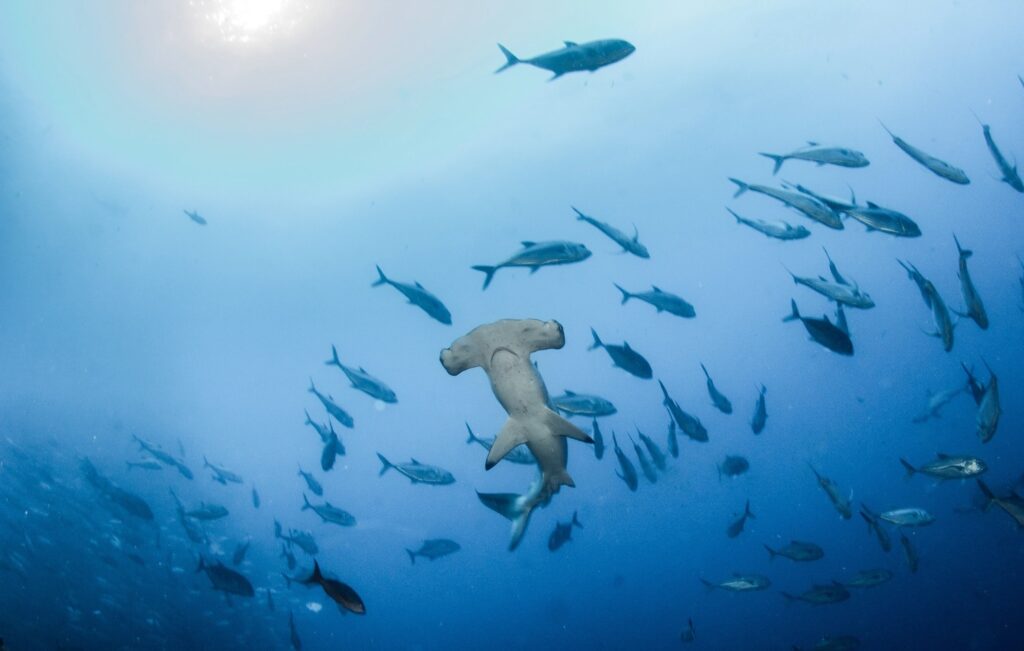
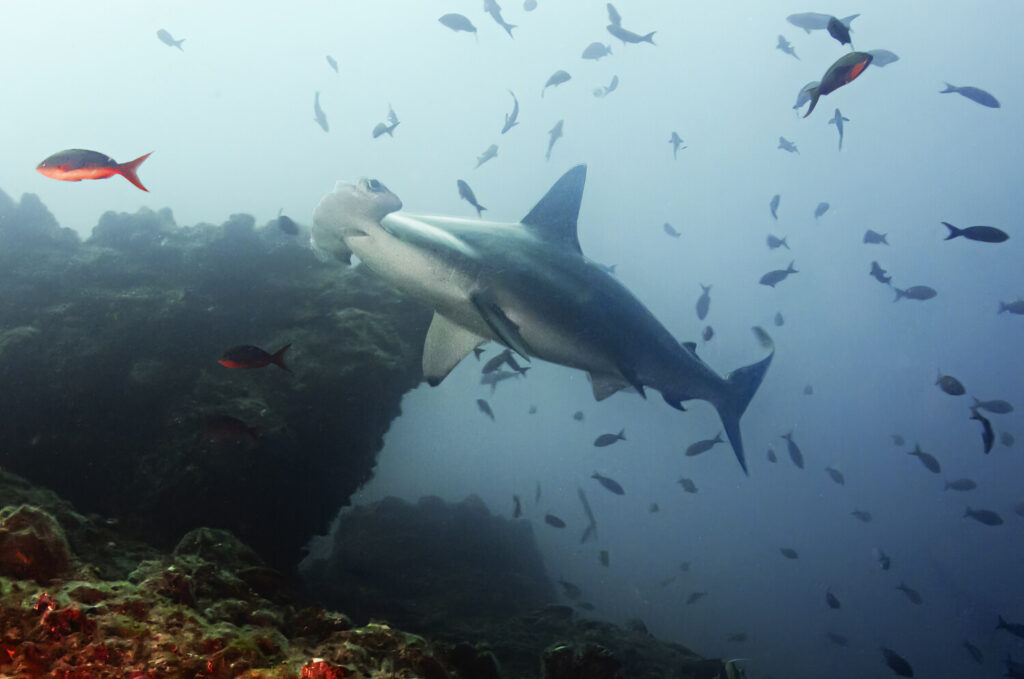
Cocos Island is the big one for experienced divers, famous for schools of hammerhead sharks. It’s about 550 km offshore and 36 hours by boat, so the only way in is a liveaboard trip.
Trips leave from Puntarenas and run about 10 nights. Expect to pay about $4,500 to $11,000 per person, depending on the boat and the length.
Hammerheads, whitetip reef sharks and manta rays are the big draws. The currents are strong and the diving is deep, so it’s for advanced divers only. Crossings can be rough, so pack seasickness pills.
For most people, it’s a once-in-a-lifetime trip. Book months ahead, since the boats fill up early.
How to Get Around Costa Rica
Getting between these places takes longer than the map suggests, since mountain roads are slow and winding. You’ve got three good options.
Shared shuttles are the easy middle ground. San José airport to La Fortuna costs about $65 to $95. To Manuel Antonio, it’s $60 to $95.
Public buses cost far less, about $10 to La Fortuna or $14 to Manuel Antonio. They’re slow, though, and many terminals want cash.
A rental car gives you the most freedom. But the law requires third-party liability insurance of about $13 to $25 a day on top of the quote. Our guide to renting a car in Costa Rica explains it.

Which Things to Do in Costa Rica Should You Pick?
With one week, pick two bases. La Fortuna gives you Arenal, the waterfall, the hot springs and Rio Celeste, and Manuel Antonio or Monteverde fills the rest. Our 1-week Costa Rica itinerary lays it out.
With two weeks, add a coast. Pick Uvita in whale season, Nosara or Santa Teresa for surf, or Tortuguero for turtles July to October. Our 2-week Costa Rica itinerary shows how it fits.
On a budget, lean on the cheap wins. El Choyín, the whale tail at $6.78 and the Tárcoles bridge cost next to nothing. Save Corcovado and Cocos Island for trips where wildlife is the whole point.
Things to Do in Costa Rica FAQ
What Is the Best Time to Visit Costa Rica?
The best time to visit Costa Rica for sun is the dry season, late December to April. That’s when beaches and volcano views are at their best. It’s also the busiest and priciest time.
May to November is the green season, with afternoon rain, lower prices and the turtle and whale seasons. September and October are the wettest months. Our guide to the best time to travel to Costa Rica goes month by month.
How Much Do Things to Do in Costa Rica Cost?
Things to do in Costa Rica cost about $7 to $29 for park and reserve entry. Most guided tours cost about $50 to $150. Manuel Antonio costs $18.08, Rio Celeste $13.56 and a Monteverde Cloud Forest Reserve circuit $29.
Some of the best things are free or close to it, like the El Choyín hot river and the Tárcoles crocodile bridge. Most tours add 13% tax to the quoted price.
Do You Need a Car in Costa Rica?
You don’t need a car in Costa Rica for the classic route of La Fortuna, Monteverde and Manuel Antonio. Shared shuttles and tours with pickup cover it. Shuttles from San José airport to La Fortuna cost about $65 to $95.
A car helps for remote beaches and early starts. Budget for third-party liability insurance, which the law requires, at about $13 to $25 a day.
How Many Days Do You Need in Costa Rica?
Most people need 7 to 10 days in Costa Rica to see a volcano, a cloud forest and a beach without rushing. A week fits La Fortuna plus Manuel Antonio or Monteverde.
With two weeks, add a coast like Uvita, Nosara or Tortuguero. Our 10-day Costa Rica itinerary is a good middle ground.
Can You Still See Lava at Arenal Volcano?
You can’t see lava at Arenal Volcano anymore. It erupted almost daily after 1968, then went quiet in 2010.
You can still hike over the old lava flows in Arenal Volcano National Park for $15 plus tax. The private Arenal 1968 reserve has them too, for about $25 to $28. For an active crater, Poás is about 1.5 hours from San José, with tickets at about $17.
Where Can You See Sea Turtles in Costa Rica?
You can see sea turtles nesting in Tortuguero and at Ostional, near Nosara. In Tortuguero, green turtles nest July to October, and guided night tours start at about $35.
At Ostional, thousands of olive ridleys come ashore during arribadas, mostly July to December, with the biggest September to November. A certified local guide is required. Prices vary by guide, so ask your hotel for the current rate.
Ready to Plan Your Route?
Our 1-week itinerary covers La Fortuna, Monteverde and Manuel Antonio, with drive times between each stop.
Got more time? See our 2-week Costa Rica itinerary.