

15 Tips for Visiting Costa Rica in 2026
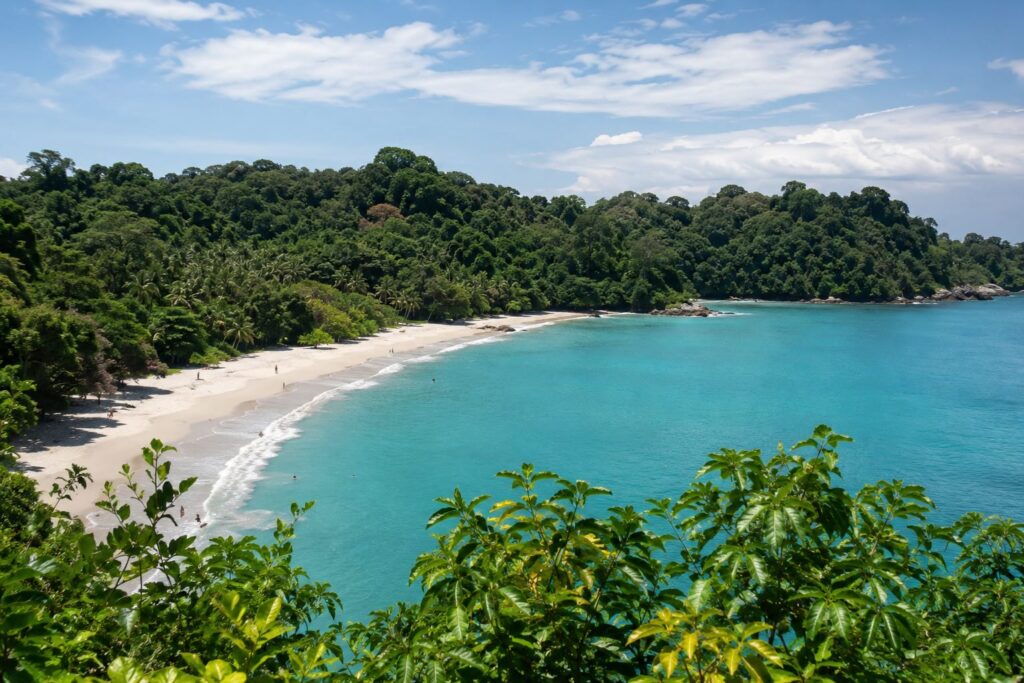
Costa Rica is home to around 6% of the world’s species while covering just 0.03% of the planet’s surface. For a country roughly the size of West Virginia, that’s a lot packed in. You’ve got Pacific beaches, a Caribbean coastline, cloud forests, active volcanoes, and food that genuinely surprises people. That combination is hard to beat.
2026 is a great year to go. Infrastructure has improved, domestic flight routes have expanded, and eco-lodges are opening in spots that were hard to reach just a few years ago. But Costa Rica isn’t cheap, and it’s not the kind of place where things sort themselves out if you don’t plan ahead. These 15 tips will save you money, time, and a fair bit of frustration.
15 Tips When Visiting Costa Rica
Tip 1: Know the Two Seasons Before You Book
Dry season runs December through April. Green season covers May through November. Most people book in dry season, which means bigger crowds, higher prices, and better road conditions.
Green season is quieter and cheaper, and waterfalls and rivers are at their best, but afternoon rain is pretty much guaranteed in most regions. The Pacific and Caribbean coasts run on opposite weather patterns, so when it’s wet on one side, the other is often clear.
The Caribbean coast gets its best conditions from February to April and again in September and October.
Tip 2: Get Your Entry Requirements Right
For 2026, you need a passport valid for the full duration of your stay and proof of onward or return travel. If you arrive on a one-way ticket, airlines will likely ask for it before you even board.
No COVID-related requirements remain, thankfully. If you’re coming from certain countries in South America or Africa, including Brazil, Colombia, and Venezuela, you’ll need a Yellow Fever vaccination certificate.
Travel insurance is no longer a legal requirement, but medical evacuation from somewhere remote like Drake Bay can run well into five figures. Sort out your coverage before you leave home. We always recommend SafetyWing as they have a good reputation, especially for Westerners.
Tip 3: A 4WD Is Not Optional for Many Areas
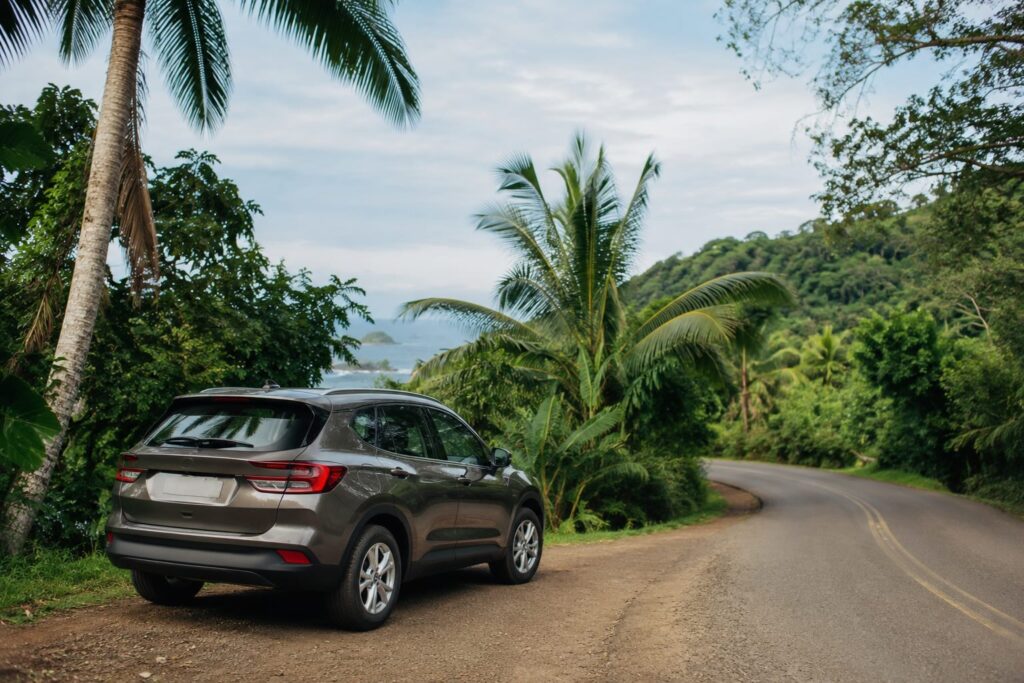
A compact sedan works fine if you’re sticking to main roads and popular spots like La Fortuna or Manuel Antonio. But heading to Monteverde, the Osa Peninsula, Santa Teresa, Nosara, or anywhere off the main highway changes things fast.
Those roads are unpaved, steep, and rough in the wet season. Even in dry season, river crossings and deep potholes can catch you off guard.
High clearance matters more than four-wheel drive in many cases, but for the Osa and Monteverde during rainy season, you genuinely need both. Always check the fine print on your rental insurance, since many policies don’t cover river crossings.
Tip 4: Book Popular Spots Well in Advance
Manuel Antonio National Park requires online booking and caps daily entry numbers. Tortuguero fills up fast during turtle season, which runs July to October. Arenal lodges inside the national park boundaries book out months ahead during peak season, December to March.
Mid-range places in popular areas disappear well before you arrive if you wait too long. The further off the beaten path you go, the more this matters, since options are limited and there are no last-minute deals. Lock in your top priorities at least two to three months ahead for peak season.
Tip 5: Carry More Cash Than You Think You Need
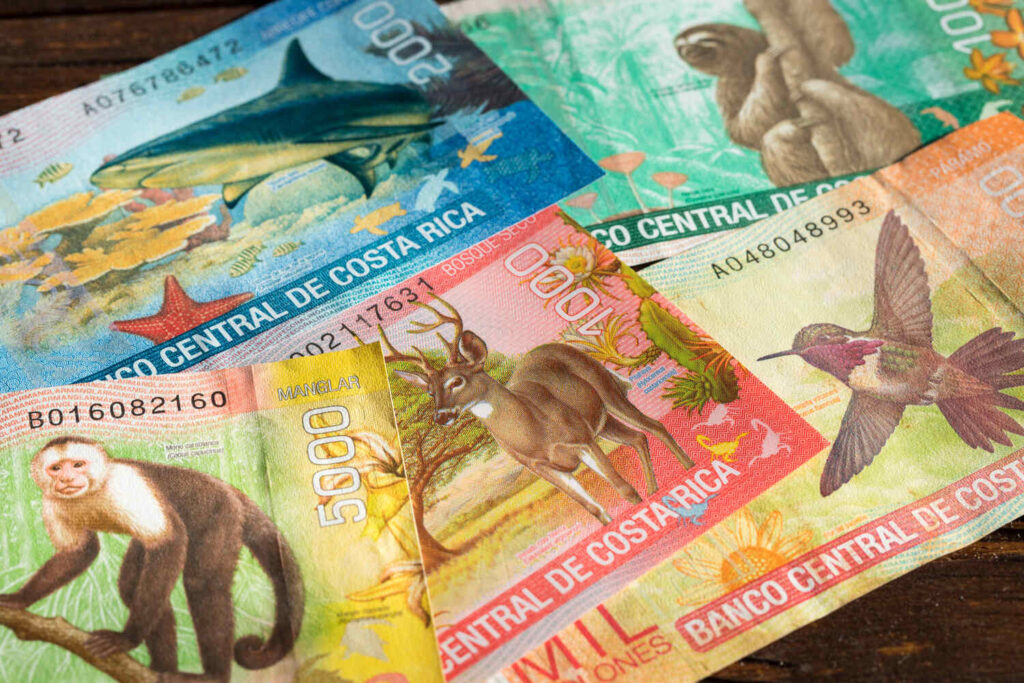
Costa Rica runs on both colones and US dollars, and cards work in most popular areas and larger towns. But once you’re outside those areas, cash is often your only option.
ATMs in rural spots can be unreliable or simply out of money, so pulling cash in San Jose or Liberia before heading somewhere remote makes sense. BAC Credomatic and Scotiabank ATMs tend to have better international card compatibility.
Also worth knowing: restaurants add a mandatory 10% service charge and 13% IVA tax to your bill, so menu prices look lower than they actually are.
Tip 6: Don’t Skip Travel Insurance
Travel insurance isn’t legally required to enter Costa Rica, but the costs of going without it can get ugly fast. Medical evacuation from a remote area like the Osa Peninsula or the Caribbean coast can run $50,000 or more.
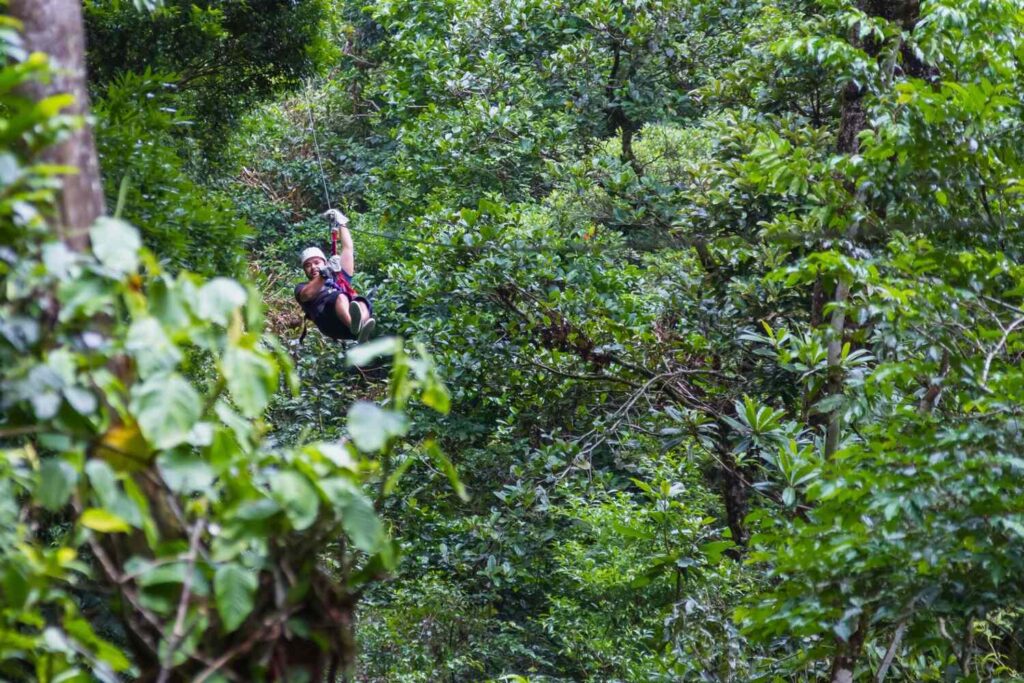
Most adventure activities, including zip-lining, white water rafting, and surf lessons, are excluded from standard policies, so check the fine print carefully.
Green season travel also makes cancellation coverage worth considering, since weather can shut things down without much warning. Sort this out before you book your flights, not after.
Tip 7: Keep Your Distance from the Wildlife
Costa Rica has howler monkeys, capuchins, sloths, caimans, American crocodiles, bull sharks in the Tarcoles River and Sierpe area, and a variety of venomous snakes. Most encounters are fine if you keep your distance and don’t feed anything. Feeding monkeys causes real behavioural problems and can genuinely shorten their lives.
For the best wildlife sightings, book a guided tour at Corcovado, take a night hike near La Fortuna, or join a sea turtle tour in Tortuguero where trained guides manage the whole thing ethically. Keep your hands to yourself and you’ll have a much better time.

Tip 8: Learn a Few Words of Spanish
Popular spots like La Fortuna, Tamarindo, Jaco, and Manuel Antonio have plenty of English speakers. Outside those areas, the situation changes quickly. In rural towns, markets, sodas (local canteens), and with taxi drivers, basic Spanish goes a long way.
Good phrases worth learning before you go: “¿Cuánto cuesta?” (how much?), “¿Dónde está…?” (where is…?), “La cuenta, por favor” (the bill, please), “Con permiso” (excuse me), and “No, gracias” (no, thanks).
WhatsApp is how almost every local business, tour operator, and accommodation communicates, so download it before you land (that is, if you don’t use it already).

Tip 9: Roads and Directions Work Differently Here
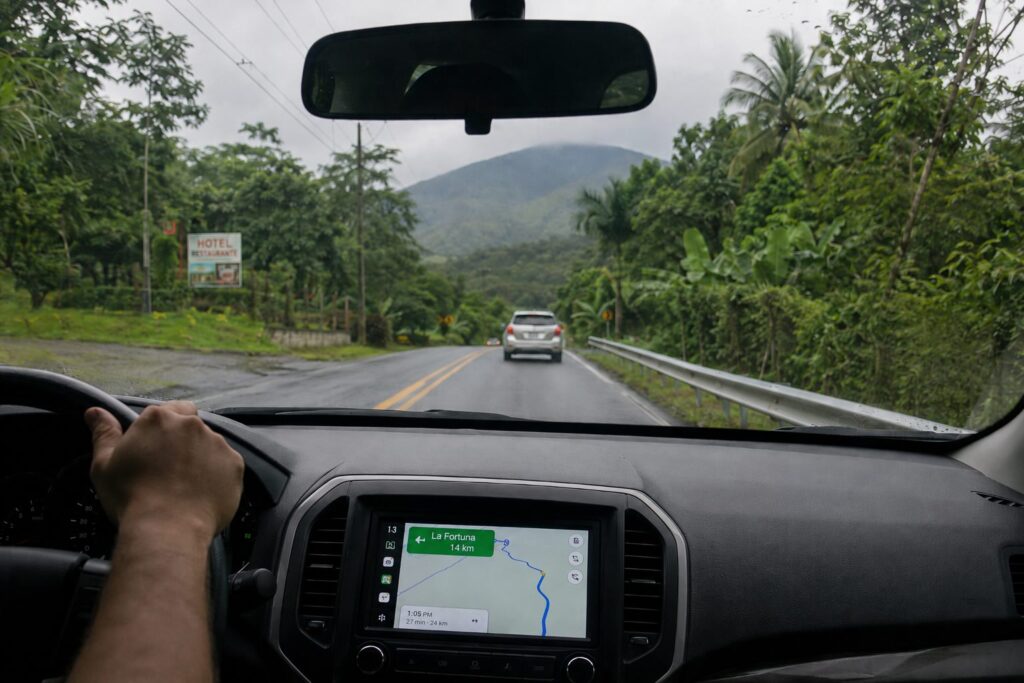
GPS works reasonably well on main routes but many roads in Costa Rica aren’t mapped properly. Off the main highways, you’ll hit unpaved stretches, one-lane bridges, and long gaps with no road signs.
Locals give directions using landmarks: “200 meters past the yellow school” or “turn left at the mango tree.” Download Maps.me or OsmAnd with offline Costa Rica maps as a backup to Google Maps.
And never drive unfamiliar rural roads after dark. Potholes, livestock crossing the road, and one-lane bridges are significantly harder to deal with when you can’t see them coming.
Tip 10: Pack for Two Climates at Once
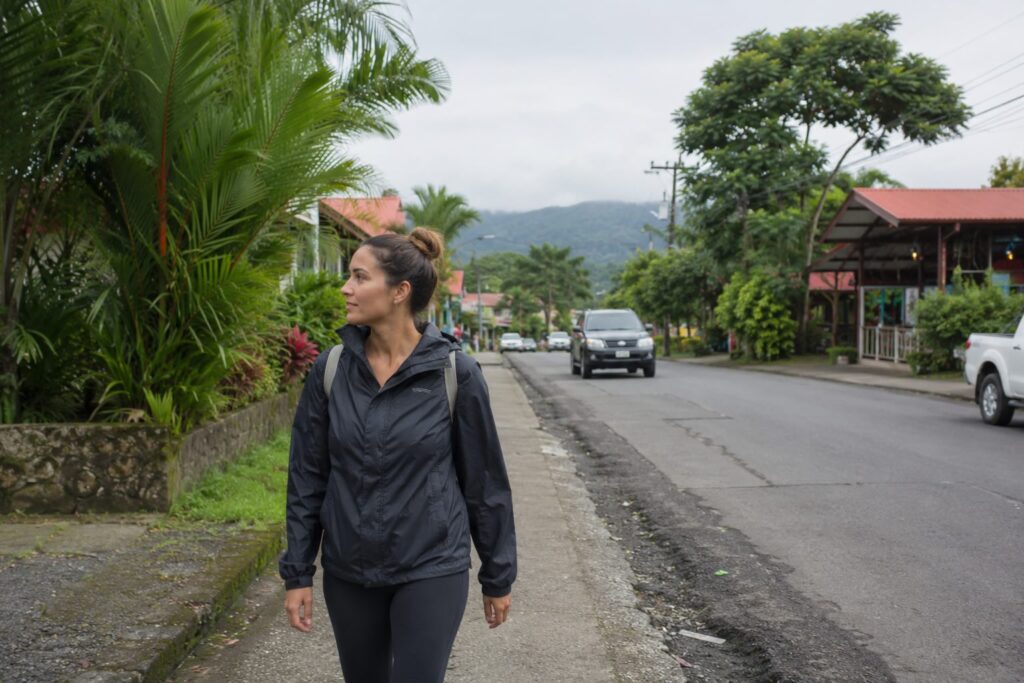
The coast can sit at 34°C while Monteverde is cool and misty at around 17°C. If your trip moves between regions, you actually need layers. A lightweight waterproof jacket is non-negotiable in rainy season and still worth packing in dry season.
Reef shoes or water sandals work well for river crossings and beach walks. Proper hiking shoes are worth bringing if you plan on trails. Flip-flops alone won’t cut it everywhere. Sunscreen is expensive in Costa Rica, so bring a solid supply from home. Same goes for insect repellent if you have a brand you trust.
Tip 11: Budget More Than You Think
Costa Rica surprises people. It’s not cheap. A mid-range day covering accommodation, meals, and one activity runs around $90 to $150 per person. Backpackers can get by on $40 to $65 per day by staying in dorms, eating at sodas, and taking public buses.
At the comfortable end, expect $150 to $250 or more once you add a decent hotel, restaurant dinners with drinks, and private transfers. National park entry fees run $10 to $20 per visit. The 13% IVA tax applies to nearly everything, so the final bill often catches people off guard.

Tip 12: Plan Your Itinerary Around Travel Time, Not Distance
100 kilometres on a map in Costa Rica can easily take three hours. Mountain roads are winding and slow, and San Jose traffic during rush hour (roughly 7 to 9am and 4 to 7pm) can add serious time to any route.
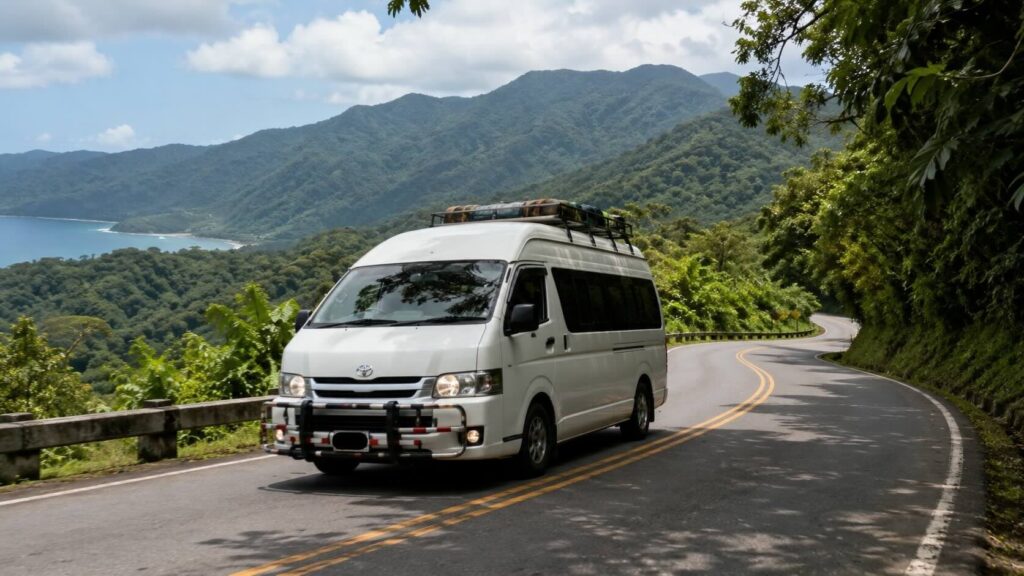
Domestic flights between San Jose, Liberia, Quepos, Drake Bay, and Tortuguero are worth the cost if your time is tight. Sansa and Green Airways both serve the main routes and can cut a five-hour drive down to about 45 minutes. Route your trip so you’re not constantly backtracking across the country.
Tip 13: The Tap Water Is Safe in Most Places
Most of Costa Rica has safe tap water, particularly in urban areas and major destinations. San Jose, La Fortuna, Monteverde, Manuel Antonio, and the Central Valley all have reliable, well-maintained water systems.
The mountain regions actually have some of the cleanest tap water in the country thanks to natural aquifers. Be more careful on the Caribbean coast, in the Osa Peninsula, and in small remote villages, where infrastructure is less consistent.
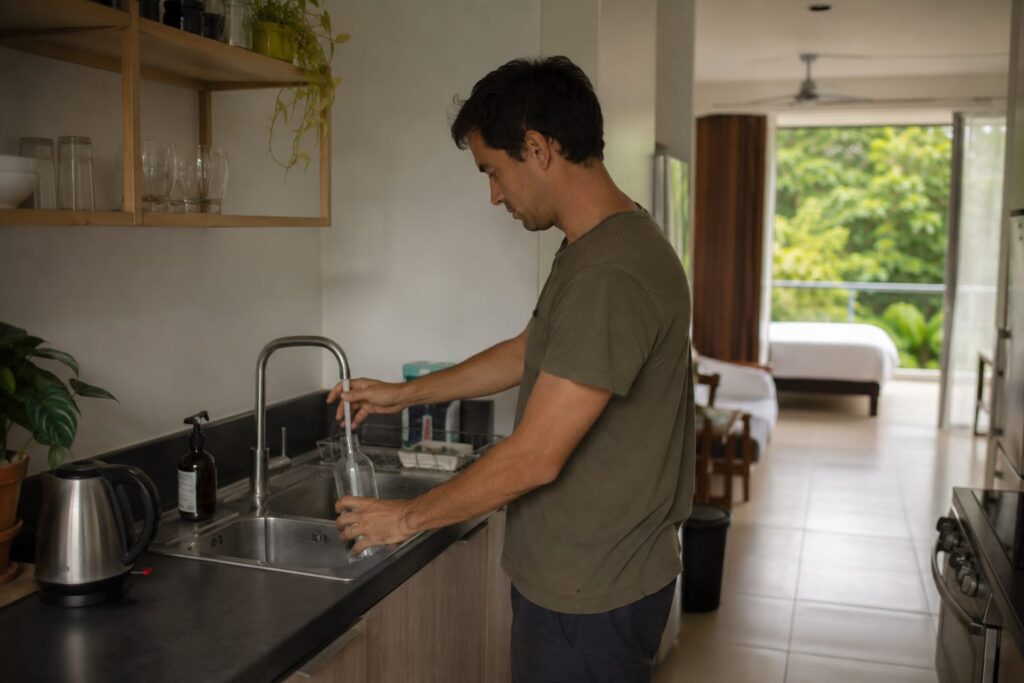
When in doubt, ask your accommodation directly. A filtered water bottle pays for itself quickly and cuts down significantly on plastic waste.
Tip 14: Be Smart About Safety
Costa Rica is generally safe and serious crime against you is low. Petty theft is the main issue. Rental car break-ins do happen at beaches and near popular attractions, so never leave anything visible in a parked car.
Rip currents at Pacific beaches kill more people each year than crime does. If you get caught in one, swim parallel to the shore rather than fighting the current directly. In San Jose, avoid the area around the Coca-Cola bus terminal and La Carpio after dark. Those parts of the city can be rough at night.
Tip 15: Go Slow
Pura vida isn’t just a phrase locals throw around. It shapes how everything works: service pace, punctuality, road maintenance, shop opening hours. Fighting it wastes your energy. Costa Rica rewards you when you slow down and give places more than a quick day or two.
Trying to hit every region in ten days means long drives you barely remember and nights in places you never actually settle into. A week focused on one or two regions with day trips works far better than a sprint across the whole country. The Osa Peninsula is deeply underrated and earns at least three days on its own.
Frequently Asked Questions
Is Costa Rica a good destination for families with young kids?
Most activities have age minimums: zip-lining is typically 7+, and white water rafting at Class 3+ is usually 12+. Manuel Antonio is the top pick for families with younger kids since the national park is walkable, beaches are calm, and wildlife sightings are nearly guaranteed. Pack light on the kid-specific supplies; formula, sunscreen, and diapers are all available in larger towns.
Do I need any vaccinations before I go?
The CDC recommends Hepatitis A and Typhoid for most trips to Costa Rica, especially if you plan to eat at local sodas and markets. Malaria risk is low in most popular areas but slightly higher on the Caribbean coast and in remote jungle spots. Yellow Fever vaccination is required if you’re arriving from certain countries in South America or Africa. Visit a travel clinic at least four weeks before your flight.
What’s the food situation like?
A casado is the go-to budget meal: rice, black beans, salad, a protein (chicken, fish, or beef), and sometimes plantains, all for $5 to $10 at a local soda. Vegetarian and vegan options are easy to find in popular towns and increasingly common even in smaller ones. Fresh ceviche and tropical fruit are both worth prioritising. Food at sodas and well-trafficked stalls is generally safe to eat.
Is there a departure tax and how do you pay it?
Costa Rica charges a $29 departure tax when you fly out. Most airlines include it in the ticket price, but not all do; check your fare breakdown carefully. If it’s not included, pay at a dedicated counter at the airport in US dollars or colones before check-in. Paying by credit card adds a $10 cash advance fee, so cash is the better option here. Land and sea departures don’t carry this fee.
Can I bring a drone?
Drones over 250g need DGAC registration before you fly. Flying over national parks and SINAC-managed reserves is prohibited without a special permit that typically takes several weeks to obtain. That covers big-name spots like Corcovado, Manuel Antonio, Tortuguero, and Monteverde.
Fines can reach $10,000 USD and confiscation is standard. A lot of Costa Rica drone footage you see online was filmed illegally. Sub-250g drones like the DJI Mini series have lighter requirements, but the national park rules still apply.
What’s the Uber situation?
Uber operates in a legal gray area in Costa Rica but is widely used and the risk to passengers is low. It works well in San Jose, the Central Valley, Liberia, Jaco, Quepos, and a handful of other popular towns. Outside those areas, it’s unreliable. DiDi is available in San Jose too and is sometimes 10 to 20% cheaper. For travel between regions, private or shared shuttles are far more practical than either app.
Is Costa Rica LGBTQ+ friendly?
Same-sex marriage has been legal since 2020, making Costa Rica the first country in Central America to legalize it. San Jose, Manuel Antonio, and Tamarindo tend to be the most openly welcoming areas.
Rural towns are more conservative. Manuel Antonio in particular has a long-standing reputation as the most LGBTQ-friendly spot in Central America and draws a large international crowd year-round.
What’s the electricity and plug situation?
Costa Rica runs on 110V with Type A plugs, the same as the US and Canada. Coming from Europe or Australia, you’ll need an adapter and possibly a converter for higher-wattage devices. Power outages do happen in remote areas, especially during heavy rain. Lodges in places like the Osa Peninsula sometimes run on generators, so charge your devices whenever you get the chance and don’t count on power being available overnight.
What are the best apps to download before you land?
WhatsApp is essential: nearly every tour operator, accommodation, and local business uses it as their main contact channel. Maps.me or OsmAnd for offline maps since Google Maps has real gaps outside main routes.
Waze for driving since locals depend on it for real-time traffic. XE Currency for quick colones conversions. For data on arrival, an eSIM through Airalo or Holafly set up before you fly keeps you connected from the moment you land.

Conclusion
Thanks for reading all the way through. Costa Rica Trip Itinerary puts a lot of time and energy into the content and site to make sure everything is accurate, practical, and genuinely useful for planning your trip.
If you have questions, something has changed since we published this, or you just want to talk through your plans with people who’ve been there, come find us on our Facebook group or Reddit community. We’d love to hear from you.